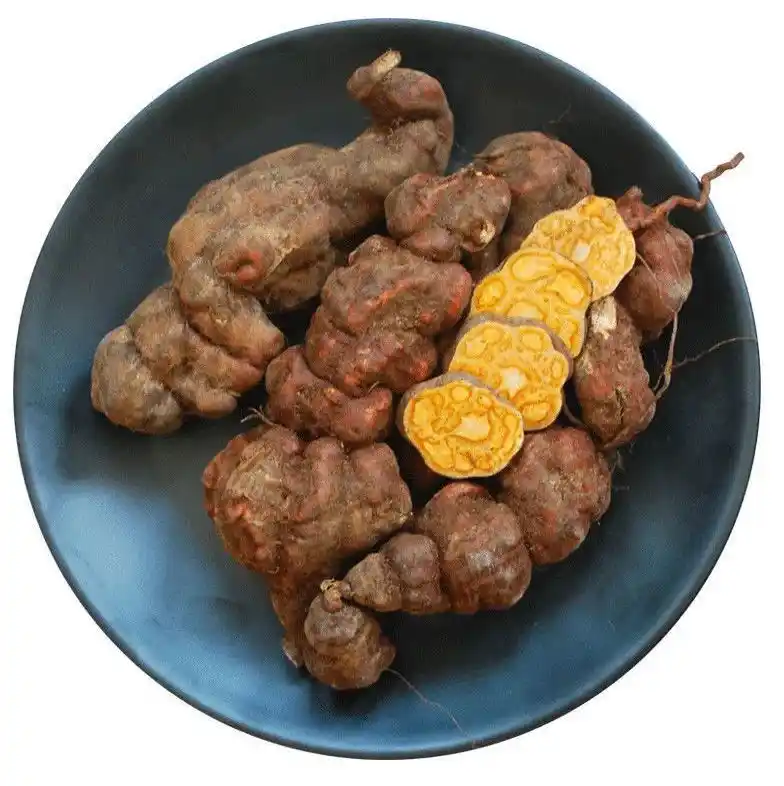
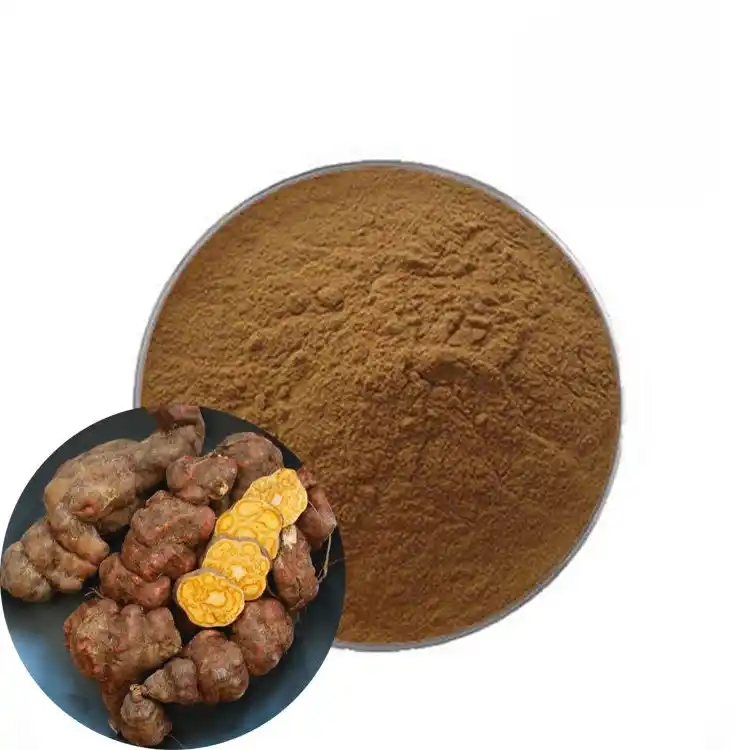
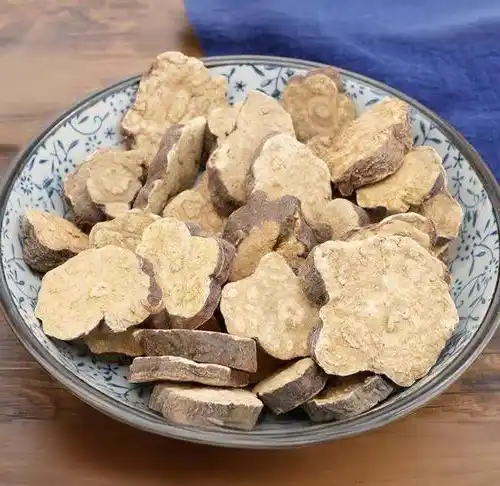
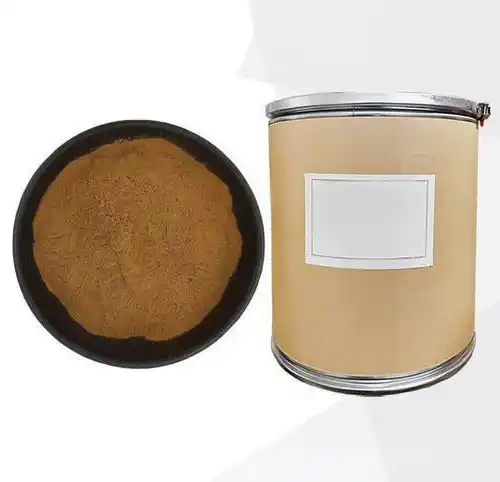
If you buy roots and rhizomes in bulk, you’ve seen this movie.
A container lands. Your IQC pulls samples. The lab numbers don’t match the COA. Somebody says “off-spec.” Then the thread turns into a messy mix of screenshots, opinions, and “we always do it this way.”
That’s not a quality problem first. It’s a spec problem.
Most claim disputes don’t start with bad material. They start with a spec sheet that’s missing the boring parts: test method, tolerance, sampling, and disposition rules. When those are blank, both sides freestyle. And freestyle + global logistics = drama.
This article uses the same control thinking you’ll see in GuoCao’s factory guides—GMP decoction piece production, ISO 22000 food safety controls, third-party COA, and an OEM/ODM flow that locks specs early. If you need the product lane, start here: Root and Rhizome Chinese Medicines. And if you’re building a broader portfolio, here’s the full range: Traditional Chinese Medicine Herbs and Spices Portfolio.
Claim disputes in root & rhizome supply chains
Let’s talk real pain points buyers actually hit:
Method mismatch: your lab uses one method, the supplier uses another. Same lot, different answer.
Moisture drift: port delays, humidity swings, and packaging choices move moisture. You test at arrival, not at factory gate.
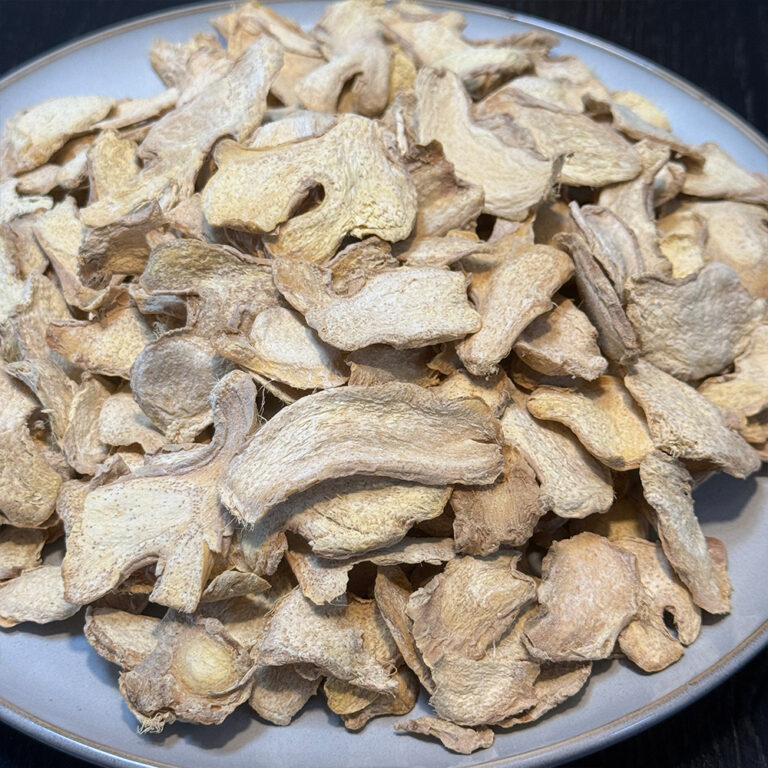
Cut size confusion: “slice” can mean 1–2 mm, or it can mean thick chunks. That changes extraction behavior and decoction time.
Traceability gaps: COA doesn’t tie cleanly to the lot code, or labels don’t match the paperwork.
“Quality looks off” arguments: odor, color, foreign matter, breakage, powder content—people argue because nobody defined a reference.
If your spec doesn’t force alignment, your receiving team becomes the referee. That’s a terrible job.
Test methods and tolerances
Here’s the rule ops people learn the hard way:
A target without a method and tolerance is just a wish.
If you write “Moisture: 8%” but don’t write the test method, the units, the sample prep, and the acceptance range, you’re basically asking for a dispute.
Same story for:
total ash / acid-insoluble ash
microbial limits
heavy metals panels
pesticide screens
sulfur dioxide limits (when relevant)
You don’t need a giant document. You need a spec sheet that makes one thing clear: how you’ll decide pass/fail.
Use ranges, not single-point targets
Single numbers look “strict,” but they’re usually fake strict.
Real agricultural materials move. Real logistics move. Even real labs move.
So instead of “Moisture: 8%” write:
Moisture: 6.5%–8.5% (Method: ___)
Or if shelf stability matters more: Water activity (aw): ≤ ___ (Method: ___)
Ranges don’t weaken your standards. They make them usable.
And yeah, you can set a tight band for a high-risk SKU. Just be honest about what you need, and tie it to a method.
Revision control and spec ownership
Specs drift. People leave. Emails vanish. And suddenly your “standard” becomes a rumor.
Put this on every spec sheet:
Spec owner (role)
Version number
Effective date
Change log (one line is fine)
This is how you stop the classic claim: “We used the old spec.” Also, dont let sales “adjust” specs in a WhatsApp chat. That’s how you get burned later.
Evidence up front: COA and lab credentials
A COA that shows up after the goods arrive is too late. It doesn’t help your planning, and it doesn’t prevent hold & release delays.
Ask for the document pack up front:
lot-level COA
methods listed per test item
lab identity (in-house or third-party)
retest / arbitration rule (more on that below)
If you’re in regulated channels (pharma distribution, hospitals, dietary supplements), this is not “extra.” It’s table stakes.
Sometimes the lot is truly off. Sometimes the method isn’t aligned. Either way, if you didn’t define the method in the spec, you’re now negotiating in the dark.
So your spec should state:
the primary method (what supplier uses)
the receiving method (what buyer uses)
the arbitration method (tie-breaker)
If your team runs two labs (internal + external), define which one decides the final call. Otherwise, you’ll bounce between labs until everyone is tired and angry.
Receiving window, re-test, and arbitration lab
This is the “stop the endless email thread” section.
Write three rules:
Receiving inspection window: X business days after arrival
Re-test window: Y days after a fail
Arbitration rule: which third-party lab or method is final
No rules = endless debate. Rules = quick disposition.
Also define what happens to the lot during review:
quarantine hold location
partial release policy (if allowed)
sampling retention (retain sample size + storage)
These are small lines that save big headaches.
Change control and corrective action
The sneakiest disputes come from silent changes:
origin shifts
slice thickness shifts
drying curve tweaks
packaging material swaps
method changes on COA
If you’re doing OEM/ODM, change control matters even more because your label is on the box.
So add:
supplier must notify buyer before changes
buyer must approve changes in writing
CAPA expectation if issues repeat (root cause + fix, not “we’ll try harder”)
This is exactly why spec lock exists in a good OEM flow. GuoCao’s process guide pushes “spec lock → sample → pilot → mass run → QA release,” which is the right order. Here it is: OEM/ODM Process for Chinese Herbal Slices
Buyer Spec Sheet: 12 fields
Keep it one page. Make it readable. If your spec needs a meeting to understand, it’s too fat.
#
Spec field (roots & rhizomes)
What you write (plain, testable)
What dispute it prevents
1
Product identity
Latin + common name + part used + form (slice/cut/powder)
Root & rhizome examples buyers actually fight about
Moisture drift after transit
You approve a COA. Goods arrive. Your lab finds moisture higher than expected.
If your spec didn’t define:
method
range
storage expectation
sampling plan
…then you’ll argue about blame instead of fixing the system. A better move: write the band, lock the method, and define how you’ll treat transit-drift (especially for long sea routes).
Slice thickness mismatch
This one hurts because it’s “technically fine” but operationally painful.
Thin slices may powder during handling. Thick cuts may decoct slow. Extraction curves change. Your blend uniformity changes. Then someone calls it “quality issue,” but it’s really a format spec issue.
Fix: define slice thickness as a range, and pair it with the actual use scenario (decoction vs extraction vs tea bag).
COA doesn’t tie to the lot
When COA and lot code don’t match cleanly, you can’t defend the lot during audits. Your warehouse will quarantine it, even if the herb is great.
Fix: require lot code format on labels + COA, and make “label reconciliation” part of the shipment release checklist. Boring, but it works.
How GuoCao supports a spec-driven buy
A tight spec sheet only works if the supplier can execute it and prove it.
GuoCao positions itself as a global manufacturer with:
GMP herbal slice (decoction pieces) production lines
Our low MOQ of 1 kg (2.2 lb) makes it easy to order Chinese herbal slices or wholesale Chinese medicine herbs. Private-label and bilingual labeling are also available.
Delivery Cycle & Support
We have a fast 7-day lead time. We provide free samples, COA reports, and technical support to help you bring high-quality bulk Chinese herbs to market.
Quality & Certifications
Our products are manufactured in a GMP-certified facility and meet ISO22000 standards. All Chinese herbs are third-party tested for heavy metals, pesticides, and microorganisms.