If you buy or sell herbs, you’ve heard the same question a thousand times: Is this the real thing from the right place? That’s geo-authenticity in plain talk—proving that an ingredient truly comes from the terroir that gives it power. In Traditional Chinese Medicine (TCM), we call it Daodi (道地). In food law, Europe tags it as PDO/PGI. In digital media, people record proof with Content Credentials. Different worlds, same idea: tie the product to its place with evidence, not vibes.
Below, I keep the tone practical and the tools usable. No mystery jargon without a reason. And yes, I’ll show where GuoCao fits, because paperwork only matters if your supplier can actually execute.
Daodi Geo-Authenticity in TCM
“Daodi” means material grown in a specific region with established methods that deliver better, consistent efficacy than the same species grown elsewhere. Reviews often note a striking pattern: roughly a few hundred Daodi items make up the bulk of clinical use. The market learned long ago that place matters.
What to document (batch level):
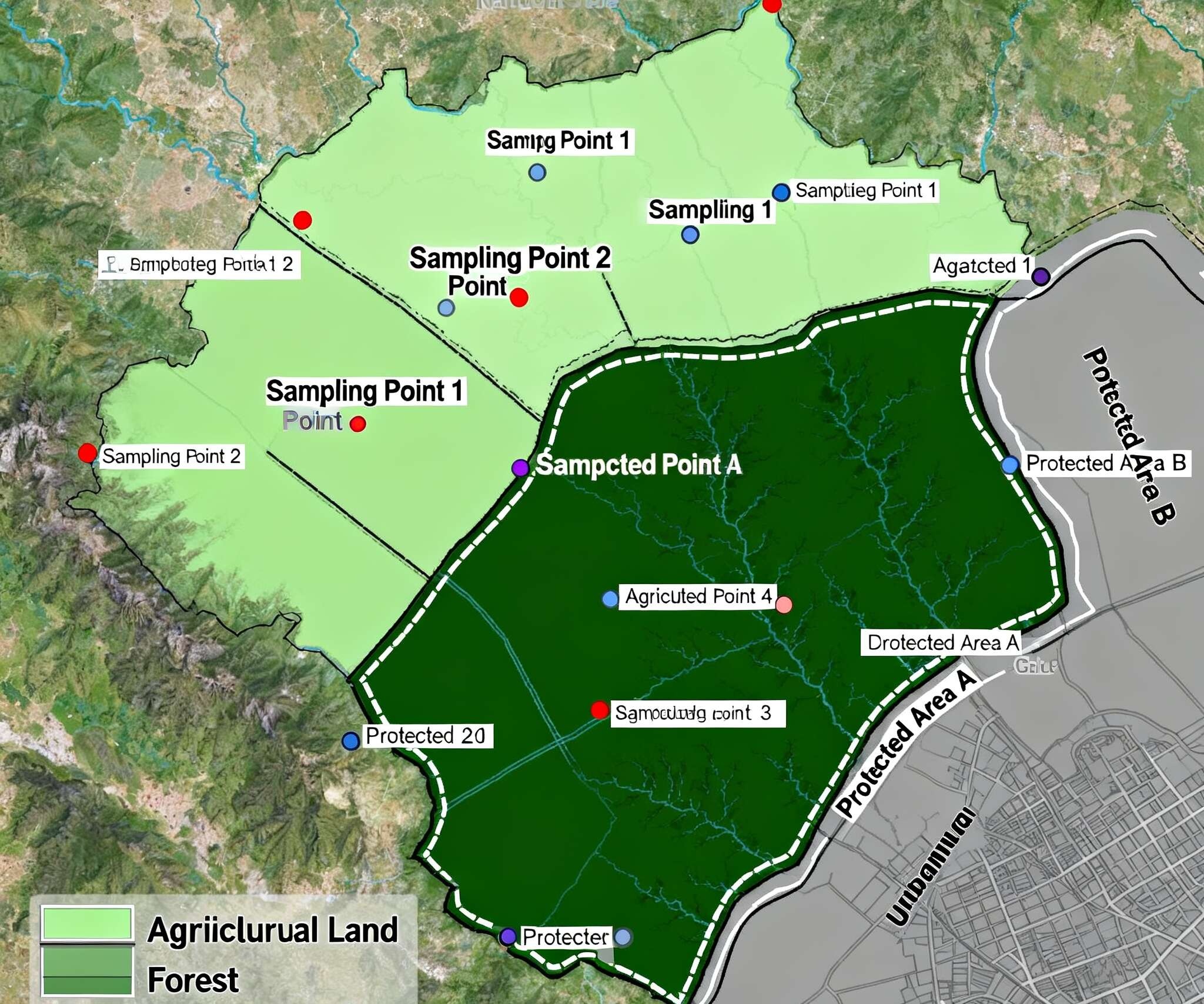
Origin evidence: real planting area or procurement region, not a vague province.
Processing trail: slicing method, drying curve, moisture, water activity—tied to SOPs.
Chemistry: marker compounds via TLC/HPLC or NIR fingerprints where relevant.
Micro & contaminants: TPC, yeast/mold, heavy metals, and pesticide residues vs spec.
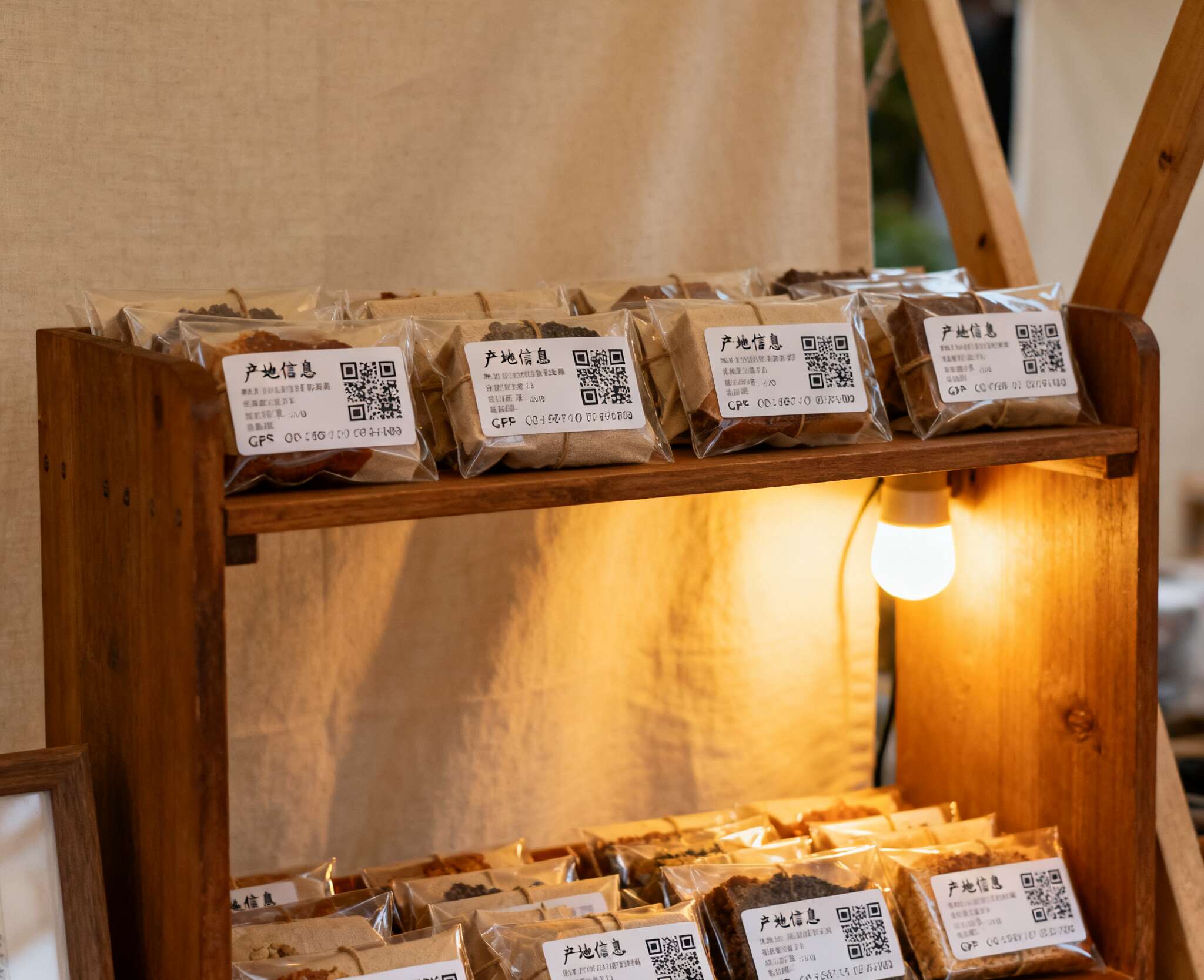
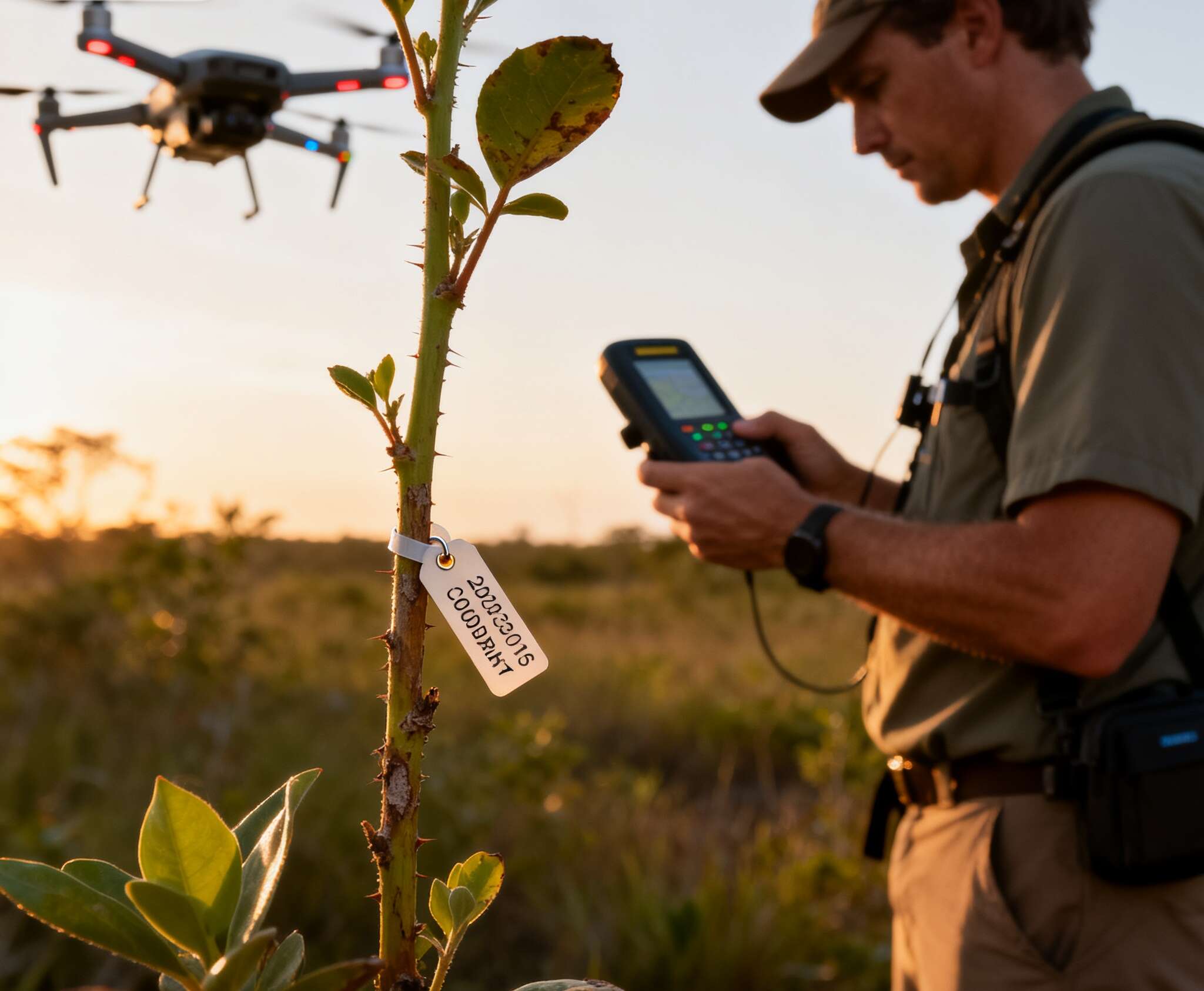
Images: field, factory, pallet—captured with verifiable metadata.
When you write “origin: Gansu” on paper but can’t back it up with a clean COA + process record + photo evidence, auditors smell the gap in one minute. Don’t do that.
EU PDO/PGI Geographical Indications (the institutional cousin)
Europe labels origin-quality links with PDO (everything happens in the region) and PGI (a clear link, at least one key step in the region). Why mention this for TCM? Because the logic is identical: document place + method and make that claim audit-friendly. Even when you sell outside the EU, adopting the same style of proof lowers friction with regulators and big retail QA.
Borrow the playbook:
Define the product spec in a public-facing way (cut size, moisture window, sensory).
Lock the process that protects quality (drying tech, storage temp, line clearance).
Map origin to named areas, not hand-wavy regions.
C2PA Content Credentials for Photos & PDFs (digital provenance)
We all share photos and PDFs. Screenshots lose metadata. Edits get invisible. Content Credentials (under the C2PA framework) add a signed, inspectable manifest to your images and docs. Later, anyone can check: who captured this, when, with what app, and what edits happened. That’s way stronger than “IMG_1234.jpg trust me.”
How to use it in one afternoon:
Turn on Content Credentials in the camera/app you use for field, processing, and pre-shipment photos.
Capture lot labels and SSCC codes clearly in frame.
Keep the originals; avoid re-saving or screenshotting.
Export a small verification report per batch. Now your geolocation pictures aren’t just pretty—they’re evidence.
GS1 EPCIS Traceability (GTIN/GLN/SSCC)
For supply-chain docs, speak GS1 so your buyers don’t need a translator:
GTIN: product ID (what).
GLN: location ID for farm, factory, warehouse (where).
SSCC: logistics unit ID for cases/pallets (which unit).
With those, the chain of custody becomes boring. Boring is good in audits. You can tie your COA, Certificate of Origin, and phytosanitary docs to a moving physical thing, not just a PDF floating in email.
FRE 901 Authentication (legal threshold in simple words)
If a dispute shows up, Rule 901 says: show the thing is what you claim. You can do that with witness knowledge, distinctive features, or process evidence (signed photos, EPCIS logs, lab reports). Geo-authenticity paperwork isn’t a parade of stamps. It’s your path to “yes, admitted.”
GuoCao: GMP + ISO 22000 + COA + Storage that Protects Quality
Who we are.GuoCao is a global manufacturer of Chinese medicinal herbs and spices. We run GMP slicing/processing lines, an ISO 22000 food-safety system, and third-party COA capability. Warehousing covers ambient / cool / modified-atmosphere zones to protect moisture and aroma. Our yearly capacity is about 2,500 tons. We support OEM/ODM, and our fermented enzyme beverages line is live. Products ship to 30+ countries and regions (U.S., EU, Australia, Japan, Korea, Canada, Malaysia, Philippines, and more).
Why that matters for geo-authenticity:
Capacity + process control = we can keep batch records without gaps.
Third-party COA = outside eyes; cleaner acceptance at destination labs.
Storage tech = low water activity maintained; organoleptics stay stable.
(If you need bilingual labeling or botanical Latin cross-checks, we prep that too.)
Practical Use Cases (real buyer pain points)
Dietary supplement maker — “Prove potency and micro in every lot.” We align your spec (marker range, TPC, mesh/cut size) with our batch plan, then ship with COA + EPCIS events + Content-Credentialed photos. If a retailer audits, your QA pulls a clean pack of files. No hunting across five inboxes.
Functional beverage brand — “Stable flavor, clean label.” We run pilot blends under GMP, validate organoleptics and TPC, then lock a master. We attach process photos (with credentials on) and keep a batch traveler. When you scale, your SOPs don’t drift. It just works, mostly.
Hospital / TCM clinic supply — “Daodi or nothing.” We pair origin statements with morphology checks and TLC/HPLC fingerprints when applicable. Slice grade and cut are documented. Pharmacies don’t want stories—they want a release packet that stands up in internal review.
Cosmetics ingredient buyer — “Residue limits, SDS, trace-back.” You get COA + MSDS + allergen + C/O in the same folder. GLN history is clear. If your regulatory team needs a deviation report or CAPA note, we open it, not hide it.
Our low MOQ of 1 kg (2.2 lb) makes it easy to order Chinese herbal slices or wholesale Chinese medicine herbs. Private-label and bilingual labeling are also available.
Delivery Cycle & Support
We have a fast 7-day lead time. We provide free samples, COA reports, and technical support to help you bring high-quality bulk Chinese herbs to market.
Quality & Certifications
Our products are manufactured in a GMP-certified facility and meet ISO22000 standards. All Chinese herbs are third-party tested for heavy metals, pesticides, and microorganisms.