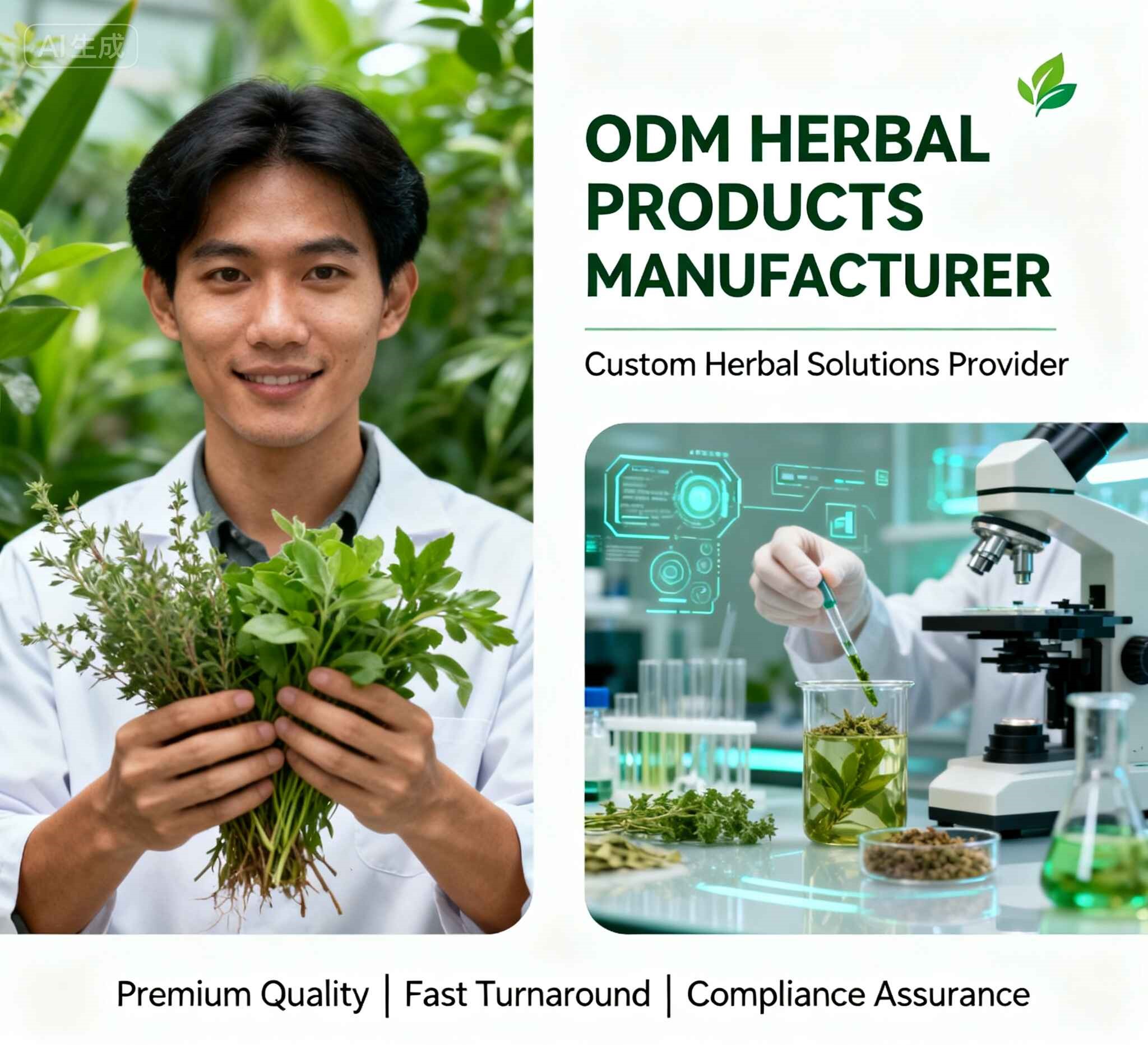
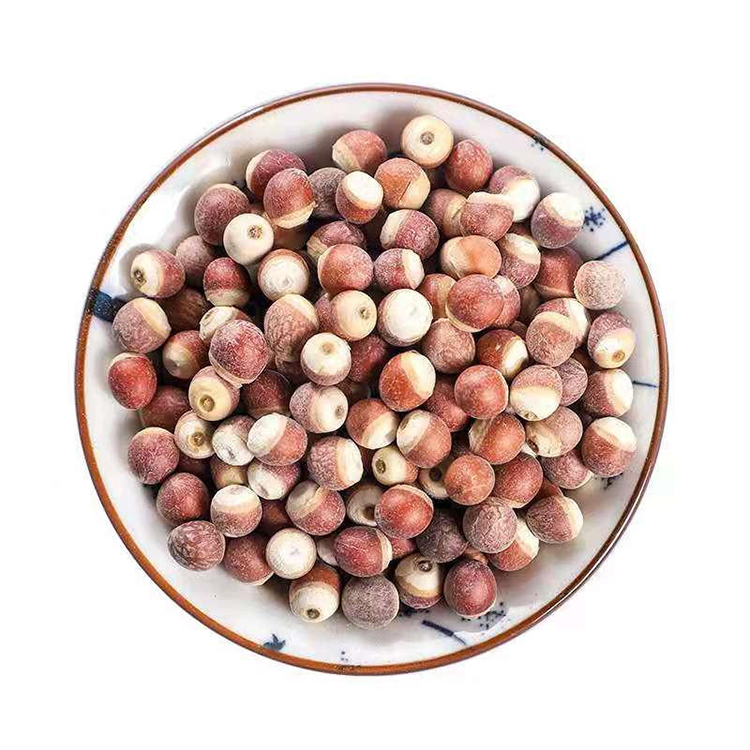
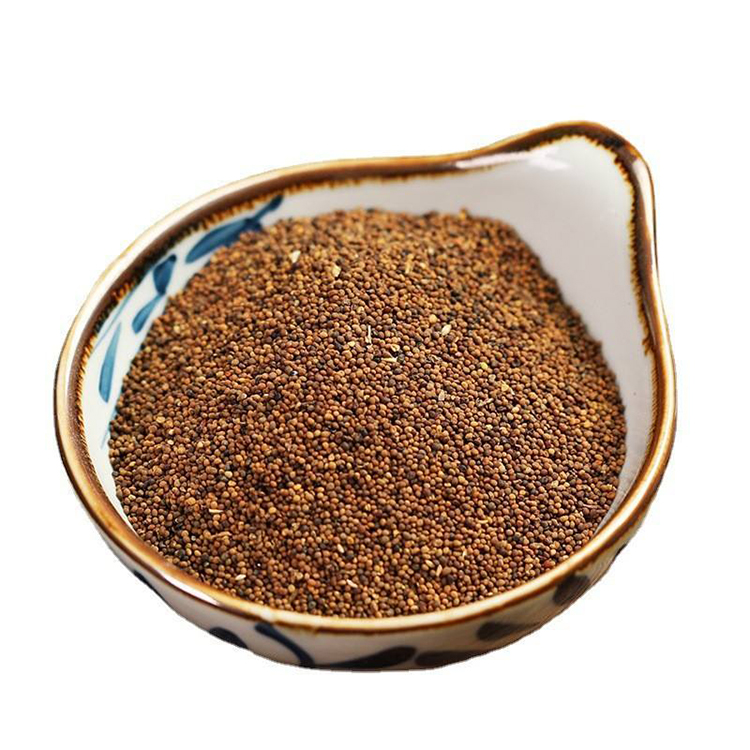
You want herbal products that move fast, pass audits, and look good on shelf. You also don’t want to babysit a factory. That’s where an herbal product manufacturer offering ODM services actually earns its keep. Below I’ll lay out how ODM fits the herbal world, why GuoCao is built for it, and what “good” looks like—using real product categories, real specs language, and links to concrete SKUs you can touch.
OEM vs. ODM in herbal manufacturing (keywords: OEM, ODM, private label, contract manufacturing)
Quick take:
OEM = you bring the formula/spec, we make it.
ODM = you bring the brief and goals, we co-design the formula, packaging, claims language (within regs), and manufacturing route.
For herbs, ODM matters because you’re juggling crop variability, regional pharmacopeias, and downstream dosage forms (slices, granules, tinctures, beverages). ODM shortens the loop between sourcing, QC, and commercialization. You reduce tech transfers and fewer surprises at scale-up. Less rework, fewer non-conformances.
Root and Rhizome raw material sourcing (keywords: root and rhizome, Chinese medicinal herbs, sliced botanicals)
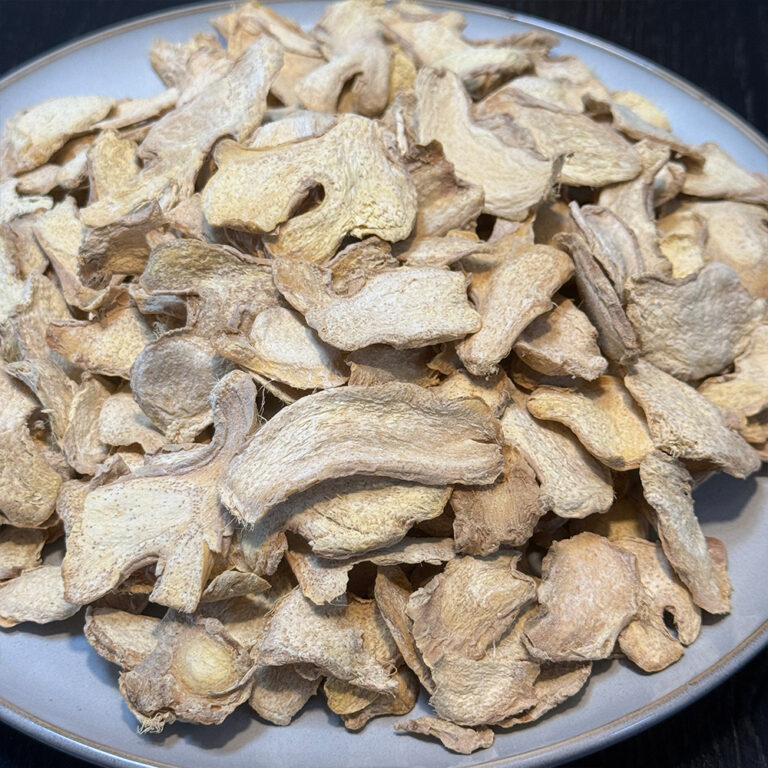
“Root and Rhizome” sits at the core of many TCM and functional SKUs. GuoCao’s specialty is GMP-grade herbal slices with ISO 22000 food safety, COA by third-party labs, and airtight traceability. That’s not marketing fluff; it’s the baseline for running ODM without chewing weeks on re-qualification.
Explore a few concrete SKUs (you can check the cut, morphology, and label style):
North American Codonopsis Root (Bei Sha Shen) blocks — product page
GuoCao homepage (supplier profile & categories) — link
Quality and compliance that de-risk ODM (keywords: GMP, ISO 22000, COA, traceability)
What you should expect from an herbal ODM partner:
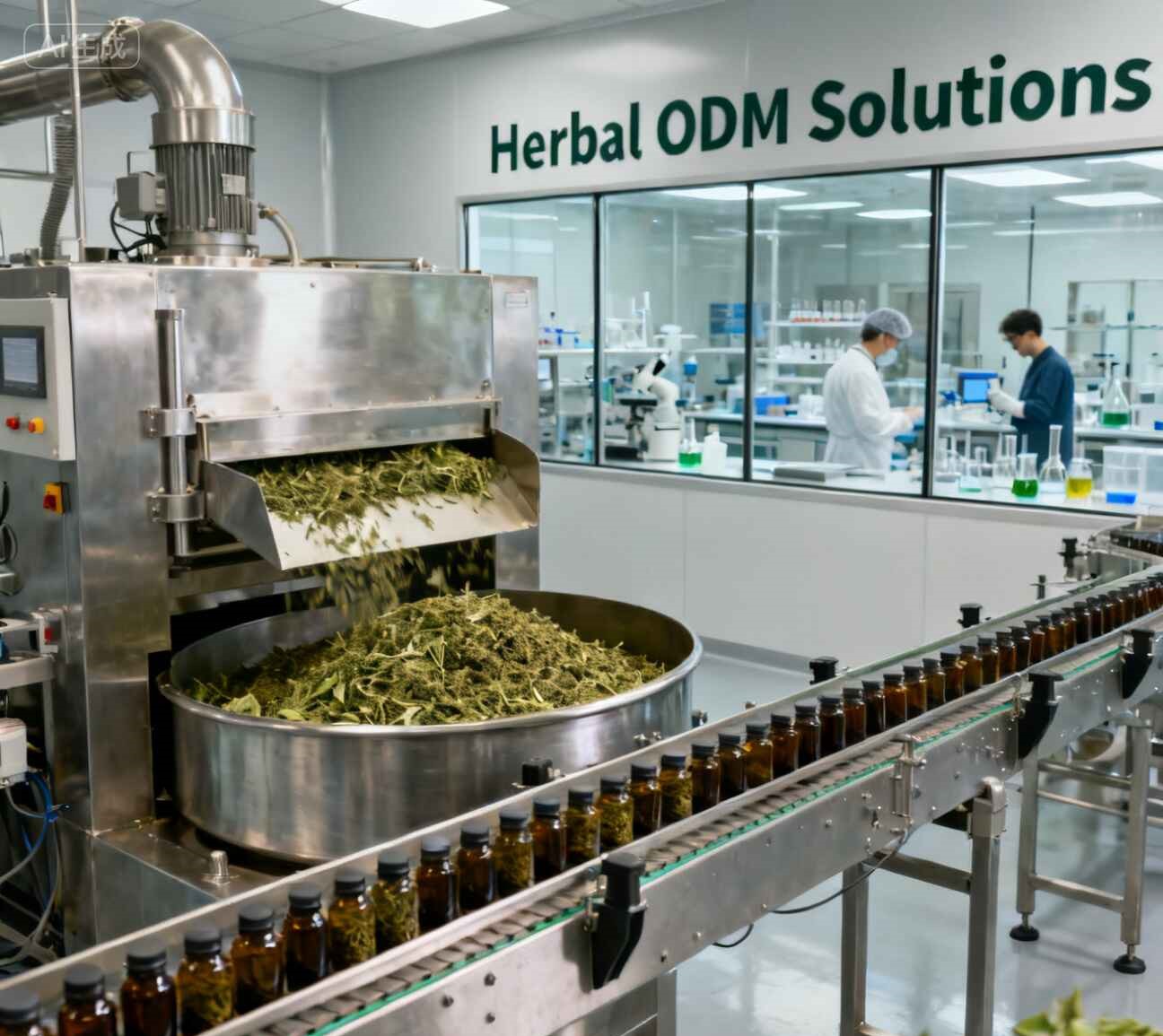
GMP-compliant lines for TCM slices—validated cleaning, cross-contam controls, batch records you can actually audit.
ISO 22000 food safety system—HACCP plans mapped to each process step; corrective actions documented.
Third-party COA—ID (e.g., HPTLC), purity, micro (total plate, yeast/mold), heavy metals, pesticides per market.
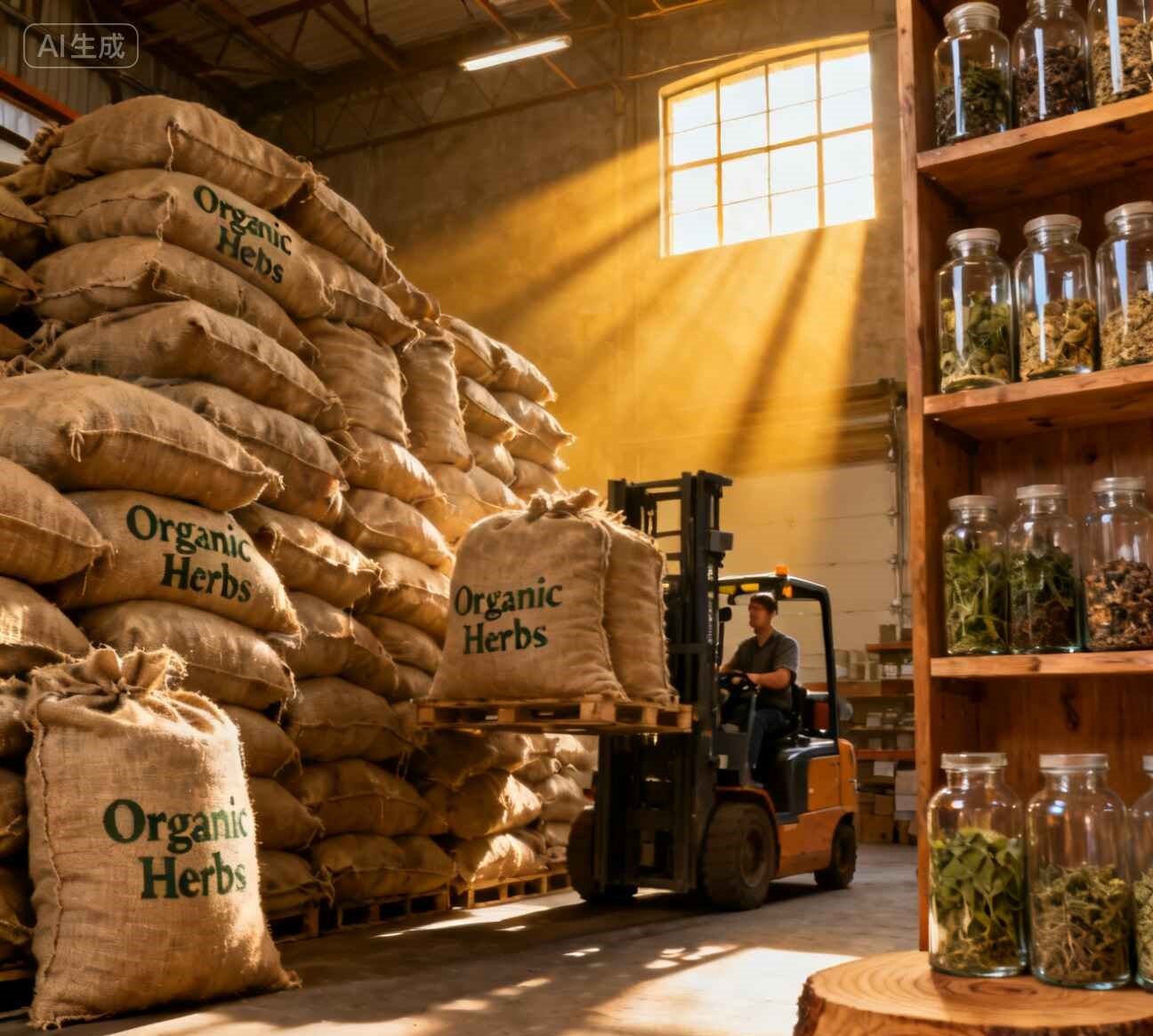
Environmental warehousing—ambient/cool/MA (modified-atmosphere) to keep actives stable.
Annual capacity—GuoCao runs ~2,500 tons/year; that scale reduces your lead-time volatility and helps with continuity of supply.
All that sounds like table stakes, but many plants still run herbs like spices. It’s not. ODM for botanicals dies when ID fails or when spec drift wrecks your claims. We lock ID upstream, not downstream.
Use cases / scenarios (keywords: functional beverage, dietary supplement, hospital pharmacy, cosmetics raw materials)
You might be here for one of these paths:
Dietary supplement line: you need sliced herbs for decoction packs, or pre-milled powders to a defined mesh size for capsules.
Functional beverage: tea-cut or granule-ready feedstock, with extract ratio targets and stability data on color/aroma.
Hospital pharmacy: strict lot-to-lot organoleptic consistency for compounding.
Cosmetics raw materials: tighter pesticide and solvent residue limits to meet your in-house clean list.
ODM means we set the spec > process > packaging chain to fit each channel. No random swaps.
Data table: typical QC checkpoints for Root & Rhizome ODM (keywords: botanical ID, heavy metals, pesticide residues)
Stage
Checkpoint
Why it matters
Typical method
Acceptance idea
Incoming
Botanical ID
Confirms species & part
HPTLC + macro/micro ID
Matches reference fingerprint
Incoming
Moisture
Prevents mold & caking
Loss on drying
Within herb-specific range
In-Process
Cut uniformity
Even extraction & dosing
Sieve / caliper
% within target size
In-Process
Bioburden
Keeps micro in control
Plate counts (TVC, YM)
Within food/TCM limits
Finished
Heavy metals
Market compliance
ICP-MS
Meets pharmacopeia/food regs
Finished
Pesticides
Export readiness
GC-MS / LC-MS/MS
Meets target market reqs
Finished
Label & lot trace
Recall-ready
ERP/trace matrix
Forward/backward 1 step
Storage
Stability checks
Shelf life confidence
Real-time/accel
No critical drift
Note: Methods and limits match your target market regs; we align to pharmacopoeia or food standards by SKU.
Sourcing to shelf: the ODM workflow (keywords: brief, specification, pilot, scale-up, lead time)
Post-launch — stability pulls; annual supplier review; CAPA if anything drifts. Small typos happen in life, but not in batch records—we keep them tight.
Real SKUs you can plug into ODM briefs (keywords: Bai Zhi, Bai Zhu, Bai Shao, Banlangen)
You don’t want vague catalog talk. Here are live inputs you can fold into formulas or packs:
Bai Zhi (Angelica dahurica) — good for tea-cut or powder; see spec & format.
Bai Zhu (Atractylodes) — stable slice with consistent aroma; product detail.
Bai Shao (White Peony Root) — clean white cross-section, nice for decoction packs; product detail.
These are not theoreticals; they’re ready with QC and batch trace.
Why GuoCao fits the ODM seat (keywords: GMP TCM, ISO 22000, export documents, COA, capacity)
Reg builds trust:GMP lines for TCM slices, ISO 22000, third-party COA, and multi-zone warehouses (ambient/cool/modified atmosphere).
Scale reduces risk: annual capacity around 2,500 tons, so your continuity of supply doesn’t hinge on a single harvest or lane.
Export fluency: documents aligned for USA, EU, Australia, Japan, Korea, Canada, Malaysia, Philippines, and more—over 30+ countries/regions.
Formats beyond slices:OEM/ODM for enzyme/ferment beverages based on Chinese medicinal fungi strains is already online. You can brief a beverage and a slice pack in one place.
Customers served: pharma companies, supplement manufacturers, hospitals, functional drink brands, cosmetics raw material buyers, distributors—plus local retailers with volume rhythms.
When you’re comparing factories, check who owns the decoction logic and who just chops plant matter. It’s different.
Competitive pains we actually solve (keywords: MOQ, lead time, spec drift, pesticide compliance)
Common blockers, and how ODM clears them:
Pain point
What usually goes wrong
ODM fix at GuoCao
Evidence you can check
Pesticide surprises at import
Fail on LC-MS/MS after ship
Upstream farm screening + hold/release
COA packet per lot
Lot-to-lot taste drift
Inconsistent drying & cut
Locked drying curve + cut spec
Sensory sheet attached
Capex bloat on your side
Too many pilots at your plant
Pilot at our GMP line, send retains
Pilot batch records
MOQ inflexibility
Either too big or too tiny
Flexible MOQ bands by channel
Sales confirmation + SOP
Long lead time
Seasonal crunch
Capacity + safety stock plan
Rolling forecast option
Traceability gaps
Recall risk
ERP trace both directions
Mock recall results
We won’t pretend everything is perfect every time. But when drift shows up, you want a partner that runs CAPA and closes it, not one that shrugs.
Continuity of supply — capacity + global export practice; your sales team sleeps better.
Call to brief (keywords: ODM inquiry, sample request, COA package)
If you’ve got a spec draft, or just an idea for a Root & Rhizome line, send the brief. Ask for: pilot timing, COA sample pack, and packaging dummies. We’ll return a simple plan: inputs, checkpoints, and go/no-go gates. No need to over-engineer on day one, we’ll keep it lean.
Our low MOQ of 1 kg (2.2 lb) makes it easy to order Chinese herbal slices or wholesale Chinese medicine herbs. Private-label and bilingual labeling are also available.
Delivery Cycle & Support
We have a fast 7-day lead time. We provide free samples, COA reports, and technical support to help you bring high-quality bulk Chinese herbs to market.
Quality & Certifications
Our products are manufactured in a GMP-certified facility and meet ISO22000 standards. All Chinese herbs are third-party tested for heavy metals, pesticides, and microorganisms.