You buy herbs to solve a job: stable quality, fast turns, clean paperwork, zero drama at customs, and a price that leaves room for your brand. Sourcing straight from origin in China checks those boxes—if you work with the right plant, the right line, the right SOP. Below is a plain-spoken, evidence-based take from the herbal side of the supply chain, plus concrete checklists you can apply tomorrow. We’ll also show where GuoCao fits in (GMP plant, ISO 22000, third-party COA, OEM/ODM, annual capacity ~2,500 t, global footprints).
Chinese herbal sourcing advantages: direct-from-origin, GMP herbs, ISO 22000, COA
When you cut out layers, you see the process. You see the farm standard, the slice spec, the drying curve, and the QC gate. Direct sourcing makes these visible and adjustable.
GMP Chinese herbal slices with validated SOPs reduce batch-to-batch drift.
ISO 22000 food safety ensures hazard controls from intake to dispatch.
Third-party COA gives you independent verification (microbial, heavy metals, pesticide residues, TLC/HPLC ID).
Ambient/Cool/Modified-Atmosphere (MA) storage stabilizes moisture and aroma.
OEM/ODM lets you move from commodity to your private-label logic—granulation, blends, extract ratios, even fermented beverages.
China’s herbal industry keeps full-stack capacity—from raw material to finished slice. That means quick sample-to-pilot, fewer intermediates, cleaner spec handoffs. In practice, you get:
OQC (outgoing): microbial limits, heavy metals, pesticide residues, appearance grade.
Traceability pairs each lot with a retention sample and COA. If you need a corrective action, we can pull the physical sample, check raw data, then tune SOP. It do matter for regulated buyers.
Table – direct factory vs trading vs marketplace
Dimension
Direct Factory (China origin)
Trading Company
Online Marketplace
Spec control (ID, slice, moisture)
Highest; SOP visible; quick tweak
Medium; requests relayed
Low-to-medium; listing-level only
QC transparency (COA raw data)
Full access; third-party COA
Partial
Minimal
Lead-time predictability
Stable; clustered suppliers nearby
Varies; extra handoffs
Uncertain; seller mix
MOQ / flexibility
Negotiable; real capacity behind
Mixed
Often rigid or unclear
Cost stack (no numbers)
Fewer layers; clearer BOM
Layered margin
Fees + unknown margins
Compliance pack
ISO/GMP docs ready
Depends on network
Often incomplete
After-sales / CAPA
Direct engineering response
Slower loop
Weak or none
OEM/ODM for Chinese herbal slices, blends, extract powders, fermented beverages
Don’t buy “herb-shaped” commodities. Build your SKU. OEM/ODM turns raw materials into value:
Logistics & warehousing: ambient, cool, modified-atmosphere; OTIF as a KPI
Herbs are hygroscopic. Temperature and humidity swing hurt potency. With ambient/cool/MA zones, you stabilize key markers. Add OTIF (On-Time, In-Full) as a hard KPI across planning, and you’ll avoid firefighting at destination.
Shipping playbook:
Incoterms: FOB/CIF/DDP by market and doc stack.
FCL/LCL with desiccant planning; for delicate flowers, consider cool-chain windows.
Regulatory pack: invoice + packing list + COA + commodity inspection (where needed).
Spec freeze before mass production to lock slice thickness, moisture range, markers, packaging.
Dual sourcing within the same SOP (same slice line) to avoid taste drift.
Shelf-life and stability on representative SKUs; keep retention samples.
Document control with versioned COAs and labels for audits.
Real-world scenario
A hospital buyer needs a classic root slice with sulfur-free processing, steady moisture, and tight microbial limits. We set sampling with AQL, lock a 2-step drying curve, and agree on sieve residues for dust control. Pilot packs run through label verification in English + local language. After OQC and a third-party COA, the batch ships with a retention sample logged. The next reorder reuses the same SOP file—so re-qualification is light. Fast. Clean. No noise.
Table – category-level spec snapshot
Category
Typical focus
Process controls
QC attention points
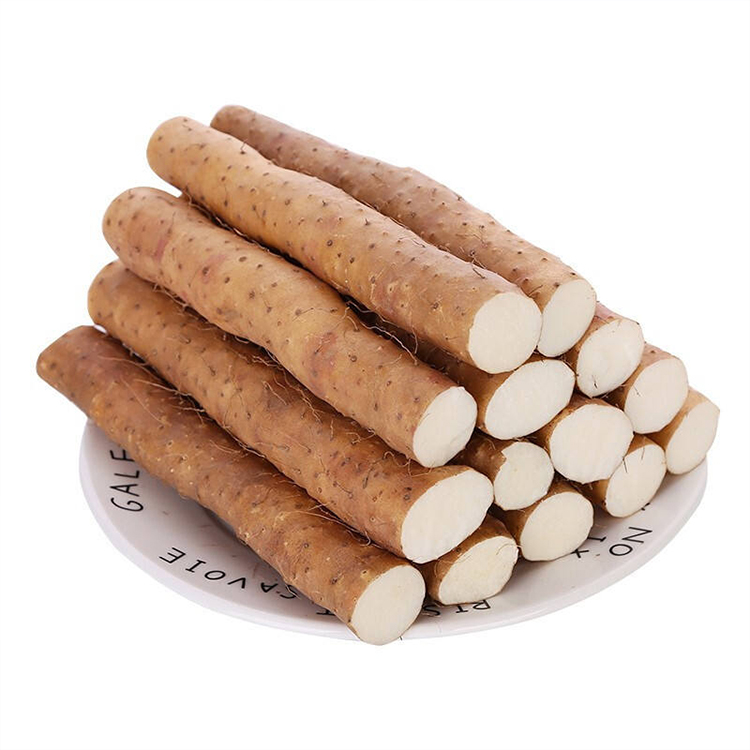
Roots & Rhizome
Decoction efficiency
Slice thickness bands; drying curve
ID (TLC/HPLC), moisture, ash
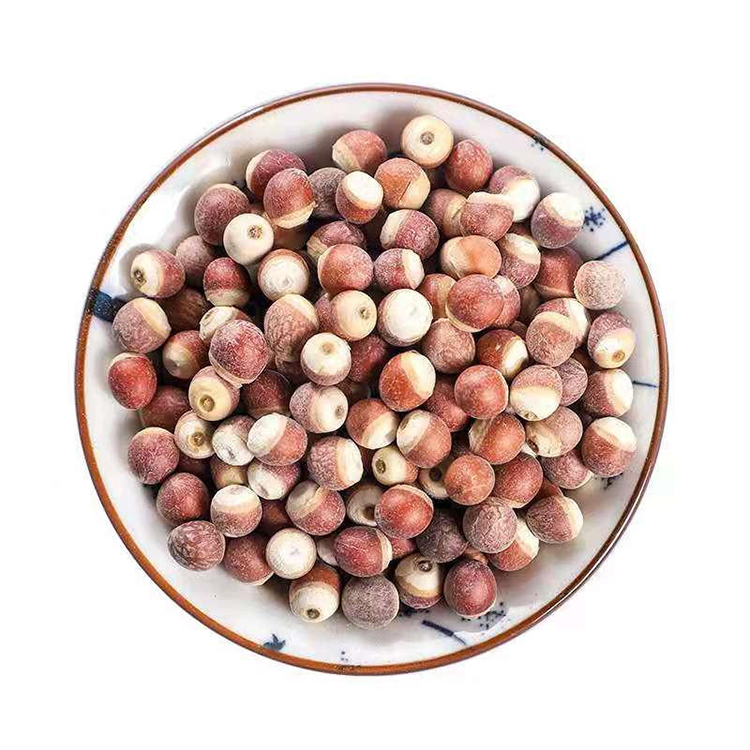
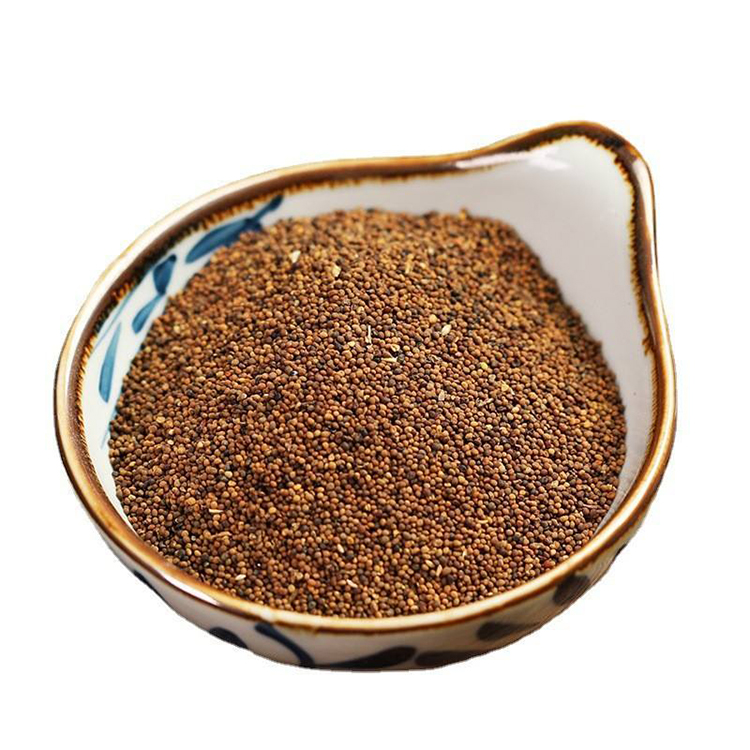
Fruits & Seeds
Oil content, aroma
MA storage; gentle cleaning
Peroxide value (if oil-rich), foreign matter
Flowers & Whole Herbs
Volatiles protection
Low-temp drying; bulk protection
Color, aroma retention, pesticide residue
Barks
Extraction yield
Debarking; calibrated shaving
Uniform chip size, contamination checks
Animal & Mineral
Compliance first
Qualified channels only
Documentation, HS handling, safety
What you actually gain: speed, clarity, and repeatability
Speed: clustered suppliers shorten iteration. Samples, fixes, and sign-offs move in days—not stuck in email loops. Clarity: one SOP, one COA, one contact point. Repeatability: same line, same settings, same result. Your brand can scale because your inputs don’t wobble.
Where GuoCao fits
Who we are: GuoCao is a global manufacturer of Chinese medicinal herbs and spices with a GMP herbal slice line, ISO 22000 food safety system, ambient/cool/MA warehouses, and third-party COA capability. Annual capacity is around 2,500 t. We support OEM/ODM including Chinese herbal strains and enzyme beverages. Products ship to 30+ countries across the US, EU, Australia, Japan, Korea, Canada, Malaysia, the Philippines, and more. Customers include pharma companies, hospitals, dietary supplement makers, functional beverage brands, cosmetics raw-material buyers, wholesalers, distributors, and local retailers.
Your purchasing team gets fewer exceptions, fewer NCs, and records that pass audits. Your marketing team gets ownable SKUs. Your finance team gets a cleaner margin stack (no layers added). Kinda nice.
Writing it into your spec
Put these lines into your next PO or vendor manual:
“Supplier maintains GMP line, ISO 22000 system; provides third-party COA for each lot.”
Our low MOQ of 1 kg (2.2 lb) makes it easy to order Chinese herbal slices or wholesale Chinese medicine herbs. Private-label and bilingual labeling are also available.
Delivery Cycle & Support
We have a fast 7-day lead time. We provide free samples, COA reports, and technical support to help you bring high-quality bulk Chinese herbs to market.
Quality & Certifications
Our products are manufactured in a GMP-certified facility and meet ISO22000 standards. All Chinese herbs are third-party tested for heavy metals, pesticides, and microorganisms.