Guide d'achat en gros de chair de longane : couleur, teneur en eau et risque lié à la teneur en sucre
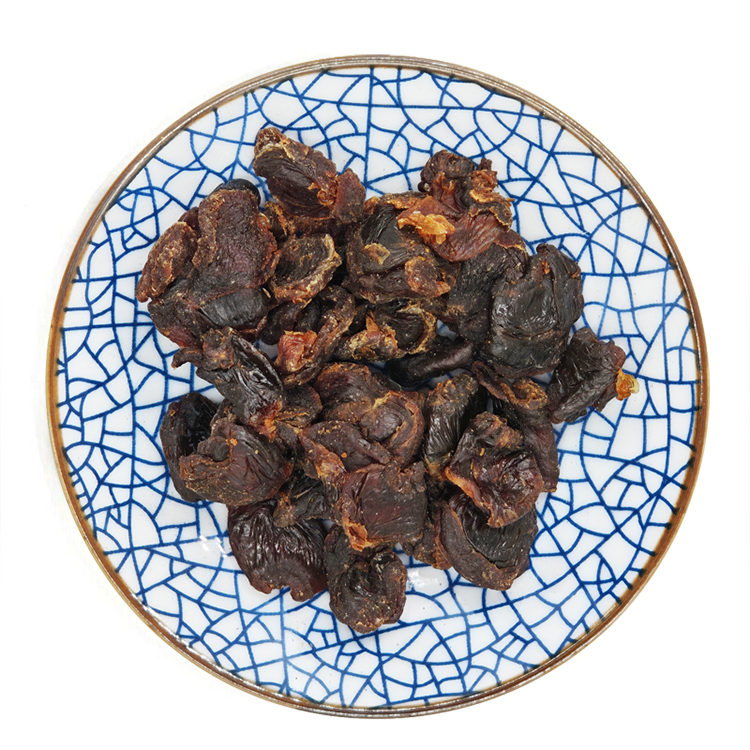
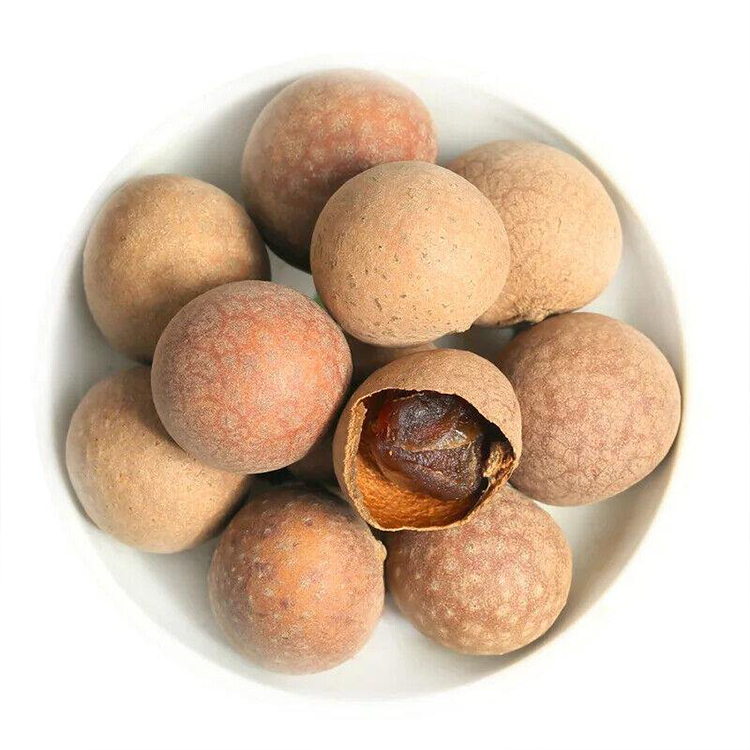
La chair de longane séchée peut paraître propre, dorée et sucrée tout en présentant des risques cachés liés à l'humidité, au stockage, à la transformation ou à la teneur en sucre. Ce guide explique aux acheteurs professionnels comment évaluer l'arille de longane à l'aide de critères mesurables, plutôt qu'en se basant sur les photos des fournisseurs et des descriptions de qualité vagues.
Un lot de chair de longane séchée, d'un ambre brillant, peut sembler être le choix haut de gamme qui s'impose, mais la couleur à elle seule ne nous apprend pratiquement rien sur l'humidité résiduelle, l'activité de l'eau, le traitement au sucre, l'exposition au dioxyde de soufre, l'intensité du séchage, l'âge de la récolte, le contrôle microbiologique, ni sur l'aspect que présentera ce même lot après six mois passés dans un carton destiné à l'exportation.
Alors pourquoi les acheteurs continuent-ils à valider des lots de longanes séchés sur la base de photos ?
Je ne le ferais pas.
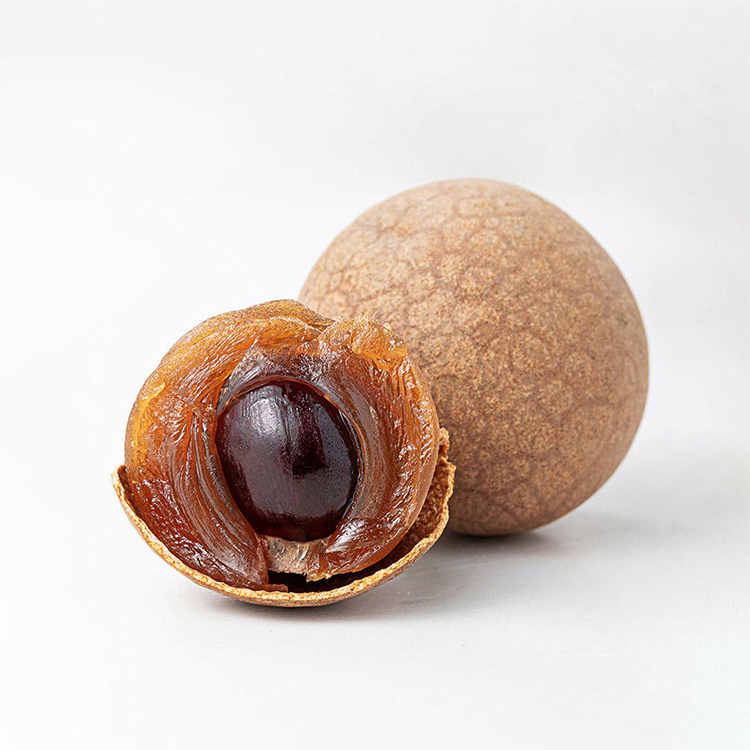
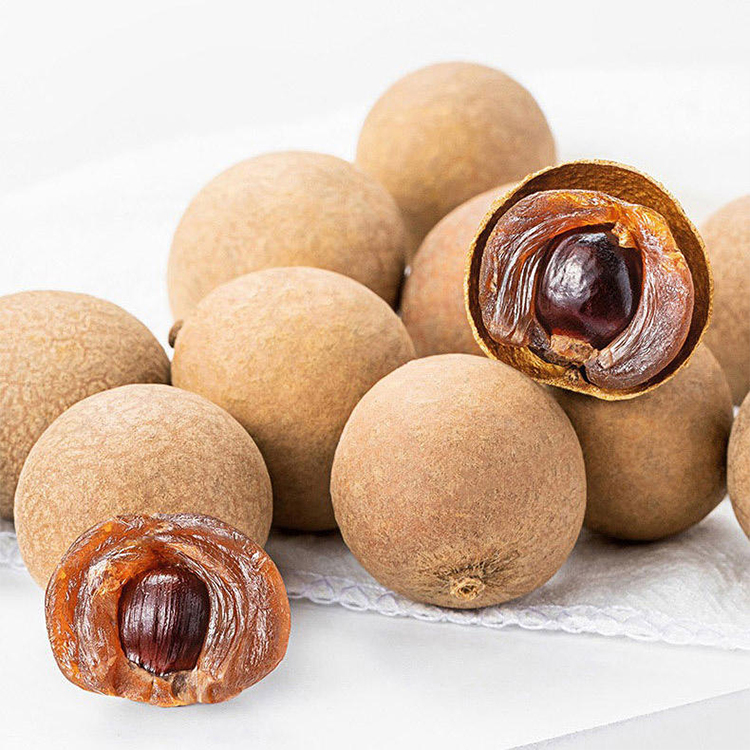
Dans le cadre d'un approvisionnement professionnel, le longane séché doit être considéré comme un ingrédient régi par des spécifications techniques, et non comme un simple fruit sec décoratif. Son identité botanique est Dimocarpus longan Lour., et le produit commercial généralement vendu sous les appellations « Long Yan Rou », « arille de longane » ou « chair de longane » correspond à l’arille comestible séchée, et non à l’écorce ni au noyau. Selon GuoCao, Fiche produit « Chair de longane » en vrac met explicitement en évidence cette distinction entre les parties de la plante, tandis que son sens plus large Gamme d'ingrédients médicinaux chinois à base de fruits et de graines associe le longane à d'autres fruits botaniques séchés utilisés dans la préparation de thés, dans l'alimentation, sous forme d'extraits et dans des préparations à base de plantes.
Le problème lié à l'achat commence après l'identification.
Le longane est naturellement riche en sucres. Le séchage élimine l’eau. La chaleur modifie sa couleur. La conservation continue d’altérer sa composition chimique. C’est le conditionnement qui détermine si le produit conserve les caractéristiques indiquées dans le certificat d’analyse (COA) au jour de son conditionnement.
Cette combinaison engendre trois risques liés aux marchés publics qui méritent d'être précisés séparément : couleur, humidité et teneur en sucre.
Le longane séché n'est pas un produit de base standard
Si vous demandez à cinq fournisseurs du “ longane séché haut de gamme ”, vous risquez de recevoir cinq produits très différents.
L'un peut proposer des arilles de longane de couleur ambrée pâle, destinées à la consommation directe. Un autre peut vendre du « Long Yan Rou », plus foncé, destiné à un usage médicinal. Un troisième peut fournir des longanes séchés de couleur dorée, traités lors de la transformation pour conserver leur couleur. Un quatrième peut recourir à la déshydratation osmotique. Un cinquième peut proposer un produit qui a simplement été stocké beaucoup plus longtemps.
Le même fruit.
Produit différent.
Avant de demander un devis, je préciserais au moins les points suivants :
Identité botanique : Dimocarpus longan Lour.
Partie de la plante : arille/chair séché(e)
Forme du produit : arille entier, morceaux, granulés ou poudre
Utilisation prévue : tisane, décoction, aliment, boisson, extrait, en-cas ou ingrédient de complément alimentaire
Méthode de séchage
Date de récolte ou de production
Sucre ajouté : autorisé ou interdit ?
Traitement au dioxyde de soufre ou aux sulfites : mentionné
Spécifications relatives à l'humidité
Spécifications relatives à l'activité de l'eau
Spécifications microbiologiques
Exigences relatives aux pesticides et aux métaux lourds
Format d'emballage
Marché cible
C'est cette même rigueur que j'appliquerais à un contexte plus large programme d'approvisionnement en herbes chinoises en gros: l'identité, l'aspect, la teneur en humidité, la transformation, les essais, le conditionnement et la traçabilité des lots doivent figurer dans le cahier des charges avant la signature du bon de commande.
“ Premium ” n’est pas une méthode d’essai.
La couleur est un indicateur de progression, pas un certificat de niveau
Les acheteurs préfèrent, à juste titre, la chair de longane séchée qui présente un bel aspect.
Le problème, c'est ce qu'ils en déduisent.
Une couleur dorée ou ambrée peut indiquer un processus de séchage maîtrisé, mais cela ne signifie pas pour autant que le produit soit plus frais, plus propre, plus sûr ou plus naturel. De même, une couleur brun foncé ne signifie pas automatiquement que le produit soit avarié.
Une étude contrôlée réalisée en 2022 et publiée dans LWT ont comparé la pulpe de longane fraîche, la pulpe de longane séchée dorée, la pulpe de longane séchée entière et la pulpe de longane séchée entière après un an de stockage. Les chercheurs ont constaté des différences mesurables en termes de teneur en humidité, d’activité de l’eau, de couleur, de composition chimique des sucres et de brunissement. Le plus frappant pour les équipes d’approvisionnement est que l’indice de brunissement du longane entier séché après un an a été estimé à environ 7,67 fois le niveau de la matière séchée d'origine. Consultez l'étude de 2022 sur le séchage et la conservation du longane.
C'est important, car la réaction de Maillard ne s'arrête pas simplement parce que la cargaison a passé le contrôle final.
Les sucres réducteurs peuvent réagir avec les groupes amino au cours de la transformation et du stockage, entraînant un brunissement non enzymatique progressif. La température, la durée, l'humidité disponible, la composition en sucres et les conditions de conditionnement influencent tous la vitesse de ce processus.
Et il y a un autre détail gênant.
La même étude a révélé que les longanes séchés dorés contenant du dioxyde de soufre présentaient un brunissement moins marqué que les longanes entiers séchés non traités. En d'autres termes, une couleur particulièrement attrayante peut s'expliquer en partie par le traitement de transformation plutôt que par la qualité supérieure du fruit frais.
J'analyserais la couleur en trois niveaux
Tout d'abord, utilisez un échantillon de référence physique conservé.
Les photographies ne constituent pas des critères commerciaux fiables, car l'éclairage, la balance des blancs, le traitement de l'image par l'appareil photo, les réglages de l'écran et le montage en post-production peuvent faire en sorte que deux lots identiques aient un aspect différent.
Deuxièmement, utilisez les relevés des instruments lorsque la couleur revêt une importance commerciale.
Les valeurs CIELAB permettent :
L* pour plus de légèreté
a* pour la position rouge-vert
b* pour la position jaune-bleu
Un acheteur peut convenir d'une fourchette acceptable ou d'une tolérance ΔE sur la base d'un lot de production homologué.
Troisièmement, classez les défauts visuels dans une catégorie distincte.
Ne vous laissez pas tromper par une valeur de couleur moyenne apparemment correcte :
morceaux noircis
tissu brûlé
chair pâle et immature
moisissure visible
formation blanche inhabituelle en surface
adhésivité excessive
odeur de fermentation
matières étrangères
Un colorimètre ne peut pas détecter l'odeur de la fermentation.
Le pourcentage d'humidité ne suffit pas à lui seul
C'est là que les cahiers des charges d'achat tombent souvent dans une paresse dangereuse.
Un fournisseur vous communique un numéro :
“ Teneur en humidité : 15%. ”
D'accord. Qu'est-ce que cela t'apprend concrètement sur la durée de conservation ?
Ce n'est pas suffisant.
Teneur en humidité permet de mesurer la quantité d'eau contenue dans le produit. L'activité de l'eau, exprimée en aw, mesure dans quelle mesure cette eau est disponible pour la croissance microbienne et les réactions chimiques.
Ces deux notions sont liées, mais elles ne sont pas interchangeables.
Les études publiées sur le longane illustrent particulièrement bien ce point. Dans l'édition de 2022 LWT Selon cette étude, les produits à base de longane séchée contenaient environ Teneur en humidité de 16,421 TP3T à 18,111 TP3T, alors que l'activité de l'eau mesurée variait selon les types de produits. Tous ont été décrits comme des produits à teneur en humidité intermédiaire, plutôt que d'être simplement classés sur la seule base de leur pourcentage d'humidité.
D'autres travaux expérimentaux portant sur le longane séché ont utilisé environ 14–17% : humidité et aw 0,5–0,6 en tant qu'objectif de transformation associé à la norme agricole thaïlandaise à laquelle se réfèrent les chercheurs. Cela ne fait pas de ces chiffres une spécification universelle applicable à tous les produits à base de longane, mais cela explique pourquoi les acheteurs ont besoin de ces deux mesures.
En ce qui concerne le Long Yan Rou à usage médicinal, la monographie de la Pharmacopée chinoise de 2020 est généralement citée avec une limite maximale d'humidité de 15,01 TP3T. Cette valeur issue de la pharmacopée est pertinente lors de l'achat de matières premières pharmaceutiques conformes à cette norme spécifique ; elle ne doit pas être reprise aveuglément dans un cahier des charges relatif à un produit alimentaire, une collation, une boisson ou un produit destiné à l'exportation sans vérifier la norme applicable et l'utilisation finale.
Le problème de microbiologie que les acheteurs négligent
Une faible teneur en humidité ne signifie pas que le produit est stérile.
La FDA américaine a averti à plusieurs reprises que Salmonelle peuvent survivre dans des environnements secs et à faible activité de l'eau. Dans un exemple technique de la FDA, l'obtention d'une réduction de 5 log Salmonelle réduction à 140 °F requis moins de cinq minutes à 0,99 aw, mais à propos de 50 minutes à une vitesse moyenne de 0,85 dans les conditions mentionnées. Le constat général est fâcheux mais important : une diminution de l'eau disponible peut accroître la résistance des bactéries à la chaleur, même si elle empêche la croissance microbienne normale. Consultez les recommandations de la FDA concernant la salmonelle dans les aliments à faible activité de l'eau.
« Sec » ne veut pas dire « mort ».
L'alerte à l'importation n° 99-43 de la FDA inclut également les fruits et les produits à base de fruits parmi les catégories d'aliments prêts à consommer faisant l'objet de mesures lorsque Salmonelle Une contamination et des conditions de transformation insalubres ont été constatées. Il ne s’agit pas d’une alerte spécifique au longane, mais d’un avertissement réglementaire utile pour toute personne achetant des fruits secs prêts à consommer à l’international. Voir l'alerte à l'importation n° 99-43 de la FDA.
Tableau pratique de contrôle des longanes séchés
Ce qui suit constitue un cadre d'approvisionnement et non une spécification juridique universelle. Les limites définitives doivent être adaptées au pays de destination, à l'usage prévu, à la pharmacopée ou à la norme alimentaire applicable, à la méthode de transformation et aux exigences du client.
Point de contrôle
Ce que j'inclurais dans le cahier des charges
Vérification
Signal d'alerte pour l'acheteur
Identité botanique
Dimocarpus longan Lour.
Fiches fournisseurs + identification botanique
“ Longan ” uniquement
Partie de la plante
Arille/chair séchée
Analyse visuelle et documentaire
Écorces, pépins ou mélange de matières
Couleur
Plage de valeurs L*, a*, b* de référence approuvée ou définie
Colorimètre + échantillon conservé
Uniquement pour validation des photos
Humidité
Valeur maximale définie pour la norme visée
Méthode validée de mesure de l'humidité
Certificat d'analyse générique provenant d'un autre lot
Activité de l'eau
Durée de conservation cible définie par l'acheteur
Humidimètre calibré
Le fournisseur ne mesure pas l'aw
Sucre ajouté
Explicitement autorisé ou interdit
Déclaration du procédé + analyses si nécessaire
“ Naturellement sucré ” sans mention particulière
Sulfite/SO₂
Statut du traitement et exigences applicables en matière de résidus
Dossier de traitement + analyses de laboratoire si nécessaire
Couleur vive sans mention de traitement
Microbiologie
Limites spécifiques au marché et à l'utilisation
Laboratoire accrédité
“ Qualité alimentaire ” sans panneau
Pesticides
Exigences en matière de résidus sur les marchés de destination
LC-MS/MS et/ou GC-MS/MS
Ancien rapport sur les résidus multiples
Métaux lourds
Limites applicables pour le plomb (Pb), le cadmium (Cd), l'arsenic (As) et le mercure (Hg)
ICP-MS / méthode validée
Déclaration du fournisseur uniquement
Matières étrangères
Seuil d'acceptation numérique
Contrôle par échantillonnage représentatif
“ Propre ” sans précision
Emballage
Type de revêtement, barrière, joint d'étanchéité, poids net
Spécifications d'emballage
Sac intérieur générique fin
Traçabilité
Lot de production associé aux registres de l'exploitation agricole et de transformation
Enregistrements de lots
Les produits reconditionnés perdent leur numéro de lot d'origine
Durée de conservation
Conditions définies, étayées par des données
Records de stabilité
Demande d'indemnisation non justifiée portant sur une période de 24 ou 36 mois
Ce type de spécification est bien plus utile qu’un certificat indiquant simplement “ qualifié ”.”
Le risque lié au sucre commence par une simple question : y a-t-il eu des ajouts ?
Le longane est censé être sucré.
Cela rend la manipulation des données sur le sucre plus difficile à détecter.
L'élimination de l'eau entraîne naturellement une concentration des sucres dans la chair séchée du longane ; par conséquent, une forte teneur en sucre ne suffit pas à elle seule à prouver la présence d'adultération. Cependant, les fruits secs transformés industriellement peuvent également subir une déshydratation osmotique ou entrer en contact avec du saccharose, du glucose, du sirop ou d'autres agents humectants.
La première question n'est donc pas :
“ C'est très bon, non ? ”
La question qu'il convient plutôt de se poser est la suivante :
“ Du sucre, du sirop, du glucose, du saccharose, du dextrose, du jus concentré ou tout autre édulcorant a-t-il été ajouté au cours de la transformation ? ”
Mettez votre réponse par écrit.
Sur le plan commercial, le sucre naturel et le sucre ajouté ne sont pas la même chose
La FDA américaine établit une distinction claire entre les sucres naturellement présents dans les fruits et ceux ajoutés au cours de la transformation. Selon ses recommandations actuelles, les sucres ajoutés comprennent des ingrédients tels que le saccharose, le dextrose, les sirops, le miel et certains jus de fruits ou de légumes concentrés, tandis que les sucres naturellement présents dans les fruits entiers ne sont pas considérés de la même manière. Consultez les recommandations de la FDA concernant les sucres ajoutés.
Pour un produit destiné à la vente au détail et importé aux États-Unis, cette distinction peut se répercuter directement sur l'étiquetage nutritionnel.
Pour un acheteur de matières premières, les répercussions sont bien plus importantes :
allégations « clean label »
calculs de formulation
consistance de la douceur
comportement d'extraction
développement de la couleur
réaction de Maillard
spécifications du client
étiquetage nutritionnel
attentes en matière d'authenticité
Un fournisseur de longanes séchés proposant des “ longanes 100% ” après les avoir trempés dans du sucre présenterait une offre commerciale très différente de celle des fruits séchés non traités.
Le °Brix est utile, mais il ne faut pas en faire une idole
J'aime bien les réfractomètres.
Je n'apprécie pas que les acheteurs considèrent une mesure en °Brix comme une preuve d'authenticité.
Pour les jus de fruits frais, la teneur en matières sèches solubles peut constituer un indicateur utile de la maturité et de la teneur en sucre. En revanche, pour la pulpe de longane séchée, les résultats dépendent fortement de la manière dont l'échantillon est homogénéisé, dilué, extrait, filtré et corrigé en fonction de la température.
En modifiant la préparation de l'échantillon, vous pouvez modifier ce chiffre.
Pour une comparaison sérieuse des longanes séchés vendus en gros, j'envisagerais une méthode validée pour :
sucres totaux
sucres réducteurs
glucose
fructose
saccharose
La HPLC ou une autre méthode d'analyse validée peut alors être associée à un historique de traitement déclaré.
Si les sucres réducteurs méritent qu'on s'y intéresse, ce n'est pas seulement en raison de leur pouvoir sucrant. Ils participent en effet à des réactions de Maillard avec les groupes amino, ce qui constitue l'un des mécanismes à l'origine du brunissement progressif du longane séché. L'étude de 2022 sur la conservation du longane a mis en évidence des modifications du profil glycémique parallèlement à un brunissement progressif au cours du stockage.
La couleur, le sucre et la conservation sont liés.
Le longane doré peut soulever une question relative aux sulfites
Un échantillon d'une couleur dorée éclatante présente un grand intérêt commercial.
Mais je me demanderais comment il est devenu doré.
Le dioxyde de soufre et les sulfites sont utilisés depuis longtemps dans la transformation des fruits, car ils permettent d'empêcher le brunissement et de préserver une couleur plus claire. Cela ne rend pas pour autant les produits traités inacceptables ; ce sont les limites réglementaires, les obligations d'étiquetage, les spécifications des clients et les exigences d'application qui déterminent si un traitement est autorisé.
L'échec de la passation de marché est traitement non déclaré.
Si votre marque exige des longanes séchés sans sulfites, précisez cette exigence dans le contrat et effectuez des analyses lorsque le risque le justifie.
Si les sulfites sont autorisés, précisez :
traitement autorisé
limite maximale de résidus
méthode de laboratoire
obligation d'étiquetage
obligation de notification des modifications
Ne remplacez pas la mention “ couleur dorée naturelle ” par une déclaration relative au traitement.
Packaging Can Destroy a Passing Lot
Imagine this.
The dried longan leaves production with acceptable moisture and aw. It goes into a weak liner. The carton enters a humid warehouse, spends weeks around a port, experiences temperature swings in a container, and finally arrives with sticky pieces and accelerated browning.
The original COA may still look excellent.
The product does not.
Dried fruit is hygroscopic enough that packaging performance and storage humidity deserve serious attention. GuoCao’s related guide on Mulberry Fruit bulk color, sweetness, and storage stability discusses the same buyer-side problem: moisture migration, water activity, sugar, packaging barrier, and storage conditions interact long after production finishes.
For bulk dried longan, I would request:
primary liner material
liner thickness
moisture-vapor barrier information where available
seal method
carton configuration
maximum net weight per bag
storage temperature recommendation
storage relative-humidity recommendation
protection from direct sunlight
pallet configuration
container-loading procedure
desiccant policy where applicable
And I would prohibit hot product from being sealed immediately after drying.
Cooling matters.
The Supplier COA Should Match the Shipment, Not the Sales Folder
Generic certificates are one of my least favorite habits in ingredient sourcing.
A supplier sends:
“Here is our COA.”
Look at the lot number.
Does it match your sample?
Does it match the commercial shipment?
If not, you have learned almost nothing about the material you are buying.
What I Want Before Approving a Dried Longan Supplier
Au minimum :
Legal company and factory identity
Production location
Botanical and plant-part specification
Date de récolte ou de production
Drying-process description
Added-sugar declaration
Sulfite/SO₂ declaration
COA spécifique au lot
Résultat de l'humidité
Water activity result where relevant
Microbiological panel
Pesticide residue testing appropriate to destination
Analyses des métaux lourds
Spécifications d'emballage
Procédure de traçabilité
Sample-retention policy
Non-conformance procedure
Change-notification procedure
For U.S. importers, supplier verification is not merely nice procurement behavior. Under the FDA’s Foreign Supplier Verification Programs framework, importers generally must use risk-based procedures to evaluate hazards and conduct appropriate verification activities for foreign suppliers. See FDA’s FSVP key requirements.
Cela change la donne dans les négociations avec les fournisseurs.
“Can you send a certificate?” is weak.
“Send the lot-linked evidence showing how this hazard is controlled” is much better.
How I Would Sample a Bulk Dried Longan Order
One showroom bag is not a lot sample.
For larger shipments, sampling should account for variation between cartons, bags, pallet positions, and possibly production times. The exact sampling plan should follow the applicable standard or your internal quality system, but the commercial principle is straightforward: the sample must represent the shipment.
I prefer three retained portions from the composite sample:
Working Sample
Used for sensory examination, color, moisture, aw, foreign matter, and other routine checks.
Laboratory Sample
Sealed and sent for agreed chemical or microbiological testing.
Retention Sample
Sealed, labeled, dated, and stored under defined conditions in case a dispute develops later.
Keep the approved pre-shipment sample too.
When complaints arrive six months later, memories are useless. Physical references are not.
For buyers building purchasing procedures across multiple botanicals, the site’s broader Guide d'achat de la médecine chinoise provides a useful framework for samples, specifications, COAs, and commercial sourcing controls.
The Dried Longan Specification I Would Actually Send to Suppliers
A serious RFQ can be short.
It just cannot be vague.
Produit : Dried Longan Flesh / Longan Aril / Long Yan Rou Botanique : Dimocarpus longan Lour. Plant Part: Aril Forme : Whole dried flesh Application: [Insert application] Origine : Déclaré Crop/Production Date: Current lot declared Color: Match approved reference sample; numerical tolerance if required Odor: Characteristic, no fermented, smoky, musty, or abnormal odor unless specifically contracted Goût : Characteristic natural sweetness Added Sugar: None permitted unless explicitly approved Sulfite/SO₂ Treatment: Declare yes/no; meet destination-market requirements Humidité : Contracted maximum according to application/standard Water Activity: Report lot result; buyer target if applicable Corps étrangers : Defined numerical limit Mold/Insect Damage: Defined numerical limit or absence requirement Microbiologie : Market- and use-specific panel Résidus de pesticides : Conforme aux exigences du marché de destination Métaux lourds : Conforme aux exigences du marché de destination Emballage : Sealed food-contact inner liner + export carton or agreed bulk format Traçabilité des lots : Obligatoire COA: Must reference shipment lot Pre-Shipment Sample: Obligatoire Retention Sample: Obligatoire Change Notification: Required for origin, process, sweetener treatment, sulfite treatment, packaging, or major specification changes
Send that.
Ensuite, discutez du prix.
FAQ
Qu'est-ce que la chair de longane séchée ?
Dried longan flesh is the dehydrated edible aril of Dimocarpus longan Lour., commonly traded as dried longan, Longan Aril, Long Yan Rou, or longan meat, and used in herbal preparations, teas, foods, beverages, extracts, and other ingredient applications where sweetness, aroma, moisture, and processing consistency matter. The seed and outer peel are not the intended plant part when buying Long Yan Rou.
De quelle couleur doivent être les longanes séchés de grande qualité ?
High-quality dried longan can range from golden amber through light or deeper brown depending on variety, drying process, storage time, moisture conditions, and treatments, so no single shade proves quality; buyers should compare color against an approved reference while separately checking browning, scorching, mold, odor, treatment history, and analytical results. Bright golden material should not automatically be ranked above darker material.
Quel doit être le taux d'humidité des longanes séchés ?
The correct dried longan moisture limit depends on the product standard and intended use, although the Chinese Pharmacopoeia specification for medicinal Long Yan Rou is commonly reported at no more than 15.0% moisture; food and other commercial buyers should set application-specific limits and evaluate water activity separately. Moisture percentage alone cannot predict microbial or chemical stability.
L'activité de l'eau est-elle plus importante que la teneur en humidité dans les longanes séchés ?
Water activity and moisture content measure different properties, so neither should automatically replace the other: moisture reports total water present in dried longan, while water activity measures how available that water is for microbial growth and chemical reactions, making aw particularly useful when evaluating shelf stability, packaging performance, and process control. Two lots with similar moisture percentages can behave differently during storage.
Comment savoir si du sucre a été ajouté aux longanes séchés ?
Added sugar in dried longan should be evaluated through a combination of supplier process declarations, ingredient records, production documentation, sensory comparison, and validated sugar analysis because natural longan is already very sweet and drying concentrates its native sugars, making taste or a single soluble-solids reading inadequate evidence of added sweeteners. For high-risk orders, define permitted sweeteners and analytical methods before production.
Comment trouver le meilleur fournisseur de longanes séchés ?
The best dried longan supplier is one that can consistently connect botanical identity, plant part, origin, processing method, added-sugar status, sulfite treatment, moisture, water activity, contaminant testing, packaging, traceability, representative samples, and lot-specific COA documentation to the exact production batch being quoted and shipped. Price should be compared only after suppliers pass that evidence threshold.
Build Your Longan Specification Before You Ask for a Price
Bulk dried longan is not difficult to buy.
It is difficult to buy consistently.
Color can change. Moisture can migrate. Sugars can drive browning. Processing can alter appearance. A beautiful sample can come from a different lot than the container eventually delivered.
So stop buying adjectives.
Buy evidence.
Before requesting your next wholesale dried longan quotation, define the botanical identity, plant part, intended application, color reference, moisture, water activity, added-sugar status, sulfite treatment, microbiological limits, pesticide and heavy-metal requirements, packaging, destination country, and required documents.
Demandez ensuite un échantillon représentatif lié au lot.
If you are sourcing Long Yan Rou for herbal, tea, food, beverage, extraction, or private-label production, review the available bulk Longan Flesh specification and sourcing options and send your target quantity, destination market, application, packaging format, and testing requirements before requesting a commercial quote.
Notre faible QMo de 1 kg permet de commander facilement des tranches d'herbes chinoises ou des herbes médicinales chinoises en gros. Des étiquettes privées et bilingues sont également disponibles.
Cycle de livraison et soutien
Notre délai de livraison est de 7 jours. Nous fournissons des échantillons gratuits, des rapports COA et une assistance technique pour vous aider à mettre sur le marché des herbes chinoises en vrac de haute qualité.
Qualité et certifications
Nos produits sont fabriqués dans une usine certifiée GMP et répondent aux normes ISO22000. Toutes les herbes chinoises sont testées par une tierce partie pour détecter les métaux lourds, les pesticides et les micro-organismes.