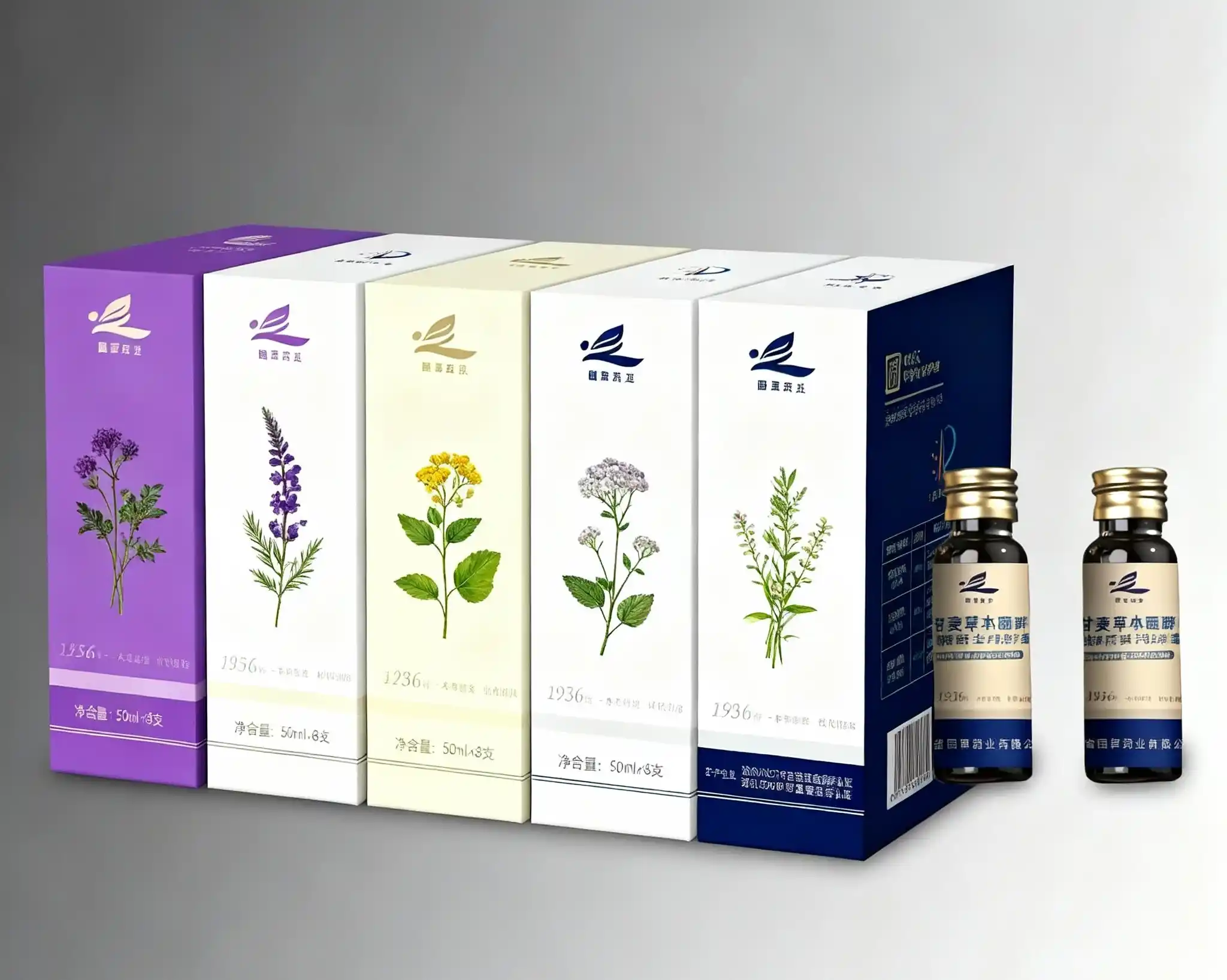
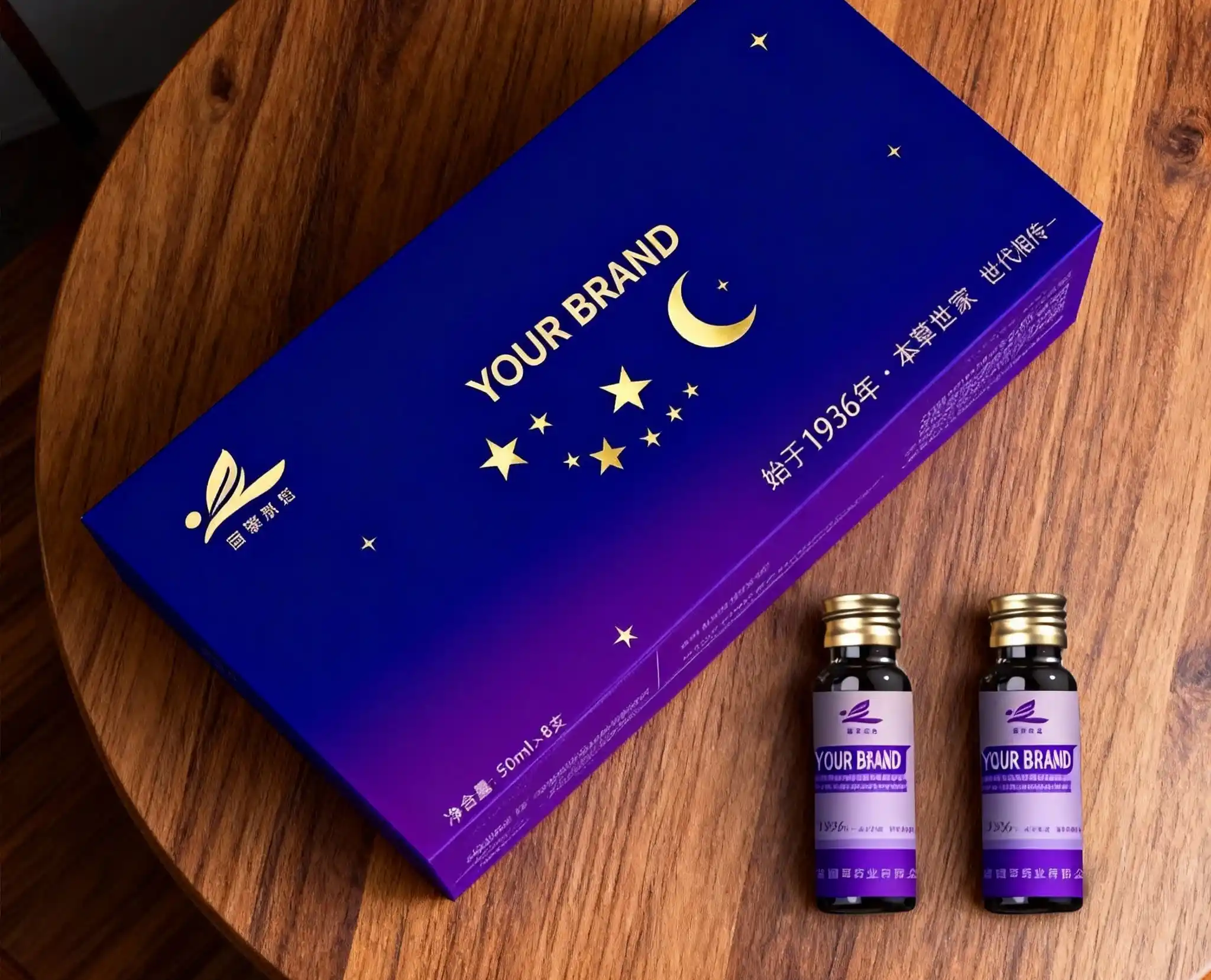
How to Design a Sleep-Support Herbal Enzyme Drink for OEM Brands?

You want a sleep-support drink that actually works, tastes good, ships clean, and clears audits. Let’s walk it end-to-end—market reality, formula logic, fermentation know-how, OEM ops, and go-to-market—without fluff. We’ll keep it practical and a bit chatty. We’ll also weave in real “factory” talk (MOQ, BOM, COA, shelf-life studies) so you can brief your team fast.

GuoCao is a global manufacturer with GMP herbal slice lines, ISO 22000 food safety, ambient/cool/MAP warehousing, third-party COA testing, and OEM/ODM capacity for fermented herbal beverages. If you need ingredients or full-service build, you can start with GuoCao.


Sleep Support Market Insights (keywords: sleep support, functional beverage, consumer demand)

Poor sleep hits many adults, night after night. No surprise consumers look for gentler options before meds. Functional drinks win because they’re easy to take, quick to feel, and fit nightly routines. Your angle: pair science-leaning botanicals with fermented “enzyme” matrices to support calm, ease sleep latency, and improve perceived sleep quality. Keep claims conservative and compliant.

What this means for you

  • Build trust with simple labels, clean sourcing, and a clear “when/how to drink.”
  • Focus on consistency over hype. People will reorder if they wake up better.

How to Design a Sleep Support Herbal Enzyme Drink for OEM Brands 3

Herbal Enzyme Drink Formulation (keywords: herbal fermentation, enzyme beverage, sleep botanicals)

Your base is a fermented herbal concentrate—often a multi-herb mash fermented with selected strains to generate organic acids, peptides, and aroma precursors. Then you layer sleep-support actives that play nice in a beverage matrix.

Ingredient Selection for Sleep Support (keywords: valerian, chamomile, L-theanine, magnesium, glycine, GABA)

Here’s a fast scan of common actives and how they fit a drink system.

Active / HerbMechanism (plain speak)Beverage FitFlavor Notes & MaskingLabel & Use Notes
L-TheanineCalming alpha-wave vibe; reduces “mind chatter.”Great in liquids; stable.Slightly savory; mask with citrus/honey.Friendly for “focus + calm” positioning at night.
GABANeurotransmitter support; take-the-edge-off.Soluble; check source (fermented).Neutral to slight umami.Some markets treat as novel; confirm local policy.
Magnesium (glycinate/citrate)Muscle relaxation; sleep quality.Dissolves; watch pH for taste.Metallic/ bitter if over-done; use acid-sweet balance.Choose bioavailable salt; declare elemental Mg.
GlycineSleep latency/quality; body temperature regulation.Sweet amino acid—nice in drinks.Adds softness; pairs with berry.Simple, clean-label friendly.
Valerian RootGABAergic modulation; “wind-down.”Extracts work; strong aroma.Earthy; needs flavor cover + encapsulation if needed.Sensitive to off-notes; keep dose modest in RTDs.
ChamomileGentle calming; traditional use.Teas/essences blend well.Floral; plays with apple/pear.Good anchor herb for “nighttime” identity.
Passionflower / Lemon BalmAnxious-mind support.Tinctures/extracts fit syrups.Green/herbal; lemon pairs well.Use standardized extracts for repeatability.

Tip: Melatonin is regulated in several countries for foods. Don’t assume it’s permitted in beverages. Always check local rules first.

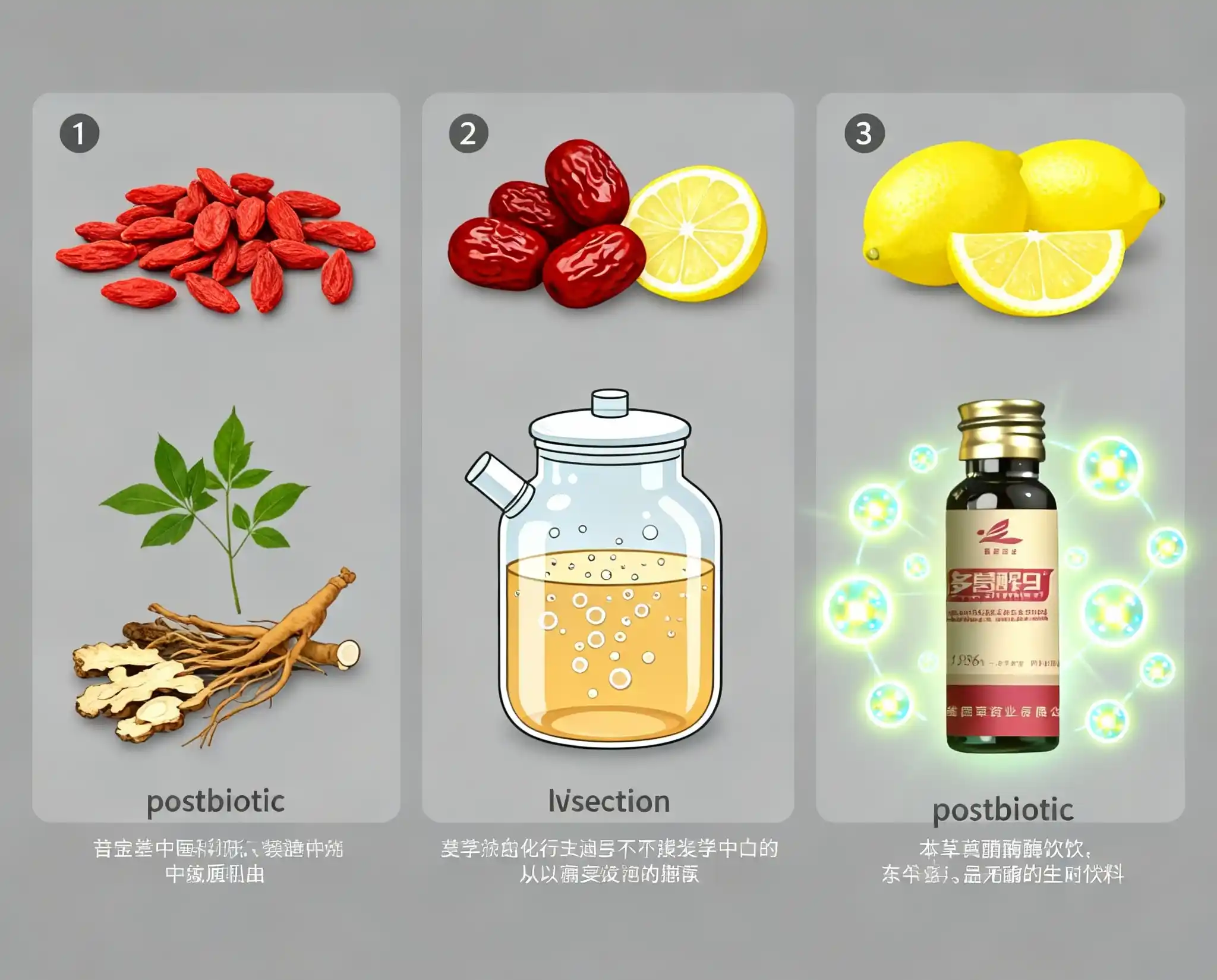
Now your fermented matrix. In Chinese practice, “酵素饮品” often means a multi-fruit/herbal fermentation. You’ll want fermentation that’s controlled, food-grade, and reproducible—not a kitchen jar. Choose strains and conditions that prioritize safe acids (lactic, acetic), target polyphenol release, and keep alcohol negligible.

Fermentation & Enzyme Considerations (keywords: microbial fermentation, enzymatic activity, RTD beverage)

  • Strain & Substrate: Use food-grade starters; match to substrates from roots & rhizome, flowers & whole herbs, and fruits & seeds.
  • pH Window: Keep pH low enough for safety but not so sour it kills palatability or sensitive actives.
  • Enzymatic Claims: If you mention “enzymes,” validate activity units (e.g., protease/amylase) at bottling and at end-of-life.
  • Alcohol Control: Validate ABV is below local thresholds; log in batch records.
  • Filtration & Clarity: Decide: rustic cloudiness (craft vibe) vs. filtered clarity (premium vibe). Either way, be consistent.

Flavor, Sweetness & Mouthfeel (keywords: taste masking, organoleptic, natural flavors)

Herbal bitterness and metallic notes will show up. Solve them early.

Sensory Pain PointFixes That Work in DrinksWhat to Watch
Bitter/earthy botanicalsCitrus/bergamot top-notes; honey/jujube nuance; vanilla; low-brix pearDon’t oversweeten; night drink shouldn’t feel like candy
Metallic (Mg)Acid balance (malic/citric); creamy vanilla; oat essencepH too low can bite—aim smooth
Herbal astringencyPolyphenol binding via fibers; microencapsulated flavorsEncapsulation adds cost; test for stability
“This tastes medicinal”Blend chamomile + apple/pear; add ginger microdose warmthKeep ginger low; bedtime drink should not “energize”

How to Design a Sleep Support Herbal Enzyme Drink for OEM Brands 2

OEM Manufacturing Process (keywords: OEM, ODM, pilot batch, BOM, MOQ)

You’ll move faster if you lock an OEM that knows herbs and fermentation. GuoCao runs OEM for herbal enzyme drinks and can source standardized herbs in one place: Wholesale Chinese medicinal herbs, plus animal & mineral and barks categories where relevant.

From Brief to Bottle (keywords: formulation brief, pilot, scale-up)

StageWhat You DoWhat OEM DoesExit Criteria
DiscoveryDefine target use (sleep latency vs. sleep quality), taste map, claims, countries.Feasibility check, ingredient shortlist, regulatory scan.Written brief + initial BOM v0.
Bench FormulationTaste through 3-5 concepts; choose 1–2.Build lab samples; run pH/Brix, preliminary micro.Pick a lead; update BOM v1.
Pilot BatchApprove processing route (aseptic/hot-fill/ambient).Produce 50–200 L pilot; organoleptic panel; stability starts.Pilot data deck; tweak if needed.
Scale-UpConfirm packaging (shot, pouch, glass).Validate process parameters; full QA plan.PPQA signed; launch spec finalized.
Commercial RunPlace PO (meet MOQ).Manufacture, COA release, ship.Retain samples + batch record archived.

Industry lingo you’ll actually use: MOQ, lead time, BOM, batch record, organoleptic panel, hot-fill vs. aseptic, SR (shelf-life) study, CAPA if anything drifts.

GMP, ISO 22000, COA—What to Require (keywords: food safety, traceability, third-party testing)

  • GMP Herbal Processing: Controls from slicing to extraction matter—herbs aren’t uniform.
  • ISO 22000 & HACCP: Hazard analysis for fermentation steps, allergen control, sanitation (SSOP).
  • Third-Party COA: Identity (botanical), actives (HPLC/UV), micro (TPC, yeast/mold, pathogens), heavy metals (Pb/Cd/Hg/As), pesticide residues (meet MRLs).
  • Warehouse: Ambient/cool/MAP storage reduces oxidation and aroma loss—GuoCao operates those conditions at scale (GuoCao).
  • Global Files: Allergen, non-GMO, vegan/halal/kosher (if needed), country-specific ingredient status.

Stability & Shelf-Life (keywords: accelerated stability, real-time stability, packaging)

Sleep drinks fail on shelf when color drifts, aroma fades, or sediment scares buyers. Plan stability like a hawk.

StudyWhy It MattersWhat To Log
Accelerated (e.g., 40 °C/75% RH)Flags issues fast (flavor fade, haze, pH drift).pH, color (Lab*), Brix, sensory, micro.
Real-Time (ambient/cool)Confirms real shelf life.Same panel as above; monthly first 3 mo.
Light ExposureClear bottles look cute but hurt stability.Color/odor changes vs. amber/opaque.
Enzyme/Actives RetentionIf you speak to “enzymatic” benefits, prove it.Activity units / marker compounds over time.

Packaging picks:

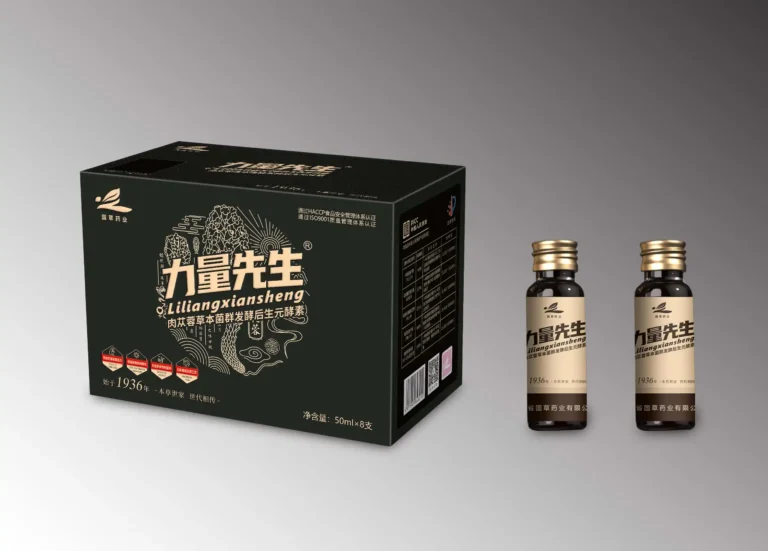
  • Night shots (30–60 mL): High-impact flavor, easy pack, ritual-friendly.
  • Pouches (10–30 mL): Travel-friendly; great for D2C.
  • Glass vs. PET: Glass signals premium; PET is lighter. Protect from light if floral notes are key.

Labeling & Claims (keywords: structure-function claims, local regulation, compliance)

  • Think structure-function, not disease claims: “supports relaxation,” “for nighttime wind-down.”
  • Match serving timing: 30–60 minutes before bed.
  • Allergen & caffeine statement if any botanicals could confuse buyers (e.g., trace caffeine from tea-based theanine—usually minimal).
  • Watch ingredients like melatonin, kava, CBD—rules vary widely. When in doubt, remove or redirect to compliant alternatives.

Sourcing Strategy (keywords: standardized extracts, extract ratio, quality control)

Keep your supply simple and traceable. You can source by category from GuoCao’s catalog—roots & rhizome, flowers & whole herbs, fruits & seeds, animal & mineral, barks—and integrate with an OEM/ODM herbal enzyme drinks program (learn more).

Quality checklist

  • Botanical ID (macroscopy + HPLC fingerprint).
  • Standardization (e.g., apigenin% in chamomile, valerenic acids in valerian).
  • Micro & Heavy Metals pass specs.
  • Pesticide residues within local MRLs.
  • Extract ratio (e.g., 5:1) for dosing math.
  • Freshness: store cool, oxygen-managed to protect aromatics.

Formulation Patterns That Sell (keywords: functional blend, clean label, taste profile)

Three archetypes that keep reordering high:

  1. “Calm & Cozy” Floral: Chamomile + lemon balm + L-theanine, fermented apple-pear base, low sweetness, warm vanilla endnote.
  2. “Muscle-Relax” Mineral-Amino: Magnesium glycinate + glycine + passionflower, fermented jujube base, citrus-honey top.
  3. “Traditional Night” Root-Forward: Valerian micro-dose + jujube + sour date seed (酸枣仁) extract in a gentle, dark-amber shot. Use flavor veil to tame earthiness.

Keep SKUs tight. Nail one flagship, then consider a caffeine-free “PM Beauty” variant (collagen peptides + chamomile), or a travel jet-lag support version without regulated actives.


How to Design a Sleep Support Herbal Enzyme Drink for OEM Brands 1

Operations Pain Points & How To De-Risk (keywords: CAPA, CQP, QA/QC)

Pain PointWhy It HappensFix (Operator-Grade)
Batch-to-batch flavor driftBotanical variance, fermentation kineticsTighter specs on markers; time-to-pH endpoint, not just hours
Sediment shock in clear bottlesPolyphenol complexes falling outCold crash + fine filtration; explain “natural sediment” on label if you keep it
Metallic aftertasteMineral salts + low pHSwitch salt form; add malic/vanilla pairing; pilot again
“Does it really help?”Expectation gapClear on serving timing; combine calm + sleep quality actives; don’t oversell
Customs holdDocs missing or claims issuePre-clear labels per market; keep COAs, MSDS, process flow on file

Commercial Value & Go-to-Market (keywords: D2C, retail, on-premise channel)

  • D2C: Sampler packs + subscription; PM ritual content; SMS reminders.
  • Retail: Nighttime endcap near teas; single-serve shot fridge.
  • On-premise: Spa/hotel turndown mini shots (quiet winner).
  • Education: One-page “why these herbs” explainer with simple graphics.
  • Pricing: Anchor the flagship; use multipacks to lift AOV. (No need to over-calculate here.)

GuoCao ships to 30+ countries and supports private label with GMP and ISO 22000 controls. That matters when you scale cross-border and buyers ask for audits, specs, and third-party COAs. For ingredient and OEM consolidation, start at Chinese herbal slices.


Quick Build Template (keywords: formulation brief, spec sheet, brand story)

Your internal one-pager (copy this layout):

  • Target outcome: Reduce “racing thoughts” + improve perceived sleep quality.
  • Serving: 30–60 min before bed; 1 shot (30–50 mL).
  • Actives (example blend): L-theanine, magnesium glycinate, glycine, chamomile.
  • Fermented base: Apple-jujube-chamomile fermentation, pH ~3.5–3.8 (tune in pilot).
  • Sensory: Floral-citrus top; light vanilla tail; low sweetness.
  • Process: Ferment → cold crash → polish filtration → hot-fill or aseptic (decide in pilot).
  • Testing: Micro, heavy metals, pesticide screen, marker compounds, enzyme activity (if claimed).
  • Packaging: Amber glass 50 mL or opaque PET shot.
  • Docs: Spec sheet, batch record, COA, stability plan, allergen statement.
  • Claims: “Supports relaxation & nighttime wind-down.” (Structure-function, local compliant.)

Kinda obvious, but say it anyway: always check local laws before you print.


Product Category Compass (keywords: Chinese medicinal herbs, wholesale, supply chain)

To plan scale and variants, map your herb library by category and keep substitutions ready:

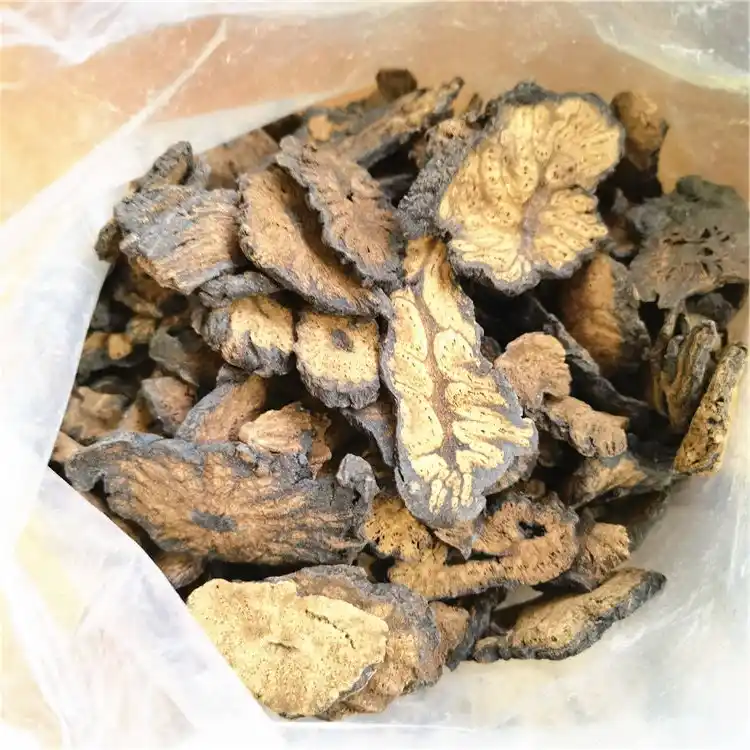
  • Roots & Rhizome — valerian, polygonatum, ginger fractions.
  • Flowers & Whole Herbs — chamomile, chrysanthemum, lavender.
  • Fruits & Seeds — jujube, sour date seed, goji.
  • Barks — cinnamon fractions (tiny bedtime warmth).
  • Animal & Mineral — region-specific use; ensure compliance before use.

Browse and source from GuoCao’s wholesale catalog so QA stays under one roof.


References & Source Types (keywords: evidence, peer-reviewed, industry reports)

  • Peer-reviewed reviews on herbal sleep support (valerian, chamomile, lemon balm, glycine, magnesium, GABA).
  • Industry trend reports on sleep-support ingredients in foods, drinks, and supplements.
  • OEM best-practice guides for functional beverage processing, fermentation control, and stability.
  • Regulatory summaries for structure-function claims and ingredient status by market.

(We keep titles and evidence types visible, links omitted here.)


Why GuoCao Fits OEM/ODM (keywords: GMP, ISO 22000, COA, global)

  • GMP herbal slice production for consistent input quality.
  • ISO 22000 with HACCP, SSOP, and traceability.
  • Ambient/cool/MAP storage to protect actives and aroma.
  • Third-party COA—identity, actives, micro, heavy metals, residues.
  • 2,500-ton annual capacity, OEM/ODM for Chinese herbal enzyme drinks, global delivery to 30+ regions.
  • Client types: pharma, supplement makers, functional beverage brands, hospitals, cosmetic raw-material buyers, distributors.

If you want the short path from brief → pilot → commercial run, anchor your project with OEM/ODM herbal enzyme drinks.

Usually we will contact you within 30 minutes

MOQ & Customization

Our low MOQ of 1 kg (2.2 lb) makes it easy to order Chinese herbal slices or wholesale Chinese medicine herbs. Private-label and bilingual labeling are also available.

Delivery Cycle & Support

We have a fast 7-day lead time. We provide free samples, COA reports, and technical support to help you bring high-quality bulk Chinese herbs to market.

Quality & Certifications

Our products are manufactured in a GMP-certified facility and meet ISO22000 standards. All Chinese herbs are third-party tested for heavy metals, pesticides, and microorganisms.