Leech Sourcing: Types Verification and Top Quality Risks
Medicinal leech sourcing is not a straightforward "quote me a kilo" transaction. Species complication, phony identity papers, microbial danger, moisture misuse, and weak COA evaluation can transform Shui Zhi into an expensive conformity issue.
Medical leech sourcing looks unique from the exterior. Inside the trade, it is mostly documentation, types self-control, moisture control, and supplier sincerity.
Three unsightly words.
Incorrect types shipped.
And when a buyer approves “leech” as a generic asset name without asking which varieties, which pharmacopoeial standard, which examination approach, which batch history, and which microbial-risk controls sit behind that invoice, the problem is not the supplier’s English sales brochure; the problem is that purchase has actually already surrendered before the example also gets here. Why are professional purchasers still pretending Shui Zhi is easy?
The First Lie in Leech Sourcing Is Normally the Latin Name
I am mosting likely to be candid: “Hirudo medicinalis” obtains thrown around as well delicately.
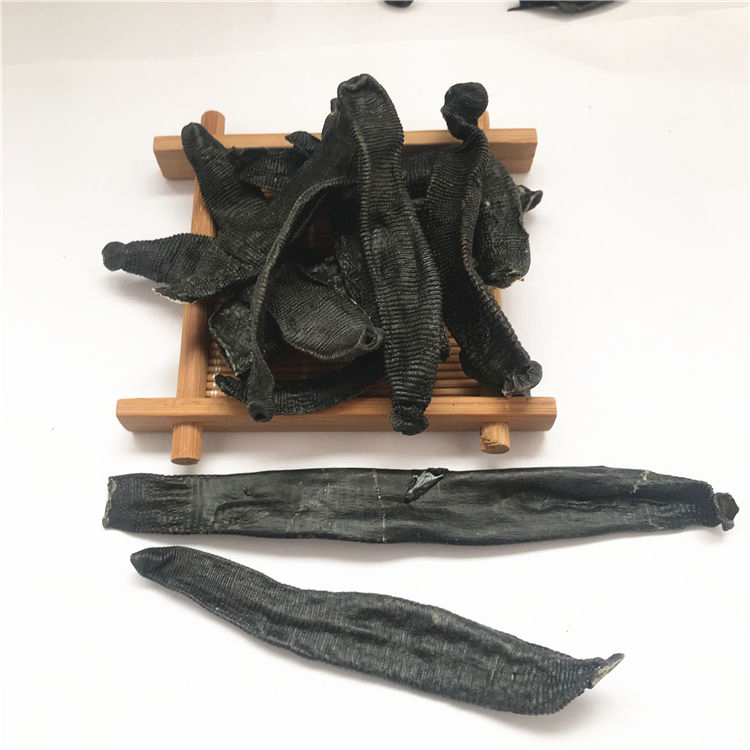
On many distributor web pages, invoices, and brochure sheets, the expression looks like if it solves whatever. It does not. For Standard Chinese Medicine product, Shui Zhi is not instantly the exact same thing as European live clinical leeches used in health centers. The Chinese Pharmacopoeia recommendation listings leech as the dried whole body of Whitmania pigra, Hirudo nipponica, or Whitmania acranulata, gathered in summer season and autumn, after that eliminated by boiling water and dried out by sunlight or reduced temperature, according to the Chinese Pharmacopoeia 2020 reference on ShennongAlpha.
That difference issues. A lot.
The FDA’s device database specifies medicinal leeches under product code NRN as Hirudo medicinalis made use of as an adjunct when venous congestion may delay graft-tissue recovery, and its 510(k) document BK251211 names RICARIMPEX SAS with a decision date of June 21, 2004. That is real-time medical-device region, not a free pass for each dried out leech item moving through natural channels. See the FDA item category and FDA 510(k) document BK251211.
So when I evaluate a medicinal leech sourcing offer, I do not start with rate. I start with identification.
A photograph tells you virtually absolutely nothing as soon as a leech has been dried out, turned, cut, powdered, combined, heat-treated, or loaded for export.
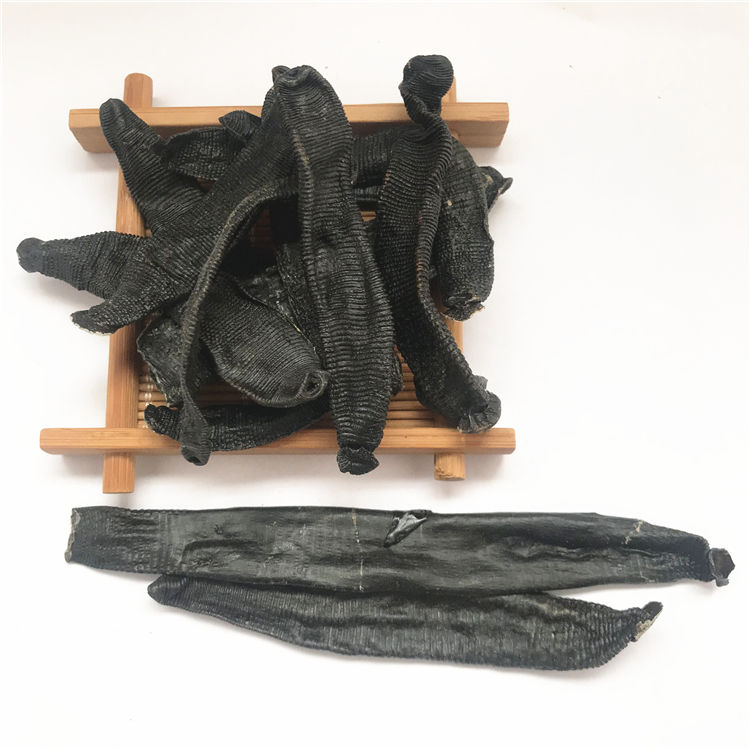
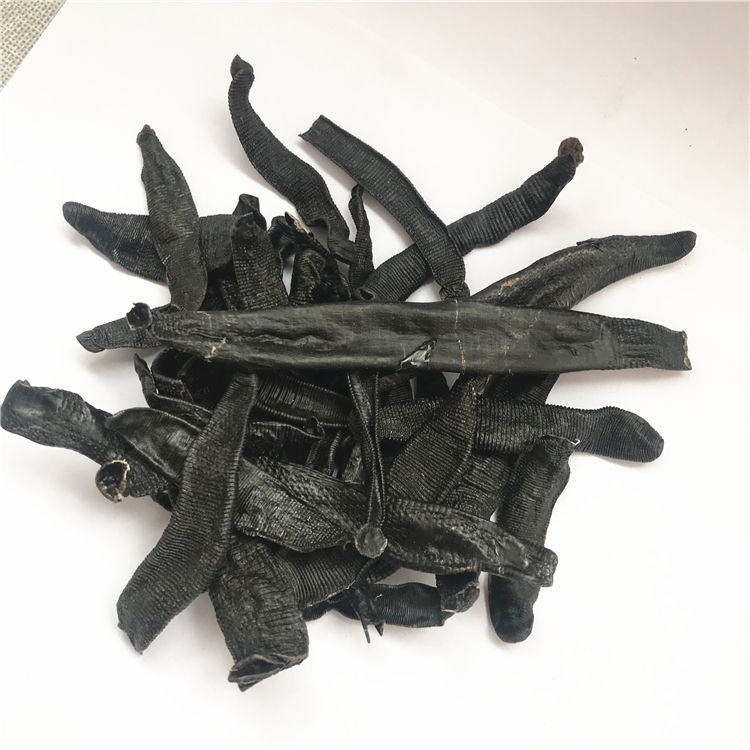
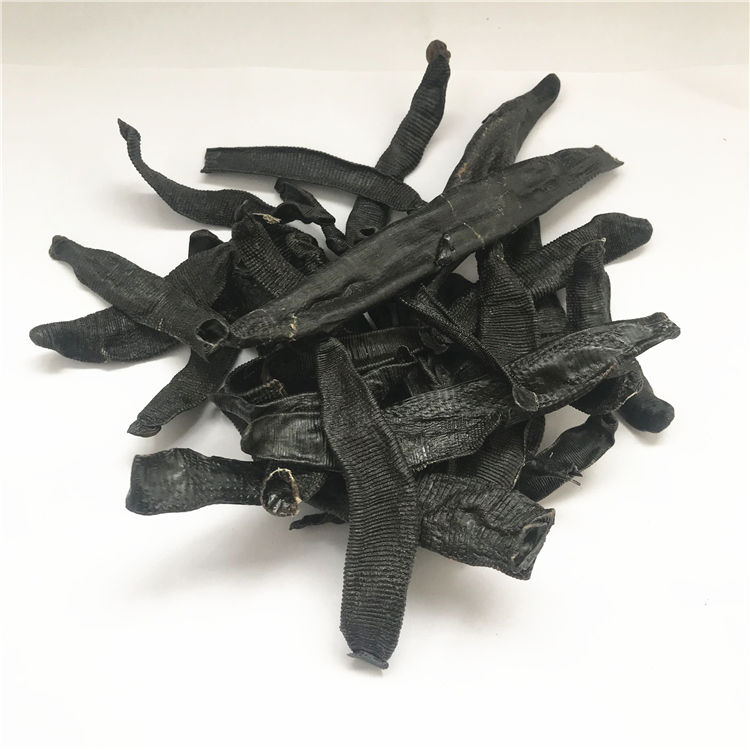
Yes, morphology still has worth. The Chinese Pharmacopoeia description gives sensible information: Whitmania pigra is level and spindle-shaped, 4– 10 cm long and 0.5– 2 cm broad; Hirudo nipponica is flatter and narrower, commonly 2– 5 cm long and 0.2– 0.3 cm large; Whitmania acranulata can run 5– 12 centimeters long and 0.1– 0.5 cm broad. It likewise establishes examination limitations such as water at not more than 18.0%, overall ash at not more than 8.0%, and acid-insoluble ash at not more than 2.0%.
However below is the hard reality: morphology is where lazy buyers quit.
Major leech types verification currently needs to think about molecular testing. A 2025 Scientific Reports paper on leech identification notes that the Chinese Pharmacopoeia includes Whitmania pigra, Hirudo nipponia, and Whitmania acranulata, while imitation or complex varieties such as Poecilobdella manillensis, Whitmania laevis, and Erpobdella sp. might enter the market as a result of similar appearance and wide local naming around “shuizhi” or “mahuang.” The exact same paper talks about mitochondrial mini-barcode work around 16S rRNA, consisting of guide set 741 F/943R, after evaluating regions such as ATP6, ATP8, ND4L, and 16S rRNA. Review the research below: Development of a mitochondrial mini-barcode for identification of leech in traditional Chinese medication.
That is not academic facts. That is a purchase caution.
What I Would Ask Before Authorizing a Batch
I would ask for the varieties name in Latin and Chinese. I would ask whether the set is whole, cut, powdered, or extract-bound. I would certainly ask whether identification screening makes use of morphology, TENDER LOVING CARE, DNA barcoding, mini-barcoding, or a documented mix. I would ask whether the COA is batch-specific or recycled from an attractive PDF layout nobody at the factory can describe.
Then I would ask the distributor to show the chain of protection.
If the vendor can not link origin, handling day, drying approach, great deal number, examination report, product packaging document, and export document, the price is not cheap. It is just incomplete threat.
For teams that need a broader sourcing list prior to touching Shui Zhi, the website’s Chinese natural items purchase guide is a beneficial interior web link since it frames the bigger GMP, ISO 22000, COA, deviation-log, and CAPA logic around Chinese natural materials.
The Market Has Actually Already Been Caught Misnaming Leeches
The misidentification problem is not academic.
In 2007, study covered by the National Science Structure reported that readily available medicinal leeches made use of in biomedical study and postoperative care had long been assumed to be Hirudo medicinalis, yet hereditary job revealed they were actually Hirudo verbana; the research study additionally argued that wild European medical leeches represented at least three genetically unique species. The NSF recap tied this blunder to legal, industrial, and preservation effects, not simply taxonomy embarrassment. See Misclassified for Centuries, Medicinal Leeches Found To Be 3 Unique Variety.
That case must scare every customer that still treats Latin names as decoration.
Since if the online medical-leech field could bring a name issue for years, what do we believe occurs in dried out, bulk, multi-language, export-driven natural supply chains where product is taken care of by farmers, enthusiasts, processors, investors, consolidators, and exporters prior to a customer ever before sees a sample?
No one likes this answer. But the response is: alternative happens.
In some cases it is fraudulence. Sometimes it is folk taxonomy. Sometimes it is a broker that can not inform one annelid from another. The outcome coincides: a buyer receives “leech,” however not necessarily the leech they specified.
Quality Dangers: Where Shui Zhi Really Falls Short
The leech trade has two kinds of risk: identity threat and condition risk.
Identification danger asks, “What species is this?” Condition risk asks, “What occurred to it after collection?”
Both can destroy a sourcing program.
Danger Location
What Can Fail
Buyer-Side Control
Warning I Would Not Disregard
Types identity
Incorrect species, mixed species, folk-name alternative
Pharmacopoeia suit, morphology, TLC, DNA barcoding or mini-barcoding
Vendor says “all leech same”
Wetness
Overweight set, mold danger, weak storage space stability
Water examination, drying out document, warehouse moisture log
Hefty odor, soft texture, condensation in bag
Ash/ dirt
Dirt, sand, processing particles, deliberate weight gain
Overall ash and acid-insoluble ash limitations
Small cost with gritty crack surface area
Microbiology
Animal-origin contamination, bad drying out, dirty handling
Microbial limitations, confirmed drying, tidy packing line
No batch-specific COA
Documentation
Reused COA, missing lot family tree, obscure beginning
Great deal number, MBR, vendor audit, CAPA records
COA day older than production day
Regulatory standing
Complication between live clinical leeches and dried TCM product
Right product category and insurance claim testimonial
When GuoCao states on its animal-and-mineral classification web page that it uses GMP-certified lines, ISO 22000 systems, and third-party COA screening for animal and mineral TCM ingredients, that is the ideal instructions. Yet the purchaser still has job to do: ask whether that testing bundle is strong sufficient for this product, this destination market, and this insurance claim framework.
Microbial Risk: Do Not Learn About Aeromonas After the Issue
Live hirudotherapy has a popular microbiological trouble: Aeromonas.
FDA’s MAUDE adverse-event database consists of a RICARIMPEX leech report where microbiological screening at a medical care facility developed the existence of Aeromonas on leeches made use of on a client; the report likewise specifies that Aeromonas is constantly existing in the digestion system and on the tegument of leeches, which infection danger is a well-known effect calling for antibiotic preventative measure in clinical use. See the FDA MAUDE negative event report.
Currently, dried Shui Zhi is not the same item as an online medical leech. That difference should stay clear.
However the lesson takes a trip: animal-origin material requires microbial severity. A buyer needs to not accept “dried” as a security debate. Drying can decrease danger, yet filthy collection, bad kill-step control, damp storage space, combined lots, and contaminated product packaging can develop issues that only appear after import, solution, or client problem.
I have actually seen buyers argue over cents per kilogram while overlooking the microbiology web page of a COA. That is in reverse.
The COA Should Not Be Dealt with Like Design
An appropriate COA for medicinal leech quality assurance should be boring, particular, and traceable. It needs to name the item, species basis, batch number, examination day, techniques, restrictions, results, laboratory identification, and reviewer. It ought to not be an advertising and marketing poster.
For bulk programs, I would attach leech procurement to the distributor’s wider bulk process. Pages like Wholesale Herbal Vendor for Mass Orders issue because reduced MOQ, samples, COA reports, and lead-time cases just come to be significant when they match a repeatable release system.
DNA Barcoding Is Powerful, Yet It Is Not Magic
Leech DNA barcoding is commonly offered as the response.
It is a solution. Not the only one.
Classic COI barcoding jobs well when DNA is intact enough. Yet dried, boiled, refined, powdered, or patent-medicine product can lug abject DNA, which is why mini-barcoding exists. The 2025 Scientific Information research explains that conventional DNA barcoding can deal with Chinese patent medication and refined medicinal products because leech preparation commonly includes drying or high-temperature processing that degrades DNA; the scientists established a mitochondrial mini-barcode method to boost species identification in complex samples.
So the intelligent approach is split.
Use morphology for whole product. Use pharmacopoeial TLC where ideal. Usage DNA barcoding or mini-barcoding when identity danger is high, when the product is powdered, when the provider is new, when the batch is unusually economical, or when the location market is rigorous. Maintain a reference sample from the authorized batch.
And never ever allow a supplier choose the simplest test and call it “full authentication.”
Sourcing Policies I Would Place In the Purchase Agreement
If I were creating a medicinal leech sourcing spec, I would certainly not utilize soft wording.
I would need the accepted varieties basis, referral requirement, enabled type, wetness limitation, ash limits, microbial restrictions, foreign-matter interpretation, product packaging requirement, storage problem, retained-sample rule, batch-number style, COA method checklist, and nonconformance process.
No love. Simply control.
For OEM or private-label tasks utilizing animal-origin products, the much better internal path is not only the leech web page. It is also the distributor’s ability layer, particularly personalized Chinese herbal and flavor OEM/ODM options, since specification discipline has to survive formula, packaging, labels, export, and after-sales documentation.
My Minimum Set Package
A significant Shui Zhi set package should include:
Vendor affirmation of types and origin
Batch-specific COA
Pharmacopoeial recommendation basis
Wetness, complete ash, and acid-insoluble ash outcomes
Microbial examination results
Hefty steels and pesticide-residue results where needed by market
Processing record: collection season, kill approach, drying out technique, drying out temperature array
Packaging document with internet weight, product, and sealing method
Images of retained sample and production whole lot
Right commercial invoice and packing listing wording
Claim-review note to avoid disease-treatment language
If the supplier can not provide these, I do not care exactly how stylish the sample looks.
Frequently asked questions
What is leech types verification?
Leech varieties authentication is the procedure of showing that a medical leech material matches the stated varieties and pharmacopoeial source by incorporating morphology, chemical identification, and, when needed, DNA barcoding or mini-barcoding to different approved Shui Zhi varieties from alternatives, combined whole lots, and mislabeled material. In practice, this indicates verifying names such as Whitmania pigra, Hirudo nipponica, and Whitmania acranulata prior to rate negotiation ends up being severe.
Why is medicinal leech sourcing dangerous?
Medical leech sourcing is high-risk because the product sits at the intersection of animal-origin contamination, species complication, refining damages, moisture abuse, governing claim danger, and weak documents. A buyer can receive the wrong species, an unclean set, a noncompliant COA, or a delivery that can not make it through importer testimonial. The danger is not dramatic; it is management, biological, and expensive.
Is Hirudo medicinalis the right types for Shui Zhi?
Hirudo medicinalis is not automatically the appropriate varieties for dried Shui Zhi since Chinese Pharmacopoeia-linked referrals acknowledge multiple leech varieties for this medical product, consisting of Whitmania pigra, Hirudo nipponica, and Whitmania acranulata. The ideal answer relies on the market requirement, label wording, item kind, and regulatory pathway. Treat “Hirudo medicinalis” as an insurance claim to verify, not a magic expression.
Exactly how does DNA barcoding aid authenticate leech species?
DNA barcoding aids validate leech varieties by contrasting genetic pens from the product versus known reference series, permitting purchasers and labs to identify replacement, varieties mixing, or mislabeling that morphology may miss after drying or refining. For weakened material, mini-barcoding can be more useful than full-length barcoding because shorter DNA fragments are easier to recuperate from damaged samples.
What quality examinations should a buyer request for dried out leech?
A customer ought to request identification testing, wetness, complete ash, acid-insoluble ash, microbial limitations, heavy metals, chemical residues where appropriate, and batch-specific documents connected to origin, handling, packaging, and storage space. For high-risk or powdered material, DNA barcoding or mini-barcoding must be added. The COA needs to reveal techniques and set numbers, not simply pass/fail language.
What is the most significant warning when selecting hirudotherapy leech providers or Shui Zhi distributors?
The biggest warning is a vendor that can not plainly separate live medical leech usage, dried Shui Zhi organic product, types identity, and regulative claims in creating. If the vendor utilizes one Latin name for every little thing, avoids batch-specific COAs, declines approach information, or declares treatment effects too easily, the purchaser ought to decrease instantly.
Your Next Action: Audit the Set Prior To You Discuss the Rate
Do not request for “best rate” first.
Request for the types basis, set package, COA approaches, beginning record, processing information, and retained-sample photos. After that contrast the offer versus your market’s criterion, your label language, and your risk tolerance. If the vendor can respond to cleanly, talk price. If not, walk.
For customers who require dried out Shui Zhi or associated animal-and-mineral TCM ingredients with traceability, documentation, and bulk supply support, begin with the Leech (Shui Zhi) sourcing web page and then send your requirements with the GuoCao get in touch with page prior to approving any kind of order.
Our low MOQ of 1 kg (2.2 lb) makes it easy to order Chinese herbal slices or wholesale Chinese medicine herbs. Private-label and bilingual labeling are also available.
Delivery Cycle & Support
We have a fast 7-day lead time. We provide free samples, COA reports, and technical support to help you bring high-quality bulk Chinese herbs to market.
Quality & Certifications
Our products are manufactured in a GMP-certified facility and meet ISO22000 standards. All Chinese herbs are third-party tested for heavy metals, pesticides, and microorganisms.