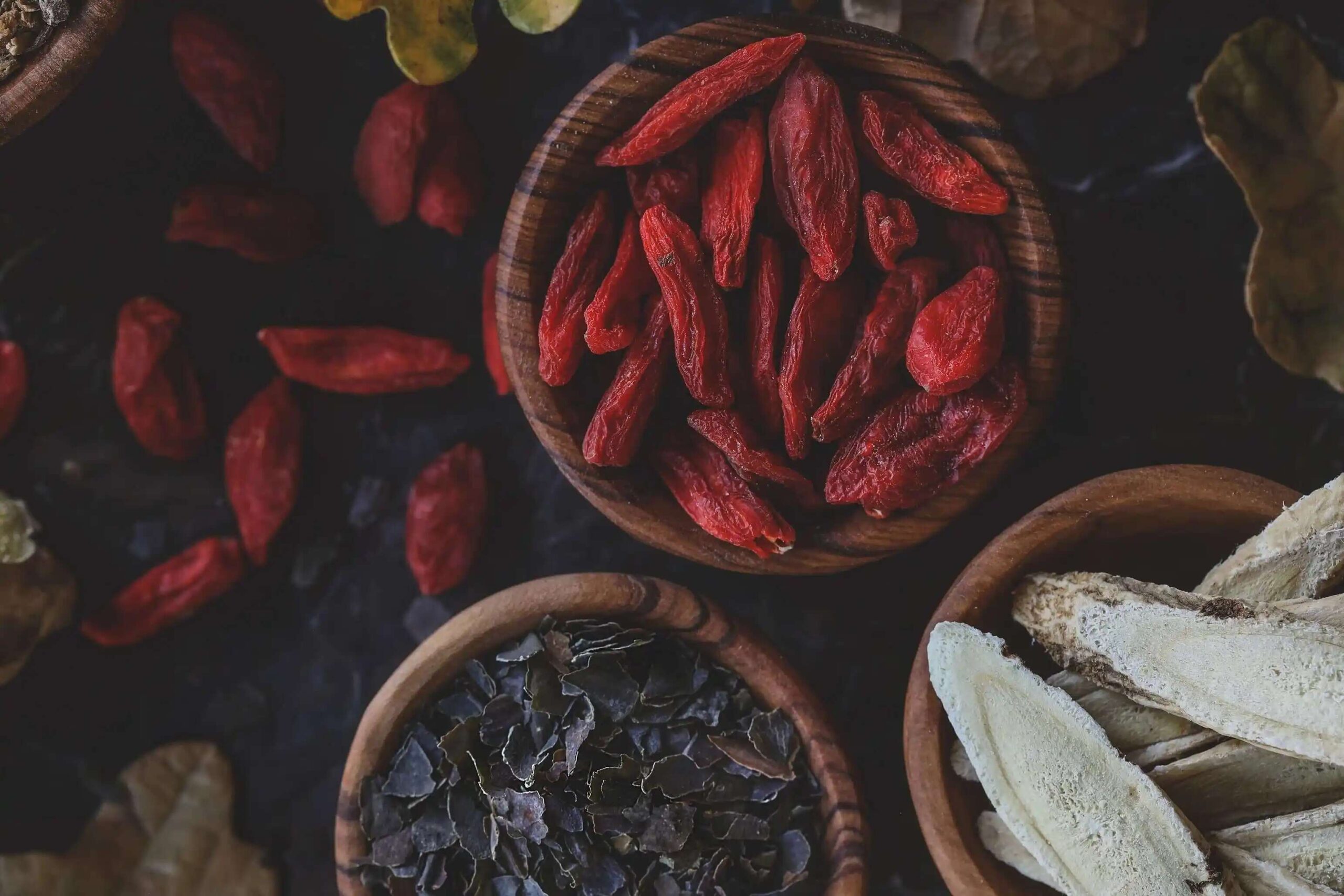
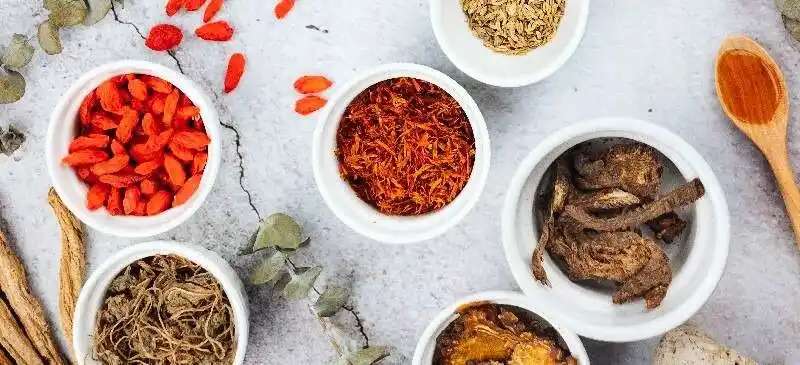
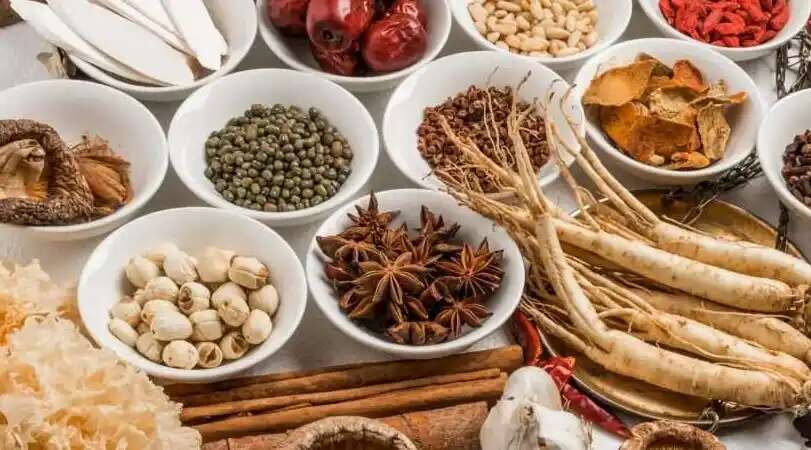
Open your kitchen cabinet for a second. Ginger. Garlic. A bag of goji berries you bought “for tea”. A cinnamon stick near the sugar.
If you cook Chinese food even once in a while, you already touch Chinese medicinal herbs almost every day. You just call them “ingredients”, not “herbal slices”.
From a Traditional Chinese Medicine (TCM) view, these same kitchen basics sit in the same system as ginseng, astragalus or licorice. For home cooking, that sounds a bit far. But for pharma companies, beverage brands, dietary supplement factories and spice wholesalers, this overlap is serious business.
The argument is simple:
Many daily spices are already TCM herbs.
People want them in a safe, convenient format.
To scale that, you need a supply chain that understands both kitchen and clinic.
That’s where manufacturers like GuoCao come in.
Chinese kitchen herbs in Traditional Chinese Medicine
TCM doesn’t just list random plants. It groups them into roots & rhizomes, fruits & seeds, flowers & whole herbs, barks, animal and mineral, plus culinary spices and tea bags. That is basically the same structure you see on GuoCao’s Chinese herbs and spices page.
Many of those categories already live in your pantry. Here’s a quick overview.
Common Chinese kitchen herbs and their TCM functions
You can see the pattern. TCM language may sound old school, but it describes things you already feel:
Ginger warms.
Mint cools.
Cinnamon feels hot and spicy.
Honey softens and moistens.
For a home user that’s enough. For a buyer building a herbal product line, you need to think deeper.
Ginger Chinese medicinal herb benefits in your kitchen
Ginger TCM profile and home scenarios
Ginger sits in almost every Chinese kitchen. In TCM, fresh ginger is used to:
Warm the stomach and chest.
Help the body push out early cold.
Transform thin mucus and stop mild cough.
Calm different types of nausea.
You see it in simple daily scenes:
A pot of rice porridge with ginger for someone who just caught the rain.
Slices of ginger in fish soup to “take away the fishy smell” and support digestion.
Ginger tea with brown sugar when someone gets chilled.
These are not fancy clinic formulas. They are small decisions families make, using a root that doubles as medicine.
Ginger root slices as a bulk ingredient
Now change the angle. Imagine you’re not the person drinking that ginger tea. You’re the one running a functional drink factory or supplement plant.
You don’t just want “some ginger”. You need:
Defined moisture level and slice thickness.
Stable pungent component content.
Clean microbiology, pesticide, heavy metal results.
Lot-level traceability and COA that match your own lab data.
That’s where a supplier with GMP Chinese herbal slice lines and ISO 22000 food safety system matters. GuoCao operates exactly that kind of line, and can deliver ginger as:
Standard root & rhizome decoction pieces.
Fine-cut for tea bags.
Raw material for enzyme drinks and extracts.
You move from “three slices in a mug” to “pallets of ginger slices with full documentation”, but the original herb is the same.
Garlic and scallions as warming Chinese herbs
Garlic and scallions in everyday Chinese cooking
Garlic and scallions are so common that people forget they’re in the herbal system at all.
In TCM, both sit in the warm, pungent family. They’re used to:
Push out mild external cold.
Support digestion after greasy food.
Move stagnant qi in the chest and upper body.
Daily examples are everywhere:
Garlic heavy dipping sauce with hotpot to “cut the grease”.
Scallion-ginger soup when someone feels the first sign of a cold.
Garlic fried with vegetables as a basic seasoning and “stomach helper”.
Nobody writes a formula name on the pot, but the logic is there.
What this means for industrial buyers
For a seasoning brand, garlic and scallion are classic spices. For TCM-driven nutraceutical projects, they are also medicinal botanicals with regulatory and labeling issues attached.
Common pain points you probably know too well:
Origin all over the place, quality very up and down.
Suppliers who understand cooking, but not pharmacopoeia standards.
No consistent COA format, hard to pass internal QA.
Label claim pressure from marketing vs safety limitations.
A manufacturer like GuoCao can sit in the middle:
Treat garlic, scallion and other warm herbs as part of a Chinese herbs and spices portfolio, not just cheap kitchen stock.
Slice, dry and store them in controlled-temperature warehouses, not random sheds.
Support you with specs that fit both your chef and your regulatory team.
You can still sell it as “garlic flavor” on the front, but you know the backend is herb-grade, not random.
Goji berries and cinnamon Chinese herbs for daily health
Goji berries and cinnamon in simple use cases
Goji berries and cinnamon show another side of the story: gentle tonics and deep warming botanicals.
Goji berries (Gou Qi Zi) are used to nourish liver and kidney, support eyes, and gently boost yin and blood. In the kitchen that looks like goji in chicken soup, goji with chrysanthemum in a mug on the office desk, or a handful sprinkled over breakfast oats.
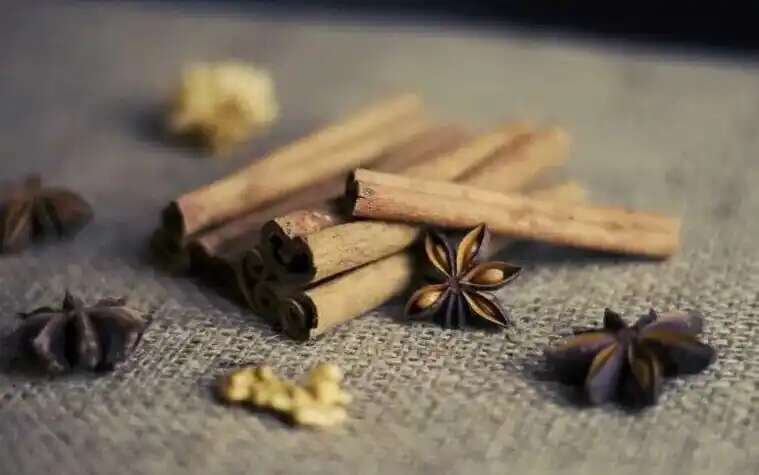
Cinnamon (Rou Gui / Gui Zhi) is used to warm yang and move blood. In daily life, you see cinnamon sticks in winter tea, in braised meat, or mixed into dessert.
Both are friendly. They feel like food, not pills.
From soup ingredients to wholesale Chinese medicinal herbs
On the supply side, though, they sit in very clear SKUs:
Raw materials for Chinese herbal enzyme drinks and functional beverages.
For a dietary supplement plant or functional drink company, this means:
One partner for goji, cinnamon, hawthorn, licorice, and other TCM classics.
Pharmacopoeia-aligned specs plus food-grade safety controls.
OEM / ODM help if you want to launch your own “goji cinnamon enzyme drink” or herbal tea series.
You dont need to manage ten different small suppliers. You focus on formulation and brand, and let the herb specialist manage fields, slicing and warehouses.
GuoCao wholesale Chinese medicinal herbs and spices supplier
Product categories that match real TCM practice
GuoCao is positioned as a wholesale Chinese medicinal herbs and spices supplier with a one-stop portfolio. The structure matches how TCM actually works, not just how e-commerce wants to show products.
Key ranges include:
Roots and rhizomes like ginger, turmeric, codonopsis and many others.
Culinary spices that double as herbs: star anise, clove, fennel, etc.
Tea bag cuts, mushroom and herbal enzyme raw materials.
All of this sits under a Chinese herbs and spices umbrella, so a buyer from pharma, a functional drink brand, a hospital, or a local retailer can all speak the same language.
Capacity, certification and real-world use
GuoCao runs GMP herbal slice production lines, has ISO 22000 food safety in place, and works with third-party labs for COA. Annual capacity goes into thousands of tons, with shipments to more than 30 countries and regions.
In practice this means:
You get lot-level documentation and traceability.
You can plug GuoCao’s COA into your own QA flow instead of rebuilding from zero.
You can order at wholesale scale through the wholesale section instead of negotiating micro batches each time.
If you need private label, OEM or ODM, the factory is already set up for tea bags, herbal enzymes and other dosage forms.
Typical clients include:
Pharmaceutical companies working with TCM granules or finished preparations.
Dietary supplement plants making capsules, tablets, powders.
Functional beverage brands developing herbal and enzyme drinks.
Cosmetics raw material traders using flowers, seeds and roots.
Local distributors and spice wholesalers who want herb-grade supply.
In industry black talk, this is “one supplier from raw slice to ready-to-pack tea bag cut”, not just a random trader.
And because the same ginger, cinnamon, goji and mint are also in your home cooking, your marketing team gets real story material, not just lab graphs.
How to bridge home kitchen herbs with TCM supply chain
So what do you actually do with all this?
For home users
You don’t need to turn your apartment into a mini clinic. But you can:
Look at your ginger, garlic, scallions, goji, mint, cinnamon with a bit more awareness.
Use warm herbs more when its cold and damp.
Use cool herbs more when you feel hot, irritable, “heaty”.
Keep quantities reasonable and remember: food-like use is fine, serious illness still needs a doctor.
Even these small changes make your kitchen feel more intentional.
For brands, factories and distributors
If you work on the B2B side, the argument is stronger:
You already sell products that contain “kitchen herbs”.
Consumers already accept them as healthy.
Regulators already look at them as serious botanicals.
The gap is supply chain quality. When you plug into a manufacturer like GuoCao at chineseherbalslices.com, you line up daily spices and TCM-grade quality in one pipeline:
From simple spices to complex herbal enzyme projects.
You dont just buy “ginger powder” anymore. You buy a TCM ingredient with a clear spec, coming off a GMP line, ready to go into functional food, drinks, supplements, or hospital formulas.
The herbs in your kitchen today are the same herbs that move tons through global warehouses. The difference is how serious you take them.
Treat them as random flavor, and you get random results. Treat them as part of a proper Chinese herbal system, and you unlock steady products, safer supply, and alittle bit more trust from the people who drink, eat or take what you make.
Our low MOQ of 1 kg (2.2 lb) makes it easy to order Chinese herbal slices or wholesale Chinese medicine herbs. Private-label and bilingual labeling are also available.
Delivery Cycle & Support
We have a fast 7-day lead time. We provide free samples, COA reports, and technical support to help you bring high-quality bulk Chinese herbs to market.
Quality & Certifications
Our products are manufactured in a GMP-certified facility and meet ISO22000 standards. All Chinese herbs are third-party tested for heavy metals, pesticides, and microorganisms.