If you sell or source Chinese herbal ingredients, compliance isn’t a side quest. It’s the road. Done right, it speeds launch, unclogs legal, and keeps your ads live. GuoCao runs GMP herbal-slice lines with ISO 22000 food-safety controls, COA by third-party labs, and OEM/ODM. Annual capacity is strong and stable. Your ops are real; your copy should match that reality. Otherwise… not good.
I’ll keep this conversational and practical. Short lines. Active voice. Real examples from your own catalog. No outside links, no cost talk. A few tiny imperfect phrases too (we dont need fancy words).
FTC Health Products Compliance Guidance (2022): Substantiation
Plain talk: If you make a health-related claim, you need competent and reliable scientific evidence before the ad or brochure runs. No “find a paper later.” Your wording and net impression must match the proof you hold.
How that lands for herbal brands
“Supports digestive comfort” can be structure/function style if your SKU is a dietary supplement in that market.
“Treats disease X” is a no-go; stay away from drug-like language.
Keep copy conservative. Move benefits into format and use-case language.
Anchor to what you actually sell Point buyers to real forms and scenarios on your site:
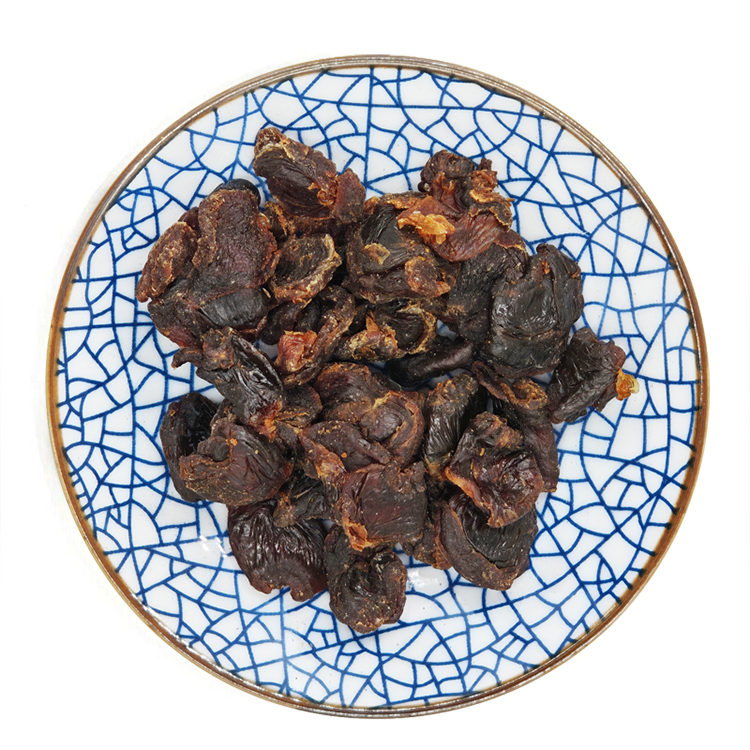
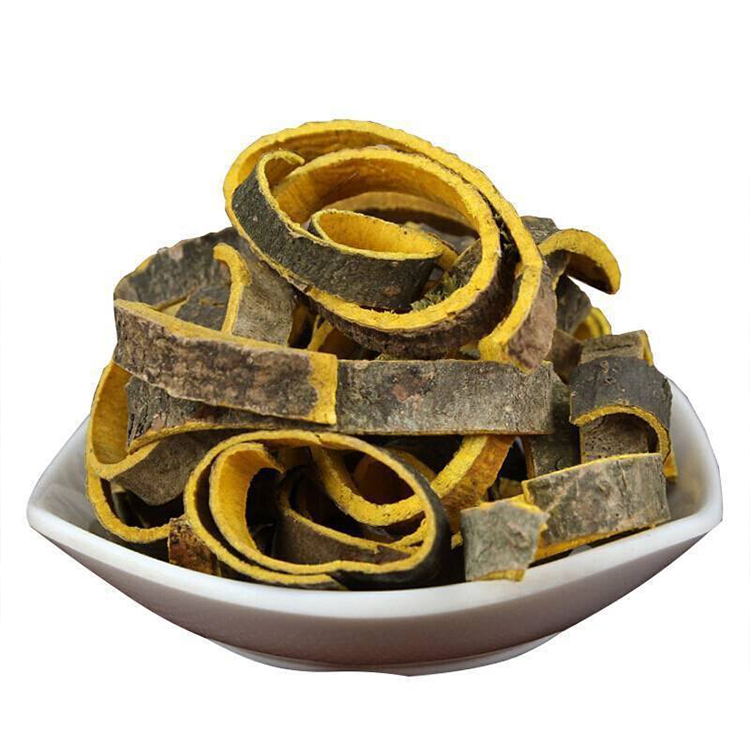
Root and Rhizome — talk cut thickness, moisture targets, and batch trace, not cures.
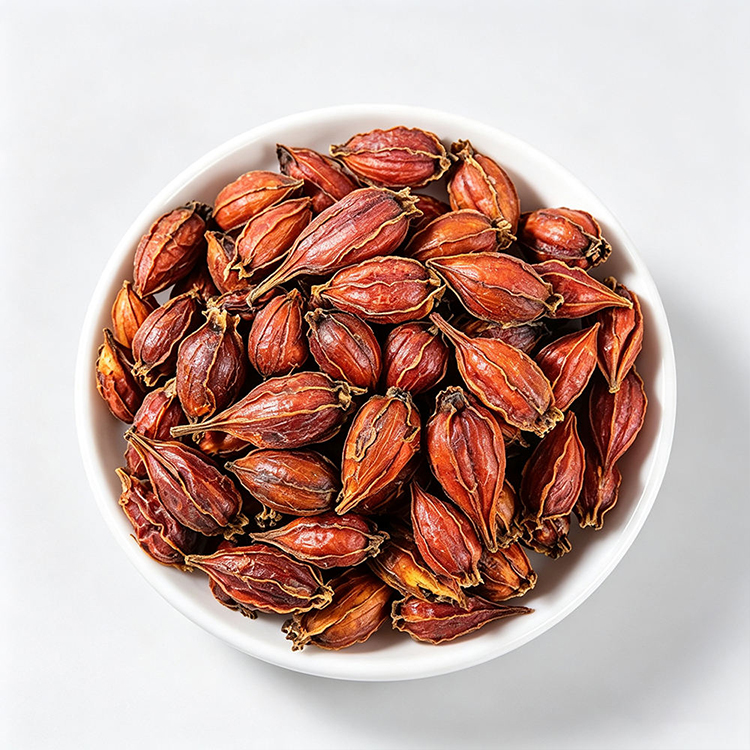
Fruit and Seed — link to typical beverage or capsule use cases (scene, purpose), again no disease claims.
Workflow tip Build a simple claims sheet for each campaign: claim → evidence (internal spec, study abstract, COA note) → asset IDs using that claim. Store it with the asset.
FTC Endorsement Guides (2023): Clear and Conspicuous Disclosures
If an influencer, distributor, or reseller posts content and there’s a material connection, disclose it. Make the disclosure easy to see and understand. Visual content needs a visible disclosure; audio needs spoken lines.
Make it muscle memory
Pre-write short disclosures, platform-by-platform.
Put them in the top lines of captions or on-screen text.
Train resellers. Your brand, your risk.
Take and keep screenshots as part of the approval ticket.
Where to use it Testimonials on the Blog, partner posts featuring Dried Spices, or any “gifted product” shout-out. Keep the same rule: disclose clearly.
FDA Structure/Function Claims (Dietary Supplements): Labeling & Notifications
When a SKU is labeled as a dietary supplement, you can use structure/function statements (e.g., “supports energy metabolism”) with the proper disclaimer and internal substantiation. Align ad copy to labeling—never freer than the label. Some statements on labels require notifications; the bigger point here: your ads shouldn’t outrun your packs.
Execution
Mirror approved label language in your PDPs and brochures.
Separate blocks: “What it does” (per structure/function) vs. “How to use” (format, dose form, brewing directions).
Log first-use dates of any label statement inside your content tracker.
For EU traffic, consent needs to be freely given, specific, informed, unambiguous. Give users equal “Accept / Reject,” log choices, and make withdrawal simple. Map every pixel to a consent category in your CMP.
What this means for your PDPs and forms
Use region-aware banners.
Keep a privacy center with self-serve toggles.
Store consent logs.
Audit third-party tags. If it fires, it belongs in a category.
CPRA and Global Privacy Control (GPC): Opt-Out and Cross-Context Ads
In California, respect Do Not Sell/Share and GPC. That includes retargeting for B2B visitors. Your privacy center should process those signals automatically and shut off cross-context ad flows when users opt out.
Tip Add a GPC detector. Test it monthly. Put the results in your compliance report.
WCAG 2.2 Accessibility: Landing Pages, PDFs, and Checkout
Accessibility isn’t a “nice to have.” WCAG 2.2 asks for touch target size, visible focus, better error help, and solid contrast.
Do this before you publish
Run an automated scan, then a keyboard-only test.
Fix contrast and focus states in the design system.
Make your brochures and COAs readable by screen readers (tag headings, alt text).
Short alt text beats poetic alt text. Keep it clear.
GMP + ISO 22000 + COA: Supply-Chain Proof Meets Copy
Marketing shouldn’t promise what ops can’t prove. You can prove a lot: GMP slices, ISO 22000, ambient / cool / modified-atmosphere storage, third-party COA, and traceability. Say it once, show it often.
Warehouse content (“ambient, cool, MAP; bioburden control; HACCP checks”) in your blog or OEM pages.
Global proof points GuoCao ships to the United States, Europe, Australia, Japan, Korea, Canada, Malaysia, the Philippines, and more. Hospitals, supplement makers, beverage brands, cosmetic-ingredient buyers, distributors—a wide buyer mix. Keep the claim simple: we meet import paperwork needs and keep docs clean.
OEM/ODM and Private-Label Claims Governance
Custom blends and private-label projects move fast; compliance can lag if you let it. Fold review into your OEM pipeline.
Kickoff: capture intended market, label class (food, supplement, cosmetics), and prohibited claim zones.
Prototype: list final specs (mesh size, slice thickness, moisture, volatile-oil targets).
Pilot: run QC (microbiological, heavy metals), standard COA.
Launch: lock artwork, archive approvals, tag assets with lot and artwork version.
Platform Advertising Policies: Keep Legal and Platform Both Happy
Law and platform rules are not the same. Ads can be legal and still get flagged. Preflight your copy against common platform policies: claims, before/after visuals, medical language, targeted audience rules. Build a short platform check into the approval ticket.
Practical Use-Case Examples (no hype, just the work)
Example 1 — Roots & Rhizomes PDP
Lead with format (slice, tea-cut, block), grade, intended use (decoction, sachet, capsule raw).
Use-case wording (format, scene), no disease terms
Category intros, PDP headers
Internal “claims sheet”; COA mention
Marketing lead
0 high-risk phrases per release
2. Evidence lock
Substantiation for any objective claim
Banners, sell-sheets, FAQs
Spec excerpts, test summaries, batch COA ref
Regulatory/QA
100% claims mapped to proof
3. Disclosure plan
“Material connection” lines for partners
Influencer posts, testimonials
Pre-approved disclosure snippets
Social manager
100% posts w/ disclosure
4. Privacy & consent
Region logic (EU consent, CA opt-out), GPC
Landing pages, analytics
CMP logs; tag inventory
Web ops
0 blocked tags after audit
5. Accessibility
WCAG 2.2 items: focus, contrast, targets
Site pages, PDFs
Scan report + manual keyboard test
UX/dev
100% pages pass baseline
6. Label alignment
Ad copy ≤ label strength; S/F disclaimer if used
PDP copy, labels, brochures
Label text; first-use log
PM + RA
0 deviations vs label
7. Platform check
Content vs ad platform rules
Ads, reels, shorts
Preflight checklist
Performance team
0 rejections per flight
8. Archive & trace
Versioned files; who approved what, when
All public assets
Ticket link; sign-off trail
Brand ops
100% assets traceable
(KPI figures are operational targets—tune them for your team. Keep them visible. A little “kinda strict” is better than scrambling later.)
Sales Enablement Without Overclaiming
Your buyers—pharma companies, supplement processors, beverage makers, hospitals, distributors, and local retailers—want two things: clean supply and clean paperwork. Speak that language.
“Lot-level traceability, third-party COA, and stable specs.”
“Ambient/cool/MAP storage and pest-control SOPs.”
“Private-label with bilingual artwork and batch code.”
Our low MOQ of 1 kg (2.2 lb) makes it easy to order Chinese herbal slices or wholesale Chinese medicine herbs. Private-label and bilingual labeling are also available.
Delivery Cycle & Support
We have a fast 7-day lead time. We provide free samples, COA reports, and technical support to help you bring high-quality bulk Chinese herbs to market.
Quality & Certifications
Our products are manufactured in a GMP-certified facility and meet ISO22000 standards. All Chinese herbs are third-party tested for heavy metals, pesticides, and microorganisms.