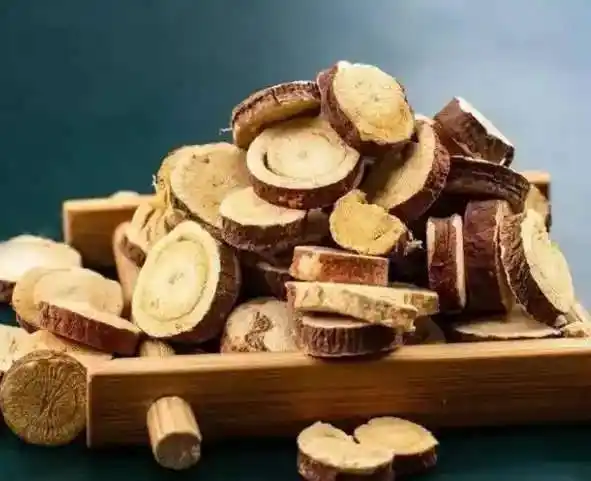
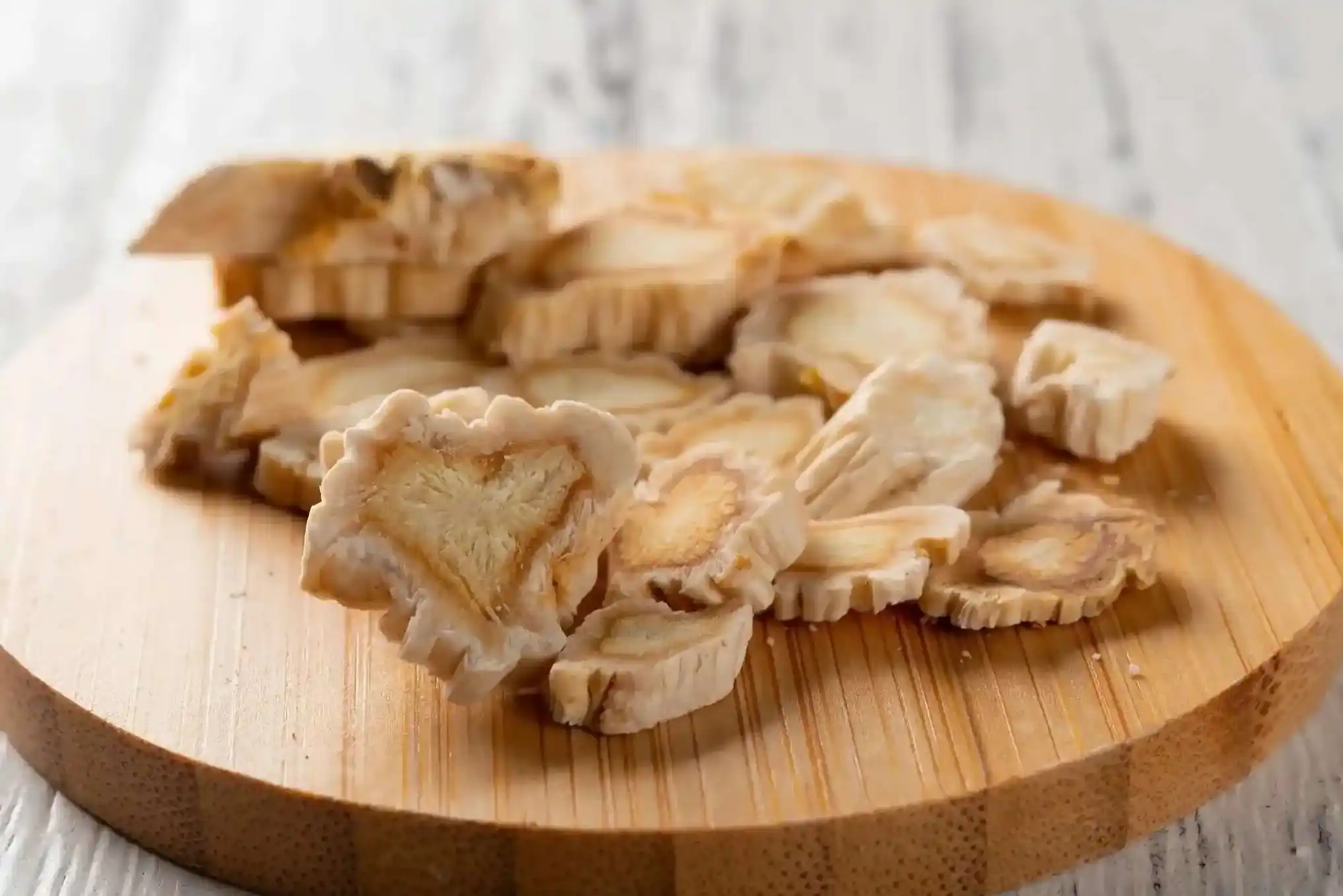
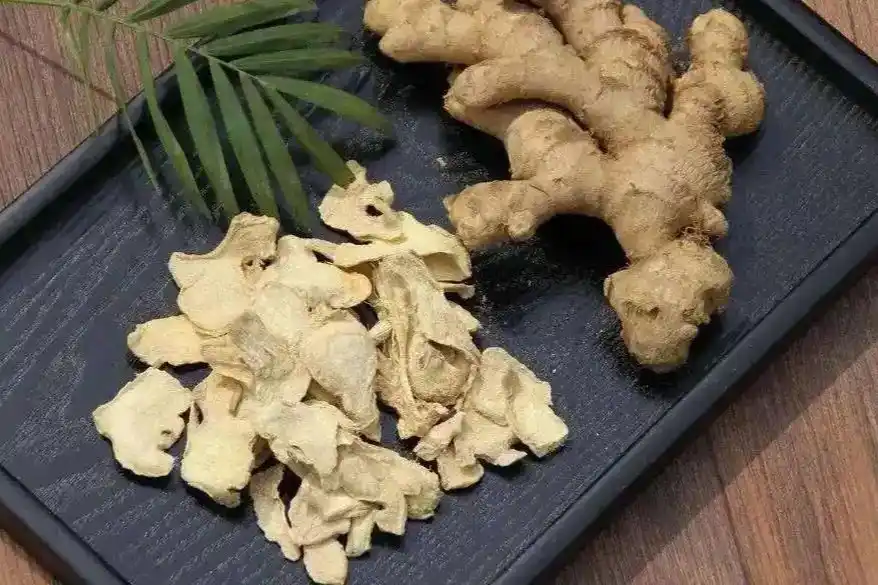
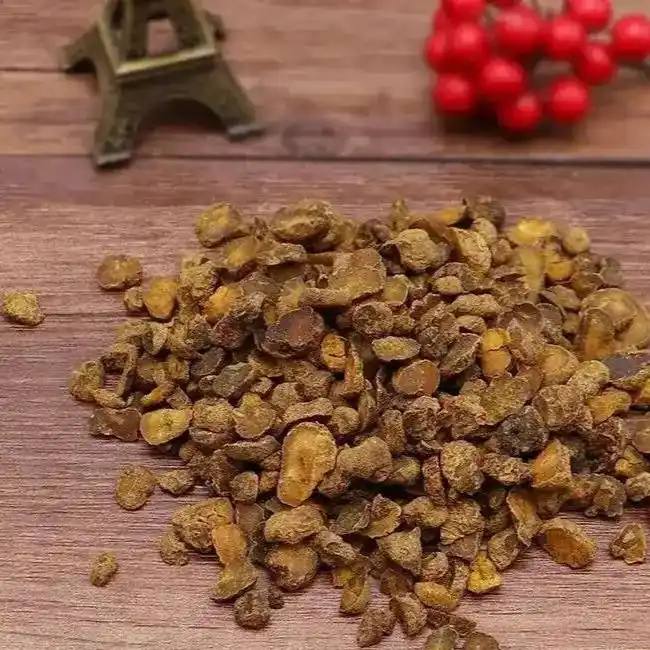
You buy roots and rhizomes in bulk because you need stable potency, clean safety profiles, and consistent processing. Simple said, get the right species, the right spec, and the right supply—then everything else flows. Below is a practical, data-backed way to do it for Angelica sinensis (Dang Gui) and Paeonia lactiflora (Bai Shao)—and by extension most roots & rhizomes.
Quick note on who we are: GuoCao runs a GMP herbal-slices line, normal/cool/MAP warehouses, ISO 22000 food-safety system, and third-party COA testing. Annual capacity hits 2,500 t. We support OEM/ODM and have enzyme beverage production in place. We ship to 30+ countries and work with pharma groups, supplement makers, hospitals, functional drink brands, cosmetic raw suppliers, and distributors. If you need a one-stop partner for roots & rhizome, wholesale Chinese medicinal herbs, GMP herbal slices, ISO 22000, COA services, OEM/ODM, global shipping, or full-chain quality control, you’re in the right place.
Quality Control for Angelica sinensis (Dang Gui) and Paeonia lactiflora (Bai Shao)
Identity Verification: Morphology, DNA Barcoding, HPLC Fingerprint
Don’t gamble on identity. For bulk lots, run three layers:
HPLC/LC-MS fingerprint to confirm the chemical profile matches pharmacopeial patterns.
This stack kills most mix-ups and “look-alike” risks. It do matter when volumes scale.
Marker Compounds and Typical Specs: Ferulic Acid and Paeoniflorin
Bai Shao: Use paeoniflorin as the key marker (typical QC target not less than 1.6% in the sliced root).
Dang Gui: Track ferulic acid; many buyers set ≥ 0.05% as a practical floor, then watch phthalides/volatiles for functional profile.
Calibrate thresholds to your finished-goods claims. If your formula leans more on blood-nourishing tonicity, you may favor certain Dang Gui fractions; if you want “move blood” punch, you’ll weigh phthalide distribution more.
Sulfur Fumigation (SO₂) Risk Control
Over-sulfured herbs aren’t just a paperwork problem; they alter the chemical fingerprint and taste. Put “no sulfur fumigation” in contracts. Add SO₂ residue as a release item. If a pre-ship sample shows abnormal SO₂, reject or re-source. Not gonna lie, this single line in your spec saves more headaches than any fancy test.
Supply Chain and GACP for Roots & Rhizomes
Origin and Dao-Di Zones
Origin isn’t a label, it’s a variable. For Dang Gui, origin and part selection (head/body/tail) shift ferulic acid and volatiles. For Bai Shao, origin affects paeoniflorin yield and impurity risk. Specify origin, harvest season, and part mix in the PO. Ask for batch traceability back to farm or cooperative—GACP records if possible.
GMP, ISO 22000, and COA
Bring manufacturing and food-safety discipline into raw-herb buying:
GMP herbal slices cut thickness and drying curves into a repeatable SOP.
ISO 22000 maps hazard controls, sanitation, pest control, and traceability.
Third-party COA makes your QA team sleep better.
If your vendor can’t show those, that’s real pain in audits later.
Processing and Slicing Standards for Herbal Slices
Slice Thickness, Moisture, and Water Activity (aw)
Slice too thin → over-drying, aroma loss, breakage; too thick → center not dried, mold risk. Lock thickness tolerance into spec (e.g., 1.5–2.5 mm for many root slices; match your decoction/extraction). Moisture and aw decide shelf life. Keep aw low enough to block mold growth; set re-test points and stick to them.
Modified Atmosphere Storage (MAP) and Cool Warehousing
Use cool storage and MAP for volatile-rich roots (like Dang Gui). It preserves aroma and reduces oxidative drift. If you rotate slowly, package in smaller lots to avoid long-open exposure. “Open too big, die too fast” is a common ops joke—but it’s true.
Contaminants and Compliance: Aflatoxins, Heavy Metals, Pesticides
USP-Style Thinking, Even If You’re Not in the U.S.
Run a platform of tests: aflatoxins (commonly target B1 ≤ 5 ppb; total ≤ 20 ppb), heavy metals (As/Cd/Pb/Hg per local law), pesticide residues panel, total ash / acid-insoluble ash, loss on drying, and alcohol-/water-soluble extractives. This isn’t “padding.” It catches real-world risks from soil, storage, and older stock.
Foreign Matter and Non-Target Parts
Set limits for stones, sand, stems, or non-target parts. For roots, “same-plant non-target parts” should be tightly capped. Spell it out so receiving can score loads without drama.
Procurement SOP for Roots & Rhizomes
Pre-Bid (RFI/RFQ) Requirements
Define species & part: Angelica sinensis root (specify ratios if buying head/body/tail), Paeonia lactiflora peeled root.
Ask for origin and harvest season; request GACP notes if available.
Lock markers and fingerprint similarity in a draft spec.
Request COA template and typical ranges.
Pre-Ship Sample Flow
Do ID triad (morphology + DNA + fingerprint).
Test markers, SO₂, aflatoxins, pesticides, heavy metals, moisture/aw.
Run small-scale extraction to confirm yield isn’t off-spec.
Goods-In Release
Inspect packaging integrity; weigh-back to spot short-weight.
Randomize sampling; keep retain samples.
If anything fails, quarantine and initiate CAPA with the supplier. Don’t debate feelings—show data, move on.
Data Table: Typical QC Targets for Dang Gui and Bai Shao
Item
Dang Gui (Angelica sinensis)
Bai Shao (Paeonia lactiflora)
Notes
Identity
Macro/Micro + DNA + HPLC fingerprint
Macro/Micro + DNA + HPLC fingerprint
3-layer check reduces mix-ups
Primary marker
Ferulic acid (≥ 0.05% typical floor)
Paeoniflorin (≥ 1.6% typical floor)
Adjust to your formulation claims
Volatiles/others
Phthalides & essential oils profile
Total monoterpene glycosides
Link to aroma and functional profile
SO₂ residue
No sulfur fumigation; must meet local limits
Same
Put in contract + release
Aflatoxins
B1 ≤ 5 ppb; total ≤ 20 ppb
Same
Platform safety test
Heavy metals
As/Cd/Pb/Hg per law
Same
Use accredited lab
Moisture / aw
Moisture within spec; aw low enough to inhibit mold
Same
Control by slice thickness + drying
Ash / acid-insoluble ash
Within internal limits
Within internal limits
Flags dirt or processing defects
Slice thickness
e.g., 1.5–2.5 mm (match process)
e.g., 1.5–2.5 mm (match process)
Too thin cooks; too thick molds
Packaging
Food-grade, MAP for aroma-rich lots
Food-grade
Keep oxygen and light down
Targets are provided for operations planning. Always align with your market’s pharmacopeia/regulations.
Processing & Storage Controls
Control Point
Why it matters
What to set
Drying curve
Locks in volatile profile and color
Time–temp curve per species; gentle finish to protect actives
Thickness tolerance
Controls extraction repeatability
±0.5–1.0 mm band based on your decoction setup
Moisture & aw
Shelf life and mold risk
Set numeric release limits and re-test timepoints
Storage
Aroma & stability
Cool warehouse; MAP for aroma-rich roots
Sampling plan
Avoids “lucky” bags
AQL-based random sampling; retain samples for 24 months or your cycle
Label & traceability
Recall readiness
Lot, origin, harvest season, slicing date, storage zone
How to Fix Them Fast
Over-sulfured lots → Add SO₂ to pre-ship checks. “Reject on detect” and include a re-source clause.
Marker drift (paeoniflorin/ferulic acid just under) → Add fingerprint similarity and minimum marker floors; request blending plan to hit spec.
Moisture off-spec → Tighten slice tolerance and drying end-point; verify aw not just moisture %.
Fingerprint mismatch → Require reference fingerprints per species/part; do cross-lab verification on the first two shipments.
Short-weight or packaging brittleness → Specify bag burst strength, seal width, and carton edge crush; do weigh-back sampling.
Bait-and-switch origin → Contract origin lock with documentary proof and random audits.
Slow rotation → Order more small-lot packs; re-test at 6-month intervals.
Business Value (Why This Makes You Money, Not Just Paperwork)
Lower batch failure: Tight identity + markers = fewer out-of-specs at your line.
Faster release: A clear matrix lets QA sign off without ping-pong.
Stable claims: Marker floors protect label claims in supplements or TCM clinics.
Fewer returns: COA consistency and clean taste (no sulfur) cut complaints.
Procurement leverage: Data-driven specs turn price talks into value talks.
How GuoCao Operationalizes This
GMP slicing with calibrated thickness, validated drying, and documented cleaning between species.
ISO 22000 hazard planning, pest control, sanitation, and traceability.
Normal / cool / modified-atmosphere warehousing to fit each herb’s risk profile.
OEM/ODM: private-label herbal slices, granule inputs, and enzyme beverage bases—one vendor, one quality logic.
Global docs: export paperwork for the U.S., EU, AU, JP, KR, CA, MY, PH, and more—certs ready.
When you need Dang Gui or Bai Shao at scale, pair your buying plan with our roots & rhizome catalog and ask for a pre-ship QC pack. If you run decoctions, tell us your brew time and mesh; we’ll tune slice thickness. If you do extraction, tell us solvent and temp; we’ll tune drying endpoints. Easy.
Example Specs You Can Drop Into a PO (Trim as Needed)
Identity
Angelica sinensis (root). If buying by part: declare head:body:tail ratio.
Paeonia lactiflora (peeled root).
Macro/micro + DNA + fingerprint required for release.
Our low MOQ of 1 kg (2.2 lb) makes it easy to order Chinese herbal slices or wholesale Chinese medicine herbs. Private-label and bilingual labeling are also available.
Delivery Cycle & Support
We have a fast 7-day lead time. We provide free samples, COA reports, and technical support to help you bring high-quality bulk Chinese herbs to market.
Quality & Certifications
Our products are manufactured in a GMP-certified facility and meet ISO22000 standards. All Chinese herbs are third-party tested for heavy metals, pesticides, and microorganisms.