We all want herbal medicine to last—real plants, real formulas, real impact. That only works if we protect the species behind the jars. Let’s keep it plain: you can deliver clean, lawful, repeatable supply and reduce pressure on threatened species. How? Build sourcing around compliance, cultivation, and proof of identity. Then tell customers, straight up, why you chose that path.
GuoCao makes this easier: GMP slicing lines, ISO 22000, multi-zone warehousing, third-party COA, and OEM/ODM when you need speed without chaos. We serve pharma, nutraceutical, hospitals, distributors, beverage and cosmetics teams across many regions. No drama—just process.
Kew report plant extinction risk & why it hits your SKU pipeline
The big picture isn’t pretty: many plant species face real risk. Medicinal taxa sit inside that picture. When supply tightens, your launch calendar slips, labels need edits, and customer trust gets shaky. Don’t wait for a customs hold to teach the lesson. Plan your line with conservation in mind from day one.
Actionable take: build a short list of “sensitive inputs” and pre-approve substitutes and cultivated sources before you place any PO.
CITES Appendix II compliance (American ginseng, Prunus africana, orchids)
CITES Appendix II doesn’t forbid trade; it forces lawful, trackable trade. A few well-known cases show the pattern:
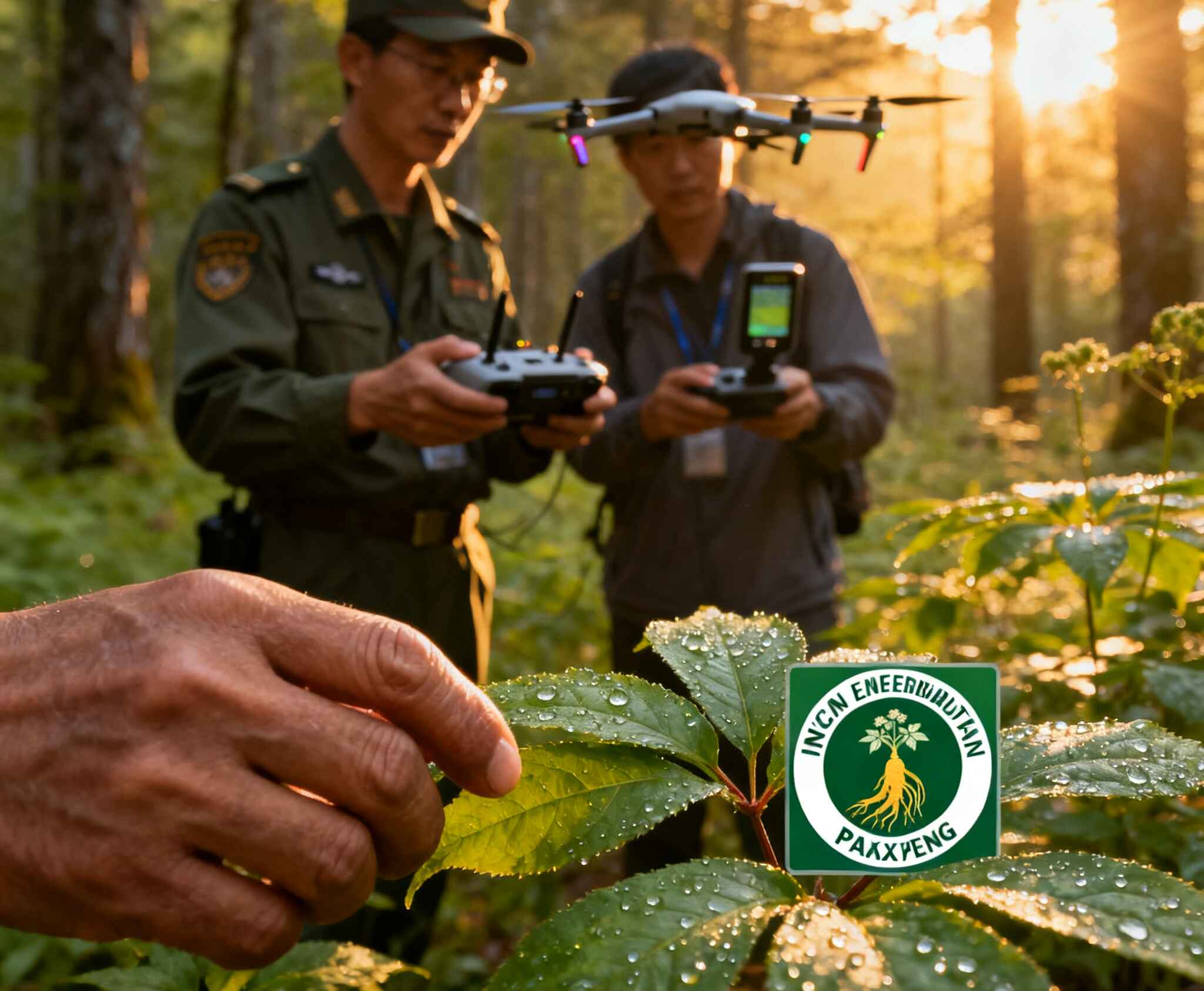
American ginseng (Panax quinquefolius) — Appendix II; whole/sliced roots need proper permits. Practically, you align with seasonal windows and paperwork.
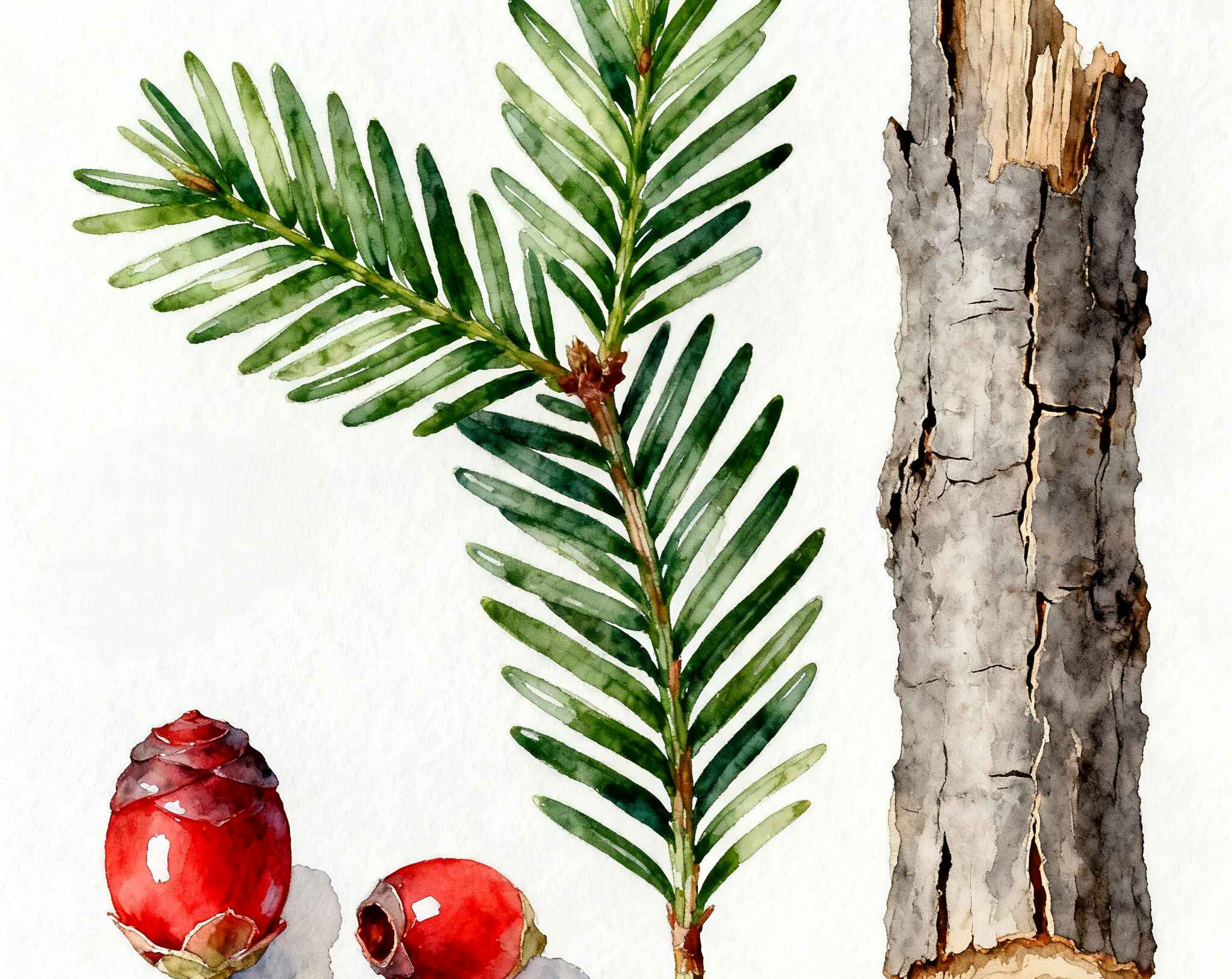
Prunus africana (African cherry) bark — past over-harvest triggered strict controls. Bark items carry extra governance risk; swap to cultivated or alternative parts where feasible.
Orchids (e.g., Dendrobium) — large legal trade in live plants; some wild sourcing persists. Stick to cultivated origins plus traceability.
Takeaway: treat Appendix II as a workflow, not a roadblock. Good partners already bake this into their QMS.
DNA barcoding + HPTLC/HPLC: identity you can prove
Adulteration and mis-ID are silent brand killers. The fix is boring and beautiful: orthogonal testing.
DNA barcoding / metabarcoding to confirm species, especially on high-risk SKUs.
HPTLC/HPLC to check marker compounds and keep batch-to-batch consistent.
Microscopy + macros for quick screens; NIR for fast triage if you run volume.
Make it policy, not a one-off. Your spec sheet should say what’s mandatory and when. It do help a lot.
Prefer cultivation; define yield specs; log harvest windows
Adulteration risk
Look-alikes & fillers across categories
QC failures; trust loss
Mandate DNA + HPTLC/HPLC for risk SKUs; keep vendor audits
Climate variance
Range shifts; marker drift
Batch variability; label headaches
Spec marker ranges; diversify origin; stabilize by processing
Orchid & bark governance
Live plant trade; bark sensitivity
Compliance scrutiny; noise in audits
Use cultivated suppliers; document part-specific SOPs
Demand for wildlife inputs
Legacy expectations in some markets
Reputation risk; legal risk
Replace with lawful plant alternatives; explain choices
Case snapshots (no fiction, no hype)
American ginseng — whole/sliced roots require lawful export pathways. Teams who specify cultivated origin and request permit scans before booking cargo avoid most surprises. Keep your substitute matrix ready (e.g., Asian ginseng or non-ginseng adaptogens where appropriate to the use-case) so you don’t block production.
Prunus africana — bark items taught the industry a simple rule: don’t rely on one wild bark. Bring cultivated options forward. If you must use bark, document harvest rotations and thickness specs; watch governance alerts.
Orchids — for Dendrobium and friends, insist on cultivated supply with traceability. Toss any lot that can’t prove lawful origin and identity. Your customers deserve that straight answer.
Table — Verification stack (match the method to the scenario)
OEM/ODM without the chaos: if you need a custom blend or new dosage form, use Custom Chinese Herbal & Spice Solutions. You’ll get a clear brief, fast samples, and clean paperwork for export.
Compliance muscle: for Appendix II cases (e.g., American ginseng), we align documents early and—if the market tightens—swap to cultivated origin or pre-agreed alternatives.
Global coverage: we already serve companies and hospitals across multiple regions, with documents ready for audit.
Business value (real talk)
Sustainability isn’t a poster on the wall. It’s your operating mode if you want continuity and trust.
Fewer last-minute fires because you planned substitutes.
Cleaner borders because your docs match your lots.
Happier clinicians and retailers because you explain your choices in plain words.
Faster launches because your supplier already understands DNA, HPTLC/HPLC, labeling, and export files.
Our low MOQ of 1 kg (2.2 lb) makes it easy to order Chinese herbal slices or wholesale Chinese medicine herbs. Private-label and bilingual labeling are also available.
Delivery Cycle & Support
We have a fast 7-day lead time. We provide free samples, COA reports, and technical support to help you bring high-quality bulk Chinese herbs to market.
Quality & Certifications
Our products are manufactured in a GMP-certified facility and meet ISO22000 standards. All Chinese herbs are third-party tested for heavy metals, pesticides, and microorganisms.