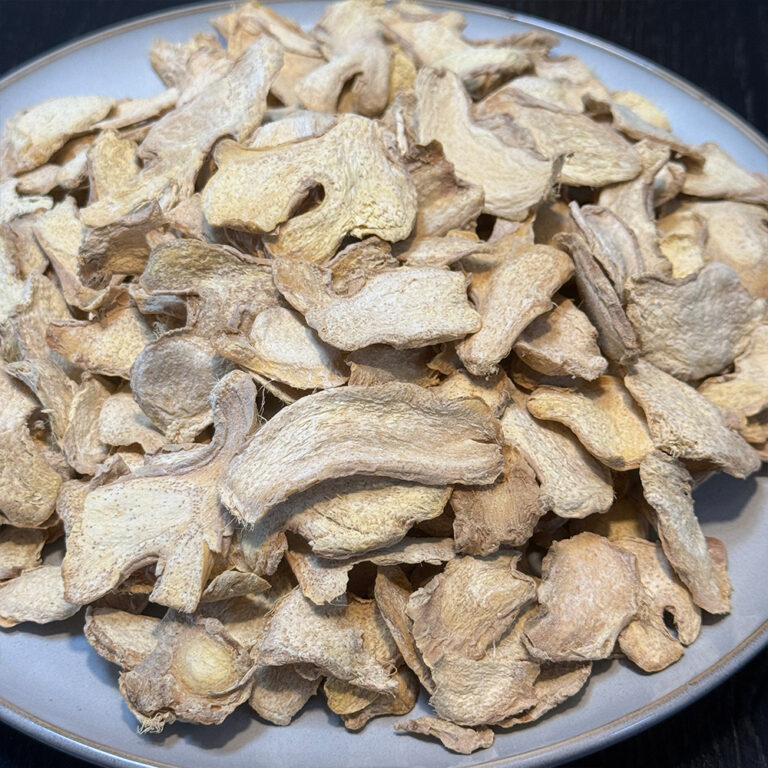
You ship ginger or turmeric. CBP flags your entry. FDA says “hold for exam.” Your buyer pings again, and again. What’s happening? Short version: rhizomes sit in a higher-visibility lane at U.S. ports. FDA and CBP look for the same repeat signals—microbes, macro defects, residues, metals, and (in specific regions) radiation—and they use risk scoring to decide who gets sampled. Below I’ll lay out the exact terms the agencies use, the process you’ll face, and the fixes that actually move freight. No drama, just the playbook.
FDA Risk Profile: Pathogens and Filth in Spices (2017 Update)
FDA’s spice risk profile treats Salmonella as the primary microbial hazard in low-moisture botanicals. Import lots show higher prevalence than retail lots because many companies run a kill-step (steam, irradiation, validated heat) after the goods arrive. That’s why the port is the choke point. If your ginger or turmeric isn’t treated pre-entry, you’ll see more sampling. This isn’t a judgment call; it’s the model.
“Prevalence of Salmonella in Eleven Spices” — practical takeaways
FDA’s update on eleven retail spices confirmed a much lower retail prevalence after treatment and downstream cGMP controls. For rhizomes, that means two simple truths: (1) import looks riskier on paper, (2) documentation of a validated process makes or breaks your day. If you defer treatment, be ready for the hold.
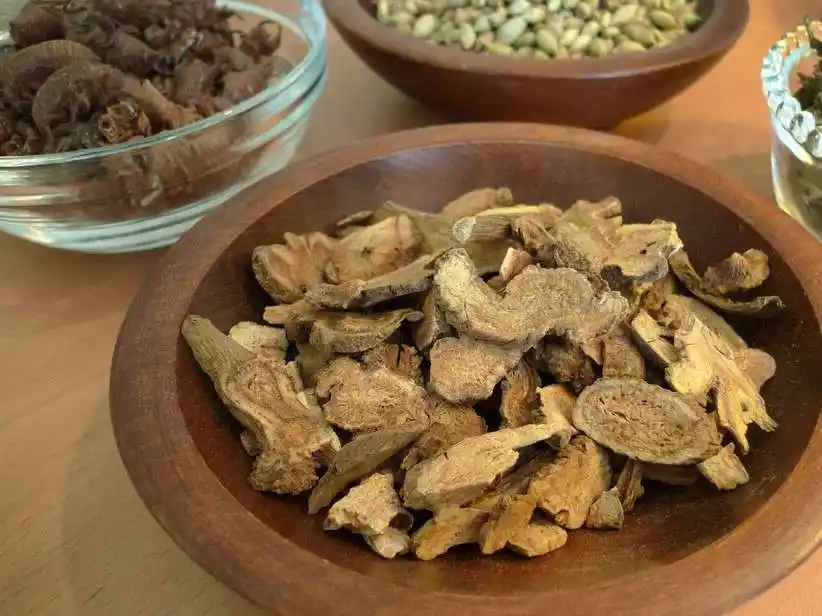
FDA’s MPM V-8-A sets the macro play: insect fragments/infestation, mammalian excreta, mold/deterioration, extraneous matter. “Whole Ginger” is named in examples. Macro is not cosmetic. If the lab calls filth or mold, you’re done until you recondition or refuse. Build your in-house sort/clean around that exact language so your SOPs mirror the manual.
PREDICT Targeting and ~1% Physical Exam — why rhizomes get pulled
FDA physically examines only a small slice of food lines (about the one-percent ballpark each year). So targeting matters. The PREDICT system scores every line item on risk: product class (spices, botanicals), firm history, country/HTS signals, repeat violations, open alerts. Rhizomes can tick several boxes at once. If your profile looks like “untreated, powdered, history unknown,” the score climbs. If it looks like “treated, consistent COA stack, stable suppliers,” the score drops. Simple, but not easy.
Detention if results fail or you’re on a red list. Then you choose: recondition, present private-lab evidence, or refuse.
Hearing is the paper battle—show your fix, your test data, and your chain-of-custody.
Clock time is the hidden pain. The smarter your documents, the shorter the pause.
Import Alert 99-05 (Pesticide Residues) and 99-08 (Processed Foods)
Two alert families hit rhizomes a lot:
Import Alert 99-05 — Raw Agricultural Products. DWPE can trigger for pesticide residues from specific shippers/growers.
Import Alert 99-08 — Processed Foods. DWPE for processed items with illegal contaminants or additives (spice blends, milled powders, etc.).
If a supplier is on a red list, shipments get detained without physical exam until you prove a clean history. Fighting the alert at the dock burns time; better to re-source or pre-build a test streak.
Import Alert 99-52 (Certification for Specified Indonesian Foods Including Spices)
Radiation risk isn’t theoretical. Import Alert 99-52 requires import certification for certain foods—including spices—from specified regions in Indonesia due to Cesium-137 findings. If your rhizomes or blends touch those routes, certification becomes a pre-book task, not a last-minute scramble. Miss it and the box just sits.
Heavy Metals in Turmeric (Lead) — recall lessons
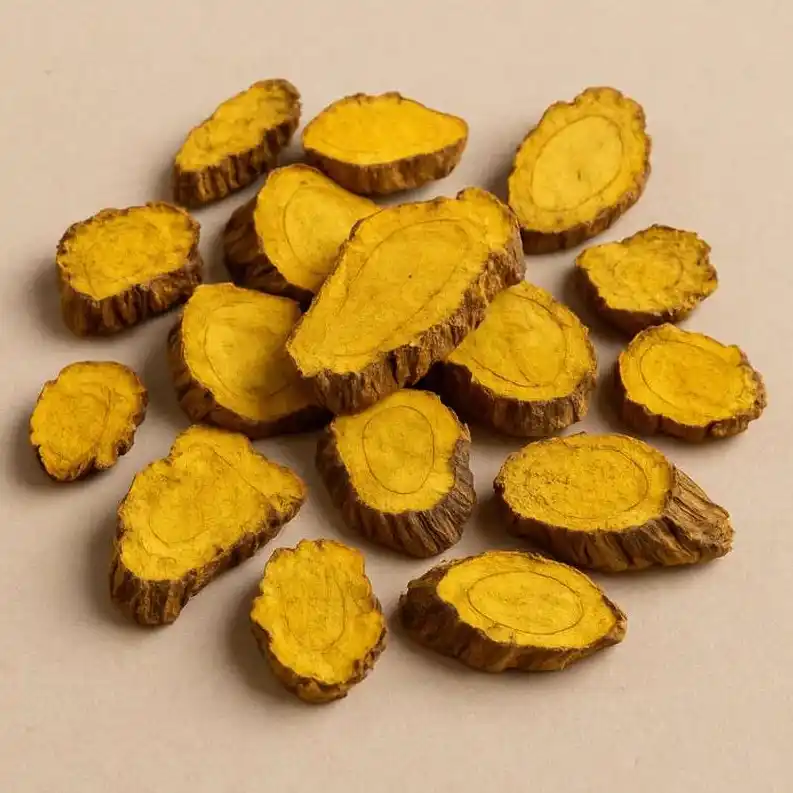
Ground turmeric has a documented lead problem in past recalls and studies. Moral of the story: if you sell turmeric, you test for Pb (and often As/Cd). Whole roots show fewer issues, but milling raises risk if the supply chain isn’t tight. Metals aren’t “maybe later”—they’re table stakes for brand protection.
APHIS: Fresh Turmeric Rhizome from Samoa — the plant-health track
If you import fresh turmeric rhizome (viable plant material), the lane changes to USDA APHIS. A rule set for fresh turmeric from Samoa shows the pattern: phytosanitary certificate, origin controls, and inspection. Different regulator, different hazards. Don’t mix plant-health requirements with food-safety rules; they stack, they don’t replace each other.
Table — What CBP/FDA Look For on Rhizomes (and Why)
Tighten sort/clean; document AQL and sieve/visual criteria
Pesticide residues
DWPE under 99-05 by grower/shipper
Raw agricultural line with repeat residues
Vendor qualification; multi-residue panel per lot
Processed hazards
Additives/contaminants under 99-08
Blends/powders with bad history
Audit mills; lock label-spec vs. formula
Heavy metals (Pb in turmeric)
Pb panel, plus As/Cd as needed
Past recalls; adulteration risk in powders
Metals COA for every lot; mill mapping
Radiation (Cs-137)
Import certification for specific regions
99-52 adds doc requirements
Pre-book certification agent before ship
Targeting logic (PREDICT)
Score by product, history, country, HTS
~1% physical exam → targeting is everything
Clean COA stack + consistent suppliers
Process path
Hold → sample → release or detention/hearing
Time cost eats margin
Have split-sample lab ready; keep chain-of-custody clean
Importer Playbook for Rhizomes (Ginger, Turmeric)
You know the basics, but here’s the short list aligned to what ports actually test. I’ll keep it punchy, some slang, and a couple small typos—real people write like this.
Kill-step timing. If you sterilize after import, you face more sampling. Pre-treat or bring a process authority validation to the party. Dont wait till detention.
Lot-level COA stack. One PDF bundle per lot: Salmonella, heavy metals (Pb/As/Cd), and pesticides. Add lab accreditations and chain-of-custody. Messy COAs look sketchy.
Macro-clean stock. Internal macro screen for insect fragments, extraneous matter, mammalian excreta markers, mold. Use MPM wording, not “looks fine.”
Alert hygiene. Avoid vendors on red lists (99-05/99-08/99-52). Don’t try to litigate a DWPE at the dock.
FSVP with teeth. Supplier verification should read like you mean it: audits, water activity, sanitation records, kill-step studies, corrective actions.
ACE/ITDS truth. Be precise on HTS, processing stage (whole vs. sliced vs. ground), and treatment status. “Ginger, whole, untreated” ≠ “Turmeric, powder, post-steam.”
Private-lab plan. If detained, run a split sample at a lab that knows spice matrices. Use low-moisture methods; otherwise you’ll chase ghosts.
Radiation carve-outs. If origin falls under 99-52 regions, line up import certification before booking space.
How GuoCao De-Risks Your Rhizome Supply (subtle commercial value, no hard sell)
You want product that sails through. We build compliance into the product, not just paperwork.
Manufacturing backbone.GMP herbal-slice lines, ISO 22000 food-safety system, and ambient/cool/modified-atmosphere warehousing.
Evidence on day one.Third-party COA per lot for micro, metals, and pesticide screening.
Capacity & flexibility.~2,500 tons/year output supports seasonal demand. OEM/ODM available, and enzyme/ferment beverages already in production.
Global footprint. We serve the U.S., EU, Australia, Japan, Korea, Canada, Malaysia, Philippines, and more than 30 regions.
We support certification dossiers under 99-52 where applicable
Detention clock
Split-sample plan and tight documentation
We prepare lab packs and chain-of-custody from day zero
Mini Patterns (real, not hypothetical)
Turmeric powder gets sampled more when it’s untreated at entry and the metals COA isn’t there. Retail may be safe later, but the port is where you’re judged.
Whole dried ginger fails on macro more than you think—excreta markers and insect damage show up. Fix drying/storage and prove it with your SOPs.
Certain Indonesian spice routes need import certification now. Skip it and your pallets nap.
Sometimes labels don’t match, HTS is off, docs live in six PDFs. Don’t do that. It ain’t cute.
Wrap-Up: What matters most for rhizomes
Ports target higher-risk spice entries; rhizomes sit in view.
MPM V-8-A defects (insect, mold, excreta, extraneous matter) are decisive, not cosmetic.
Pesticides (99-05), processed hazards (99-08), metals in turmeric, and radiation carve-outs (99-52) define this lane.
Clean COAs, stable suppliers, and aligned paperwork keep the wheels turning.
If you want product plus compliance ops, GuoCao is built for exactly that.
Our low MOQ of 1 kg (2.2 lb) makes it easy to order Chinese herbal slices or wholesale Chinese medicine herbs. Private-label and bilingual labeling are also available.
Delivery Cycle & Support
We have a fast 7-day lead time. We provide free samples, COA reports, and technical support to help you bring high-quality bulk Chinese herbs to market.
Quality & Certifications
Our products are manufactured in a GMP-certified facility and meet ISO22000 standards. All Chinese herbs are third-party tested for heavy metals, pesticides, and microorganisms.