You store herbs to keep them clean, potent, and legal. Pests don’t care. Let’s fix that with plain-English tactics that actually work in a bulk-herb warehouse. I’ll keep it tight, practical, and tied to real GMP / ISO practice. I’ll also show quick data, sample KPIs, and how GuoCao slots in.
Key Arguments (fast read)
Argument
What it means in a herb warehouse
Practical tip
Source note
Use Integrated Pest Management (IPM), not “spray and pray.”
Focus on exclusion, sanitation, monitoring, then targeted controls.
Map ingress points; add door sweeps, seals, dock shelters; set trap grid.
GMP, ISO 22000, IPM practice
Control moisture first; pests follow water.
Dry herbs lose value when RH creeps up; mold + beetles love humidity.
Keep RH low and steady; aim <60% in storage areas when possible; monitor a_w on sensitive lots.
Good Storage Practices, HACCP thinking
Separate “dirty” from “clean” zones.
Receiving and trash areas are pest magnets; finished goods must stay away.
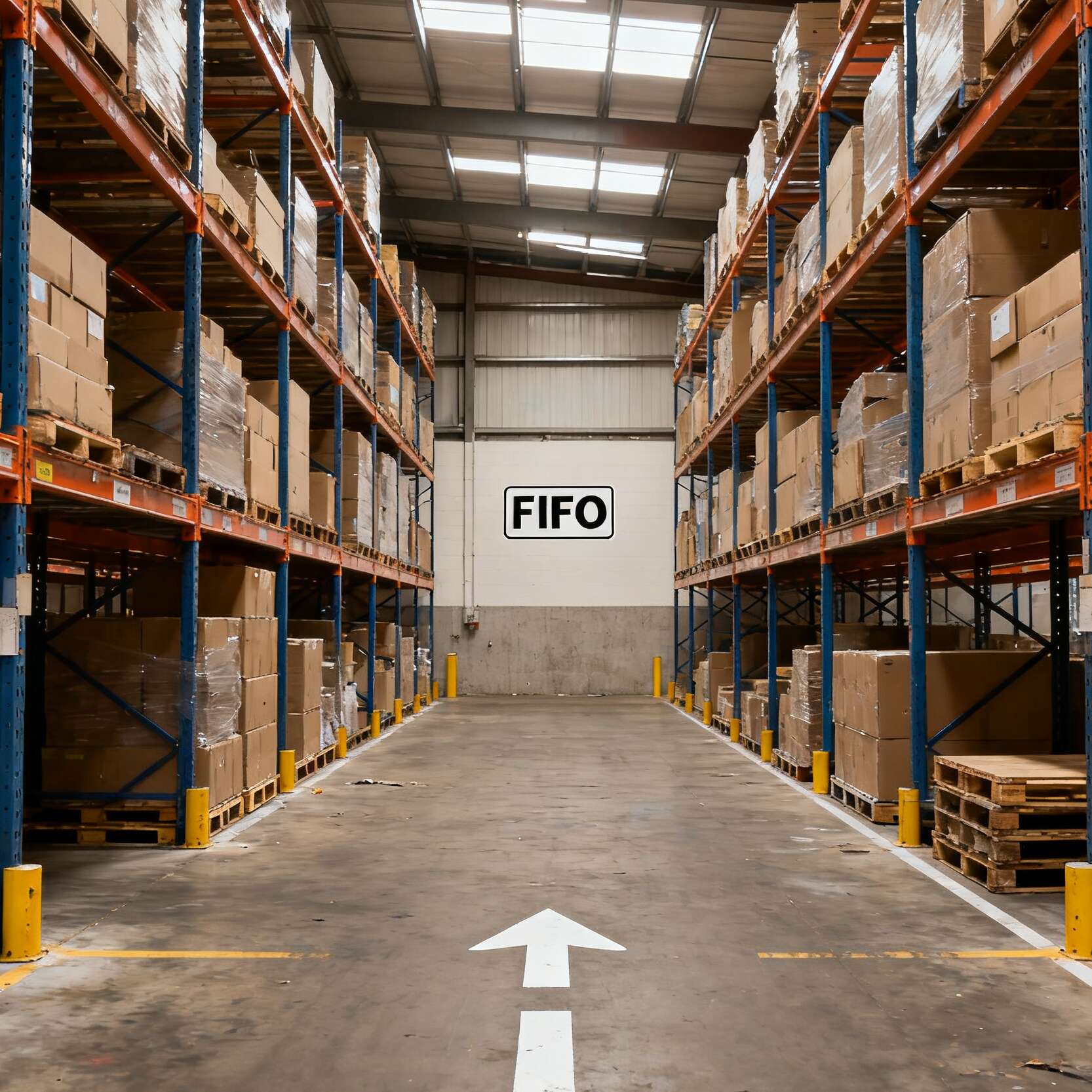
One-way flow: receiving → QC hold → processing → finished-goods cage. No backflow.
GMP zoning, warehouse SSOPs
Make rodents work hard to enter.
Mice fit through a pencil-width gap.
Steel wool + sealant; ¼-inch hardware cloth; brush seals on dock plates; nightly door-down discipline.
IPM exclusion
Trend your traps; don’t guess.
Data tells you when the season turns and where the hot spots are.
Weekly counts by trap ID; heat-map, then add devices or seal gaps.
QA trending & CAPA
Temperature matters, but consistency matters more.
Insects slow down in cool rooms; big swings cause condensation.
Use cool storage for high-oil flowers/teas; avoid pallet-to-floor contact; ventilate.
Good Storage Practices
Use modified atmosphere (MAP) or nitrogen when you must, not by default.
Atmosphere control is great for high-risk lots, costly for routine goods.
Target MAP for bug-prone seeds and high-value SKUs. Verify O₂ levels; document clear-time.
IPM escalation, user-side capability
Quick reality: a clean, dry, sealed building with good records beats a warehouse that “bombs” once a quarter and hopes for the best. Yep, that old way ain’t cutting it.
Integrated Pest Management (IPM) for Herbal Warehouses
IPM is the industry playbook: exclude, sanitize, monitor, then act. Start with a site risk assessment: doors, dock levelers, pipe penetrations, roof vents, and floor drains. Build a trap grid (rodent stations outside every 10–15 m; interior multi-catch devices along walls; ILTs for flying insects away from open product).
Why it works: pests need food, water, and harborages. Herbs provide food; your job is to kill water and hideouts, then block access. Keep the heavy chemistry as a last step and compliant with your HACCP plan.
GMP/ISO 22000 Controls That Touch Pest Risk
GuoCao runs GMP lines and an ISO 22000 food-safety system with third-party COAs and strong QC—so warehouse controls slot right into that framework. That means procedures, traceability, and verification aren’t “nice to have,” they’re built-in. chineseherbalslices.com
Practical tie-ins:
SSOPs for sweeping, vacuuming, and waste. No wet sweeping near open herbs.
HACCP hazard analysis: list pest contamination as a hazard in storage; define preventive controls and verification.
Records: trap checks, corrective actions (CA), preventive actions (PA), and CAPA for repeat issues.
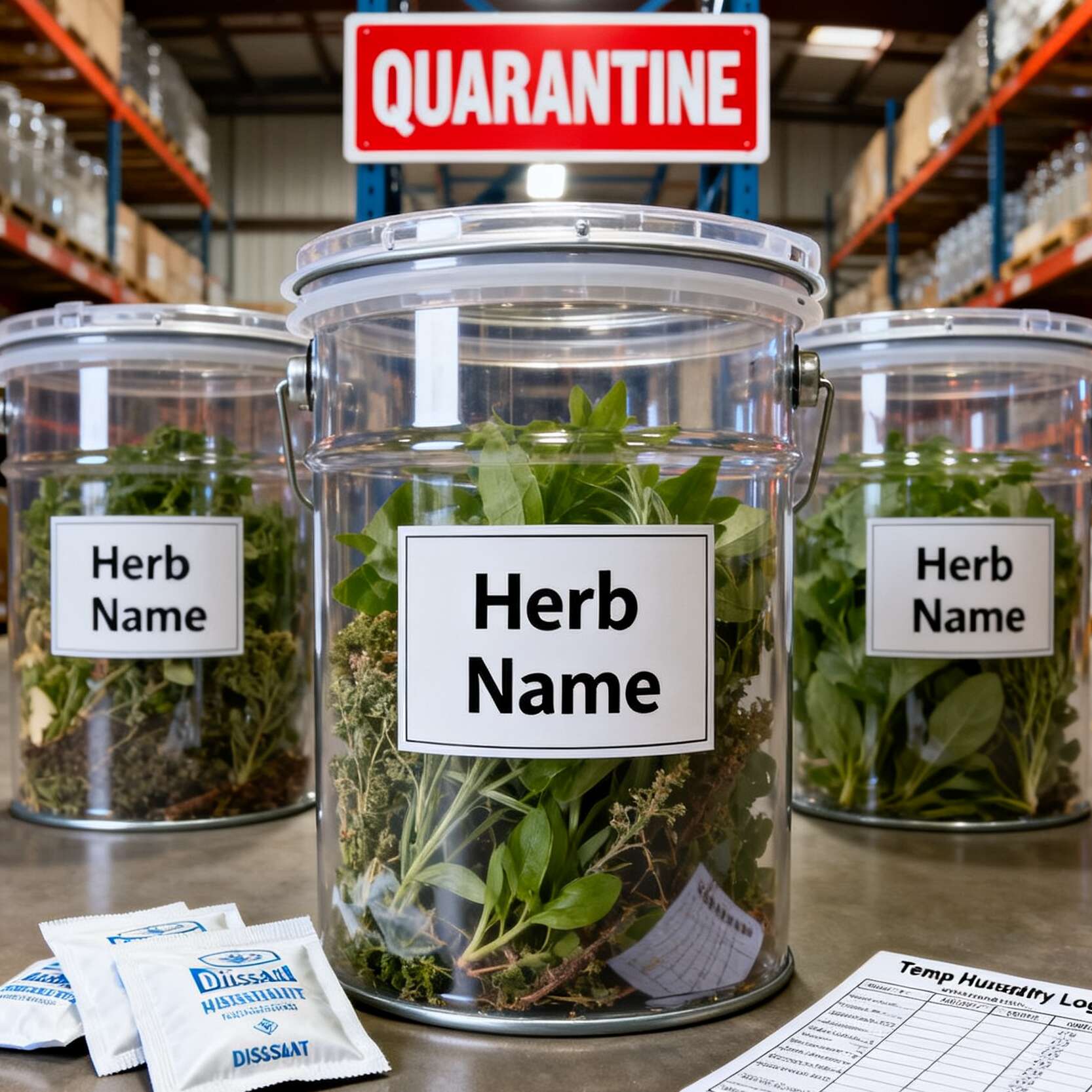
Receiving Inspection (QC) and Quarantine for Bulk Herbs
Keywords: receiving inspection, quarantine cage, FEFO, lot segregation
Dock discipline: Doors closed unless a truck’s at bay. If you see daylight, that’s a pest highway.
QC hold: Pallets go to quarantine first—inspect outer wraps, check for frass (insect dust), gnaw marks, webbing (for moths), and moisture rings. Log findings and photos.
Sampling: Pull per AQL or risk level. If you spot live insects, escalate to targeted treatment (freezing, heat, MAP, or supplier corrective action), not blanket fumigation.
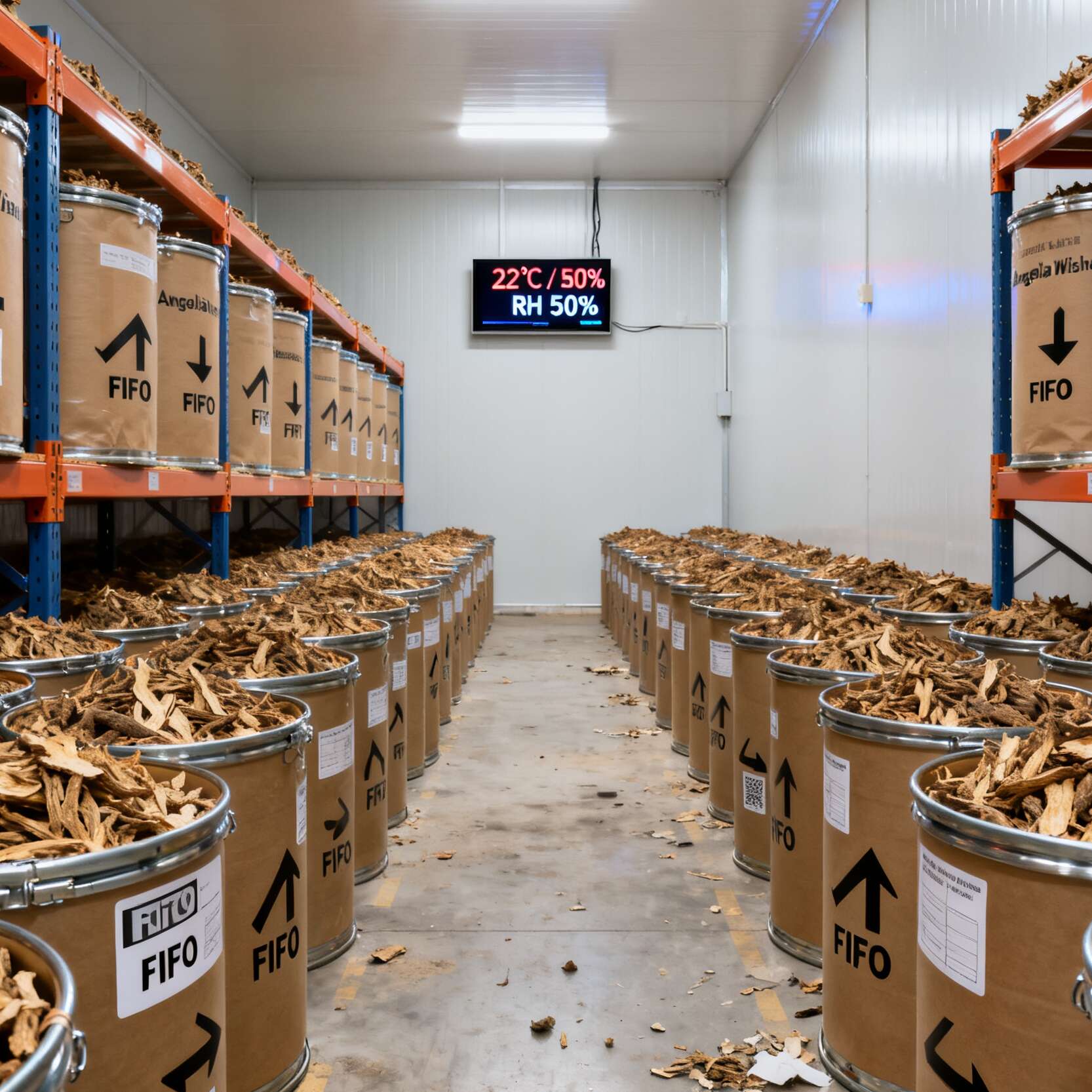
FEFO (first-expired-first-out): reduces old stock that turns into pest habitat.
Keywords: humidity control, water activity, condensation control
Targets: keep warehouse RH under ~60% where possible; keep temperature stable to prevent condensation. Moisture invites mold and stored-product beetles. (Specific targets vary by herb; document yours in SOPs.)
a_w checks: For sensitive botanicals and high-oil flowers, verify a_w ≤ ~0.65 before release. A quick a_w screen is cheaper than a recall.
Floor discipline: Never park pallets on bare concrete. Use racks or dunnage; shrink-wrap tops but let sides breathe to avoid sweat.
Rodent Exclusion: Doors, Seals, and Proofing
Keywords: pest exclusion, dock seals, door sweeps, proofing
Shut the perimeter: Brush seals on all dock levelers and personnel doors; ¼-inch mesh on vents; foam + steel wool on pipe penetrations. No “temporary” gaps; close them today.
Exterior: Trim vegetation, remove standing water, and keep 1 m gravel strip along walls. Place tamper-resistant bait stations (document station IDs on a site map).
Inside: Multi-catch stations along walls every 8–12 m; keep ILTs away from open herbs (so they don’t attract bugs into product zones).
You don’t need MAP for every SKU. Use it for high-risk lots (e.g., certain seeds/spices) or when inspection finds pressure. Verify O₂/CO₂ levels with a calibrated analyzer and keep clear-time records before releasing. For cool storage, aim for steady temperatures to slow insect metabolism and protect volatile oils in flowers and spices. GuoCao’s capabilities include ambient, cool, and atmosphere-controlled warehousing, which ties well to risk-based storage zoning. (The company also operates modern drying and storage systems to control temp and humidity.) chineseherbalslices.com
Sanitation SOPs (SSOPs) That Actually Reduce Pests
Waste choreography: Covered bins; daily removal; dumpsters away from the building. Never stage trash by doors.
Spill response: If a bag breaks, treat it like a CAPA trigger—clean, document, and ask “why did it fail?” (fork tines, pallet nails, rough dock plate).
Trap log: Each device has an ID; log weekly counts. Trend lines show seasonality (moths spike in warm months).
Hot-spot response: Add devices where counts rise; escalate to exclusion repairs or targeted treatment.
Internal audit: Monthly pest walk with QA; quarterly review with your service provider. Keep proof-of-service docs with signatures.
KPIs: zero live insects on receiving; rodent activity score trending down; RH within spec ≥95% of days.
Traceability, COA, and Lot Segregation
Keywords: COA verification, lot traceability, QA release
COA check: Heavy metals, pesticides, micro—file and match to lot. GuoCao provides third-party COA testing on every lot; keep digital copies and link to the lot in your WMS. chineseherbalslices.com
Segregation: Raw (quarantine), in-process, and released lots live in clearly marked zones. Use colored pallet tags and aisle markers.
Release: QA signs off only after a_w (if applicable) and pest checks pass. “If it isn’t written, it didn’t happen.”
Sample Warehouse IPM Checklist (copy-paste into your SOP)
Step
What to check
Frequency
KPI / Target
Exterior bait stations
Intact, bait fresh, no obstruction
Weekly
100% stations serviced
Interior rodent devices
Counts logged; no product contact
Weekly
Trend ↓ month-over-month
ILTs
Lamps on; trays clean; counts logged
Weekly
Trend ↓ or stable
Door seals & sweeps
No light leaks; sweeps touch floor
Daily
Zero light leaks
Dock plates & shelters
Gaps sealed; brushes in place
Weekly
All docks tight
RH & temp
Data-logger within spec
Daily
≥95% days in spec
a_w checks (risk SKUs)
Probe after receipt & before pack
Per lot
a_w ≤ ~0.65 (product-specific)
Housekeeping
Dry clean, no spills, trash removed
Daily
Zero pest-harborages
Quarantine cage
Segregation intact; no backflow
Daily
100% lots tagged “HOLD”
Trend review & CAPA
Graph counts; assign actions
Monthly
CAPA closed on time
Small language, big impact: “door down by default” and “no daylight under doors.” Team remembers that. It’s sticky, and it works.
How GuoCao Supports Your Pest-Smart Supply Chain (light commercial value)
Quality system fit: GMP lines + ISO 22000 food safety means clean, documented product hand-off into your warehouse workflows. chineseherbalslices.com
COA on every lot: Easier QA release and quicker root-cause if something goes off. chineseherbalslices.com
Capacity + speed: 2,500-ton annual capacity and fast global logistics reduce long-term storage windows (less time for pests to win). chineseherbalslices.com
Our low MOQ of 1 kg (2.2 lb) makes it easy to order Chinese herbal slices or wholesale Chinese medicine herbs. Private-label and bilingual labeling are also available.
Delivery Cycle & Support
We have a fast 7-day lead time. We provide free samples, COA reports, and technical support to help you bring high-quality bulk Chinese herbs to market.
Quality & Certifications
Our products are manufactured in a GMP-certified facility and meet ISO22000 standards. All Chinese herbs are third-party tested for heavy metals, pesticides, and microorganisms.