You want access to the Middle East with zero border drama. That comes down to two things: your Halal is defensible, and your declarations match what officers actually check. Saudi. UAE. Egypt. GCC. Different lanes, same theme—proof before print, Arabic before arrival, claims you can back up. Let’s keep it plain, punchy, and useful.
Saudi runs tight on Halal. For animal-origin lines, think two-step: facility/plant certification plus per-shipment certificates where applicable. Arabic labeling is not a “sticker later” item; it’s core artwork. If you print a logo or roundel that looks like a Halal badge, border teams may ask for authenticity proof. No proof, no pass. You don’t want that hold notice.
Operator notes (shop-floor speak):
Bake Arabic text blocks into the art master, not into a late sticker.
Keep a logo dossier (owner, license, scope, expiry). Attach to entry docs.
Map product categories against GSO 2055 scope changes early, not at the truck door.
Run a pre-alert pack to your broker: label PDF, certs, batch COA, and shipping docs in one zip.
UAE — Halal National Mark (MoIAT), Arabic declarations, and claim discipline
The UAE Halal National Mark sits with MoIAT. Sequence matters: conformity first, then you place the mark. Claims must be supportable and never imply therapy. Arabic content (name, ingredients or INCI where relevant, net content, batch/lot, expiry, directions, warnings) isn’t a courtesy—it’s the key that opens the door.
Operator notes:
Don’t preprint the Mark assuming you’ll pass—finish conformity, then lock the artwork.
Store a mini PIF (Product Information File) for claim evidence; keep it audit-ready.
Train designers on “no-medical-claims” wording. Saves you weeks of back-and-forth.
Across GCC, cosmetics work off GSO 1943:2016 for safety and GSO 2528:2016 for claims. Many teams say “EU-like,” which helps, but it’s not a copy-paste. Keep a regional PIF mapped to GSO, and submit per country. Don’t mix “similar” with “same.”
Operator notes:
Add Arabic INCI names to the label file your RA signs off.
Build a one-page claims matrix per SKU. If it’s on the box, it’s in the PIF.
Lock a change-control number (CCN) whenever you tweak text, supplier, or spec.
Egypt’s Halal rules have moved around in recent years, especially for dairy and related categories. Bottom line for exporters: track current circulars via your importer-of-record and align labels to the live requirement, not the rumor mill. Use contracts with “version lock” language so you can adjust labels or docs without reprinting half your year’s stock. Policies change; your artwork should be ready to pivot.
Operator notes:
Keep a country delta sheet. If Egypt diverges, you know where and how.
Don’t hard-code volatile fields into cartons; use a controlled label panel.
Build buffer in production slots for “compliance reprint” runs. Boring, but it saves launches.
Root and Rhizome — what Halal + declarations really mean for herbal inputs (use cases, not theory)
Herbs look simple. They aren’t. Border checks dig into sources, processing aids, and cross-contact.
American ginseng (Xi Yang Shen) — buyers ask for farm/area origin plus solvent history. Share the dossier here: bulk wholesale American ginseng.
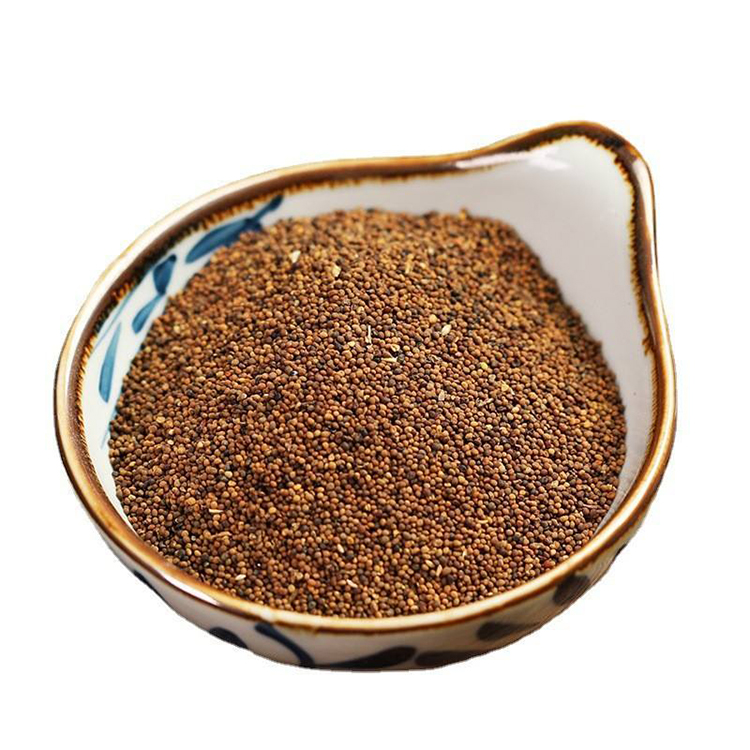
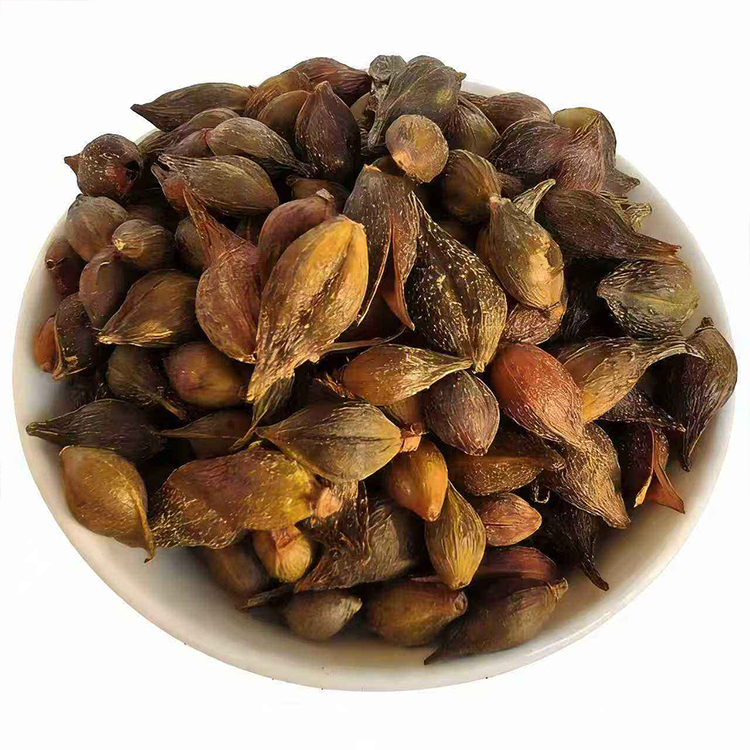
Bitter orange (Zhi Shi) — be clear on pesticide panel and drying parameters. See: bitter orange cut pieces.
Cynomorium tablets — watch excipients; remove animal-derived ones unless you have proof of acceptability. Ref: cynomorium tablets bulk supply.
Rehmannia root (Sheng Di Huang) — dehydration methods and sulfur talk always come up; declare clearly. Link: rehmannia root wholesale.
Chinese yam (Shan Yao) — starch matrix can retain traces; show the analytics trend. dried Chinese yam wholesale.
Real-world snippets (no names, just how it breaks)
Logo look-alike. A skincare box carries a crescent-style icon. No license. Officer asks for authenticity proof, team can’t show it. Result: hold + re-sticker + timing pain. This one hurts because it’s preventable with a one-page letter in the doc pack.
Arabic afterthought. Brand prints only English. Lands, then rush-stickers Arabic. A few SKUs miss batch field in Arabic. Mixed pallet, mixed fate. Proper bilingual artwork early would have avoided the “where’s the lot?” ping-pong.
Claims creep. “Relieves arthritis” sneaks onto a cosmeceutical label. Review flags it, but file shipped already. Market recall needed. Keep a claims matrix mapped to GSO 2528: once it’s in the matrix, it lives or dies there.
Operational playbook (short, blunt, works)
Scope it. Check if your SKU sits in mandatory Halal categories. If yes, plan plant + shipment certs.
Arabic master. Build Arabic text for labels at design stage. Don’t gamble on late stickers.
Logo dossier. Prepare proof for every mark on the box—owner, license, and validity.
Claims matrix. If you can’t prove it, don’t print it. Save the matrix in the PIF.
Importer sync. Share pre-alert pack (art PDF + certs + COA + shipping docs) before sailing.
Country deltas. Track differences by country. Egypt moves? You pivot labels, not panic.
Cross-contact. Treat equipment like allergen lines: dedicated or validated cleaning (sertu), then records.
CCN discipline. Any change to supplier/spec/text gets a change-control number. No ghost edits.
Broker of record. Keep the same broker for a lane; they know your label DNA and HS nuance.
Industry pain points (and how we talk them down)
COA gaps. Residual solvent line missing, pesticide panel partial, heavy metals panel not aligned. Fix: align methods with importer’s “wish-list,” then lock them as release criteria.
Lot genealogy missing. QA can’t show pallet → case → unit mapping. Fix: print lot on every unit; maintain a pallet map in ERP.
Sticker chaos. Crooked Arabic add-ons at the destination. Fix: bilingual master artwork and pre-shipment approval loop.
Country math wrong. Team assumes “EU equals GCC.” Fix: PIF mapped to GSO 1943/2528 and a delta sheet for each country.
Mark misuse. Halal-ish icon printed early. Fix: conformity first, then mark. No shortcuts, no surprises.
Why GuoCao reduces re-work (and protects your launch window)
GuoCao is a global manufacturer of Chinese medicinal herbs and spices—Wholesale Chinese Medicinal Herbs and Spices Supplier – GuoCao sits right in our name. We run GMP production lines for herbal slices, maintain ISO 22000 food safety, and operate ambient/cool/modified-atmosphere warehouses. Third-party COA? Standard. OEM/ODM? Yes. Our enzyme drink line is in production. We ship to 30+ countries and regions, serving pharma, supplement makers, functional drink brands, cosmetic ingredient buyers, hospitals, distributors, and retailers.
What you get:
Declarations that land. We produce Halal-friendly declarations, solvent trails, and batch histories aligned to importer checklists.
Arabic-ready labels. We provide editable Arabic strings mapped to GSO terms. You lock fonts, we print clean.
Fast corrective loops. Change-control culture means we fix labels without ripping up your entire print plan.
Commercial value. Fewer re-stickers and holds protect shelf dates, buyer confidence, and your retail windows. No cost math here, just outcome.
GSO 2055 compliance audit — what to show in 15 minutes
Certificate set (plant + shipment)
Current plant certificate, scope matching your SKU family.
Shipment certificate template, ready for broker routing.
Label files (Arabic present)
Final PDFs with Arabic blocks for name/INCI, batch/expiry, directions, warnings.
Artwork revision history tied to a CCN.
Logo dossier
Proof of ownership/license for every logo/roundel printed.
If the mark implies Halal, add conformity confirmation before print.
PIF & claims
GSO 1943 safety mapping.
GSO 2528 claim evidence grid: what you say vs. what you can prove.
Put it all together (short, real)
Middle East compliance isn’t magic. It’s a sequence. Confirm scope. Lock Arabic. Tame claims. Prove your logos. Sync with your importer and broker before sailing. If Egypt shifts, you shift labels, not launch. If Saudi asks for two Halal docs, you had them ready. If UAE wants the Mark after conformity, you print it after, not before. Easy? Not always. Doable? Absolutely.
GuoCao keeps the paperwork tight and the product clean. You focus on sales and brand. We’ll keep your declarations boring—because boring at the border is exactly what you want.
Our low MOQ of 1 kg (2.2 lb) makes it easy to order Chinese herbal slices or wholesale Chinese medicine herbs. Private-label and bilingual labeling are also available.
Delivery Cycle & Support
We have a fast 7-day lead time. We provide free samples, COA reports, and technical support to help you bring high-quality bulk Chinese herbs to market.
Quality & Certifications
Our products are manufactured in a GMP-certified facility and meet ISO22000 standards. All Chinese herbs are third-party tested for heavy metals, pesticides, and microorganisms.