You see He Shou Wu on a label and you probably think of thicker, darker hair. Sounds nice. But how much of that is real science, and how much is just marketing copy?
Let’s walk through what this root actually does for hair, what the risks look like, and how it fits into modern formulas and supply chains. We’ll also look at where a manufacturer like GuoCao really adds value in this tricky herb.
What Is Polygonum Multiflorum (He Shou Wu) for Hair Health?
Polygonum multiflorum, also called He Shou Wu or Fo-Ti, is a climbing vine root that traditional medicine has used for:
Supporting hair and early greying
Tonic formulas for energy and aging
“Liver and kidney” support in classic theory
In modern ingredient language, it sits firmly in the roots & rhizome bucket. On the supply side, it usually appears as:
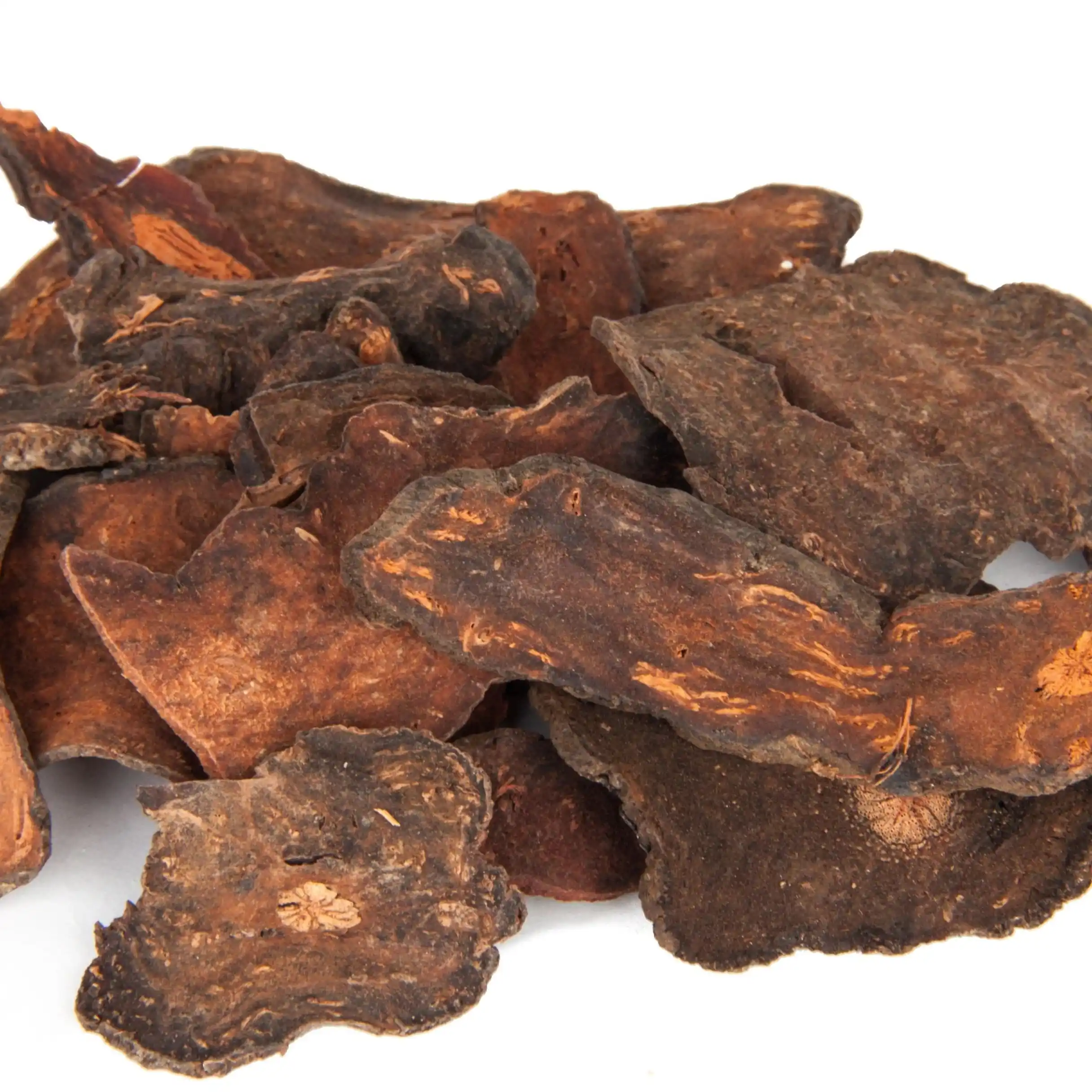
Raw sliced root for decoction
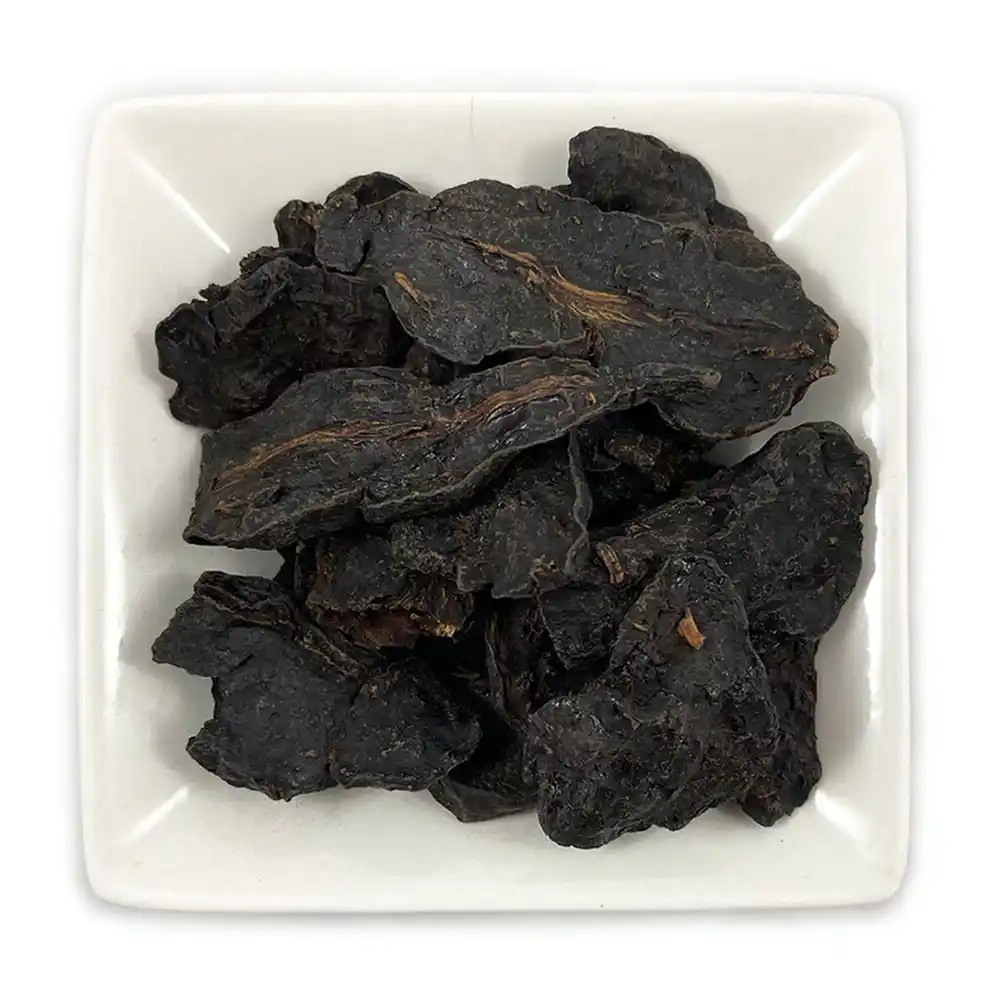
Processed (steamed) slices
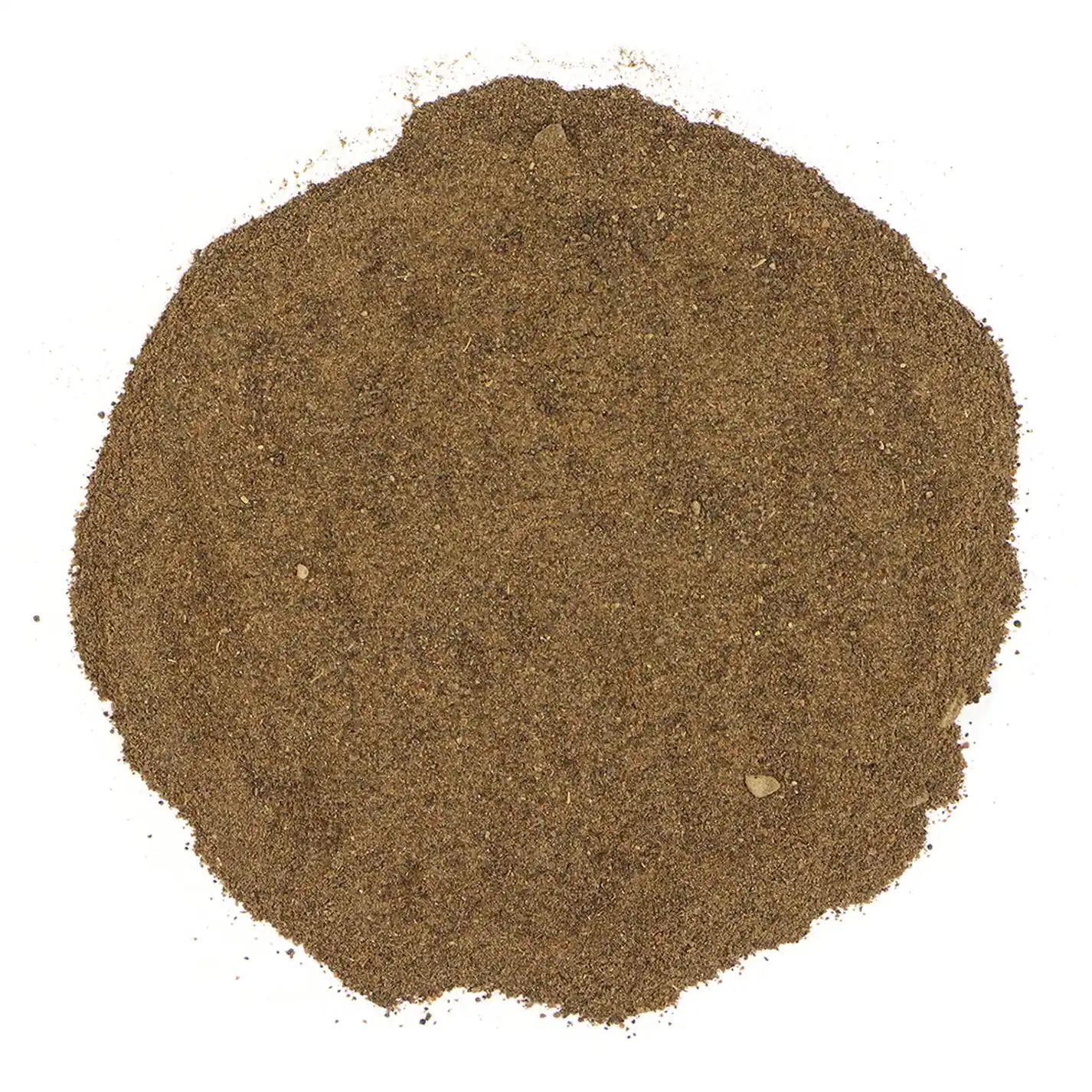
Extract powders or liquids
Granules, tea-cut, or enzyme-drink base
A wholesale supplier like GuoCao lists it in the Chinese herbs and spices family, with dedicated pages such as:
So historically, people reach for this root when they worry about hair getting thinner, dull, or grey too early. But “traditional reputation” and “evidence-based hair result” are not the same thing.
Polygonum multiflorum hair growth evidence from animal and cell studies
First the good part: in the lab, this root does look interesting for hair biology.
Animal data on hair growth
Several teams tested Polygonum multiflorum on standard mouse models for hair studies.
Typical findings:
Hair entered anagen (growth phase) faster
More follicles stayed in growth instead of rest
Hair shafts grew longer and darker
In stress-related hair loss models, coat coverage improved
Cell-level effects on dermal papilla cells
Dermal papilla cells (DPCs) sit at the base of each follicle and act like a tiny command center. In cell culture, Polygonum multiflorum extracts:
Helped DPCs stay in a growth-like state
Seemed to weaken the impact of androgens (like DHT) that normally shrink follicles
Up-regulated signaling paths linked with follicle activity
This lines up nicely with the idea of using He Shou Wu in concepts for androgen-related hair thinning and stress hair loss.
Table 1 – Hair-related effects seen in pre-clinical work
Type of study
Model
Observed effect on hair
What it really means
Animal, oral and topical
Mice with synchronized hair cycle
Faster switch into growth, thicker and darker coat
The root can push follicles into growth in animals
Animal, topical
Mice with resting follicles
Resting follicles turn active after topical extract
Supports the idea of topical tonics and serums
Cell culture
Human dermal papilla cells
Longer growth-like phase, less androgen impact
Mechanistic story for hair-loss claims
Animal, stress alopecia
Mice under chronic stress
Better hair density and shaft quality
Possible role in “anti-stress hair” formulas
So if you only read lab data, you might think: “Perfect, let’s just put this root in every hair product.” Not so fast.
Human data on He Shou Wu for hair loss and gray hair
Here is where the story gets less shiny.
Very limited stand-alone clinical evidence
For true human proof, we want:
Single herb or clearly defined blend
Proper control group or at least strong before/after data
Because GuoCao already exports to more than 30 countries and regions, the documentation stack (GMP, ISO, COA, logistics papers) is built for global auditors, not only local buyers. That saves alot of back-and-forth once your own QA team jumps in.
Conclusion: Is He Shou Wu worth it for hair health?
If we strip away the hype, the picture looks like this:
For hair biology: Polygonum multiflorum clearly does something in animals and cell models. It can push follicles toward growth and seems to help under stress and androgen load.
For real people: Strong, clean clinical proof for hair growth or gray reversal is still missing. You can call it “promising” or “traditional,” but not “proven cure.”
For safety: Liver risk is real, especially with long-term, high-dose oral intake. Any serious brand has to respect that and design around it.
So yes, He Shou Wu can play a role in hair-focused concepts, but:
It should sit in a balanced formula, not as the only promise.
Claims should stay honest and moderate.
Supply should come from a partner who understands both the tonic story and the toxicology file, like GuoCao.
Used that way, Polygonum multiflorum becomes not a magic trick, but a carefully handled tool in a bigger hair-health strategy.
Our low MOQ of 1 kg (2.2 lb) makes it easy to order Chinese herbal slices or wholesale Chinese medicine herbs. Private-label and bilingual labeling are also available.
Delivery Cycle & Support
We have a fast 7-day lead time. We provide free samples, COA reports, and technical support to help you bring high-quality bulk Chinese herbs to market.
Quality & Certifications
Our products are manufactured in a GMP-certified facility and meet ISO22000 standards. All Chinese herbs are third-party tested for heavy metals, pesticides, and microorganisms.