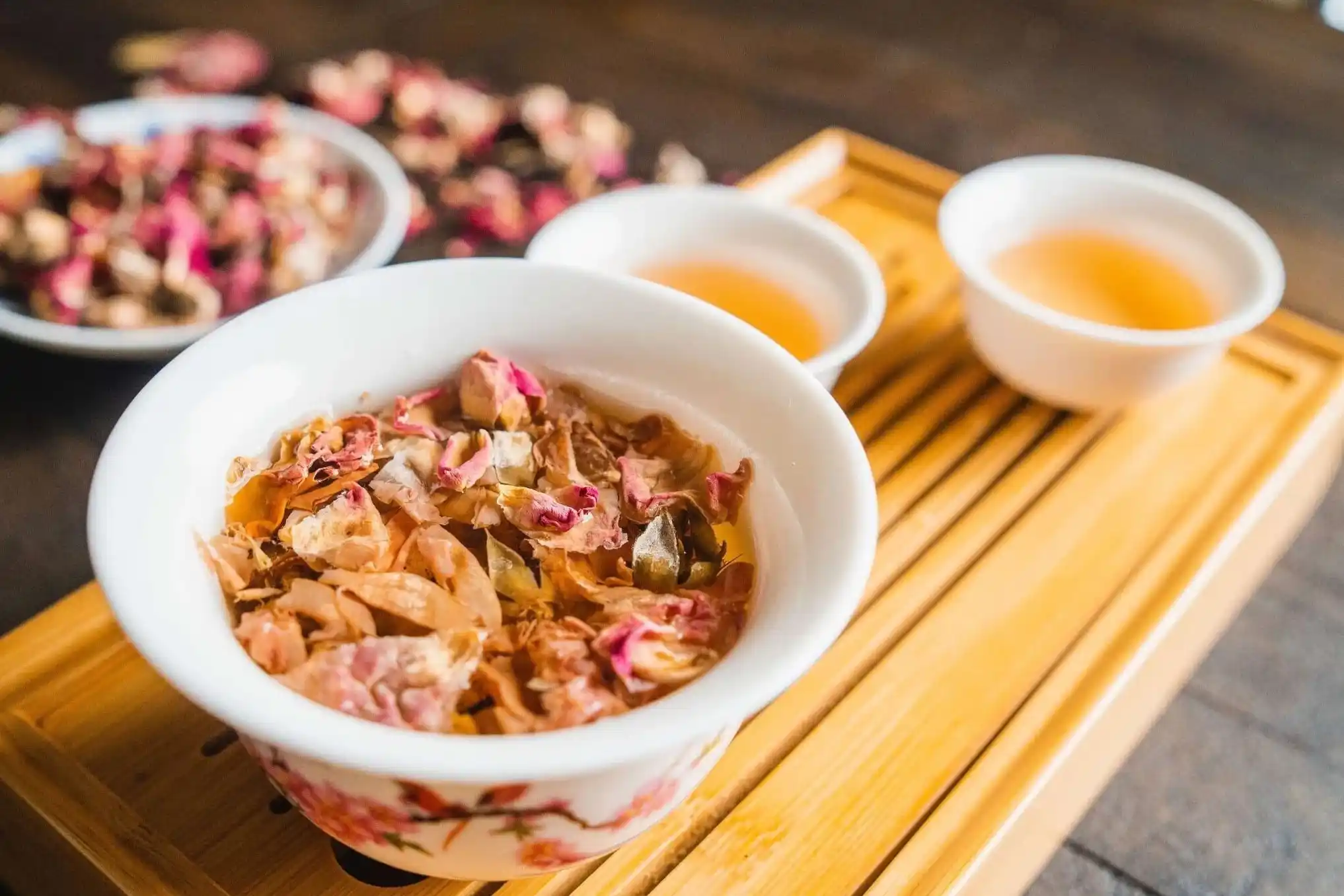
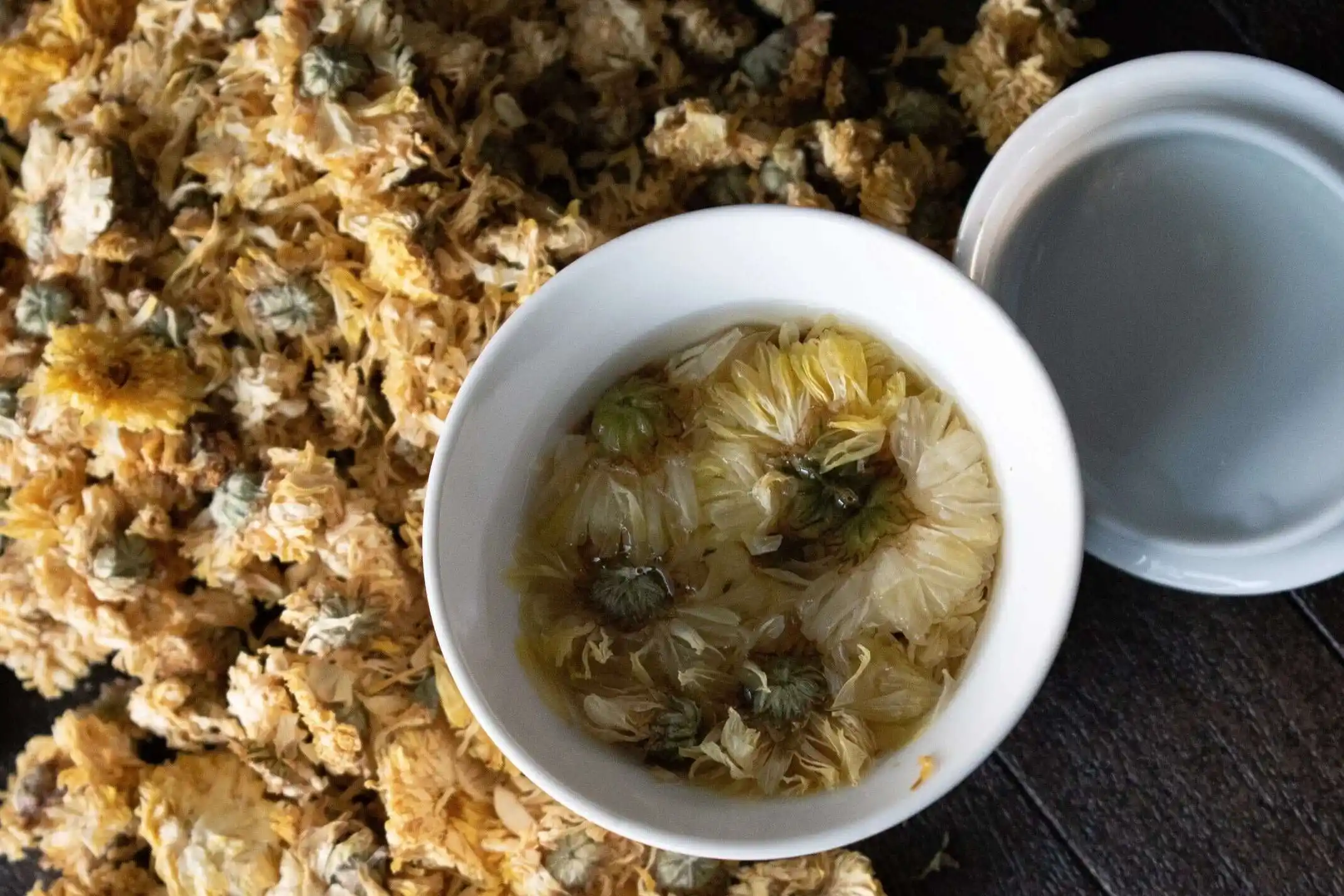
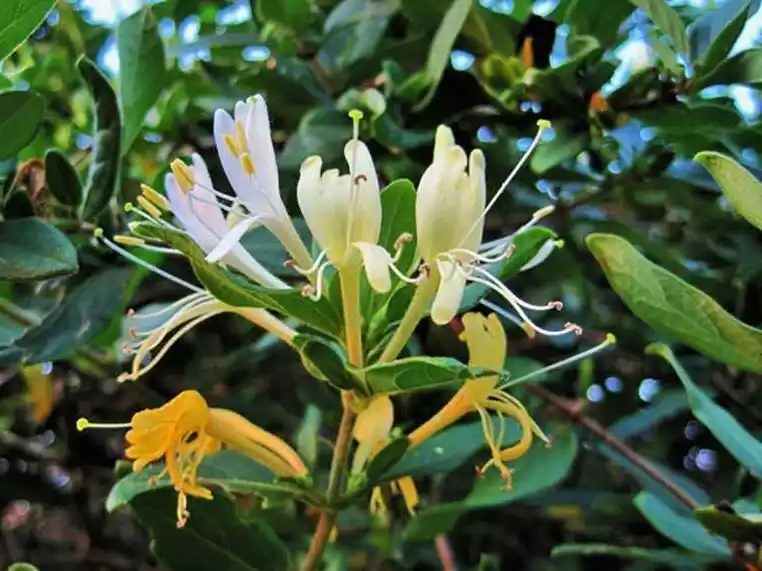
You already see these two flowers everywhere. Honeysuckle (Lonicera japonica). Chrysanthemum (Chrysanthemum morifolium). They sit in teacups, live in diffusers, and sneak into toners and masks. This piece lays out how they move through three channels—tea beverages, aromatherapy, and cosmetics—using clear use-cases, tables, and field notes. It also shows where GuoCao plugs in with OEM/ODM, quality, and speed-to-market.
(Some typos ahead on purpose; we’re keeping it human, not over-polished.)
Tea Beverages: Honeysuckle & Chrysanthemum in Herbal Tea and RTD Tea
Flavor profile, health-forward positioning, and why it sticks
Honeysuckle brings a clean floral note and a light “cooling” perception. Chrysanthemum offers a soft, honey-floral with gentle bitterness that keeps the cup from going flat. Consumers already “get” both flowers from traditional cooling tea, so you don’t need to educate from zero. That lowers CAC in plain words.
Positioning: cooling, soothing, floral refreshment; not medical claims. Keep copy simple: “floral, refreshing, easy-to-drink.” Don’t overbuild the science in front-of-pack—save the nerd talk for your tech sheet.
Form factors and brewability
Whole flowers / herbal slices for visible cues and premium look.
Concentrates / extract powders for RTD and food-service.
Enzyme beverage base (fermented) when you want a “living” story and rounder mouthfeel. For that, see Herbal Enzymes and match it with your acid, sugar, and flavor house SOPs.
Brewing, yield, filtration (a few shop-floor pointers)
Target good out-turn without over-steeping; bitterness creeps fast on chrysanthemum if water sits too hot too long.
Filtration: use 200–400 mesh depending on powder grade; otherwise you fight haze on clear RTD.
Hot-fill vs aseptic: pick your thermal map first, then back-prop your botanicals to keep color and top-notes. Dont let process cook your floral.
Practical reference table—Tea & RTD
Use-case
Material form
Typical load (bench to pilot)
Process notes
Pairing ideas
Hot brew loose tea
Whole flowers / slices
1.0–1.8 g/200 ml
90–95°C, 3–5 min; balance bitterness
Goji, monk fruit, licorice
RTD still tea
Extract powder / concentrate
0.06–0.20%
Aseptic preferred; polish to <1 NTU if “clear” claim
Jasmine, green tea base
Sparkling botanical
Extract + natural flavor
0.03–0.10%
Chill-mix; manage foam; dose acid post
Yuzu, pear, white tea
Functional shot
Enzyme base + extract
2–20% base
Cold-chain or HPP; watch brix drift
Ginger, ginseng, citrus peel
For enzyme beverages and fermentation talk, check Herbal Enzymes or reach GuoCao for pilot batches.
Aromatherapy: Honeysuckle, Chrysanthemum Essential Oils and Blends
Scent notes and positioning for oriental floral
Honeysuckle: creamy-sweet, bright; pairs with neroli/green facets.
Chrysanthemum: herbaceous-floral, tea-like; anchors “calm” vibes without being sleepy.
Copy that converts: “soft oriental floral for wind-down,” “tea-like calm, clean room feel.” Keep it sensorial. Let customers imagine the room, not the lab.
Carriers, load, and safety basics
Reed diffusers: 15–25% fragrance load in DPM/DPG or solvent of choice; run IFRA checks, label allergens.
Room spray: 2–6% in ethanol/water or cyclomethicone; test spray pattern and couch-test (seriously, stain checks save headaches).
Wax: 6–10% in soy or blend; test cold and hot throw; “curing” day matters.
Pillow mist / roll-on: 1–3% in carrier oil; mind dermal limits.
Practical reference table—Aroma
Format
Fragrance load
Base / carrier
What to watch
Positioning phrase
Reed diffuser
15–25%
DPM/DPG, eco-solvent
Evap curve, fiber wicking
“Long-lasting calm floral”
Room spray
2–6%
Ethanol/water
Solubility, nozzle wetting
“One-spritz reset”
Candle
6–10%
Soy/paraffin blend
Soot/CT/HT, wick size
“Tea-like floral glow”
Roller oil
1–3%
Jojoba/MCT
Dermal limits, allergens
“Pocket calm, not sleepy”
For supply and QA, keep it clean-label: simple INCI, batch COA, traceability. That’s where GuoCao’s docs help close retail doors faster—more on that below.
Cosmetics: Lonicera japonica Extract and Chrysanthemum Extract (INCI) in Skin Care
Use-cases and benefit language
Stay in cosmetics land: soothing, antioxidant, tone-evening narratives. Many teams like “tyrosinase pathway” talk for chrysanthemum, but phrase it as brightness and clarity, not therapy. For honeysuckle, lead with calm + antioxidant support.
Systems, pH windows, and compatibility
Aqueous glycerin extracts drop easily into toners and gels at pH 5.0–6.5.
Ethanolic fractions can sharpen the scent; watch solubility with HA/CMC.
Nano-emulsion talk (yes, the buzz): small droplet systems can help sensorial and optical clarity; dont oversell penetration.
Compatibility: Nice with niacinamide, HA, panthenol; test with AHAs/BHA for color stability. Always run a preservative challenge—botanicals can bring bioburden; your system must hold.
Practical reference table—Skin care
Format
Flower input
Use level (typical)
pH window
Notes for scale-up
Toner/Mist
Aqueous extract
0.2–1.0%
5.0–6.5
Clear-up with 0.1–0.2% chelator if color creeps
Essence/Serum
Glycerin extract / nano-emulsion
0.5–2.0%
5.0–6.0
Viscosity drift over 30–40°C—do T-cycle
Sheet mask
Aqueous extract
0.2–0.8%
5.0–6.5
Check mask-liquor hold; bioburden is a thing
Cream/Lotion
Emulsified extract
0.3–1.0%
5.0–6.5
Emulsifier choice hits odor; test with your base
Spot brightening
Chrysanthemum fraction
0.3–0.6%
5.0–6.0
Pair niacinamide 2–4% for simple story
Regulatory shorthand: Use correct INCI (“Lonicera japonica Flower Extract”, “Chrysanthemum morifolium Flower Extract”), keep PIF tidy, and align claims with cosmetic scope. If you need COA, micro, heavy metals, pesticide reports, ask GuoCao at GuoCao.
Regulatory & Quality: GMP, ISO 22000, COA, Warehousing
Here’s the boring part that actually wins purchase orders.
GMP herbal slices line: consistent slicing, drying, and grading → better extractability and less batch-to-batch drama.
ISO 22000 food-safety system: hazard analysis that food & RTD buyers understand.
Standard storage: normal temp / cool / modified atmosphere to keep color and actives.
Third-party COA capability: keeps distributors relaxed and shortens onboarding.
If you run beverages, you’ll ask about micro, mycotoxins, and pesticide; if you run beauty, you’ll ask about heavy metals and allergen lists. GuoCao supports both stacks: see Wholesale Chinese Medicinal Herbs and Spices Supplier – GuoCao for the baseline, and point your buyer to files early.
OEM/ODM Supply Chain: From Sample to Scale with GuoCao
Who we are: GuoCao is a global manufacturer of Chinese herbal ingredients and finished-form bases. We run a GMP line for herbal slices, ISO 22000 for food safety, and a third-party COA pipeline. Annual capacity hits 2,500 tons. We ship to the US, EU, Australia, Japan, Korea, Canada, Malaysia, Philippines, and more than 30 regions. We support OEM/ODM for tea, functional drinks, enzyme beverages, and cosmetic inputs.
Enzyme beverage production is already online—if you explore fermentation-led drinks, start with Herbal Enzymes. For bulk herbs, spec work, and sourcing, land at GuoCao.
A simple workflow buyers like
Brief + target channel: tea, aroma, or beauty.
Material pick: whole flower, slice, extract, or enzyme base (Herbal Enzymes).
Bench to pilot: small test → pilot → ramp.
Specs & QA: COA, micro, heavy metals, pesticide; stability.
For distributors, hospitals, dietary-supplement makers, functional-beverage brands, cosmetic-raw suppliers, and wholesale buyers: you can source core botanicals and ask for custom cuts, grinds, blends, even base liquids. Hit GuoCao to start.
(Yes, MOQ and lead time matter, but we wont print numbers here.)
Commercial Value: Why These Flowers Convert Across Channels
Low education cost, high sensory acceptance
People already know both flowers. That trims the “what is this?” moment. On shelf, visible petals or “floral tea” naming increases hand-lift. In aroma, “oriental floral” feels premium without being heavy. In beauty, “flower extract” reads clean.
Gifting: “calm kit”—tea + diffuser + mask. You bundle, you raise AOV.
Clean-label and copy that doesn’t annoy lawyers
Use short INCI, clear origin, and straightforward benefit language. Avoid pseudo-medical promises. In regulated markets, that clarity speeds retail onboarding and reduces markdowns later.
Buyer FAQ: Sourcing, Risk Control, and “Dark Corners” to Check
Procurement checklist (works for tea and beauty)
Checkpoint
What to ask
Why it matters
Botanical ID & spec
Latin name, plant part, cut size, moisture
Prevents mix-ups; aids extraction
Residues & micro
Pesticides, heavy metals, mycotoxins, TAMC/YE/Mold
Food & cosmetic compliance
Allergen & solvent
Residual solvents, fragrance allergens
Labeling peace of mind
Stability & color
Heat/UV cycles, pH travel
Stops browning or phase-separation
Batch COA & trace
Third-party COA; batch trace back to lot
Speeds retailer QA
Packaging
Food/cosmetic-grade; light barrier
Protects actives, keeps aroma right
Storage
Normal/cool/modified atmosphere
Shelf-life integrity
Documentation
Spec sheet, MSDS/SDS, To-Whom IT may concern
Makes import smooth
If a supplier can’t show COA or dodges pesticide questions, walk away. If color drifts after 2 week T-cycle, your preservative or chelator is off. And yes, run a challenge test; botanicals can feed bugs if your system’s sleepy.
Product Development Notes: Shortcuts from the Lab Bench
Tea: build a two-axis base—floral + tea backbone (white/green/oolong). Then layer sweetness (monk fruit or a tiny sugar) and acid (citric/malic) for RTD. Keep dosage low; flowers get soapy when you over-do.
Aroma: chrysanthemum can lean herbal; soften with orange blossom or a clean musk for lift. Start at 0.5–1% in room sprays; push up only after nose-panel.
Beauty: if toner turns yellow in light, add 0.05–0.1% chelator and adjust pH by 0.2; sometimes that alone stabilizes. Watch odor masking—floral top-notes can clash with amide-rich actives.
Manufacturing backbone: GMP herbal-slices line, ISO 22000, normal/cool/modified-atmosphere warehouses.
Documentation muscle: third-party COA, micro, residues—ready for distributor onboarding.
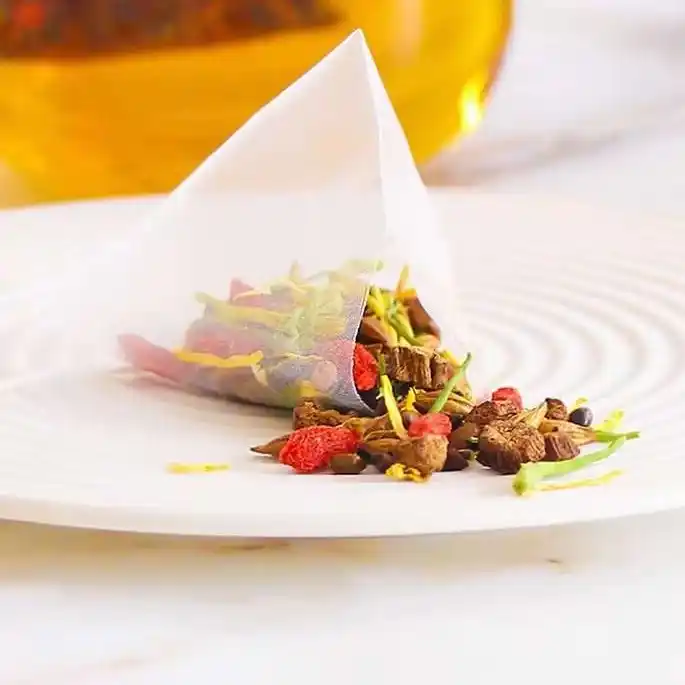
OEM/ODM: tea bags, bulk botanicals, RTD bases, enzyme drinks, cosmetic inputs. Herbal Enzymes is active and can be tailored.
Global reach: United States, Europe, Australia, Japan, Korea, Canada, Malaysia, Philippines, and 20+ more. Permits and certs are in order, so sales regions stay open.
Client profiles: pharma companies, supplement manufacturers, beverage brands, cosmetic raw suppliers, hospitals, wholesalers, spice traders, local retailers, global buyers. If you buy in bulk, we speak your language.
Our low MOQ of 1 kg (2.2 lb) makes it easy to order Chinese herbal slices or wholesale Chinese medicine herbs. Private-label and bilingual labeling are also available.
Delivery Cycle & Support
We have a fast 7-day lead time. We provide free samples, COA reports, and technical support to help you bring high-quality bulk Chinese herbs to market.
Quality & Certifications
Our products are manufactured in a GMP-certified facility and meet ISO22000 standards. All Chinese herbs are third-party tested for heavy metals, pesticides, and microorganisms.