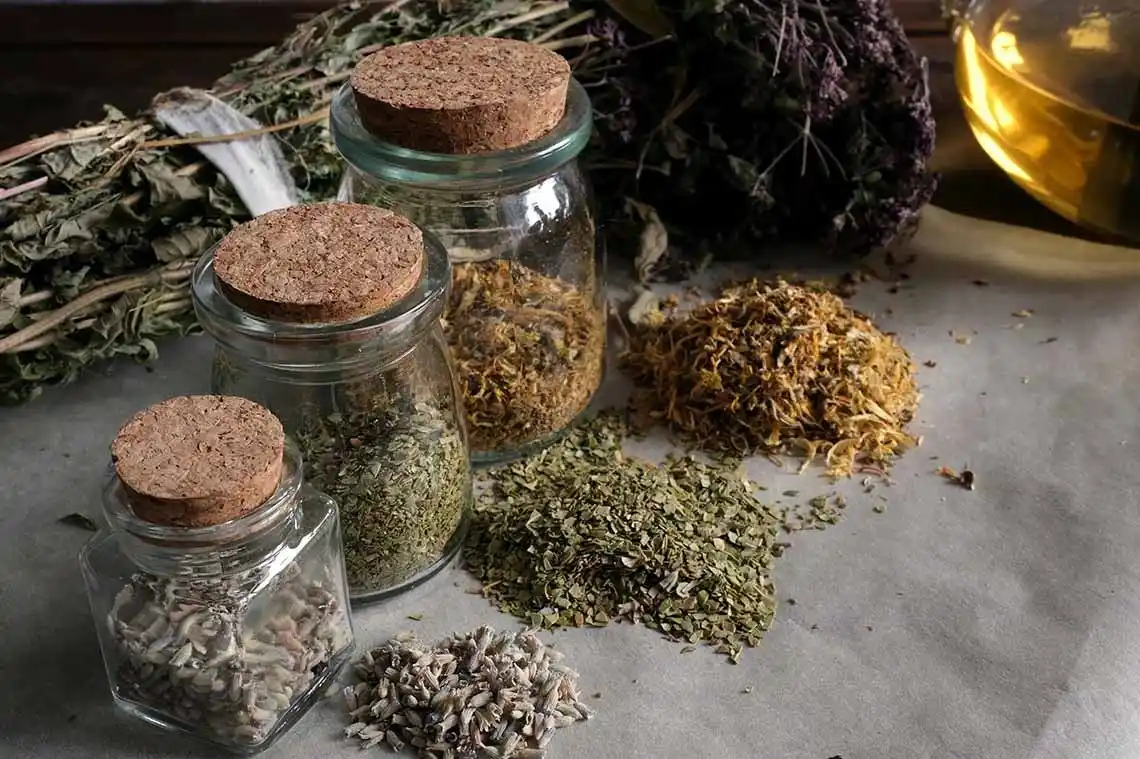
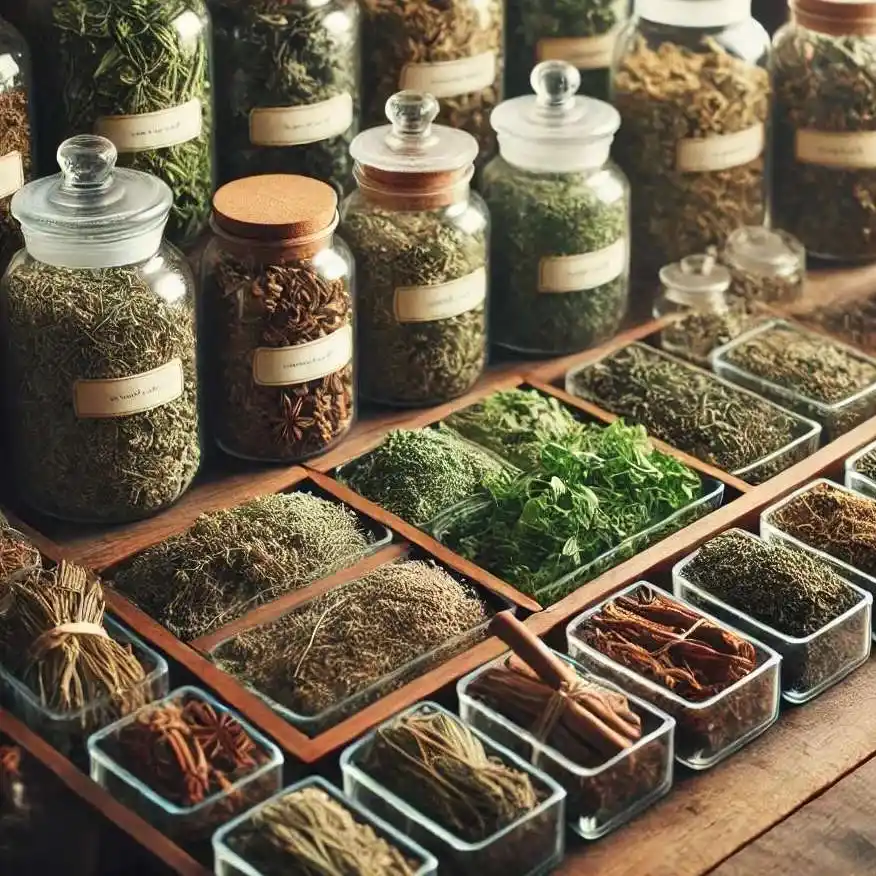
You walk into the kitchen, see a pile of herbs going soft, and the first thought is: can I dry this and still make it taste good? The old cooking wisdom is simple: the stronger the smell when fresh, the better it survives drying. That’s why cooks always name sage, thyme, oregano, rosemary, savory, sometimes tarragon. These herbs carry a lot of essential oils. When water leaves, flavor stays. That’s the core rule.
But drying isn’t only a “hang it in the pantry” trick. On the industrial side people do the same thing, just with bigger targets: keep flavor, keep actives, keep color, make shipping safe, make customs happy. That’s exactly what GuoCao does on its site https://chineseherbalslices.com/: GMP herbal slice lines, ISO 22000 food safety, cool/controlled warehouses, third-party COA, large tonnage every year, OEM/ODM for brands that don’t want to build a factory. So we can talk home kitchen and factory floor in one piece.
Best herbs to dry for food preservation
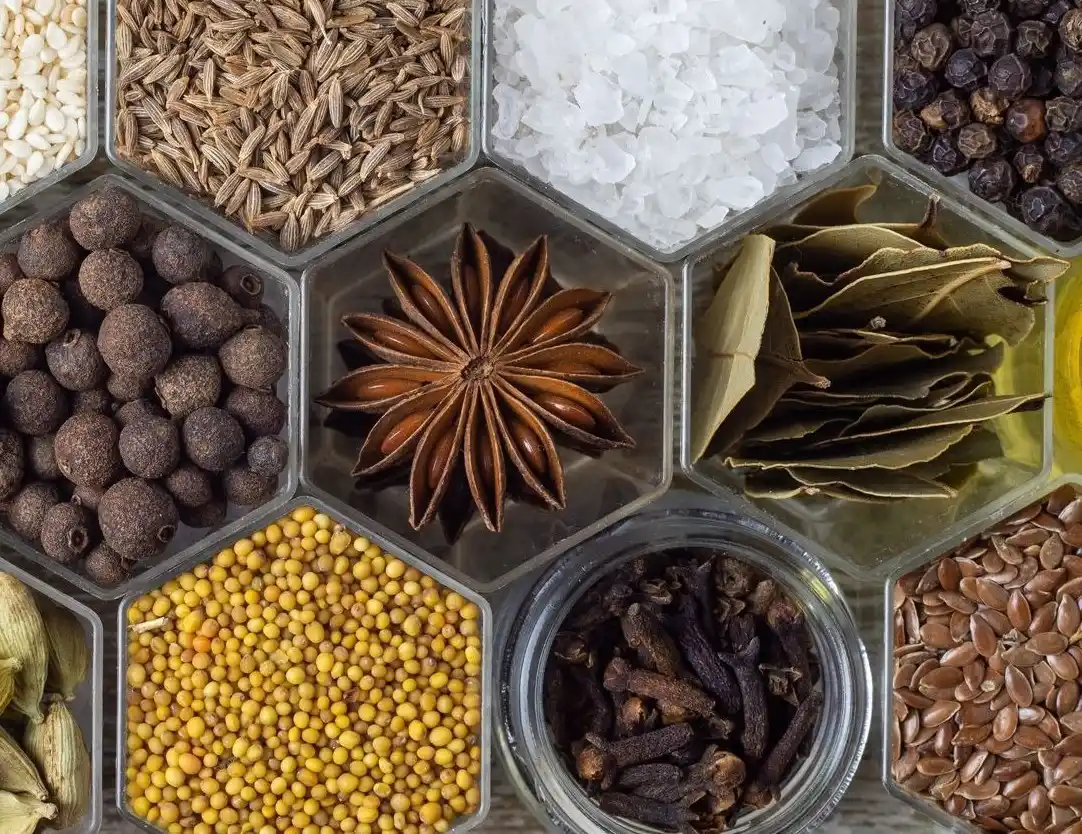
Let’s start from the easy group. If the herb is woody, small-leaf, already very fragrant, you can dry it with almost no drama.
Sage – thick leaf, low moisture, dries fast, still nice in meat, poultry, stuffing.
Thyme – tiny leaves, very little water, can be air-dried even in a not-so-dry room.
Oregano / marjoram – Mediterranean type, resinous, keeps its punch.
Rosemary – flavor stays but texture is hard, so crush or grind.
Savory – not everyone uses it, but it behaves like thyme.
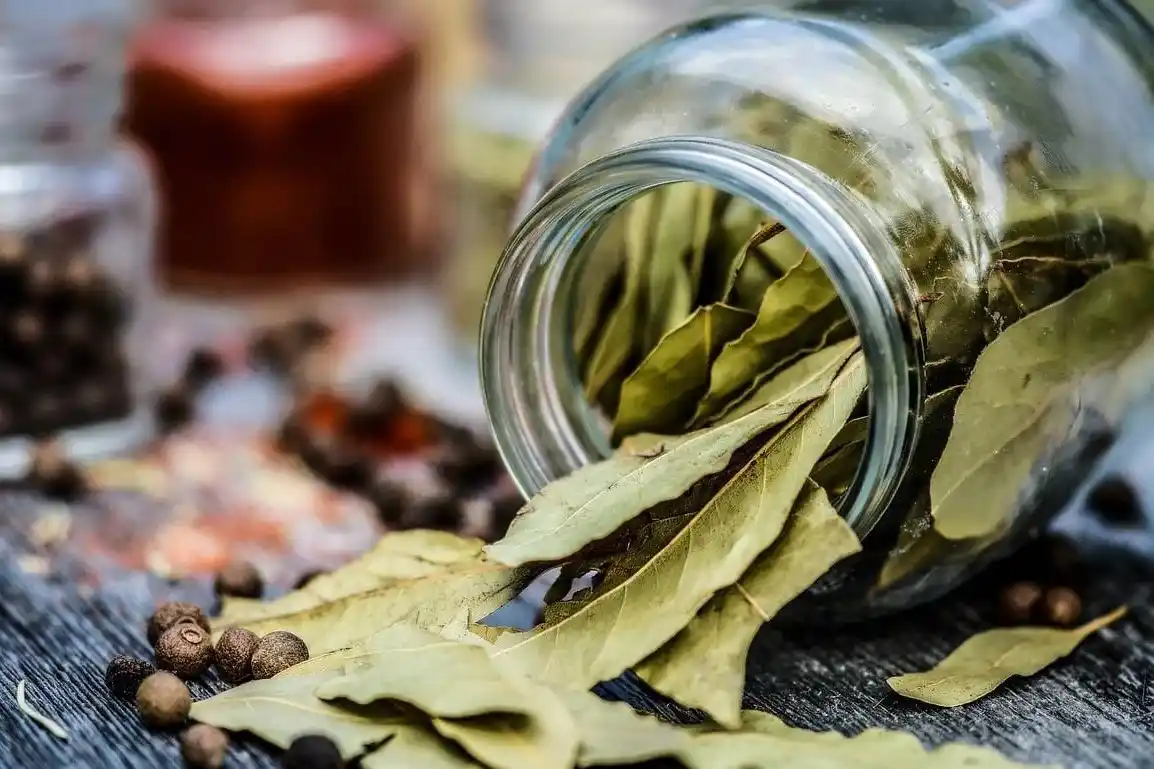
Bay / laurel – some dishes even taste better with dried leaf.
Why these work: they don’t rely on a “green” note. Their aroma comes from oil in the leaf, not water in the leaf. When you remove water, you don’t kill the aroma. So for home food preservation, this group is your “safe list.”
Drying tender-leaf herbs quickly to avoid mold
Now the hard group. Some herbs are juicy. Basil, mint, lemon balm, tarragon. They smell amazing fresh, but when you hang them for 5 days in a humid kitchen, they turn brown or spotty. That’s not because they can’t be dried. It’s because they hate slow drying.
What to do:
Dry fast – low-temp oven, dehydrator, even microwave bursts.
Small bunches – more air flow, less chance of mold.
Shade, not sun – sun fades color and aromatics.
Check for brittleness – if the leaf still bends, water is still in.
So yes, you can dry basil. You just can’t pretend basil is thyme. Same for mint. If you want mint for tea, dry it fast and pack it in dark jars.
Chinese herbal slices and industrial drying (GuoCao)
Here’s where it gets interesting for your site.
Your website is not selling one or two jars of dried oregano. You’re selling wholesale Chinese medicinal herbs and spices to pharma, health-food makers, drink brands, cosmetic raw material buyers, distributors in the US, Europe, Australia, Japan, Korea, Canada, Southeast Asia. That audience doesn’t want to guess if a herb is “dry enough.” They want controlled moisture, warehouse stability, and a COA they can show to QA.
Those eight links already tell Google and buyers: this site is about dried medicinal stuff, in categories, ready for trade.
What’s behind it? You said it: GMP TCM slice lines, normal/cool/modified-atmosphere warehouses, ISO 22000 food safety, third-party COA, capacity ~2,500 tons per year, OEM/ODM, herbal enzyme drink line already running. That’s basically industrial-scale “herb drying + herb keeping.” You push moisture down to spec, you protect it in storage, you certify it. Same job as the home cook, just bigger and with documents.
So in the article, we can say:
“Kitchen users dry sage to keep aroma; GuoCao dries angelica root, coix seed, magnolia bark to keep actives, color and origin trace. One is for a pot of stew. One is for a container to Europe. Logic is the same.”
This kind of sentence looks human, and it also explains the business value.
Culinary vs TCM drying table
Material / Herb
Drying behavior
Best practice
Typical usage scene
Sage, thyme, oregano, rosemary
Woody, oil-rich, survives air-drying; still fragrant
Shade-dry or dehydrator, avoid strong sun, store airtight
Home cooking, dried spice blends, shelf stable gifts
Basil, mint, tarragon, lemon balm
High moisture, can mold if slow
Fast, low-temp drying; small bunches; store in dark jars
Tea mixes, pesto powder, compound seasonings
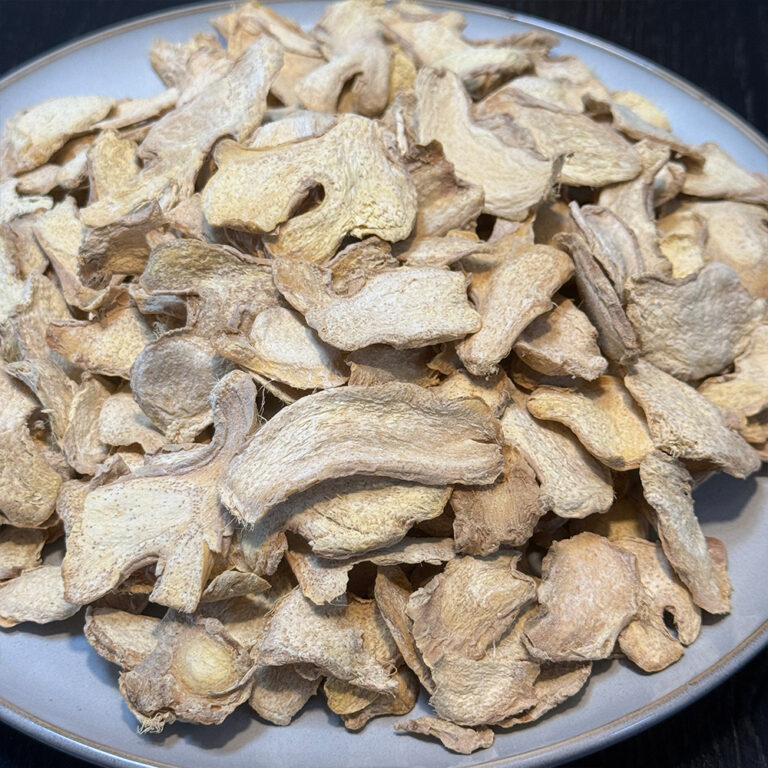
Roots & rhizomes (Dang Gui, Bai Zhi, Huang Lian) from GuoCao
Already sliced/dried under GMP, stable for shipping
Controlled temp/humidity warehouses, COA on lot, export-ready
Pharma, health supplements, TCM clinics, hospitals
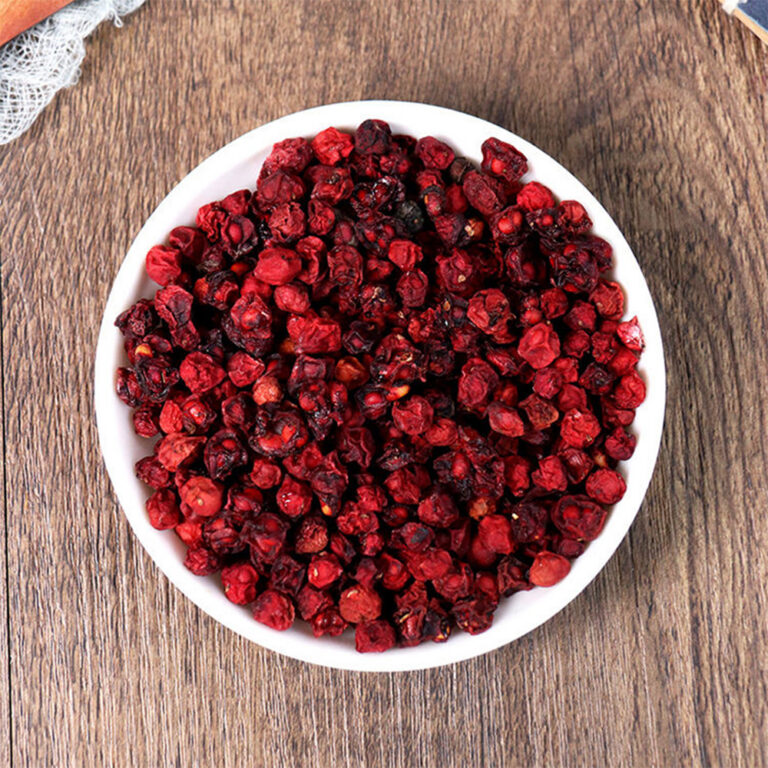
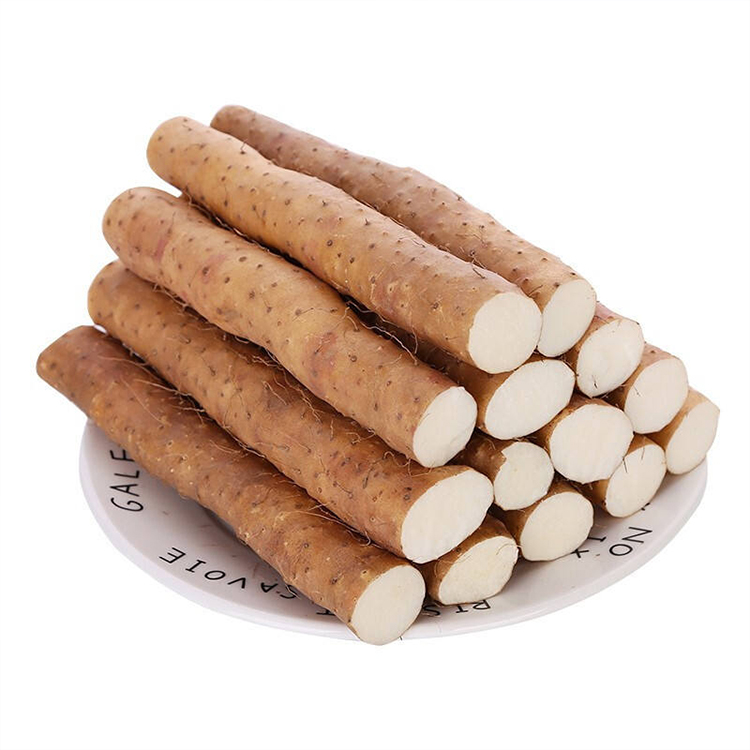
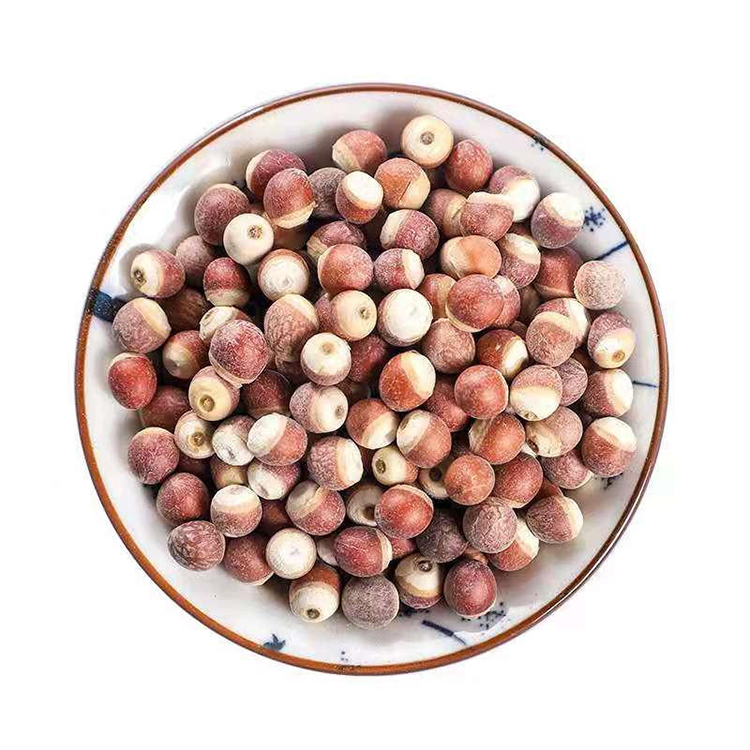
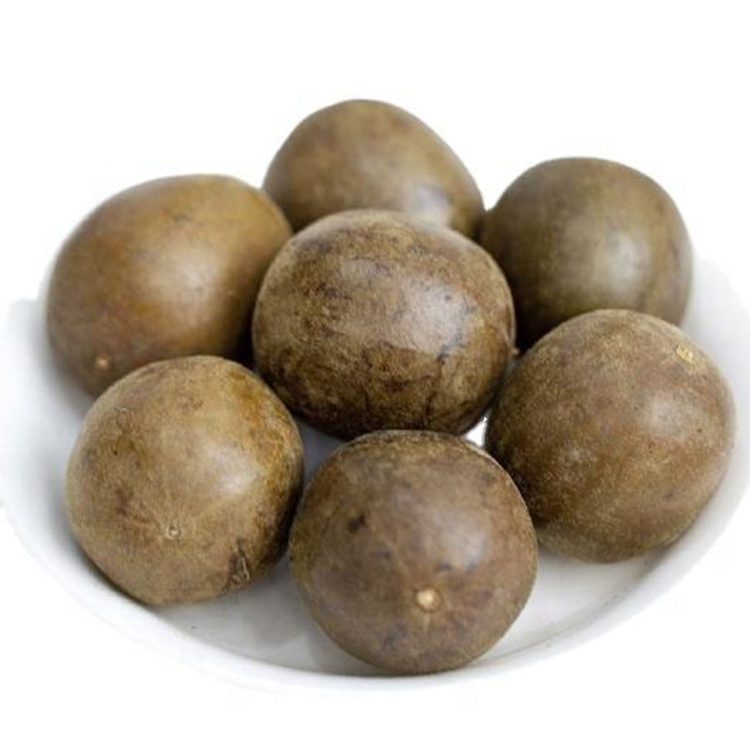
Fruits & seeds (Coix, mulberry, gorgon) from GuoCao
This table is doing two jobs at once. It shows which herbs are easy to dry (so readers can do it at home). And it shows how your site’s categories are really just the same herbs, but processed with standards and ready for hospitals, supplement factories, beverage plants, cosmetic raw material buyers.
Applications and business value (with GuoCao mention)
Let’s talk pain points in buyer language.
Food & drink brands: they need stable dried botanicals, predictable moisture, no surprise microbes, clean origin. They don’t want to dry mint in their own plant because it will take space and HACCP hates wet rooms. Buying dried slices from GuoCao skips that.
Hospitals and TCM clinics: they must have compliant decoction pieces, with COA, with origin, with pesticide/aflatoxin check. A GMP/ISO 22000 producer gives them that. They don’t want to sun-dry herbs in the backyard.
Supplement and functional drink makers: they work with extraction and fermentation. If the raw herb is too wet, their yield goes down and it smells. Getting factory-dried herbs means they can focus on formula, not drying.
Distributors / local retailers: they buy bulk, they repack in their own label. Their key risk is storage. If the herbs left China at too high water, they might arrive caked. Buying from a plant with normal/cool/MA storage reduces that risk.
That’s why in the article we can naturally drop this line:
“GuoCao, as a global Chinese medicinal herbs and spices supplier, already dries, stores and tests the material, so overseas buyers don’t have to run extra dehydration or QC on arrival.”
Our low MOQ of 1 kg (2.2 lb) makes it easy to order Chinese herbal slices or wholesale Chinese medicine herbs. Private-label and bilingual labeling are also available.
Delivery Cycle & Support
We have a fast 7-day lead time. We provide free samples, COA reports, and technical support to help you bring high-quality bulk Chinese herbs to market.
Quality & Certifications
Our products are manufactured in a GMP-certified facility and meet ISO22000 standards. All Chinese herbs are third-party tested for heavy metals, pesticides, and microorganisms.