Heavy Metal Testing for Chinese Herbal Slices: What Buyers Should Know
Heavy metals in Chinese natural pieces can turn a rewarding supply chain into a recall, being rejected, or responsibility data. This buyer-focused guide discusses what to check, which records to require, and just how to spot weak supplier insurance claims prior to cash steps.
Yet when a buyer is importing Chinese herbal pieces for dietary supplements, decoction packs, herbal teas, private-label solutions, clinic supply, or completed retail products, “affordable” is usually the least valuable word in the room, due to the fact that one polluted lot can eliminate the margin from 10 tidy shipments. So why do customers still ask for price before they request for Pb, Cd, As, and Hg data?
I’ll be blunt. Heavy metal screening for natural medicine is not a great additional. It is the customer’s insurance policy versus boundary holds, retailer question, and the slow-motion catastrophe of selling a product that needs to never have left the storehouse.
The Dirty Secret Buyers Learn Far Too Late
The herbal industry suches as soft language: all-natural, traditional, tidy, health, origin-direct. Fine. Use it on the label if the lawful team approves it.
However purchase ought to talk a more challenging language: lead (Pb), cadmium (Cd), arsenic (As), mercury (Hg), ICP-MS, set number, sample size, approach recognition, and release choice.
In March 2025, the U.S. FDA published a recall for Zaarah Herbals Rasayan Churan, Gurmar Powder, Vasaka Powder, and Bhringraj Powder since the items had the potential to include raised lead and arsenic; the impacted items were dispersed in New York, New Jacket, Connecticut, and The Golden State between December 20, 2024 and January 7, 2025, according to the FDA recall notification for Zaarah Herbals powders.
That is not an academic scare tale. That is business.
And Canada has its very own documents. Health and wellness Canada remembered Luobuma Jiangya Tablet computer in May 2023 because the affected lot could have arsenic above the acceptable restriction, as displayed in the main Wellness Canada recall for Luobuma Jiangya Tablet Computer.
Below is the part no one likes claiming aloud: the buyer usually locates the issue after count on has actually currently been granted. The order is positioned. The label is made. The client is waiting. The vendor has actually currently said, “Not a problem.”
What Hefty Steel Evaluating for Herbal Medication In Fact Indicates
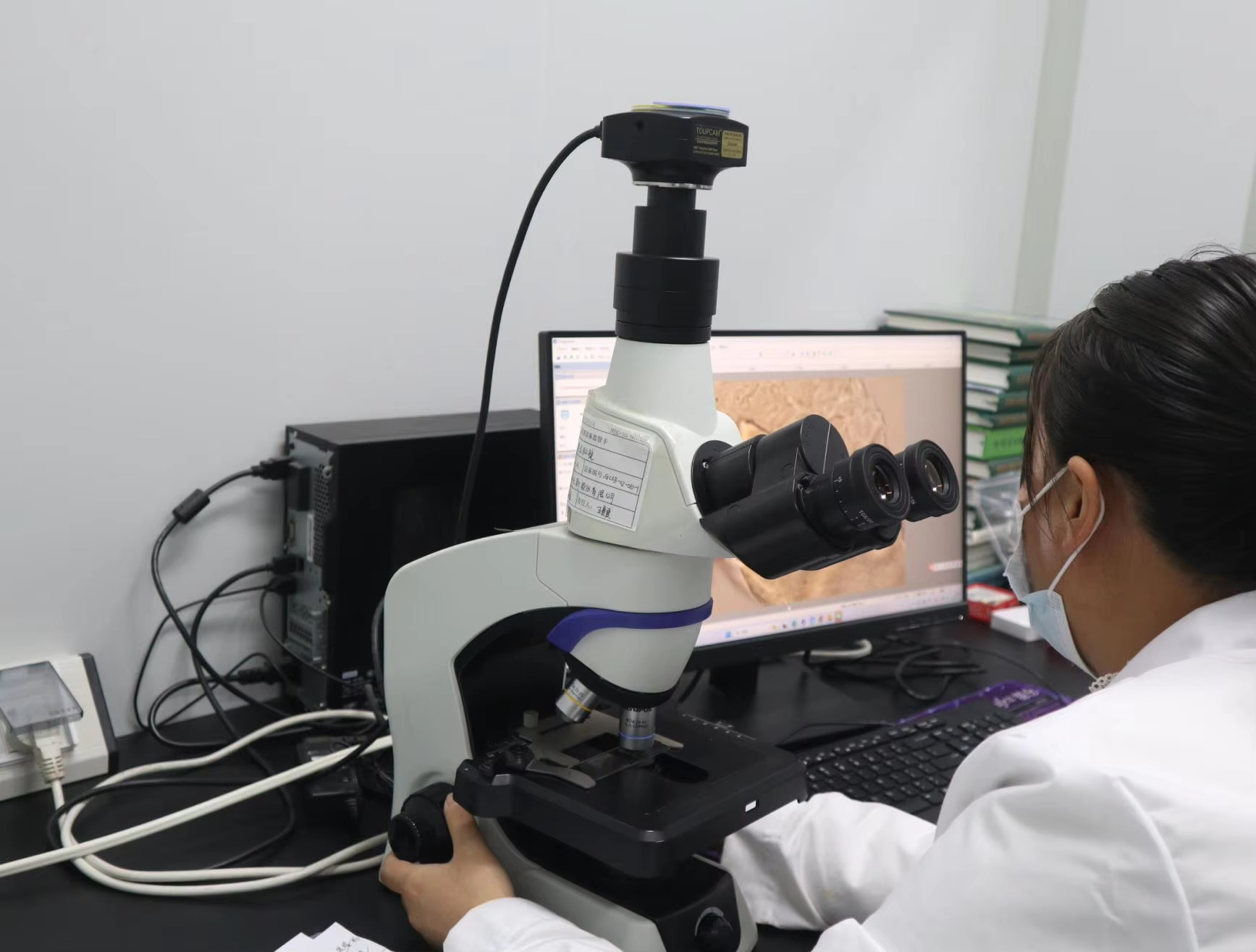
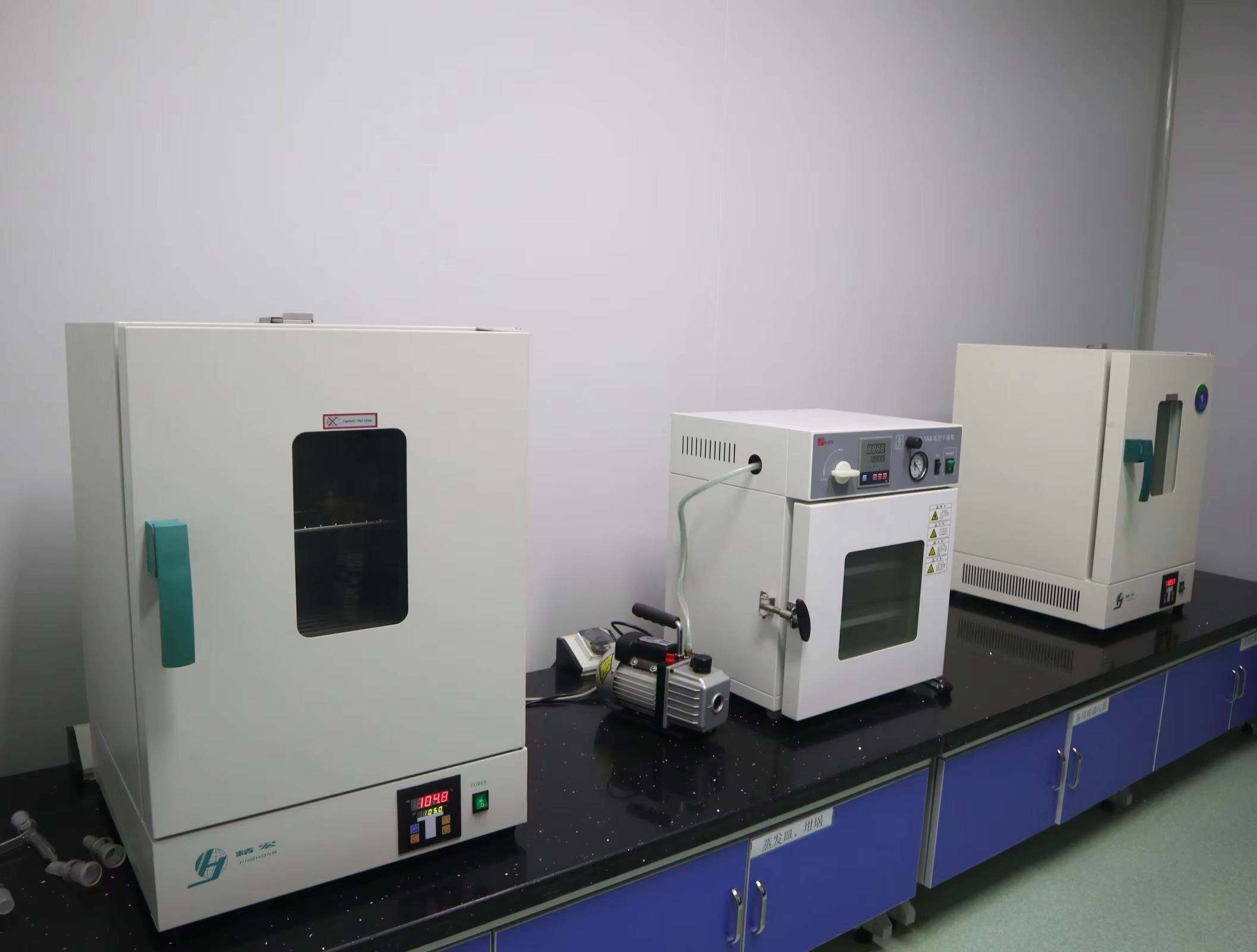
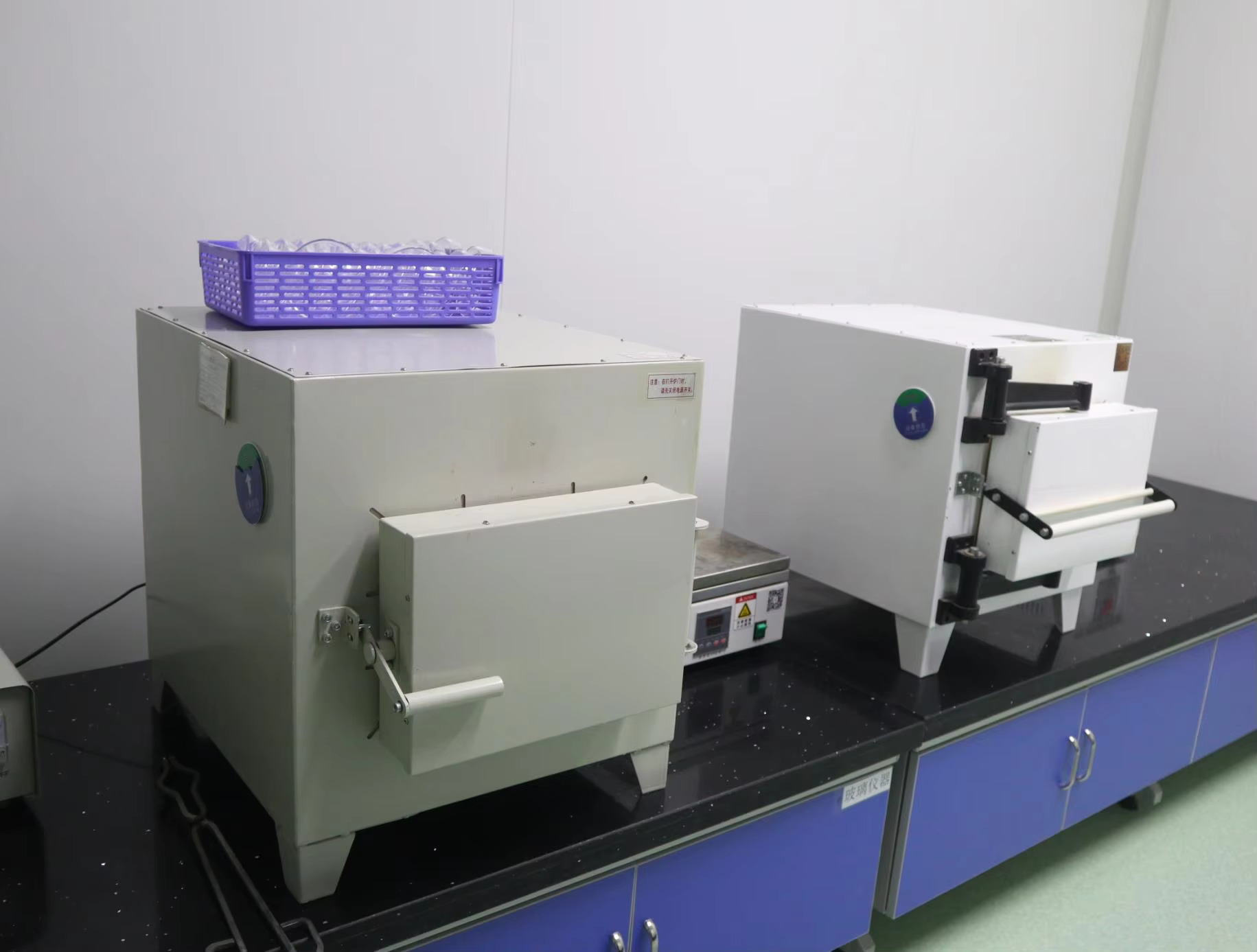
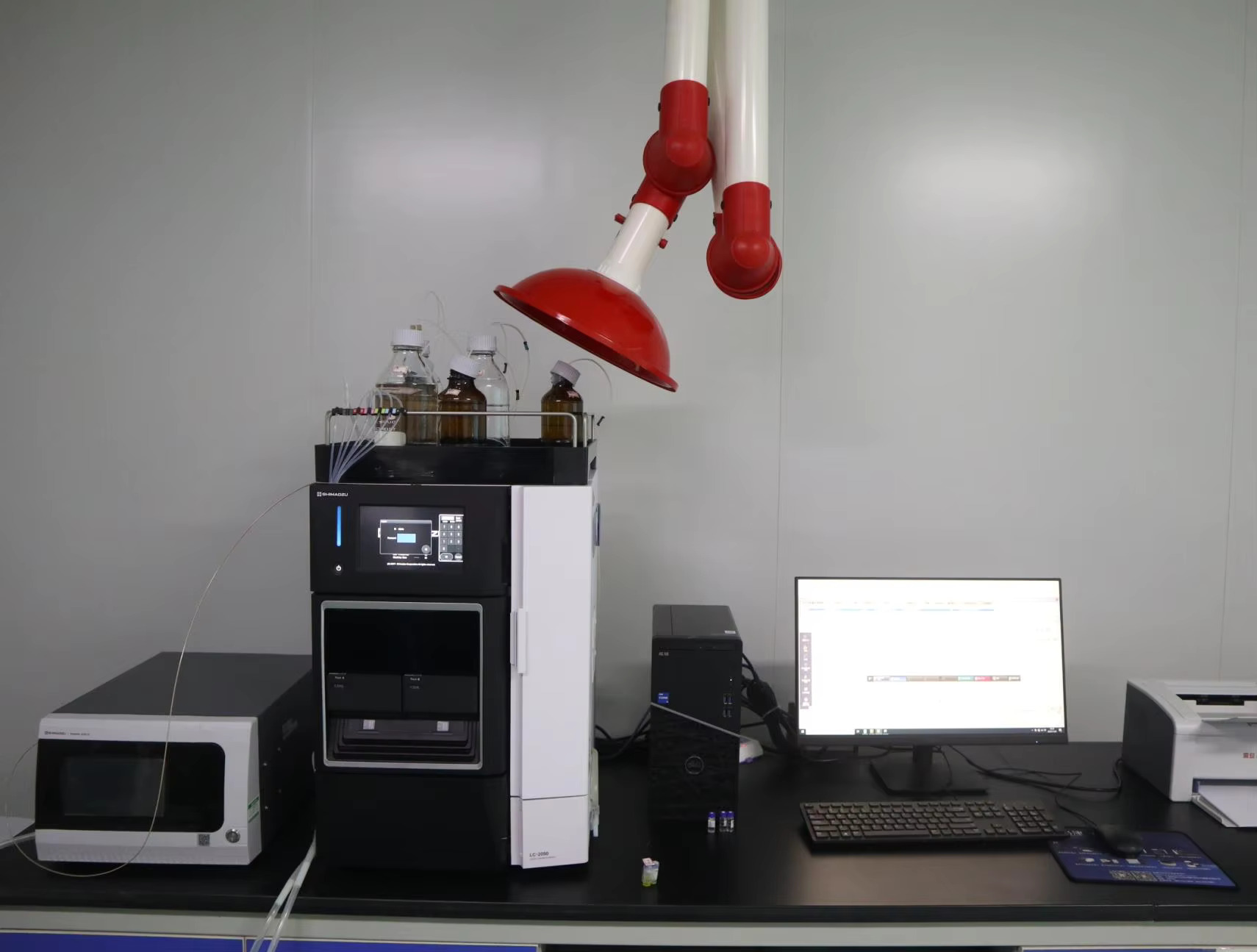
Heavy metal screening for natural medication indicates measuring hazardous essential contaminants– generally Pb, Cd, As, and Hg– in organic resources, sliced decoction pieces, powders, extracts, and ended up products utilizing defensible lab techniques such as ICP-MS or ICP-OES.
That interpretation matters because “examined” is a weak word. Evaluated just how? By whom? Versus which limit? On which batch? With which discovery limitation?
I have actually seen too many purchaser lists deal with a COA like a key stamp: present, consequently approved. No. A herbal slices distributor screening certification is useful just when it names the sample, set, examination approach, system, outcome, acceptance limitation, laboratory identification, and day. Or else, it is a PDF outfit.
The U.S. FDA’s Elemental Analysis Manual notes ICP-MS approaches for arsenic, cadmium, chromium, lead, mercury, and various other elements in food making use of microwave-assisted digestion, including Area 4.7 in the FDA Elemental Evaluation Manual. That does not imply every organic provider needs to cite FDA EAM 4.7 for every market, but it does establish a significant benchmark: modern important testing ought to not look like guesswork.
If a vendor can not describe their method, they possibly can not protect their outcome.
The 4 Metals Buyers Ought To Stress Over
The customer’s baseline panel ought to cover lead, cadmium, arsenic, and mercury. I know some laboratories offer wider essential screens with chromium, copper, nickel, selenium, and zinc. Good. However the four-metal core is where importers, regulators, sellers, and complainant attorneys tend to look initially.
Aspect
Chemical Sign
Why Buyers Ought To Treatment
Normal Source Threat in Herbal Supply
What I Intended to See on the COA
Lead
Pb
Neurotoxicity threat; chronic direct exposure issue; usual recall trigger
Complete As result; speciation if customer market or product danger requires it
Mercury
Hg
Bioaccumulation and neurological threat; unique issue in mineral or animal-derived inputs
Mineral components, contamination, tradition handling
Overall Hg outcome; technique level of sensitivity appropriate for low-level discovery
Australia’s Healing Product Management made the daily-exposure point clearly in December 2024: ppm alone does not inform the entire tale due to the fact that dose issues, specifically for TCM tablets taken in large quantities; enrollers need to consider acceptable day-to-day exposure restrictions for elemental contaminations, according to the TGA security upgrade on elemental contaminations in TCMs.
This is where unskilled customers obtain trapped. An outcome that looks low in ppm might still be awful when the daily serving size is high. Pieces used for preparation, powdered natural herbs in capsules, tea bags, granules, and essences all produce different direct exposure mathematics.
Same natural herb. Various risk.
Chinese Herbal Slices Are Not All the Same Risk
A clean-looking piece can still fail.
Origins and roots being in soil. Fruits and seeds may bring agricultural deposit dangers. Mineral components are a different animal totally. Powders hide visual flaws. Removes focus some issues while decreasing others. And sulfur-fumigated materials can develop a different conformity battle if sulfur dioxide (SO ₂) gets to labeling limits in the target market.
For buyers building a product line, the initial smart action is mapping the real natural herb classification. A broad supplier catalog such as Typical Chinese Medicine herbs and flavors can aid purchasers separate origins, rhizomes, fruits, seeds, flowers, whole herbs, bark, flavors, animal materials, and mineral materials before establishing the testing plan.
Right here is my tough point of view: buyers that use one identical test regularity for each natural herb are making believe risk is uniformly dispersed. It is not.
Risky great deals should have tighter controls:
Greater Focus Categories
Origins, roots, and tubers need stronger soil-origin scrutiny since they keep direct contact with the expanding environment. Angelica origin, astragalus root, atractylodes, licorice, and similar products need to not be acquired on appearance alone.
Powdered Products
Powders eliminate aesthetic accountability. Once the slice ends up being powder, identification and contamination issues end up being harder for the buyer to see. That implies even more dependence on HPTLC, microscopy where appropriate, DNA screening in selected cases, pesticide screening, microbiology, and hefty metal information.
Animal and Mineral Products
Animal and mineral classifications require extra caution. I would never ever treat them like ordinary leaves or blossoms. These inputs might raise added worries around elemental impurities, credibility, legality, types insurance claims, and import documents.
Private-Label Blends
Blends are where weak vendors conceal behind intricacy. If a formula has 12 natural herbs, I want either ingredient-level control or a final-batch heavy steel result connected to the manufacturing whole lot. Preferably both.
For OEM and private-label programs, customers must urge that complete QC screening is constructed into the pilot stage, not postponed till automation. A distributor web page such as custom Chinese herbal and spice OEM/ODM services works only if the screening assurance is linked to actual batch release paperwork.
The COA Examination: Just How to Spot a Weak Provider in 90 Seconds
The majority of poor COAs do not shout. They murmur.
They look polished. They bring a logo design. They include words like “certified” and “complies.” Yet when you look carefully, the record fails the buyer.
Below is the fast screen I utilize when examining natural medication hefty steels examining files:
COA Thing
Excellent Indication
Red Flag
Batch number
Matches invoice, label, container, and keep sample
Common “present set” or blank great deal area
Sample identity
Latin name, Chinese name, plant part, processing form
Only brand name or formula name
Test approach
ICP-MS, ICP-OES, AAS, or called validated method
“Heavy metal test: pass” without any approach
Devices
ppm, mg/kg, µg/ g, or exposure estimation
Mixed devices or no systems
Lab status
Third-party lab or documented internal QC laboratory
No lab name, no trademark, no certification context
Evaluated steels
Pb, Cd, As, Hg at minimum
“Complete hefty steels” only
Day
Current and batch-linked
Old report recycled for numerous shipments
Limitation
Market-specific or buyer-specific acceptance requirements
No specified restriction
One awful phrase ought to make purchasers pause: “examined frequently.” Routinely is not a result.
If you are creating agreements, make the test requirements boringly specific. Define the natural herb name, batch dimension, tasting approach, examination panel, optimum limits, retest policies, rejection legal rights, and file language. The mass Chinese medicinal agreement creating overview is an all-natural place to connect business terms with quality standards as opposed to leaving them in different discussions.
Checking Technique: ICP-MS Is Normally the Purchaser’s Buddy
For how to evaluate Chinese natural slices for heavy steels, the major response is normally a lab-based elemental evaluation method, typically ICP-MS after microwave-assisted food digestion. ICP-OES can also be utilized in particular contexts, yet ICP-MS is commonly favored when reduced detection limits and multi-element testing matter.
Do not puzzle this with handheld screening.
Portable XRF has usages. It can aid with particular incoming checks or noticeable contamination testing in some markets. But also for herbs, powders, essences, and complex agricultural matrices, I would not make use of portable screening as the final release basis unless the purchaser, lab, and regulatory authority have all accepted the approach for that specific usage.
The actual release concern is easy: would this test result endure an audit?
A beneficial testing workflow looks like this:
1. Pre-Qualification
Before acquiring, ask the vendor for historical hefty metal results on the exact herb species and beginning. Do decline one gorgeous COA for a various natural herb as proof.
2. Pre-Shipment Testing
Test the actual production great deal prior to shipment. The example needs to be tied to whole lot pictures, container markings, batch records, and invoice details.
3. Arrival Verification
For higher-risk purchasers, retest after arrival, especially when the lot is huge, the market is stringent, or the item will be made use of in pills, powders, or children-adjacent groups.
4. Retain Samples
Maintain secured preserve samples. If a dispute happens, the customer without keeps is typically the customer with weak take advantage of.
5. Trend Information
One passing batch is excellent. 10 passing batches are better. Pattern data exposes whether a supplier manages beginning and processing or merely obtains lucky.
The raw natural herb to sliced up item procedure control guide fits normally here because hefty metal control is not just a last laboratory occasion. It begins with origin control, incoming assessment, processing hygiene, storage, and launch self-control.
The Case Files Purchasers Must Bear In Mind
There is a poor behavior in the trade: acting contamination is someone else’s trouble. Ayurveda. People solutions. Unapproved imports. Small brands. Not us.
That is lazy thinking.
A 2024 Scientific Reports paper examined 86 psoriasis clients admitted to Beijing Chao-Yang Health Center between January 2011 and October 2023 with hefty steel poisoning connected to Chinese individual remedies, recognizing 44 mercury situations, 17 lead cases, 21 arsenic cases, and 4 mixed cases, as reported in Hefty steel poisoning caused by Chinese people solutions in psoriasis clients.
Now, Chinese organic pieces offered with official supply chains are not the same point as unregulated folk remedies. That distinction issues. Yet the buyer’s lesson is still sharp: as soon as an item reaches a body, the justification “standard usage” does not terminate toxicology.
The Health Canada Luobuma Jiangya Tablet computer recall shows that even called all-natural health and wellness products can deal with arsenic compliance activity. The FDA Zaarah recall demonstrates how fast a powdered organic item can come to be a public notice. The TGA warning shows why regulatory authorities appreciate day-to-day direct exposure, not only ppm.
If you offer herbal items, your consumer does not care that contamination was “upstream.” They bought from you.
What I Would Need Prior To Paying a Deposit
Here is the buyer checklist I would certainly utilize prior to sending money for Chinese organic pieces:
Customer Demand
Why It Matters
Minimum Acceptance
Species and plant part confirmation
Avoids wrong-herb substitution
Latin binomial, Chinese pinyin/name, plant part, handling kind
Hefty metal panel
Covers core hazardous aspects
Pb, Cd, As, Hg with batch-specific outcomes
Test method
Reveals information can be protected
ICP-MS, ICP-OES, AAS, or named validated approach
Third-party COA
Reduces provider self-reporting risk
Lab name, date, batch, devices, limitations
Origin records
Explains contamination threat
Province/region, grower or collection documents where offered
Processing documents
Links raw herb to last piece
Set manufacturing document, drying/slicing notes
Storage regulates
Prevents top quality drift
Temperature/RH records for delicate herbs
Export documents
Avoids customs mayhem
Invoice, packaging listing, COA, phytosanitary certificate where called for, certificate of beginning where needed
Keep example policy
Safeguards purchaser in conflicts
Sealed retain sample held by vendor and/or customer
Denial clause
Gives purchaser take advantage of
Written best to turn down, retest, or reimbursement fell short lots
This is not overkill. This is grown-up purchase.
If the order is little, use a lower MOQ to evaluate the supplier’s self-control prior to scaling. The site’s request a quote web page mentions reduced MOQ and COA support, which is specifically the sort of beginning factor buyers ought to make use of for pilot whole lots before devoting to container-level quantity.
TCM Heavy Metal Purviews: Stop Requesting For One Magic Number
Purchasers usually ask, “What are the TCM hefty metal limitations?”
The truthful solution: it depends on the target market, item group, daily dose, path of management, pharmacopoeial standard, and purchaser requirements. A chopped natural herb offered as a raw herb, a tea ingredient, a dietary supplement input, and a signed up medicine may deal with various analyses.
That solution discourages individuals. Good. It should.
The dangerous step is replicating a random ppm limitation from a provider sheet and assuming it works globally. For united state nutritional supplement logic, everyday direct exposure thinking issues. For Australia, TGA points sponsors toward permitted everyday exposure. For EU-related organic medicinal items, pharmacopoeial and dossier expectations may apply. For interior brand defense, a purchaser might set more stringent limitations than the minimal legal threshold.
My sensible rule: make use of the stricter of the lawful need, client demand, merchant need, and brand-risk need.
If your buyer contract does not claim which criterion controls the lot, the disagreement begins after the failing. By then, the cargo is currently the hostage.
Supplier Concerns That Different Professionals From Pretenders
Ask these prior to the proforma invoice:
“Can you give batch-specific Pb, Cd, As, and Hg outcomes?”
A great distributor states yes and reveals an instance with batch areas. A weak distributor sends a generic brochure.
“Which laboratory carries out the hefty metal screening?”
A great provider names the lab or discusses interior plus third-party confirmation. A weak supplier states, “Our high quality is great.”
“Are the limits based on ppm just or daily exposure?”
A great distributor understands dosage. A weak supplier repeats “qualified.”
“Can you check the specific whole lot before shipment?”
A great provider develops this right into the timeline. A weak vendor treats it like a disrespect.
“What happens if the whole lot fails?”
A good distributor has a denial, replacement, or reimbursement mechanism in composing. A weak vendor changes the topic to rate.
Which is the factor. Heavy metal testing is not simply scientific research. It is an arrangement filter.
FAQs
What is hefty metal testing for natural medication?
Hefty metal testing for herbal medication is the research laboratory dimension of toxic essential pollutants such as lead, cadmium, arsenic, and mercury in natural herbs, pieces, powders, extracts, or ended up items to verify whether a particular batch satisfies regulatory, client, and security restrictions before it is offered or made use of in manufacturing. Customers ought to call for batch-specific COAs, named techniques, clear units, and market-appropriate limitations.
Exactly how do you evaluate Chinese herbal slices for hefty metals?
Chinese organic pieces are usually examined for hefty metals by collecting a depictive batch sample, digesting the material with acid under regulated lab problems, and gauging aspects such as Pb, Cd, As, and Hg utilizing ICP-MS, ICP-OES, or one more validated analytical approach ideal for botanical matrices. The result should be reported by batch, not replicated from historic vendor data.
Which heavy metals matter most in Chinese natural medication quality assurance?
The four heavy metals customers must prioritize in Chinese natural medicine quality control are lead, cadmium, arsenic, and mercury due to the fact that they are toxicologically substantial, frequently monitored by regulatory authorities, and frequently used in vendor specifications, recall notifications, import checks, and store conformity programs for herbal items and dietary supplement components. Bigger panels can be valuable, but these 4 are the standard.
Is a supplier COA sufficient for herbal slices?
A supplier COA is enough only when it is batch-specific, method-specific, current, deducible to the shipped great deal, and provided by a credible interior or third-party lab with clear units, limits, and pass/fail standards for hefty steels, chemicals, microbiology, identification, and various other buyer-required examinations. For higher-risk great deals, independent retesting is a wise customer cost.
What should customers ask from a Heavy Metal Testing laboratory for herbal products?
Customers need to ask a heavy metal testing lab for herbal products to provide the technique name, example preparation information, target aspects, limit of metrology, reporting units, certification context, set identification, unpredictability where relevant, and verification that the method is appropriate for herb materials, powders, essences, or completed dose forms. The lab record need to be audit-ready, not ornamental.
Last Thoughts: Ask for the Laboratory Data Prior To You Ask for the Price cut
The expert purchaser does not begin with “What is your ideal rate?”
The specialist purchaser begins with the whole lot, the origin, the processing document, the COA, the technique, the limits, the delivery documents, and the failure condition. After that rate gets in the conversation.
Heavy Metal Screening for Herbal Medication is not a checkbox. It is the slim line between a scalable Chinese herbal pieces program and a recall awaiting a date.
If you are sourcing Chinese organic slices, request batch-specific heavy steel testing, demand Pb/Cd/As/ Hg results, evaluate the distributor’s top quality system, and start with a pilot order before scaling. To relocate from theory to purchase, evaluate the offered Chinese natural slices and spice classifications, compare them against your target audience’s screening guidelines, and demand a quote with COA demands plainly stated before approving the initial shipment.
Our low MOQ of 1 kg (2.2 lb) makes it easy to order Chinese herbal slices or wholesale Chinese medicine herbs. Private-label and bilingual labeling are also available.
Delivery Cycle & Support
We have a fast 7-day lead time. We provide free samples, COA reports, and technical support to help you bring high-quality bulk Chinese herbs to market.
Quality & Certifications
Our products are manufactured in a GMP-certified facility and meet ISO22000 standards. All Chinese herbs are third-party tested for heavy metals, pesticides, and microorganisms.