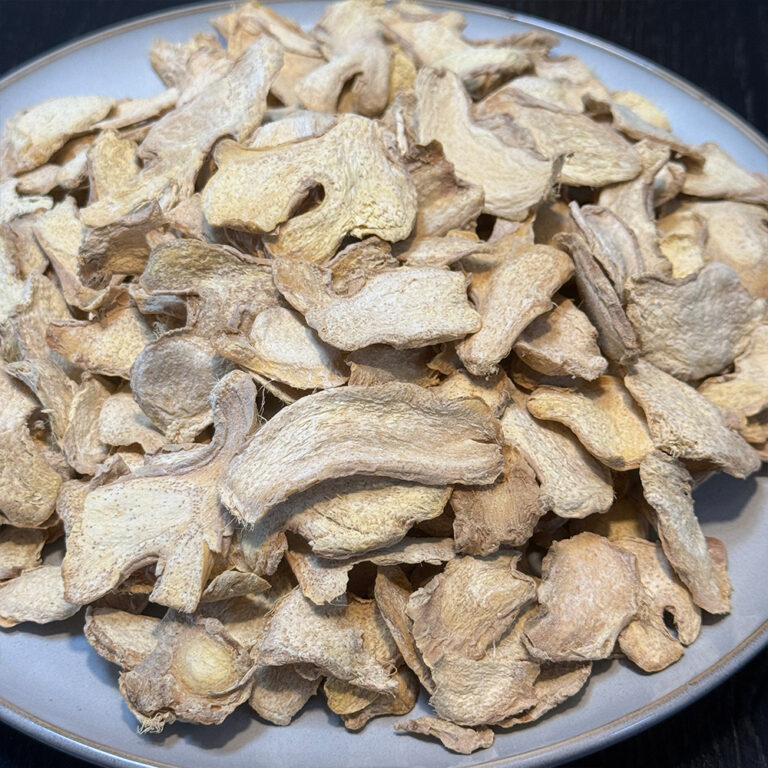
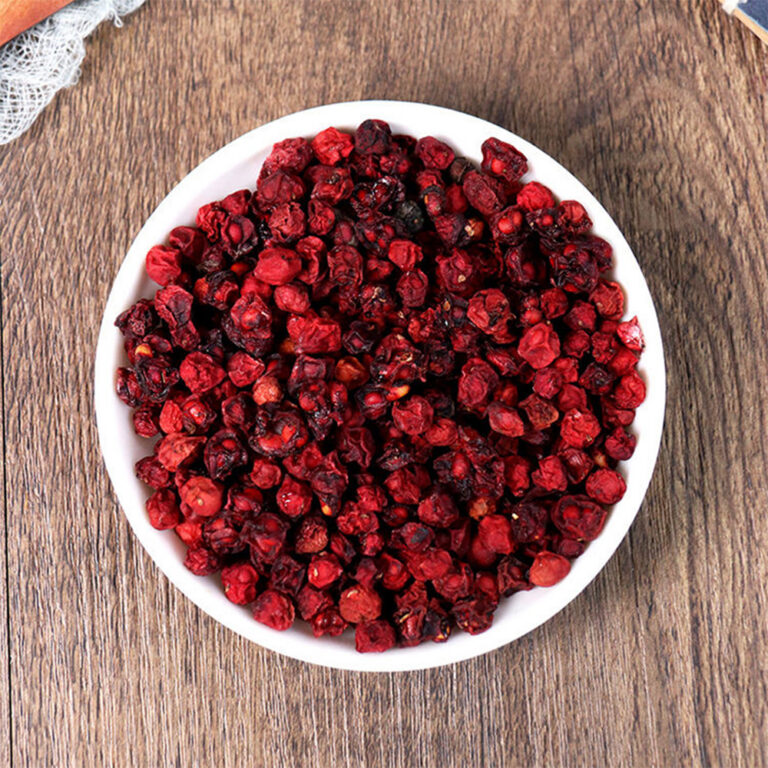
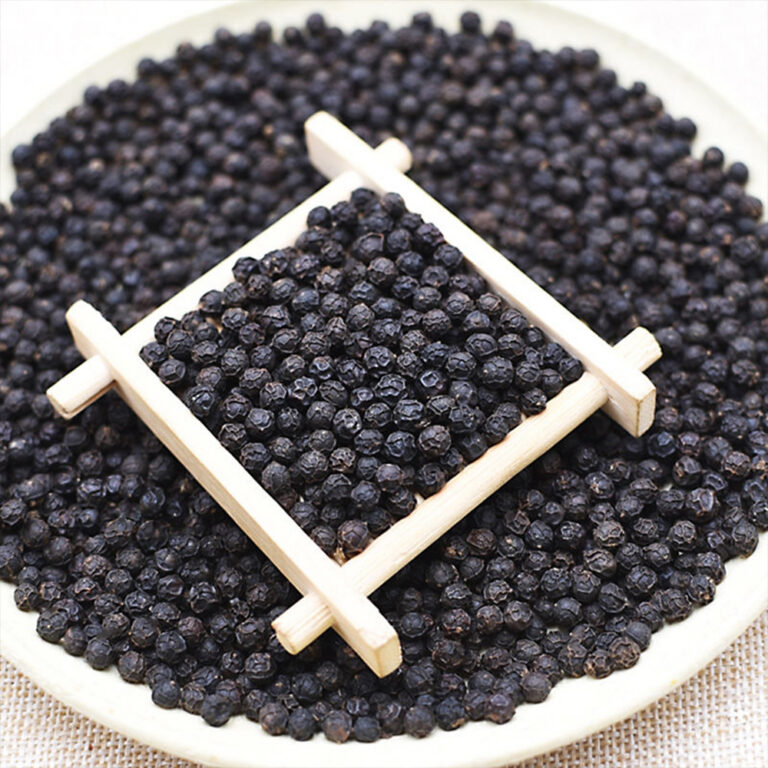
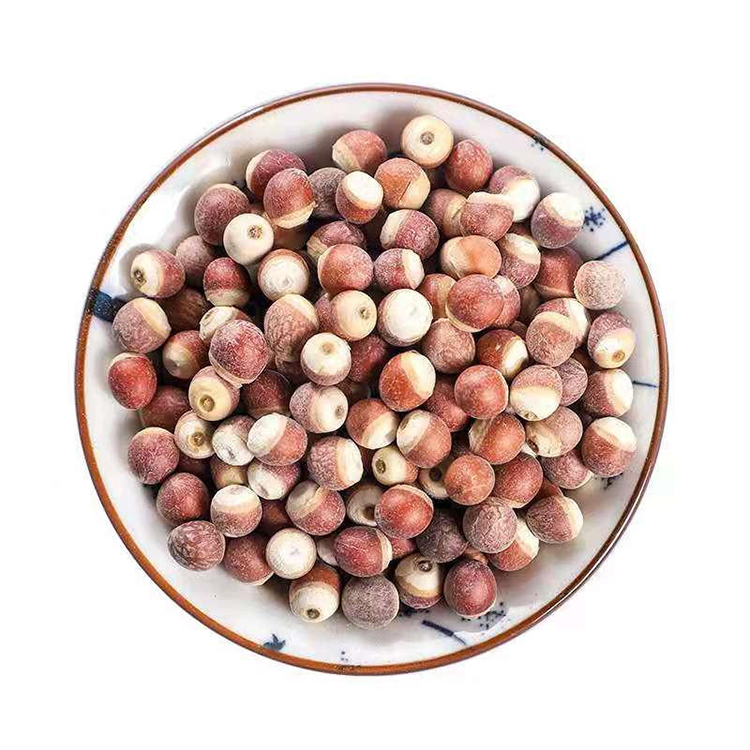
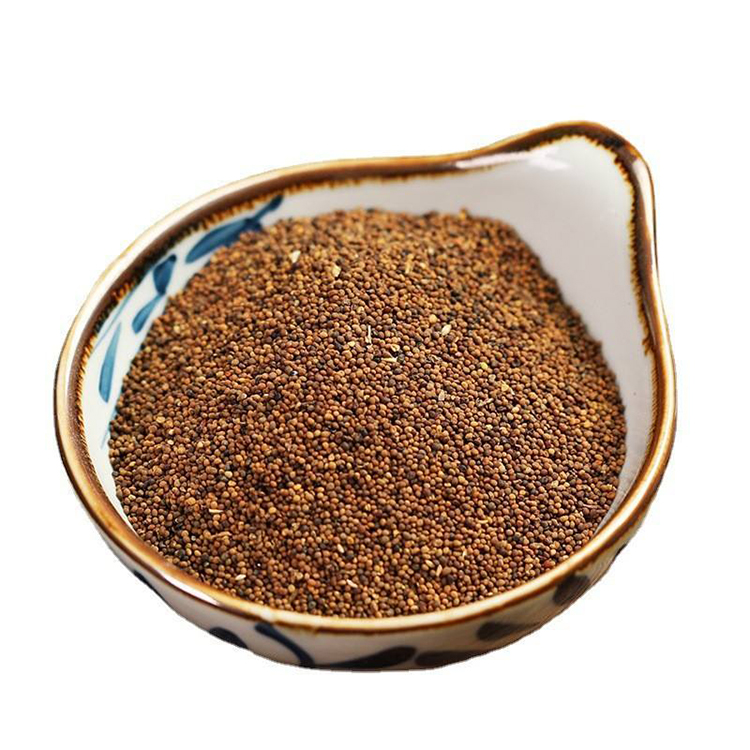
You probably see these three peppers all the time. Black pepper on the table. White pepper in noodle soup. Sichuan pepper in mala hotpot.
In the Chinese world they are not only “flavor”. They sit inside the idea of yao shi tong yuan – food and medicinals from the same material. In practice, that means one raw spice can show up in the kitchen, in a clinic formula, and inside a capsule or enzyme drink.
For buyers at pharma companies, health-food factories, spice wholesalers, hospitals or supplement brands, this trio is right where daily diet meets traditional Chinese medicine.
Pepper Spices as Chinese Medicinal Herbs and MFH (yao shi tong yuan)
China’s medicine–food homology lists put pepper spices into a warm interior group, sometimes called wen li lei in TCM talk. This group collects items that:
Warm the middle of the body.
Move qi and blood.
Help people with clear Cold patterns like cold belly, loose stool, cold limbs.
So on paper, black pepper, white pepper and Sichuan pepper are not random condiments. They are recognized as materials that can be both food and medicinal when you keep them in a normal dose range.
For international buyers, this matters because MFH ingredients:
Feel familiar to consumers (“pepper”, not some strange Latin name).
Already sit under Chinese food and TCM frameworks.
Can bridge culinary, nutraceutical, and clinical product lines.
GuoCao’s own catalog follows the same idea. On the Chinese herbs and spices wholesale portfolio you see dried spices listed together with roots and rhizomes, fruits and seeds, flowers and whole herbs, barks, plus animal and mineral items. One supply chain, different scenarios.
Piper nigrum in TCM and Pharmacology: Black Pepper and White Pepper
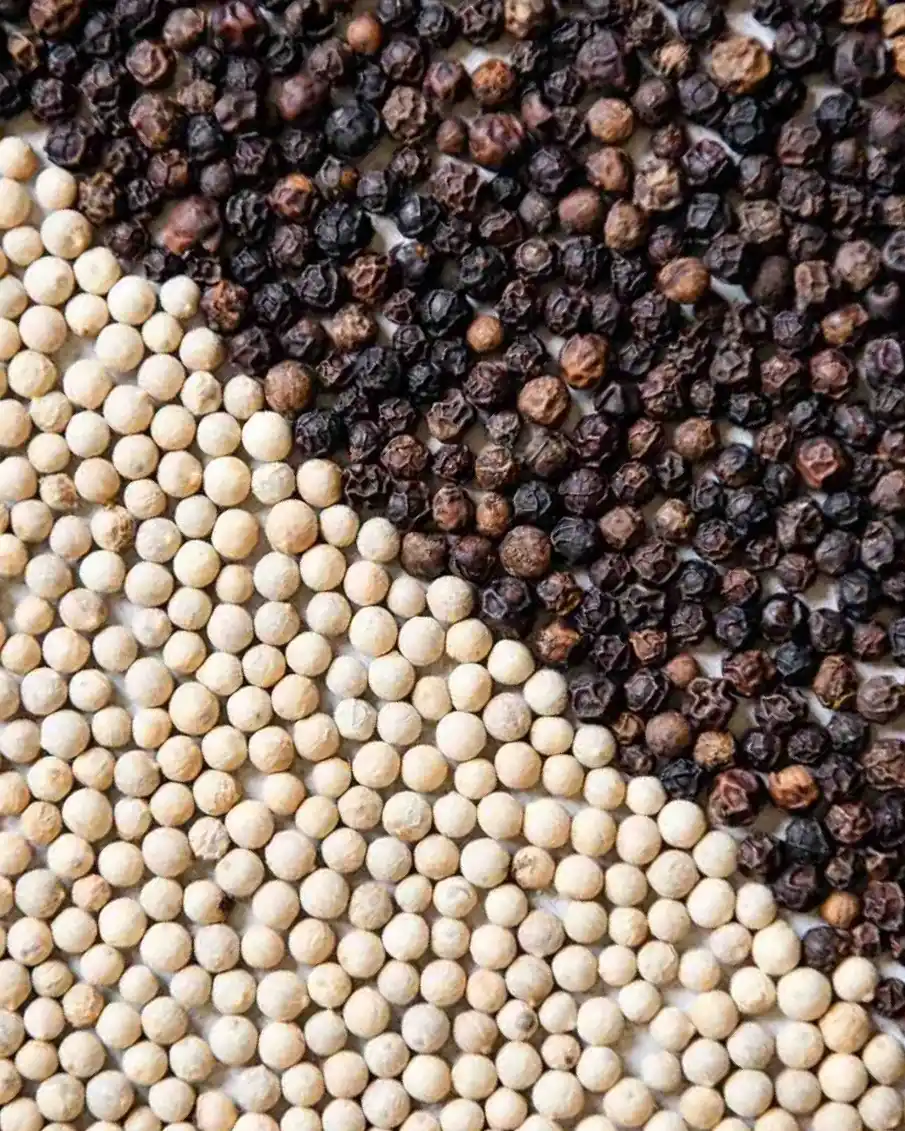
Black pepper and white pepper are both Piper nigrum L. The difference is mainly the processing:
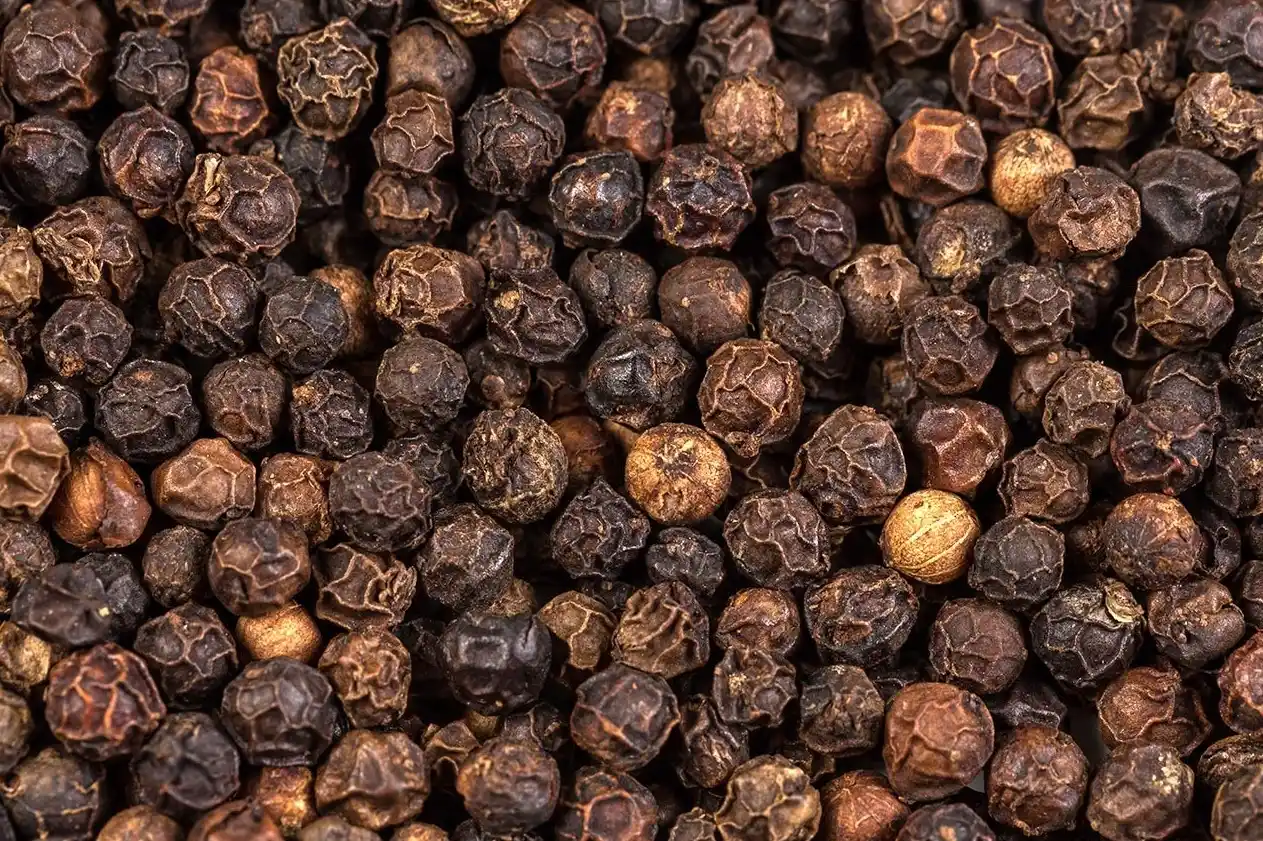
Black pepper (hei hu jiao) – unripe berries, blanched and dried with the outer skin.
White pepper (bai hu jiao) – fully ripe berries, soaked to remove the skin, then dried so only the seed stays.
In zhong yi language both are warm and pungent. They are used to:
Warm the middle burner.
Move qi.
Support digestion and ease certain cold-type abdominal pain.
Modern research on Piper nigrum mainly looks at:
Piperine, the key pungent compound.
Volatile oils that carry the aroma and some of the bioactivity.
Studies show antioxidant, anti-inflammatory, antimicrobial and metabolic effects in cell and animal models. There is also work on bio-availability: piperine helps other actives absorb better, so it often shows up as a small but powerful “helper” in formulas.
Black Pepper (hei hu jiao) Functions, Piperine and QC Specs
Behind the simple dried berry you normally see these QC points:
Volatile oil (VO) – aroma strength.
Piperine percentage – core active and pungency marker.
Moisture, ash, foreign matter.
Micro load, heavy metals, pesticide residues.
On the buyer side people talk like: “we need VO locked, sulfur-free, COA stack clean, and spec not drifting season to season.” If you plan functional tea bags, enzyme drinks, or capsules, you really dont want to play lottery on every shipment.
Functional use cases:
Warm digestion blends – decoctions and soups where black pepper gives obvious warmth and spice.
Metabolic and energy formulas – low dose black pepper paired with other MFH herbs to support circulation and absorption.
Spice blends and seasoning packs – clear pepper note, visible black specks, good for hotpot base, marinade powders, instant noodles.
Because GuoCao runs GMP herbal slice lines and ISO 22000 food safety system, the same raw pepper can go into herbal slices, coarse spice cut, and even tea-bag cut without re-opening the whole supplier audit again.
White Pepper (bai hu jiao) Digestive and Respiratory Scenarios
Clear broths, congee, light soups where you don’t want black specks.
Digestive and respiratory formulas that need warmth but a gentle aroma.
Powdered mixes for sachets and RTD broths.
In many zhong yi formulas, bai hu jiao shows in small dose for people with stomach Cold, low appetite, loose stool, or “cold phlegm” type cough. In modern formulas it plays backup: not the main hero, but steady support.
When you design SKU, you can think simple:
Black pepper when you want “louder” spice and darker color.
White pepper when you want warmth and function but need the visual to stay light.
Zanthoxylum and Sichuan Pepper (hua jiao) Trigeminal Sensation
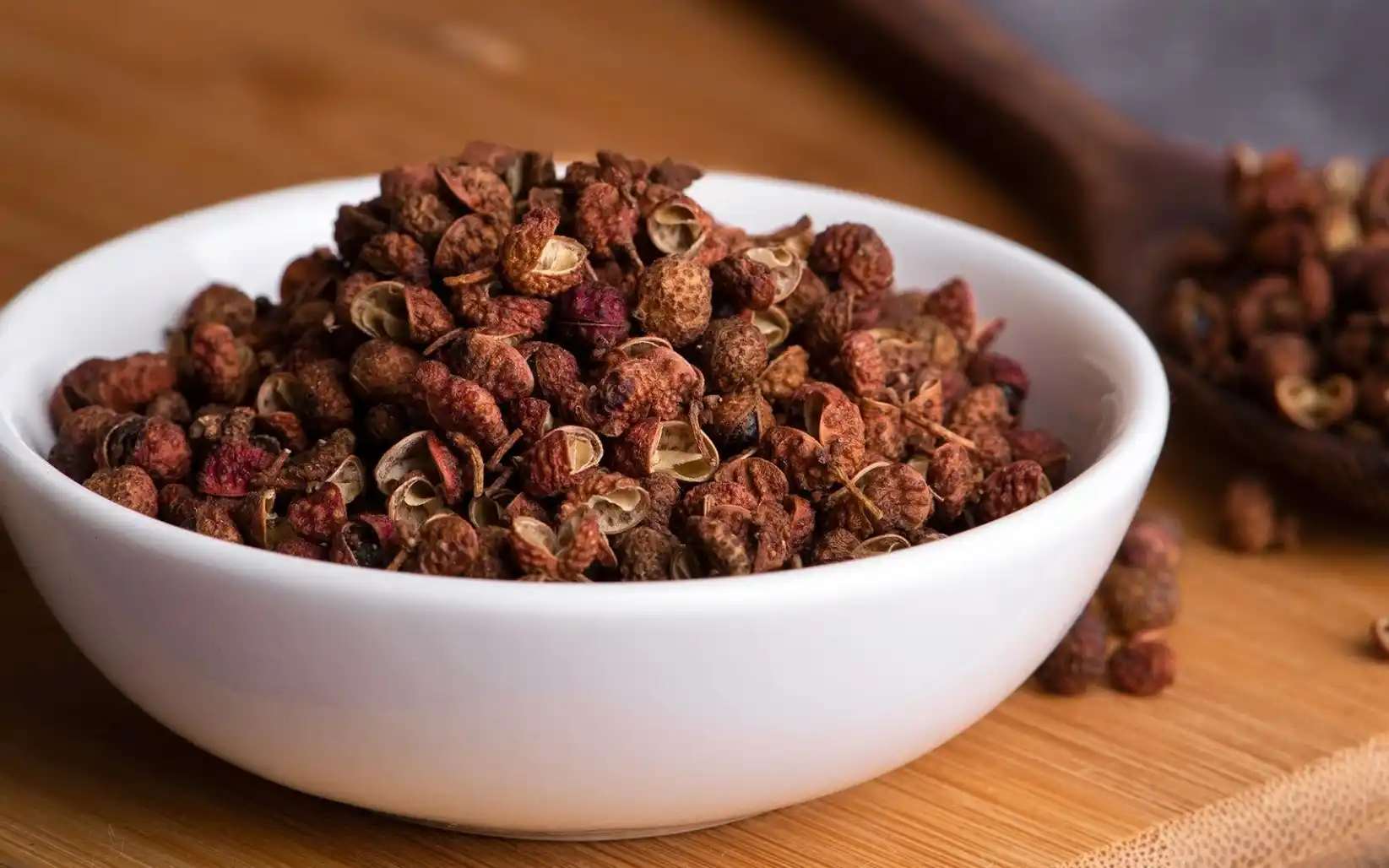
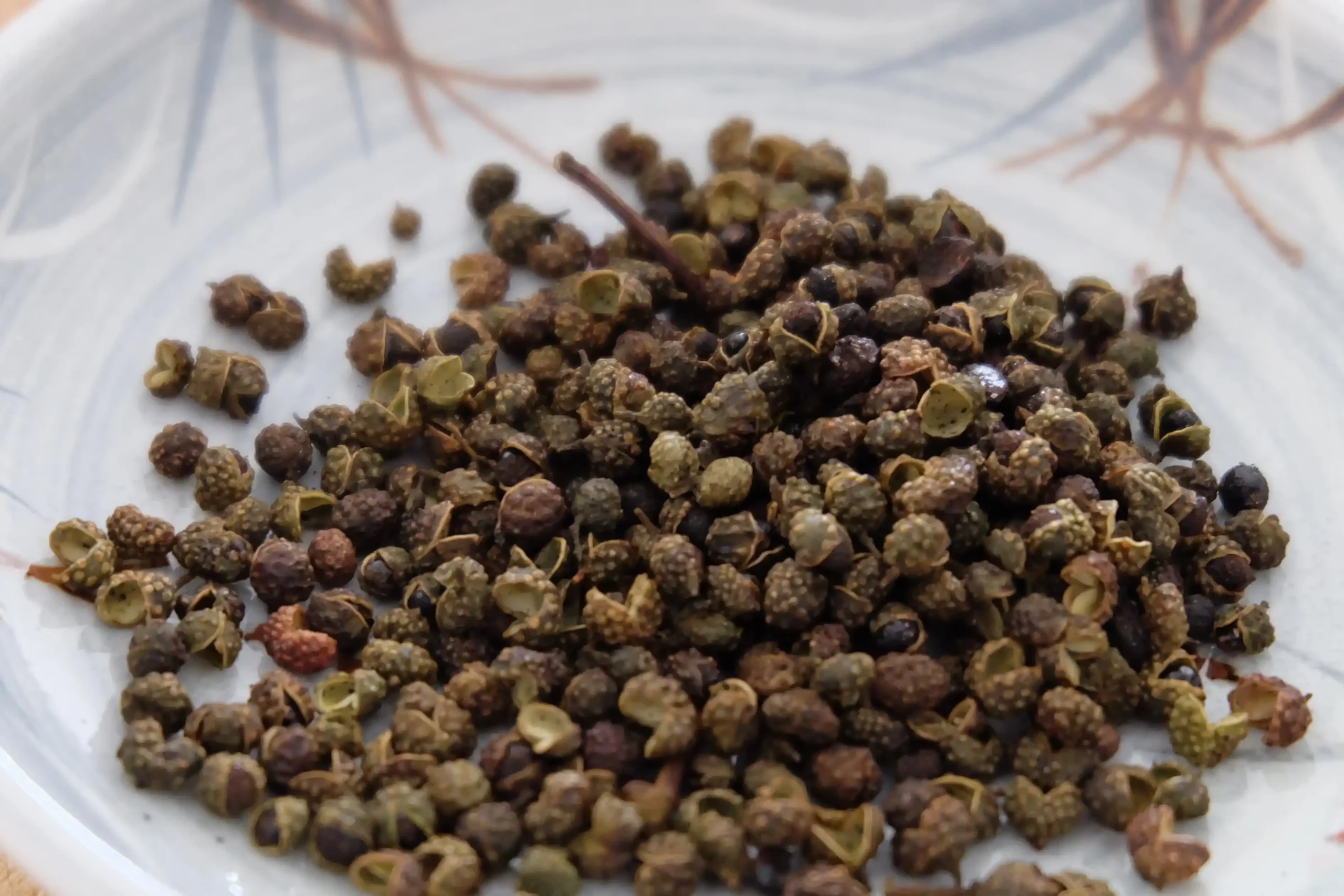
Sichuan pepper (hua jiao) comes from Zanthoxylum species, not from Piper. It belongs to the citrus family, which already hints at its lemon-like top notes.
In TCM categories, hua jiao is a warm interior herb that can:
Warm the middle and relieve Cold pain.
Dry Dampness.
Kill parasites and stop itching.
So yes, it lives in hotpot, but it also lives in prescriptions and folk formulas for cold abdominal pain, chronic diarrhea, certain skin issues.
Sanshool, Trigeminal Nerve and the “Buzzing” Mouthfeel
The famous tingling from Sichuan pepper comes mainly from hydroxy-alpha-sanshool. It doesn’t burn like chili. It kind of vibrates.
Sensory and neuroscience work shows:
Sanshool acts on specific nerve channels linked to the trigeminal system.
People feel a “buzz” around the lips and tongue, roughly like a tiny 50 Hz vibration.
This sensation is separate from normal taste; it is more like touch plus mild electricity.
For product designers this is gold. Hua jiao gives you:
A way to build mala and complex mouthfeel.
A sensory tool to make low-salt food still feel intense.
A warm-interior functional story on top of the flavor story.
Normal-temp, cool, and controlled-atmosphere warehouses.
Third-party COA capability on request.
Around 2500 tons yearly capacity, still flexible enough for small pilot runs.
For buyers this solves a few classic pain points:
No more “every batch is a surprise” on VO and micro.
Clear sulfur-free or low-sulfur status.
Same cut spec from 1 kg sample to pallet.
One vendor for raw herbs, spices, tea-bag cut and also herbal enzyme drink inputs.
On the front end, main clients include pharma companies, supplement manufacturers, functional drink brands, TCM hospitals, cosmetic raw-material buyers, distributors and local retailers. The same pepper can flow into tablets, enzyme drinks, mala seasoning and even cosmetic scrubs if you really want.
Typical OEM / ODM Scenarios with Pepper Spices
A few very common patterns we see in the market:
Chinese herbal tea bags – low-dose black or white pepper in warming teas with ginger, jujube, goji, chen pi. GuoCao provides the tea-bag cut and blend under Chinese herbal tea bags OEM, you only plug in your brand and outer pack.
Herbal enzyme drinks – peppers as minor ingredients in herbal enzymes to add warmth, circulation support and a light kick to what would otherwise be a sweet or flat drink.
Digestive capsules or tablets – Piper nigrum extracts supporting other MFH herbs like dang shen, bai zhu, fu ling (all available in slices at GuoCao) so you can keep dose small but still feel effect.
Seasoning sachets and hotpot base – hua jiao plus black pepper to hit both tingling and straight heat; white pepper when you need a clean soup base version for hospital kitchens or elderly care menus.
Because GuoCao handles both TCM slices and spice-grade products, you don’t need to split vendors when you move from herbal formula to kitchen-friendly SKUs like soup packs, instant mala noodles, or RTD tonics.
How to Choose Black Pepper, White Pepper or Sichuan Pepper for Your Product
A simple decision tree you can use tomorrow:
Pick black pepper when you:
Want clear, bold spice and visible specks.
Need piperine support for absorption or metabolic stories.
Work on capsules, mala bases, high-impact seasonings.
Pick white pepper when you:
Need warmth but a clean visual (soups, congee, light drinks).
Design products for people who dislike strong smoky aroma.
Work with hospital, elderly, or kids menus where color and taste must stay soft.
Pick Sichuan pepper (hua jiao) when you:
Want tingling trigeminal sensation and real mala feeling.
Need a hook to cut oiliness in hotpot, snacks, or fatty meat dishes.
Want to tell a TCM story of warming the middle and moving Dampness while giving a unique mouthfeel.
In the end, black pepper, white pepper and Sichuan pepper are not just three jars on a shelf. They are MFH-level Chinese medicinal materials with real pharmacology behind them, living inside a global GMP supply chain. When you line up TCM theory, modern data and serious QC, these humble spices become a very solid tool kit for warm-interior, digestive and sensory-rich products that your customers actually enjoy every single day.
Source notes for you only (delete before publishing)
These are background references I used while writing. You can keep them for internal checking and just remove this block when you post the article:
Reviews on Piper nigrum (black and white pepper) pharmacology, piperine, antioxidant and metabolic effects.
Reviews on MFH (medicine–food homology) and classification of warm interior spices like pepper and hua jiao.
Studies on Zanthoxylum, hua jiao, sanshool, trigeminal sensations and tingling mouthfeel.
TCM descriptions of hei hu jiao, bai hu jiao, hua jiao in wen li lei, including actions like warming middle, drying Dampness, killing parasites.
GuoCao site pages for herbs and spices portfolio, black pepper, white pepper, hua jiao, herbal tea bags, herbal enzymes, wholesale supplier info.
Our low MOQ of 1 kg (2.2 lb) makes it easy to order Chinese herbal slices or wholesale Chinese medicine herbs. Private-label and bilingual labeling are also available.
Delivery Cycle & Support
We have a fast 7-day lead time. We provide free samples, COA reports, and technical support to help you bring high-quality bulk Chinese herbs to market.
Quality & Certifications
Our products are manufactured in a GMP-certified facility and meet ISO22000 standards. All Chinese herbs are third-party tested for heavy metals, pesticides, and microorganisms.