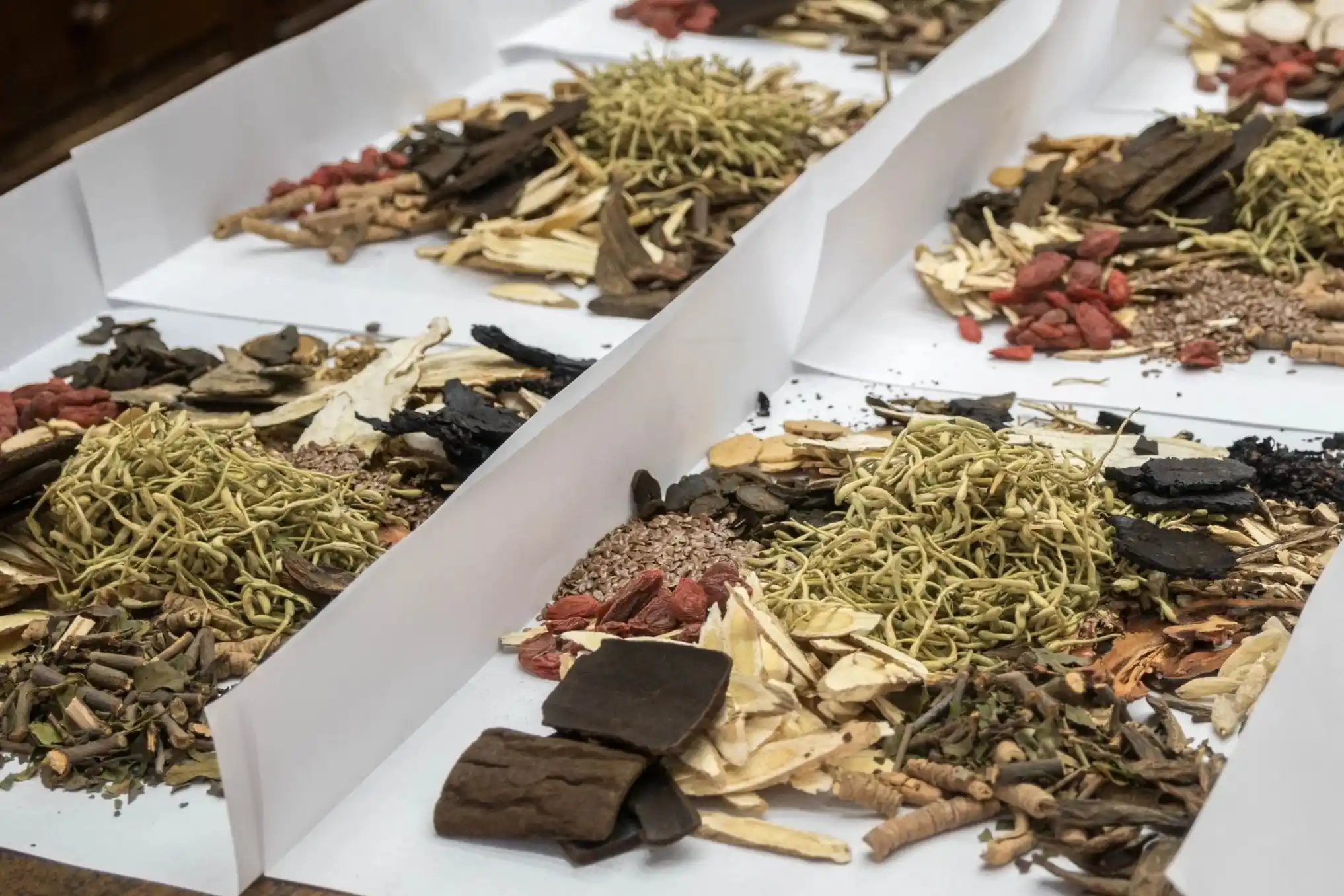
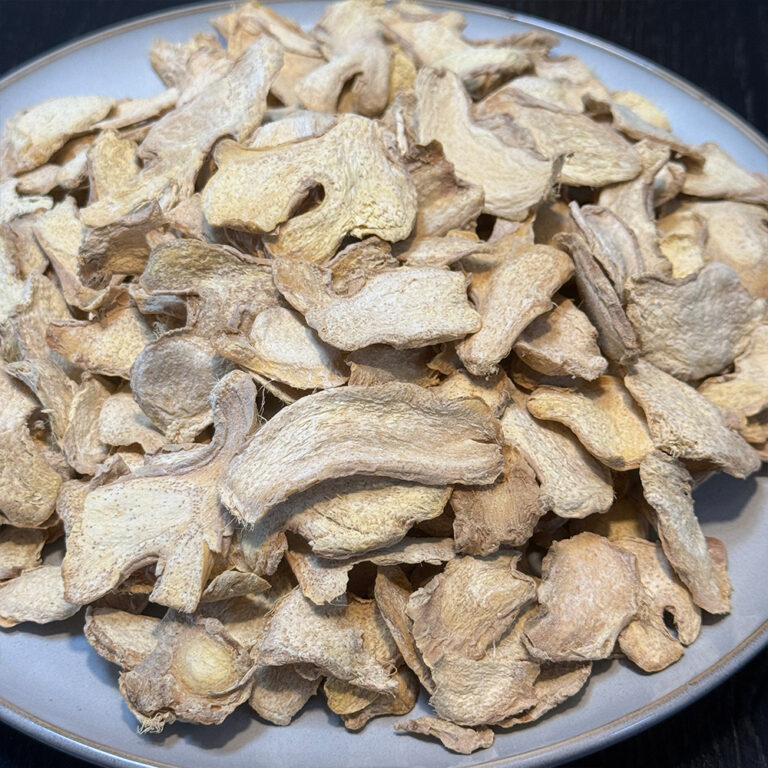
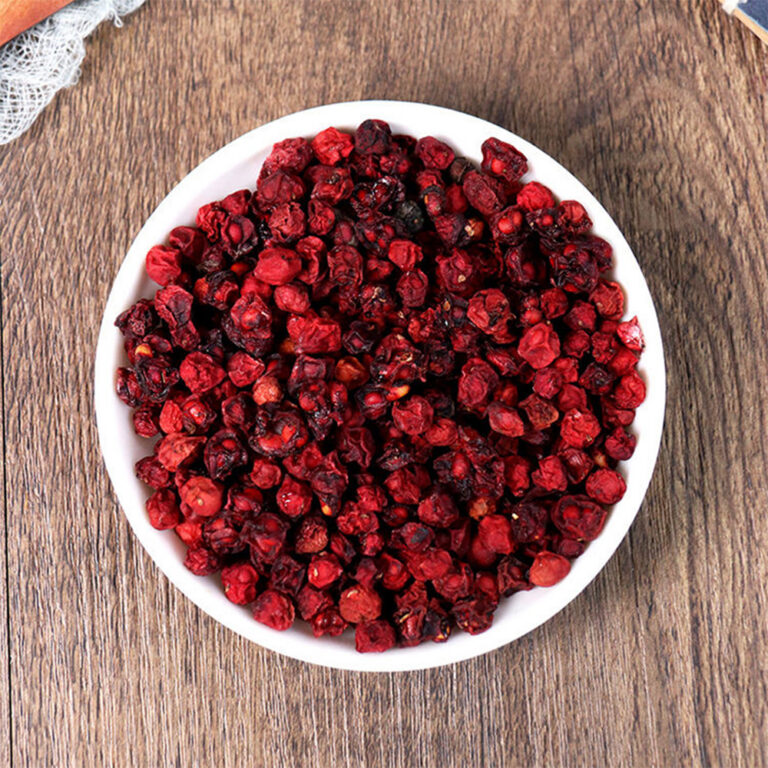
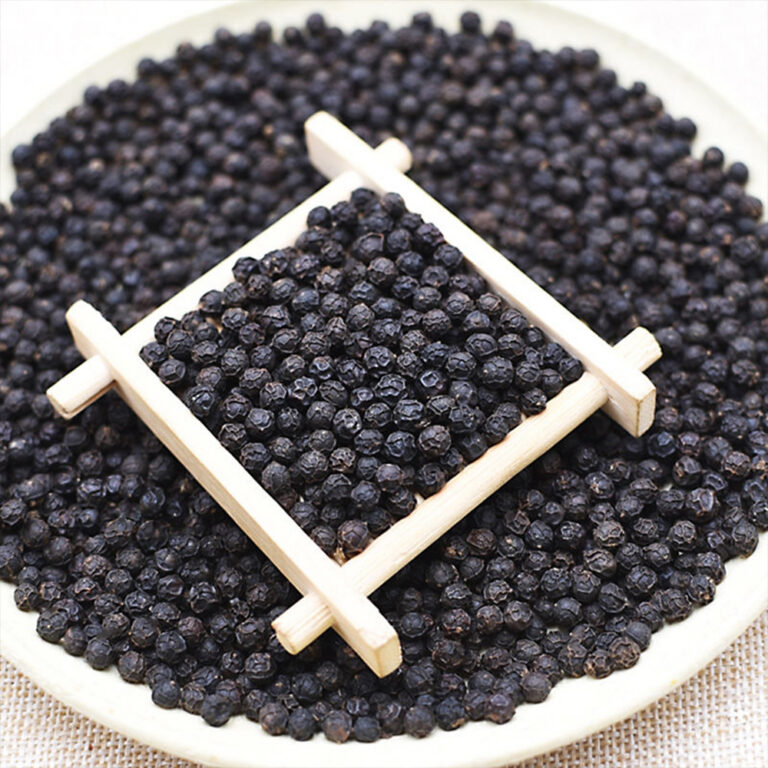
You’re seeing three big buyers pull from the same Chinese supply pool—but for different SKUs, different rules, and different risk tolerances. Let’s keep it simple, real, and useful for purchasing and QA. I’ll talk in HS codes, importer pain points (FSVP, PCQI, DWPE, ANVISA dossier, FSSAI MRL), cut sizes, micro limits, and the docs that actually get you cleared. GuoCao shows up where it helps, not as noise.
These HS codes do the heavy lifting for Chinese medicinals/spices in the three markets.
Market
HS Code
Product scope
From China (USD)
From China (KG)
United States
121190
Other plants/parts for perfumery, pharmacy (many TCM botanicals)
~26.95M
~3,763,840
Brazil
090910
Seeds of anise or badian (star anise)
~0.846M
~163,420
India
090610
Cinnamon/cassia, whole (not crushed/ground)
~1.50M
~1,300,500
Read it fast: HS 121190 is the U.S. “TCM botanicals and tea-cut” workhorse. HS 090910 drives Brazil’s aroma/flavor lines. HS 090610 stays constant in India’s masala and FMCG blends. China isn’t always the #1 by value, but it’s a sticky, top-tier source when you need origin-true TCM items, specific cut sizes, or a certain oil profile.
United States — HS 121190 demand meets FSVP + Part 117
U.S. keyword set: FSVP, Part 117 (PCHF), PCQI, DWPE
FSVP: importers must verify foreign suppliers. They ask suppliers for hazard analyses, verification procedures, and a clean UFI (DUNS) trail. Make your document pack FSVP-ready from day one.
Part 117: buyers want a PCQI-signed food-safety plan covering hazards like pesticides, mycotoxins, heavy metals, Salmonella in spices, and physical hazards.
DWPE (Detention Without Physical Examination): if your category has alerts, importers go nervous. Prevention beats petitions. Align test methods to what inspectors actually cite.
How this plays in real life: U.S. tea packers, tincture houses, and supplement co-packers now open with lab talk, not price chatter. They want a tight COA panel (pesticides to U.S. tolerances, metals, micro), supplier audit evidence, and label claims they can defend. They also like clear batch genealogy because traceability is not a “nice-to-have” anymore.
GuoCao fit: Your ISO 22000 and GMP lines map cleanly to PCQI language. Offer an “FSVP-ready zip”—spec, COA, HACCP/PCQI summary, sanitation SOP, allergen/ETO statements, macro/micro ID, and label mockups. Don’t bury the lead—name the files well. For U.S. botanicals in HS 121190, point buyers to Dried Spices plus category pages like Roots & Rhizome and Flower & Whole Herbs.
Brazil — HS 090910 star anise + ANVISA dossier culture
Brazil keyword set: ANVISA RDC 26/2014, IN 04/2014, droga vegetal, fitoterápicos
Brazil buys star anise from multiple sources. China’s share is meaningful but not dominant, and buyers lean on paperwork confidence: identity, macro/micro features, volatile oil %, foreign matter, moisture, pesticide panel aligned with Brazilian pharmacopeia norms. Also, license proofs and Portuguese labeling details make reviews faster.
What actually works: Send a one-folder “ANVISA pack” per lot:
Botanical identity (macro/micro photos or cert sheet)
Pesticide residues (method + LOQs stated), heavy metals, micro (TPC, YM, E. coli, Salmonella)
Moisture, foreign matter, ash
Manufacturer licenses and a short Portuguese cover page
GuoCao fit: For Brazil spice and tea blenders, highlight whole star anise with low broken ratio, consistent oil profile, and clean presentation. If they also do peppery blends or mala snacks, point to Sichuan Pepper (Hua Jiao). Keep photos crisp; yes, macro shots literally reduce email back-and-forth.
India — HS 090610 cassia/cinnamon + FSSAI MRL default
India is the world’s biggest buyer of HS 090610. Much volume still comes from Vietnam/Indonesia/Sri Lanka, but Chinese cassia fills real gaps—cut size, flavor target, and batch consistency. Since 2024, many buyers ask for ETO-free statements and wider pesticide screens. Lab notes go first; stories go second.
What gets you onboarded:
Residue strategy one-pager: what you test, which methods, and LOQs.
ETO policy: do you sterilize or not; if yes, what validation do you show; if no, give the letter.
Cassia spec clarity: quills vs. flat, thickness, moisture target, essential oil %, coumarin awareness for export SKUs.
GuoCao fit: Send Cinnamon Bark (Rou Gui) with two cut options and a clean pesticide/micro panel. Add photos of cross-section and quill length. Small details, big trust.
Buyer behavior: three clear shifts
1) “Spec-first” buying
Lab panels, ID, and sanitation plans beat marketing copy. It’s not fancy—just fast. Teams dont want surprises at port, or after. They ask for COAs up front and move on if you can’t show them.
2) Split sourcing with China as top-up or specialty
Brazil spreads star anise risk across regions. India balances flavor and cost with multiple origins, then tops up from China to hit a spec. The U.S. stays diversified but still turns to China for origin-true TCM inputs under HS 121190. The common thread: predictable quality + ready paperwork.
3) Documentation UX = sales edge
Short filenames. English labels. One PDF index at root. Little stuff, huge effect. Review cycles shrink when QA can read the bundle without guessing. Kinda obvious… but it wins.
SKU & cut suggestions by scenario
Tea-cut / decoction slices(HS 121190) for U.S. herbal tea and TCM clinics: slice thickness in mm, water extract ratio notes, moisture and ash targets, optional 20–40 mesh powder for blends.
Whole star anise(HS 090910) for Brazil: intact stars, oil %, <10% broken target, foreign matter < spec; keep moisture controlled to avoid mold talk.
Cassia bark(HS 090610) for India: quills vs. flat bark, stable essential oil, moisture control; offer standardized lots for FMCG spice blends.
Sichuan pepper(Zanthoxylum) for Brazil/U.S.: species clarity, husk-to-seed ratio, aroma retention; useful in mala snacks and hot-pot base. Point to Sichuan Pepper.
Ship an FSVP-ready pack: spec + COA (pesticides/metals/micro), HACCP/PCQI summary, sanitation SOPs, allergen/ETO letters, lot genealogy
Brazil
ANVISA RDC 26/2014, IN 04/2014
droga vegetal ID, macro/micro, residues, micro, foreign matter, moisture, licenses
One ANVISA zip per lot, with Portuguese cover page and monograph-style tests
India
FSSAI default MRL 0.1 mg/kg, ETO-free
broader pesticide screen and ETO statements; Codex-aligned panels
Residue strategy sheet + COAs; cassia spec clarity; photos; option for third-party sampling before ship
Mini playbooks
U.S. playbook — “FSVP-ready in 3 emails”
Send the FSVP pack upfront. 2) Offer a PCQI call for ten minutes only. 3) Confirm label claims and botanical names exactly as they want. Short, sharp, done.
Brazil playbook — “ANVISA loves tidy files”
Make one monograph-style dossier per lot. Photos help. Portuguese cover sheet helps more. Micro and pesticide tables must be readable—no fuzzy scans, please.
India playbook — “Lab first, price second”
Lead with residue strategy, then cassia spec and cut options. Add an ETO-free letter or sterilization validation. Keep it single-page first, deep pack on request.
Product discovery paths
Want bark SKUs for blends or decoctions? Start at Barks.
Document UX: FSVP pack (U.S.), ANVISA pack (Brazil), FSSAI/Codex pack (India). Same folder structure, every time. Your QA will thank you.
Coverage: products shipped to 30+ countries. Medical groups, supplement makers, beverage brands, cosmetic raw-material teams, and distributors. We serve big wholesalers, bulk buyers, spice traders, pharmacies, hospitals, and local retailers too.
Final takeaways
HS 121190 keeps a stable niche for Chinese medicinal botanicals in the U.S.
HS 090910 in Brazil and HS 090610 in India show split-origin buying where China is an important, spec-driven source.
Buyers care about FSVP/Part 117, ANVISA dossier, and FSSAI MRL 0.1 mg/kg. Lead with labs and identity.
Documentation UX is a competitive weapon—sorry, tool. Keep it neat, fast to read, and consistent.
If you need slices, barks, seeds, flowers, or rhizomes, start here: Homepage → Dried Spices → categories and SKUs.
Our low MOQ of 1 kg (2.2 lb) makes it easy to order Chinese herbal slices or wholesale Chinese medicine herbs. Private-label and bilingual labeling are also available.
Delivery Cycle & Support
We have a fast 7-day lead time. We provide free samples, COA reports, and technical support to help you bring high-quality bulk Chinese herbs to market.
Quality & Certifications
Our products are manufactured in a GMP-certified facility and meet ISO22000 standards. All Chinese herbs are third-party tested for heavy metals, pesticides, and microorganisms.