When you sell wellness products, you don’t only sell “one SKU”. Most buyers today want a Chinese herbal tea bag for daily drink and a stronger herbal enzyme shot for more direct support. If you use one factory for tea bags and another one for enzyme drinks, your team ends up doing double work on the same herbs.
That’s where a one-stop herbal factory like GuoCao makes more sense. GuoCao runs GMP Chinese herbal slices, Chinese herbal tea bags OEM, and herbal enzyme drinks in one system, and exports to 30+ countries. Year capacity is around 2,500 tons of herbs, so the factory is not only a small workshop.
Below we walk through why sourcing both herbal tea bags and enzyme drinks from one Chinese herbal factory brings real synergy, not just a nice slogan.
Chinese Herbal Tea Bags OEM and Herbal Enzyme Drinks ODM Overview
Let’s start from the product side.
On the tea side, GuoCao offers:
Women’s wellness herbal tea bags, sleep and relaxation tea, gout relief formulas and other TCM-style blends.
Private label tea bags with your brand, in filter or pyramid bags, with outer envelope if you need.
OEM/ODM support for pharmacy chains, supplement brands, hospitals and distributors.
On the enzyme drink side, GuoCao produces:
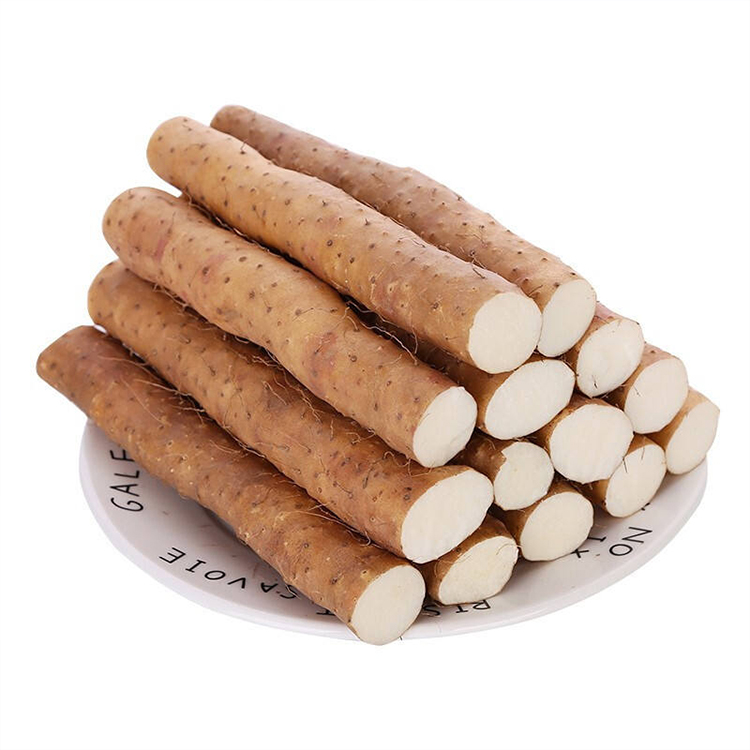
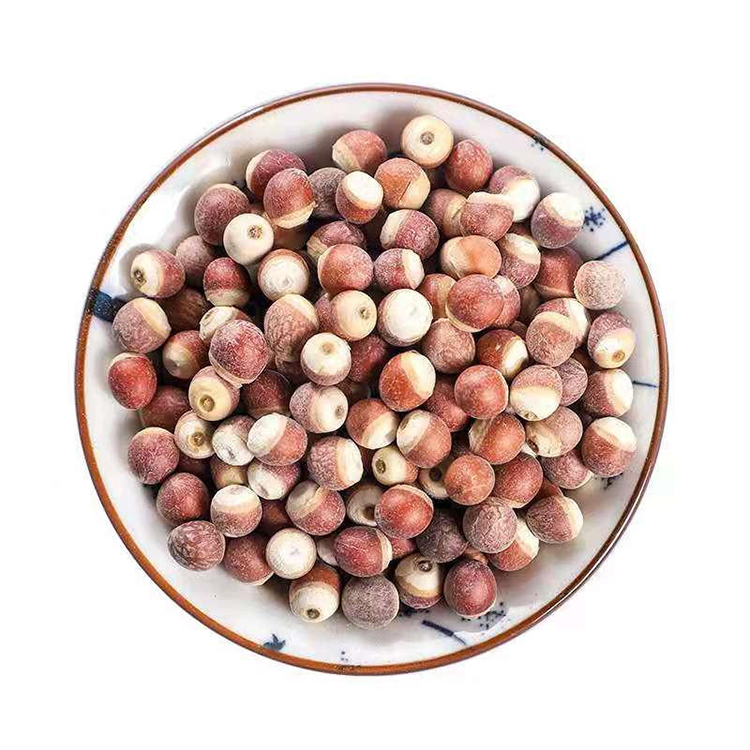
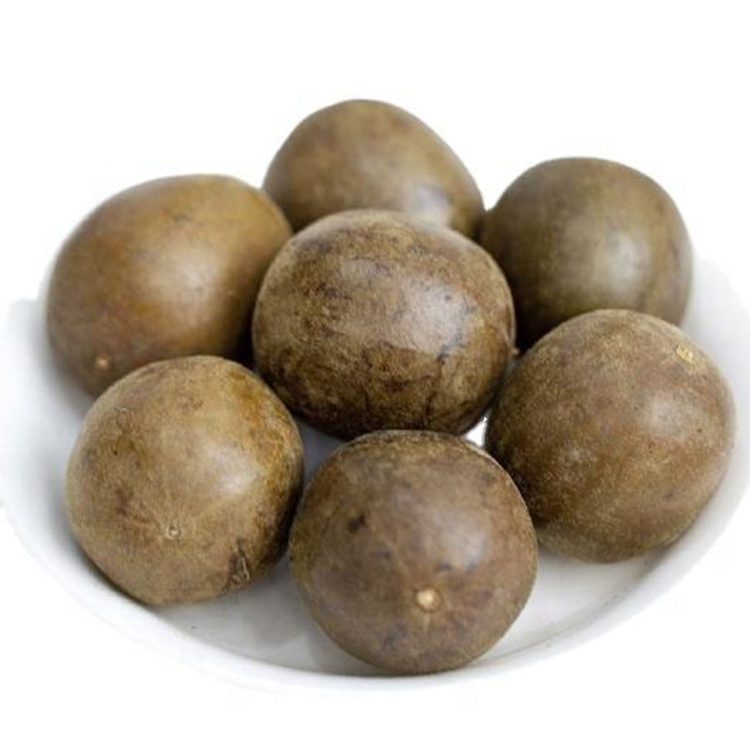
50 ml herbal enzyme shots based on Job’s Tears, Kudzu root, Cistanche, Gastrodia, wheat-based formulas and so on.
Postbiotic fermented drinks made from the same Chinese herbs and fungi strains you already know from TCM.
Custom formulas for digestion, metabolism, joint comfort, women’s health, sleep support and other scenes.
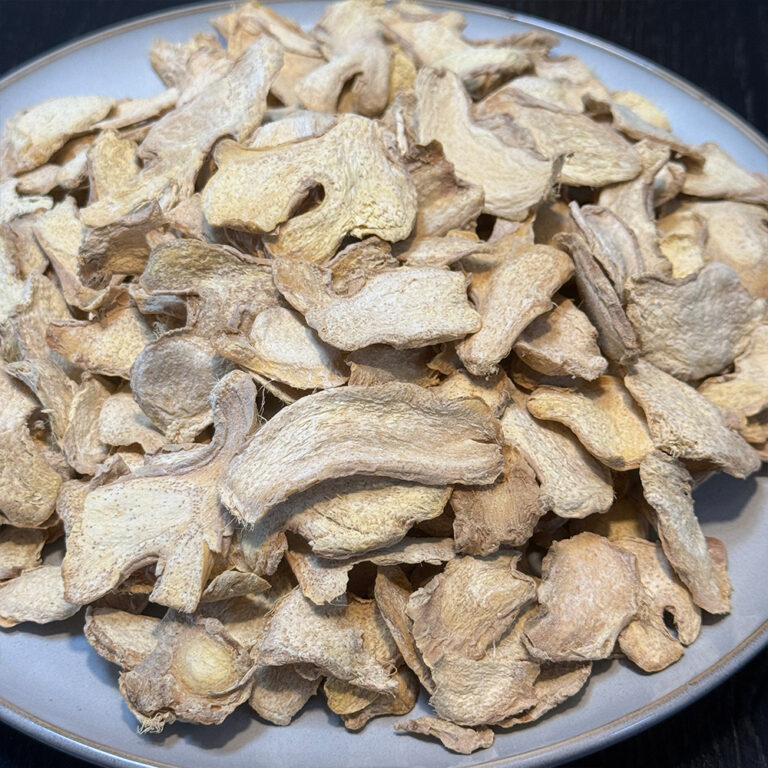
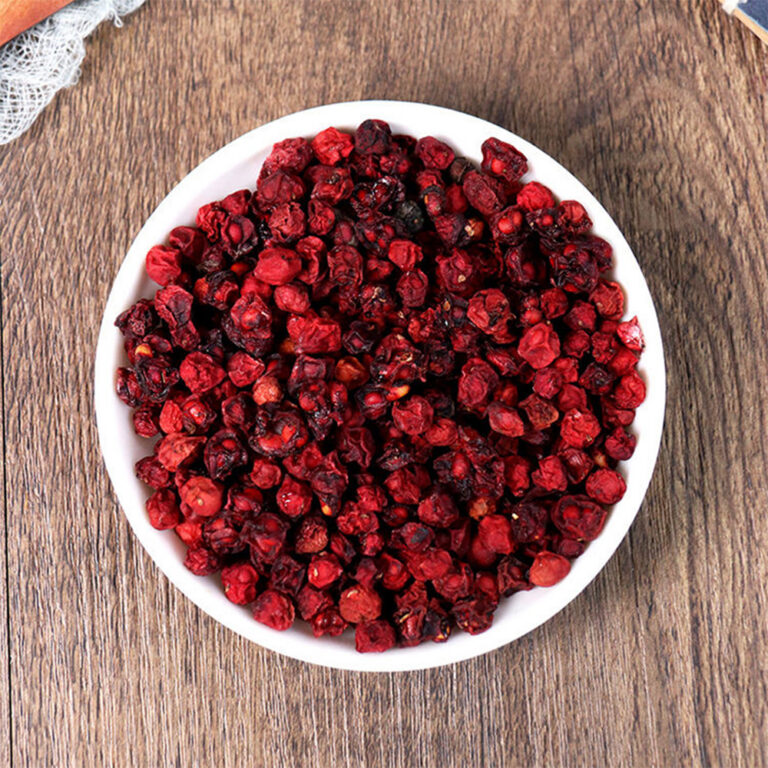
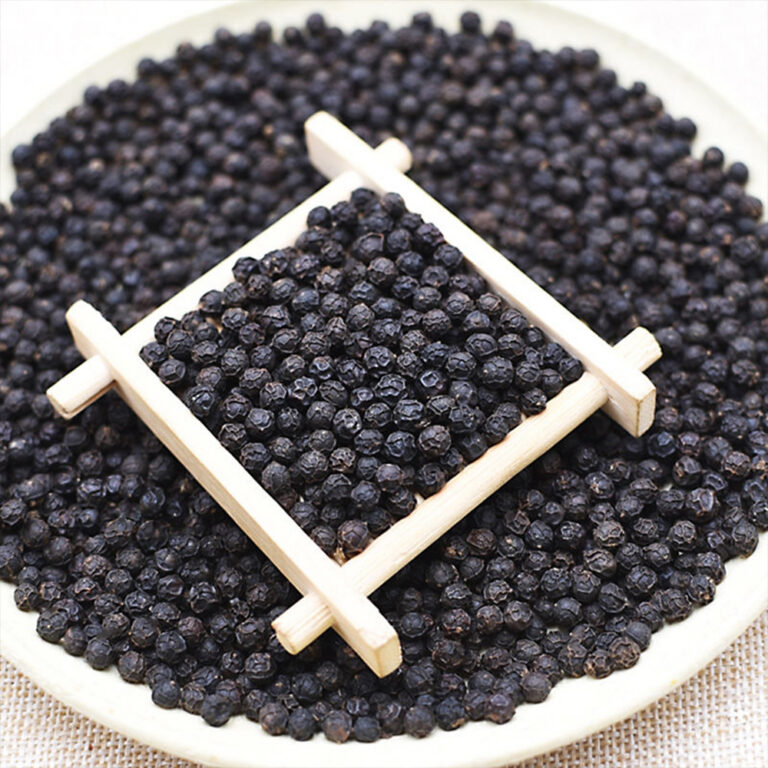
Both formats use the same backbone: Chinese medicinal herbs and spices from categories like roots & rhizomes, fruits & seeds, flowers & whole herbs, barks, plus animal and mineral ingredients when needed.
GMP Chinese Herbal Factory with ISO 22000 and COA Testing
Now look at the back end.
GuoCao works as a GMP herbal manufacturer with:
Dedicated production lines for Chinese herbal slices and herbal tea cuts.
Warehouses for normal temperature, cool storage and modified atmosphere storage.
ISO 22000 food safety system plus internal QA team.
Third-party COA testing for heavy metals, pesticide residue and microbiology.
So tea bags and enzyme drinks don’t sit in two separate quality systems. They share:
The same SOPs for cleaning, cutting, sieving and packing herbs.
The same sampling rules, specification sheets, and COA formats.
The same risk assessments under ISO and HACCP logic.
For pharmaceutical clients, hospital buyers or dietary supplement factories, this is a big thing. Your QA team only needs to understand one documentation style. When there is a deviation, there is one CAPA system instead of two.
Honestly, the grammar in some technical sheets might not be perfect. But the traceability and logic is what auditors care most, and that is exactly where a one-factory model shines.
Synergy in Raw Material Sourcing for Chinese Medicinal Herbs and Enzyme Drinks
Cinnamon bark, clove, star anise and other spices.
GuoCao keeps these in one large pool as Chinese herbs and spices. From that pool, the factory can:
Cut and sift for tea bag grade.
Keep bigger slices for decoction or extraction.
Use powdered or whole form for fermentation and enzyme drinks.
You don’t open a second supplier file and a second farm network just to feed your beverages. You use one ingredient spec for both tea and enzyme drink.
From purchasing view this means:
One set of CQA parameters for each herb (moisture, ash, mesh size, active marker, etc.).
One negotiation about harvest time and drying method.
One stability plan for storage conditions.
Less fragmentation, more control.
One-Stop OEM/ODM Supply Chain for Herbal Tea Bags and Enzyme Beverages
The second synergy is in the supply chain and paperwork.
When you keep tea bags and enzyme drinks in different factories, you also split:
NDAs and contracts.
Vendor qualification files.
Audit schedules and follow-up visits.
Label review, packaging specs, pallet patterns, and so on.
With GuoCao as one-stop OEM/ODM partner, it looks more like this:
One supplier code in your ERP.
One vendor manual.
One base contract, then different appendices for tea bags and enzyme drinks.
A quick comparison helps.
Table – Two Factories vs One GuoCao Factory
Topic
Two separate suppliers
One GuoCao supplier
Impact
Vendor setup
Two sets of onboarding, banking, NDAs
One onboarding, one legal stack
Your legal & finance teams breath easier.
Audits
Two GMP / ISO visits, two reports
One combined audit for herbs, tea, enzyme
Less travel, less audit fatigue.
Quality docs
Different COA templates, checklists
Same COA style, same QA language
Faster release and fewer misunderstandings.
Forecasting
Split forecast by factory
One integrated forecast for all herbs
Better capacity planning and less stock stress.
Issue handling
Blame game between two plants
One CAPA flow for root-cause
Faster fix when something go wrong.
This kind of setup is not perfect, but it work better than juggling many small partners.
Product Development Synergy: From Herbal Tea Formula to Enzyme Drink
Third synergy sits in R&D and product pipeline.
A normal launch path with GuoCao can look like this:
You start with a TCM idea, for example: “clear heat and support throat”, or “women’s monthly comfort”.
You pick herbs from the Chinese herbs and spices catalog and discuss ratio, taste and brewing behavior with the team.
GuoCao helps you build a Chinese herbal tea bag formula with that logic.
After the tea bag is moving, you use similar herbs to create a herbal enzyme drink with fermentation or enzymatic process for a stronger positioning.
Because both formulas stay inside the same factory, you reuse:
Herb validation data and COAs.
Taste and aroma knowledge (some herbs foam, some go bitter very fast).
Extraction and fermentation know-how.
You can build whole product families, for example:
“Clinic bundle”: TCM tea register for hospital + enzyme shot for retail channel.
No imaginary story here. These are typical scenes when your marketing team want full-line coverage. R&D works faster when they only need to speak with one technical team.
Logistics, MOQ and Lead Time for Global Chinese Herbal Exports
The next synergy is quite boring but important: logistics and MOQ.
GuoCao sells bulk herbs, tea bags and drinks to clients in North America, Europe, Australia, Japan, Korea, Southeast Asia and more. That means they already manage:
Export documents for different regions.
Label rules for food, dietary supplement and traditional medicine.
Different shipping modes and Incoterms.
For you, one factory means:
You can load one container with herbal slices, tea bags and enzyme shots.
You negotiate MOQ on herb level, not per plant.
You plan one lead time structure, instead of two conflicting calendars.
The factory’s year capacity of about 2,500 tons of herbs gives enough room to combine many SKUs in one shipment, without pushing your warehouse to overflow. If a particular tea bag is slow, the herb can still go into other formulas, including enzyme drinks, instead of dying in a corner.
This is how you reduce dead stock risk without doing any fancy math.
Quality and Compliance Consistency for Hospitals and Supplement Brands
Many GuoCao clients are not just webshops. They include:
Pharmaceutical companies.
Dietary supplement factories.
Hospitals and TCM clinics.
Functional beverage brands and nutraceutical companies.
These customers are sensitive to compliance. For them, the benefit of one factory is:
Same ISO 22000 and HACCP logic for all formats.
Clear separation lines for animal/mineral vs plant material, documented in one system.
Shared training for operators, instead of random mixing of practices.
Your regulatory team doesn’t need to keep two completely different playbooks for herbs and enzyme drinks. When legislation changes, you update once with GuoCao and roll that change to all product types.
This kind of consistent quality culture is hard to keep when every product sits in a different site.
Brand Story and Commercial Value of One Chinese Herbal Partner
On the marketing side, one-factory sourcing gives you a very clean story:
One origin of herbs.
One set of farmers and processing rules.
One “roots to ready-to-drink” chain under GuoCao.
You can show pictures from herb receiving, slicing, blending, tea bag packing and enzyme bottling, all from the same site. No need to pretend. This support your claim of traceable Chinese medicinal herbs and “single-source quality control”.
Also, your sales team can use GuoCao as a flexible platform:
Sell bulk herbs to B2B buyers.
Sell private label tea bags to retail chains.
Sell herbal enzyme drinks to functional beverage channels.
All with compatible formulas, so cross-selling becomes much easier. That is real commercial value, not just cost cutting.
Practical Steps to Use GuoCao as One-Factory Partner
If you want to test this model, you can walk it step by step:
With this path, you don’t have to move all products at once. You can start with herbs, add tea, then roll in enzyme drinks when you see traction. But all along, you stay with one factory, one team, one logic.
Our low MOQ of 1 kg (2.2 lb) makes it easy to order Chinese herbal slices or wholesale Chinese medicine herbs. Private-label and bilingual labeling are also available.
Delivery Cycle & Support
We have a fast 7-day lead time. We provide free samples, COA reports, and technical support to help you bring high-quality bulk Chinese herbs to market.
Quality & Certifications
Our products are manufactured in a GMP-certified facility and meet ISO22000 standards. All Chinese herbs are third-party tested for heavy metals, pesticides, and microorganisms.