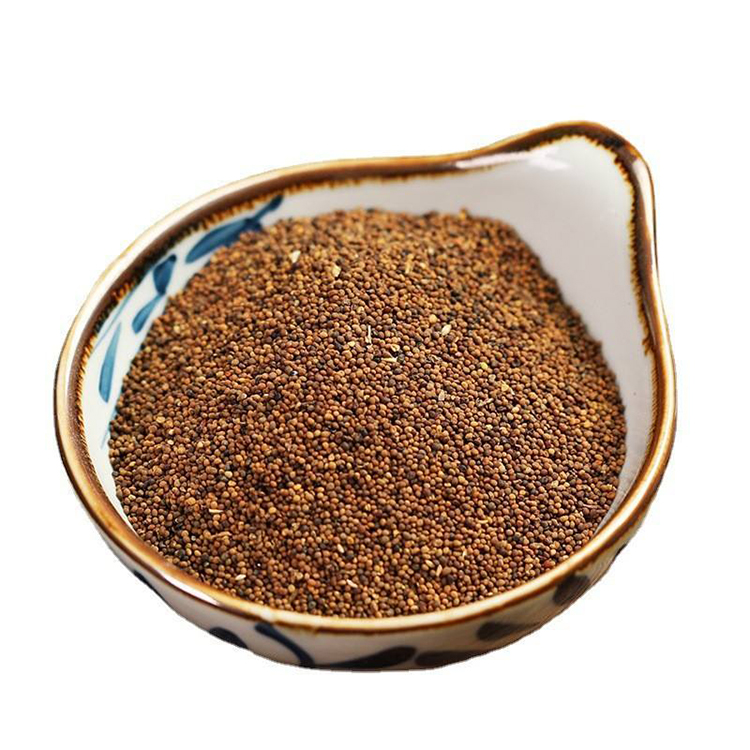
You don’t buy herbs by the jar. You buy pallets, tote bags, sometimes containers. You care about specs, stability, and zero drama at customs. This guide speaks in plain ops language and shows how B2B teams source bulk botanicals—especially Animal and Mineral items—without quality slips or compliance surprises. I’ll ground it with real product pages from GuoCao and keep the structure flexible, not stiff.
Market outlook for botanicals (procurement planning keyword)
The demand curve for botanicals keeps rising into the 2030s. More nutraceuticals, TCM, functional beverages, and personal care brands means more pull on raw materials. Translation for buyers: earlier POs, tighter specs, and a backup supplier per key SKU. No weird hype, just steady volume growth across categories.
Why it matters to you:
Long-lead items need calendarized forecasts.
Quality variance widens when supply tightens; lock test methods up front.
Transport lanes swing; treat shipping terms like a lever, not an afterthought.
21 CFR Part 111 CGMP for dietary supplements (regulatory compliance keyword)
If you ship into the U.S., 21 CFR Part 111 sits at the center. It covers facilities, sanitation, master manufacturing records (MMR), batch records, labeling control, and quality systems. Not a box-tick, it’s the baseline for release decisions.
Buyer-side checklist (short and sharp):
Control
What to ask
Pass rule
Quality system
Named QA lead, training logs, sanitation SOPs
Roles separated from production; documents current
MMR / Batch records
One redacted MMR + two closed batches
Specs met; deviations show CAPA trail
Receiving & ID
Lot ID, quarantine, status tags
End-to-end traceable, easy to audit
Label control
Label specs, revision history
Label, COA, batch record align 1:1
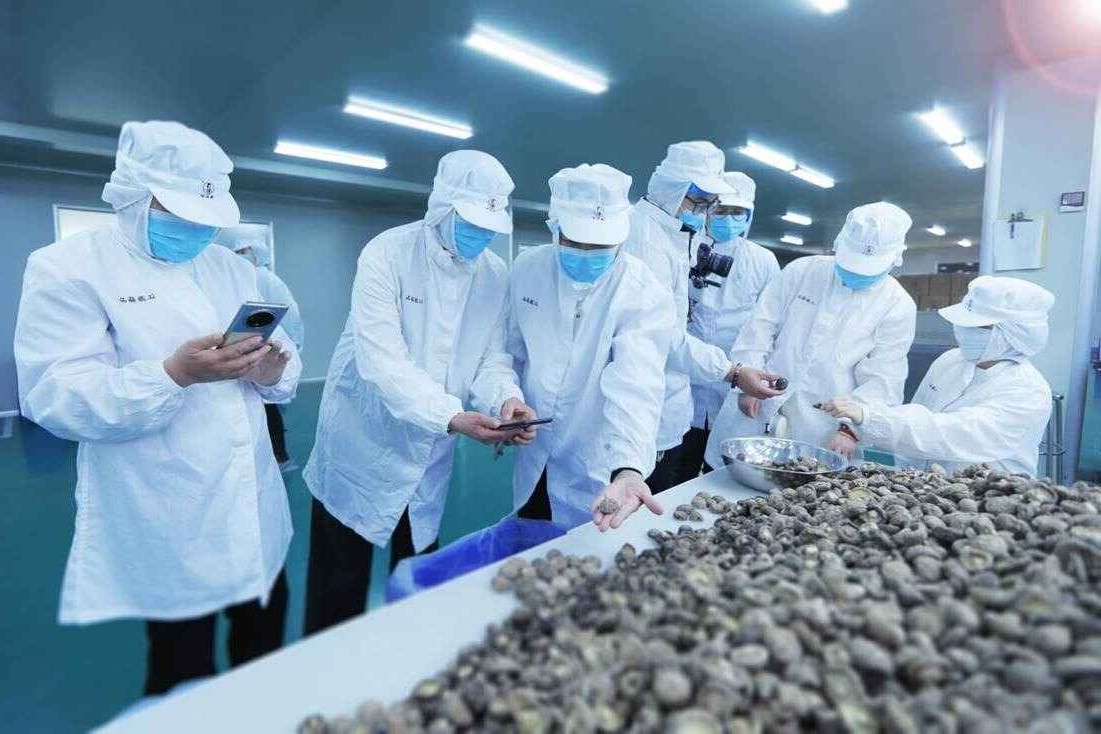
At GuoCao, we operate GMP TCM slicing lines and maintain batch-level traceability for export dossiers. Internal QA does the boring but critical work: spec alignment, label checks, and record integrity. Boring saves shipments.
ISO 22000 food safety management system (FSMS keyword)
ISO 22000 wraps HACCP into a formal system. For herbs, spices, and TCM slices, it proves you can consistently control food safety hazards. Your auditors like it, your co-packers like it, and it makes internal reviews less painful.
What procurement should verify:
Scope statement covers your product family.
Hazard analysis lists biological, chemical, and physical risks relevant to botanicals.
CCPs and monitoring are evidence-backed, not just “because we always did it.”
Management review minutes exist (and say more than two lines).
GuoCao runs ISO 22000 FSMS, COA by third-party labs, and ambient/cool/modified-atmosphere storage. That storage part really matters for volatiles and moisture-sensitive SKUs.
EMA traditional herbal medicinal products (THMPD keyword)
If you sell “herbal medicinal products” in the EU context, the simplified traditional use registration is still a real regulatory path with its own data needs. For B2B buyers, the practical move: check member-state registration status early, confirm label language rules, and line up pharmacopoeia references where relevant. Don’t do it last week before sailing—import control isn’t forgiving.
A large chunk of medicinal plants and resins are wild-collected. FairWild-style controls help ensure resource longevity and community income. For B2B buyers, the real world step is simple: ask for harvest plans, quotas, and trace evidence on wild lots. Put it into your supplier addendum so it sticks. Sustainability isn’t a slide, it’s a spec.
Incoterms EXW / FOB / CIF (trade terms keyword)
Incoterms decide who carries risk and who pays which bucket. In bulk herbs, this isn’t legal trivia; it’s margin protection and delay control.
Term
Seller handles
Buyer handles
When to pick
EXW
Hand-off at facility gate
Inland, export, main leg, insurance, import
You have strong forwarders and prefer lane control
FOB
Up to on-board vessel at port of loading
Ocean, insurance, import clearance
Balanced control; clear risk switch point
CIF
Ocean freight + insurance to named port
Import clearance and onward
You want a simpler landed path, still keep import steps
Your RFQ should always request at least two terms (e.g., FOB and CIF) for comparison. Don’t over-optimize on paper and then discover responsibility gaps mid-voyage.
Product scope: Animal and Mineral (category keyword + internal links)
Bulk botanicals isn’t just roots and leaves. Animal and mineral materials demand special ID, storage, and customer communication. GuoCao maintains dedicated handling and clear batch records for these lines. You can review real SKUs here:
Specs too vague → labs bounce samples Lock marker compounds and the ID method at RFQ. Don’t just write “HPLC.” Add column type, solvent system, and acceptance criteria. Your lab will thank you, your supplier too.
Wild lots variable → batch fails late Use two-step testing: quick in-house screen on arrival, full third-party COA before release. Put that in your SOP, not just in emails.
Label claims drift Treat labeling as a control point, not a graphic. Keep a label spec and revision history; reconcile label, COA, and batch record before print. It’s boring; it’s gold.
Docs arrive late SLA the paperwork: COA + packing list + invoice + HS code + country-of-origin cert dispatched before cargo hits the port gate. If docs lag, cargo wait. No rocket science here.
Shipping terms confusion Decide your default and stick to it. If your lane team is strong, EXW/FOB keeps control. If you want simpler coordination, CIF to your named port. Just be consistent.
Audit fatigue Ask for a data room: certs, SOP index, last audit close-outs, and sample batch record. One link, fewer emails. Sorry, I say “data room,” but a well-organized folder works, too.
Case-style snapshots from GuoCao SKUs (use scenarios keyword)
Not stories, just what real buyers actually do:
Resin blocks (e.g., Ru Xiang / Frankincense): buyers pin a per-lot marker range and a moisture window; we provide sealed samples and a small-batch pilot to validate grind size and dissolution behavior. Product ref: Frankincense (Ru Xiang) resin blocks
Fossil materials (Long Gu / Long Chi): clients check mineral ID, particle size after slicing/crushing, and heavy-metal profiles. We share slicing parameters and retain samples for re-test. Product refs: Dragon Bone (Long Gu) / Dragon Teeth (Long Chi)
Animal-derived lines (Shui Zhi / Hai Piao Xiao / Di Long / Ha Jie): teams focus on identity evidence, micro controls, and storage. We document handling steps and temperature/humidity logs, plus photo trace. Product refs: Leech (Shui Zhi), Cuttlefish Bone, Dried Earthworm (Di Long), Gecko (Ha Jie)
Packaging, storage, and stability (HACCP + warehousing keyword)
You can’t fix storage at the dock. Put it in the contract:
Packaging: food-grade bags or drums, tamper-evident seals, clear lot and production date.
Stability: shelf-life assumptions backed by real observation (and we keep retain samples, always).
Change control: any process tweak triggers document update; versioning visible.
GuoCao runs ambient / cool / modified-atmosphere warehouses with lot-level mapping. We like photos in handover packets—small detail, big trust.
OEM/ODM and documentation support (private-label keyword)
If you need private-label or a new format, don’t start from zero. Our OEM/ODM team can adapt slice size, grind profiles, and packaging. We also support enzyme beverages based on TCM strains already in production. Paperwork matters: spec sheets, SDS where applicable, and export document sets are standard. We try answer quick; sometimes we answer too quick, but we fix it fast if unclear.
Who GuoCao serves (buyer segments keyword)
We work with pharmaceutical companies, dietary supplement makers, functional beverage brands, cosmetics raw-material buyers, hospitals, distributors, and regional wholesalers/retailers. Sales cover the U.S., Europe, Australia, Japan, Korea, Canada, Southeast Asia, and more. Certificates? Prepared. Documents? Yes, organized.
Email subject: RFQ – [SKU name] – [spec version] – [Incoterm] – [target window] Attachments you provide: target spec, ID method, label text draft Attachments we send: COA template, batch record excerpt, label spec, packaging photos, storage profile Decide upfront: Incoterm, test method, release criteria, doc timeline, pallet pattern
Closing (straight talk)
Bulk herbal sourcing isn’t about finding the lowest tag, it’s about repeatable quality at scale with paperwork that stands up when someone knocks. Keep specs crisp, test smart, choose the right Incoterm, and build suppliers who actually pick up the phone. If you want a single partner for Animal and Mineral and beyond, check the SKUs above and ping GuoCao—happy to pilot a batch and get you moving. We’ll try keep it simple, even when it’s not simple. Little grammar off here, but you get me.
Our low MOQ of 1 kg (2.2 lb) makes it easy to order Chinese herbal slices or wholesale Chinese medicine herbs. Private-label and bilingual labeling are also available.
Delivery Cycle & Support
We have a fast 7-day lead time. We provide free samples, COA reports, and technical support to help you bring high-quality bulk Chinese herbs to market.
Quality & Certifications
Our products are manufactured in a GMP-certified facility and meet ISO22000 standards. All Chinese herbs are third-party tested for heavy metals, pesticides, and microorganisms.