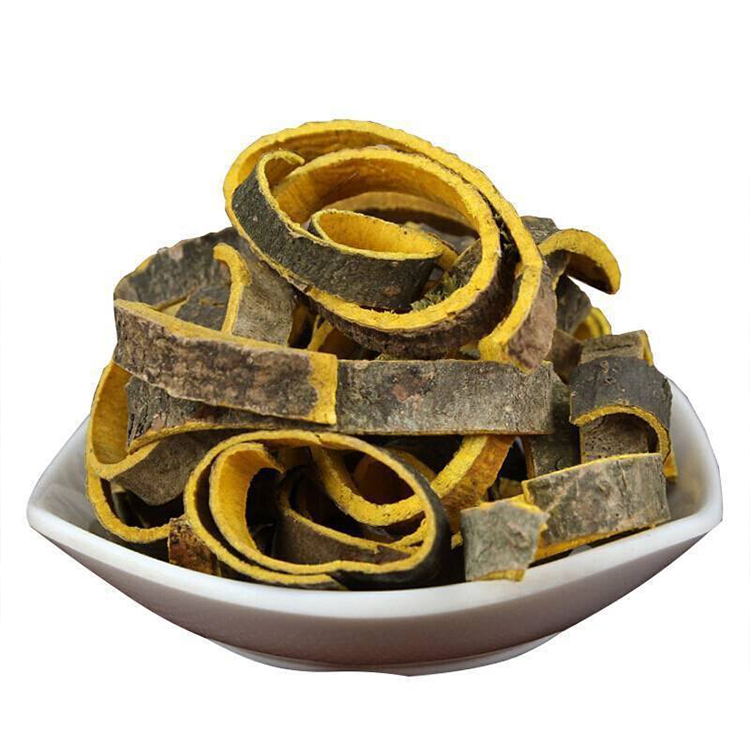
Guida all'acquisto all'ingrosso dei frutti di forsizia: considerazioni sul materiale verde rispetto a quello maturo
L'acquisto all'ingrosso di frutti di forsizia non si limita semplicemente alla scelta tra frutti verdi e maturi. Il momento della raccolta influisce sulla composizione chimica, sulla struttura, sui composti volatili, sui requisiti di lavorazione e, potenzialmente, sulle prestazioni del prodotto. Ecco come gli acquirenti professionisti dovrebbero specificare le caratteristiche del *Forsythiae Fructus* prima di approvare una partita commerciale.
I frutti di forsizia possono essere commercializzati con un unico nome botanico:Forsythia suspensa (Thunb.) Vahl — tuttavia, il materiale raccolto verde e quello lasciato maturare completamente possono differire per struttura fisica, concentrazione dei marcatori chimici, profilo dei composti volatili, storia di lavorazione e, in ultima analisi, per le specifiche che un acquirente professionista dovrebbe definire prima di negoziare il prezzo di un container.
Allora perché così tanti ordini di acquisto sono ancora redatti semplicemente come “Lian Qiao, buona qualità”?
Quella non è una specifica.
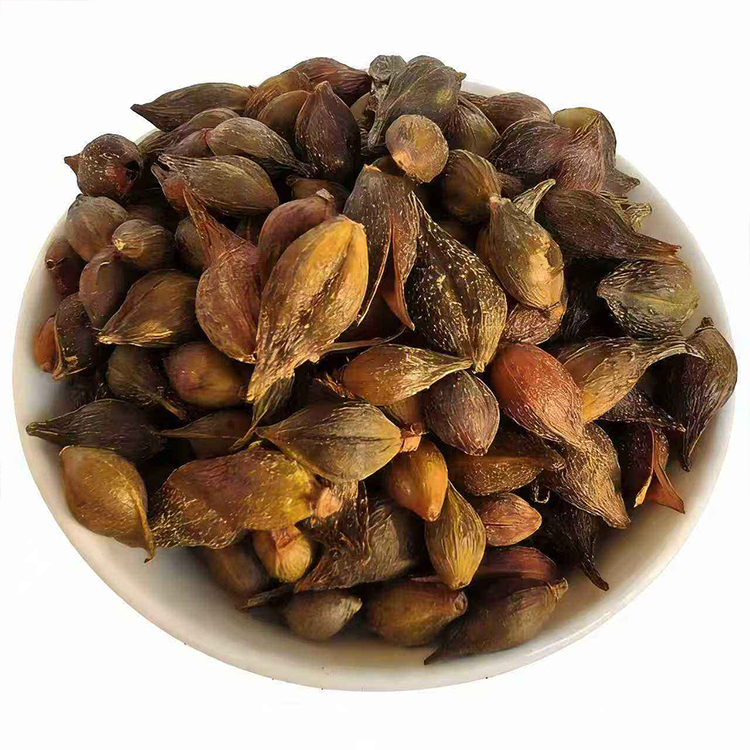
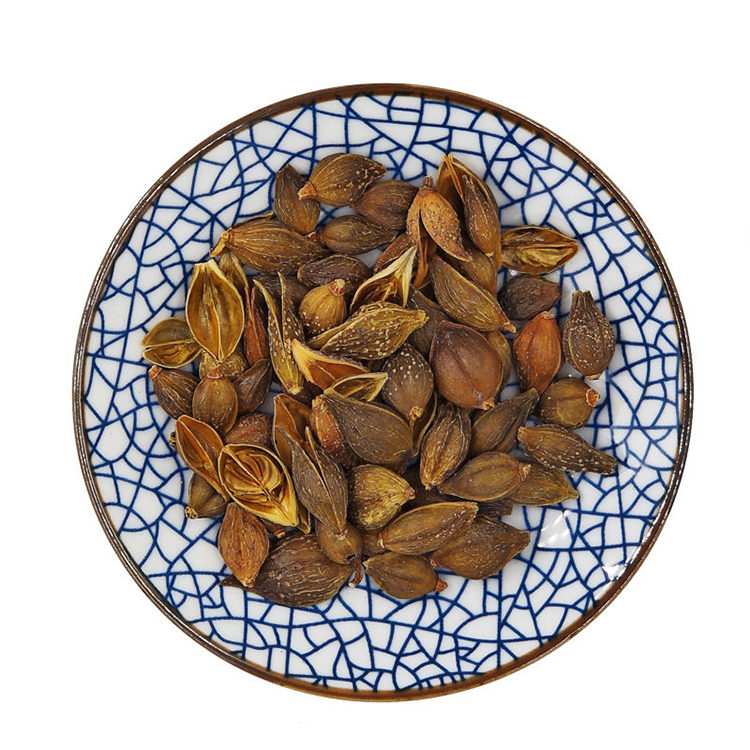
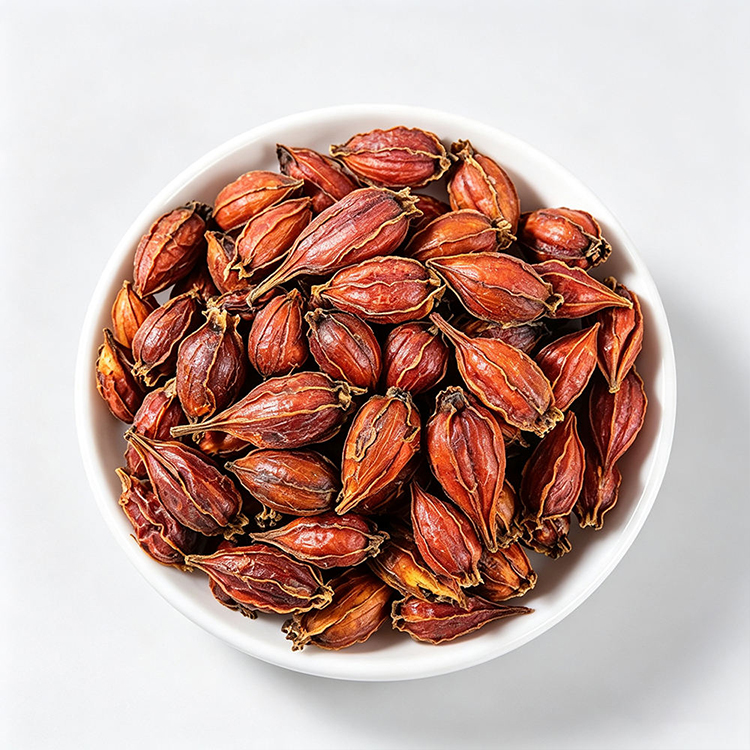
Il Forsythiae Fructus, comunemente chiamato Lian Qiao, si trova in commercio principalmente sotto forma di frutto verde o quasi maturo, noto come Qingqiao, e di frutto completamente maturo, noto come Laoqiao. Uno studio comparativo del 2021 ha descritto il Qingqiao come un frutto verde e indeiscente, generalmente raccolto in agosto e settembre, mentre il Laoqiao era giallo, deiscente e raccolto intorno a ottobre. I ricercatori hanno inoltre riscontrato che il momento della raccolta era uno dei principali fattori alla base delle differenze rilevate attraverso analisi chimiche e spettroscopiche. Leggi lo studio comparativo completo su *Frontiers in Pharmacology*.
Per un acquirente, ciò significa "Forsizia verde contro forsizia matura" non è una questione estetica. È un problema di definizione della materia prima.
Prima di richiedere un preventivo per i frutti di forsizia sfusi, vorrei prima esaminare l'effettivo Specifiche del prodotto sfuso "Frutti di forsizia" (Lian Qiao) e poi decidere quale forma di raccolta sia effettivamente necessaria per il prodotto finito. In senso più ampio, Categoria "Erbe medicinali cinesi: frutta e semi" è utile quando il programma di approvvigionamento comprende diversi articoli botanici stagionali anziché solo il Lian Qiao.
Il Qingqiao verde e il Laoqiao maturo non sono classi intercambiabili
La terminologia crea problemi ancora prima che il primo campione lasci la Cina.
“Forsizia verde” suona un po’ infantile.
“Forsizia matura” suona meglio.
Queste ipotesi sono troppo approssimative.
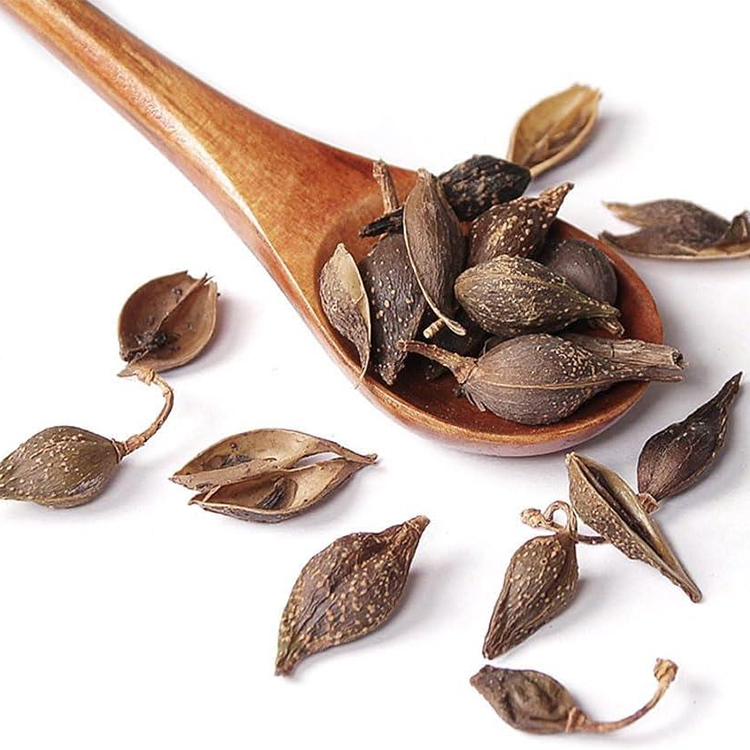
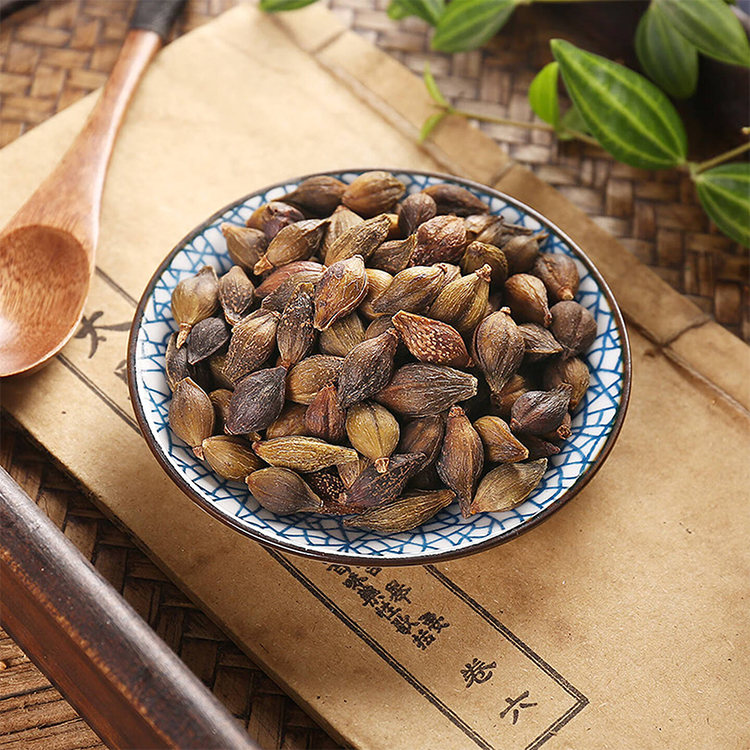
Nella letteratura tecnica, il Qingqiao è generalmente la forma verde, indeiscente e quasi matura, mentre il Laoqiao è la forma completamente matura, gialla e spesso deiscente. Entrambe sono state riconosciute come forme commerciali del Forsythiae Fructus, ma i loro profili chimici subiscono variazioni durante la maturazione.
Questa differenza è importante perché gli ingredienti botanici non sono componenti lavorati a macchina. Il frutto continua a cambiare mentre matura.
Uno studio del 2021 ha messo a confronto il materiale raccolto in agosto e in ottobre nelle province di Henan, Shanxi e Shaanxi. Lo studio ha rilevato differenze nella microstruttura, negli spettri nel vicino infrarosso, negli spettri nell’infrarosso medio e nelle concentrazioni dei principali costituenti. Il materiale raccolto in agosto conteneva livelli significativamente più elevati di forsythiaside A, phillyrin e phillygenin rispetto a quello raccolto in ottobre in quel set di dati. Sono rimaste evidenti anche le differenze regionali, in particolare tra i campioni raccolti prima.
Per gli acquirenti che includono composti marcatori nelle proprie specifiche, questi nomi sono importanti:
Ma è proprio sul piano della chimica che gli acquirenti commettono spesso l'errore successivo.
Una maggiore concentrazione di marcatori non implica automaticamente che il materiale sia migliore sotto ogni punto di vista.
Frutti di forsizia verdi vs maturi: il confronto per l'acquirente
Fattore di approvvigionamento
Frutto verde della forsizia — Qingqiao
Frutto maturo della forsizia — Laoqiao
Cosa dovrebbe fare l'acquirente
Fase tipica della raccolta
Verde, quasi maturo, indeiscente
Completamente maturo, giallo, solitamente deiscente
Indicare il modulo di ritiro richiesto sull'ordine di acquisto
Periodi tipici di raccolta riportati nella ricerca
Agosto–settembre
Intorno a ottobre
Indicare l'anno agricolo e il periodo di raccolta
Forsitiaside A
Spesso più elevato nei campioni raccolti in epoche precedenti oggetto dello studio
In studi comparativi, spesso risulta inferiore dopo la completa maturazione
Se questo marcatore è rilevante, utilizzare i dati HPLC specifici per il lotto
Filirina
Valori più elevati nei campioni di agosto nel confronto con il 2021
In tale confronto, i campioni di ottobre presentano valori inferiori
Non accettare mai l’espressione “alto contenuto attivo” senza un numero
Filigenina
A seconda del raccolto e della provenienza
A seconda del raccolto e della provenienza
Collegare il risultato del test al lotto e alla provenienza
Profilo di volatilità
Diverso dal materiale a maturazione tardiva
Cambiamenti man mano che la maturazione procede
Se le prestazioni dei composti volatili sono importanti, prendete in considerazione la GC-MS
Struttura fisica
Struttura più compatta riscontrata nei frutti più precoci
I frutti di ottobre presentavano una struttura più lassa e reticolare
Definire i criteri di riferimento visivo e gli standard relativi ai corpi estranei
La scelta commerciale migliore
Dipende dalla formula e dalle specifiche
Dipende dalla formula e dalle specifiche
Non fare acquisti basandoti solo sul colore o sul prezzo
Rischio principale legato all'approvvigionamento
Scadenze eterogenee, registrazioni dei raccolti incomplete, indicatori incoerenti
Sovramaturazione, variazioni nella lavorazione, lotti misti
Approvare i campioni rappresentativi pre-spedizione
Le prime cinque colonne di un certificato di analisi (COA) di un fornitore possono quindi fornirmi più informazioni di cinquanta fotografie del prodotto.
Eppure le fotografie continuano a dominare il commercio di piante.
Perché?
Perché le fotografie sono prove poco costose.
I dati analitici non lo sono.
Il momento della raccolta influisce su molto più che sul colore
Il processo di maturazione modifica anche la composizione chimica delle sostanze volatili.
Uno studio GC-MS del 2022 ha esaminato esemplari di Qingqiao e Laoqiao raccolti in periodi diversi e ha identificato 28 composti volatili. I ricercatori ne hanno selezionati quattro—α-pinene, sabinene, β-pinene e 4-terpenolo—come potenziali marcatori differenziali. Hanno inoltre riferito che il contenuto totale di oli volatili variava in modo significativo a seconda del periodo di raccolta e che nella maggior parte dei periodi di campionamento a Qingqiao il contenuto di oli volatili era superiore rispetto a quello registrato a Laoqiao. Lo studio è indicizzato dalla Biblioteca Nazionale di Medicina degli Stati Uniti.
Questo è rilevante dal punto di vista commerciale.
Se i frutti di forsizia sono destinati all'estrazione, a una formula a base di erbe, a un preparato botanico aromatico o a un altro processo in cui la resa dell'estrazione e il profilo chimico sono fattori rilevanti, il fatto che si tratti della “stessa specie” non garantisce un comportamento di lavorazione equivalente.
Rifiuterei quindi una specifica che reciti semplicemente:
Forsythia suspensa, frutti essiccati, verdi.
Lascia troppe cose indefinite.
Una specifica rigorosa dovrebbe indicare il nome botanico, la parte medicinale, la varietà Qingqiao o Laoqiao, la stagione di raccolta o l’anno di produzione, l’origine geografica (ove pertinente), il grado fisico, i requisiti relativi all’umidità, le sostanze estranee, il metodo di lavorazione, i requisiti relativi ai composti marcatori, il metodo analitico, i requisiti microbiologici, i pesticidi, i metalli pesanti, la politica relativa all’anidride solforosa, il confezionamento e la tracciabilità dei lotti.
Per i team impegnati nella realizzazione di un sistema di approvvigionamento botanico su più ampia scala, il Guida all'acquisto della medicina cinese offre un utile punto di partenza per approfondire i controlli di approvvigionamento correlati, mentre il Lista di controllo per i fornitori di fette di erbe medicinali cinesi si concentra in particolare su identità, certificati di analisi (COA), origine, contaminazione e documentazione dei fornitori.
Un contenuto più elevato di marcatori non implica automaticamente che i frutti di forsizia siano di qualità migliore
È proprio su questo punto che non sono d’accordo con molti consigli semplicistici sull’acquisto delle erbe.
Uno studio rileva concentrazioni più elevate a Qingqiao.
Un acquirente legge la sintesi.
L'acquirente ritiene che Qingqiao sia “più forte”.”
Fatto.
Questa logica è pericolosa.
Lo studio condotto durante la stagione di raccolta del 2021 ha effettivamente rilevato livelli significativamente più elevati di forsythiaside A, phillyrin e phillygenin nel materiale raccolto in agosto rispetto a quello raccolto in ottobre. Ha inoltre evidenziato differenze regionali significative.
Successivamente, uno studio del 2022 ha fornito un risultato che complica il quadro. I ricercatori hanno utilizzato un modello di colestasi nei ratti con legatura dei dotti biliari per confrontare i frutti verdi e quelli maturi di Forsythiae Fructus e hanno riferito che il materiale maturo ha dato risultati migliori rispetto a quello verde in diversi parametri associati all’accumulo tossico di acidi biliari e alla patologia correlata. Gli autori hanno ipotizzato come possibili meccanismi il microbiota intestinale e il metabolismo degli acidi biliari. Lo studio completo è disponibile su Frontiers in Pharmacology.
Questo significa che non dimostrare che Laoqiao è clinicamente superiore.
Lo studio ha utilizzato un modello animale e gli stessi autori hanno sottolineato i limiti e la necessità di ulteriori approfondimenti.
Ma questo sfata il preconcetto superficiale secondo cui un numero più alto di marcatori risolverebbe la controversia tra Qingqiao e Laoqiao.
Questa è la lezione più difficile da imparare in materia di appalti: La qualità è l'idoneità a un'applicazione specifica, non il valore più alto riportato su un certificato di analisi (COA).
L'origine e la fase di raccolta dovrebbero essere registrate insieme
La data di raccolta senza l'indicazione della provenienza è incompleta.
L'origine senza data di raccolta è incompleta.
Lo studio del 2021 ha messo a confronto il Forsythiae Fructus proveniente dall’Henan, dallo Shanxi e dallo Shaanxi, rilevando che i campioni di agosto potevano essere differenziati non solo dal materiale di ottobre, ma anche in base alla regione di provenienza. Tra i gruppi valutati, il Forsythiaside A e la phillyrina hanno raggiunto i livelli più elevati nel materiale dello Shanxi raccolto in agosto, mentre la phillygenina ha raggiunto i livelli più elevati nel materiale dello Shaanxi raccolto in agosto.
È proprio per questo che non mi piacciono le affermazioni dei fornitori del tipo “origine autentica”, a meno che non siano collegate a un registro di lotto.
Cosa significa “autentico”?
Quale provincia?
Quale periodo di raccolta?
Quale azienda agricola o zona di raccolta?
Quale lotto di essiccazione?
Quale risultato di analisi corrisponde a quel campione?
Se il fornitore non riesce a collegare queste risposte, “origine” è solo un aggettivo di marketing.
Lo stesso principio viene illustrato in modo più approfondito nella guida del sito su Come procurarsi grandi quantità di erbe cinesi affettate senza ricevere materiale di bassa qualità, che pone l'accento sulle prove relative ai lotti, sull'umidità, sulle analisi dei contaminanti, sulle dichiarazioni relative al trattamento con zolfo e sull'identità botanica, piuttosto che basarsi esclusivamente sulle fotografie al momento dell'acquisto.
La lavorazione può rovinare un lotto che altrimenti sarebbe di buona qualità
Raccogli nel modo corretto.
Gestire male la situazione.
Perdere comunque.
Questa è una delle realtà meno affascinanti del settore della vendita all'ingrosso di frutti di forsizia.
Un acquirente può passare giorni a discutere se sia meglio Qingqiao o Laoqiao e ricevere comunque una spedizione commercialmente inaccettabile perché il processo di essiccazione, le condizioni di stoccaggio o il trattamento di conservazione sono stati gestiti in modo inadeguato.
L'esempio pratico più utile non è di natura teorica. Su 15 novembre 2023, il Dipartimento della Salute di Hong Kong ha avallato il ritiro dal mercato di un lotto di Fructus Forsythiae dopo che i test effettuati dal governo hanno rilevato che 1.800 mg/kg di residuo di anidride solforosa. Il materiale era stato importato dalla Cina continentale. L'Ufficio di regolamentazione della medicina tradizionale cinese di Hong Kong ha pubblicato l'avviso di richiamo.
Pensate a cosa comporta tutto ciò per gli appalti.
La specie potrebbe essere quella giusta.
Il modulo di raccolta potrebbe essere corretto.
L'aspetto potrebbe risultare accattivante.
Inoltre, la spedizione potrebbe comunque non soddisfare i tuoi criteri di accettazione a causa della presenza di residui di lavorazione.
Ecco perché richiederei al fornitore di dichiarare eventuali politiche relative al trattamento con zolfo o alla fumigazione e di fornire i risultati delle analisi dell’SO₂ specifiche per ogni lotto, ogni volta che il mercato di destinazione o le specifiche dell’acquirente lo rendano necessario.
Gli acquirenti che esaminano il lato produttivo possono anche confrontare la procedura del fornitore con queste metodi di lavorazione comuni delle erbe cinesi, in particolare le sezioni relative all'essiccazione, al controllo dei residui, alla documentazione e alle informazioni sui lotti conservati.
Un certificato di analisi (COA) relativo ai frutti di forsizia dovrebbe fornire informazioni che vadano oltre la semplice identificazione
Il governo di Hong Kong ci fornisce un altro utile punto di riferimento.
Nel 2011, il suo Dipartimento della Salute ha pubblicato la Fase III degli Standard di Hong Kong per la Materia Medica Cinese, che riguardano 28 sostanze medicinali cinesi di uso comune, tra cui il Fructus Forsythiae. Il programma prevedeva metodi di identificazione e di controllo della qualità, tra cui l’esame al microscopio, la cromatografia su strato sottile e l’analisi delle impronte chimiche mediante cromatografia liquida ad alta prestazione, mentre i laboratori governativi hanno sviluppato anche metodi relativi ai metalli pesanti, ai residui di pesticidi e alle micotossine. Il comunicato del Ministero della Salute è disponibile qui.
Questo è di gran lunga più utile di un documento del fornitore in cui si legge:
“Aspetto: idoneo.”
“Pesticidi: promossi.”
“Metalli pesanti: superato.”
Passare contro chi?
Un buon fornitore di frutti di forsizia dovrebbe essere in grado di ricondurre ogni risultato significativo a un metodo specifico, a un criterio di accettazione ben definito e a un lotto commerciale effettivo.
Per un acquisto professionale, richiederei un unico pacchetto completo di documentazione, ma mi aspetterei che contenesse:
Identità botanica: Forsythia suspensa (Thunb.) Vahl e frutti secchi come parte vegetale specificata
Denominazione commerciale: Qingqiao o Laoqiao
Origine e periodo di coltivazione/raccolta
Numero di lotto o di serie corrispondente alla spedizione
Fotografie rappresentative di un lotto
Risultato e metodo relativi all'umidità
Requisiti relativi alle sostanze estranee
Indicare i composti di riferimento ove richiesto, preferibilmente utilizzando il metodo HPLC e riportando i risultati numerici effettivi
Pannello relativo ai residui di pesticidi adeguato al mercato di destinazione
Pb, Cd, As, Hg o il gruppo di metalli pesanti pertinente
Dichiarazione relativa al trattamento dello zolfo e, se del caso, risultato relativo all’SO₂
Dichiarazione relativa all'essiccazione e alla lavorazione
Specifiche di imballaggio
Politica relativa ai campioni conservati e alla tracciabilità
È stato rilasciato un certificato di analisi (COA) specifico per il lotto commerciale, anziché un campione di vendita generico
Questi sono i documenti che vorrei ricevere prima che il prezzo diventi l'argomento principale della discussione.
Come acquistare i frutti di forsizia all'ingrosso senza scegliere la qualità sbagliata
Parti dal prodotto finito.
Non il fornitore.
Se la vostra formulazione, i requisiti della farmacopea, una monografia interna o una documentazione storica di produzione richiedono specificatamente il Qingqiao, indicate il Qingqiao. Se richiedono il Laoqiao maturo, indicate il Laoqiao. Se il materiale viene acquistato principalmente a scopo di estrazione, definite i requisiti analitici o di resa dell’estrazione, anziché dare per scontato che la maturità visiva sia indicativa della resa.
Quindi verificare la conformità del campione a tali requisiti.
Un campione, per quanto ben selezionato, ha scarso valore se il lotto di produzione non viene campionato secondo un sistema ben definito. Il campione che approvate deve essere riconducibile al lotto; in alternativa, il contratto deve specificare in che modo il materiale commerciale debba corrispondere al campione di riferimento approvato.
Per quanto riguarda le applicazioni nel settore alimentare statunitense, questa filosofia non rappresenta semplicemente una buona pratica di acquisto. Il quadro normativo dei Programmi di verifica dei fornitori esteri (FSVP) della FDA impone agli importatori soggetti a tale obbligo di svolgere attività di verifica basate sul rischio, volte a confermare che i fornitori esteri producano alimenti in conformità con gli standard di sicurezza statunitensi applicabili. La FDA illustra qui i requisiti relativi al programma FSVP.
Per quanto riguarda la produzione di integratori alimentari, le linee guida CGMP della FDA sottolineano inoltre l’importanza di specifiche consolidate relative all’identità, alla purezza, al dosaggio, alla composizione e ai limiti relativi ai contaminanti, piuttosto che basarsi su una vaga nozione di “erbe di alta qualità”.”
Quindi non mi limiterei mai a chiedere: “Qual è il vostro prezzo migliore per 1.000 kg?”
Chiederei: “Cosa sono esattamente questi 1.000 kg?”
Quella domanda fa risparmiare denaro.
I confronti dei prezzi non hanno senso finché le specifiche non coincidono
Supponiamo che il fornitore A proponga Qingqiao.
Il fornitore B cita Laoqiao.
Il fornitore C propone un materiale misto.
Il fornitore D non indica affatto la fase di raccolta.
Ora confronta i loro prezzi.
Non puoi.
O almeno, non in modo intelligente.
I prezzi all'ingrosso dei prodotti botanici hanno senso solo dopo che le specifiche commerciali sono state standardizzate. La fase di raccolta, l'origine, l'annata, l'essiccazione, la resa della cernita, i requisiti relativi ai marcatori, l'ambito delle analisi per i contaminanti, le dimensioni dell'imballaggio e della spedizione possono tutti influire sulla struttura dei costi.
L'offerta più bassa per i frutti di forsizia sfusi potrebbe semplicemente prevedere un numero inferiore di controlli.
E un minor numero di controlli non equivale a uno sconto. Si tratta di un trasferimento del rischio.
Qual è la differenza tra i frutti verdi e quelli maturi della forsizia?
Il frutto verde della forsizia, o Qingqiao, è il frutto verde, indeiscente e quasi maturo della Forsythia suspensa viene solitamente raccolto nelle prime fasi della stagione, mentre il prodotto maturo, comunemente chiamato Laoqiao, è il frutto giallo e deiscente raccolto più tardi, dopo una maturazione più completa; le due forme differiscono per composizione chimica, morfologia e comportamento commerciale.
Una ricerca che ha messo a confronto campioni prelevati in agosto e in ottobre ha evidenziato differenze misurabili nei livelli di forsythiaside A, phillyrin e phillygenin, oltre a differenze rilevabili tramite analisi NIR, MIR ed esame morfologico. Ciò rende lo stadio di maturità una variabile di specificazione, non semplicemente un grado visivo.
Qingqiao è migliore di Laoqiao per gli acquisti all'ingrosso?
La scelta migliore tra Qingqiao e Laoqiao è quella del prodotto che corrisponda alle specifiche fornite per iscritto dall’acquirente in termini di identità, fase di raccolta, marcatori chimici, lavorazione, contaminanti e destinazione d’uso, poiché le ricerche attuali evidenziano differenze significative tra le due varietà, ma non confermano l’esistenza di una regola universale secondo cui una delle due sia superiore per ogni scopo commerciale o clinico.
In uno studio comparativo, il Qingqiao raccolto precocemente ha mostrato concentrazioni più elevate di diversi costituenti principali, mentre uno studio separato condotto su modelli animali ha riportato risultati migliori con il materiale maturo in relazione a specifici endpoint legati agli acidi biliari. Tali risultati dovrebbero orientare le domande da porre nei test, senza diventare conclusioni mediche generali.
Cosa devo verificare quando acquisto frutti di forsizia all’ingrosso?
Un programma di analisi in blocco dei frutti di forsizia dovrebbe stabilire l’identità botanica e delle parti vegetali, lo stato (Qingqiao o Laoqiao), il tenore di umidità, la pulizia fisica, la presenza di composti marcatori rilevanti, i residui di pesticidi, i metalli pesanti, i microrganismi, l’anidride solforosa, ove opportuno, e la tracciabilità del lotto, con ogni risultato collegato al lotto commerciale effettivo e ai criteri di accettazione del mercato di destinazione.
A seconda dell’applicazione, possono essere giustificati l’analisi delle impronte HPLC, la quantificazione di marcatori specifici, la microscopia, la TLC o altre tecniche di identificazione. Il programma di standardizzazione della materia medica di Hong Kong ha specificatamente incluso il Fructus Forsythiae tra le erbe valutate mediante approcci di identificazione e cromatografici.
Come posso trovare il miglior fornitore di frutti di forsizia?
Il miglior fornitore di frutti di forsizia è un produttore o un partner di approvvigionamento in grado di garantire costantemente la giusta quantità di Forsythia suspensa identità e ha richiesto, per i prodotti di categoria Qingqiao o Laoqiao, i registri di raccolta, la cronologia della lavorazione, campioni rappresentativi, prove analitiche specifiche per ogni lotto, controlli sui contaminanti, documentazione di esportazione, specifiche di confezionamento e tracciabilità, anziché basarsi principalmente su fotografie e certificati.
Il colore verde è indice di un frutto di forsizia di alta qualità?
Il colore verde di per sé non è indice di un frutto di forsizia di alta qualità, poiché l’aspetto può indicare lo stadio di raccolta senza confermare l’identità botanica, la concentrazione dei marcatori chimici, il contenuto di umidità, la storia di lavorazione, la presenza di pesticidi, la presenza di metalli pesanti, la qualità microbica, i residui di anidride solforosa, le condizioni di conservazione, l’origine o la tracciabilità del lotto, tutti fattori che possono determinare se il prodotto sia idoneo per un’applicazione commerciale.
Utilizzate il colore come uno dei criteri di controllo in entrata. Non utilizzatelo mai come criterio di approvazione.
Il tuo prossimo passo: specifica il tipo di forsizia prima di richiedere il prezzo
Non inviare al tuo fornitore un messaggio in cui chiedi solo il “prezzo dei frutti di forsizia”.”
Invia il capitolato.
Indicare se si richiede Qingqiao o Laoqiao, il mercato di destinazione, il quantitativo annuale, le previsioni relative alla campagna agricola, l’uso previsto, il formato di confezionamento, i requisiti relativi agli indicatori e l’ambito delle analisi sui contaminanti. Successivamente, richiedere un campione rappresentativo e la documentazione specifica relativa al lotto prima di approvare la produzione in serie o la spedizione.
Se state attualmente cercando Forsythiae Fructus per la distribuzione di prodotti erboristici, l’estrazione, la produzione di integratori, la formulazione di tisane o altre applicazioni commerciali, consultate l’offerta disponibile Fornitura all'ingrosso di frutti di forsizia (Lian Qiao) e inviateci il grado, la quantità e lo standard di prova richiesti per ricevere un preventivo.
Il nostro basso MOQ di 1 kg (2,2 lb) rende facile ordinare fette di erbe cinesi o erbe medicinali cinesi all'ingrosso. Sono disponibili anche etichette private e bilingue.
Ciclo di consegna e supporto
Abbiamo tempi rapidi di consegna di 7 giorni. Forniamo campioni gratuiti, rapporti COA e supporto tecnico per aiutarvi a portare sul mercato erbe cinesi sfuse di alta qualità.
Qualità e certificazioni
I nostri prodotti sono fabbricati in uno stabilimento certificato GMP e soddisfano gli standard ISO22000. Tutte le erbe cinesi sono testate da terzi per verificare la presenza di metalli pesanti, pesticidi e microrganismi.