
لا تقلق، اتصل برئيسنا على الفور
لا تتسرع في إغلاقه، الآن، يرجى التحدث إلى رئيسنا مباشرة. عادةً ما يتم الرد خلال ساعة واحدة.
أعشاب وتوابل الطب الصيني الشركات المصنعة
الطب الصيني العالمي للأعشاب والتوابل الصينية بالجملة
نستخدم SSL/3.0 لتشفير خصوصيتك
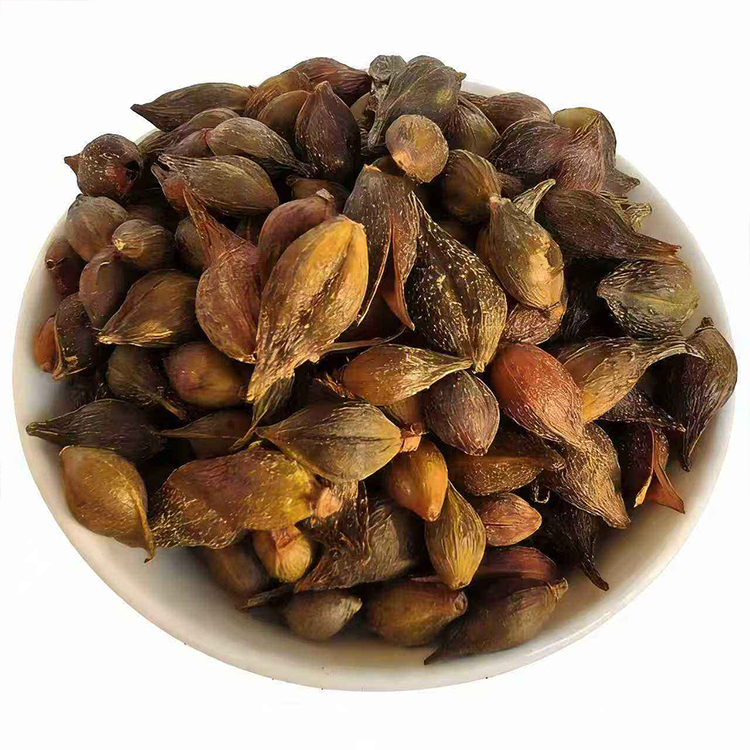
إن شراء ثمار الفورسيثيا بكميات كبيرة لا يقتصر مجرد الاختيار بين الثمار الخضراء والناضجة. فموعد الحصاد يؤثر على التركيب الكيميائي، والبنية، والمركبات المتطايرة، ومتطلبات المعالجة، وربما أداء الاستخدام. وفيما يلي الطريقة التي ينبغي للمشترين المحترفين اتباعها عند تحديد مواصفات ثمار الفورسيثيا قبل الموافقة على دفعة تجارية.
اللون يضلل المشترين.
قد تُعرف ثمرة الفورسيثيا باسم نباتي واحد—فورسيثيا المعلقة (Thunb.) Vahl — ومع ذلك، قد تختلف المواد التي يتم حصادها وهي خضراء عن تلك التي يُسمح لها بالوصول إلى مرحلة النضج الكامل من حيث البنية الفيزيائية، وتركيز المؤشرات الكيميائية، والتركيب الكيميائي للمتطاير، وتاريخ المعالجة، وفي النهاية المواصفات التي ينبغي للمشتري المحترف أن يحددها قبل التفاوض على سعر الحاوية.
فلماذا لا يزال هناك عدد كبير من أوامر الشراء مكتوبة ببساطة على النحو التالي: “ليان تشياو، جودة جيدة”؟
هذه ليست مواصفات.
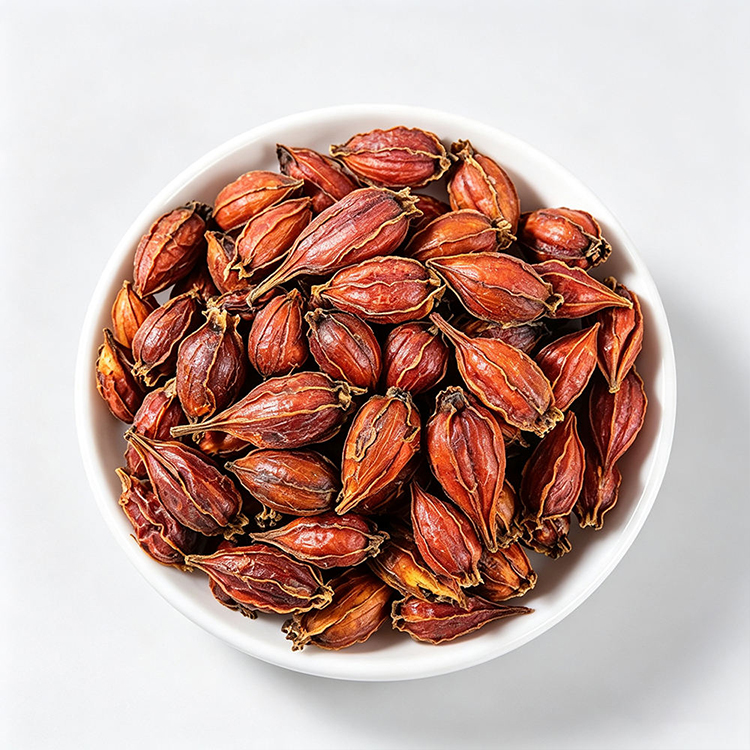
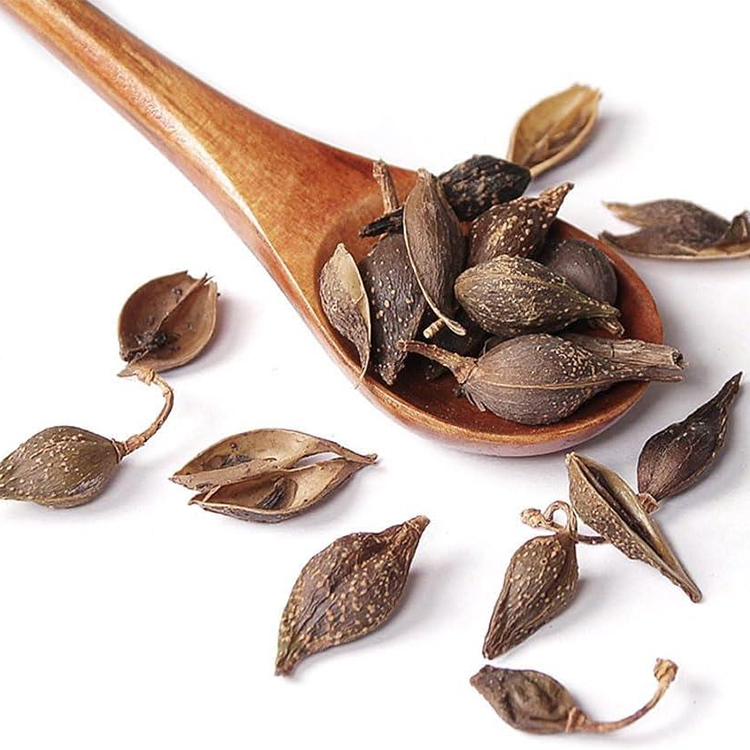
تُعرف ثمار فورسيثيا (Forsythiae Fructus)، التي تُسمى عادةً «ليان تشياو» (Lian Qiao)، تجاريًّا بشكل رئيسي على أنها ثمار خضراء أو شبه ناضجة تُعرف باسم «تشينغ تشياو» (Qingqiao)، وثمار ناضجة تمامًا تُعرف باسم «لاو تشياو» (Laoqiao). وقد وصفت دراسة مقارنة أجريت عام 2021 «تشينغ تشياو» بأنها ثمرة خضراء غير منفتحة تُحصد عادةً في شهري أغسطس وسبتمبر، في حين وصفت «لاو تشياو» بأنها ثمرة صفراء منفتحة تُحصد في شهر أكتوبر تقريبًا. كما وجد الباحثون أن توقيت الحصاد كان عاملاً رئيسيًّا في الاختلافات التي تم الكشف عنها من خلال التحليل الكيميائي والطيفي. اقرأ الدراسة المقارنة كاملة في مجلة «Frontiers in Pharmacology».
بالنسبة للمشتري، هذا يعني الفرق بين ثمار الفورسيثيا الخضراء وناضجة ليس مسألة جمالية، بل مشكلة تتعلق بتعريف المادة الخام.
قبل طلب عرض أسعار بالجملة لثمار الفورسيثيا، سأقوم أولاً بمراجعة الكمية الفعلية مواصفات المنتج السائب لثمار الفورسيثيا (ليان تشياو) ثم نحدد شكل الحصاد الذي يتطلبه المنتج النهائي فعليًّا. النطاق الأوسع فئة الأدوية الصينية من الفاكهة والبذور يكون ذلك مفيدًا عندما يتضمن برنامج الشراء عدة وحدات تخزينية نباتية موسمية بدلاً من منتج «ليان تشياو» وحده.
تُثير هذه المصطلحات مشاكل قبل أن تغادر العينة الأولى الصين أصلاً.
“يبدو اسم ”الفورسيثيا الخضراء» غير ناضج.
“فورسيثيا ناضجة” تبدو عبارة أفضل.
هذه الافتراضات مبالغ فيها للغاية.
في الأدبيات الفنية، يُقصد بـ«تشينغتشياو» عمومًا الشكل الأخضر غير المنفتح الذي يقترب من مرحلة النضج، بينما يُقصد بـ«لاوتشياو» الشكل الناضج تمامًا ذي اللون الأصفر والذي غالبًا ما يكون منفتحًا. وقد تم الاعتراف بكليهما كشكلين تجاريين لـ«فورسيثيا فروكتوس»، إلا أن تركيبتهما الكيميائية تتغير خلال مرحلة النضج.
هذا الاختلاف مهم لأن المكونات النباتية ليست مكونات مصنعة آليًّا. فالفاكهة تستمر في التغير أثناء نضوجها.
قارنت دراسة أجريت عام 2021 المواد التي تم حصادها في شهري أغسطس وأكتوبر من مقاطعات خنان وشانشي وشانشي. ووجدت الدراسة اختلافات في البنية المجهرية، وأطياف الأشعة تحت الحمراء القريبة، وأطياف الأشعة تحت الحمراء المتوسطة، وتركيزات المكونات الرئيسية. احتوت المواد المجمعة في أغسطس على مستويات أعلى بكثير من فورسيثياسايد أ، والفيليرين، والفيلجينين مقارنةً بالمواد المجمعة في أكتوبر ضمن تلك المجموعة من البيانات. كما ظلت الاختلافات الإقليمية واضحةً، لا سيما بين العينات التي تم حصادها في وقت مبكر.
بالنسبة للمشترين الذين يستخدمون مركبات التمييز في مواصفاتهم، فإن هذه الأسماء مهمة:
الصيغة الجزيئية لـ«فورسيثياسايد أ» (يُكتب أيضًا «فورسيثوسايد أ») هي C29H36O15 وفقًا لقاعدة بيانات PubChem التابعة للمعاهد الوطنية للصحة (NIH). الفيليرين هو C27H34O11, ، ويبلغ وزنه الجزيئي حوالي 534,6 غ/مول. الفيليجينين هو C21H24O6, ، تقريبًا 372.4 غ/مول. يحدد موقع PubChem مركب «فورسيثياسايد A» هنا, في حين أن تتوفر بيانات «فيلييرين» هنا.
لكن «الكيمياء» هي النقطة التي غالبًا ما يرتكب فيها المشترون الخطأ التالي.
لا يعني ارتفاع تركيز المؤشرات بالضرورة أن الجودة أفضل بشكل عام.
| عامل المشتريات | فاكهة الفورسيثيا الخضراء — تشينغتشياو | ثمرة الفورسيثيا الناضجة — لاوتشياو | ما يجب على المشتري فعله |
|---|---|---|---|
| مرحلة الحصاد النموذجية | خضراء، شبه ناضجة، غير منفتحة | ناضجة تمامًا، صفراء، تنشق عادةً | يرجى تحديد نموذج الاستلام المطلوب في أمر الشراء |
| الموعد المعتاد للحصاد وفقًا لما ورد في الأبحاث | أغسطس – سبتمبر | في شهر أكتوبر تقريبًا | طلب تحديد السنة الزراعية وفترة الحصاد |
| فورسيثياسايد أ | غالبًا ما تكون مستوياتها أعلى في العينات التي تم حصادها مبكرًا والتي شملتها الدراسة | غالبًا ما تكون أقل بعد النضج الكامل في الدراسات المقارنة | استخدم بيانات HPLC الخاصة بكل دفعة إذا كان لهذا المؤشر أهمية |
| فيلييرين | ارتفاع في عينات شهر أغسطس مقارنة بعام 2021 | انخفاض في عينات شهر أكتوبر في تلك المقارنة | لا تقبل أبدًا عبارة “محتوى نشط عالي” دون ذكر رقم محدد |
| فيليجينين | يعتمد على المحصول والمنشأ | يعتمد على المحصول والمنشأ | ربط نتيجة الاختبار بالدفعة والمنشأ |
| الملف التعريفي المتقلب | تختلف عن المحصول الذي ينضج في وقت متأخر | التغيرات مع استمرار عملية النضج | فكر في استخدام تقنية GC-MS إذا كان الأداء المتعلق بالمواد المتطايرة أمرًا مهمًا |
| البنية المادية | أفادت التقارير بوجود بنية أكثر إحكاما في الثمار المبكرة | أظهرت ثمار شهر أكتوبر بنيةً أكثر مرونةً وشبكيةً | وضع معايير مرجعية بصرية ومعايير خاصة بالمواد الغريبة |
| أفضل خيار تجاري | يعتمد ذلك على التركيبة والمواصفات | يعتمد ذلك على التركيبة والمواصفات | لا تشترِ بناءً على اللون أو السعر وحدهما |
| مخاطر التوريد الرئيسية | تباين في مرحلة النضج، وسجلات حصاد ضعيفة، وعلامات غير متسقة | الإفراط في النضج، التباين في المعالجة، الدفعات المختلطة | الموافقة على العينات التمثيلية قبل الشحن |
وبالتالي، فإن الأعمدة الخمسة الأولى من شهادة تحليل المكونات الخاصة بالمورد يمكن أن توفر لي معلومات أكثر مما توفره خمسون صورة للمنتج.
ومع ذلك، لا تزال الصور الفوتوغرافية تهيمن على تجارة النباتات.
لماذا؟
لأن الصور الفوتوغرافية تُعد أدلة غير مكلفة.
أما البيانات التحليلية فليست كذلك.
كما تؤدي عملية النضج إلى تغيير التركيب الكيميائي للمركبات المتطايرة أيضًا.
فحصت دراسة أجريت عام 2022 باستخدام تقنية GC-MS عينات من «تشينغتشياو» و«لاوتشياو» تم حصادها في فترات مختلفة، وحددت 28 مركبًا متطايرًا. اختار الباحثون أربعة—ألفا-بينين، سابينين، بيتا-بينين و4-تربينول—كعلامات تمييزية محتملة. كما أفادوا بأن المحتوى الإجمالي للزيوت المتطايرة تباين بشكل ملحوظ حسب فترة الحصاد، وأن معظم فترات أخذ العينات في تشينغتشياو سجلت محتوى أعلى من الزيوت المتطايرة مقارنةً بـ لاوتشياو. هذه الدراسة مُفهرسة لدى المكتبة الوطنية للطب في الولايات المتحدة.
وهذا أمر ذو أهمية تجارية.
إذا كانت ثمار الفورسيثيا مخصصة للاستخلاص، أو لإعداد تركيبة عشبية، أو مستحضر نباتي عطري، أو أي عملية أخرى يكون فيها معدل الاستخلاص والتركيب الكيميائي عاملين مهمين، فإن استخدام “نفس النوع” لا يضمن سلوكًا تصنيعيًّا مكافئًا.
لذلك، فإنني أرفض أي مواصفة تقتصر على ما يلي:
فورسيثيا سوسبينسا، ثمار مجففة، خضراء.
إنه يترك الكثير من الأمور غير محددة.
يجب أن تتضمن المواصفات الجادة تحديد الاسم النباتي، والجزء المستخدم طبياً، ونوع «تشينغتشياو» أو «لاوتشياو»، وموسم الحصاد أو سنة المحصول، والمنشأ الجغرافي عند الاقتضاء، والدرجة الفيزيائية، ومتطلبات الرطوبة، والمواد الغريبة، وطريقة المعالجة، ومتطلبات المركبات المرجعية، وطريقة التحليل، والمتطلبات الميكروبية، والمبيدات الحشرية، والمعادن الثقيلة، وسياسة ثاني أكسيد الكبريت، والتعبئة والتغليف، وإمكانية تتبع الدفعة.
بالنسبة للفرق التي تعمل على إنشاء نظام شراء نباتي أوسع نطاقًا، فإن دليل شراء الطب الصيني يوفر مسارًا مفيدًا للتعرف على ضوابط التوريد ذات الصلة، في حين أن قائمة مراجعة لموردي شرائح الأعشاب الصينية يركز بشكل خاص على الهوية وشهادات المنشأ والأصل والتلوث ووثائق الموردين.
وهنا يكمن اختلافي مع الكثير من النصائح المبتذلة المتعلقة بشراء الأعشاب.
أظهرت إحدى الدراسات وجود تركيزات أعلى في تشينغتشياو.
يقوم المشتري بقراءة الملخص.
يقرر المشتري أن تشينغتشياو “أقوى”.”
تم.
هذا المنطق خطير.
وقد أشارت دراسة موسم الحصاد لعام 2021 بالفعل إلى وجود مستويات أعلى بشكل ملحوظ من مركب «فورسيثياسايد A» و«فيلييرين» و«فيليجينين» في العينات المأخوذة في أغسطس مقارنةً بالعينات المأخوذة في أكتوبر. كما كشفت الدراسة عن اختلافات إقليمية ذات دلالة.
ثم أسفر تحقيق أُجري عام 2022 عن نتيجة تعقّد القصة. استخدم الباحثون نموذجًا لركود الصفراء يعتمد على ربط القنوات الصفراوية في الفئران لمقارنة ثمار فورسيثيا الخضراء والناضجة، وأفادوا بأن الثمار الناضجة أظهرت أداءً أفضل من الثمار الخضراء في عدة مؤشرات مرتبطة بتراكم الأحماض الصفراوية السامة والأمراض المرتبطة بها. واقترح المؤلفون أن ميكروبيوتا الأمعاء واستقلاب الأحماض الصفراوية قد يكونان من الآليات المحتملة. الدراسة الكاملة متاحة في مجلة «Frontiers in Pharmacology».
هذا صحيح لا إثبات أن «لاو تشياو» يتمتع بتفوق سريري.
استخدمت الدراسة نموذجًا حيوانيًا، وقد أشار المؤلفون أنفسهم إلى أوجه القصور في الدراسة وضرورة إجراء مزيد من الأبحاث.
لكنه يدحض الافتراض السطحي القائل بأن وجود رقم أعلى في العلامة يكفي لحسم الجدل الدائر حول أيهما أفضل: تشينغتشياو أم لاوتشياو.
وهذا هو الدرس الأصعب في مجال المشتريات: الجودة هي مدى ملاءمة المنتج لاستخدام محدد، وليست أعلى رقم مذكور في شهادة تحليل (COA).
تاريخ الحصاد الذي لا يذكر مصدره يعتبر غير مكتمل.
يُعتبر مصدر المنتج غير مكتمل إذا لم يتضمن تاريخ الحصاد.
قارنت دراسة عام 2021 ثمار فورسيثيا (Forsythiae Fructus) الواردة من مقاطعات خنان وشانشي وشانشي، ووجدت أنه يمكن التمييز بين عينات شهر أغسطس، ليس فقط عن العينات المأخوذة في أكتوبر، بل أيضًا حسب منطقة الإنتاج. وكان مستوى فورسيثياسايد A والفيليرين أعلى في العينات المأخوذة في أغسطس من شانشي مقارنةً بالمجموعات الأخرى التي خضعت للتقييم، بينما كان مستوى الفيليجينين أعلى في العينات المأخوذة في أغسطس من شنشي.
وهذا بالضبط هو السبب الذي يجعلني لا أحبذ ادعاءات الموردين من قبيل “منشأ أصلي”، ما لم تكن مرتبطة بسجل الدفعة.
ما معنى كلمة «أصيل»؟
أي مقاطعة؟
أي فترة تحصيل؟
أي مزرعة أو منطقة تجميع؟
أي دفعة تجفيف؟
ما هي نتيجة الفحص المختبري الخاصة بتلك العينة؟
وإذا لم يتمكن المورد من ربط تلك الإجابات ببعضها، فإن كلمة “منشأ” تصبح مجرد صفة تسويقية.
يتم شرح هذا المبدأ بشكل أكثر تفصيلاً في دليل الموقع الخاص بـ كيفية شراء شرائح الأعشاب الصينية بكميات كبيرة دون الحصول على مواد منخفضة الجودة, ، والتي تركز على الأدلة المتعلقة بالدُفعات، ومستوى الرطوبة، واختبارات الكشف عن الملوثات، وإقرارات المعالجة بالكبريت، والهوية النباتية، بدلاً من الاعتماد على الصور وحدها عند الشراء.
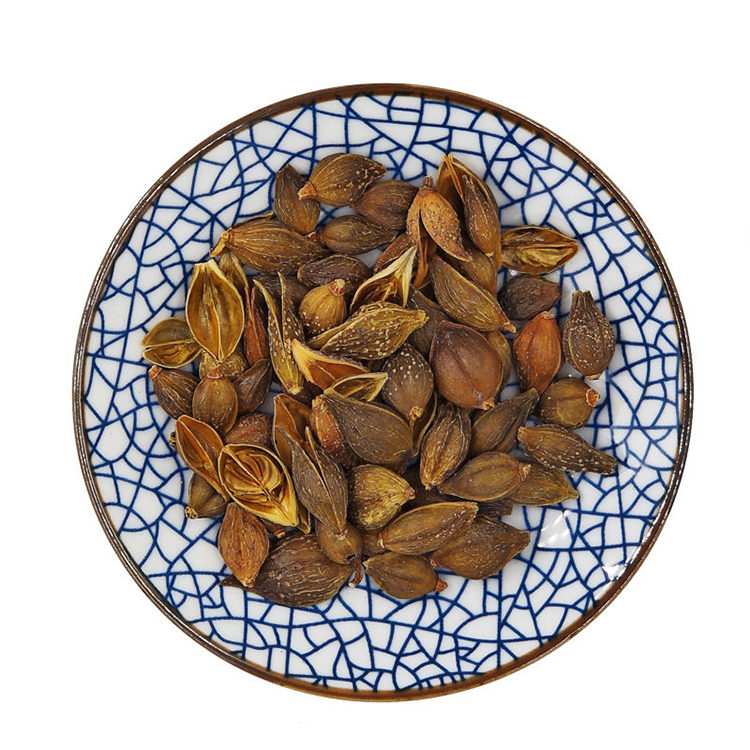
احصد المحصول بالطريقة الصحيحة.
تنفيذ سيئ.
ستخسر على أي حال.
هذه واحدة من الحقائق الأقل بريقاً في مجال تجارة فاكهة الفورسيثيا بالجملة.
قد يقضي المشتري أيامًا في الجدال حول أيهما أفضل: «تشينغتشياو» أم «لاوتشياو»، ومع ذلك يتلقى شحنة غير مقبولة تجاريًّا بسبب سوء مراقبة عملية التجفيف أو ظروف التخزين أو معالجة الحفظ.
المثال العملي الأكثر فائدة ليس مثالاً نظريًّا. في 15 نوفمبر 2023, ، أيدت وزارة الصحة في هونغ كونغ سحب دفعة من منتج «فروكتوس فورسيثيا» بعد أن كشفت الاختبارات الحكومية عن 1,800 ملغ/كغ من بقايا ثاني أكسيد الكبريت. وكانت هذه المواد قد استُوردت من الصين القارية. نشر مكتب تنظيم الطب الصيني في هونغ كونغ إشعار الاسترجاع.
فكر فيما يعنيه ذلك بالنسبة لعملية الشراء.
قد يكون هذا النوع صحيحًا.
قد يكون نموذج الحصاد صحيحًا.
قد يكون المظهر جذابًا.
وقد لا تستوفي الشحنة معايير القبول الخاصة بك بسبب بقايا المعالجة.
ولهذا السبب سأطلب من المورد الإفصاح عن أي سياسة تتعلق بمعالجة الكبريت أو التبخير، وتقديم نتائج اختبار ثاني أكسيد الكبريت (SO₂) الخاصة بكل دفعة، كلما كان ذلك ضروريًا وفقًا لمتطلبات السوق المقصودة أو مواصفات المشتري.
يمكن للمشترين الذين يراجعون الجانب التصنيعي أيضًا مقارنة إجراءات المورد بهذه المعايير طرق المعالجة الشائعة للأعشاب الصينية, ، ولا سيما الأقسام التي تتناول التجفيف، ومراقبة المخلفات، والتوثيق، ومعلومات الدُفعات المحتفظ بها.
تقدم لنا حكومة هونغ كونغ معيارًا مرجعيًّا مفيدًا آخر.
في عام 2011، نشرت وزارة الصحة التابعة لها «المرحلة الثالثة من معايير هونغ كونغ الصينية للمواد الطبية»، والتي تغطي 28 مادة طبية صينية شائعة الاستخدام, ، بما في ذلك «فروكتوس فورسيثيا». وتضمن البرنامج طرقًا لتحديد الهوية والجودة، بما في ذلك الفحص المجهري، والكروماتوغرافيا ذات الطبقة الرقيقة، وبصمات الكروماتوغرافيا السائلة عالية الأداء، في حين طورت المختبرات الحكومية أيضًا طرقًا تتعلق بالمعادن الثقيلة، ومخلفات المبيدات، والسموم الفطرية. يمكن الاطلاع على بيان وزارة الصحة هنا.
وهذا أكثر فائدة بكثير من وثيقة المورد التي تنص على ما يلي:
“المظهر: مقبول.”
“المبيدات الحشرية: تمت الموافقة.”
“المعادن الثقيلة: مقبول.”
تمرير ضد ماذا؟
يجب أن يكون المورد الجيد لثمار الفورسيثيا قادرًا على ربط كل نتيجة مهمة بطريقة محددة، ومعيار قبول محدد، ودفعة تجارية فعلية.
في حالة الشراء الاحترافي، سأطلب حزمة أدلة موحدة واحدة فقط، لكنني أتوقع أن تحتوي على ما يلي:
هذه هي المستندات التي أريدها قبل أن يصبح السعر موضوع النقاش الرئيسي.
ابدأ بالمنتج النهائي.
ليس المورد.
إذا كانت الصيغة الدوائية، أو متطلبات دستور الأدوية، أو الدليل الداخلي، أو سجل الإنتاج التاريخي تتطلب على وجه التحديد «تشينغتشياو»، فاذكر «تشينغتشياو». وإذا كانت تتطلب «لاوتشياو» ناضجة، فاذكر «لاوتشياو». وإذا كان الغرض الأساسي من شراء المادة هو الاستخلاص، فحدد متطلبات الأداء التحليلي أو الاستخلاصي بدلاً من الافتراض بأن النضج البصري سيحدد العائد.
ثم قم بتقييم العينة وفقًا لتلك المتطلبات.
إن العينة الجميلة التي تم انتقاؤها يدويًّا لا تثبت شيئًا يذكر ما لم يتم أخذ عينات من دفعة الإنتاج وفقًا لنظام محدد. يجب أن تكون العينة التي توافق عليها قابلة للتتبع حتى دفعة الإنتاج — أو يجب أن يحدد عقدك كيفية مطابقة المواد التجارية للعينة المرجعية المعتمدة.
بالنسبة لتطبيقات الأغذية في الولايات المتحدة، لا تُعد هذه الفلسفة مجرد ممارسة شرائية جيدة فحسب. فإطار عمل «برامج التحقق من الموردين الأجانب» التابع لإدارة الغذاء والدواء (FDA) يُلزم المستوردين المشمولين بتنفيذ أنشطة تحقق قائمة على تقييم المخاطر تهدف إلى التأكد من أن الموردين الأجانب ينتجون الأغذية وفقًا لمعايير السلامة الأمريكية المعمول بها. تشرح إدارة الغذاء والدواء الأمريكية (FDA) متطلبات برنامج FSVP هنا.
وفيما يتعلق بتصنيع المكملات الغذائية، تشدد إرشادات إدارة الغذاء والدواء الأمريكية (FDA) بشأن ممارسات التصنيع الجيدة (CGMP) أيضًا على المواصفات المعمول بها فيما يتعلق بالهوية والنقاء والتركيز والتركيب وحدود الملوثات ذات الصلة، بدلاً من الاعتماد على مفهوم غامض مثل “الأعشاب الفاخرة”.”
لذلك لن أسأل أبدًا: “ما هو أفضل سعر لديكم لـ 1,000 كجم؟”
أود أن أسأل: “ما هو بالضبط هذا الوزن البالغ 1,000 كجم؟”
هذا السؤال يساعد على توفير المال.
لنفترض أن المورد «أ» قدم عرض أسعار لشركة «تشينغتشياو».
المورد «ب» يشير إلى لاو تشياو.
يقدم المورد «ج» عرض أسعار لمواد متنوعة.
المورد «د» لم يذكر مرحلة الحصاد على الإطلاق.
والآن قارن بين أسعارها.
لا يمكنك ذلك.
على الأقل، ليس بطريقة ذكية.
لا يكون التسعير بالجملة للمواد النباتية منطقيًّا إلا بعد توحيد المواصفات التجارية. فكل من مرحلة الحصاد، والمنشأ، وسنة المحصول، والتجفيف، ومعدل العائد من الفرز، ومتطلبات العلامات، ونطاق اختبار الملوثات، وحجم التعبئة والشحن — كلها عوامل يمكن أن تؤثر على هيكل التكلفة.
قد يكون السبب وراء انخفاض سعر عرض شراء ثمار الفورسيثيا بالجملة هو أنه يتضمن عددًا أقل من إجراءات الرقابة.
وتقليل الضوابط لا يعني الحصول على خصم. بل هو مجرد نقل للمخاطر.
إن دليل شراء الأعشاب الصينية بالجملة و قائمة مراجعة تأهيل الموردين تُعد هذه المراجع المرافقة مفيدة عند مقارنة عروض موردي ثمار الفورسيثيا على أساس مواصفات متساوية.
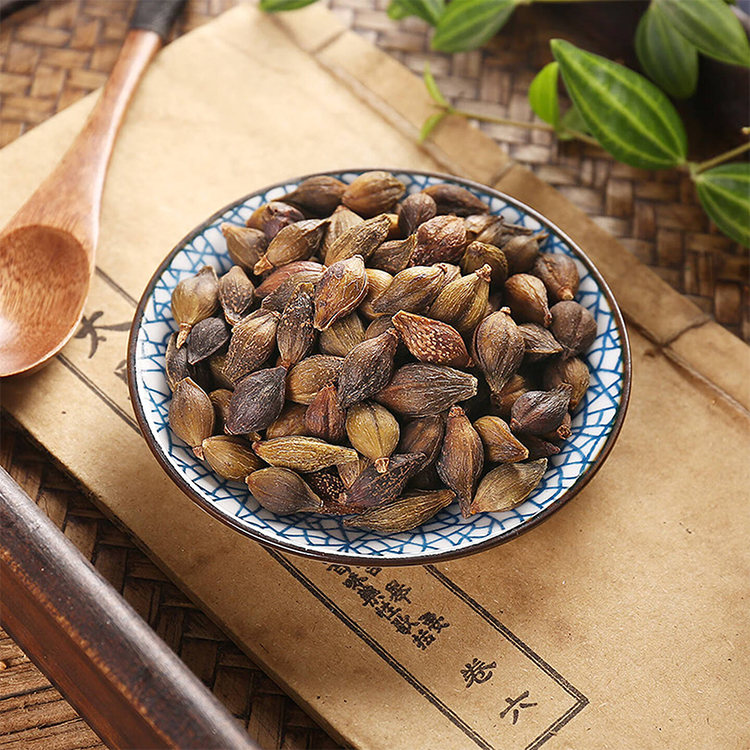
فاكهة الفورسيثيا الخضراء، أو «تشينغتشياو»، هي الفاكهة الخضراء غير المنفتحة التي أوشكت على النضج لـ فورسيثيا المعلقة وعادةً ما يتم حصادها في وقت مبكر من الموسم، في حين أن الثمار الناضجة، التي تُعرف عمومًا باسم «لاو تشياو»، هي الثمار الصفراء التي تنشق، والتي يتم جمعها في وقت لاحق بعد اكتمال نضجها؛ ويختلف هذان النوعان من حيث التركيب الكيميائي، والشكل، والسلوك التجاري.
أظهرت الأبحاث التي قارنت العينات المأخوذة في شهري أغسطس وأكتوبر وجود اختلافات قابلة للقياس في مستويات مادة «فورسيثياسايد أ» و«فيلييرين» و«فيليجينين»، إلى جانب اختلافات يمكن رصدها باستخدام تقنيات الأشعة تحت الحمراء القريبة (NIR) والأشعة تحت الحمراء المتوسطة (MIR) والفحص المورفولوجي. وهذا يجعل مرحلة النضج متغيرًا من متغيرات المواصفات، وليس مجرد درجة تقييم بصرية.
أفضل خيار بين «تشينغتشياو» و«لاوتشياو» هو المادة التي تتوافق مع مواصفات المشتري المحددة كتابةً، من حيث الهوية، ومرحلة الحصاد، والعلامات الكيميائية، والمعالجة، والملوثات، والاستخدام النهائي؛ لأن الأبحاث الحالية تُظهر اختلافات ملموسة بين الشكلين، لكنها لا تدعم قاعدة عامة تفيد بأن أحدهما أفضل من الآخر لكل الأغراض التجارية أو السريرية.
أظهرت دراسة مقارنة أن نبات «تشينغتشياو» الذي يتم حصاده مبكراً يحتوي على تركيزات أعلى من عدة مكونات رئيسية، في حين أشارت دراسة منفصلة أجريت على نماذج حيوانية إلى أن المادة الناضجة حققت أداءً أفضل في مؤشرات محددة متعلقة بالأحماض الصفراوية. وينبغي أن توجه هذه النتائج أسئلة الاختبار، لا أن تُعتبر استنتاجات طبية شاملة.
ينبغي أن يحدد برنامج اختبار ثمار الفورسيثيا السائبة الهوية النباتية وأجزاء النبات، وما إذا كانت من نوع «تشينغتشياو» أو «لاوتشياو»، ومستوى الرطوبة، والنظافة المادية، والمركبات المؤشرة ذات الصلة، ومخلفات المبيدات، والمعادن الثقيلة، والكائنات الدقيقة، وثاني أكسيد الكبريت عند الاقتضاء، وإمكانية تتبع الدفعة، على أن ترتبط كل نتيجة بالدفعة التجارية الفعلية ومعايير القبول في السوق المقصودة.
اعتمادًا على الغرض من الاستخدام، قد يكون من المبرر اللجوء إلى تحليل البصمة الكيميائية باستخدام تقنية HPLC، أو تحديد كمية علامات محددة، أو الفحص المجهري، أو تقنية TLC، أو غيرها من تقنيات تحديد الهوية. وقد أدرج برنامج معايير المواد الطبية في هونغ كونغ على وجه التحديد «Fructus Forsythiae» ضمن الأعشاب التي تم تقييمها باستخدام مناهج تحديد الهوية والطرق الكروماتوغرافية.
أفضل مورد لثمار الفورسيثيا هو الشركة المصنعة أو الشريك التوريدي القادر على توفير المنتج الصحيح بشكل مستمر فورسيثيا المعلقة الهوية، وطلبت سجلات الحصاد الخاصة بدرجة «تشينغتشياو» أو «لاوتشياو»، وتاريخ المعالجة، والعينات التمثيلية، والأدلة التحليلية الخاصة بكل دفعة، وإجراءات مراقبة الملوثات، ووثائق التصدير، ومواصفات التعبئة والتغليف، وإمكانية التتبع، بدلاً من الاعتماد بشكل أساسي على الصور الفوتوغرافية والشهادات.
ابدأ بمراجعة... المورد مواد سائبة من ثمار الفورسيثيا, ، ثم اطرح الأسئلة الموجودة في قسم قائمة مراجعة من 25 بندًا لموردي الأعشاب الصينية قبل الموافقة على طلب تجاري.
لا يُعد اللون الأخضر وحده دليلاً على جودة ثمار الفورسيثيا، لأن المظهر قد يشير إلى مرحلة الحصاد دون أن يؤكد الهوية النباتية، أو تركيز العلامات الكيميائية، أو نسبة الرطوبة، أو تاريخ المعالجة، أو حالة المبيدات، أو المعادن الثقيلة، أو الجودة الميكروبية، أو بقايا ثاني أكسيد الكبريت، أو ظروف التخزين، أو المنشأ، أو إمكانية تتبع الدفعة؛ وكل هذه العوامل قد تحدد ما إذا كانت المادة مقبولة للاستخدام التجاري أم لا.
استخدم اللون كإشارة من إشارات الفحص عند الاستلام. ولا تستخدمه أبدًا كاختبار للإفراج عن البضائع.
لا ترسل إلى المورد رسالة تطلب فيها فقط “سعر ثمار الفورسيثيا”.”
أرسل المواصفات.
يرجى تحديد ما إذا كنت بحاجة إلى تشينغتشياو أو لاوتشياو, ، والسوق المستهدف، والكمية السنوية، وتوقعات موسم المحصول، والاستخدام المقصود، وشكل التعبئة، ومتطلبات العلامات، ونطاق اختبار الملوثات. ثم اطلب عينة تمثيلية ووثائق خاصة بالدفعة قبل الموافقة على الإنتاج بالجملة أو الشحن.
إذا كنت تبحث حاليًا عن ثمار فورسيثيا (Forsythiae Fructus) لأغراض التوزيع العشبي، أو الاستخلاص، أو المكملات الغذائية، أو تركيبات الشاي، أو أي تطبيق تجاري آخر، فيُرجى الاطلاع على المنتجات المتوفرة توريد كميات كبيرة من ثمار الفورسيثيا (ليان تشياو) ويرجى تقديم الدرجة المطلوبة والكمية ومعيار الاختبار للحصول على عرض أسعار.
اشترِ الأدلة أولاً.
ثم تفاوض بشأن السعر.