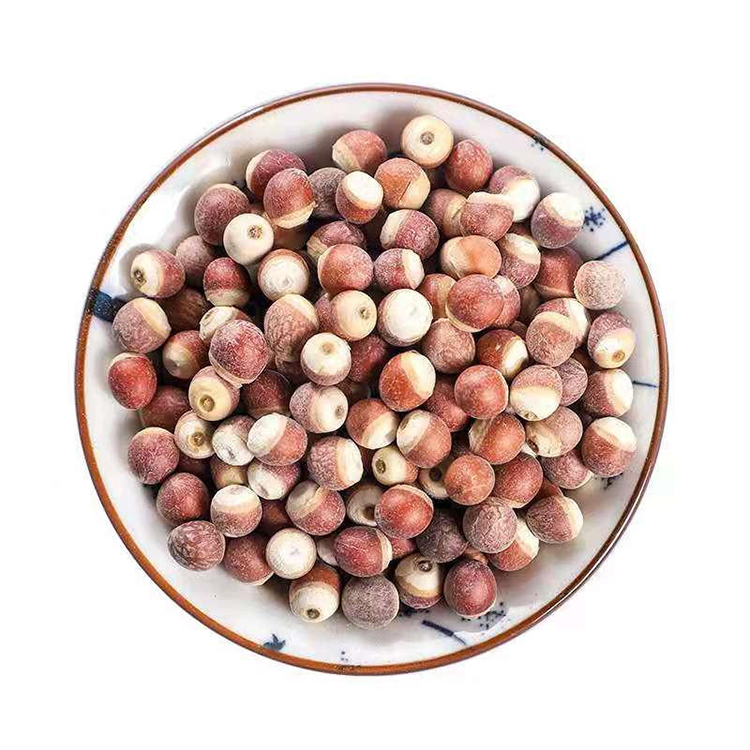
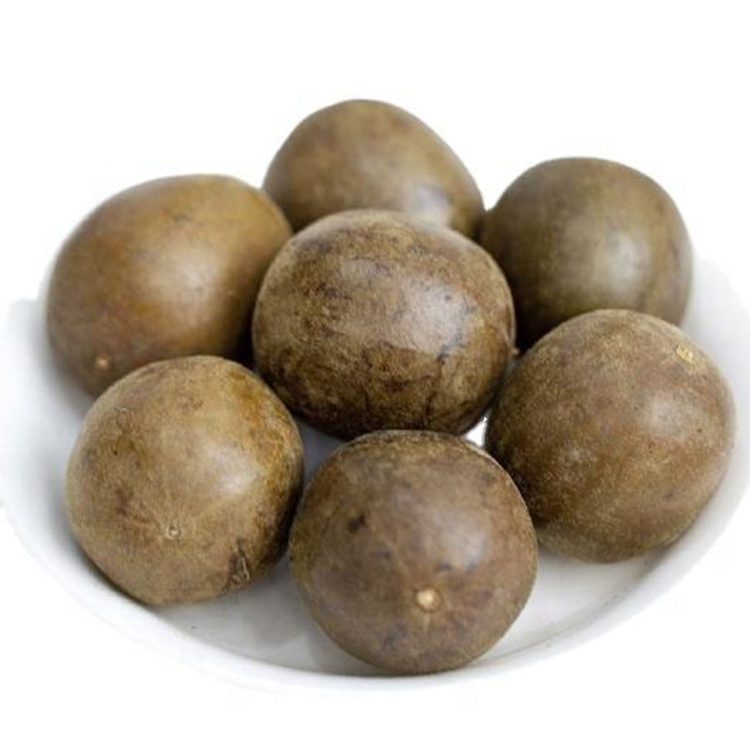
Approvisionnement en vrac en mûres : couleur, saveur sucrée et stabilité de conservation
Les lots de mûres en vrac peuvent présenter un aspect irréprochable lors de l'inspection, mais s'avérer non conformes quelques mois plus tard. Ce guide destiné aux acheteurs explique comment contrôler l'identité variétale, la couleur, la teneur en sucre, le séchage, l'activité de l'eau, le stockage, le conditionnement et la vérification des fournisseurs avant de valider les lots commerciaux.
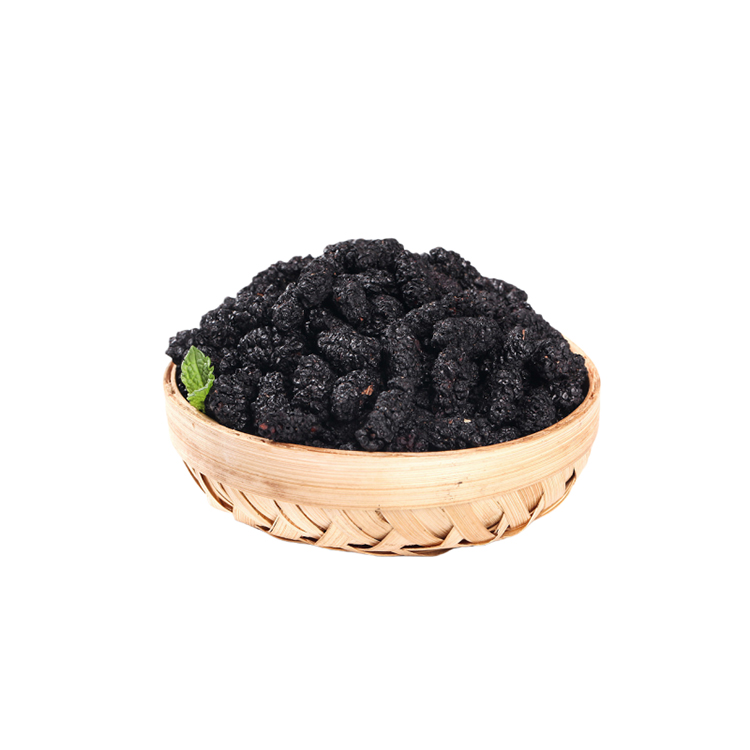
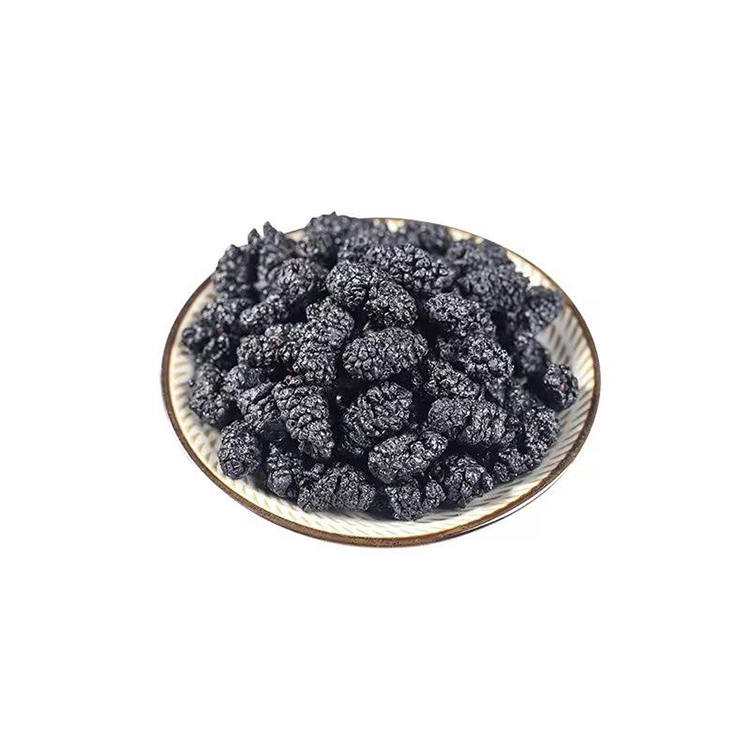
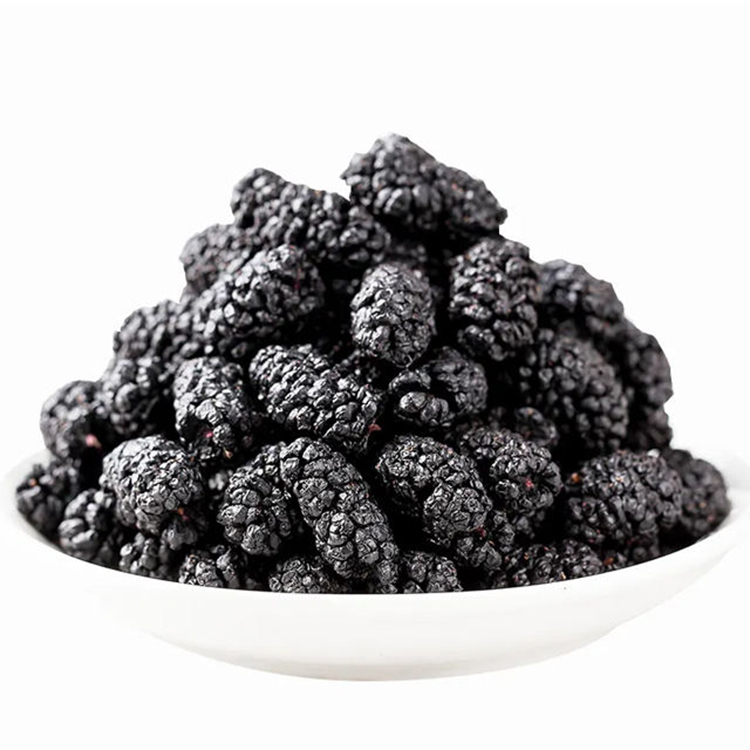
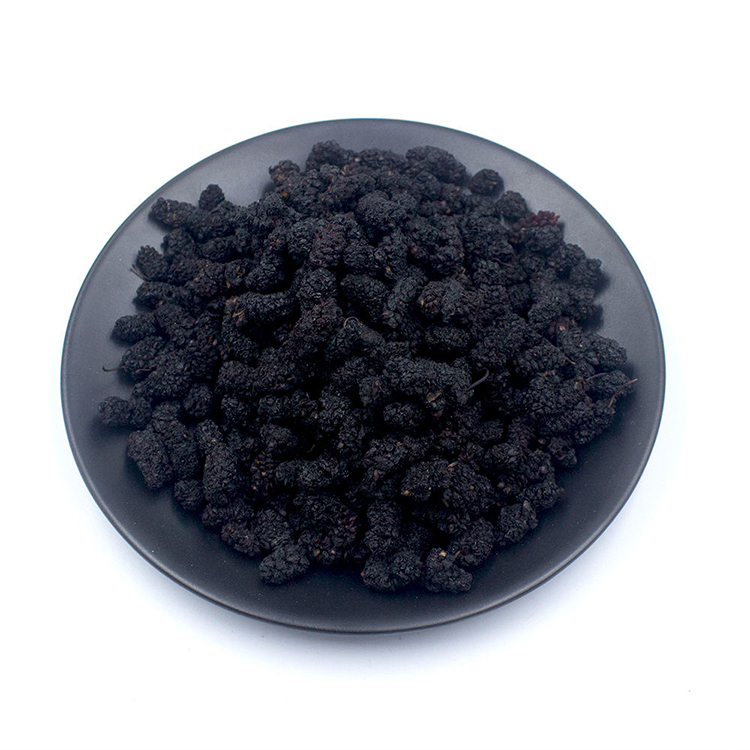
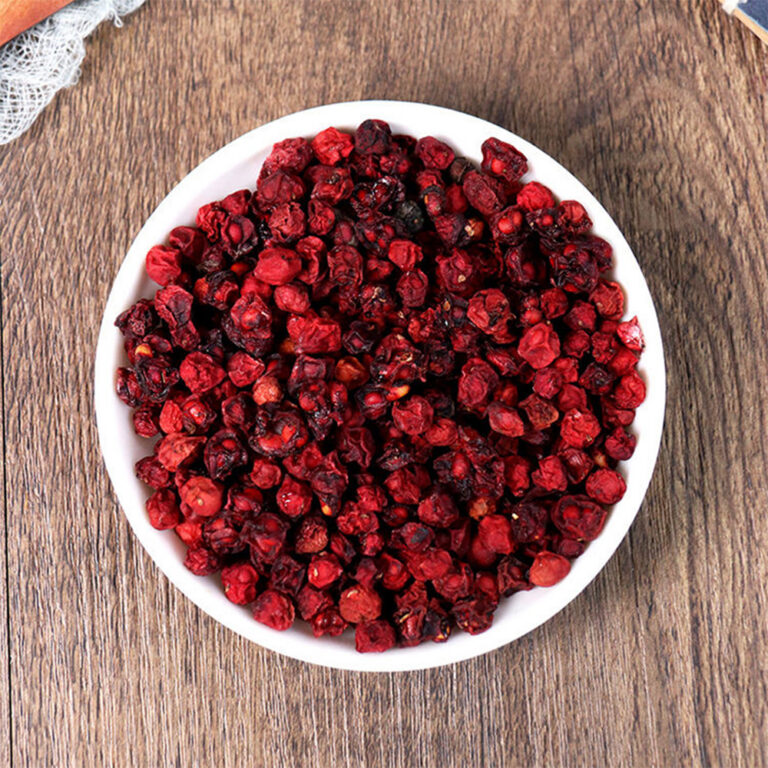
Une série de Fruits de mûrier en vrac Il peut certes être très photogénique, mais son aspect ne nous renseigne étonnamment que très peu sur le cultivar, la teneur en sucres solubles, l’équilibre acide, le degré de séchage, l’humidité résiduelle, l’activité de l’eau, l’oxydation, le risque microbiologique ou l’aspect que présentera ce même fruit au bout de trois mois passé dans un emballage d’exportation hermétique.
Alors, pourquoi valider une expédition sur la base de photos ?
Je ne le ferais pas.
Lorsque j'évalue des fruits secs dans le cadre d'un approvisionnement commercial, je considère l'aspect comme un critère de présélection, et non comme une spécification de conformité. Les termes “ foncé ”, “ sucré ”, “ naturel ” et “ séché avec soin ” relèvent du langage commercial. Le service des achats a besoin de chiffres, de méthodes, d'échantillons de référence, de codes de lot et de limites de rejet.
Cette distinction est particulièrement importante dans le cas du mûrier.
Les mûres en vrac ne constituent pas un produit de base standard
La première erreur d'achat se produit avant même la négociation du prix : l'acheteur demande des “ mûres en vrac ” sans préciser ce que cela signifie réellement.
Le terme « mûre commerciale » peut désigner des fruits frais, des fruits surgelés, de la purée, de la matière première pour jus, des fruits lyophilisés, des fruits séchés de manière traditionnelle ou des herbes séchées. Sang Shen. Ces produits se comportent différemment et nécessitent des spécifications différentes.
Pour les acheteurs de plantes médicinales, de thés, d'aliments fonctionnels et d'ingrédients, les produits concernés sont souvent séchés Morus fruit. Celui de GuoCao Page produit « Fruits de mûrier (Sang Shen) en vrac » présente ses produits comme des fruits secs associés à Morus alba, également commercialisé sous les noms de « Fructus Mori » ou « Sang Shen ».
Cette distinction entre les différentes parties de la plante est importante. Morus alba Les feuilles, l'écorce de racine et les fruits ne constituent pas des matières premières interchangeables simplement parce que le même nom botanique figure quelque part sur le certificat d'analyse.
Le contexte plus large du site Catégorie des ingrédients médicinaux chinois : fruits et graines associe le mûrier au goji, au schisandra, aux graines de cassia, aux dattes rouges, au longane et à d'autres fruits et graines utilisés dans les programmes d'ingrédients en vrac.
Dans le cadre d'un appel d'offres sérieux, je commencerais par présenter l'identité de l'entreprise avant d'aborder la question du prix :
Espèces botaniques : Morus alba L. ou les espèces spécifiquement visées par le contrat
Partie de la plante : fruit mûr
Nom commercial : Fruit de mûrier / Sang Shen / Fructus Mori
Forme : fruits entiers séchés, morceaux, poudre, frais, surgelés ou toute autre forme précisée
Méthode de traitement : déclarée
Sucre ajouté : mentionné comme présent ou absent
Origine : déclarée
Utilisation prévue : thé, extrait, formulation alimentaire, en-cas vendu au détail, préparation à base de plantes ou autre utilisation
Marché cible : à préciser avant la finalisation des exigences en matière d'essais
Des caractéristiques techniques succinctes. Une grande différence.
La couleur est utile, jusqu'à ce qu'on la confonde avec la qualité
Les mûres de couleur violet foncé et noir attirent l'attention, car les pigments anthocyaniques contribuent fortement à leur aspect. Mais la génétique des variétés joue un rôle considérable, et c'est précisément pour cette raison que se fier à une photo en couleur pour acheter ne constitue pas un contrôle de qualité suffisant.
A 2025 Frontiers in Plant Science étude évaluée 21 variétés de mûriers et a mis en évidence des différences notables en termes d’aspect, de propriétés nutritionnelles, de composés fonctionnels, de caractéristiques antioxydantes et d’activité enzymatique. Ses sept composants principaux expliquaient 88,4241 TP3T de la variance totale, tandis que les notes de qualité pondérées finales variaient entre de 0,406 à 0,817. La variété classée en tête, Da 10, a obtenu un score de 0,817 ; Feng Guo Sang la suit avec 0,765.
Ce n'est pas un simple bruit biologique mineur. Il s'agit d'un problème lié à la provenance du signal.
Cette même étude a mis en évidence des différences significatives entre les variétés en ce qui concerne leurs caractéristiques colorimétriques et fonctionnelles, ce qui explique pourquoi Fruits de Morus alba en vrac ne peut pas être standardisée simplement en commandant des “ mûres noires ”.”
Je gérerais les couleurs en trois couches
Tout d'abord : conserver un échantillon de référence physique.
Conservez un échantillon de production homologué dans un lieu de stockage et sous un éclairage contrôlés. Comparez les échantillons composites reçus à cet échantillon de référence, et non à une photographie retouchée fournie par le fournisseur.
Deuxièmement : mettre en œuvre la comparaison.
Pour les acheteurs pour lesquels l'uniformité de la couleur a une incidence sur la présentation en magasin, la couleur de l'infusion, l'aspect du thé ou le développement de la boisson, je privilégie les mesures CIELAB utilisant L*, a* et b* valeurs.
Une tolérance interne telle que ΔE00 ≤ 3,0 Cela peut être considéré comme un point de départ pour un programme de couleurs spécifique à l'acheteur, mais je ne qualifierais jamais cela de norme universelle pour le mûrier. Il s'agit d'une tolérance contractuelle qui doit être validée en fonction de l'application prévue.
Troisièmement : classer les défauts séparément.
Ne masquez pas les défauts derrière une mesure moyenne de la couleur. Enregistrez séparément les fruits pâles et immatures, les morceaux fortement brunis, les parties brûlées, la moisissure visible, les baies étrangères, les tiges et les taches anormales à la surface.
La dure réalité ? Une moyenne mathématiquement acceptable peut tout de même refléter une situation déplorable.
Le séchage n'affecte pas seulement l'humidité
C'est là que les fournisseurs ont souvent tendance à rester vagues.
Si vous demandez comment le fruit a été séché, on vous répondra peut-être “ à basse température ”, “ naturellement ” ou “ grâce à une technologie de séchage de pointe ”.”
« Aucun » est une spécification de processus.
Une étude contrôlée réalisée en 2024 et comparant différentes méthodes de séchage du mûrier a révélé que la lyophilisation sous vide permettait de conserver 6,99 mg/g d'anthocyanines, 3,18 mg/g de flavones totales et 2,94 mg/g de sucres solubles, tout en présentant le meilleur résultat mesuré en matière de piégeage des radicaux DPPH à 81.2% et le résultat de l'ABTS à 79.9% parmi les traitements étudiés. Les chercheurs ont également constaté une meilleure conservation de la couleur et des propriétés sensorielles avec la lyophilisation sous vide. Voir le Étude de 2024 sur le séchage du mûrier, référencée dans PubMed.
Cela signifie-t-il que chaque acheteur devrait exiger des mûres lyophilisées ?
Non.
La lyophilisation permet de préserver très efficacement les propriétés du produit, mais son coût peut ne pas être justifié pour un thé de grande consommation, une décoction ou un programme d’extraction. Le séchage conventionnel à l’air chaud peut s’avérer commercialement viable si la température, la durée, la teneur finale en humidité, l’activité de l’eau, la propreté et la qualité sensorielle sont contrôlées.
C'est justement ça.
Précisez le résultat, et non l'adjectif marketing.
Pour un achat en gros de mûres séchées, je demanderais au fournisseur :
La douceur se mesure par un chiffre, pas par un adjectif
“ De délicieuses mûres. ”
Cette formulation est pratiquement inutile dans un contrat de vente.
La douceur varie en fonction du cépage, du degré de maturité, des conditions de culture, du taux de concentration lors du séchage, de la fermentation, de l’équilibre acide et de l’ajout éventuel de sucre au cours de la transformation.
Et la douceur n'est pas simplement une question de concentration en sucre considérée isolément. L'acidité joue également un rôle important.
A 2025 BMC Plant Biology Dans le cadre de l'expérience de conservation en chambre froide, les mûres ont été récoltées à environ 15.2% : teneur en matières solides solubles (SSC) puis a conservé les fruits à une température d’environ 0,5 °C et une humidité relative de 90% pendant 5, 10 et 15 jours. Les chercheurs ont constaté que la teneur en SSC, l'acidité, la respiration, la dégradation et d'autres paramètres de qualité avaient évolué au cours de la conservation.
Cette étude constitue un élément de preuve utile. Elle ne donne toutefois pas le droit d'inscrire “ 15,2 °Brix minimum ” dans chaque contrat de vente de mûres.
Selon les variétés et les utilisations, les cibles doivent être adaptées.
Les mûres fraîches et séchées nécessitent des spécifications différentes en matière de teneur en sucre
Les fruits frais peuvent être triés efficacement à l'aide d'un réfractomètre étalonné permettant de mesurer la teneur en matières sèches solubles.
Les fruits secs, c'est un peu plus compliqué.
L'élimination de l'eau concentre les composants solubles ; par conséquent, comparer la lecture d'un réfractomètre issue d'une procédure d'extraction de fruits secs mal normalisée peut donner une fausse impression de précision. Pour mûres séchées en vrac, je préférerais mettre au point une méthode de laboratoire validée pour la détermination des sucres totaux ou réducteurs, puis l'associer à une référence sensorielle.
Posez également une question qui met mal à l'aise :
A-t-on ajouté du sucre ?
Dans le cas des snacks vendus au détail, l'ajout d'édulcorants peut relever d'un choix délibéré en matière de formulation. En revanche, pour une tisane, un produit issu d'une extraction, un ingrédient traditionnel ou un produit « clean label », la présence de sucres ajoutés non déclarés peut être totalement inacceptable.
Mettez-le par écrit.
C'est au niveau de la stabilité de conservation que les mûres bon marché finissent par coûter cher
Les mûres fraîches sont réputées pour leur grande fragilité.
En 2025 BMC Plant Biology Dans le cadre de cette étude, les chercheurs ont conservé des fruits pendant une durée pouvant aller jusqu’à 15 jours à environ 0,5 °C et 901 TP3T d'humidité relative. Un traitement combiné utilisant 1,0 mM de mélatonine et 1,0 mM de putrescine a abouti, au bout de 15 jours, à une perte de poids de 4,351 TP3T, une dégradation de 9,481 TP3T et une fréquence respiratoire inférieure d’environ 29,91 TP3T à celle du groupe témoin.
Cette expérience porte sur le traitement post-récolte des fruits frais et ne correspond pas à une exigence commerciale standard applicable au Sang Shen séché.
Mais cela met en évidence un aspect que les équipes chargées des achats ont souvent tendance à sous-estimer : le comportement de stockage est dynamique.
La température, l'humidité, la respiration, les acides, les sucres et la décomposition sont des variables qui interagissent entre elles.
Dans le cas des produits séchés, les enjeux changent. La migration de l'humidité, l'activité de l'eau, les propriétés barrières de l'emballage, la température, l'oxygène, les insectes, les levures, les moisissures et la condensation prennent alors une importance bien plus grande.
La teneur en humidité et l'activité de l'eau ne sont pas la même chose
Cette distinction permet d'éviter les réclamations.
Teneur en humidité indique la quantité d'eau contenue dans le produit.
Activité de l'eau (aw) décrit dans quelle mesure cette eau est disponible pour la croissance microbienne et les réactions chimiques.
Deux lots de mûres peuvent donc présenter des taux d'humidité similaires tout en se comportant différemment pendant le stockage.
Pour un produit séché destiné à un stockage prolongé à température ambiante, j'étudierais la possibilité d'un objectif de cours inférieur à 0,60 en tant que point de départ prudent pour le développement du produit, puis le valider par rapport au fruit réel, au système d'emballage et à l'étude de durée de conservation, plutôt que de copier aveuglément ce chiffre dans chaque contrat.
Les documents techniques de la FDA distinguent les produits à faible teneur en humidité ci-dessous aw 0,60 à partir de produits à humidité intermédiaire à aw 0,60–0,85, tout en soulignant que la levure et les moisissures peuvent constituer un problème majeur pour la durée de conservation à mesure que la teneur en eau augmente.
Et c'est là qu'un problème de référencement lié à ce sujet prend tout son sens. L'article du site consacré à Cristallisation du sucre des baies de goji ou moisissure ? traite d'une réalité similaire : les baies séchées peuvent présenter des altérations de surface que les acheteurs interprètent à tort lorsque les critères d'humidité, de teneur en sucres, de condition de stockage et d'inspection visuelle ne sont pas systématiquement pris en compte séparément.
Le cahier des charges du fruit de mûrier que je signerais volontiers
Il n'existe pas de spécification commerciale universelle couvrant toutes les applications du mûrier. Voici une cadre de spécifications de l'acheteur, et non une norme de pharmacopée.
Caractéristique de qualité
Ce que je spécifierais
Méthode de vérification
Drapeau rouge
Identité botanique
Exact Morus espèce et partie du fruit
Traçabilité + identification botanique
“ Mulberry ” uniquement
Forme du produit
Entiers et séchés, en morceaux, en poudre, frais ou surgelés
Examen visuel et des documents
Un nouveau formulaire est arrivé
Variété cultivée
Indiqué lorsque les performances sensorielles ou de conservation sont importantes
Registres des exploitations agricoles/parcelles
Le fournisseur affirme que la variété n'a aucune importance
Couleur
Référence approuvée, suivie d'une plage numérique si nécessaire
CIELAB L*, a*, b*
Photos uniquement
Douceur
Sucre contractuel ou méthode SSC adaptée au formulaire
Réfractomètre ou méthode de laboratoire validée
“ Naturellement sucré ”
Sucre ajouté
Explicitement présent ou absent
Déclaration des ingrédients et des procédés + essais si nécessaire
Aucune déclaration
Humidité
Valeur maximale spécifique au produit
Méthode validée de mesure de l'humidité
Moyenne uniquement, pas de données sur les lots
Activité de l'eau
Durée de conservation cible établie par validation
Humidimètre calibré
Non mesuré
Matières étrangères
Limite numérique écrite
Inspection des matériaux composites
“ Propre ” sans précision
Fruits abîmés
Limite numérique écrite
Échantillonnage représentatif
Pas de barème de notation
Microbiologie
Limites adaptées au marché et à l'utilisation
Laboratoire accrédité
COA générique
Pesticides
Programme de gestion des résidus adapté au marché
LC-MS/MS / GC-MS/MS, selon le cas
Ancien rapport concernant un autre lot
Métaux lourds
Limites propres à chaque marché
Méthode de laboratoire validée
Déclaration du fournisseur uniquement
Emballage
Exigences relatives aux revêtements, joints d'étanchéité et barrières
Spécifications d'emballage
“ Sac étanche ”
Traçabilité
Lot de récolte/production jusqu'à l'expédition
Dossiers
Un lot reconditionné perd son origine
Durée de conservation
Conditions définies et données à l'appui
Programme de stabilité
Demande non justifiée portant sur une période de 24 à 36 mois
Je joindrais ce tableau au cahier des charges avant de conclure un contrat annuel en bonne et due forme.
Pas après.
Le conditionnement fait partie intégrante du contrôle qualité des mûres
Un fournisseur peut sécher correctement les fruits et pourtant perdre tout le lot dans la salle de conditionnement.
Imaginez que des mûres séchées sortant de la chaîne de production avec une activité de l'eau acceptable soient conditionnées dans un emballage en polyéthylène peu résistant, expédiées via un port humide, puis stockées pendant six semaines dans un entrepôt non climatisé.
Le certificat d'authenticité original ne les protège pas comme par magie.
En ce qui concerne les mûres séchées, j'aimerais savoir :
Matériau de revêtement primaire
Épaisseur de la doublure
Type de joint
Méthode de fermeture d'un sac
Structure en carton ou en fût
Poids net par emballage
Performances de la barrière contre la vapeur d'eau dans un contexte commercial
Performances de barrière à l'oxygène lorsque l'oxydation des couleurs constitue un problème
Politique relative aux déshydratants, le cas échéant
Température et humidité maximales de stockage
Méthode de palettisation
Stratégie de contrôle de l'humidité dans les conteneurs
Pour les projets de marques de distributeur ou de formulation sur mesure, la question du conditionnement doit être abordée dès la phase de développement des ingrédients. Le site Service OEM/ODM sur mesure pour les herbes et les épices couvre les produits à base de plantes sur mesure et l'accompagnement à la production en matière d'emballage.
Je ne donnerais pas mon accord pour un approvisionnement en ingrédients couvrant douze mois sans me renseigner au préalable sur les emballages.
Cet ordre est à l'envers.
Comment j'évaluerais un fournisseur de mûres en vrac
Un certificat d'authenticité soigné est utile.
Ce n'est pas une preuve.
Pour un nouveau fournisseur en gros de mûres, je demanderais d'abord la fiche technique, puis le certificat. Ensuite, je vérifierais si le certificat correspond bien au lot de production sur lequel les échantillons ont été prélevés.
Pour les importateurs américains, il ne s'agit pas seulement d'une question de discipline d'achat. Le programme de vérification des fournisseurs étrangers de la FDA (FDA’s Foreign Supplier Verification Program) impose aux importateurs concernés d'évaluer les risques alimentaires et les performances des fournisseurs, et de mener des activités de vérification appropriées auprès de ces derniers. La FDA énumère spécifiquement des options telles que audits sur site, prélèvements et analyses, ainsi que l'examen des dossiers des fournisseurs relatifs à la sécurité alimentaire.
Un dossier de qualification des fournisseurs professionnel doit donc contenir, le cas échéant :
Identité juridique de la société et du site de production
Identité botanique et origine
Date de récolte ou de production
Déroulement du traitement
Paramètres de séchage
Données relatives à l'humidité et à l'activité de l'eau
Résultats microbiologiques spécifiques à chaque lot
Résultats concernant les résidus de pesticides
Résultats concernant les métaux lourds
Spécifications d'emballage
Registres de lutte contre les nuisibles
Dossiers de traçabilité
Échantillon conservé
Procédure de réclamation et de mesures correctives
Justification de la durée de conservation
Et j'achèterais l'échantillon de la même qualité commerciale que celle proposée.
“La ” qualité particulière des échantillons » va à l'encontre de l'objectif recherché.
Le devis de vente en gros de mûres le moins cher pourrait bien être le plus cher
Le prix au kilogramme est facile à comparer.
Les kilogrammes « utilisables » sont plus difficiles à évaluer.
Supposons que le fournisseur A propose un prix inférieur de 81 TP3T, mais que ses lots présentent des variations d'humidité plus importantes, davantage de tiges, davantage de fruits abîmés, une teneur en sucre inégale et un conditionnement moins soigné. Les économies apparentes disparaissent alors en raison des pertes liées au tri, des irrégularités d'extraction, des temps d'arrêt de production, des réclamations ou des dépréciations de stock.
C'est pourquoi je n'apprécie pas les tableaux de bord d'approvisionnement où le prix FOB occupe une place prépondérante.
Une meilleure comparaison commerciale devrait inclure :
Coût à l'arrivée + rendement utile + coût des essais + probabilité de défaillance + stabilité des stocks.
Les fruits bon marché ne sont pas vraiment bon marché si le service du contrôle qualité ne cesse de les refuser.
Pour les acheteurs qui mettent en place un programme d'approvisionnement botanique à plus grande échelle, le site Rubrique « Approvisionnement en gros » propose des ressources ciblées destinées aux acheteurs dans les domaines des herbes aromatiques, des ingrédients à base de fruits et des épices.
FAQ
Qu'est-ce que le « Mulberry Fruit Bulk » ?
Le terme « fruits de mûrier en vrac » désigne les fruits commercialisés à l'état frais, surgelés, transformés ou séchés, provenant d'une source bien définie Morus espèces achetées en grandes quantités selon des critères convenus en matière d'identité botanique, de forme, de couleur, de teneur en sucre, d'humidité ou d'activité de l'eau, de contaminants, de conditionnement, de traçabilité et de stockage, plutôt que d'être acceptées uniquement sur la base de leur aspect visuel.
Dans le cadre de l'approvisionnement en plantes médicinales traditionnelles chinoises, les fruits séchés sont généralement commercialisés sous les noms de « Sang Shen » ou « Fructus Mori ». Les acheteurs doivent toutefois identifier clairement l'espèce botanique et le mode de transformation, car les fruits frais, les fruits lyophilisés, le Sang Shen séché de manière conventionnelle et les mûres de mûrier sucrées destinées à la consommation nécessitent des programmes de contrôle qualité différents.
Comment déterminer le degré de sucrosité lors de l'achat de mûres séchées en vrac ?
La teneur en sucre des mûres séchées en vrac doit être déterminée à l'aide d'une méthode d'analyse reproductible pour les sucres, assortie de critères d'acceptation sensorielle, car le séchage concentre les matières solides solubles et rend difficile la comparaison fiable des mesures au réfractomètre entre les lots ; par ailleurs, le cépage, l'acidité, le degré de maturité, la température de transformation, la fermentation et l'ajout de sucre peuvent tous influencer la perception de la saveur sucrée.
Pour les mûres fraîches, il peut être utile de mesurer la teneur en matières sèches solubles à l'aide d'un réfractomètre étalonné. Pour les produits séchés, il convient de définir la méthode d'extraction ou d'analyse, la fourchette de tolérance et la politique relative aux sucres ajoutés directement dans le contrat.
Quelle doit être la teneur en eau des fruits de mûrier séchés en vrac ?
L'activité de l'eau des fruits de mûrier séchés en vrac doit être déterminée dans le cadre d'un programme de durée de conservation spécifique au produit ; une valeur d'aw inférieure à 0,60 peut être considérée comme un objectif prudent pour une stabilité prolongée à température ambiante. Toutefois, l'emballage, la température, la contamination, la formulation et le climat de destination doivent tout de même être validés, car l'activité de l'eau à elle seule ne peut garantir la durée de conservation commerciale.
Il ne faut pas confondre l'activité de l'eau (aw) avec le pourcentage d'humidité. Mesurez ces deux paramètres lorsque le risque lié à la stabilité du produit le justifie, et précisez la température à laquelle le test d'activité de l'eau est effectué.
Une couleur de mûre plus foncée est-elle synonyme de meilleure qualité ?
Une couleur mûre plus foncée ne signifie pas automatiquement une meilleure qualité, car la génétique du cultivar, le degré de maturité, le développement des anthocyanines, la température de séchage, l’oxydation, le brunissement de surface, la durée de stockage et la détérioration microbienne peuvent tous altérer l’aspect. Il convient donc de combiner l’évaluation professionnelle de la couleur avec l’identification botanique, les analyses sensorielles, la teneur en humidité, l’activité de l’eau, la recherche de défauts et l’évaluation microbiologique.
Pour les programmes où la couleur est un critère essentiel, constituez un échantillon de référence conservé et envisagez de recourir à des mesures CIELAB instrumentales plutôt que de vous fier aux photographies fournies par le fournisseur.
Comment choisir le meilleur fournisseur de mûres ?
Le meilleur fournisseur de mûres est celui qui respecte systématiquement les spécifications contractuelles en matière d’identité botanique, de forme de transformation, de couleur, de profil glycémique, de teneur en humidité ou d’activité de l’eau, de limites de contaminants, de performances d’emballage et de traçabilité, en fournissant des justificatifs spécifiques à chaque lot, des échantillons représentatifs et en faisant preuve d’une capacité à mettre en œuvre des mesures correctives, plutôt que de se contenter de proposer le prix le plus bas ou les photos de produits les plus attrayantes.
Avant d'approuver la commande, demandez un échantillon représentatif, un cahier des charges écrit, un certificat d'analyse (COA) spécifique au lot, des informations sur le traitement et les rapports pertinents relatifs aux contaminants. Comparez ensuite la prochaine livraison commerciale en appliquant exactement les mêmes critères d'acceptation.
Transformez votre demande de devis pour les mûres en un véritable cahier des charges
N'envoyez pas à un fournisseur un message se résumant à : “ Veuillez nous proposer votre meilleur prix pour des mûres séchées de première qualité. ”
Envoyez-leur quelque chose qu'ils puissent réellement fabriquer et tester.
Indiquez le Morus espèce, forme du produit, utilisation prévue, couleur cible, méthode d'analyse de la teneur en sucre, politique relative aux sucres ajoutés, activité de l'eau maximale, exigences en matière d'humidité, limites de défauts, normes microbiologiques et relatives aux contaminants, format d'emballage, volume annuel, pays de destination et documents requis.
Demandez ensuite un échantillon représentatif et le Certificat d'analyse (COA) spécifique au lot avant validation de l'expédition.
Si vous vous approvisionnez en Morus alba fruits destinés à la préparation de tisanes, à l'extraction, aux aliments fonctionnels, aux produits à base de plantes ou à la distribution en gros, consultez la Page produit « Mûres en vrac » et contacter l'équipe chargée de l'approvisionnement en plantes médicinales en vrac en précisant vos spécifications, la quantité souhaitée, le marché cible et les exigences en matière de tests. La page « Contact » du site permet de soumettre des demandes de devis en gros ainsi que des demandes OEM/ODM.
Notre faible QMo de 1 kg permet de commander facilement des tranches d'herbes chinoises ou des herbes médicinales chinoises en gros. Des étiquettes privées et bilingues sont également disponibles.
Cycle de livraison et soutien
Notre délai de livraison est de 7 jours. Nous fournissons des échantillons gratuits, des rapports COA et une assistance technique pour vous aider à mettre sur le marché des herbes chinoises en vrac de haute qualité.
Qualité et certifications
Nos produits sont fabriqués dans une usine certifiée GMP et répondent aux normes ISO22000. Toutes les herbes chinoises sont testées par une tierce partie pour détecter les métaux lourds, les pesticides et les micro-organismes.