Approvisionnement en fruits de gardénia : contrôle de la couleur, de l'odeur et de la transformation
La qualité du Gardenia Fructus ne peut être évaluée uniquement sur la base de son aspect. Ce guide d'approvisionnement explique comment la maturité, la couleur, l'odeur, la méthode de séchage, la teneur en géniposide et en crocine, l'historique de transformation et la documentation fournie par le fournisseur influent sur la qualité commerciale du Gardenia Fructus.
Un envoi de Fruit du gardénia peuvent présenter une belle couleur jaune-orange ou rougeâtre à la surface tout en ne répondant pas à certaines spécifications d'achat strictes, car la maturité, la température de séchage, l'historique de transformation, l'exposition à l'humidité, les conditions de stockage et la composition chimique ne vont pas nécessairement dans le même sens.
Alors pourquoi les acheteurs continuent-ils à valider des commandes en gros de fruits de gardénia sur la base de photos ?
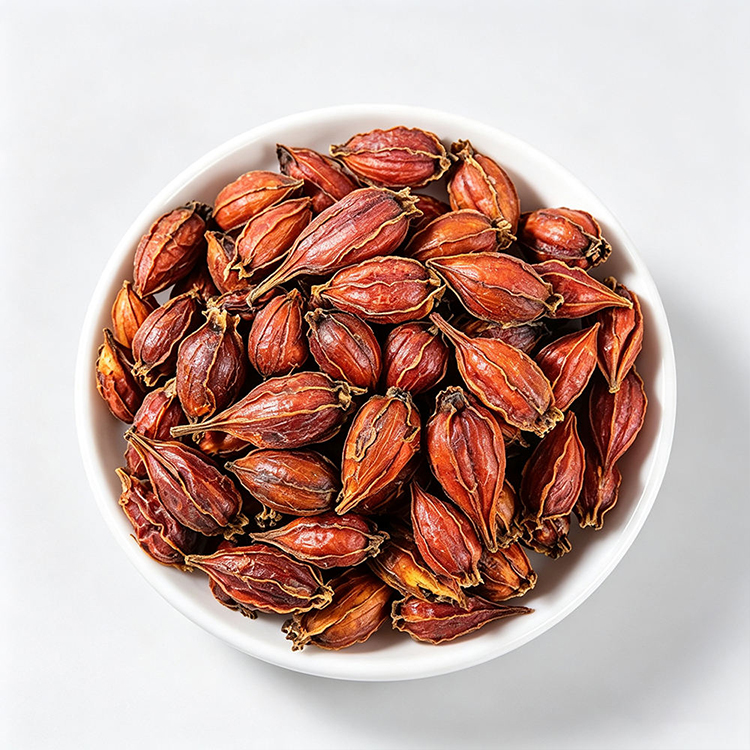
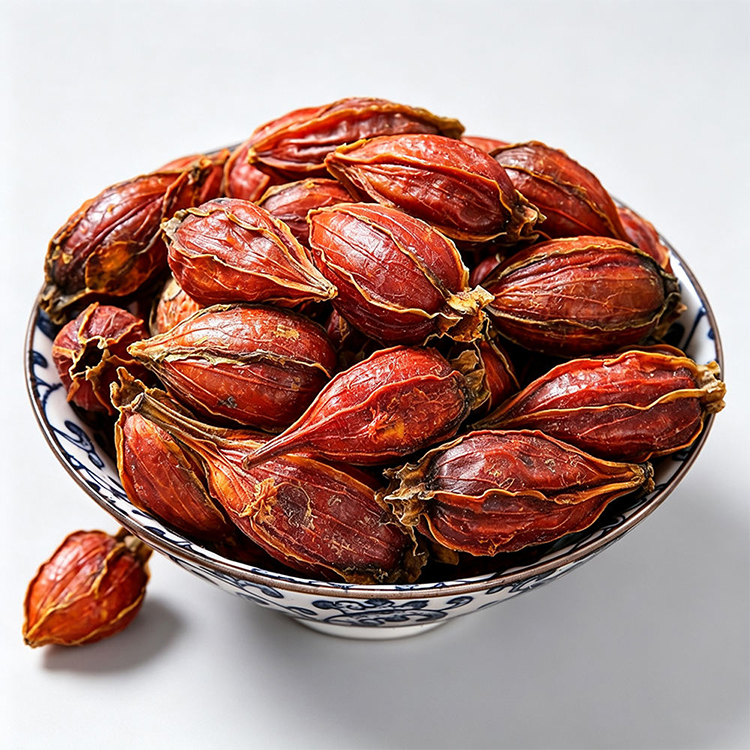
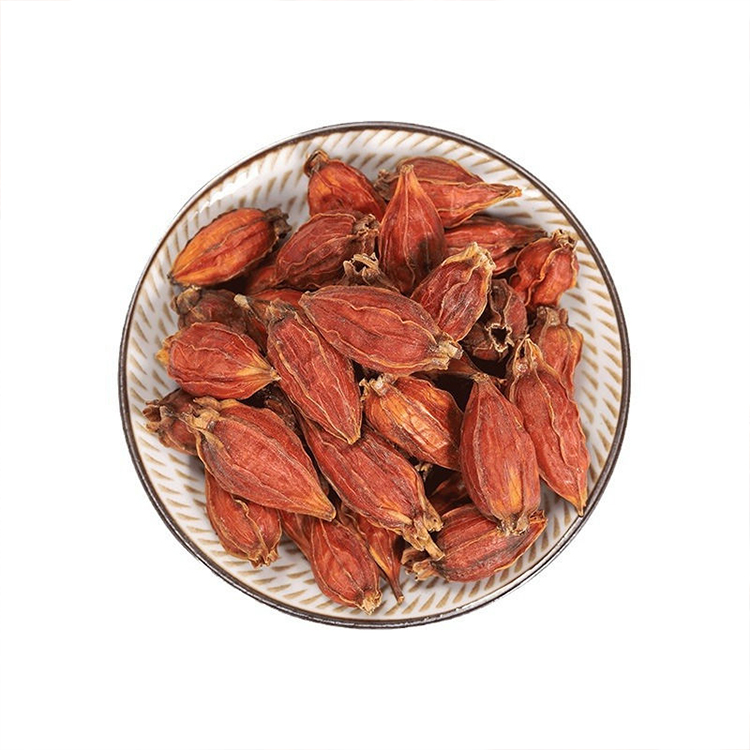
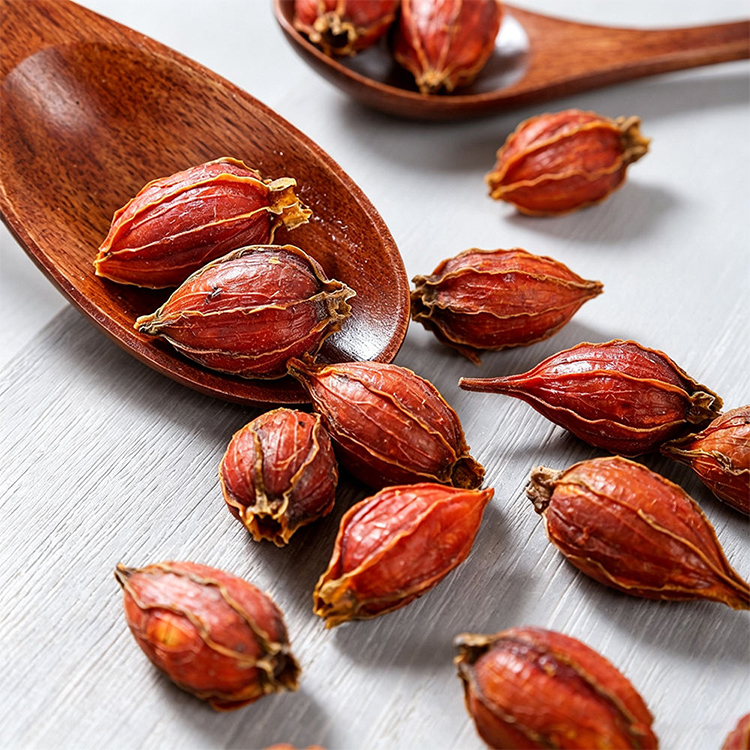
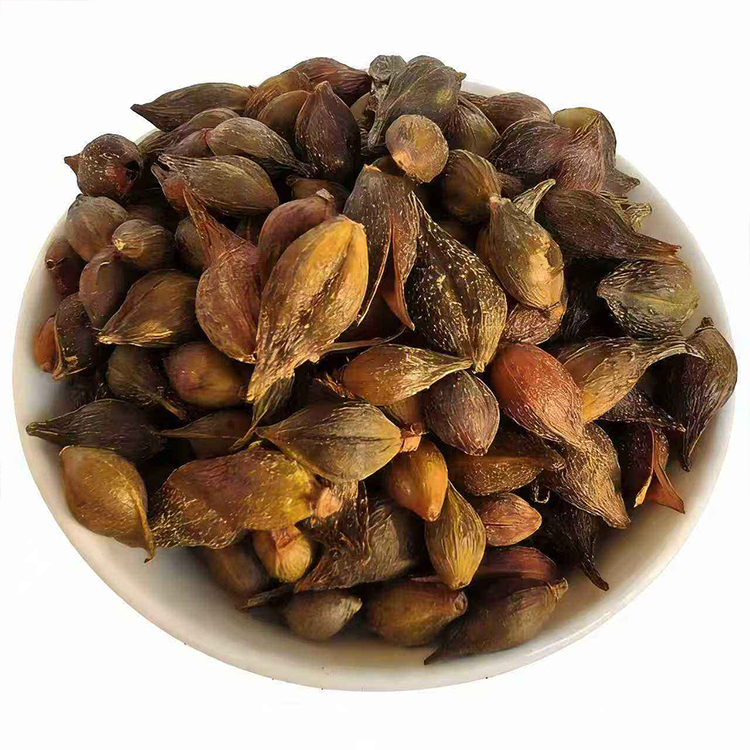
Fruit du gardénia, communément appelé « Zhi Zi » et désigné dans la pharmacopée sous le nom de Gardeniae Fructus, est le fruit séché de Gardenia jasminoides Ellis, de la famille des Rubiacées. Les acheteurs à la recherche de ce produit peuvent consulter la section du site consacrée à Fiche technique du produit en vrac « Gardenia Zhi Zi », qui identifie la source botanique comme étant Gardenia jasminoides et sous forme commerciale, en fruits secs.
Mais l'identification botanique n'est qu'une première étape.
Pour les acheteurs professionnels, la vraie question est de savoir si un lot se comportera comme le suivant.
La couleur des fruits du gardénia est un indicateur de qualité, mais pas un gage de qualité
Je n'approuverais jamais l'utilisation de fruits de gardénia séchés simplement parce que quelqu'un les décrit comme étant “ d'un beau jaune ” ou “ d'un rouge vif ”.”
Cette formulation est bien trop vague.
Le gardénia subit des modifications importantes au cours du développement du fruit. Son système pigmentaire comprend des crocines, des composés caroténoïdes hydrosolubles étroitement liés à la coloration caractéristique, allant du jaune à l'orange-rouge, des fruits mûrs. Parallèlement, le géniposide, un glycoside iridoïde dont la formule moléculaire est C17H24O10, suit un schéma d'accumulation différent.
Une étude de 2023 sur Gardenia jasminoides « Fruit Development » a signalé un point auquel les équipes d'approvisionnement devraient prêter attention : La concentration de géniposide a atteint son niveau maximal mesuré, soit 2,0351 TP3T, pendant la période où les fruits étaient encore verts, tandis que celle de la crocine a atteint 1,0981 TP3T pendant la période où les fruits étaient mûrs.. En d’autres termes, un fruit plus foncé ou d’aspect plus mûr ne signifie pas automatiquement “ plus de tout ”. La composition chimique évolue avec la maturation ; elle n’augmente pas simplement de manière linéaire. Voir le Étude sur le développement des fruits du gardénia, référencée dans PubMed.
Cela change ma conception de la manière dont un acheteur devrait préciser la couleur.
N'écrivez pas :
Couleur : jaune-rouge, bonne qualité.
Rédigez un objectif mesurable et en lien avec l'usage prévu.
Par exemple, un acheteur qui se procure des fruits séchés de gardénia à des fins d’extraction accordera sans doute beaucoup plus d’importance aux teneurs en géniposide et en crocine qu’un acheteur spécialisé dans les mélanges de thés, qui a également besoin de fruits entiers présentant un aspect homogène. Un acheteur d’ingrédients colorants naturels pourrait quant à lui établir des priorités différentes en matière de comportement des pigments.
Le contexte plus large du site Gamme de matières premières médicinales chinoises : fruits et graines Cela permet de mieux comprendre la place qu'occupe le gardénia sur le marché : il fait partie de la catégorie des fruits et graines, et non de celle des racines, écorces ou fleurs.
Quelle couleur un acheteur doit-il réellement indiquer ?
Je recommande de noter au moins quatre observations :
couleur dominante de la carrosserie ;
pourcentage de fruits manifestement immatures ou anormalement foncés ;
les morceaux noircis, brûlés ou tachés de moisissure ;
couleur interne après ouverture de fruits représentatifs.
Ce dernier point est important.
Une photo de produit soignée ne vous apprend pratiquement rien sur la décoloration interne.
Et voici la vérité la plus dure à accepter : L'uniformité visuelle peut parfois être le signe d'un tri agressif plutôt que d'une composition chimique intrinsèquement meilleure.. Le tri est bien sûr utile. Mais il ne permet pas de pallier une maturité insuffisante des matières premières ou un séchage inadéquat.
L'odeur est le test d'alerte le plus rapide que les acheteurs sous-utilisent
Ouvre le sac.
Cela peut paraître d'une simplicité presque gênante, mais l'odeur reste l'un des moyens les plus rapides de détecter des problèmes de stockage ou de transformation avant même de recevoir les résultats d'analyse.
Les fruits de gardénia correctement séchés doivent dégager une odeur botanique pure et caractéristique, sans trace évidente de moisi, de fermentation, de contamination par la fumée, d’odeur chimique ou de notes rappelant le rance. Je me méfierais des fournisseurs qui prétendent qu’une odeur inhabituelle n’est qu’une “ variation naturelle ” sans avoir examiné le lot.
Parce que parfois, il s'agit d'une variation naturelle.
Parfois, ce n'est pas le cas.
Cinq odeurs qui méritent qu'on s'y intéresse
Odeur de moisi ou d' cave : Cela peut être le signe d'une exposition à l'humidité, d'une mauvaise ventilation, d'un stockage inadapté ou d'une altération microbienne.
Odeur aigre ou de fermentation : Il convient d'enquêter sur cette situation pour déterminer s'il s'agit d'un séchage retardé, d'une absorption d'humidité ou d'une fermentation anormale.
Odeur de brûlé ou de fumée : Cela pourrait indiquer une exposition thermique excessive ou des conditions de séchage inadaptées.
Odeur chimique ou semblable à celle d'un solvant : Interrompez le processus de validation et identifiez la source avant que le matériel n'entre en production.
Une odeur inhabituellement faible associée à une couleur anormale : Cela ne constitue pas nécessairement un défaut, mais c'est une raison de comparer le lot à un échantillon de contrôle approuvé et à son profil analytique.
L'odorat sert à sélectionner.
Ce n'est pas une preuve.
L'erreur consiste à transformer un test organoleptique en une conclusion de laboratoire. Un lot dont l'odeur est agréable peut tout de même ne pas satisfaire aux exigences relatives aux pesticides, aux métaux lourds, aux micro-organismes, à l'identité ou aux composés marqueurs.
C'est pourquoi un contrôle à la réception effectué par des professionnels devrait associer l'évaluation sensorielle à un processus documenté quarantaine → test → libération processus de travail. Le guide du site consacré à 15 points de contrôle de la transformation des herbes brutes fait la même distinction opérationnelle : le moment de la récolte peut influencer la couleur et l'odeur, tandis que le contrôle qualité à la réception doit vérifier séparément le risque de moisissure, la présence de corps étrangers, l'odeur et d'autres critères de mise sur le marché.
Le séchage peut modifier le fruit du gardénia bien plus que ne le pensent les acheteurs
C'est là que le débat sur les marchés publics devient plus intéressant.
De nombreuses citations se contentent de dire :
“ Séchées au soleil. ”
“ Séchage en machine. ”
“ Séchés à basse température. ”
Ces étiquettes ne servent pratiquement à rien sans les paramètres de processus.
Une étude de 2024 comparant séchage à l'air chaud (HAD), séchage par infrarouge à ondes moyennes et courtes (MSWID), séchage sous vide pulsé (PVD) et séchage à l'air chaud assisté par radiofréquence (RF-HAD) ont mis en évidence des différences significatives tant en termes d'efficacité que de qualité du gardénia. Par rapport aux procédés HAD et MSWID, les procédés PVD et RF-HAD ont permis de réduire le temps de séchage d'environ 32.56%–42.51% et a entraîné une augmentation de la teneur en géniposide mesurée de 3.31%–13.77%, tout en préservant mieux la luminosité et la teinte rougeâtre. Les chercheurs ont également mis en évidence une corrélation positive significative entre la couleur des échantillons et leur teneur en pigments jaunes.
Ce n'est pas un détail mineur en matière de traitement.
Il s'agit de données relatives aux marchés publics.
Un acheteur qui compare deux fournisseurs de fruits de gardénia séchés peut en réalité comparer deux systèmes de séchage, deux périodes de maturité, deux délais post-récolte et deux historiques de stockage — et pas seulement deux exploitations agricoles.
La transformation modifie également les composés marqueurs
Les anciennes données issues de la HPLC illustrent ce point de manière encore plus frappante.
Une étude sur le pétrole brut et les produits pétroliers transformés Fruit de la gardénia d'après les mesures effectuées par plusieurs sources chinoises :
Géniposide : 2,492%–4,242%
Acide chlorogénique : 0,162%–0,407%
Crocin I : 0,417%–0,837%
Rutine : 0,116%–0,251%
Dans une étude comparative menée dans le Zhejiang, le gardénia brut contenait 4.242% géniposide, tandis que l'échantillon traité contenait 2.658%. J'ai mesuré la crocine I 0,6251 TP3T dans la matière première mais n'a pas été détecté dans cet échantillon traité. Les chercheurs ont notamment mis en avant les procédures de traitement comme cause possible de ces différences. L'étude complète est disponible via le Analyse par HPLC, référencée dans la base de données NCBI, du « Fructus Gardeniae » brut et transformé.
C'est justement pour cela que je n'aime pas l'expression “ même herbe, même qualité ”.”
La même espèce ? Peut-être.
La même alchimie ? Pas forcément.
Cahier des charges pratique pour l'achat en gros de fruits de gardénia
Un cahier des charges d'achat doit distinguer l'identité, caractéristiques sensorielles, condition physique, traitement des informationset critères de libération en laboratoire.
Si vous procédez ainsi, il sera beaucoup plus facile de comparer les fournisseurs.
Point de contrôle
Ce que l'acheteur doit vérifier
Pourquoi c'est important
Éléments de preuve suggérés
Identité botanique
Gardenia jasminoides Ellis / Fruit de gardénia
Empêche la substitution d'espèces ou de matériaux
Fiche d'identification botanique, COA
Forme du produit
Fruits entiers séchés, morceaux, poudre ou sous forme transformée
Le traitement modifie le comportement en aval
Cahier des charges approuvé
Couleur de la carrosserie
Définition de la plage acceptable à l'aide d'un échantillon de référence approuvé
Indique le degré de maturité et la régularité du traitement
Échantillon de lot + étalon conservé
Couleur intérieure
Vérifier les fruits représentatifs de la division
Révèle les taches cachées
Fiche de contrôle à la réception
Odeur
Propre, caractéristique ; aucune odeur indésirable de moisi, d'aigre, de fumée ou de produit chimique
Problèmes liés au stockage et au traitement des écrans
Contrôle sensoriel
Humidité
Limite maximale définie par l'acheteur en fonction de la destination et de l'utilisation prévue
Un excès d'humidité augmente le risque de détérioration
COA + méthode d'essai
Matières étrangères
Limite définie par l'acheteur
Mesure directe de la propreté
Tamisage / contrôle manuel
Géniposide
Fixer un objectif ou un seuil minimal lorsque cela est pertinent d'un point de vue commercial
Indicateur de qualité majeur du gardénia
Résultat de la HPLC
Crocine / Crocine I
Définir un objectif lorsque la qualité des pigments est un facteur déterminant
Étroitement lié à la coloration du gardénia
Résultat de la HPLC
Processus de séchage
Méthode, paramètres approximatifs, fiche de lot
Le traitement a une incidence sur la couleur et la composition chimique
Record de production
Stade de récolte/de maturité
Définis par le fournisseur et traçables
Les composés marqueurs évoluent au cours du développement
Registre des récoltes
Contaminants
Métaux lourds, pesticides, microbiologie, le cas échéant
Obligatoire pour une mise sur le marché fondée sur l'évaluation des risques
Certificat d'authenticité spécifique au lot / rapport d'un organisme tiers
Traçabilité des lots
Origine, lot de production, lot d'essai, lot de conditionnement
Permet de retracer l'origine des écarts
Enregistrement de lot
Remarquez-vous ce qui manque dans ce tableau ?
Une limite d’humidité universelle.
Un seuil minimal universel de crocine.
Une correction de couleur universelle.
Je ne les ai délibérément pas inventées. Un cahier des charges sérieux doit tenir compte du pays de destination, de la catégorie de produit, du niveau de transformation, de l’usage prévu, de la pharmacopée applicable ou de la norme du client, ainsi que des exigences contractuelles.
Reprendre une limite en ligne choisie au hasard dans un contrat de vente relève d'une mauvaise gestion de la qualité.
Le COA devrait être d'accord avec le fruit de gardénia qui se trouve devant vous
Un certificat d'analyse n'est pas un simple objet décoratif.
En ce qui concerne la fabrication de compléments alimentaires aux États-Unis, la FDA 21 CFR partie 111 Ce cadre exige des spécifications relatives aux composants et des procédures de contrôle qualité, et les directives de la FDA précisent qu'un certificat d'analyse fourni par le fournisseur et utilisé conformément aux dispositions applicables doit identifier le méthode d'essai, limites d'essai et résultats réels des essais. La FDA exige également une traçabilité au niveau des lots pour les composants réceptionnés dans les sites de fabrication de compléments alimentaires concernés. Voir le Guide de conformité aux bonnes pratiques de fabrication (CGMP) de la FDA pour les compléments alimentaires.
Cela revêt une importance particulière pour Gardenia Fruit, car un certificat d'analyse (COA) indique :
Géniposide : Admis
est plus faible que :
Géniposide : 3,46% — HPLC — Spécification ≥ X,XX%
Ce deuxième résultat fournit à l'équipe des achats un élément qui permet réellement d'établir des comparaisons entre les différents lots.
Le même principe s'applique aux pesticides, au Pb, au Cd, à l'As, au Hg, à la charge microbienne, à l'humidité, aux cendres et à tout autre analyte défini par le client.
Le site Liste de contrôle en 25 points pour les fournisseurs de plantes médicinales chinoises est utile avant d'approuver un nouveau fournisseur de fruits de gardénia, car cela incite les acheteurs à ne pas se limiter au prix, mais à s'intéresser également à l'identité, à l'origine, à la transformation, aux contrôles, à la traçabilité, à la certification et à l'examen des documents relatifs aux lots.
Ne jamais laisser un seul COA couvrir un flux de produits non défini
C'est l'une de mes opinions les plus fermes.
Un fournisseur ne devrait pas se contenter d'envoyer en janvier un “ certificat d'analyse type ” bien présenté et s'attendre à ce qu'il vaille pour valider les livraisons du reste de l'année.
Demandez :
À quel lot ce rapport se rapporte-t-il ?
Quand cet échantillon a-t-il été prélevé ?
Qui l'a goûté ?
Quel laboratoire l'a testé ?
Quelle méthode d'analyse a été utilisée ?
L'échantillon provient-il de la commande que je suis en train d'acheter ?
Le numéro de lot figurant sur le sac peut-il être associé au rapport d'essai ?
Le fournisseur peut-il récupérer le registre de production et de transformation correspondant à ce même lot ?
Si la chaîne de réponse est rompue, la traçabilité est compromise.
C'est aussi simple que ça.
Comment s'approvisionner en fruits de gardénia en gros sans acheter à l'aveuglette
Si je devais sélectionner un nouveau fournisseur de fruits de gardénia, j'opterais pour un processus d'approbation par étapes plutôt que de passer directement du devis à la commande de conteneurs.
Étape 1 : Déterminer l'identité botanique
Précisez :
Nom botanique :Gardenia jasminoides Ellis Dénomination officinale/commerciale : Gardeniae Fructus Nom commun : Fruit du gardénia / Zhi Zi Partie de la plante : Fruit Forme : Fruits entiers séchés, coupés, en poudre ou sous toute autre forme convenue
N'acceptez pas un contrat de vente qui mentionne simplement “ Gardenia ”.”
Étape 2 : Définir l'usage prévu
Extraction ?
Une tisane ?
Formule à base de plantes ?
Traitement des pigments naturels ?
Poursuite de la fabrication ?
C'est l'usage prévu qui détermine ce que signifie réellement “ le meilleur fournisseur de fruits de gardénia ”. Il n'existe pas de meilleur fournisseur en soi, indépendamment des spécifications.
Étape 3 : Valider un échantillon de référence physique
Garde-le.
Prends-le en photo.
Écris le code.
Utilisez ensuite l'échantillon conservé pour définir des critères concrets concernant la répartition des couleurs, la taille des fruits, l'odeur, la propreté, les cassures et l'aspect interne.
Étape 4 : Mettre en correspondance l'échantillon avec les données d'analyse
À tout le moins, déterminez quels tests sont pertinents pour votre marché et votre produit.
Pour certains acheteurs, l'identité botanique et le contrôle des contaminants sont des critères prépondérants. Pour d'autres, le géniposide et la crocine constituent des facteurs d'achat déterminants. Les fabricants d'extraits peuvent exiger une homogénéité chimique plus stricte que les acheteurs qui utilisent les fruits entiers à d'autres fins.
Étape 5 : Renseignez-vous sur le séchage, pas seulement sur l'origine
“L”« origine du Jiangxi » ne constitue pas une spécification de transformation.
Renseignez-vous sur la période de récolte, les critères de maturité, le délai entre la récolte et la première transformation, le prétraitement le cas échéant, la méthode de séchage, le contrôle de la température, la mesure finale de la teneur en humidité, les conditions de stockage et la séparation des lots.
Les données scientifiques expliquent déjà pourquoi : le développement du fruit influe sur l'accumulation de géniposide et de crocine, tandis que la technique de séchage peut modifier de manière significative la conservation de la couleur, l'efficacité du séchage et les teneurs mesurées en principes actifs.
Étape 6 : Réaliser un lot pilote avant de passer à la production à grande échelle
For companies developing teas, powders, botanical blends, or other customized formats, a pilot lot can expose problems that a 200-gram sample will never reveal. The site’s custom Chinese herbal and spice processing service describes a workflow built around pilot production, QC testing, approval, and subsequent scale-up.
That sequence makes sense.
Sample first. Verify second. Scale third.
Et non l'inverse.
Gardenia Fruit Quality Control: What I Would Reject
I would reject or quarantine a Gardenia Fruit lot pending investigation if I saw any of the following:
unmistakable mold growth;
persistent musty or fermented odor;
unexplained smoky or chemical smell;
abnormal moisture or condensation;
serious insect activity;
unusually high foreign matter;
major color deviation from the approved specification;
extensive blackening unrelated to the agreed processed form;
mixed botanical material;
COA lot numbers that do not match shipping documentation;
analytical results without stated methods or limits;
unexplained changes between approved sample and production lot;
supplier inability to connect the shipment to harvest, processing, and testing records.
Would I reject a shipment just because it was slightly darker than last year’s batch?
Non.
Natural agricultural materials vary.
But unexplained variation is different from controlled variation.
A competent Gardenia fruit supplier should be able to tell you pourquoi a lot changed and provide enough records to support the explanation.
That is the standard I would use.
FAQ
Qu'est-ce que le fruit du gardénia ?
Gardenia Fruit is the dried fruit of Gardenia jasminoides Ellis, a Rubiaceae plant commonly called Zhi Zi and pharmacopoeially known as Gardeniae Fructus; in commercial herbal supply, it is purchased as whole dried fruit, cut material, powder, or processed material and evaluated through identity, physical condition, processing records, and analytical testing.
For bulk purchasing, buyers should distinguish Gardenia jasminoides fruit from gardenia flowers and from unrelated materials carrying similar common names. Botanical name, plant part, origin, form, and lot identification should appear in the purchasing specification.
De quelle couleur doivent être les fruits de gardénia séchés de bonne qualité ?
High-quality dried Gardenia Fruit should meet a buyer-approved color specification consistent with its maturity stage, processing method, intended application, and retained reference sample rather than an arbitrary rule that every acceptable lot must display one specific shade of yellow, orange, red, or reddish brown.
Color is useful because crocin-related pigments develop during fruit maturation and respond to processing, but it should be interpreted alongside internal appearance, odor, moisture, analytical markers, and processing records. Research found crocin reaching 1.098% during the mature-fruit period, while geniposide peaked earlier.
Comment les acheteurs peuvent-ils évaluer la qualité des fruits de gardénia ?
Gardenia fruit quality should be evaluated through a combined specification covering botanical identity, exterior and internal color, characteristic odor, moisture, foreign matter, processing history, harvest or maturity information, geniposide and crocin where relevant, contaminant testing, packaging condition, and complete lot-level traceability rather than visual inspection alone.
I recommend establishing an approved reference sample and comparing every commercial batch with both that physical standard and its lot-specific COA.
Le séchage a-t-il une incidence sur la qualité des fruits de gardénia ?
Drying affects Gardenia Fruit quality because thermal exposure, moisture migration, drying duration, and drying technology can change physical color, pigment retention, texture, and measured chemical constituents, meaning two batches grown from comparable botanical material may develop noticeably different commercial characteristics after different postharvest processing conditions.
A 2024 comparison reported PVD and RF-HAD drying shortened drying time by 32.56%–42.51% versus the compared HAD and MSWID treatments and increased measured geniposide by 3.31%–13.77% while better preserving brightness and redness.
Que doit contenir un certificat d'analyse (COA) du fruit du gardénia ?
A Gardenia Fruit COA should identify the exact batch and report agreed specifications, analytical methods, limits, and actual results for relevant parameters such as botanical identity, moisture, marker compounds, heavy metals, pesticide residues, microbiological criteria, or other tests required by the destination market and the buyer’s intended product application.
For buyers operating under U.S. dietary-supplement requirements, FDA CGMP guidance is especially relevant because it emphasizes specifications, documented test methods, test limits, actual results, quality-control review, and component traceability.
Comment puis-je m'approvisionner en fruits de gardénia en gros ?
To source Gardenia Fruit in bulk, first lock the botanical identity and product form, then define color and sensory standards, approve a representative sample, establish chemical and contaminant testing requirements, verify drying and storage controls, review lot-specific documentation, and complete a pilot purchase before committing to larger repeat-volume contracts.
Do not begin with price alone. Begin with the specification. Once two Gardenia fruit suppliers are quoting against the same test requirements, form, packaging, processing method, and documentation package, their prices become far more meaningful.
Build a Gardenia Fruit Specification Before Requesting a Quote
Gardenia Fruit sourcing gets easier once vague descriptions disappear.
Do not ask only for “good Zhi Zi.”
Send the supplier your required botanical identity, product form, target color range, approved reference sample, odor standard, moisture requirement, geniposide or crocin specification where relevant, contaminant limits, testing methods, packaging format, quantity, destination country, and documentation requirements.
If you are evaluating Fruits de gardénia en vrac for importing, extraction, herbal formulations, tea products, or further processing, start with the Gardenia Fruit bulk product page and request a representative sample plus a lot-specific COA before approving commercial production.
Notre faible QMo de 1 kg permet de commander facilement des tranches d'herbes chinoises ou des herbes médicinales chinoises en gros. Des étiquettes privées et bilingues sont également disponibles.
Cycle de livraison et soutien
Notre délai de livraison est de 7 jours. Nous fournissons des échantillons gratuits, des rapports COA et une assistance technique pour vous aider à mettre sur le marché des herbes chinoises en vrac de haute qualité.
Qualité et certifications
Nos produits sont fabriqués dans une usine certifiée GMP et répondent aux normes ISO22000. Toutes les herbes chinoises sont testées par une tierce partie pour détecter les métaux lourds, les pesticides et les micro-organismes.