You want scale without losing soul. You need roots and rhizomes that hit spec, batches that repeat like clockwork, and a partner who speaks both TCM and GMP. That’s the whole thesis: custom herbal solutions only work at scale when the spec, the process, and the proof travel together. GuoCao does exactly that—OEM/ODM, ISO 22000, GMP herbal manufacturing, third-party COA, and global fulfillment across 30+ countries and regions. We keep it simple, but never simplistic.
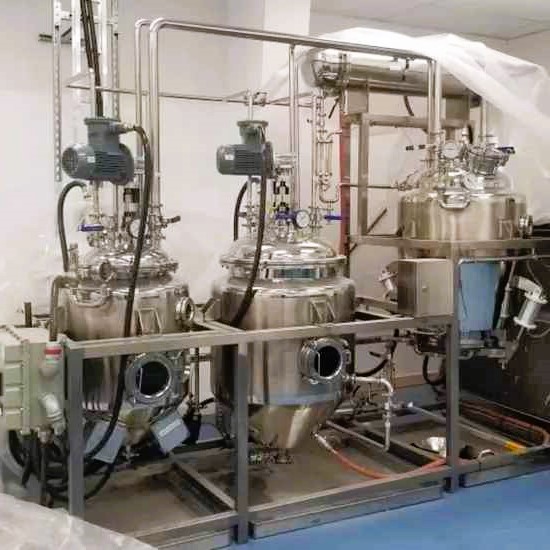
GMP herbal manufacturing & ISO 22000 food safety
No shortcuts here. A real quality system (QMS) sits behind every lot: SOPs, batch records, CAPA, change control, and internal audits. ISO 22000 ties food safety into daily ops. That means hazard analyses, CCPs, allergen controls, and traceable corrections when something drifts. You get lot-level traceability from farm gate to finished carton. If it isn’t documented, it didn’t happen—so we document it.
Why it matters: scale multiplies small problems. GMP and ISO lock in the process so every cut, every powder, every blend lands on-spec, again and again.
OEM/ODM Chinese herbal manufacturing: from brief to scale
You bring a brief. We turn it into repeatable production:
Intake & spec design – define marker compounds, mesh size, moisture, microbial limits, extract ratio (if applicable), and packaging targets.
Raw material qualification – supplier approval, incoming QC, sampling plan, pre-proc tests.
Paozhi & preprocessing – washing, slicing, drying, roasting when needed; humidity and airflow controlled.
Cutting & milling – mesh-controlled milling for consistent flowability and dosage.
Packaging & labeling – oxygen/water-activity managed; GS1-friendly lot coding for traceability.
COA release – third-party verification; retain samples on file.
It’s not fancy talk, it’s the highway to scale.
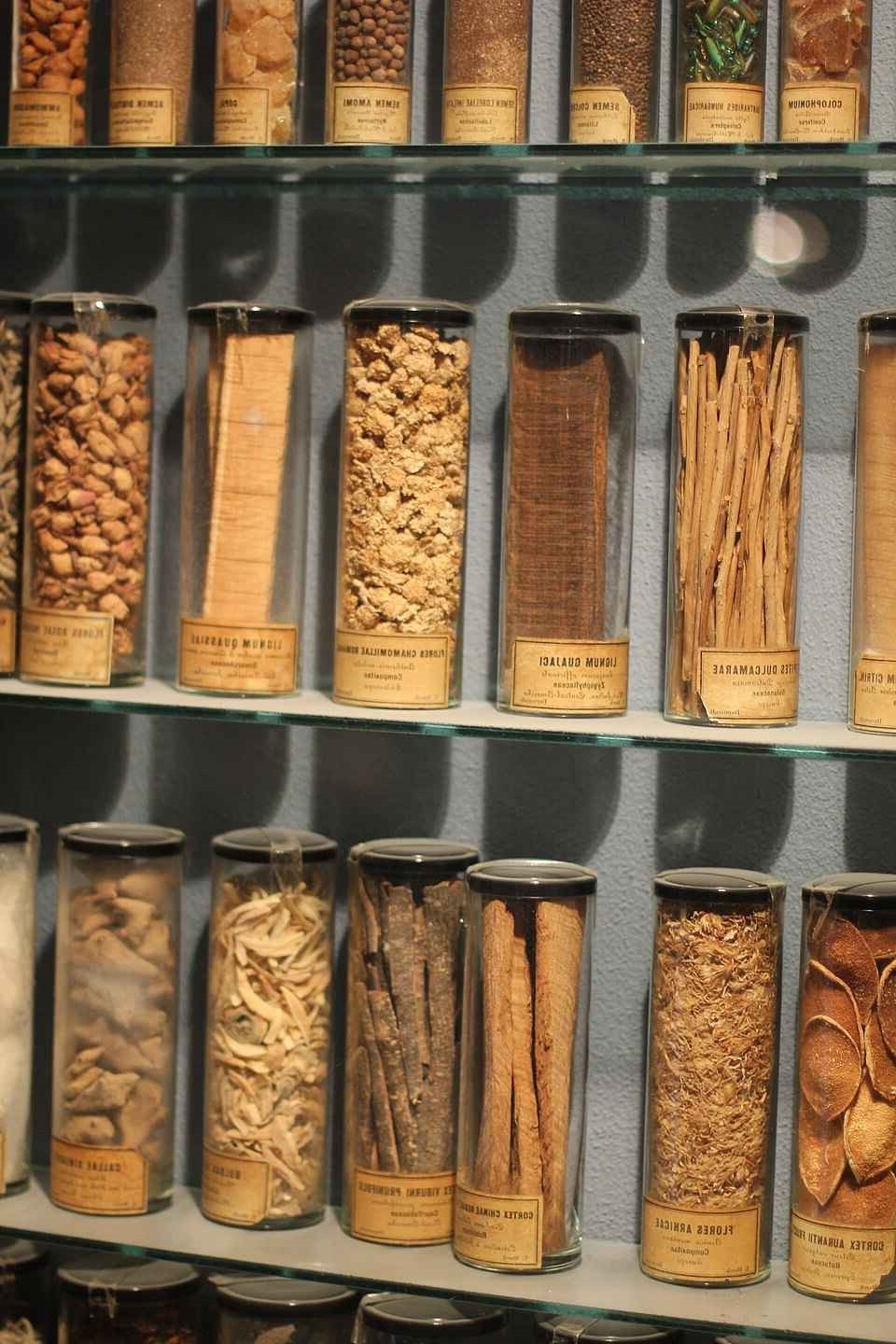
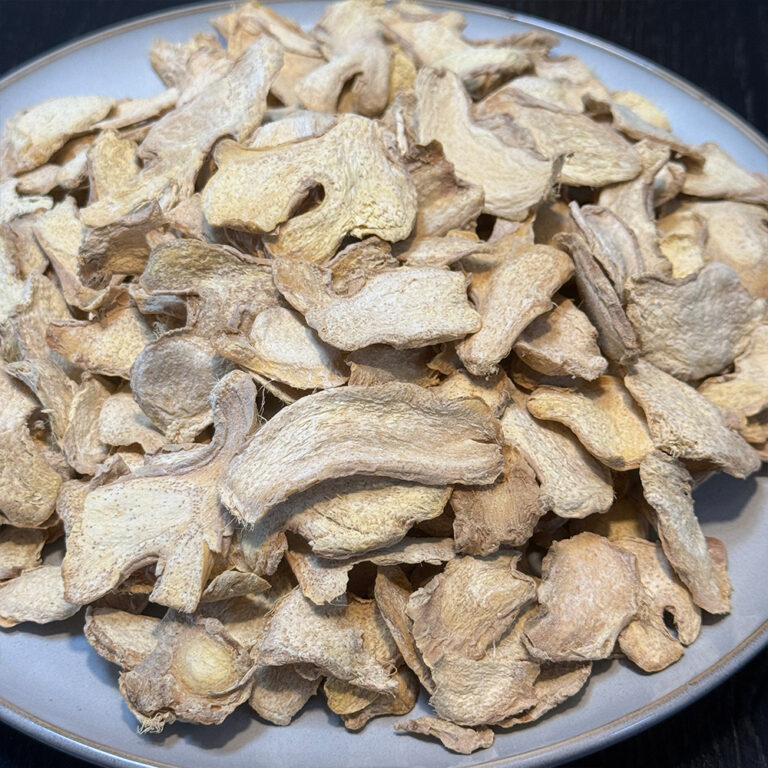
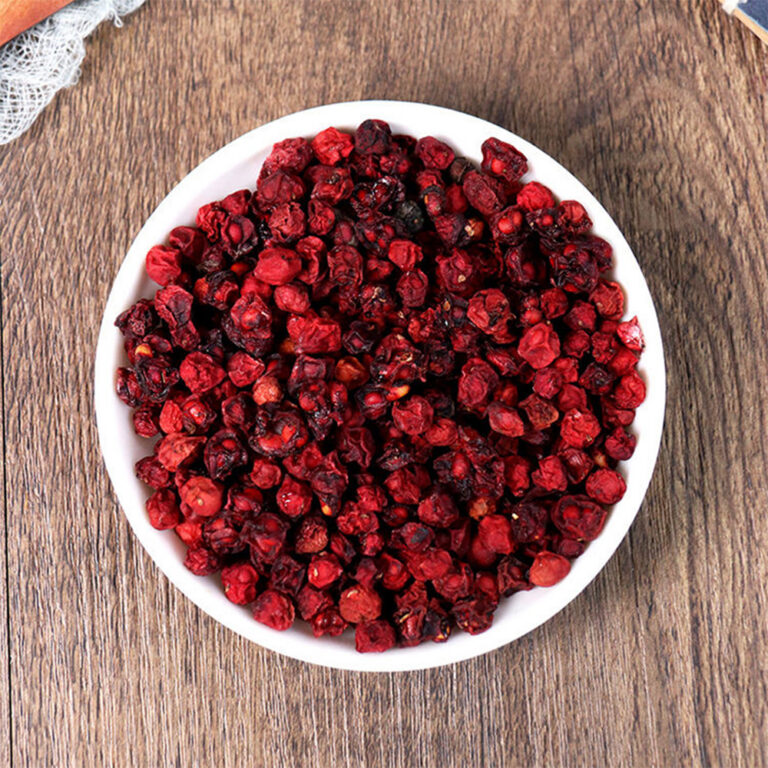
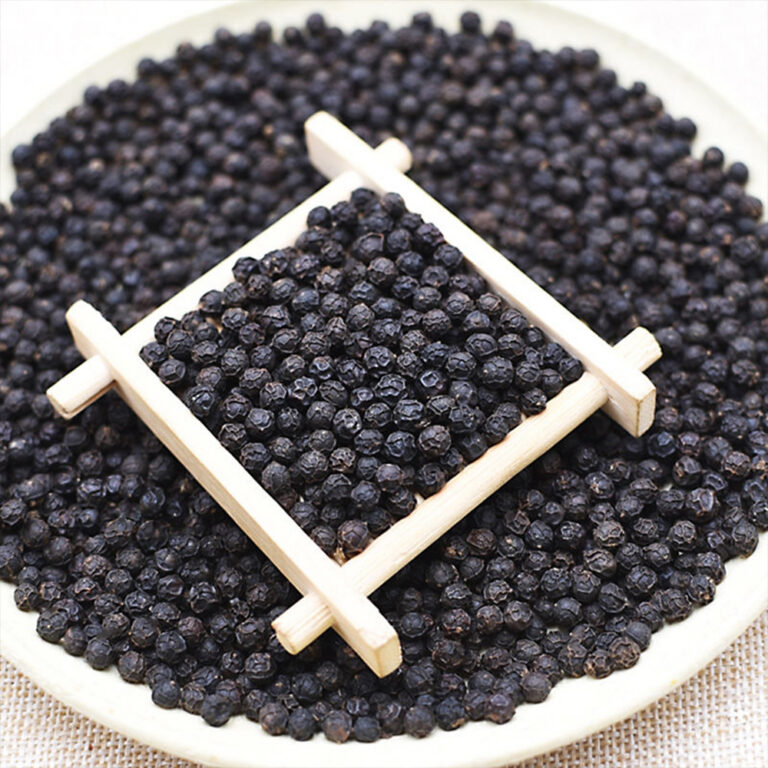
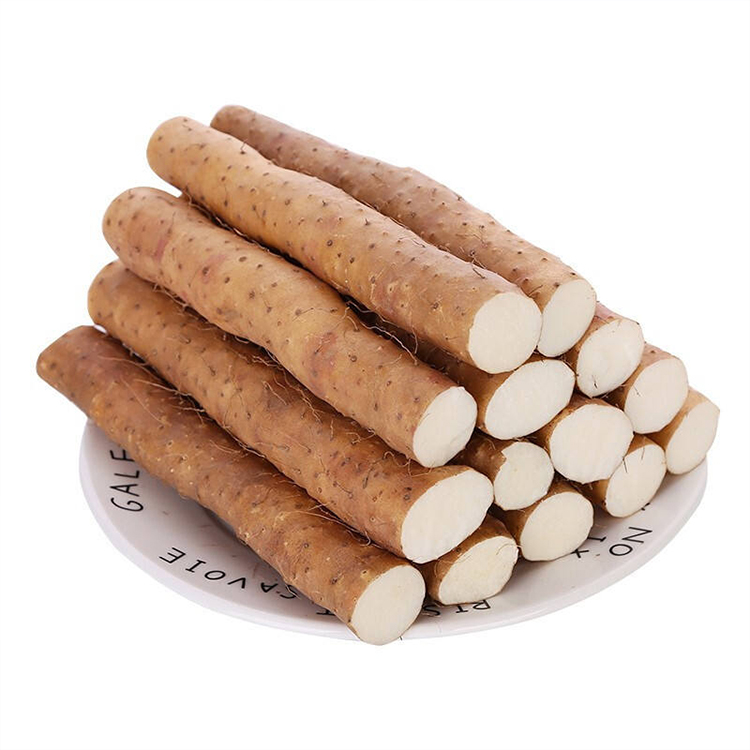
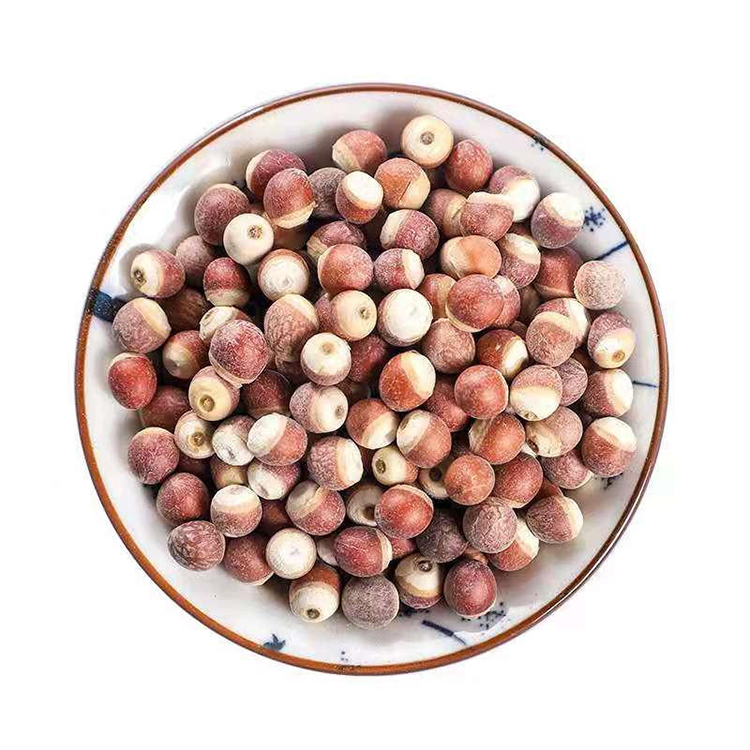
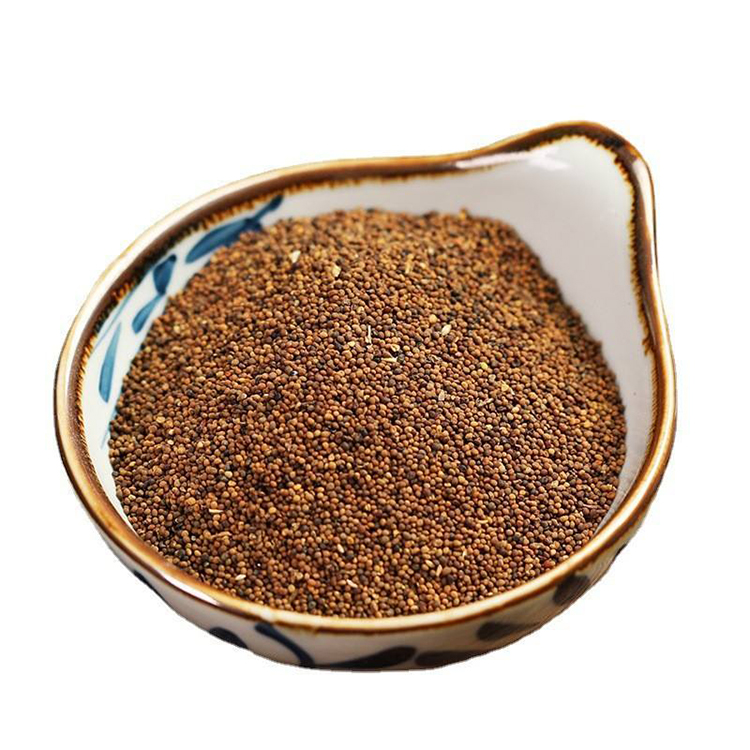
Roots and rhizomes raw material: specs & paozhi options
Below are Root and Rhizome staples you can slot into different scenarios (not just “applications”): powders for tablets, slices for decoction, blocks for maceration, and so on. Links go straight to the product pages on your site.
Note: specs are adjustable per SKU; we tune them to your use-case and regulatory lane.
COA, HPLC/GC-MS, and identity testing: quality-control workflow
Release without proof is just hope. We don’t do hope.
Identity: macroscopic/microscopic ID and TLC or HPLC fingerprinting.
Potency/markers: HPLC for target constituents; where relevant, GC-MS for volatiles.
Safety: heavy metals, microbial (TPC, YM, pathogens), pesticides per market.
COA: third-party verification attached to each lot; retain samples kept on site.
Outcome: the COA tells a clean story—what it is, how strong, how safe, and what changed since last run (ideally nothing).
Supply-chain traceability & global distribution compliance
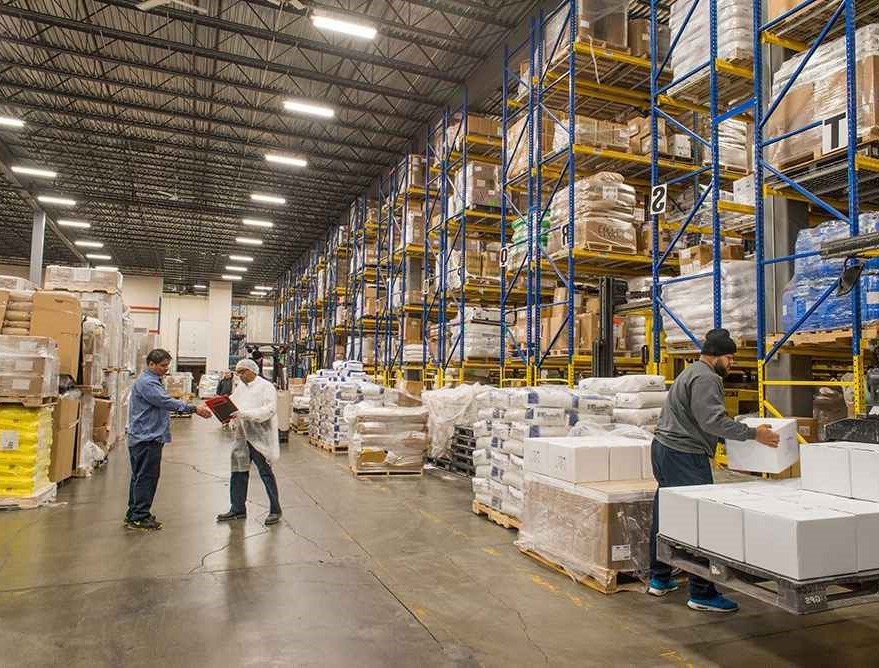
Selling into the U.S., Europe, Australia, Japan, Korea, Canada, Malaysia, the Philippines, and more than 30 countries means paperwork must match product. We align docs to destination: ingredient statements, HS codes, allergen declarations, composition sheets, and import certificates. Labels carry clear lot numbers and expiry/best-by dating. Warehouses (ambient/cool/MAP) protect aroma and actives. If a regulator knocks, we open the binder and show the trail.
Pain point solved: you stop worrying about “will customs hold this?” and focus on demand planning.
Stability, shelf life, and packaging engineering
Herbs hate heat, oxygen, and water. We reduce all three:
Drying windows and water-activity targets protect against microbiological growth.
Oxygen-barrier films and desiccant strategies hold volatiles and color.
MAP storage (gas-controlled) for sensitive roots and rhizomes.
Stability pulls at defined intervals to validate shelf life.
Not fancy packaging, smart packaging. Big difference.
These are your sources and your sales funnel in one place. No outside links, no noise.
Tone and execution notes (so your team can scale the writing too)
Voice: direct, human, active. Use contractions. Short sentences.
Jargon: keep the necessary terms (GMP, COA, HPLC, CAPA, mesh size, MAP) because buyers speak them.
Structure: start with the thesis, then show the controls and the proof. Add tables so buyers can skim.
Claims: anchor to what you can document—GMP, ISO 22000, COAs, capacity, global reach.
Style: mix simple and complex sentences for rhythm; tiny imperfections are okay (real people write like this).
CTA: guide to specific herbs via links above; invite briefs for OEM/ODM.
Bottom line
Custom herbal solutions at scale are not magic. They’re spec-driven sourcing, process discipline, and proof on the page. With GuoCao, you get all three—plus real capacity and world coverage. You bring the brief; we’ll bring the herbs, the process, and the paper trail to match.
Our low MOQ of 1 kg (2.2 lb) makes it easy to order Chinese herbal slices or wholesale Chinese medicine herbs. Private-label and bilingual labeling are also available.
Delivery Cycle & Support
We have a fast 7-day lead time. We provide free samples, COA reports, and technical support to help you bring high-quality bulk Chinese herbs to market.
Quality & Certifications
Our products are manufactured in a GMP-certified facility and meet ISO22000 standards. All Chinese herbs are third-party tested for heavy metals, pesticides, and microorganisms.