
لا تقلق، اتصل برئيسنا على الفور
لا تتسرع في إغلاقه، الآن، يرجى التحدث إلى رئيسنا مباشرة. عادةً ما يتم الرد خلال ساعة واحدة.
أعشاب وتوابل الطب الصيني الشركات المصنعة
الطب الصيني العالمي للأعشاب والتوابل الصينية بالجملة
نستخدم SSL/3.0 لتشفير خصوصيتك
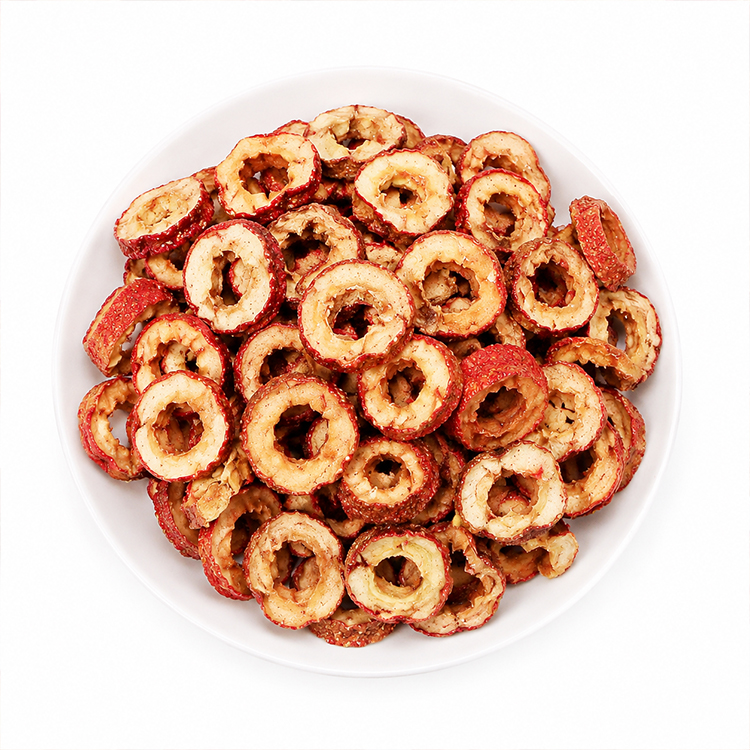
من السهل شراء ثمار الزعرور، لكن توحيد معاييرها أمر صعب بشكل مدهش. يوضح هذا الدليل لعلامات الشاي والمشروبات كيفية تقييم حبات الزعرور السائبة بناءً على الهوية النباتية، والصنف، والحموضة، وسلوكها أثناء المعالجة، والدرجة الفيزيائية، ومخاطر التلوث، والأدلة الخاصة بالمورد لكل دفعة.
يبدو نبات الزعرور بسيطًا.
لكن كيسًا واحدًا من الفواكه المجففة الحمراء قد ينطوي على تباين تجاري كبير من حيث الصنف، ودرجة النضج، والتوازن بين السكر والحموضة، وسماكة الشرائح، وسلوك البكتين، والمواد الغريبة، وتاريخ التخزين، والحالة الميكروبية، وإمكانية التتبع، حتى عندما يرسل موردان عينات تبدو متطابقة تقريبًا في الصور الفوتوغرافية.
فلماذا لا يزال المشترون يختارون الزعرور بناءً على اللون والسعر فقط؟
لن أفعل.
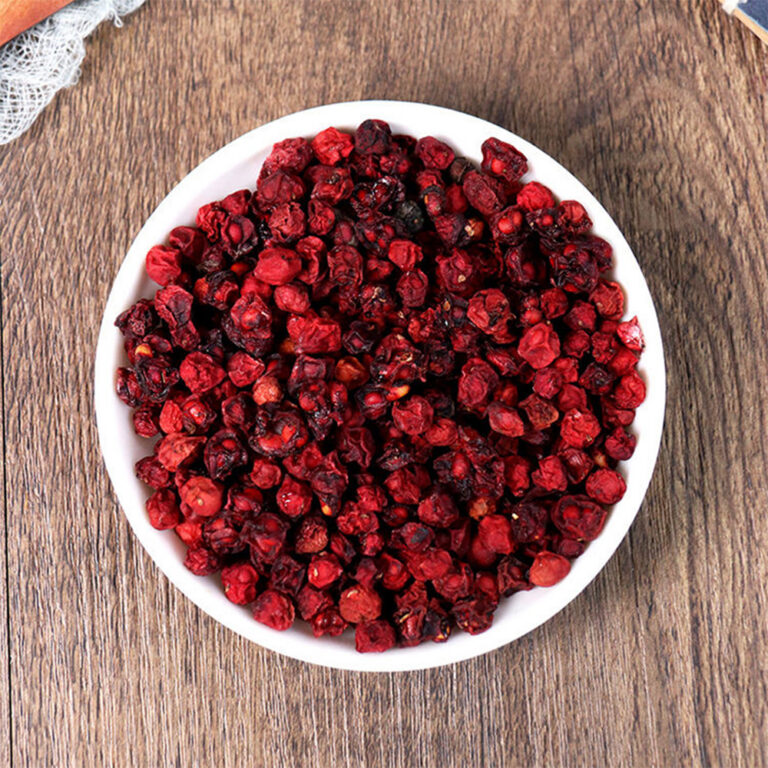
بالنسبة لعلامات الشاي والمشروبات،, توت الزعرور بالجملة ينبغي شراؤه كمكون غذائي خاضع لمواصفات محددة، وليس كفاكهة مجففة عادية. وهذا التمييز مهم لأن شاي الأعشاب السائب، وكيس الشاي، ومشروب الفاكهة العكر، والمشروب الجاهز للشرب الصافي لا تتطلب جميعها من المكون أن يتصرف بنفس الطريقة.
هناك مشكلة أخرى.
“الزعرور” هو اسم شائع يُستخدم على مستوى الجنس. ويُدرج «المركز الوطني الأمريكي للصحة التكميلية والتكاملية» عدة أنواع تحت هذا المصطلح، منها Crataegus pinnatifida, C. monogyna, C. mexicanaو C. laevigata.
إذا كان أمر الشراء الخاص بك يكتفي بذكر عبارة “توت الزعرور المجفف”، فهذا يعني أنك تركت أحد أكثر الأسئلة الأساسية المتعلقة بالهوية دون إجابة.
بالنسبة لبرامج المشروبات ذات الأصل الصيني،, Crataegus pinnatifida وهو أحد الأسماء التي سيصادفها المشترون كثيرًا. لكن الاسم النباتي وحده لا يحل المشكلة.
الصنف مهم.
إن مرحلة نضج المحصول أمر مهم.
المعالجة أمر مهم.
بحثت دراسة أجريت عام 2025 من قبل باحثين في جامعة شنيانغ الزراعية في 16 Crataegus pinnatifida الأصناف المزروعة ووجدوا أن السكر السائد يختلف من صنف لآخر، في حين أن كان حمض الستريك هو الحمض العضوي السائد في جميع الأصناف التي شملتها الدراسة. كما أشار الباحثون إلى أن الحموضة العالية لهذه الفاكهة هي أحد الأسباب التي تجعل الزعرور يُصنع عادةً في شكل عصائر ومشروبات ومربيات، بدلاً من تناوله كفاكهة طازجة فقط. يمكنك قراءة الدراسة في مجلة «أوكسفورد أكاديميك» جودة الأغذية وسلامتها.
هذه مسألة تتعلق بمصدر المنتج، وليست مجرد معلومة نباتية تافهة.
إذا قام المورد “أ” بشحن دفعة ذات حموضة عالية، في حين قام المورد «ب» بشحن صنف أكثر حلاوة أو دفعة تنضج في وقت متأخر، فقد يقوم فريق التقييم الحسي لديك بالتعويض عن ذلك باستخدام تركيزات مختلفة من السكر أو فاكهة الراهب أو الستيفيا أو الشاي، أو بجرعات مختلفة من النكهات. وفجأة، تصبح المادة الخام «الأرخص» هي التي تفرض تعديلًا على التركيبة.
الفاكهة أصلية.
لا يزال المشروب يتغير.
بالنسبة للعلامات التجارية التي تشتري عدة مكونات نباتية، فإنني سأطبق نفس معايير الدقة في المواصفات الموضحة في القسم الأوسع نطاقًا من الموقع دليل شراء الطب الصيني بدلاً من اعتبار مكونات الفاكهة أسهل في التحكم فيها بطبيعتها مقارنة بالجذور أو الأوراق أو الأزهار. ويظهر هذا المنطق نفسه بالفعل في برامج التوريد الخاصة بـ أوراق التوت التي تستخدمها العلامات التجارية المتخصصة في الشاي والمشروبات الوظيفية: يجب أن يحدد الغرض من الاستخدام المواصفات، وليس العكس.
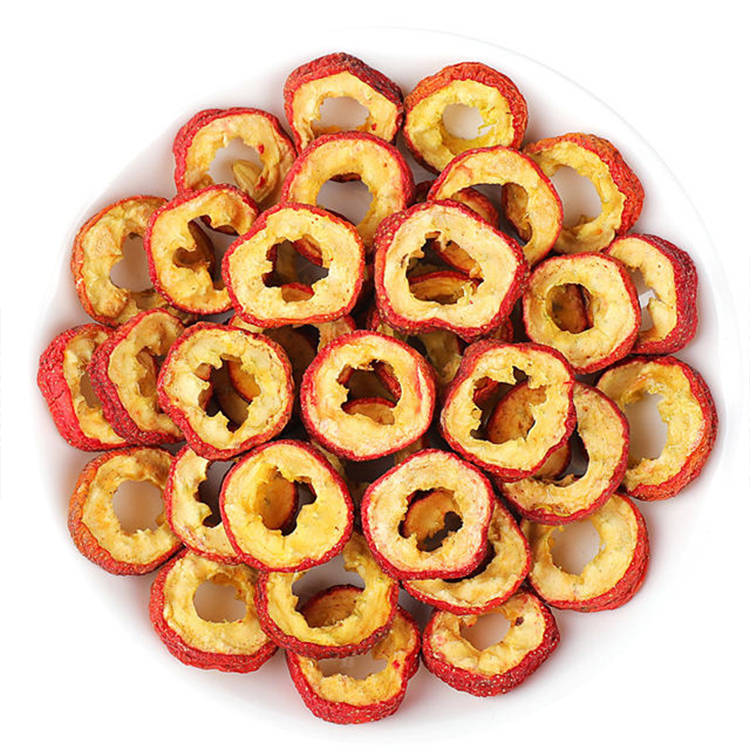
“عبارة ”الزعرور عالي الجودة» ليست مواصفة.
وكلاهما ليس “مناسبًا للاستخدام الغذائي”.”
و“اللون الأحمر الفاخر” لا يوضح لي شيئًا على الإطلاق.
سأضع مواصفات تجارية لمنتج الزعرور استنادًا إلى أسئلة قابلة للقياس ترتبط ارتباطًا مباشرًا بالمنتج النهائي.
| منطقة المواصفات | شاي سائب / أكياس شاي | المشروبات / الاستخلاص | ما الذي قد يحدث من مشاكل |
|---|---|---|---|
| الهوية النباتية | بالضبط كراتايغوس الأنواع | بالضبط كراتايغوس الأنواع | استبدال الاسم الشائع |
| الجزء النباتي | الفواكه المجففة | الفواكه المجففة | المواد الجذرية أو الورقية أو المختلطة التي يتم توريدها تحت مسميات غامضة |
| المنشأ | البلد، ويفضل ذكر منطقة الإنتاج | البلد، ويفضل ذكر منطقة الإنتاج | انحراف حسي غير مبرر بين الدُفعات |
| الصنف | الإعلان عند توفرها | أكثر فائدة لبرامج المشروبات الخاضعة للرقابة | التغيرات في توازن السكر والحمض |
| معلومات عن الحصاد / المحاصيل | يُفضل استخدام «Record» | يُفضل بشدة | التباين الناتج عن التقدم في العمر أو النضج |
| الاستمارة | كاملة، أنصاف، شرائح، قطع صغيرة | شرائح، حبيبات، مسحوق، مواد خام للاستخلاص | سرعات استخراج مختلفة |
| حجم القطع | يحدده المشتري | محددة حسب العملية | الغبار، الاستخراج المفرط، الترشيح غير الفعال |
| اللون | تحت سيطرة عينة مرجعية | مؤشر العملية الثانوية | قد يتم إغفال الأكسدة أو المخزون القديم |
| أروما | نقي، فاكهي، حامض؛ خالٍ من رائحة العفن | نظيف، وقابل للتكرار | سوء التجفيف أو التخزين |
| الرطوبة | تم اختبار الدفعة وفقًا للطريقة المتفق عليها | تم اختبار الدفعة وفقًا للطريقة المتفق عليها | التكتل، والتلف، ومشاكل التخزين |
| المادة الغريبة | الحد الأقصى المحدد للمشتري | الحد الأقصى المحدد للمشتري | السيقان، الحجارة، التربة، المواد النباتية غير ذات الصلة |
| علم الأحياء الدقيقة | حسب الوجهة | حسب العملية والوجهة | خطوة القتل المحدودة في المرحلة النهائية |
| المبيدات الحشرية | لجنة الأسواق المستهدفة | لجنة الأسواق المستهدفة | رفض الاستيراد أو رفض التجزئة |
| المعادن الثقيلة | لجنة المشترين القائمة على المخاطر | لجنة المشترين القائمة على المخاطر | التلوث البيئي |
| كوا | خاص بالقطعة | خاص بالقطعة | المستندات العامة المنفصلة عن الشحنة |
| الاحتفاظ بالعينة | موصى به | موصى به | يصبح حل النزاعات أمراً صعباً |
| التعبئة والتغليف | التغليف الداخلي الملامس للأغذية | تغليف مزود بحاجز ضد الرطوبة حسب الحاجة | فقدان الرائحة وامتصاص الرطوبة |
لاحظ ما فعلته لا إدراج ما يلي في الجدول: حد رطوبة سحري واحد، أو مواصفة ميكروبية موحدة واحدة، أو مجموعة مبيدات حشرية واحدة لكل دولة.
قد يبدو ذلك إجراءً تقنيًّا، لكنه سيظل عملية شراء سيئة.
قد تختلف المتطلبات القانونية والتصنيعية بين كيس شاي كندي، ومشروب تقليدي أمريكي، ومشروب نباتي من الاتحاد الأوروبي، ومكون مخصص للمعالجة الحرارية الإضافية. يجب على المشترين تحديد المعايير وفقًا للوجهة الفعلية للمنتج، وعملية التصنيع، ومدة الصلاحية، ومعايير العملاء، وتقييم المخاطر.
دليل الموقع حول استيراد الأعشاب الصينية إلى الولايات المتحدة والاتحاد الأوروبي وهذا أمر مفيد هنا لأن توثيق الملوثات يجب أن يكون جزءًا من مناقشات تحديد الموردين قبل توقيع أمر الشراء، وليس بعد وصول الشحنة إلى الجمارك.
الحموضة التي يتميز بها الزعرور ليست عيبًا.
الحموضة غير المنضبطة هي...
تُعد دراسة الأصناف لعام 2025 ذات قيمة كبيرة لأنها تؤكد ما يحتاج مطورو المشروبات إلى فهمه من الناحية التجارية: إن تركيبة سكر الزعرور ليست ثابتة عبر جميع الأنماط الجينية، في حين أن حمض الستريك،, C6H8O7, ، كان الحمض العضوي الرئيسي في جميع الأصناف الـ 16 التي شملتها الدراسة.
ويؤثر ذلك على أربعة أمور على الأقل:
لذلك أود أن أطلب من الموردين تقديم عينات تمثيلية من قطعة أرض تجارية, ، وليست عينة عرض دائمة.
ثم قم بتحضيرهما جنبًا إلى جنب.
نفس الجرعة.
نفس الماء.
نفس درجة الحرارة.
نفس وقت الاستخراج.
يمكن أن تكشف عملية تذوق بسيطة وخاضعة للرقابة عن اختلاف بين الموردين لا يمكن أن تظهره شهادة تحليل (COA) جذابة أبدًا. أما بالنسبة للمشروبات الصناعية، فأنا أذهب إلى أبعد من ذلك وأقوم بقياس درجة الحموضة (pH)، والمواد الصلبة القابلة للذوبان، وعائد الاستخلاص، والعكارة، والحموضة القابلة للمعايرة خلال مرحلة التجارب الأولية.
وسأحتفظ بالعينة الفائزة.
هذا هو المعيار.
وهنا تزداد أهمية الزعرور.
أفادت التقارير أن ثمار الزعرور الطازجة تحتوي على ما يصل إلى 6.4% من البكتين, ، وفقًا لمراجعة علمية متاحة عبر المكتبة الوطنية الأمريكية للطب. يُعد بكتين الزعرور مادة مفيدة في صناعة المواد الهلامية ومنتجات الفاكهة، لكن هذه المادة نفسها يمكن أن تسهم في حدوث تعكر وترسبات في أنظمة إنتاج العصائر.
أما بالنسبة لعلامات الشاي التجارية، فقد لا يكون لذلك أي أهمية.
بالنسبة لمشروب معبأ في زجاجة شفافة، قد يكون سعره باهظًا.
أجرت إحدى الدراسات التي تم تلخيصها في هذه المراجعة اختبارًا لتحلل البكتين باستخدام 0.9% من إنزيم البكتيناز عند درجة حرارة 48 درجة مئوية لمدة أربع ساعات. هذه حالة تجريبية منشورة، وليست وصفة إنتاجية عامة، وأنا أعترض بشدة على نسخها مباشرةً إلى إجراءات التشغيل القياسية للمصنع دون التحقق من صحتها. أما الدرس المفيد فهو آخر: فقد يتطلب تصفية الزعرور إدارة فعالة للبيكتين.
ولهذا السبب قمت بفصل ثلاثة تطبيقات.
في هذه الحالة، يمكن أن تشكل قطع الفاكهة الظاهرة جزءًا من قيمة المنتج.
يمكنك تحديد أولويات ما يلي:
يرى العميل المكون.
المظهر مهم.
الآن بدأت الهندسة تتدخل في مجال التسويق.
قد لا تمتلئ الشرائح الكبيرة والجذابة بشكل جيد. فالجزيئات الدقيقة جدًّا يمكن أن تُستخلص بسرعة، لكنها تتسرب عبر مادة المرشح، مما يزيد من الرواسب ويؤدي إلى عدم انتظام الجرعات.
إذا كنت أقوم باختبار كمية كبيرة من حبات الزعرور المجففة لاستخدامها في أكياس عطرية، فسأجرب نوعين على الأقل من القطع المختلفة عن قصد وسأسجل ما يلي:
ثم سأحدد توزيع الجسيمات الفائزة.
يمكن للعلامات التجارية التي تنتقل من المواد النباتية الخام إلى المنتجات الجاهزة مقارنة هذا المنطق بما يرد في الموقع تصنيع أكياس شاي الأعشاب الصينية ومجموعة المنتجات. والتحول المهم هو الانتقال من السؤال “كيف تبدو الفاكهة المجففة؟” إلى “كيف يتصرف هذا القطع داخل الشكل النهائي؟”
هذا أصعب.
يبدأ كل من البكتين، والمواد الصلبة العالقة، وجزيئات الفاكهة، والبوليفينولات، والحموضة، والتعرض للحرارة، والأكسدة، في التأثير على المظهر البصري للمشروب النهائي.
إذا كان مفهوم المنتج يتطلب سائلًا شفافًا ولامعًا، فقد يتطلب الزعرور عملية تصفية أو معالجة بمساعدة الإنزيمات.
إذا كان من الممكن أن يكون المنتج عكرًا عن قصد، فإن التركيبة تتمتع بقدر أكبر من الحرية.
المناقشة الفنية التي يتناولها الموقع حول مكونات من الأزهار والأعشاب لصنع أنواع الشاي الجاهزة للشرب الشفافة يشرح هذا التناقض في عملية التصنيع من زاوية أخرى: فقد تتسبب المواد النباتية الصلبة والمواد الغنية بالبوليفينول في مشاكل تتعلق بالترشيح والعكارة عندما تسعى العلامة التجارية في آن واحد إلى تحقيق استخلاص قوي ووضوح بصري.
الوضوح له ثمنه.
خطط لذلك.
إليكم حالة يجب على كل مشترٍ في مجال النباتات أن يكون على علم بها.
بدءًا من التقارير الواردة في سبتمبر 2023, ، قامت الهيئات التنظيمية الأمريكية بالتحقيق في منتجات تُسوَّق على أنها جذر «تيجوكوت» أو الزعرور المكسيكي،, Crataegus mexicana. كشفت اختبارات إدارة الغذاء والدواء الأمريكية (FDA) أن بعض المنتجات قد تم استبدال مكوناتها بـ الدفلى الأصفر, ، وهي نبتة سامة، وواصلت الوكالة إضافة المنتجات التي ثبتت إصابتها بهذه المادة إلى تنبيهها المتعلق بالسلامة حتى 3 نوفمبر 2025. حذرت إدارة الغذاء والدواء (FDA) من أن تناول نبات الدفلى الأصفر قد يتسبب في آثار صحية خطيرة وقد يؤدي إلى الوفاة. انظر تحقيق إدارة الغذاء والدواء الأمريكية (FDA) بشأن نبات الدفلى الأصفر ونبات التيجوكوتي.
تمييز مهم: كان هذا جذر الزعرور المكسيكي, ، وليس دليلاً على أن الصينيين Crataegus pinnatifida يتم غش الفاكهة بشكل روتيني.
لكن الدرس قاسٍ.
لم يحمِ الاسم الشائع المعروف المشتري.
لم توفر العلامة التي تبدو وكأنها مستمدة من عالم النباتات الحماية للمستهلك.
كما أن بيع منتج ما تجاريًّا لا يُثبت هويته.
لذا، عندما يقول لي أحد موردي حبات الزعرور: “الجميع يعرف ما هو ”شان تشا»»، فإن إجابتي ستكون بسيطة: اكتب الاسم اللاتيني في المواصفات على أي حال.
الهوية أولاً.
دائمًا.
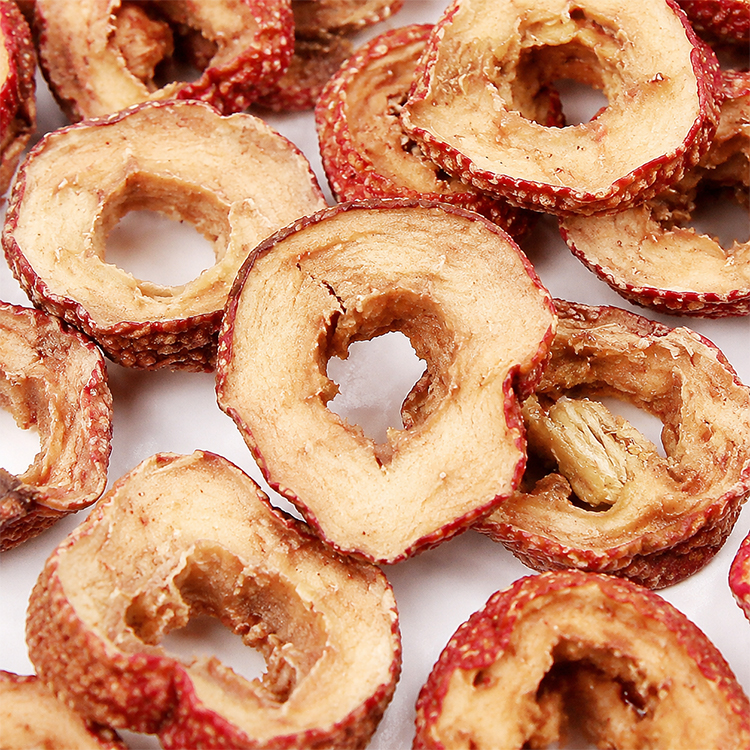
أشك في صحة شهادات المنشأ المثالية التي تتضمن علاقات غامضة بين الدفعات.
يجب أن تتضمن الشهادة المفيدة ما يلي:
هذه ليست بيروقراطية لمجرد البيروقراطية.
تصف إرشادات إدارة الغذاء والدواء الأمريكية (FDA) الخاصة ببرامج التحقق من الموردين الأجانب بشكل محدد أدلة التحقق من الموردين، مثل سجلات مراقبة العمليات، واختبارات البيئة أو المنتجات، وسجلات استخدام المبيدات الحشرية عند الاقتضاء، وسجلات التدقيق، وسجلات البسترة، وسجلات الإجراءات التصحيحية، ووثائق سلامة الأغذية المتعلقة بالدفعات.
بل إن الإرشادات تؤكد على نقطة يجب على المشترين ذوي الخبرة أن يرسخواها في إجراءات الشراء: يجب أن تثبت السجلات أن المورد يلتزم فعليًّا بضوابط الرقابة وأن المخاطر المحددة تخضع للسيطرة.
كتيب المورد لا يمكنه القيام بذلك.
كما أن تقريرًا مخبريًّا يعود إلى خمس سنوات مضت ولا علاقة له بالشحنة لا يمكن أن يُعتبر دليلًا.
بالنسبة لبرامج زراعة الأعشاب المتعددة، فإن موقع قائمة مراجعة لموردي الأعشاب الصينية يتبع نفس النهج الذي يضع الأدلة في المقام الأول: فالهوية، وإمكانية التتبع، والاختبار، ومعالجة المعلومات، وقابلية التكرار تأتي قبل مقارنة الأسعار.
انسَ أمر الكتالوج المصقول لمدة عشر دقائق.
أرسلوا أسئلتكم.
يجب أن يكون المورد الجاد لتوت الزعرور قادرًا على الإجابة عن هذه الأسئلة دون أن يختفي في نقاش داخلي على «واتساب» يستمر ثلاثة أيام:
السؤال رقم 16 أكثر أهمية مما يعتقد المشترون.
يمكن لأي شخص إرسال عينة رائعة وزنها 300 جرام عبر البريد.
والسؤال التجاري هو: هل يستطيع المورد إعادة إنتاجها بكمية 100 كجم، أو 500 كجم، أو في الموسم التالي؟.
ولهذا السبب سأقارن بين موردي الزعرور باستخدام نفس المنطق الأساسي المطبق في الموقع قسم توريد المواد النباتية بالجملة: يجب التحقق من الهوية، والدرجة المادية، والجودة الحسية، ومخاطر التلوث، ووثائق الدفعة قبل اعتبار السعر هو العامل الحاسم.
السعر للكيلوغرام الواحد مغري لأنه يتناسب تمامًا مع برنامج إكسل.
أما الواقع فلا.
لنفترض أن أحد موردي حبات الزعرور بالجملة أرخص بمقدار 8%.
ثم تصل الدفعة وتحتوي على:
كم وفرت؟
لا شيء.
تشمل التكلفة القابلة للاستخدام سعر المواد الخام بالإضافة إلى تكاليف الشحن، وأخذ العينات، والاختبارات، وتغييرات التركيبة، وفقدان المواد أثناء التصفية، والمواد الصلبة المهملة، وفترات توقف الإنتاج، والتحقيقات المتعلقة بالجودة، والمخزون المرفوض، وشكاوى العملاء.
أود أن أسمي هذا التكلفة الصافية عند الاستلام.
إنه أكثر فائدة بكثير من سعر العرض.
وهذا أحد الأسباب التي تجعل أفضل مورد لتوت الزعرور نادرًا ما يكون هو الشركة التي تسجل أقل رقم في العمود «E».
يجذب الزعرور اهتمام المسوقين لأن الدراسات البحثية تتناول مركبات البوليفينول، بما في ذلك حمض الكلوروجينيك، والإبيكاتشين، والبروسيانيدينات، والفلافونويدات، والمكونات ذات الصلة. وقد حددت الأبحاث الصينية حول الزعرور مركبات مثل الإبيكاتشين والعديد من البروسيانيدينات في Crataegus pinnatifida الفواكه.
كيمياء مثيرة للاهتمام؟
نعم.
هل يُسمح باستخدام شاي الزعرور المعلب كعلاج لأمراض القلب والأوعية الدموية؟
لا يوجد.
يذكر المركز الوطني للطب التكميلي والتقليدي (NCCIH) التابع للولايات المتحدة أنه يوجد لا توجد أدلة عالية الجودة، أو توجد أدلة قليلة جدًّا، تدعم استخدام الزعرور في علاج معظم الحالات الصحية, ، ويشير إلى وجود أدلة متضاربة في أبحاث قصور القلب، ويميز بين تنظيم المنتجات العشبية وإجراءات الموافقة على الأدوية.
هذا التمييز يحمي العلامات التجارية من الوقوع في أخطاء مكلفة.
يمكن أن تكون نتيجة تحليل حمض الكلوروجينيك مفيدة في تحديد خصائص المواد الخام.
يمكن أن تكون مواصفات البوليفينول مفيدة في ضمان اتساق الدُفعات.
ولا يُعد أي منهما مبرراً تلقائياً لادعاء يتعلق بعلاج مرض ما.
سأقسم العمل إلى ثلاثة ملفات:
ملف المشتريات: ما الذي سنشتريه؟
الملف الفني: كيف يتصرف هذا العنصر في الصيغة؟
ملف التنظيمي: ما الذي يُسمح لنا قانونًا بقوله؟
امزج هذه العناصر معًا، وعادةً ما يكون للتسويق الكلمة الفصل في هذا الجدل، إلى أن يقرأ قسم الامتثال الملصق.
لا يوجد.
تُظهر الدراسة التي شملت 16 صنفًا بالفعل اختلافات ملموسة في عملية التمثيل الغذائي للسكر بين C. pinnatifida الأصناف. الفاكهة الأصلية ليست الفاكهة المطابقة كيميائيًا.
اسأل عما يتحكم فيه المورد.
اللون هو إشارة تمييزية.
يمكن أن يساعدك هذا الجهاز في الكشف عن علامات التلف الواضحة، مثل التقادم والأكسدة والتلف الناتج عن الحرارة أو وجود مواد غير طبيعية. إلا أنه لا يمكنه إثبات نوع المنتج أو درجة الحموضة أو حالة المبيدات أو الجودة الميكروبية أو تاريخ التخزين بشكل مستقل.
أي مركبات؟
أي طريقة؟
ما هي حدود الإبلاغ؟
أي قطعة أرض؟
أي معيار للوجهة؟
تلك الأسئلة الخمسة أكثر قيمة من تلك العبارة.
أريد قطعة الأرض المخصصة للأغراض التجارية.
ليس هذا النوع من الناحية النظرية.
ليس محصول العام الماضي.
ليست أجمل عينة قام المختبر بفحصها على الإطلاق.
هذه إحدى علامات التحذير المفضلة لدي.
الشاي السائب يحتاج إلى مظهر جذاب.
تتطلب أكياس الشاي حجمًا محددًا للجسيمات.
تسعى عملية الاستخراج إلى تحقيق الكفاءة.
قد تولي المشروبات الجاهزة للشرب (RTD) الشفافة اهتمامًا كبيرًا بالبكتين، والمواد الصلبة، وخصائص الترشيح، والحموضة، والعكارة.
لماذا قد تكون درجة مادية واحدة هي الأنسب للأربعة جميعًا؟
ربما لا يكون كذلك.
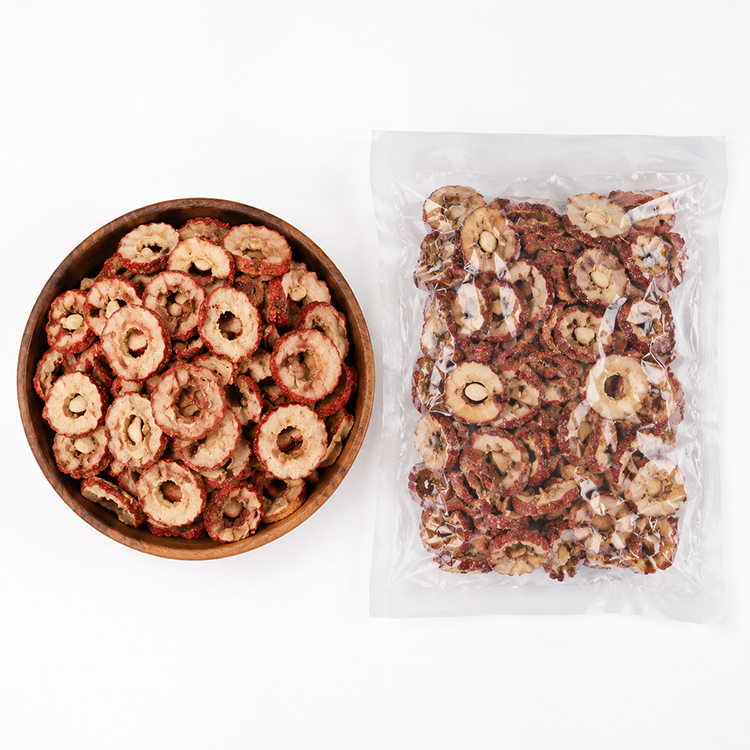
يشير مصطلح «توت الزعرور بالجملة» إلى الكميات التجارية من التوت المجفف كراتايغوس الفاكهة — غالبًا Crataegus pinnatifida في برامج التوريد الصينية — يتم شراؤها وفقًا لمواصفات مكتوبة تحدد الهوية النباتية، وجزء النبات، والمنشأ، والشكل المادي، والخصائص الحسية، ومستوى الرطوبة، والملوثات، والتعبئة والتغليف، وإمكانية تتبع الدفعة، ومدى ملاءمتها لعملية تصنيع الشاي أو المشروبات المقصودة.
بالنسبة للمشترين المحترفين، فإن الكلمة الأساسية هي «المواصفات». فقد تكون دفعتان من الزعرور أصليتين، لكنهما تختلفان في الصنف، أو درجة النضج، أو الحموضة، أو حجم القطع، أو سلوك البكتين، أو تاريخ التخزين، وهو ما قد يؤثر على أداء عملية التخمير وتركيبة المشروب.
لشراء توت الزعرور بكميات كبيرة، عليك أولاً تحديد الكمية الدقيقة كراتايغوس الأنواع، وأجزاء النبات المستخدمة في الإنتاج (الفاكهة فقط)، والاستخدام المقصود، والشكل المادي، وحجم القطع، والمعايير الحسية المستهدفة، ومتطلبات الملوثات، والسوق المستهدفة، والتعبئة والتغليف، والوثائق؛ ثم مقارنة عينات تمثيلية من الدُفعات في ظل ظروف خاضعة للرقابة خاصة بتحضير المشروبات أو معالجتها قبل الموافقة على الإنتاج التجاري.
أود أن أطلب شهادة تحليل (COA) الخاصة بالدفعة قبل التفاوض على السنتات القليلة المتبقية لكل كيلوغرام. ثم أقوم باختبار العينة باستخدام نفس شروط الوقت، ودرجة الحرارة، والجرعة، والترشيح، والمياه التي أتوقع استخدامها في الإنتاج.
يجب على العلامات التجارية للشاي التي تشتري حبات الزعرور المجففة بكميات كبيرة التحقق من النوع النباتي، وهوية الثمرة، والمنشأ، ومعلومات المحصول، ومظهر الشرائح، والرائحة، والحموضة، واتساق القطع، ومستوى الغبار، والرطوبة، والمواد الغريبة، والحالة الميكروبية، والمبيدات الحشرية، والمعادن الثقيلة، والتغليف المخصص للتلامس مع الأغذية، والوثائق الخاصة بكل دفعة، وما إذا كانت الشحنة التجارية تتطابق باستمرار مع العينة المرجعية المعتمدة.
ينبغي على مصنعي أكياس الشاي إيلاء اهتمام خاص لتوزيع الجسيمات؛ لأن الشرائح الكبيرة الجذابة قد لا تملأ الكيس بشكل جيد، في حين أن الجسيمات الدقيقة المفرطة قد تزيد من الرواسب وتغير سرعة الاستخلاص.
أفضل مورد لتوت الزعرور هو منتج أو جهة معالجة خاضعة للرقابة قادرة على توريد الكميات المحددة بشكل متكرر كراتايغوس الأنواع، والدرجة الفيزيائية، والخصائص الحسية، وضوابط الملوثات، والعينات التجارية التمثيلية، وشهادات تحليل (COA) المرتبطة بالدفعة، وسجلات الإنتاج القابلة للتتبع، ووثائق التصدير المناسبة، والأداء الموثوق به من دفعة إلى أخرى، بدلاً من الاكتفاء بتقديم أقل سعر للكيلوغرام.
أنا أعتبر قابلية التكرار أكثر أهمية من العرض التسويقي. فالعينة الجميلة تثبت وجود عينة واحدة؛ لكنها لا تثبت أن الشحنة التجارية التالية ستتصرف بنفس الطريقة.
يمكن أن تكون توت الزعرور مناسبة للمشروبات الجاهزة للشرب (RTD) لأن حموضتها الطبيعية وطابعها الفاكهي يتناسبان جيدًا مع أنظمة العصائر والشاي المشروبات العشبية، ومشروبات الفاكهة؛ لكن يجب على المطورين مراعاة البكتين، والمواد الصلبة العالقة، وكثافة الاستخلاص، والترشيح، والعكارة، والمعالجة الحرارية، والأكسدة، وتوازن الحلاوة، والتعبئة، وسلوك المنتج خلال فترة الصلاحية قبل وضع الصيغة التجارية النهائية.
إن محتوى البكتين المُبلغ عنه يجعل عملية التصفية تستحق التجربة بشكل خاص عندما يكون من الضروري أن يظل المنتج المستهدف شفافًا بصريًّا. وينبغي أن تحدد الدراسات التجريبية ما إذا كان الترشيح، أو المعالجة الإنزيمية، أو صياغة تركيبة عكرة عن قصد، هو الخيار الأفضل.
Crataegus pinnatifida لا تتمتع كل دفعة بخصائص حسية متطابقة، وذلك لأن الصنف، ونضج الثمرة، وظروف النمو، وتوقيت الحصاد، والتجفيف، والتخزين، وتراكم السكر، وتركيز الأحماض العضوية قد تختلف؛ مما يعني أن دفعتين من الزعرور الأصلي من الناحية النباتية قد تنتجان اختلافات ملحوظة في الحلاوة، والحموضة، والرائحة، واللون، وسلوك الاستخلاص في المشروب النهائي.
كشفت دراسة أُجريت عام 2025 وشملت 16 صنفًا عن وجود اختلافات في السكريات السائدة تختلف باختلاف الصنف، في حين ظل حمض الستريك هو الحمض العضوي السائد، مما يمنح المشترين سببًا قويًّا لتقييم الدفعات التجارية بدلاً من الاكتفاء بالموافقة على الاسم النباتي فقط.
قبل أن تطلب... توت الزعرور بالجملة اقتبس، واكتب مواصفات من صفحة واحدة.
ضع كراتايغوس الأنواع الموجودة في القمة.
ثم أضف المنشأ، وشكل الثمرة، ومواصفات التقطيع، والمعايير الحسية، واختبار الرطوبة، ومتطلبات المواد الغريبة، ونطاق المبيدات، والاختبارات الميكروبيولوجية، وفحص المعادن الثقيلة، والتعبئة والتغليف، ومتطلبات شهادة تحليل المكونات (COA)، وإمكانية تتبع الدفعة، وقواعد الاحتفاظ بالعينات، والاستخدام المقصود: شاي سائب، أو أكياس شاي، أو استخلاص، أو مشروب عكر، أو مشروب جاهز للشرب (RTD) صافٍ.
بعد ذلك، اطلب عينات تمثيلية وقم بإخضاعها للعملية الفعلية.
ليس مجرد تخمين.
عمليتك.
إذا كنت تعمل على إنشاء برنامج أوسع نطاقًا لتوريد النباتات، فاستخدم دليل شراء الطب الصيني, ، قارن بين القرارات المماثلة المتعلقة بالمشروبات في دليل بيع أوراق التوت بالجملة, ، ومراجعة المسائل الفنية التي تم تناولها في مكونات الأزهار والأعشاب المستخدمة في صناعة شاي جاهز للشرب (RTD) الصافي قبل إقرار مواصفات الإنتاج.
ثم اطرح سؤالاً أخيراً على موردك لتوت الزعرور:
هل يمكنك تكرار هذه المواصفات بالضبط في الدفعة التجارية التالية؟
إذا كانت الإجابة غير واضحة، فاستمر في البحث عن المصادر.