لا تقلق، اتصل برئيسنا على الفور
لا تتسرع في إغلاقه، الآن، يرجى التحدث إلى رئيسنا مباشرة. عادةً ما يتم الرد خلال ساعة واحدة.
أعشاب وتوابل الطب الصيني الشركات المصنعة
الطب الصيني العالمي للأعشاب والتوابل الصينية بالجملة
نستخدم SSL/3.0 لتشفير خصوصيتك
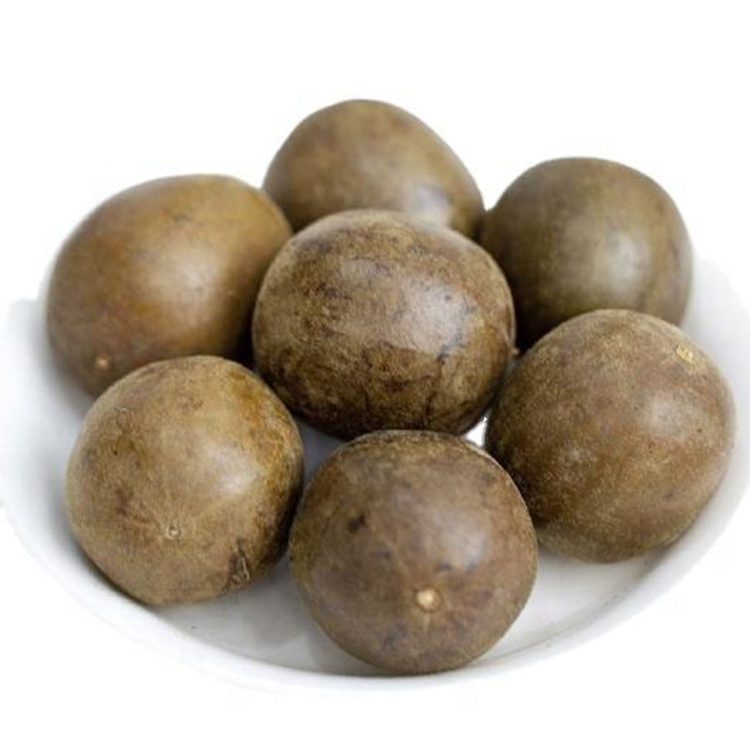
يُعد شراء فاكهة الرهبان بناءً على السعر أو حجم الثمرة أو شهادة تحليل عامة (COA) استراتيجية شراء ضعيفة. يشرح هذا الدليل الكيفية التي ينبغي أن تتبعها العلامات التجارية لشاي الأعشاب والمشروبات في تقييم فاكهة «لو هان غو» (Luo Han Guo) بالجملة، وذلك وفقًا لشكل المنتج، ومحتوى الموجروسيد V، وأداء التخمير، والخصائص الحسية، واختبارات الكشف عن الملوثات، والوضع التنظيمي، واتساق الدفعات المتتالية.
الفواكه الرخيصة هي مجرد خدعة.
قد تبدو شحنة من فاكهة الراهب محترمة تمامًا في الصورة التي يرسلها المورد، وتصل مصحوبة بشهادة تحليل تبدو مثيرة للإعجاب، ومع ذلك تتحول إلى مشكلة مكلفة في التركيب؛ لأن المشتري لم يحدد أبدًا ما إذا كانت الحلاوة، أو معدل الاستخلاص، أو تركيز الموجروسيد، أو النكهة، أو القابلية للذوبان، أو حجم الجسيمات، أو نقاء المشروب النهائي، أمورًا مهمة بالفعل.
فلماذا لا يزال المشترون يبدأون بالسعر للكيلوغرام؟
لن أفعل.
بالنسبة لعلامة تجارية للشاي أو المشروبات،, فاكهة المونك بالجملة ليس مكونًا واحدًا موحدًا. سيرايتيا جروسفينوري, ، والمعروفة عمومًا باسم «لو هان غو» أو «فاكهة الراهب»، يمكن أن تدخل سلسلة التوريد الخاصة بك على شكل فاكهة مجففة كاملة، أو فاكهة مكسورة، أو مادة مقطعة بشكل خشن، أو مسحوق، أو عصير مركز، أو مستخلص نقي يحتوي على نسبة محددة من الموجروسيد V.
هذه التنسيقات غير قابلة للتبادل.
وينبغي أن يحدد هذا التمييز كل ما سيأتي بعد ذلك: طلب عرض الأسعار، وبروتوكول العينات، والاختبارات المعملية، ومقارنة الموردين، وأعمال التركيب، ومراجعة إجراءات الاستيراد، وأخيرًا السعر الذي أنت مستعد لدفعه.
الخطأ الأول في بيع فاكهة المونك بالجملة تستخدم إدارة المشتريات عبارة “فاكهة الراهب” وكأن الجميع يبيعون نفس المنتج.
ليسوا كذلك.
بالنسبة لعلامة تجارية تقليدية لشاي الأعشاب، قد يكون المكون المطلوب هو ثمرة «لو هان غو» المجففة التي يتم تكسيرها أو تقطيعها قبل نقعها. أما في حالة إنتاج أكياس الشاي، فقد يكون للتقطيع الخشن والتوزيع المتحكم فيه للحبيبات أهمية أكبر؛ لأن القطع الكبيرة جدًّا تتسبب في تباين وزن الحشوة، في حين أن الحبيبات الدقيقة المفرطة تنتج غبارًا.
أما مطورو المشروبات، فيواجهون مشكلة مختلفة تمامًا. فإذا كان الهدف هو التحكم في مستوى الحلاوة في مشروب جاهز للشرب، أو شراب، أو مركز مشروب، أو خليط مشروب مسحوق، أو جرعة وظيفية، فقد يكون استخدام مستخلص موحد خيارًا أكثر منطقية بكثير من استخدام الفاكهة المجففة الكاملة.
الموجود حالياً في الموقع صفحة توريد فاكهة الراهب (لوه هان قوه) بالجملة تُعد نقطة انطلاق تجارية مفيدة لفهم المادة الخام، في حين أن النطاق الأوسع فئة الأدوية الصينية من الفاكهة والبذور يوفر لفرق المشتريات معلومات سياقية عن المكونات النباتية ذات الصلة.
وإليك الطريقة التي سأقوم بها بفصل الأنواع المختلفة قبل طلب عروض الأسعار:
| شكل فاكهة المونك | تطبيق "Best-Fit" | ما يهم حقًا | مخاطر الشراء النموذجية |
|---|---|---|---|
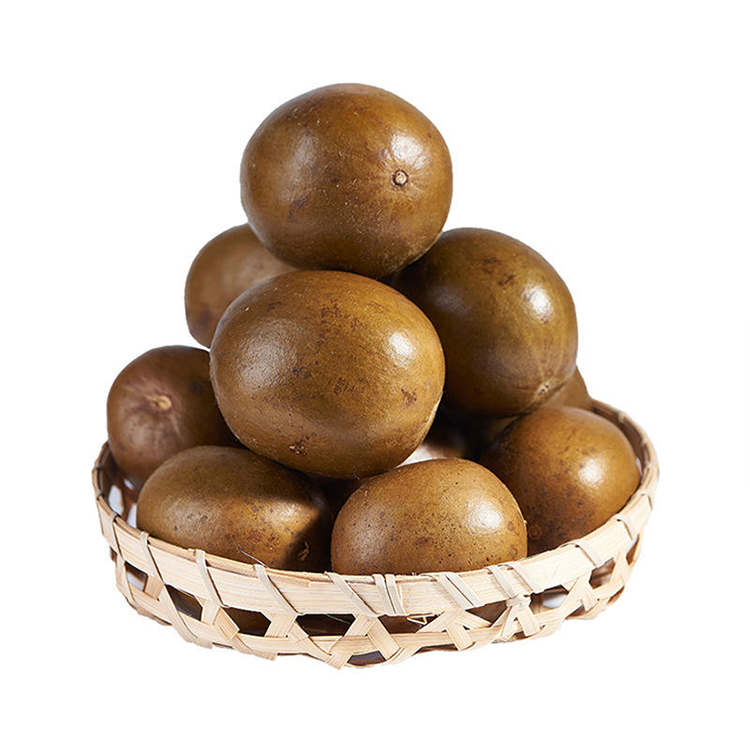
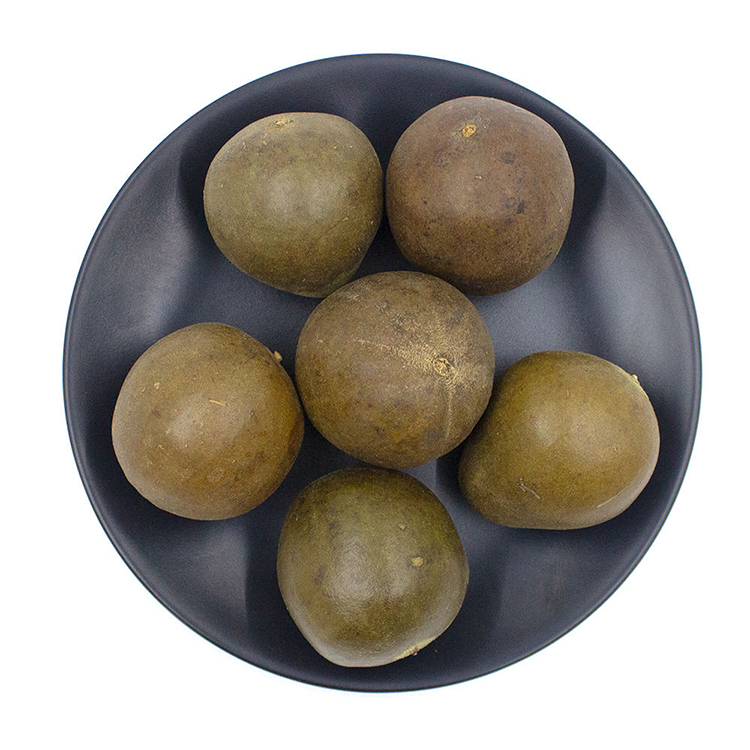
| الفواكه المجففة الكاملة | شاي الأعشاب السائب، مغلي الأعشاب، الخلطات التقليدية | الهوية النباتية، سلامة الثمرة، الرائحة، الرطوبة، أداء التخمير | الإنفاق على الحجم الجذاب بدلاً من الاستخراج الفعّال |
| الفاكهة المكسورة أو المقطعة بشكل خشن | أكياس الشاي، طرق التحضير التجارية | توزيع القطع، والغرامات، واتساق درجة الحلاوة، والرطوبة | توزيع الحشوة غير المتساوي وتفاوت قوة الكوب |
| فواكه كاملة مجففة | مخاليط نباتية جاهزة للاستخدام، مواد خام للاستخلاص | حجم الجسيمات، الحالة الميكروبية، النكهة، هوية الدفعة | ضعف قابلية التشتت والتغير السريع في النكهة |
| عصير مركز | تركيبات المشروبات، أنظمة النكهات | مقياس بريكس، السكريات، الموجروسيدات، علم الأحياء الدقيقة، التخزين | الخلط بين المركز والمستخلص المنقى عالي الكثافة |
| مستخلص فاكهة الراهب المعياري | المشروبات منخفضة السكر وأنظمة التحلية | موغروسيد V، القابلية للذوبان، الخصائص الحسية، حالة الناقل، علم الأحياء الدقيقة | الشراء بناءً على نسبة الموغروسيد وحدها |
هذه النقطة الأخيرة تستحق الاهتمام.
وفقًا لإدارة الغذاء والدواء الأمريكية (FDA)،, سيرايتيا جروسفينوري يحتوي مستخلص الفاكهة على مادة «الموغروسيدات» المسؤولة عن حلاوته المميزة، ويمكن أن تبلغ نسبة المستخلصات التجارية تقريبًا أكثر حلاوة بـ 100 إلى 250 مرة من السكروز, ، اعتمادًا على تركيز الموجروسيد.
هذه ليست مجرد تفصيل بسيط في الصياغة.
إنه يغير الوضع الاقتصادي تمامًا.
المواصفات تفوق الصور.
موغروسيد V، رقم CAS. 88901-36-4, ، هو أحد الجليكوسيدات الرئيسية ذات المذاق الحلو من فئة الكوكوربيتان المرتبطة بمستخلص فاكهة الراهب. ولذلك، فمن المنطقي أن يطلب مشترو المشروبات نتيجة تحليل بالكرياتية السائلة عالية الكفاءة (HPLC) لمادة «موغروسيد V» عند شراء مستخلص معياري.
لكنني أرفض الفكرة القائلة بأن “ارتفاع نسبة الموجروسيد V يعني تلقائيًّا أن المكون أفضل”.”
أفضل في ماذا؟
تُبيّن الوثائق التي قدمتها إدارة الغذاء والدواء الأمريكية (FDA) في إشعار GRAS رقم 629 مدى اتساع النطاق التجاري لهذا المنتج. وشمل هذا التقرير مستخلصات فاكهة الراهب التي تحتوي على ما يقارب من 7% إلى 95% موغروسيد V وأفادت الدراسة بارتفاع تدريجي في مستوى الحلاوة النسبية مع زيادة التركيز. وأورد أحد الجداول في التقرير أن منتج 7% يبلغ حلاوته حوالي 45 ضعف حلاوة السكروز، و80 ضعفًا لمنتج 12.5%، و130 ضعفًا لمنتج 20%، و160 ضعفًا لمنتج 25%. هذه البيانات مقدمة من الجهة المُبلِغة وليست جدولًا عامًا للفعالية، لكنها توضح سبب ضرورة تضمين التركيز في مواصفات الشراء.
ثم تأتي حقيقة الصياغة.
شدة الحلاوة ليست هي نفسها الجودة الحسية.
أظهرت الأبحاث الحسية التي أجرتها جامعة فرجينيا تك أن مستخلص فاكهة الراهب يُعتبر أكثر حلاوة بشكل ملحوظ من السكروز في ظل ظروف الاختبار التي أجريت في الدراسة، في حين أشارت الدراسات التي تم استعراضها في نفس البحث إلى احتمال وجود مذاق متبقٍ يشبه مذاق عرق السوس مرتبط بمركب «موغروسيد V».
ولهذا السبب لن أوافق أبدًا على مورد فاكهة المونك بالجملة من شهادة المنشأ وحدها.
يخبرك المختبر بما يحتويه البرميل.
تُعلمك لجنة التذوق الخاصة بك ما إذا كان العملاء سيشربونه أم لا.
يُشكل «لو هان غو» المجفف الكامل فخاً آخر: درجات الحجم البصرية.
الفاكهة الكبيرة يسهل تسويقها.
من السهل التقاط صورة لها.
وهذا أمر يسهل على المشترين فهمه.
لسوء الحظ، لا يُعدُ المحيط مقياسًا مباشرًا لمستوى الحلاوة.
التحليل التفصيلي الذي أجراه الموقع لـ تصنيف حجم فاكهة المونك واستقرار مستوى حلاوتها يُبرز هذا التمييز المهم في مجال المشتريات: فقد تشير المقاسات S أو M أو L أو XL إلى الأبعاد المادية، لكن ذلك لا يحدد تركيز الموجروسيد أو كفاءة عملية الاستخلاص.
أما بالنسبة لمشتري الشاي، فسأقوم بدلاً من ذلك بإجراء اختبار مقارنة موحد لطريقة التحضير.
على سبيل المثال، قد تُبقي إحدى طرق مراقبة الجودة الداخلية المعلمات التالية ثابتة:
يجب أن يتوافق بروتوكول التحضير الدقيق مع منتجك.
المبدأ أهم من الأرقام التي أستخدمها: قم بتغيير متغير واحد في كل مرة.
إذا أرسل المورد «أ» فاكهة جميلة بحجم XL، وأرسل المورد «ب» فاكهة أصغر قليلاً توفر نكهة أنقى وأكثر اتساقاً بتكلفة أقل لكل حصة جاهزة، فأيهما يعتبر في الواقع الأفضل؟
الإجابة ليست معقدة.
تختلف خصائص ثمرة المونك الكاملة عن خصائص مستخلص المُحلي النقي، لأن الشراب يحتوي على مكونات أكثر بكثير من مجرد الموجروسيدات المعزولة.
وهذا أمر مهم في التركيبات العشبية.
مشتري في طور التكوين فاكهة المونك لصنع شاي الأعشاب ينبغي تقييم المكونات الموجودة داخل المزيج نفسه، بدلاً من تذوق «لو هان غو» بمفرده وافتراض أن خصائصه ستبقى كما هي عند مزجه مع الأقحوان، أو عرق السوس، أو الزنجبيل، أو العناب، أو قشور الحمضيات، أو الزعرور، أو النعناع، أو أي مكونات نباتية أخرى.
التفاعلات أمر لا مفر منه.
قد تجعل القليل من المرارة الطعم الحلو يبدو أضعف. فالحموضة تغير الإدراك الحسي. كما أن الأعشاب العطرية القوية قد تطغى على النكهة المميزة لـ«لو هان غو». وقد يصبح المكون الذي يبدو مذاقه متوازناً في كوب مختبري سعة 250 مل مملّاً عندما يترك المستهلك كيس الشاي في الكوب لمدة 20 دقيقة.
أفضل مواصفات المشتريات التي تصف الأداء.
فيما يتعلق ببرنامج الشاي، يعني ذلك أن نطلب من المورد ما يلي:
يرجى ذكر الاسم العلمي المقبول:
سيرايتيا جروسفينوري
لا تكتفِ بـ“مسحوق فاكهة الراهب” في جدول بيانات.
يرجى تحديد ما يلي أيضًا:
بالنسبة لأكياس الشاي، اطلب مواصفات غربالية أو نطاق أحجام قطع متفق عليه.
لماذا؟
لأن معدات التعبئة لا تهتم بلغة التسويق.
يمكن أن يؤدي وجود خليط يحتوي على قطع كبيرة غير منتظمة من القشرة ونسبة عالية من الجسيمات الدقيقة إلى تباين في الوزن عبر آلاف الأكياس الصغيرة. وهذا يصبح في النهاية مشكلة تصنيعية، وليس مشكلة زراعية.
يمكن للعلامات التجارية التي تنتقل من بيع الأعشاب السائبة إلى صيغ العلامات التجارية الخاصة أن تطلع أيضًا على خدمات خلط الأعشاب بكميات كبيرة، وطحنها، والمعالجة حسب الطلب عند اتخاذ قرار بشأن ما إذا كان ينبغي تقطيع فاكهة الراهب النيئة أو طحنها أو خلطها أو تحضيرها خصيصًا لإنتاج الشاي.
“كلمة ”جاف» ليست مواصفة.
يجب تحديد حد قابل للقياس يتناسب مع المنتج ومتطلبات السوق المستهدفة.
وللتوضيح، غالبًا ما تستند المواصفات التجارية الموحدة لمستخلصات الفاكهة إلى مستويات رطوبة منخفضة جدًّا. وقد أشار تقييم فني أجرته هيئة سلامة الأغذية والأدوية الأسترالية والنيوزيلندية (FSANZ) إلى أن مستخلص فاكهة الراهب يحتوي على نسبة رطوبة تقل عن 6% ويبلغ حجم الجسيمات عادةً حوالي 100–250 ميكرومتر, ، في حين تحدد إحدى المواصفات التجارية لمركب «موغروسايد V» من نوع 50% نسبة الرطوبة عند ≤5%. لا ينبغي نسخ هذه الأرقام بشكل أعمى لتطبيقها على الفاكهة المجففة بأكملها، لكنها توضح الشكل الذي يجب أن تكون عليه المواصفات الحقيقية: رقمية، وقابلة للاختبار، ومرتبطة بطريقة محددة.
المواصفات الغامضة تؤدي إلى نزاعات محددة.
تركيبة المشروبات لا تهتم بمظهر الفاكهة المجففة الجميل.
إنها تولي اهتمامًا بمسألة قابلية التكرار.
بالنسبة لـ فاكهة المونك للمشروبات, ، سأركز بشكل أكبر بكثير على المحتوى الفعال المعياري، والقابلية للذوبان، واللون، وتفاعل النكهات، والسلوك الحراري، وعلم الأحياء الدقيقة، والهوية التنظيمية الدقيقة للمكون الذي يتم شراؤه.
تصبح الأسئلة أكثر تقنية:
وهناك سؤال واحد ينساه المشترون:
ما هو مذاقه بعد إضافة كل المكونات الأخرى؟
تشير إدارة علوم التغذية بولاية ويسكونسن إلى أن المحليات غير المغذية تختلف من حيث ثباتها الحراري، وسلوكها في السوائل مقارنةً بالمواد الصلبة، وطعمها المتبقي، وأن الشركات المصنعة تقوم أحيانًا بخلط المحليات لتحسين الخصائص الحسية النهائية للمنتج.
هذه هي الحقيقة كما هي.
قد يكون مستخلص فاكهة الراهب متوافقًا من الناحية الكيميائية، ومع ذلك يكون غير مناسب من الناحية التجارية.
سأحتاج إلى ثلاثة مستويات على الأقل من التقييم:
يساعد اختبار الماء في تحديد المكون نفسه.
الصيغة النهائية هي التي تحدد ما إذا كان عليك شراء المنتج أم لا.
بالنسبة لمشروب الحمضيات، فإن الحموضة هي العامل المهم. أما بالنسبة لمشروب الشاي، فإن التانين والمرارة هما العاملان المهمان. وبالنسبة لمشروب البروتين، فإن الملمس والرائحة هما العاملان المهمان. أما بالنسبة لمشروب الأعشاب المركّز، فإن النكهات العشبية المركّزة قد تغير تمامًا من درجة الحلاوة الملحوظة.
لا تدع حل التذوق القياسي الذي يقدمه المورد هو الذي يحدد قرارك بشأن التركيبة.
منتجك هو الاختبار.
لا يوجد نموذج واحد لشهادة التحليل (COA) يناسب جميع منتجات فاكهة الراهب.
ومع ذلك، فهو محترف بيع «لو هان غو» بالجملة يجب أن يكون البرنامج أكثر صرامة من معيار “المظهر: مطابق”.”
بالنسبة للمقتطف المعياري، عادةً ما أرغب في أن يتناول الملف ما يلي:
| منطقة الاختبار | ما الذي يجب طلبه | ما أهمية ذلك |
|---|---|---|
| الهوية | سيرايتيا جروسفينوري, ، طريقة تحديد الهوية المناسبة | يمنع حدوث التباس في المواد |
| موغروسيد V | طريقة النسبة المئوية بالإضافة إلى طريقة HPLC | يتحكم في درجة التحلية |
| الرطوبة / الفقدان عند التجفيف | النتيجة العددية والحد | الاستقرار والتخزين |
| حجم الجسيمات | التوزيع الشبكي أو بالميكرومتر | المعالجة والذوبان |
| الذوبان | شرط الاختبار المحدد | تصنيع المشروبات |
| المعادن الثقيلة | الرصاص (Pb)، الزرنيخ (As)، الكادميوم (Cd)، الزئبق (Hg) حيثما ينطبق ذلك | مكافحة الملوثات |
| مخلفات مبيدات الآفات | فحص ملائم لسوق الوجهة | الاستيراد والامتثال لمعايير العلامات التجارية |
| إجمالي عدد الجراثيم | النتيجة العددية | مراقبة النظافة |
| الخميرة والعفن | النتيجة العددية | مدة الصلاحية ومخاطر التلف |
| الإشريكية القولونية | معيار القبول المحدد | مكافحة مسببات الأمراض/النظافة الصحية |
| السالمونيلا | أساس العينة المحدد | مكافحة مسببات الأمراض |
| المذيبات المتبقية | عندما تكون عملية الاستخراج ذات صلة بهذا الأمر | التحقق من العمليات |
| رقم الدفعة | خاص بالقطعة | التتبع |
وهذا هو الجزء الذي أركز عليه بشدة:
اطلب النتائج، لا تكتفِ بمعرفة الحدود.
“تشير عبارة ”الرصاص ≤1 جزء في المليون» إلى مواصفات المورد.
“تُشير عبارة ”الرصاص 0.12 جزء في المليون» إلى شيء ما بشأن هذه الدفعة.
هذه معلومات مختلفة.
يتوفر إطار عمل أوسع نطاقًا للمشتريات في قسم الموقع الخاص بـ دليل شراء المنتجات العشبية الصينية, ، والتي تشمل سجلات المنشأ، وسلسلة أصل الدُفعات، وإجراءات مراقبة التجفيف، وإجراءات التشغيل القياسية الخاصة بالتخزين، ووثائق الموردين التي تتجاوز مكونًا واحدًا.
وهنا تكمن خطورة الاعتماد على مصادر غير موثوقة.
تعتبر عبارة “تمت الموافقة على فاكهة الراهب” غامضة للغاية بالنسبة لملف مشتريات احترافي.
أين تمت الموافقة عليه؟
تمت الموافقة عليها بأي شكل؟
لأي غرض تمت الموافقة عليه؟
تصف إدارة الغذاء والدواء الأمريكية (FDA) حالياً سيرايتيا جروسفينوري مستخلص الفاكهة كمُحلي عام الاستخدام ومُحلي للمائدة، وتشير إلى أنها قامت بتقييم العديد من إخطارات ’GRAS» دون التشكيك في استنتاجات «GRAS» التي توصل إليها مقدمو الإخطارات في ظل شروط الاستخدام المحددة.
أحد البنود الحالية المدرجة في قائمة المواد التي تعتبر آمنة للاستهلاك (GRAS) التابعة لإدارة الغذاء والدواء الأمريكية (FDA)، وهو البند رقم GRN 784، يتعلق بـ سيرايتيا جروسفينوري مركزات عصير الفاكهة المخصصة للاستخدام كمُحلي عام. تُشير قاعدة البيانات إلى تاريخ إغلاق في 20 نوفمبر 2018 ورد من إدارة الغذاء والدواء (FDA) مفاده “لا توجد أسئلة”؛ وقد تم تحديث صفحة المخزون نفسها في 13 أغسطس 2026.
هذا دليل مفيد.
لكن هذا لا يعني مع ذلك أن كل مسحوق يحمل علامة “لو هان غو” يرث تلقائيًا نفس الوضع التنظيمي.
الهوية أمر مهم.
عملية التصنيع مهمة.
التركيب مهم.
الاستخدام المقصود مهم.
تُعد كندا مثالاً مثاليًّا على السبب الذي يجعل العلامات التجارية العالمية غير قادرة على تطبيق المواصفات الأمريكية في كل سوق.
تتضمن القائمة الحالية للمُحليات المسموح بها الصادرة عن وزارة الصحة الكندية ما يلي: مستخلص فاكهة المونك للمحليات التي توضع على المائدة في 8,000 جزء في المليون محسوبة على أساس الموغروسيد V.
والأمر الأكثر دلالة هو أن الوكالة الكندية لفحص الأغذية تميز صراحةً بين مستخلص فاكهة الراهب ومكونات فاكهة الراهب الأخرى. وتنص إرشاداتها الحالية على أن مستخلص فاكهة الراهب مسموح به كمُحلي في المُحليات المائدة، في حين أن مكونات فاكهة الراهب التي تحتوي على نسبة أقل من الموجروسيد — مثل مركز عصير فاكهة الراهب — قد تُعامل بشكل مختلف باعتبارها مكونات غذائية.
نفس الفاكهة.
هوية تنظيمية مختلفة.
من شأن ذلك أن يغير الطريقة التي يكتب بها فريق المشتريات لديك أوصاف المنتجات والمواصفات والوثائق الجمركية.
تستحق أوروبا مزيدًا من الحذر.
على 20 يوليو 2026, ، سجلت المفوضية الأوروبية قرارًا بإنهاء الإجراءات المتعلقة بطلب بشأن محصول سيرايتيا جروسفينوري كغذاء تقليدي من دولة ثالثة دون تحديث قائمة الاتحاد للأغذية الجديدة.
وفي الوقت نفسه، خلص تقييم أجرته هيئة سلامة الأغذية الأيرلندية في عام 2024 إلى أن بعض مغلي فاكهة الراهب, ، والتي تُعرَّف بأنها مستخلصات مائية غير انتقائية من الفاكهة الطازجة أو المجففة، لم تكن أغذية جديدة.
اقرأ هاتين الحقيقتين بعناية.
إنهما لا يتعارضان. بل يوضحان لماذا يُعد مصطلح “فاكهة الراهب” وصفًا تنظيميًّا غير ملائم.
قد تخضع الثمرة الكاملة، والديكوتيون التقليدي، ومركز العصير، والمستخلص المنقى من الموجروسيد V (50%) لإجراءات تنظيمية مختلفة.
قبل طرح المنتج في الاتحاد الأوروبي أو المملكة المتحدة أو كندا أو الولايات المتحدة أو أستراليا أو أي سوق آخر، يجب مراجعة المواصفات الدقيقة للمكونات للتأكد من مطابقتها للقواعد المعمول بها في تلك الأسواق.
افعل ذلك قبل أن تطلب عدة أطنان.
ليس بعد ذلك.
إن أفضل مورد لفاكهة المونك ليست بالضرورة المزرعة التي تنتج أكبر حجم من الفاكهة، أو الشركة المصنعة التي تنتج المستخلص الأكثر بياضاً، أو التاجر الذي يعرض أقل سعر فوب.
سأقوم بتقييم الموردين بناءً على ستة معايير.
هل يمكنهم الرد على طلب عرض أسعار تقني دون تحويل كل سؤال إلى “نعم، لا مشكلة”؟
الموردون الجيدون يتعاملون براحة مع القيود.
الموردون المتميزون يشعرون بالراحة تجاه هذه الأساليب.
اطلب شهادة منشأ (COA) حديثة من دفعة إنتاج حقيقية.
ثم قارنها بمواصفات المنتج الرئيسية.
إن شهادة المطابقة النموذجية التي تظهر فيها كلمة “مطابق” في كل نتيجة لا تعطي لي معلومات كافية كما يعتقد المشترون.
إذا كان أداء الدفعة التجارية الأولى ممتازًا، في حين أن الدفعة الثانية لم تحقق نفس الأداء، فهل يمكن للمورد استرجاع العينات المحتفظ بها والتحقيق في الأمر؟
وإلا، فإن تكرار الشراء سيصبح مجرد تخمين.
قد يكون مورد الفاكهة الكاملة خيارًا ممتازًا للشاي السائب، لكنه غير مناسب لخط إنتاج أكياس الشاي.
إن وجود معالج قادر على القيام بعمليات التقطيع والطحن والخلط والتعبئة المعيارية يتيح للمصنعين المزيد من الخيارات.
الموقع كتالوج مورد الأعشاب الصينية بالجملة يقدم نظرة أوسع نطاقاً على الأنواع المتاحة من الفاكهة، والبذور، والجذور، والزهور، واللحاء، والتوابل، والمواد النباتية الأخرى، وذلك للعلامات التجارية التي تعمل على تجميع مكوناتها في إطار برنامج توريد واحد.
اسأل عن المستندات المتوفرة قبل إرسال المبلغ المقدم:
قد لا يحتاج المستورد الخاص بك سوى إلى جزء من هذا الملف.
قد يحتاج قسم ضمان الجودة لديكم إلى كل ذلك.
هذا هو الأهم.
هل يمكن للمورد أن يرسل نفس الشيء مرة أخرى؟
يمكن اختيار عينة.
يجب أن يتكرر نظام الإنتاج.
قد يكون عرض السعر المنخفض أمرًا منطقيًّا تمامًا.
وقد يكون ذلك بلا معنى أيضًا.
بالنسبة لعلامة تجارية متخصصة في شاي الأعشاب، قد تكون المقارنة المفيدة هي التكلفة لكل كوب جاهز موحد, ، وليس التكلفة لكل كيلوغرام من الفاكهة.
بالنسبة لشركة منتجة للمشروبات الجاهزة للشرب (RTD)، قد يكون الأمر التكلفة لكل وحدة مكافئة من الحلاوة.
سأقوم بتمثيلها على النحو التالي:
تكلفة مكونات الشاي لكل حصة = تكلفة المكونات بعد الشحن ÷ عدد الحصص المؤكدة المنتجة من كيلوغرام واحد
بالنسبة للمستخلص المعياري:
التكلفة النسبية للتحلية = التكلفة عند الاستلام للكيلوغرام الواحد ÷ أداء التحلية المثبت في التركيبة النهائية
الكلمة المهمة هي «تم التحقق من صحتها».
لا تستند في حساباتك إلى ادعاءات تسويقية مثل “أكثر حلاوة بـ 200 ضعف من السكر” ما لم تدعم أبحاثك الخاصة في مجال التركيبات هذا الافتراض.
يمكن لمستخلص بسعر $80/كجم أن يتفوق في الأداء على مستخلص بسعر $55/كجم إذا كان الأول يوفر حلاوة أنقى بجرعة أقل ويقلل من كمية النكهة المُخفية المطلوبة.
وقد تكون ثمرة كاملة جميلة باهظة الثمن، حيث يصل سعرها إلى $6/كجم، إذا كان معدل استخلاص القهوة ضعيفًا.
السعر هو بيانات.
ليس هذا هو القرار.
لو كنت بصدد إنشاء برنامج جديد للتوريد، لاتبعت التسلسل التالي:
عملية بسيطة.
تجنب الأخطاء المكلفة.
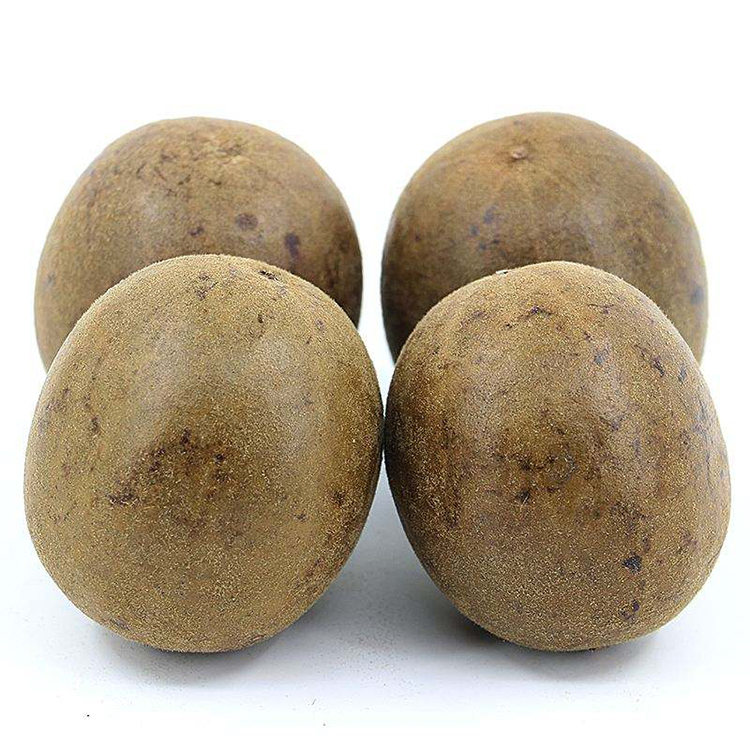
يجب على المورد المؤهل لفاكهة الرهبان بالجملة أن يقدم الهوية النباتية سيرايتيا جروسفينوري, ، وشكل المنتج، وجزء النبات، والمنشأ، وطريقة المعالجة، وشهادة تحليل الدفعة (COA)، ونتيجة قياس الرطوبة، والبيانات الميكروبيولوجية، واختبارات الكشف عن الملوثات، ومواصفات التعبئة والتغليف، وظروف التخزين، ومدة الصلاحية، وتركيز الموغروسيد V باستخدام طريقة تحليلية مناسبة عند شراء المستخلص المعياري.
بالنسبة لمنتجات الشاي، استفسر أيضًا عن حجم القطع، والجزيئات الدقيقة، وسلوكية التخمير، ومظهر الدُفعات المتكررة. أما بالنسبة لمستخلصات المشروبات، فأضف إلى ذلك القابلية للذوبان، واللون، والمكونات الحاملة، والمذيبات المتبقية عند الاقتضاء، والأداء الحسي، وتعريفًا واضحًا لما إذا كان المنتج مستخلصًا، أم مركز عصير، أم مستحضرًا آخر من فاكهة الرهبان.
يُعد مستخلص فاكهة الراهب و«لو هان غو» المجفف مكونين تجاريين مختلفين: حيث يتوفر «لو هان غو» المجفف إما كاملاً أو معالجاً سيرايتيا جروسفينوري فاكهة تحتوي على مركبها الطبيعي، في حين يُنتج مستخلص فاكهة الراهب المعياري من خلال خطوات الاستخلاص والتركيز المصممة لتوفير مستوى أكثر تحكمًا من الموجروسيدات الحلوة مثل الموجروسيد V.
هذا الاختلاف مهم بالنسبة لعلامات الشاي التجارية لأن الفواكه المجففة تضفي طابعًا مميزًا على الشاي بالإضافة إلى الحلاوة. وغالبًا ما تحتاج شركات المشروبات إلى المستخلصات لأنها تتيح التحكم في الجرعة ومستوى الحلاوة بدقة أكبر.
لا ينبغي أن تشترك هذان المنتجان في نفس مواصفات الشراء.
إن النسبة المئوية المثلى لمادة «موغروسيد V» في المشروبات هي التركيز الذي يوفر الحلاوة المطلوبة، وخصائص النكهة، والقابلية للذوبان، والتوافق مع اللوائح التنظيمية، واستقرار العملية، والتكلفة في التركيبة النهائية؛ ولا يمكن اعتبار الدرجات 25% أو 50% أو أي درجة معيارية أخرى متفوقة بشكل عام لمجرد أن تركيز الموجروسيد V العددي فيها أعلى.
تُظهر الوثائق المتعلقة بإدارة الغذاء والدواء الأمريكية (FDA) أن مستخلصات فاكهة الراهب المتوفرة تجاريًّا تتراوح تركيزاتها في نطاق واسع جدًّا، مما يؤكد الحاجة إلى مقارنة الأداء الفعلي للتركيبات بدلاً من الاكتفاء بالنظر إلى النسب المئوية وحدها.
يمكن للمستخلص ذي الفعالية الأعلى أن يقلل من الجرعة، لكن النتيجة الحسية يجب أن تظل مرضية.
يُذكر عادةً أن مستخلص فاكهة المونك أحلى بنحو 100 إلى 250 مرة من السكروز، لكن هذا النطاق يشير إلى المستخلص المركّز سيرايتيا جروسفينوري مستخلصات الفاكهة بدلاً من جميع أشكال فاكهة الراهب المجففة، وتتغير الحلاوة الفعلية المُحسوسة تبعًا لتركيز الموجروسيد، والجرعة، وتركيبة المشروب، والحموضة، والمرارة، ودرجة الحرارة، وظروف الاختبار الحسي.
تستخدم إدارة الغذاء والدواء الأمريكية (FDA) حاليًا نفس النطاق الواسع الذي يتراوح بين 100 و250× عند وصف مستخلص فاكهة الراهب.
فيما يتعلق بالمشتريات، استخدم هذا الرقم كمرجع تقني وليس كتعليمات لتحديد الجرعة في عملية الإنتاج.
المورد الموثوق لفاكهة الراهب هو الذي يستطيع توفير المنتج بشكل متكرر وفقًا للمواصفات المكتوبة المتفق عليها، وتزويد كل شحنة بمعلومات قابلة للتتبع عن الدفعة، ونتائج تحليلية موثوقة، ومعالجة متسقة، وإجراءات مراقبة التلوث، وعينات تمثيلية قبل الشحن، ووثائق التصدير المناسبة، وعملية تحقيق واضحة في حالة اختلاف الدفعة التجارية عن العينة المرجعية المعتمدة.
وهذا اختبار أكثر صرامة من تصميم الموقع الإلكتروني، أو صور المصنع، أو الادعاءات في المعارض التجارية، أو حتى عينة واحدة ناجحة.
الموثوقية هي قابلية التكرار.
لا تخضع فاكهة المونك لنفس القواعد التنظيمية في كل بلد، ويجب على المشترين التحقق من الشكل الدقيق للمكون، وعملية التصنيع، والوظيفة التكنولوجية المقصودة، والتركيز، وفئة الأغذية، والسوق المستهدفة قبل الاستخدام التجاري؛ وذلك لأن الفاكهة المجففة، والمرق، ومركز العصير، والمستخلص المعياري، ومكون الموجروسيد المنقى قد تخضع لمعاملة تنظيمية مختلفة.
وتتجلى هذه الاختلافات بالفعل في الولايات المتحدة وكندا والولايات القضائية الأوروبية.
“عبارة ”مسموح به في بلد واحد» لا تُعد استراتيجية تصدير.
إذا كنت تقوم بالتوريد فاكهة المونك بالجملة بالنسبة لشاي الأعشاب، وأكياس الشاي، والمشروبات الوظيفية، ومركزات المشروبات، أو التركيبات النباتية، ابدأ بالمنتج النهائي ثم تابع خطوات التصنيع عكسيًّا.
حدد النموذج.
حدد الهدف الحسي.
حدد طبيعة الاختبار.
حدد السوق المستهدفة.
ثم قارن بين الموردين.
تزود شركة GuoCao المشترين التجاريين بـ«لو هان غو» وغيرها من الأعشاب الصينية بالجملة، والمستخلصات النباتية من الفاكهة والبذور، ومكونات الشاي، بالإضافة إلى خدمات التقطيع والطحن والمزج والتجهيز حسب الطلب. يرجى إرسال الاستخدام المستهدف، والشكل المطلوب لفاكهة الرهبان، وكمية الطلب المتوقعة، وبلد المقصد، ومتطلبات الاختبار، واحتياجات التعبئة والتغليف، حتى يتمكن فريق التوريد من اقتراح المواصفات المناسبة وإعداد عينة للتقييم.
اطلب عينة من فاكهة المونك وشهادة تحليل الجودة (COA) قبل الموافقة على طلب الشراء بالجملة.