
لا تقلق، اتصل برئيسنا على الفور
لا تتسرع في إغلاقه، الآن، يرجى التحدث إلى رئيسنا مباشرة. عادةً ما يتم الرد خلال ساعة واحدة.
أعشاب وتوابل الطب الصيني الشركات المصنعة
الطب الصيني العالمي للأعشاب والتوابل الصينية بالجملة
نستخدم SSL/3.0 لتشفير خصوصيتك
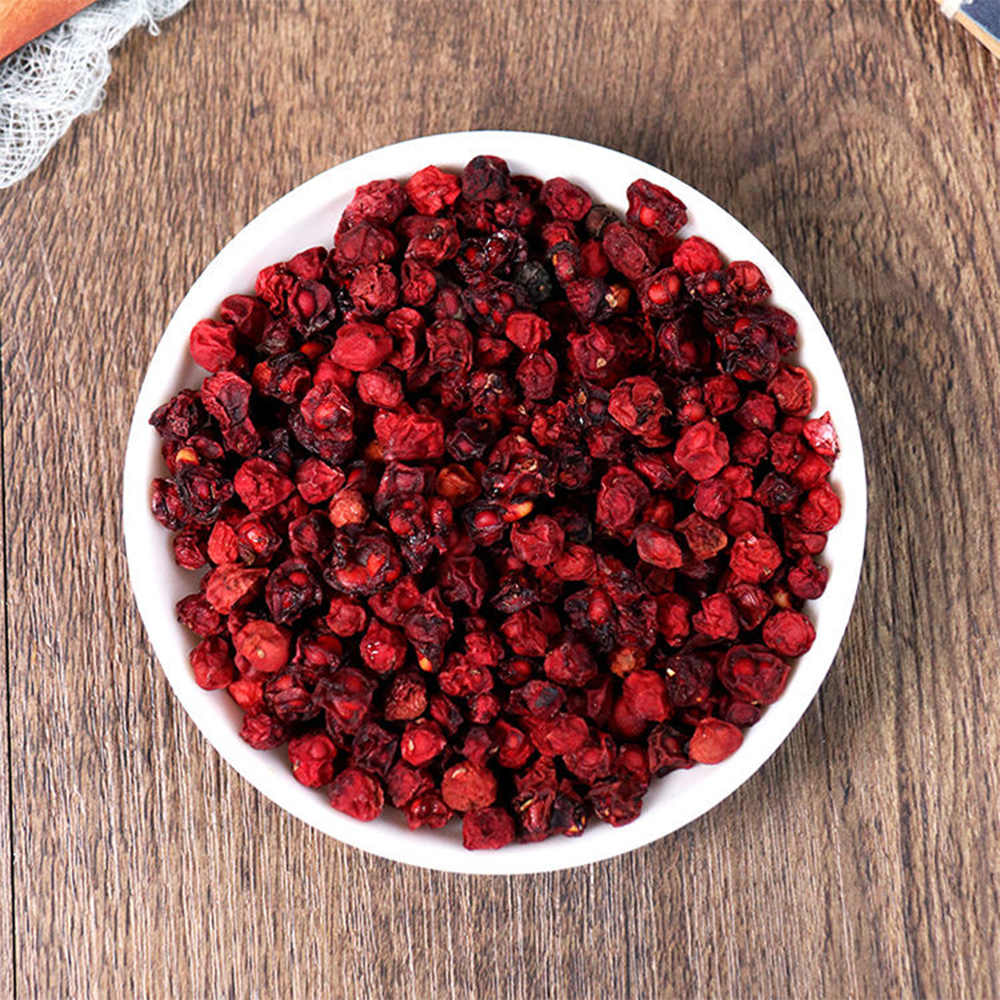
Buying Schisandra Berries for herbal tea is not the same as sourcing them for botanical extraction. This technical guide explains how to evaluate botanical identity, lignan content, physical quality, extraction performance, and supplier documentation before placing a bulk order.
Pretty berries deceive.
A shipment of Schisandra Berries can look excellent in supplier photographs, arrive with impressive descriptions such as “premium dried fruit,” and still fail to deliver consistent tea flavor or the lignan recovery an extraction manufacturer needs.
So what are buyers actually paying for?
Schisandra Berries, commonly called Wu Wei Zi or five-flavor fruit, are used in herbal teas, botanical extracts, dietary supplements, and traditional Chinese preparations.
But a common purchasing mistake is treating every application as though it requires the same quality grade.
For tea manufacturers, the priority is usually clean flavor, controlled acidity, stable aroma, appropriate particle size, and batch consistency. Extraction manufacturers must pay closer attention to chemical markers, extraction yield, solvent compatibility, and raw-material variability.
I would never approve a commercial Schisandra purchase based on appearance and price alone.
The right specification starts with botanical identity, then follows the intended manufacturing process.
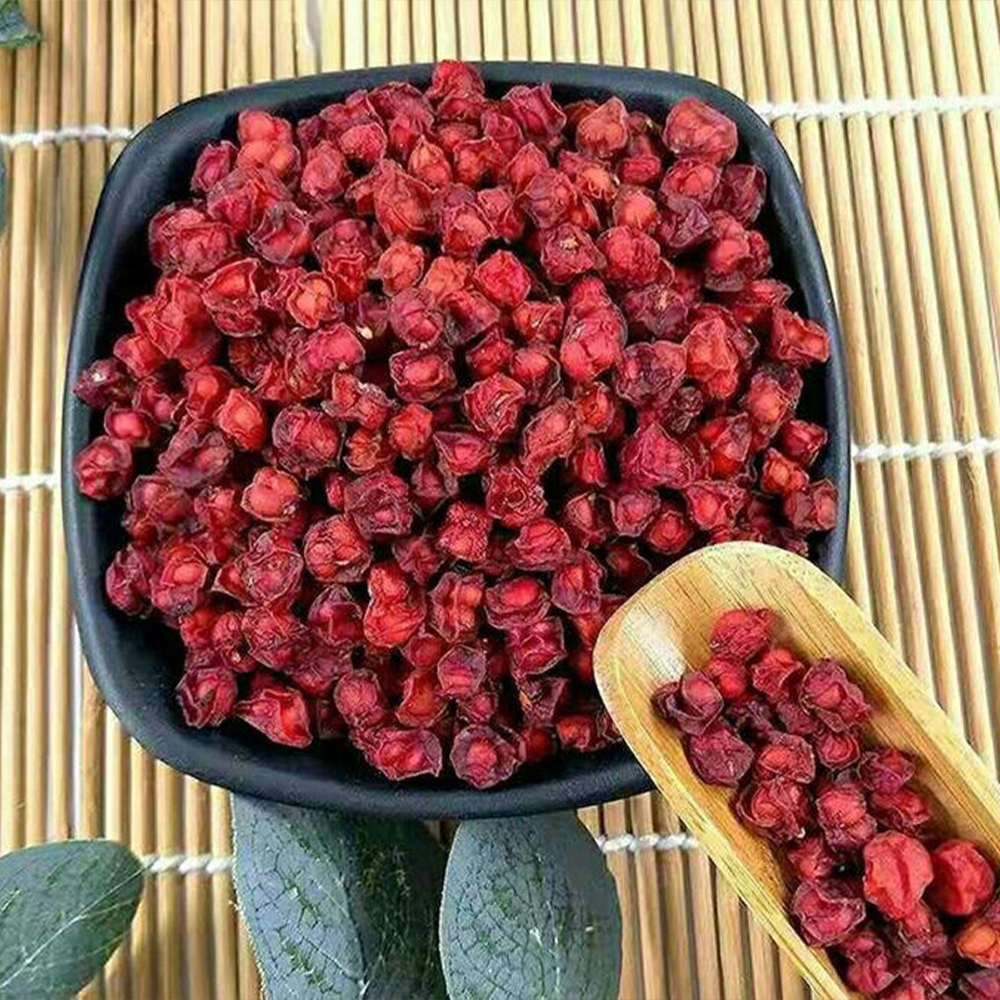
Before discussing price, moisture, or extraction efficiency, confirm the species.
Two commercially important materials are:
They are different botanical species with distinct chemical profiles and pharmacopeial specifications.
That distinction matters when an extraction buyer specifies lignans.
وفقاً ل United States Pharmacopeia’s Northern Schisandra Fruit monograph, dried ripe شيساندرا تشينينسيس fruit contains, on a dried basis:
These are pharmacopeial specifications for the defined material, not universal acceptance limits for every food-grade Schisandra product.
Southern Schisandra is evaluated using a different lignan combination.
And that creates a real commercial problem: two suppliers may quote “total lignans” while measuring different sets of compounds.
A percentage without an analytical definition is not a reliable purchasing specification.
Published on August 7, 2026, ISO 7835:2026 establishes minimum requirements and test methods for شيساندرا تشينينسيس fruit traded as a medicinal material internationally.
Its scope includes Chinese materia medica.
This gives professional buyers an additional technical reference, particularly when working across different national quality systems.
However, mentioning ISO compliance in a quotation is not proof that the delivered batch meets the standard.
Request the applicable specification, test methods, and supporting results.
When evaluating commercially available material, start with the bulk wholesale Schisandra Berry (Wu Wei Zi) product information and confirm the exact species, origin, processing format, and batch requirements before ordering.
The most important distinction is simple.
Tea buyers purchase brewing performance. Extraction buyers purchase process performance.
Both need safe, correctly identified raw material. Their additional acceptance criteria should reflect what happens after the berries enter production.
| المواصفات | Schisandra Berries for Tea | Schisandra Berries for Extraction |
|---|---|---|
| الهوية النباتية | Verified شيساندرا تشينينسيس | Verified شيساندرا تشينينسيس |
| الدرجة المادية | Whole fruit or controlled cut size | Whole, cracked, or coarse-milled fruit |
| المظهر | Consistent color, limited broken fruit | Sound material; cosmetic uniformity less important |
| الرطوبة | Contract-defined limit supporting storage stability | Contract-defined limit supporting storage and processing |
| Aroma and flavor | Characteristic acidity, clean aroma, no off-flavors | Relevant for identity and deterioration checks |
| Lignan testing | According to applicable product requirements | Defined individual and total lignan assay, commonly by HPLC |
| اختبار الأداء | Standardized brewing and sensory evaluation | Pilot extraction, yield, and marker recovery |
| السلامة | Relevant microbiological, pesticide, and heavy-metal limits | Relevant limits, including risks associated with concentration during extraction |
| التوثيق | Batch COA, traceability, packaging details | Batch COA, chromatographic data, traceability, process requirements |
These are suggested purchasing parameters. Numerical acceptance limits should be determined by the destination market, applicable standards, and intended finished product.
For Schisandra Berries for Tea, appearance is commercially relevant, especially when whole fruit is visible in loose-leaf blends.
But attractive berries do not guarantee a good infusion.
I recommend a standardized brewing comparison across supplier samples.
For example, an internal development trial could use 5 g of dried fruit in 250 mL of water at 95°C for 10 minutes.
This is an illustrative comparison protocol, not a universal brewing standard.
Assess the samples for:
The same sample should also be evaluated in the intended finished-product format.
A whole berry may work well in loose-leaf tea but be poorly suited to a short-steeping tea bag.
For brands developing sachets, our guide to private-label Chinese herbal tea bag manufacturing covers how formula design, particle size, and packaging affect manufacturing results.
Schisandra Berry Extract production introduces a different technical question.
How much of the desired chemical material can the extraction process recover?
Key lignans include schisandrin (C24H32O7), schisandrol B (C23H28O7), schisandrin A (C24H32O6), and schisandrin B (C23H28O6).
For lignan-standardized extracts, I would request individual marker results rather than accepting a vague “high schisandrin” claim.
The laboratory method matters.
So does the definition of total lignans.
A supplier’s assay may include compounds that another laboratory excludes from its calculation. Comparing the resulting percentages without checking the methods can produce a false ranking.
Extraction trials should examine recovery, filtration behavior, finished-extract composition, and consistency under the actual process conditions.
Raw-material particle size also affects processing. Buyers requiring controlled cuts or custom grinding can explore bulk herb milling and processing services.
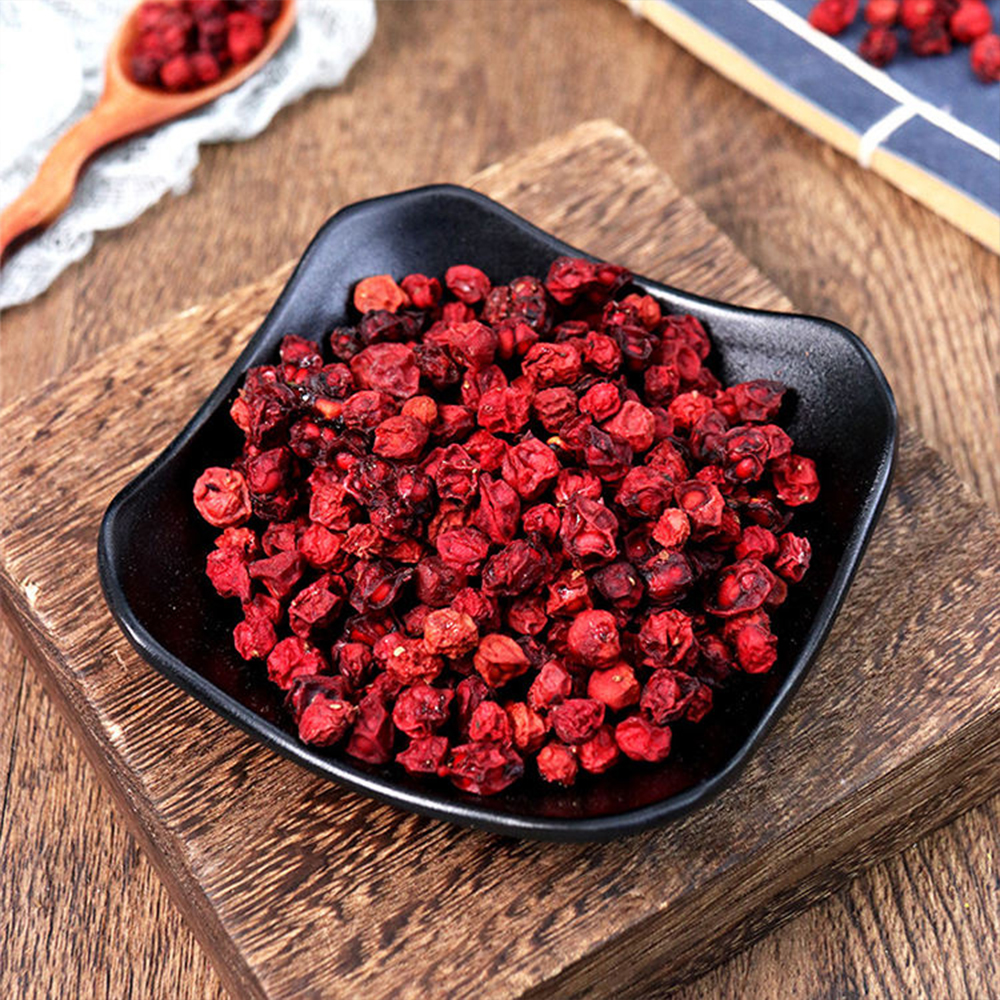
Scientific research supports a more demanding purchasing approach.
Two studies are especially useful because they show why origin and harvest conditions cannot be reduced to a single marketing grade.
A study published in Phytomedicine in June 2024 investigated 60 batches of Schisandra chinensis collected from seven major Chinese production origins.
Researchers analyzed lignan content using high-performance liquid chromatography (HPLC).
They investigated multiple compounds and proposed a more comprehensive evaluation involving schisandrol A, schisandrol B, schisantherin A, and schisandrin C.
The study is indexed by the المكتبة الوطنية الأمريكية للطب.
The important commercial finding is that lignan composition varied across sources, making quality evaluation based on a single component less informative.
For extraction buyers, this supports reviewing a defined multi-marker profile.
Origin is not an assay.
A famous growing region cannot replace batch-specific chemical evidence.
A separate 2024 study published in Molecules investigated Schisandra fruit across seven harvest periods.
Researchers reported the following results:
| Measurement | Reported value | تاريخ أخذ العينات |
|---|---|---|
| Total measured lignans | 35.00 mg/g | July 25 |
| Total measured lignans | 17.06 mg/g | September 6 |
| Total organic acids | 72.34 mg/g | September 6 |
The full findings are available through the National Library of Medicine’s open-access research archive.
The study demonstrates that measured lignan and organic acid profiles changed with fruit development.
For manufacturers, that has direct implications.
Organic acids contribute to the sensory character of Schisandra beverages, while lignan composition is particularly relevant to many extraction applications.
However, the study’s six-lignan total is not directly interchangeable with the USP’s specified four-lignan assay. And higher lignan values in an early sample do not automatically make immature fruit suitable for sale as pharmacopeial dried ripe fruit.
The practical conclusion is to control botanical maturity and test the compounds relevant to the finished product.
Not simply to chase the largest laboratory number.
The best Schisandra Berries for Extraction or tea manufacturing are not necessarily the berries with the highest quoted grade.
They are the ones that consistently meet a documented purchasing specification.
Moisture affects storage risk, processing consistency, and the amount of usable dry material purchased.
I would specify a test method and a maximum acceptable value rather than writing “well dried” on a purchase order.
For more detailed measurement approaches, see our article on Schisandra berry color, oil, and shrinkage.
Remember that moisture content and water activity are different measurements. Moisture indicates water quantity; water activity helps assess whether water is available to support microbial activity.
A useful COA should contain:
A document stating only “PASS” is not enough to compare competing batches.
The buyer should also establish who performs the testing, how representative samples are obtained, and when independent verification is required.
لدينا Chinese herb importing guide covering COAs, pesticide residues, and heavy-metal testing explains the documentation challenges facing international purchasers.
For U.S. importers, the لائحة إدارة الغذاء والدواء الأمريكية (FDA) بشأن برامج التحقق من الموردين الأجانب may impose additional supplier-verification obligations, depending on the product and applicable exemptions.
A lower raw-material quotation does not necessarily mean a cheaper finished extract.
The meaningful calculation includes moisture, usable dry solids, extraction yield, marker recovery, and the proportion of material that meets final specifications.
A supplier offering slightly more expensive Schisandra with consistently higher recovery may provide better production economics.
For tea manufacturing, the corresponding comparison involves usable ingredient yield, filling consistency, brewing quality, and rejection rates.
I would approve a supplier through a representative production trial, not a favorable spreadsheet alone.
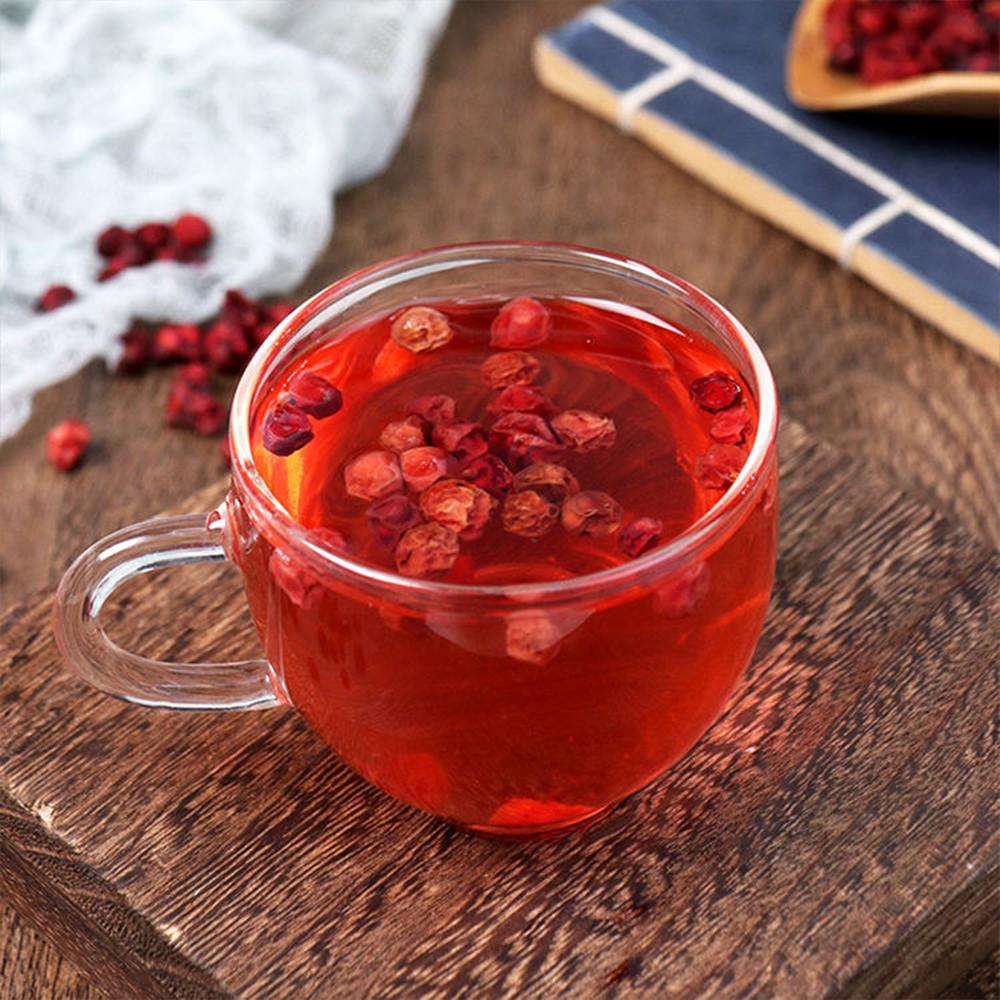
Schisandra Berry Quality Specifications are documented requirements used to evaluate botanical identity, moisture, physical condition, chemical composition, safety, and batch consistency. For tea production, they also cover brewing performance and sensory quality; for extraction, they emphasize defined chemical markers, processing suitability, and reproducible extraction results.
The best Schisandra Berries for Extraction are authenticated, appropriately processed fruits that satisfy relevant safety requirements and consistently deliver the specified target compounds under defined extraction conditions. Selection should rely on verified lignan assays, representative sampling, pilot extraction trials, and batch-to-batch performance rather than visual appearance or broad supplier quality claims.
Northern and Southern Schisandra are distinct botanical materials derived from شيساندرا تشينينسيس و Schisandra sphenanthera, respectively. They have different chemical profiles and pharmacopeial specifications, so they should not be treated as interchangeable in a controlled formulation without assessing identity, relevant quality standards, composition, and finished-product requirements.
A 10:1 Schisandra Berry Extract is described using a nominal ratio of botanical starting material to resulting extract, but that figure alone does not establish its lignan concentration, chemical profile, or functional performance. Reliable potency comparisons require a clearly defined extraction ratio, analytical methods, and batch-specific marker results.
Buying Bulk Schisandra Berries should begin with one question:
What must this ingredient deliver in the finished product?
For tea manufacturers, that means reliable brewing quality, suitable physical grade, and controlled safety parameters.
For extraction buyers, it means authenticated raw material, defined marker content, consistent chemical profiles, and predictable processing performance.
At GuoCao, we work with international buyers sourcing Chinese herbal ingredients for tea, botanical processing, and commercial manufacturing.
Whether your project requires whole Dried Schisandra Berries or customized raw-material preparation, the first step is to define the technical requirements and review suitable supply options.
Ready to evaluate Schisandra Berries for your next production run?
Contact GuoCao for bulk Schisandra Berry sourcing and quotation inquiries.
Include your intended application, required quantity, destination market, preferred processing format, and testing requirements.
You can request information about available batches, samples, COA documentation, packaging, and processing options.
Buy against a specification. Verify against a batch. Judge quality by manufacturing results.