Black Pepper vs White Pepper: Choosing a Format for Manufacturing
Choosing black or white pepper is more than a flavor decision. Learn how pepper type, grinding method, particle size, and supplier quality affect industrial food production.
When manufacturers compare black pepper vs white pepper, the purchasing decision often begins with color and price, although the choice also affects flavor release, blending performance, microbial exposure, processing costs, and the consistency of thousands of finished products.
But what happens when the cheapest pepper creates the most expensive production problem?
Both ingredients come from Pieprz czarny L., yet their processing methods produce different sensory characteristics.
Black pepper typically delivers a stronger aromatic profile with woody and citrus-like notes. White pepper offers a lighter appearance and a different, sometimes earthy pungency.
For industrial buyers, however, choosing between whole peppercorns and ground pepper can be just as important as choosing between black and white.
The correct format must work in the finished formulation, on the production line, and under the manufacturer’s food-safety controls.
Black Pepper vs White Pepper: What Manufacturers Need to Know
Processing differences influence flavor and appearance
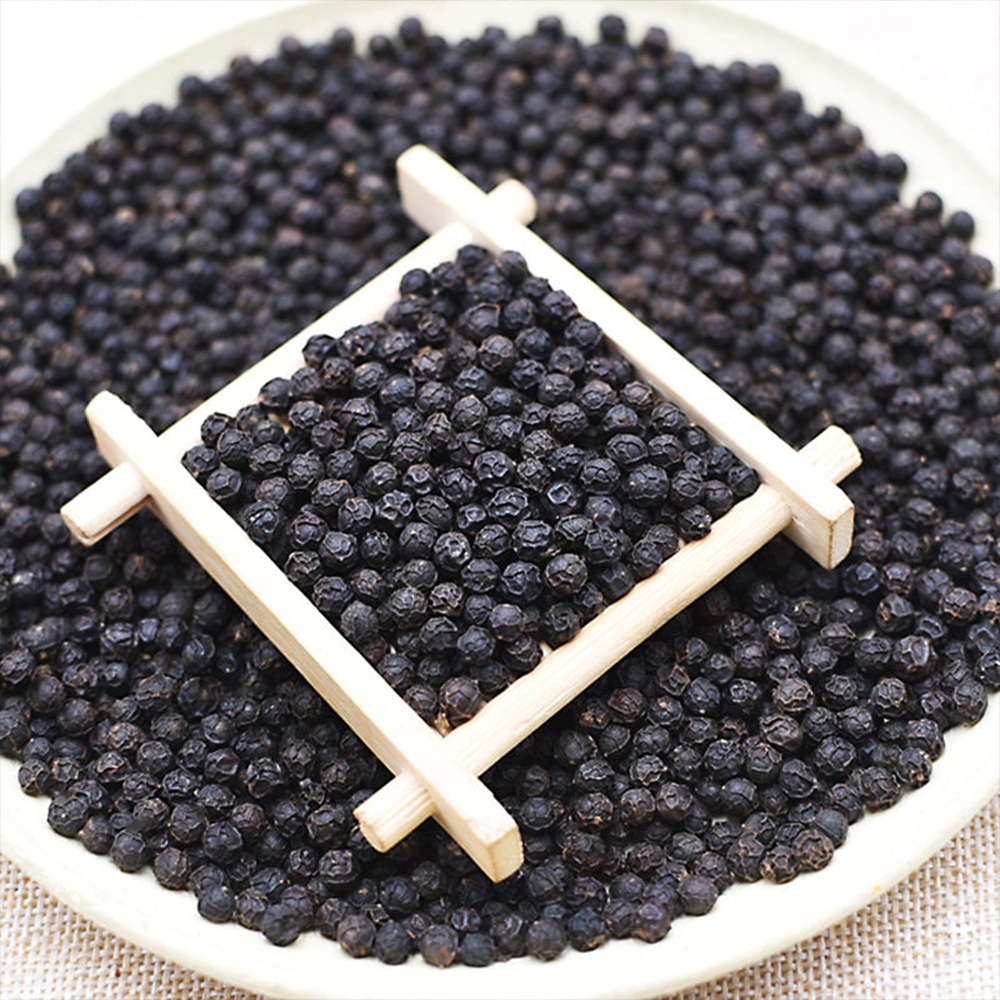
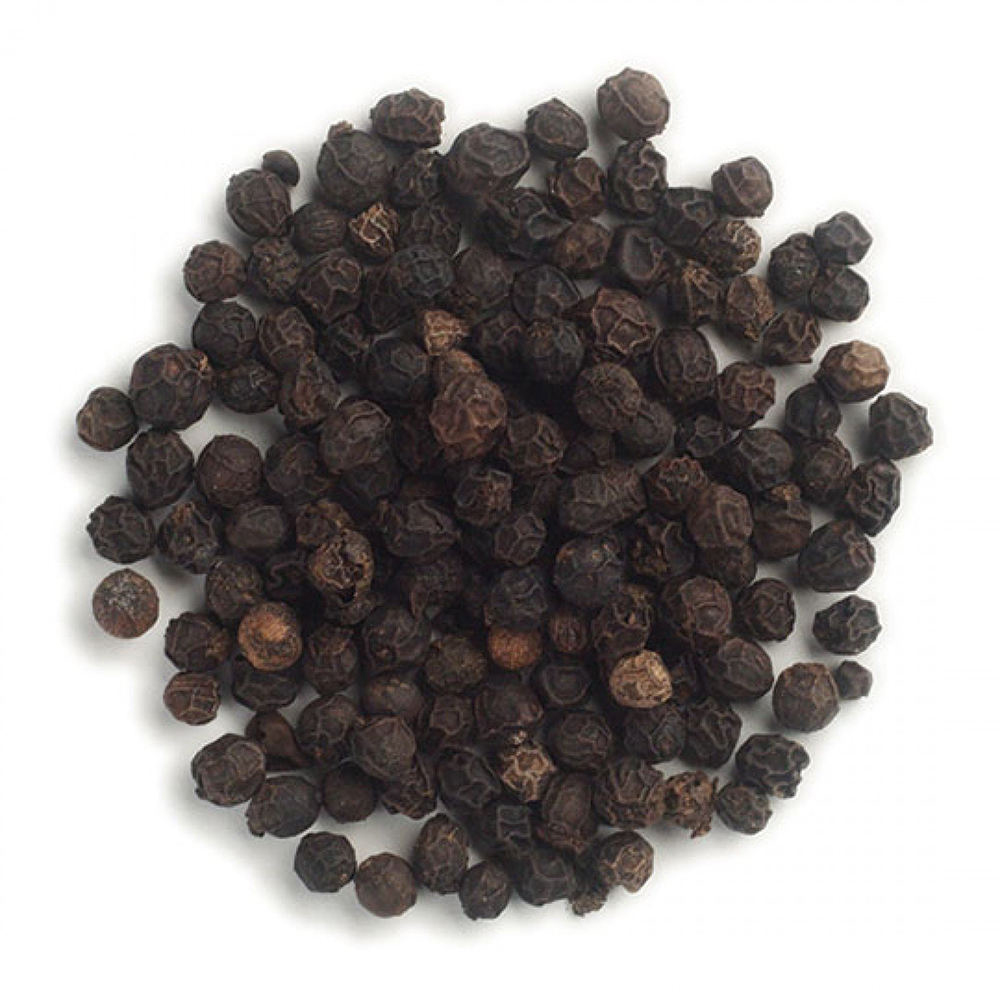
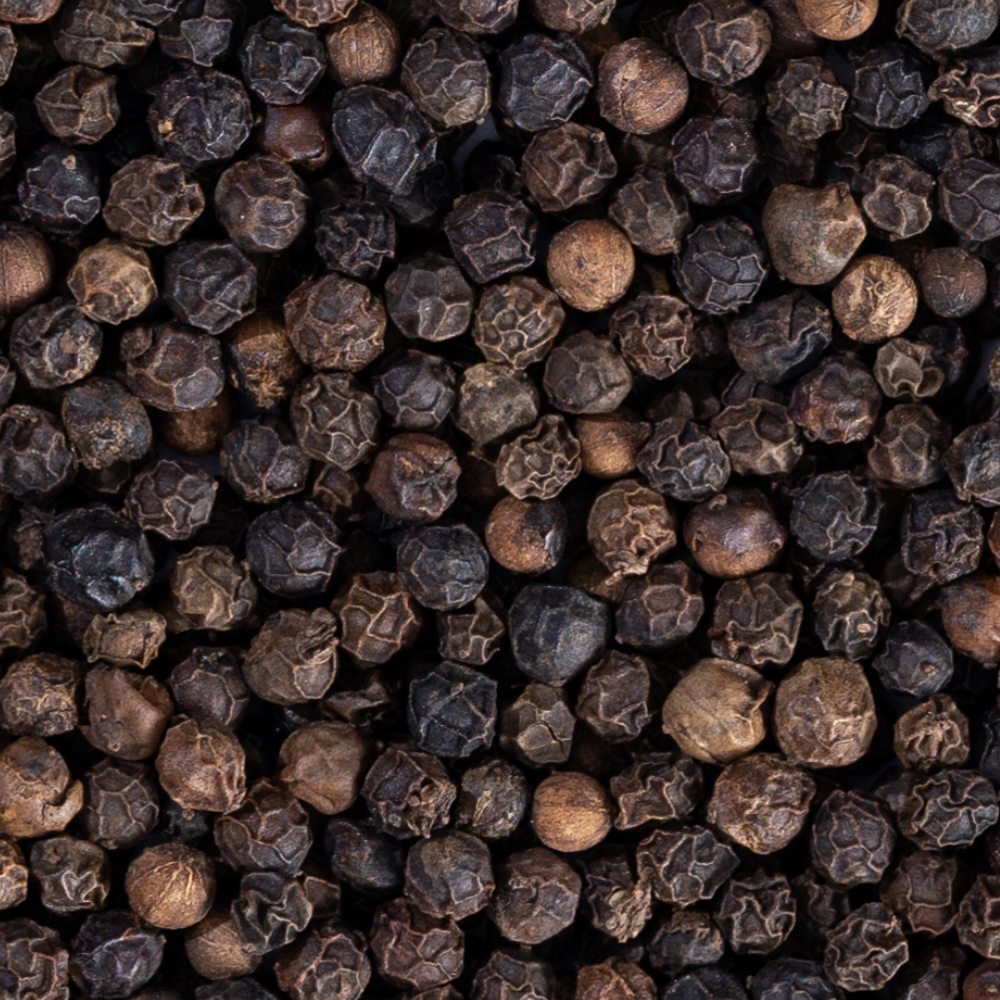
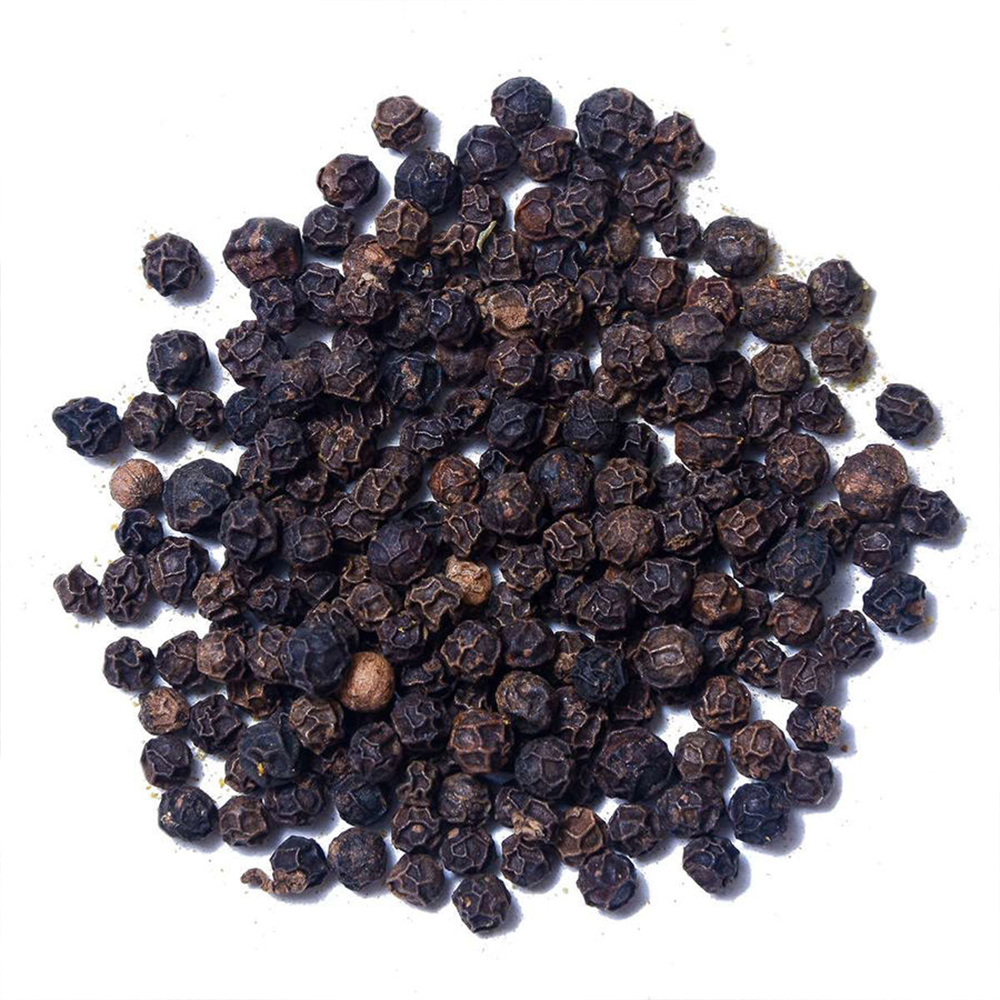
Black pepper is produced from mature, generally unripe green pepper berries that are dried with their outer fruit layers intact.
White pepper is commonly made from ripe berries that undergo soaking or other processing to remove those outer layers, leaving a pale seed.
That difference influences aroma chemistry, appearance, and consistency.
Black pepper generally retains more of the complex aroma associated with the outer fruit layers. White pepper often has a less prominent aroma but can deliver distinctive pungency and fermented or earthy notes.
Neither ingredient is universally stronger.
Piperine (C17H19NO3), the primary compound responsible for pepper pungency, occurs in both types. Its concentration varies with origin, growing conditions, and processing.
The practical distinction is application:
Black pepper: A strong option for savory seasonings, meat products, marinades, and products where dark particles are acceptable.
White pepper: Often preferred for light-colored soups, sauces, processed seafood, and products where visible black specks would be undesirable.
Researchers found that cryogenic grinding generally retained more essential oil and piperine than hammer milling.
For the specific cryogenically ground samples tested, essential oil concentrations were:
Black pepper: 3.81 mL/100 g.
White pepper: 2.36 mL/100 g.
These are experimental measurements, not standard specifications for all commercial pepper.
The researchers also observed losses of important chemical constituents after six months of storage at 4°C.
The manufacturing lesson is straightforward: grinding method and storage conditions can change ingredient quality even when the botanical material is unchanged.
For companies purchasing ground pepper, I recommend evaluating the grinding process, time between milling and packaging, and aroma retention during the intended shelf life.
For manufacturers processing whole peppercorns internally, bulk density and grind yield deserve equal attention.
Investigators identified contaminated black and red pepper associated with the affected products.
The critical finding was that contaminated pepper was applied after the meat’s microbial lethality step.
That detail changes the purchasing conversation.
A manufacturer cannot assume a finished food is adequately protected if an untreated or contaminated seasoning is introduced after the principal pathogen-reduction process.
The alert covers whole, ground, crushed, and other forms of pepper, with specified exceptions for eligible firms and products.
It does not mean every shipment from Brazil is contaminated. It demonstrates that both pepper types and multiple physical formats require appropriate controls.
For industrial procurement, I would prioritize three questions:
What validated microbial reduction process has been applied, if required by the hazard assessment?
Can the supplier provide relevant lot-specific testing and traceability documentation?
How is the pepper protected against recontamination after treatment?
A certificate of analysis is important. But a laboratory result alone cannot replace a documented food-safety system.
How to Choose Black or White Pepper for Food Processing
I would use a three-stage qualification process rather than choosing solely from a supplier’s catalog.
1. Match the pepper to the finished formulation
Start with the finished product’s flavor, appearance, and processing requirements.
A pale cream soup may favor fine white pepper. A coarse meat seasoning may perform better with cracked black pepper.
Conduct sensory trials before and after the intended manufacturing process.
For thermally processed products, evaluate the finished flavor after heating rather than relying only on the aroma of the raw pepper.
2. Establish an enforceable purchasing specification
A professional specification should address:
Tożsamość:Pieprz czarny L., pepper type, origin, and traceability.
Physical properties: Particle-size distribution, appearance, moisture, and applicable bulk-density requirements.
Sensory quality: Approved aroma and pungency references; piperine or volatile-oil testing when appropriate.
Bezpieczeństwo: Risk-based microbiological requirements, relevant chemical-contaminant limits, and treatment records.
For ground pepper, avoid vague descriptions such as “fine powder.”
Specify the required sieve distribution or percentage passing designated screens.
For whole peppercorns, establish incoming quality parameters that relate to milling behavior and usable yield.
3. Compare total manufacturing cost
The lowest price per kilogram may not represent the lowest production cost.
Consider a hypothetical example.
If one ground pepper supplier charges $2/kg more than another, and the finished product contains 0.5% pepper, the additional ingredient expense is only $10 per metric ton of finished product.
That is an illustrative calculation, not a market price quotation.
If the higher-priced pepper improves blending consistency, reduces milling requirements, or prevents quality rejections, its additional cost may be justified.
But quality must be demonstrated, not assumed from price.
What is the main difference between black and white pepper?
Black pepper and white pepper come from the same plant, Pieprz czarny L., but differ in how their outer fruit layers are processed. Black pepper retains these layers during drying, while white pepper has them removed, resulting in differences in appearance, aroma, pungency, and manufacturing applications.
Black pepper generally suits products requiring a recognizable pepper aroma. White pepper is useful when a lighter appearance is important.
Which is better for food manufacturing, black pepper or white pepper?
Black pepper is generally better for products requiring a strong aromatic profile or visible seasoning, while white pepper is often preferred for light-colored formulations. The correct manufacturing choice depends on the finished product’s flavor requirements, processing conditions, particle-size specifications, food-safety controls, and ingredient consistency.
Neither variety should be approved without application-specific testing.
Should manufacturers buy whole peppercorns or ground pepper?
Whole peppercorns are usually preferable when manufacturers have controlled milling equipment and want flexibility over particle size and aroma retention, whereas ground pepper is more convenient for direct blending and automated dosing. The better option depends on production capabilities, quality specifications, handling losses, hygiene controls, and total manufacturing costs.
Evaluate both formats using representative production trials rather than relying solely on supplier quotations.
Final Thoughts: Choose Pepper Based on Manufacturing Performance
Black pepper vs white pepper is not a contest with one universal winner.
Black pepper often provides the aromatic intensity expected in savory foods. White pepper offers a distinct flavor profile and advantages in light-colored products.
Whole peppercorns provide milling flexibility. Ground pepper simplifies processing.
The right decision is the format that consistently meets your finished-product specifications, food-safety requirements, and production economics.
At GuoCao, we supply black pepper, white pepper, and other bulk spices for manufacturers and wholesale buyers.
Before committing to a production order, request a sample and define your preferred pepper type, particle size, annual volume, packaging requirements, and destination-market standards.
Nasze niskie MOQ wynoszące 1 kg (2,2 funta) ułatwia zamawianie chińskich plastrów ziołowych lub hurtowych ziół medycyny chińskiej. Dostępne są również etykiety prywatne i dwujęzyczne.
Cykl dostawy i wsparcie
Czas realizacji zamówienia wynosi 7 dni. Zapewniamy bezpłatne próbki, raporty COA i wsparcie techniczne, aby pomóc Ci wprowadzić na rynek wysokiej jakości chińskie zioła luzem.
Jakość i certyfikaty
Nasze produkty są wytwarzane w zakładzie z certyfikatem GMP i spełniają normy ISO22000. Wszystkie chińskie zioła są testowane przez niezależne firmy na obecność metali ciężkich, pestycydów i mikroorganizmów.