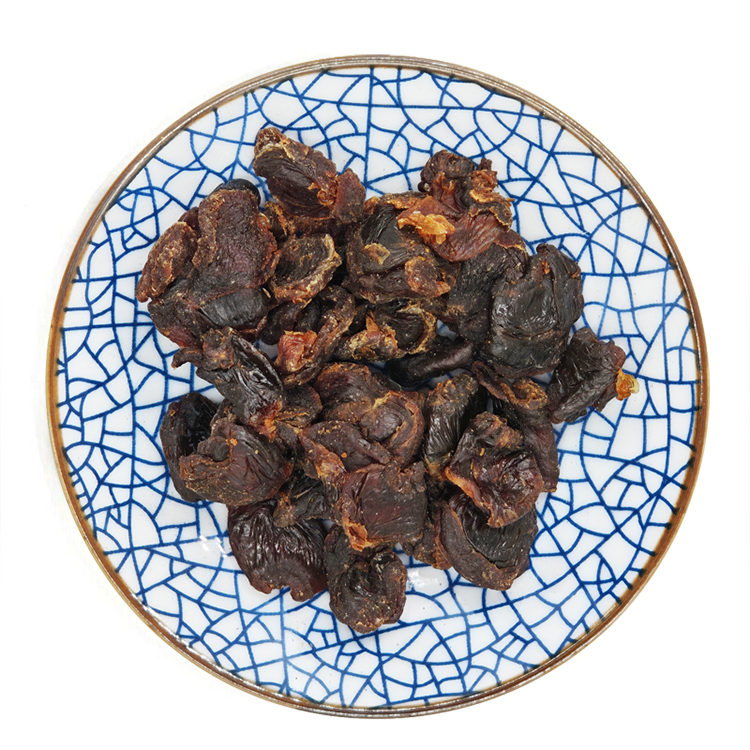

가든리아 열매 조달: 색상, 향기 및 가공 관리

치자 열매 조달: 색상, 향기 및 가공 관리

치자 열매의 품질은 겉모습만 보고 판단할 수 없습니다. 이 조달 가이드에서는 숙성도, 색상, 향기, 건조 방법, 제니포사이드, 크로신, 가공 이력 및 공급업체 문서가 상업용 치자 열매의 품질에 어떤 영향을 미치는지 설명합니다.

색깔은 거짓말을 할 수 있다.

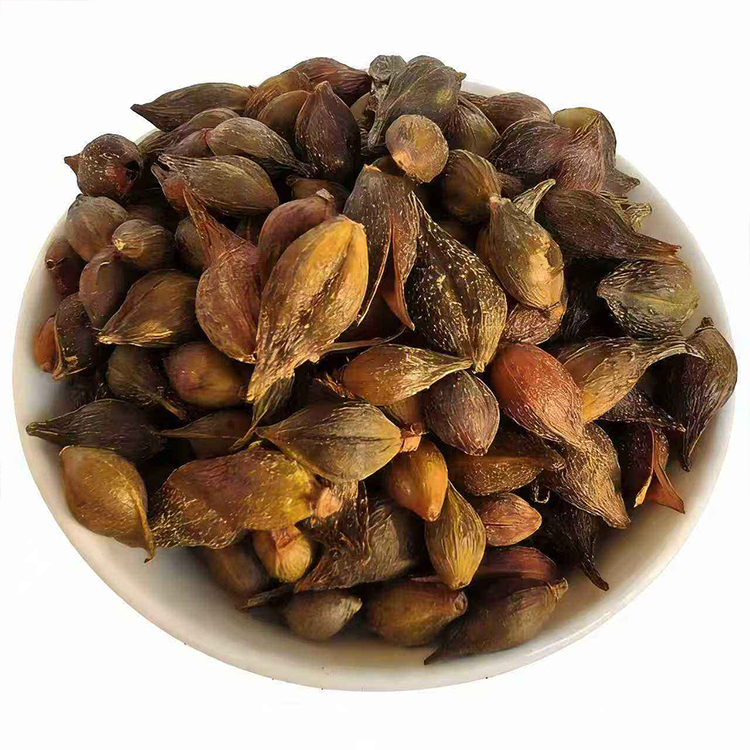
A shipment of 치자 열매 can arrive with an attractive yellow-orange or reddish surface and still fail a serious purchasing specification because maturity, drying temperature, processing history, moisture exposure, storage conditions, and chemical composition do not necessarily move in the same direction.

So why are buyers still approving Gardenia fruit bulk orders from photographs?

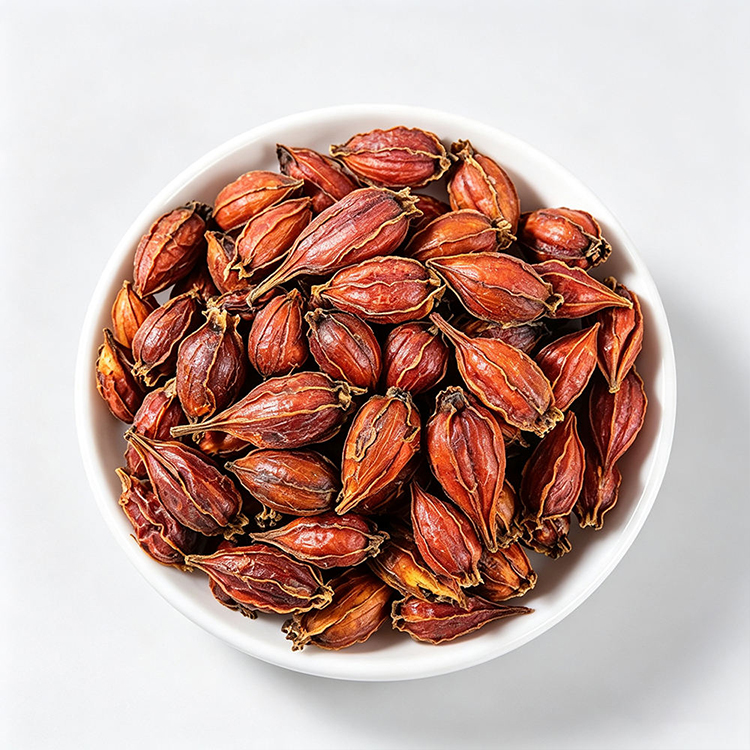
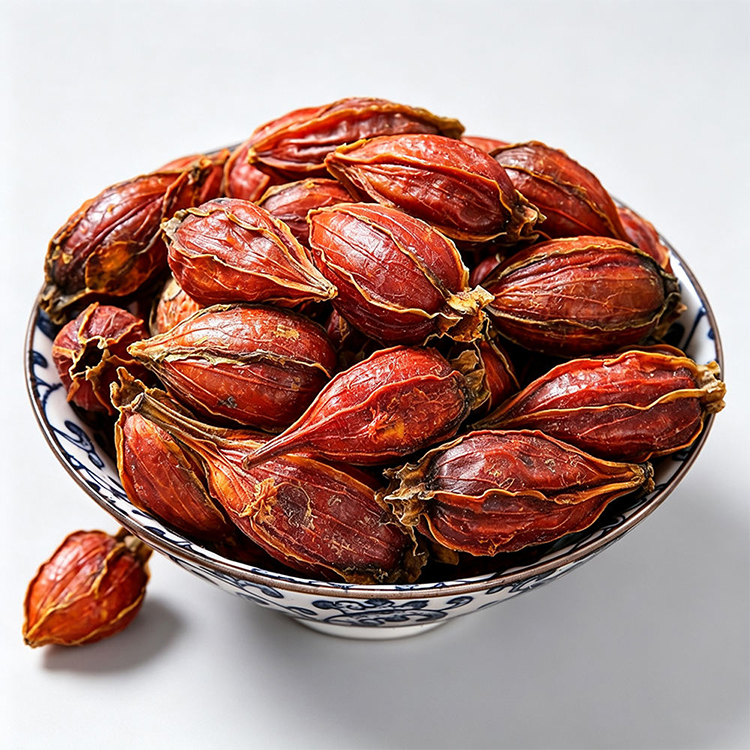
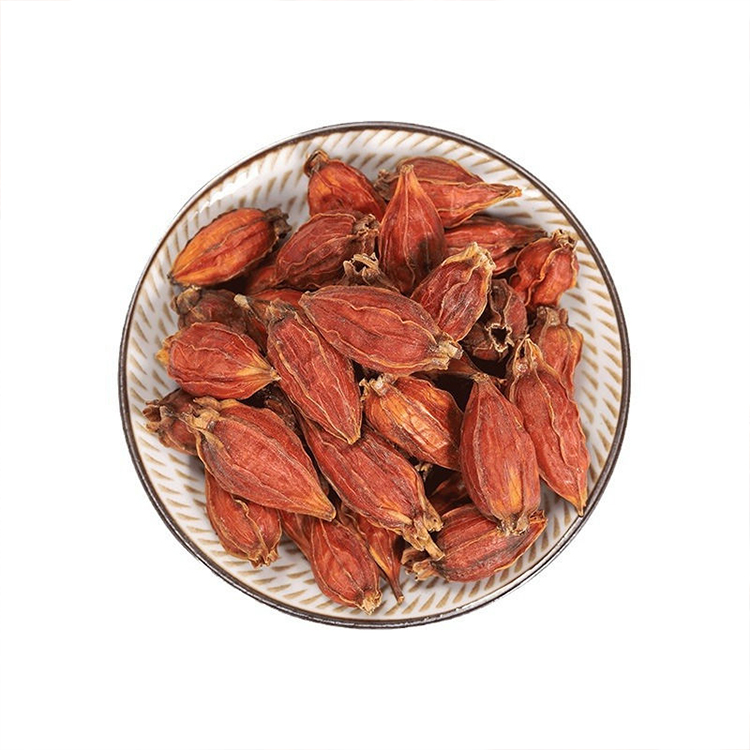
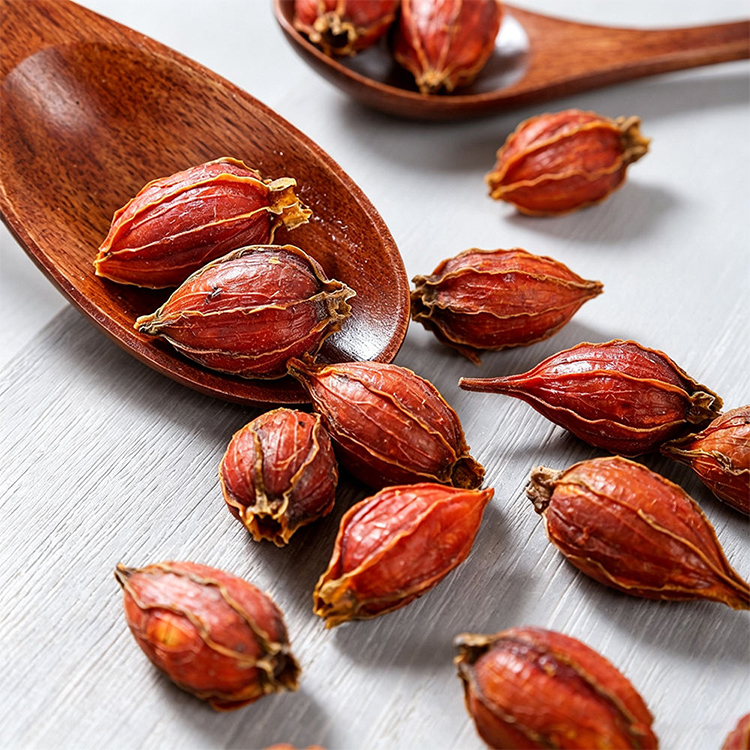
Gardenia Fruit, commonly known as Zhi Zi and pharmacopoeially identified as 치자 나무 열매, is the dried fruit of 가드니아 자스미노이드 Ellis in the Rubiaceae family. Buyers looking for the material itself can review the site’s Gardenia Zhi Zi bulk product specification, 여기서 식물학적 원산지를 다음과 같이 밝히고 있습니다. 가드니아 자스미노이드 and the commercial form as dried fruit.

But botanical identity is only the first gate.

For professional buyers, the real question is whether one lot will behave like the next one.

Gardenia Fruit Color Is a Quality Signal, Not a Quality Certificate

I would never approve dried Gardenia Fruit solely because someone describes it as “good yellow” or “bright red.”

That wording is far too loose.

Gardenia changes significantly during fruit development. Its pigment system includes crocins, water-soluble carotenoid compounds closely associated with the characteristic yellow-to-orange-red coloration of mature material. At the same time, geniposide, an iridoid glycoside with the molecular formula C17H24O10, follows a different accumulation pattern.

A 2023 study on 가드니아 자스미노이드 fruit development reported something procurement teams should pay attention to: geniposide reached its highest measured level, 2.035%, during the unripe-fruit period, while crocin reached 1.098% during the mature-fruit period. In other words, darker or more mature-looking fruit does not automatically mean “more of everything.” The chemistry is changing with maturity, not simply increasing in a straight line. See the PubMed-indexed Gardenia fruit development study.

That changes how I think a buyer should specify color.

Do not write:

Color: yellow-red, good quality.

Write something measurable and tied to the intended use.

For example, a buyer purchasing dried Gardenia fruit for extraction may care far more about geniposide and crocin targets than a tea-blending buyer who also needs visually consistent whole fruits. A natural-color ingredient buyer may prioritize pigment behavior differently again.

The site’s broader fruit and seed Chinese medicinal materials range is useful for understanding where Gardenia sits commercially: it is part of the fruit-and-seed botanical supply group rather than a root, bark, or flower material.

What Color Should a Buyer Actually Record?

I recommend recording at least four observations:

  1. dominant exterior color;
  2. percentage of obviously immature or abnormally dark fruit;
  3. blackened, scorched, or mold-stained pieces;
  4. internal color after representative fruits are broken open.

That last point matters.

A polished product photograph tells you almost nothing about internal discoloration.

And here is the harder truth: visual uniformity can sometimes indicate aggressive sorting rather than inherently better chemistry. Sorting is useful, of course. But sorting cannot repair weak raw-material maturity or poor drying.

가든리아 열매 조달: 색상, 향기 및 가공 관리

Odor Is the Fastest Warning Test Buyers Underuse

봉지를 열어주세요.

That sounds almost embarrassingly basic, yet odor remains one of the fastest ways to detect storage and processing problems before a laboratory report arrives.

Proper dried Gardenia Fruit should have a clean, characteristic botanical odor without obvious mustiness, fermentation, smoke contamination, chemical odor, or rancidity-like notes. I would be cautious about suppliers who insist that an unusual smell is merely “natural variation” without investigating the batch.

Because sometimes it is natural variation.

Sometimes it isn’t.

Five Odors That Deserve Investigation

Musty or cellar-like odor: This can indicate moisture exposure, poor ventilation, inappropriate warehousing, or microbial deterioration.

Sour or fermented odor: This deserves investigation for delayed drying, moisture pickup, or abnormal fermentation.

Burnt or smoky odor: This may point toward excessive thermal exposure or unsuitable drying conditions.

Chemical or solvent-like odor: Stop the approval process and identify the source before the material enters production.

Unusually weak odor combined with abnormal color: This is not automatically a defect, but it is a reason to compare the lot with an approved retention sample and its analytical profile.

Smell is screening.

그것은 증거가 아닙니다.

The mistake is turning an organoleptic test into a laboratory conclusion. A clean-smelling lot can still fail pesticide, heavy-metal, microbial, identity, or marker-compound requirements.

That is why a professional incoming inspection should connect sensory evaluation to a documented 격리 → 검사 → 해제 workflow. The site’s guide to 15 raw-herb processing control points makes the same operational distinction: harvest timing can change color and smell, while incoming quality control should separately check mold risk, foreign matter, odor, and other release criteria.

Drying Can Change Gardenia Fruit More Than Buyers Expect

This is where the procurement conversation becomes more interesting.

Many quotations simply say:

“Sun dried.”

“Machine dried.”

“Low-temperature dried.”

Those labels are almost useless without process parameters.

A 2024 study comparing hot-air drying (HAD), medium- and short-wave infrared drying (MSWID), pulsed-vacuum drying (PVD), and radio-frequency-assisted hot-air drying (RF-HAD) found substantial differences in both efficiency and Gardenia quality. Compared with HAD and MSWID, PVD and RF-HAD shortened drying time by approximately 32.56%–42.51% and increased measured geniposide content by 3.31%–13.77%, while better preserving brightness and redness. The researchers also found a significant positive relationship between sample color and yellow-pigment content.

That is not a minor processing detail.

That is procurement data.

A buyer comparing two dried Gardenia Fruit suppliers may actually be comparing two drying systems, two maturity windows, two postharvest delays, and two storage histories—not merely two farms.

Processing Also Changes Marker Compounds

Older HPLC data make the point even more sharply.

A study of crude and processed Fructus Gardeniae from multiple Chinese sources measured:

  • Geniposide: 2.492%–4.242%
  • Chlorogenic acid: 0.162%–0.407%
  • Crocin I: 0.417%–0.837%
  • Rutin: 0.116%–0.251%

In one Zhejiang comparison, crude Gardenia contained 4.242% geniposide, while the processed sample contained 2.658%. Crocin I measured 0.625% in the crude material but was not detected in that processed sample. The researchers specifically pointed to processing procedures as a possible reason for these differences. The full study is available through the NCBI-indexed HPLC analysis of crude and processed Fructus Gardeniae.

This is exactly why I dislike the phrase “same herb, same quality.”

Same species? Perhaps.

Same chemistry? Not necessarily.

A Practical Gardenia Fruit Bulk Purchasing Specification

A purchasing specification should separate 신원, sensory characteristics, physical condition, processing informationlaboratory release criteria.

Do that, and supplier comparisons become much easier.

컨트롤 포인트What Buyer Should Check중요한 이유Suggested Evidence
식물학적 정체성가드니아 자스미노이드 Ellis / Gardeniae FructusPrevents species or material substitutionBotanical ID record, COA
제품 형태Whole dried fruit, cut material, powder, or processed formProcessing changes downstream behavior승인된 사양
외장 색상Defined acceptable range using approved reference sampleIndicates maturity and processing consistencyLot sample + retained standard
Internal colorCheck split representative fruitsReveals hidden discolorationIncoming inspection record
냄새Clean, characteristic; no musty, sour, smoky, chemical off-odorScreens storage and processing problemsSensory inspection
수분Buyer-defined maximum based on destination and applicationExcess moisture raises deterioration riskCOA + test method
이물질Buyer-defined limitDirect cleanliness measureSieve/manual inspection
GeniposideSet target or minimum where commercially relevantMajor Gardenia quality markerHPLC 분석 결과
Crocin / Crocin ISet target where pigment quality is relevantClosely related to Gardenia colorationHPLC 분석 결과
건조 공정Method, approximate parameters, lot recordProcessing affects color and chemistryProduction record
Harvest/maturity stageSupplier-defined and traceableMarker compounds change during developmentHarvest record
오염 물질Heavy metals, pesticides, microbiology as applicableRequired for risk-based releaseLot-specific COA / third-party report
로트 추적성Origin, production lot, test lot, packing lotMakes deviations traceable배치 기록

Notice what is missing from that table?

A universal moisture limit.

A universal crocin minimum.

A universal color grade.

I have intentionally not invented them. A serious specification must match the destination country, product category, processing level, intended use, applicable pharmacopoeia or customer standard, and contractual requirements.

Copying an arbitrary online limit into a purchase contract is bad quality management.

가든리아 열매 조달: 색상, 향기 및 가공 관리

The COA Should Agree With the Gardenia Fruit in Front of You

A Certificate of Analysis is not decoration.

For U.S. dietary-supplement manufacturing, the FDA’s 21 CFR Part 111 framework requires component specifications and quality-control procedures, and FDA guidance states that a supplier Certificate of Analysis used under the applicable provisions should identify the test method, test limits, and actual test results. FDA also requires lot-level traceability for components received into covered dietary-supplement manufacturing operations. See the FDA 건강기능식품 CGMP 준수 가이드.

This matters for Gardenia Fruit because a COA saying:

Geniposide: Pass

is weaker than:

Geniposide: 3.46% — HPLC — Specification ≥ X.XX%

The second result gives a purchasing team something that can actually be compared across batches.

The same principle applies to pesticides, Pb, Cd, As, Hg, microbial counts, moisture, ash, and any additional customer-defined analytes.

사이트의 25개 문항으로 구성된 한약재 공급업체 점검 목록 is useful before approving a new Gardenia fruit supplier because it pushes buyers beyond price and into identity, origin, processing, testing, traceability, certification, and batch-document review.

Never Let One COA Cover an Undefined Stream of Product

This is one of my stronger opinions.

A supplier should not send one attractive “typical COA” in January and expect it to validate shipments for the rest of the year.

물어보세요:

  • What lot does this report represent?
  • When was it sampled?
  • Who sampled it?
  • Which laboratory tested it?
  • Which analytical method was used?
  • Is the sample from the shipment I am buying?
  • Can the lot number on the bag be connected to the test report?
  • Can the supplier retrieve the production and processing record for that same lot?

If the answer chain breaks, traceability breaks.

Simple as that.

How to Source Gardenia Fruit in Bulk Without Buying Blind

If I were qualifying a new Gardenia fruit supplier, I would use a staged approval process rather than jumping directly from quotation to container order.

Step 1: Lock the Botanical Identity

다음 사항을 명시하십시오:

학명: 가드니아 자스미노이드 Ellis
Pharmacopoeial/commercial name: 치자 나무 열매
Common name: Gardenia Fruit / Zhi Zi
식물 부위: Fruit
양식: Whole dried fruit, cut, powder, or other agreed form

Do not accept a purchase contract that merely says “Gardenia.”

Step 2: Define the Intended Use

Extraction?

Herbal tea?

Botanical formulation?

Natural pigment processing?

Further manufacturing?

The intended use determines what “best Gardenia fruit supplier” actually means. There is no single best supplier independent of specification.

Step 3: Approve a Physical Reference Sample

그거 가지고 있어.

사진을 찍어보세요.

Code it.

Then use the retained sample to establish practical expectations for color distribution, fruit size, odor, cleanliness, breakage, and internal appearance.

Step 4: Match the Sample to Analytical Data

At minimum, determine which tests matter for your market and product.

For some buyers, botanical identity and contaminant controls dominate. For others, geniposide and crocin are major purchasing variables. Extract manufacturers may require tighter chemical consistency than buyers using intact fruit for another purpose.

Step 5: Ask About Drying, Not Just Origin

“Jiangxi origin” is not a processing specification.

Ask for harvesting period, maturity criteria, time from harvest to initial processing, pretreatment where applicable, drying method, temperature-control approach, final moisture testing, storage conditions, and lot segregation.

The academic evidence already shows why: fruit development changes geniposide and crocin accumulation, while drying technology can materially alter color preservation, drying efficiency, and measured active-component levels.

Step 6: Run a Pilot Lot Before Scaling

For companies developing teas, powders, botanical blends, or other customized formats, a pilot lot can expose problems that a 200-gram sample will never reveal. The site’s custom Chinese herbal and spice processing service describes a workflow built around pilot production, QC testing, approval, and subsequent scale-up.

That sequence makes sense.

Sample first. Verify second. Scale third.

그 반대는 아니다.

Gardenia Fruit Quality Control: What I Would Reject

I would reject or quarantine a Gardenia Fruit lot pending investigation if I saw any of the following:

  • unmistakable mold growth;
  • persistent musty or fermented odor;
  • unexplained smoky or chemical smell;
  • abnormal moisture or condensation;
  • serious insect activity;
  • unusually high foreign matter;
  • major color deviation from the approved specification;
  • extensive blackening unrelated to the agreed processed form;
  • mixed botanical material;
  • COA lot numbers that do not match shipping documentation;
  • analytical results without stated methods or limits;
  • unexplained changes between approved sample and production lot;
  • supplier inability to connect the shipment to harvest, processing, and testing records.

Would I reject a shipment just because it was slightly darker than last year’s batch?

아니요.

Natural agricultural materials vary.

But unexplained variation is different from controlled variation.

A competent Gardenia fruit supplier should be able to tell you a lot changed and provide enough records to support the explanation.

That is the standard I would use.

가든리아 열매 조달: 색상, 향기 및 가공 관리

자주 묻는 질문

What is Gardenia Fruit?

Gardenia Fruit is the dried fruit of 가드니아 자스미노이드 Ellis, a Rubiaceae plant commonly called Zhi Zi and pharmacopoeially known as Gardeniae Fructus; in commercial herbal supply, it is purchased as whole dried fruit, cut material, powder, or processed material and evaluated through identity, physical condition, processing records, and analytical testing.

For bulk purchasing, buyers should distinguish 가드니아 자스미노이드 fruit from gardenia flowers and from unrelated materials carrying similar common names. Botanical name, plant part, origin, form, and lot identification should appear in the purchasing specification.

What color should high-quality dried Gardenia Fruit be?

High-quality dried Gardenia Fruit should meet a buyer-approved color specification consistent with its maturity stage, processing method, intended application, and retained reference sample rather than an arbitrary rule that every acceptable lot must display one specific shade of yellow, orange, red, or reddish brown.

Color is useful because crocin-related pigments develop during fruit maturation and respond to processing, but it should be interpreted alongside internal appearance, odor, moisture, analytical markers, and processing records. Research found crocin reaching 1.098% during the mature-fruit period, while geniposide peaked earlier.

How can buyers evaluate Gardenia fruit quality?

Gardenia fruit quality should be evaluated through a combined specification covering botanical identity, exterior and internal color, characteristic odor, moisture, foreign matter, processing history, harvest or maturity information, geniposide and crocin where relevant, contaminant testing, packaging condition, and complete lot-level traceability rather than visual inspection alone.

I recommend establishing an approved reference sample and comparing every commercial batch with both that physical standard and its lot-specific COA.

Does drying affect Gardenia Fruit quality?

Drying affects Gardenia Fruit quality because thermal exposure, moisture migration, drying duration, and drying technology can change physical color, pigment retention, texture, and measured chemical constituents, meaning two batches grown from comparable botanical material may develop noticeably different commercial characteristics after different postharvest processing conditions.

A 2024 comparison reported PVD and RF-HAD drying shortened drying time by 32.56%–42.51% versus the compared HAD and MSWID treatments and increased measured geniposide by 3.31%–13.77% while better preserving brightness and redness.

What should a Gardenia Fruit COA include?

A Gardenia Fruit COA should identify the exact batch and report agreed specifications, analytical methods, limits, and actual results for relevant parameters such as botanical identity, moisture, marker compounds, heavy metals, pesticide residues, microbiological criteria, or other tests required by the destination market and the buyer’s intended product application.

For buyers operating under U.S. dietary-supplement requirements, FDA CGMP guidance is especially relevant because it emphasizes specifications, documented test methods, test limits, actual results, quality-control review, and component traceability.

How do I source Gardenia Fruit in bulk?

To source Gardenia Fruit in bulk, first lock the botanical identity and product form, then define color and sensory standards, approve a representative sample, establish chemical and contaminant testing requirements, verify drying and storage controls, review lot-specific documentation, and complete a pilot purchase before committing to larger repeat-volume contracts.

Do not begin with price alone. Begin with the specification. Once two Gardenia fruit suppliers are quoting against the same test requirements, form, packaging, processing method, and documentation package, their prices become far more meaningful.

Build a Gardenia Fruit Specification Before Requesting a Quote

Gardenia Fruit sourcing gets easier once vague descriptions disappear.

Do not ask only for “good Zhi Zi.”

Send the supplier your required botanical identity, product form, target color range, approved reference sample, odor standard, moisture requirement, geniposide or crocin specification where relevant, contaminant limits, testing methods, packaging format, quantity, destination country, and documentation requirements.

If you are evaluating Gardenia fruit bulk for importing, extraction, herbal formulations, tea products, or further processing, start with the Gardenia Fruit bulk product page and request a representative sample plus a lot-specific COA before approving commercial production.

Buy evidence.

Then buy volume.

보통 30분 이내에 연락드리겠습니다.

MOQ 및 사용자 지정

1kg(2.2파운드)의 낮은 MOQ로 한약재 슬라이스 또는 도매 한약재를 쉽게 주문할 수 있습니다. 개인 라벨 및 이중 언어 라벨링도 가능합니다.

제공 주기 및 지원

7일의 빠른 리드 타임을 제공합니다. 고품질 벌크 한약재를 시장에 출시할 수 있도록 무료 샘플, COA 보고서, 기술 지원을 제공합니다.

품질 및 인증

당사의 제품은 GMP 인증 시설에서 제조되며 ISO22000 표준을 충족합니다. 모든 중국 허브는 중금속, 살충제, 미생물에 대한 제3자 테스트를 거칩니다.