
한방 제제 브랜드를 위한 쿠스쿠타 씨앗 도매 가이드

한방 제제 브랜드를 위한 쿠스쿠타 씨앗 도매 가이드

Buying Cuscuta Seed is not simply a matter of comparing price per kilogram. For formulation brands, botanical identity, processing status, analytical testing, supplier qualification, import admissibility, and batch consistency can determine whether a shipment becomes usable inventory or an expensive compliance problem.

Cuscuta Seed looks simple.

It is small, dry, relatively easy to transport, and widely traded in Chinese medicinal-herb channels, yet a formulation brand buying 100 kg, 500 kg, or several metric tons faces a much more complicated question than “Who has the lowest Cuscuta Seed wholesale price?”

What exactly are you buying?

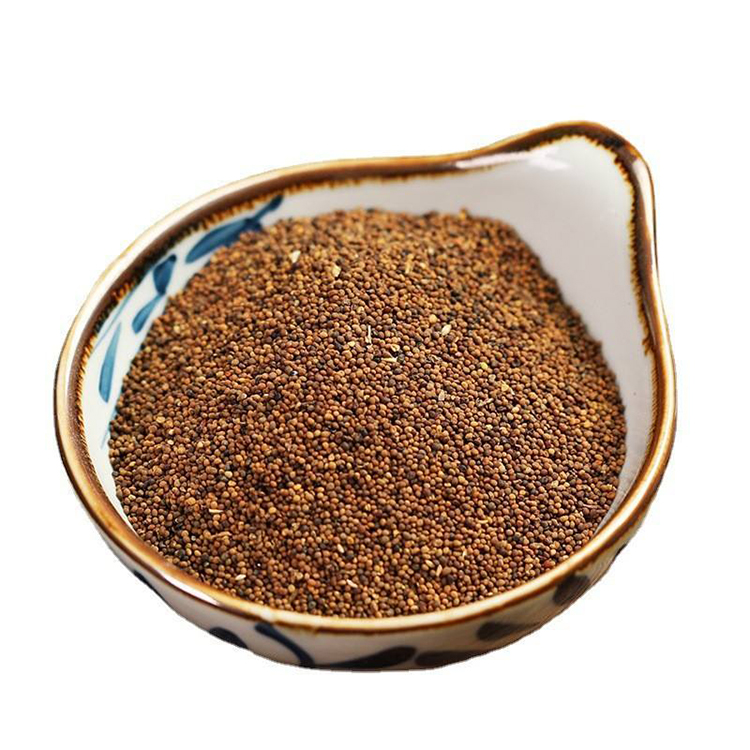
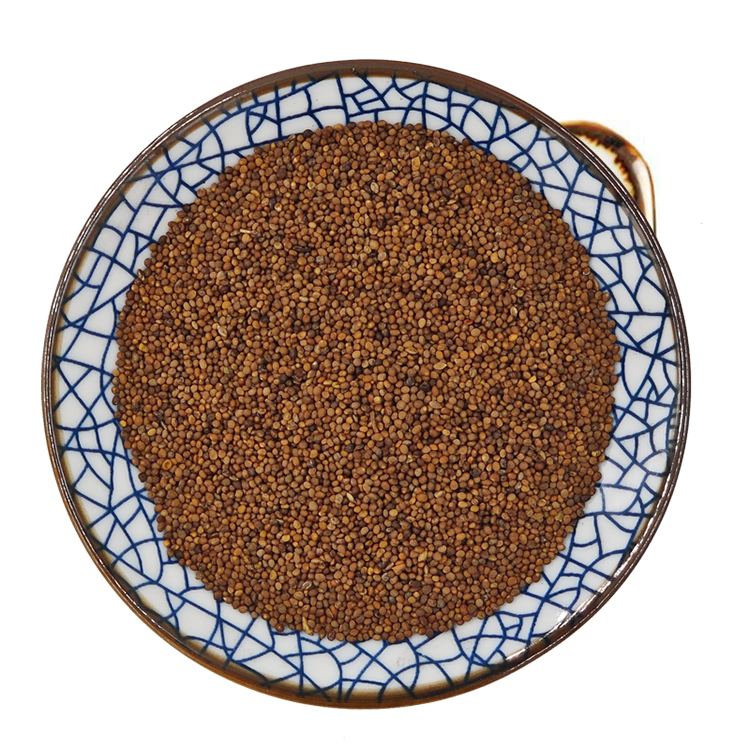
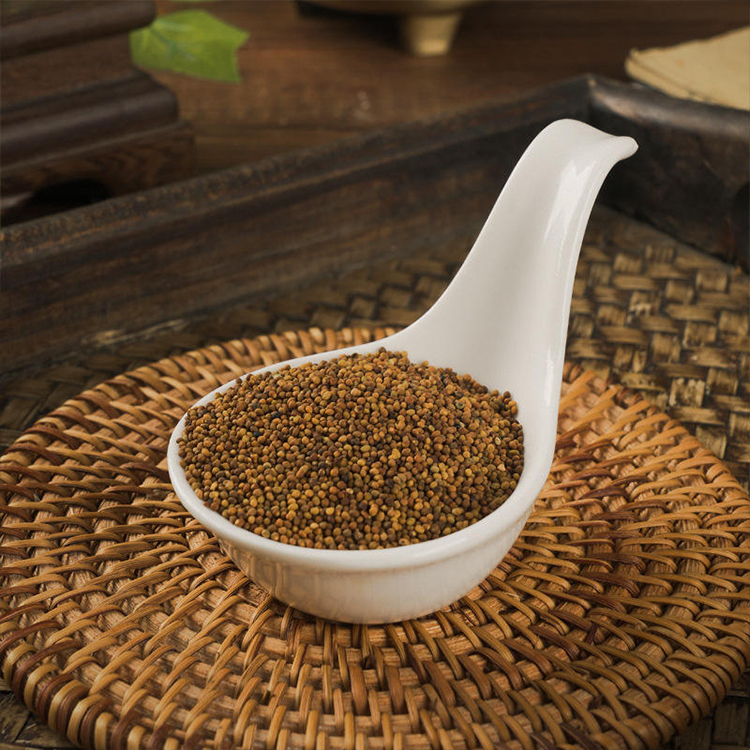
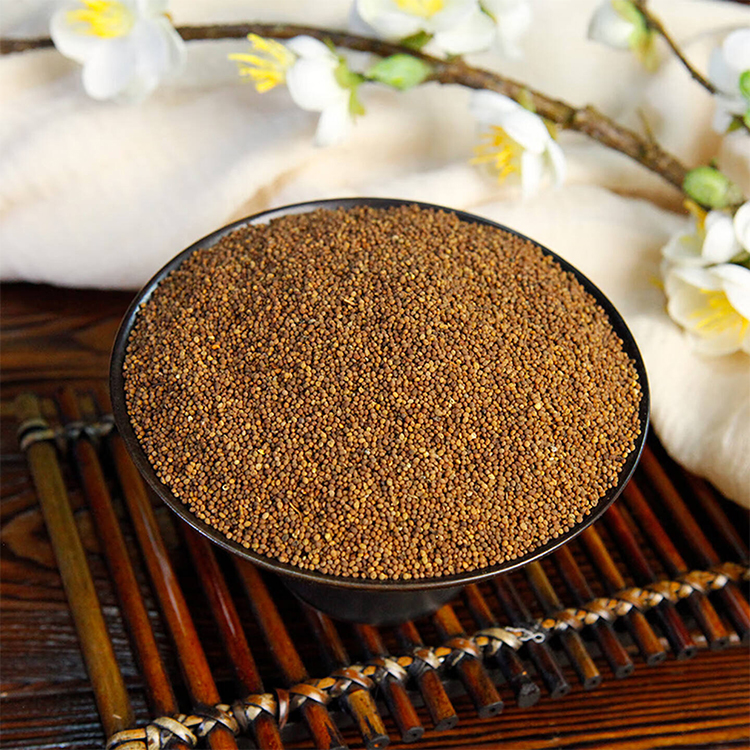
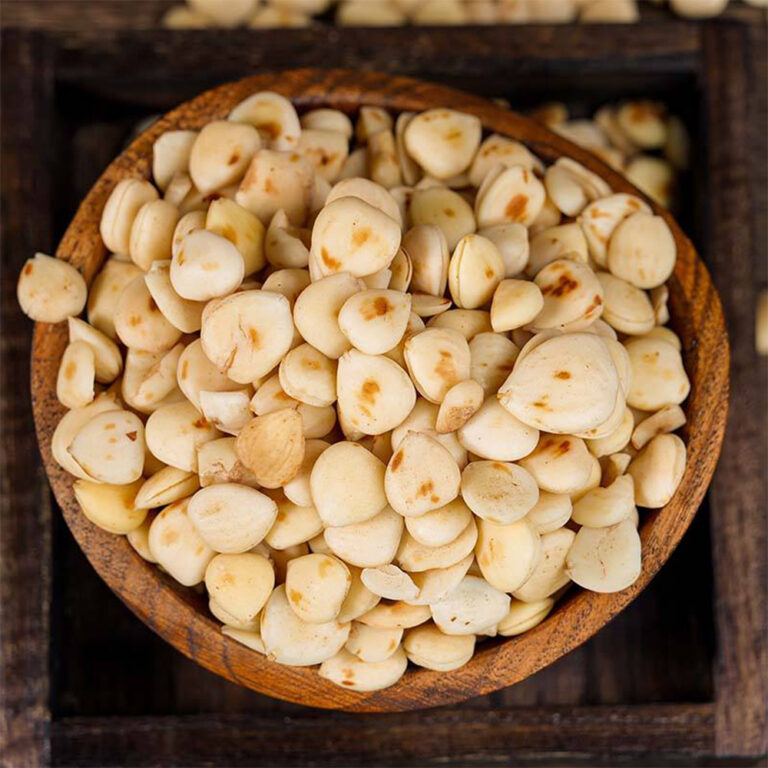
The commercial name may appear as Cuscuta Seed, Chinese Dodder Seed, Tu Si Zi, Semen Cuscutae, or Cuscutae Semen. The botanical identity most commonly associated with the material is 중국쑥부쟁이 Lam., a member of the Convolvulaceae family; the NCBI Taxonomy database identifies 중국쑥부쟁이 as Taxonomy ID 267557.

For brands developing herbal formulas, extracts, powders, capsules, tea blends, or other botanical products, that Latin name matters more than the sales name.

And that is where serious sourcing starts.

우리의 bulk Cuscuta Seed (Tu Si Zi) supply page lists the ingredient under the broader Cuscutae Semen / Tu Si Zi trade category, while buyers comparing multiple seed botanicals can also review the site’s 과일 및 씨앗 한약재 범위.

Why Cuscuta Seed Wholesale Buying Is More Complicated Than It Looks

Price is secondary.

When I review a botanical sourcing offer, I would rather see an expensive lot with a defensible botanical identity, documented origin, representative sample, analytical method, contaminant limits, processing record, and batch-specific COA than a suspiciously cheap lot backed by a two-page PDF full of copied specifications.

Why pay less for material your QA team may later reject?

이건 이론적인 이야기가 아닙니다.

In an August 13, 2024 warning letter to Restorative Botanicals, the U.S. FDA said the company failed to establish adequate identity specifications for ingredients and noted that some components relied only on physical characteristics such as color, smell, and taste for identification. The FDA warning letter is worth reading because it illustrates a recurring mistake in botanical procurement: visual inspection is useful, but visual inspection alone is not a robust identity program.

Another FDA enforcement action tells the same story from a slightly different angle. In September 2024, the agency told Far East Summit that physical and chemical factors such as appearance, odor, taste, and alcohol percentage did not constitute unique criteria capable of confirming product identity. The letter also specifically discussed finished-product specifications covering lead, cadmium, mercury, arsenic, total plate count, coliforms, 대장균, yeast and mold, 살모넬라Staphylococcus. 다음을 참조하십시오. FDA 극동 서밋 경고 서한.

Then came another reminder in 2026. In its June 4, 2026 warning letter to Nutratech, FDA again focused on specifications for botanical identity, microbial limits, heavy metals, pesticides, strength, and composition under 21 CFR Part 111. The Nutratech enforcement letter shows that this is not an old compliance problem that the industry solved years ago.

Same lesson. Again.

한방 제제 브랜드를 위한 쿠스쿠타 씨앗 도매 가이드

Know What “Cuscuta Seed” Means Before Requesting a Quote

For procurement purposes, your RFQ should identify more than the English common name.

A stronger specification begins with:

  • Product name: Cuscuta Seed / Tu Si Zi
  • 학명: 중국쑥부쟁이 Lam.
  • Pharmacognostic name: Cuscutae Semen
  • Family: Convolvulaceae
  • Plant part: mature dried seed
  • Intended use: herbal formulation, extraction, tea processing, powder production, or other defined manufacturing use
  • Processing form: raw, cleaned, washed, stir-fried, salt-processed, milled, or another agreed format
  • 원산지 국가 및 지역
  • 로트 번호
  • 수확 연도
  • Target moisture level
  • 이물질 규격
  • Required contaminant panel
  • 패키징 형식
  • 목적지 시장

That final field matters more than many buyers realize.

A specification acceptable for domestic Chinese medicinal-material trading is not automatically sufficient for a U.S. supplement manufacturer, an EU botanical company, a Japanese importer, or a contract extraction facility.

Brands sourcing several botanicals at once can use a broader wholesale Chinese herbs and botanical ingredients program to consolidate roots, fruits, seeds, flowers, barks, powders, and customized botanical formats rather than qualifying a separate supplier for every SKU.

Raw Cuscuta Seed and Processed Cuscutae Semen Are Not Interchangeable

Processing changes chemistry.

A 2023 study indexed in PubMed compared raw Cuscutae Semen with stir-fried Cuscutae Semen using HPLC fingerprints and chemometric analysis. The researchers quantified 12 compounds and reported that heating changed the chemical profile; six compounds contributed strongly to differentiation, including neochlorogenic acid, cryptochlorogenic acid, caffeic acid, quercetin, isorhamnetin, and kaempferol. The method used a C18 column, a 0.1% formic-acid/acetonitrile mobile phase, a 30°C column temperature, and detection at 328 nm. Read the PubMed record on raw versus stir-fried Cuscutae Semen.

That should immediately change the way a professional buyer writes an RFQ.

“Cuscuta Seed, 500 kg” is weak.

"중국쑥부쟁이 Lam. mature dried seed, cleaned raw material, unprocessed, specified origin, lot-specific identity testing, contaminant panel, moisture and foreign-matter limits, 500 kg” is far better.

If your formula was developed using raw material, do not silently substitute stir-fried material because a vendor says both are “Tu Si Zi.”

Chemical Fingerprints Give Buyers Another Layer of Identity Control

Cuscuta is chemically messy.

That is normal for botanicals, because agricultural origin, host plant, harvest conditions, processing, storage, and analytical method can all affect measured constituents, but it also means a single vague “active ingredient” number is not enough to describe the raw material.

Research on 중국쑥부쟁이 repeatedly identifies flavonoids and related compounds including quercetin, kaempferol, hyperoside, isorhamnetin, astragalin, and phenolic acids. A PubMed-indexed study used HPLC and micellar electrokinetic chromatography specifically for quality-control analysis of Semen Cuscutae flavonoids. The study is available through PubMed.

For reference:

CompoundMolecular FormulaWhy a Buyer May Track It
QuercetinC15H10O7Common flavonoid used in chromatographic profiling
켐페롤C15H10O6Useful component in comparative botanical analysis
HyperosideC21H20O12Quercetin glycoside reported in 중국쑥부쟁이
IsorhamnetinC16H12O7Reported constituent relevant to fingerprint comparison
Caffeic acidC9H8O4Phenolic acid that may appear in broader HPLC profiles

The molecular formulas for quercetin, kaempferol, and hyperoside are confirmed in the U.S. National Library of Medicine’s PubChem database.

I would not turn these compounds into arbitrary purchasing specifications without a validated reason.

That happens too often.

A marketer sees “quercetin” in a paper, tells procurement to demand a high quercetin percentage, and suddenly the company has created a quality specification that may have little relationship to its manufacturing process, regulatory filing, historical material, extraction yield, or finished formulation.

Use chemistry intelligently.

What a Serious Cuscuta Seed COA Should Tell You

A COA is evidence only when it describes the actual lot.

A supplier certificate that says “PASS” in twelve consecutive rows without identifying methods, specification limits, or actual results is closer to sales collateral than analytical documentation.

FDA’s dietary supplement CGMP guidance explains that when a manufacturer relies on a supplier certificate of analysis for applicable component specifications, supplier qualification and periodic reconfirmation matter, while the certificate should identify test methods, limits, and actual results. The governing framework sits under 21 CFR Part 111, including Sections 111.70 and 111.75. FDA’s Small Entity Compliance Guide explains the requirements.

For Cuscuta Seed wholesale procurement, I would normally ask for a COA or specification covering at least the following areas when relevant to the intended market:

QC Area요청 사항중요한 이유
식물학적 정체성Botanical name, plant part, validated identity methodCommon names are not enough
모양Color, size, odor, foreign materialFast incoming inspection
수분Numeric result and methodStorage and microbial risk
총 재Numeric resultGeneral purity indicator
산성 불용성 회분Numeric resultMay flag mineral/soil contamination
중금속Pb, Cd, As, Hg where applicableCommon botanical risk panel
살충제Market-appropriate multi-residue screenAgricultural sourcing risk
미생물학TPC, yeast/mold, 대장균, 살모넬라 as applicableManufacturing and product safety
Chemical profileTLC/HPLC/HPTLC or another justified methodSupports identity and consistency
로트 추적성Batch, origin, harvest/production informationRecall and repeat-order control

USP General Chapter <563>, Identification of Articles of Botanical Origin, describes botanical identification as a combination of morphological or histological evaluation and diagnostic chemical tests compared against known botanical characteristics. USP’s botanical identification chapter is a useful reference when building an ingredient identity program.

한방 제제 브랜드를 위한 쿠스쿠타 씨앗 도매 가이드

The U.S. Import Issue Many Cuscuta Buyers Miss

Here is the uncomfortable part.

Cuscuta is not simply another seed crop. It is a parasitic plant genus, and USDA APHIS places strong controls on viable seeds and propagative material from parasitic plants.

The agency’s 2026 guidance states that seeds of parasitic plants are prohibited from normal importation from all countries and may be imported for research only under specific controlled conditions using a PPQ 526 permit. USDA APHIS explains the rule for seeds with special requirements.

But there is an important nuance.

APHIS separately states that dodder—identified there as Semen cuscatae, 중국쑥부쟁이, Tu Si Zi, Cuscuta japonica, toshishi, or tosaja—may be permitted in certain herbal tea products when contained in individual ready-to-steep tea bags and processed sufficiently for seed color to be gray. APHIS publishes that guidance on its page covering tea and spice products.

See the distinction?

Viable seed, raw seed, processed medicinal material, powdered ingredient, extract, finished tea bag, and finished dietary supplement may not be treated identically at the border.

So if you are importing Cuscuta Seed into the United States, do not assume that writing “herbal ingredient” on the commercial invoice settles the issue. Confirm the exact commodity, processing condition, intended use, country of origin, HS classification, and current admissibility in APHIS’s Agricultural Commodity Import Requirements system before shipment.

That phone call with your customs broker is cheaper than a rejected consignment.

Cuscuta Seed Wholesale Pricing: The Number Behind the Number

Current Chinese raw-material data offers useful context.

On September 6, 2026, Chinese medicinal-material price platform Zhongyaocai Tiandi reported a reference price of approximately RMB 17.50/kg for one Cuscuta market specification, unchanged week over week but 12.5% below the prior-year comparison. The September 2026 Cuscuta price record is available here.

Do not mistake that for your export price.

It is a domestic raw-material market reference, not a guaranteed FOB, CIF, DDP, cleaned-grade, tested-grade, GMP-processed, export-packed, or formulation-ready quotation.

A professional Cuscuta Seed supplier may need to add cost for:

  • cleaning and sorting;
  • washing or additional processing;
  • milling or grinding;
  • botanical identification;
  • pesticide-residue testing;
  • ICP-MS heavy-metal testing;
  • microbial testing;
  • aflatoxin testing where required;
  • third-party laboratory work;
  • moisture-barrier packaging;
  • palletization;
  • private labeling;
  • phytosanitary or origin documentation where applicable;
  • export handling;
  • freight;
  • customs and destination inspection.

Cheap can become expensive very quickly.

I would therefore compare quotations using landed usable cost rather than raw RMB/kg.

A Better Way to Compare Cuscuta Seed Suppliers

Here is the supplier scorecard I would use.

1. Confirm the botanical first

The quotation should identify 중국쑥부쟁이 Lam. rather than stopping at “dodder seed.”

2. Ask what processing has occurred

Raw, washed, stir-fried, salt-processed, powdered, and extract-grade materials should never be casually treated as equivalents.

3. Request the current batch COA

Not a generic sample.

Not last year’s PDF.

The lot.

4. Ask for the analytical methods

“Heavy metals: PASS” tells you very little. ICP-MS, ICP-OES, USP methods, pharmacopeial procedures, internal validated methods, and outsourced laboratory methods are materially different pieces of information.

5. Verify supplier qualification documents

For U.S. dietary supplement programs, your own quality system still carries responsibility. A supplier saying “GMP” does not outsource your obligations under 21 CFR Part 111.

6. Match specifications to the destination country

USDA, FDA, EU food rules, national pharmacopoeias, customer-specific retailer standards, and pharmaceutical requirements can produce very different acceptance criteria.

7. Approve a representative sample

A golden sample can help purchasing, QA, and production teams agree on appearance, cleaning level, odor, particle profile, and processing state before bulk production.

For brands requiring milling, grinding, blending, or formulation preparation after raw-material approval, our 대량 허브 블렌딩 및 밀링 서비스 can be incorporated into the same sourcing program.

When OEM or ODM Makes More Sense Than Buying Raw Seed

Not every herbal brand should buy whole seed.

If the final product will be a powder blend, tea bag, private-label herbal formula, capsule feedstock, or custom botanical mixture, buying raw material from one company and sending it through several unrelated processors can create extra transfers, retesting requirements, yield losses, documentation gaps, and batch-number headaches.

For those programs, integrated Chinese herbal OEM and ODM manufacturing can combine ingredient sourcing, processing, milling, blending, inspection, packaging, label preparation, and export documentation under a defined project specification.

I prefer boring traceability.

One raw-material batch. One approved specification. One documented processing route. One finished-product batch history.

Much cleaner.

Brands evaluating whether a supplier can move from sampling into repeat production can also review herbal sourcing and manufacturing project cases before sending a formulation brief.

What to Put in a Cuscuta Seed Wholesale RFQ

A useful RFQ can be surprisingly short.

Send:

  • 식물학: 중국쑥부쟁이 Lam.
  • Material: mature dried seed / Cuscutae Semen
  • Processing: raw, processed, powdered, or other specified form
  • Quantity: e.g. 25 kg sample lot, 100 kg, 500 kg, 1,000 kg
  • Target market: U.S., EU, UK, Japan, Australia, etc.
  • Application: extraction, tea, capsule, powder blend, formulation
  • Required tests: identity, heavy metals, pesticides, microbiology, others
  • Packaging: e.g. 20 kg or 25 kg lined cartons/bags
  • Private label: yes/no
  • Required documents: COA, origin, allergen statement, process declaration, phytosanitary documents where applicable
  • Delivery term: EXW, FOB, CIF, DDP, or requested alternative

That gives a supplier enough information to quote the actual project instead of sending an attractive but meaningless price.

한방 제제 브랜드를 위한 쿠스쿠타 씨앗 도매 가이드

자주 묻는 질문

What is Cuscuta Seed?

Cuscuta Seed is the dried mature seed material commonly traded as Tu Si Zi, Cuscutae Semen, Semen Cuscutae, or Chinese Dodder Seed, most often associated with 중국쑥부쟁이 Lam. in herbal supply chains and purchased for traditional herbal processing, formulation, extraction, milling, tea products, and other botanical manufacturing applications.

For wholesale buying, the botanical name, plant part, origin, processing state, identity method, contaminant limits, and intended market should all be confirmed before approval.

How do I source Cuscuta Seed wholesale?

To source Cuscuta Seed wholesale, prepare an RFQ stating the botanical identity, processing format, quantity, destination country, intended manufacturing use, required analytical tests, packaging format, documentation requirements, and delivery term, then compare suppliers using representative samples, batch-specific COAs, analytical methods, traceability records, and landed usable cost rather than unit price alone.

For formulation brands, supplier qualification should occur before the first commercial-scale purchase, not after a container has already arrived.

What tests should a Cuscuta Seed supplier provide?

A Cuscuta Seed supplier should provide testing appropriate to the ingredient specification and destination market, typically including botanical identity, moisture, foreign matter or ash parameters, heavy metals, pesticide residues, and microbiological limits, with additional chromatographic fingerprinting, mycotoxin testing, sulfur-related testing, or customer-specific analyses added when justified by the product, process, and regulatory route.

The most useful COA gives actual numerical results, limits, test methods, batch identification, and laboratory information rather than a sheet filled only with the word “PASS.”

Can Cuscuta Seed be imported into the United States?

Cuscuta Seed importation into the United States requires special attention because Cuscuta is a parasitic plant genus and USDA APHIS restricts seeds of parasitic plants, while certain sufficiently processed dodder-containing finished herbal products may be treated differently, making exact processing state, intended use, commodity classification, country of origin, and current APHIS admissibility essential before shipment.

Do not rely solely on a supplier’s previous U.S. shipment history. Regulations, commodity conditions, and inspection decisions should be checked against the current APHIS ACIR requirements for the exact product being imported.

What is the best Cuscuta Seed for herbal formulation brands?

The best Cuscuta Seed for a formulation brand is not necessarily the largest, darkest, cheapest, or highest in one isolated phytochemical; it is the material whose botanical identity, processing condition, physical specification, chemical profile, contaminant limits, analytical methods, traceability, and batch consistency match the manufacturer’s validated formula, regulatory market, quality system, and finished-product requirements.

Consistency beats marketing adjectives. “Premium,” “wild,” “natural,” and “high potency” are weak purchasing specifications unless measurable acceptance criteria sit behind them.

How much does Cuscuta Seed wholesale cost?

Cuscuta Seed wholesale cost varies with origin, harvest conditions, cleaning grade, processing state, order volume, testing requirements, packaging, documentation, and shipping terms; Chinese market data on September 6, 2026 showed one domestic reference near RMB 17.50/kg, but export-ready material can cost materially more once processing, laboratory testing, packaging, logistics, and compliance work are included.

For that reason, brands should request quotations against a fixed specification rather than comparing unrelated online price listings.

Source Cuscuta Seed Against a Real Specification

If your brand is developing a botanical formula, tea, powder, extract, capsule ingredient, or private-label herbal product, start with the specification—not the price.

Send us your required 중국쑥부쟁이 format, order quantity, destination market, target testing panel, packaging requirement, and intended application. We can review the project for bulk Cuscuta Seed supply, custom processing, milling, blending, OEM/ODM manufacturing, COA documentation, and export preparation.

Review our Cuscuta Seed wholesale product or browse the complete wholesale Chinese herbal ingredient catalog to build your sourcing list.

A good supplier can quote kilograms.

A better one can defend the batch.

보통 30분 이내에 연락드리겠습니다.

MOQ 및 사용자 지정

1kg(2.2파운드)의 낮은 MOQ로 한약재 슬라이스 또는 도매 한약재를 쉽게 주문할 수 있습니다. 개인 라벨 및 이중 언어 라벨링도 가능합니다.

제공 주기 및 지원

7일의 빠른 리드 타임을 제공합니다. 고품질 벌크 한약재를 시장에 출시할 수 있도록 무료 샘플, COA 보고서, 기술 지원을 제공합니다.

품질 및 인증

당사의 제품은 GMP 인증 시설에서 제조되며 ISO22000 표준을 충족합니다. 모든 중국 허브는 중금속, 살충제, 미생물에 대한 제3자 테스트를 거칩니다.