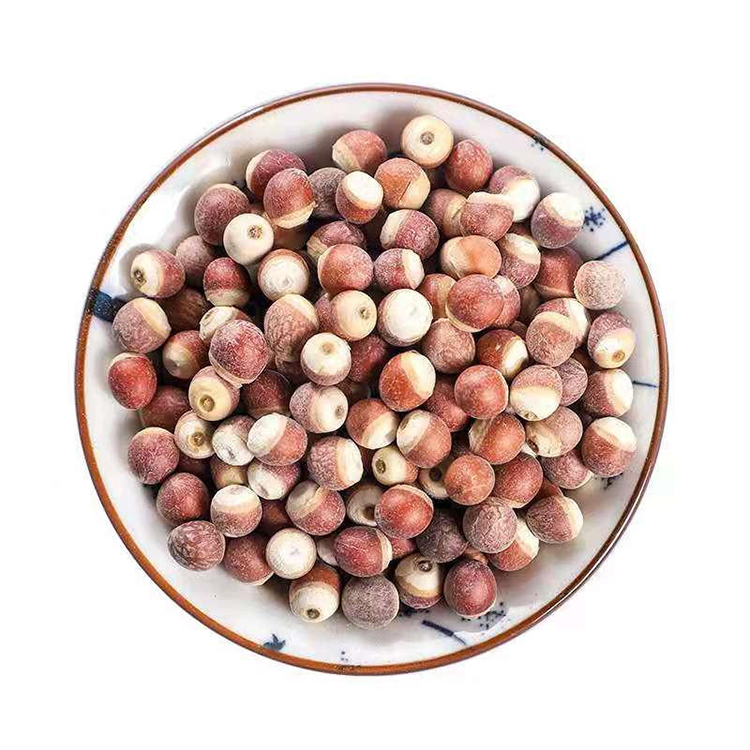
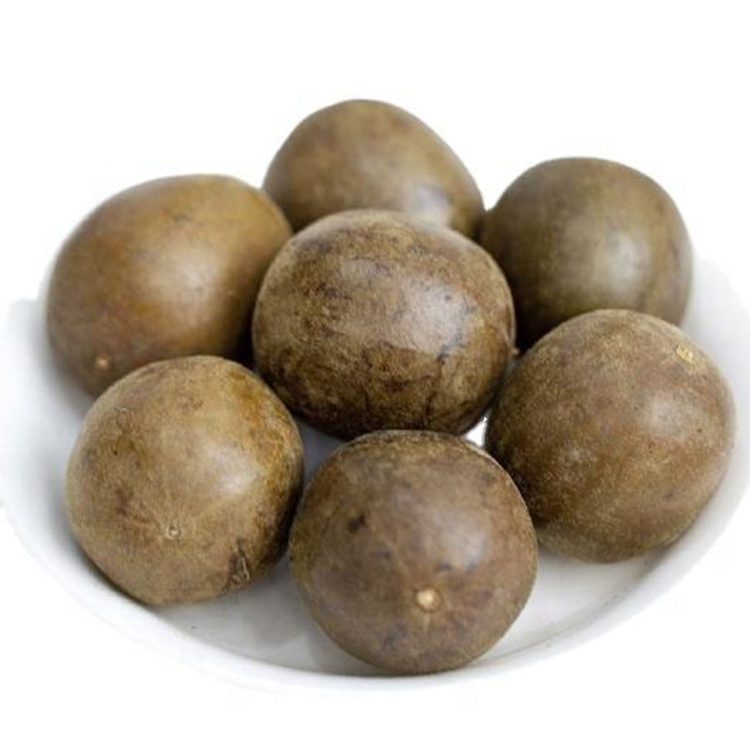
Suministro a granel de moras: color, dulzor y estabilidad de conservación
Las moras a granel pueden presentar un aspecto excelente en el momento de la inspección y no superar los controles meses más tarde. Esta guía, orientada al comprador, explica cómo controlar la identidad del cultivar, el color, el dulzor, el secado, la actividad del agua, el almacenamiento, el envasado y la verificación de los proveedores antes de aprobar los lotes comerciales.
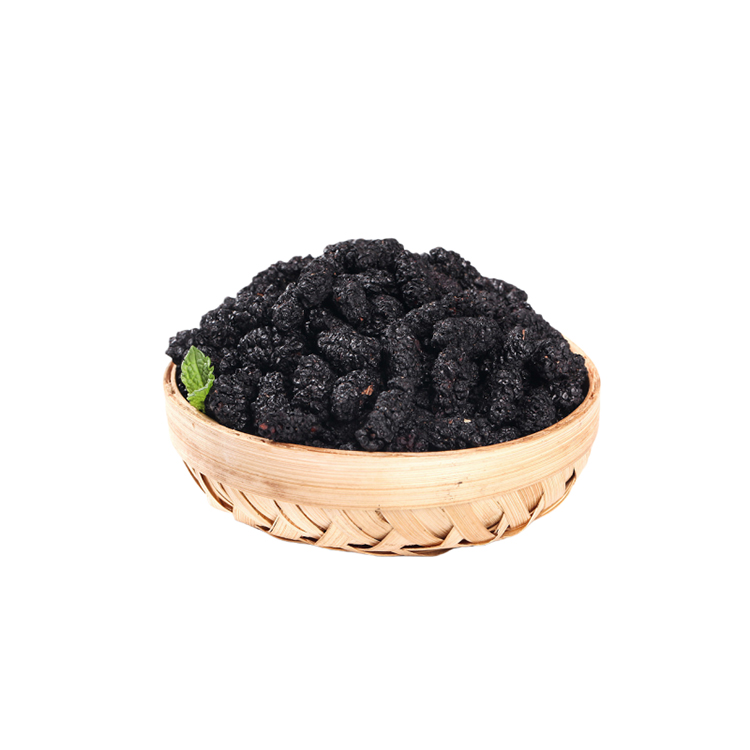
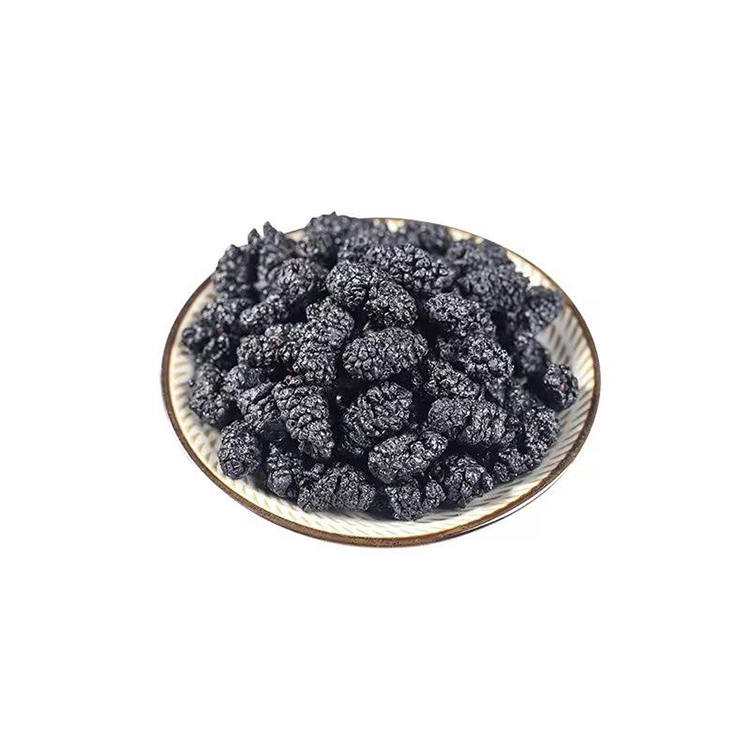
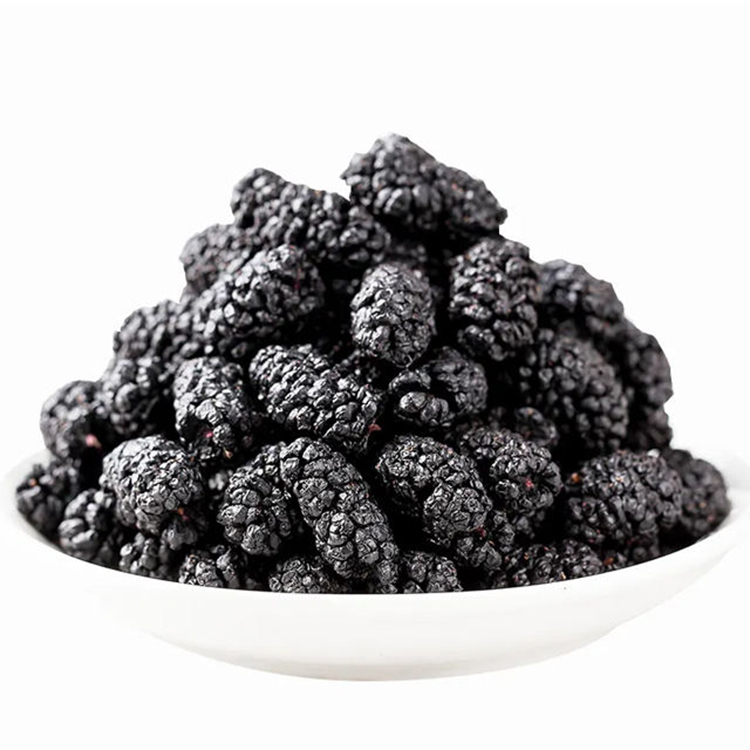
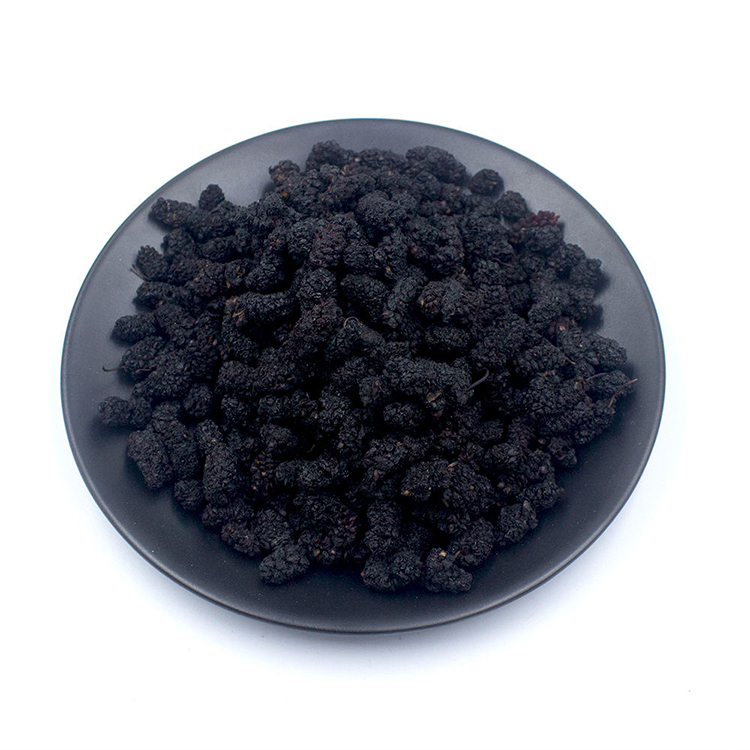
Un lote oscuro y brillante de Fruta de morera a granel Puede que tenga un aspecto magnífico en las fotografías, pero esa apariencia nos dice sorprendentemente poco sobre la variedad, los azúcares solubles, el equilibrio de acidez, el grado de secado, la humedad residual, la actividad del agua, la oxidación, el riesgo microbiano o el aspecto que tendrá esa misma fruta al cabo de tres meses dentro de un envase de exportación sellado.
Entonces, ¿por qué autorizar un envío basándose únicamente en fotografías?
Yo no lo haría.
Cuando evalúo la fruta deshidratada para su adquisición comercial, considero el aspecto como una herramienta de selección, no como una especificación de aprobación. Términos como “oscuro”, “dulce”, “natural” y “deshidratado con cuidado” son expresiones comerciales. El departamento de compras necesita cifras, métodos, muestras de referencia, códigos de lote y límites de rechazo.
Esa distinción es especialmente importante en el caso de la morera.
La fruta de morera a granel no es un producto básico estandarizado
El primer error en la compra se produce antes de la negociación del precio: el comprador pide “moras a granel” sin definir qué significa eso exactamente.
La mora comercial puede referirse a la fruta fresca, la fruta congelada, el puré, la materia prima para zumos, la fruta liofilizada, la fruta secada de forma convencional o las hierbas secas. Sang Shen. Esos productos se comportan de forma diferente y requieren especificaciones distintas.
Para los compradores de hierbas, infusiones, alimentos funcionales e ingredientes, el material en cuestión suele estar seco Morus fruta. De GuoCao’s Página del producto «Fruta de morera (Sang Shen) a granel» identifica su producto comercial como fruta deshidratada relacionada con Morus alba, también conocido como «Fructus Mori» o «Sang Shen».
Esa distinción entre las distintas partes de la planta es importante. Morus alba Las hojas, la corteza de la raíz y el fruto no son materias primas intercambiables por el mero hecho de que el mismo nombre botánico aparezca en algún lugar del certificado de análisis.
El ámbito más amplio del sitio Categoría de ingredientes medicinales chinos: frutas y semillas sitúa a la morera junto a la baya de goji, la schisandra, las semillas de casia, los dátiles rojos, el longan y otros ingredientes a base de frutas y semillas utilizados en los programas de ingredientes a granel.
En una solicitud de presupuesto seria, yo indicaría la identidad antes de hablar del precio:
Especies botánicas: Morus alba L. o las especies específicamente contratadas
Parte de la planta: fruto maduro
Nombre comercial: Fruto de la morera / Sang Shen / Fructus Mori
Forma: fruta seca entera, trozos, en polvo, fresca, congelada u otra forma definida
Método de elaboración: declarado
Azúcar añadido: se indica si está presente o no
Origen: declarado
Uso previsto: té, extracto, formulación alimentaria, aperitivos para venta al por menor, preparados a base de hierbas u otros usos
Mercado de destino: se indicará antes de que se ultimen los requisitos de ensayo
Especificaciones breves. Gran diferencia.
El color es útil hasta que lo confundes con la calidad
Las moras de color morado oscuro y negro llaman la atención porque los pigmentos antociánicos contribuyen en gran medida a su aspecto. Sin embargo, la genética de la variedad es un factor de enorme importancia, y precisamente por eso basarse en una fotografía en color a la hora de comprarlas supone un control de calidad deficiente.
Un 2025 Frontiers in Plant Science estudio evaluado 21 variedades de morera y se observaron diferencias significativas en cuanto a el aspecto, las propiedades nutricionales, los compuestos funcionales, las características antioxidantes y la actividad enzimática. Sus siete componentes principales explicaban 88,4241 TP3T de la varianza total, mientras que las puntuaciones finales ponderadas de calidad oscilaron entre De 0,406 a 0,817. La variedad mejor clasificada, Da 10, obtuvo una puntuación de 0,817; le siguió Feng Guo Sang, con 0,765.
Eso no es un simple ruido biológico. Es un problema de origen.
El mismo estudio reveló diferencias significativas entre los cultivares en cuanto a características relacionadas con el color y características funcionales, lo que ilustra por qué Fruta de Morus alba a granel no se puede estandarizar simplemente pidiendo “moras oscuras”.”
Controlaría el color en tres capas
En primer lugar: conservar una muestra de referencia física.
Conserva una muestra de producción homologada en un lugar con condiciones de almacenamiento e iluminación controladas. Compara las muestras compuestas que recibas con esa muestra de referencia, no con una fotografía retocada del proveedor.
Segundo: lleva a cabo la comparación.
Para los compradores en los que la uniformidad del color influye en la presentación en el punto de venta, el color del extracto, el aspecto del té o el desarrollo de la bebida, prefiero las mediciones CIELAB utilizando L*, a* y b* valores.
Una tolerancia interna como, por ejemplo, ΔE00 ≤ 3,0 Se puede considerar como punto de partida para un programa de colores específico para cada comprador, pero yo nunca lo calificaría como un estándar universal para la morera. Se trata de una tolerancia contractual que debe validarse en función de la aplicación.
Tercero: clasificar los defectos por separado.
No ocultes los defectos tras una lectura media del color. Anota por separado los frutos pálidos e inmaduros, las piezas muy oscurecidas, el material quemado, el moho visible, las bayas extrañas, los tallos y las manchas anormales en la superficie.
¿La cruda realidad? Una media matemáticamente aceptable puede seguir describiendo una situación muy desagradable.
El secado influye en más aspectos que la humedad
Es aquí donde los proveedores suelen ser poco claros.
Si preguntas cómo se ha secado la fruta, es posible que te respondan “a baja temperatura”, “de forma natural” o “mediante una tecnología avanzada de secado”.”
«None» es una especificación de proceso.
Un estudio controlado realizado en 2024 en el que se comparaban distintos métodos de secado de la morera reveló que la liofilización al vacío conservaba 6,99 mg/g de antocianinas, 3,18 mg/g de flavonas totales y 2,94 mg/g de azúcares solubles, al tiempo que arrojaba el resultado más alto registrado en la capacidad de eliminación del radical DPPH en 81.2% y el resultado del ABTS en 79.9% entre los tratamientos estudiados. Los investigadores también señalaron que la liofilización al vacío ofrecía mejores resultados en cuanto al color y las propiedades sensoriales. Véase el Estudio sobre el secado de la morera de 2024, indexado en PubMed.
¿Significa esto que todos los compradores deberían exigir moras liofilizadas?
No.
La liofilización permite conservar muy bien las propiedades, pero desde el punto de vista económico puede no resultar muy rentable para un té de consumo corriente, una decocción o un programa de extracción. El secado convencional con aire caliente puede ser adecuado desde el punto de vista comercial si se controlan la temperatura, la duración, la humedad final, la actividad del agua, la limpieza y la calidad sensorial.
Esa es la cuestión.
Especifica el resultado, no el adjetivo de marketing.
Para la compra al por mayor de moras secas, le pediría al proveedor lo siguiente:
Método de secado
Temperatura máxima del proceso
Tiempo aproximado de secado
Procedimiento de carga por lotes
Criterio de punto final
Resultado final de humedad
Resultado final de la actividad del agua
Procedimiento de enfriamiento antes del envasado
Tiempo transcurrido entre el secado y el sellado final
Esa frase es prácticamente inútil en un contrato de compraventa.
El dulzor varía en función de la variedad, el grado de madurez, las condiciones de cultivo, la concentración durante el secado, la fermentación, el equilibrio de acidez y si se ha añadido azúcar durante el procesamiento.
Y el dulzor no es lo mismo que la concentración de azúcar percibida de forma aislada. La acidez también es importante.
Un 2025 BMC Plant Biology En el experimento de almacenamiento en frío se recolectaron moras a aproximadamente 15.2%: contenido de sólidos solubles (SSC) y, a continuación, almacenaron la fruta a aproximadamente 0,5 °C y una humedad relativa de 90% durante 5, 10 y 15 días. Los investigadores observaron que el SSC, la acidez, la respiración, la descomposición y otros parámetros de calidad variaban durante el almacenamiento.
El estudio constituye una prueba útil. No es una autorización para incluir la indicación “15,2 °Brix como mínimo” en todos los contratos de moras.
Las distintas variedades y aplicaciones requieren objetivos diferentes.
Las moras frescas y las secas requieren especificaciones diferentes en cuanto al contenido de azúcar
La fruta fresca se puede clasificar de forma eficaz utilizando un refractómetro calibrado para medir el contenido de sólidos solubles.
La fruta seca es más complicada.
La eliminación de agua concentra los componentes solubles, por lo que comparar la lectura de un refractómetro obtenida mediante un procedimiento de extracción de fruta seca mal estandarizado puede dar lugar a una precisión engañosa. Para moras secas a granel, yo optaría por establecer un método de laboratorio validado para determinar los azúcares totales o reductores y, a continuación, combinarlo con una referencia sensorial.
Haz también una pregunta incómoda:
¿Se le ha añadido azúcar?
En el caso de los productos de aperitivos para el consumo al por menor, el uso de edulcorantes puede ser una elección deliberada en la formulación. Sin embargo, en el caso de un té de hierbas, un producto de extracción, un ingrediente tradicional o un programa de «etiqueta limpia», la presencia de azúcares añadidos no declarados puede resultar totalmente inaceptable.
Ponlo por escrito.
La estabilidad durante el almacenamiento es lo que hace que las moras baratas acaben saliendo caras
Las moras frescas son muy delicadas, como es bien sabido.
En el año 2025 BMC Plant Biology En el estudio, los investigadores almacenaron la fruta durante un máximo de 15 días a aproximadamente 0,5 °C y 90% de humedad relativa. Un tratamiento combinado que utiliza 1,0 mM de melatonina más 1,0 mM de putrescina dio lugar, tras 15 días, a Una pérdida de peso de 4,351 TP3T, una desintegración de 9,481 TP3T y una frecuencia respiratoria aproximadamente 29,91 TP3T inferior a la del grupo de control.
Ese experimento se refiere al tratamiento poscosecha de la fruta fresca, no a un requisito comercial estándar para el Sang Shen deshidratado.
Pero pone de manifiesto algo que los equipos de compras suelen subestimar: El comportamiento del almacenamiento es dinámico.
La temperatura, la humedad, la respiración, los ácidos, los azúcares y la descomposición son variables que interactúan entre sí.
En el caso de los productos secos, el problema de control cambia. La migración de la humedad, la actividad del agua, la barrera del envase, la temperatura, el oxígeno, los insectos, las levaduras, el moho y la condensación cobran mucha más importancia.
El contenido de humedad y la actividad del agua no son lo mismo
Esta distinción evita reclamaciones.
Contenido de humedad nos indica la cantidad de agua que contiene el producto.
Actividad del agua (aw) describe en qué medida esa agua está disponible para el crecimiento microbiano y las reacciones químicas.
Por lo tanto, dos lotes de moras pueden presentar porcentajes de humedad similares y, sin embargo, comportarse de forma diferente durante el almacenamiento.
En el caso de un producto deshidratado destinado a un almacenamiento prolongado a temperatura ambiente, estudiaría la posibilidad de utilizar un objetivo de precio por debajo de 0,60 como punto de partida conservador para el desarrollo del producto y, a continuación, validarlo comparándolo con la fruta real, el sistema de envasado y el estudio de la vida útil, en lugar de copiar ciegamente esa cifra en todos los contratos.
El material técnico de la FDA distingue los productos con bajo contenido de humedad a continuación: aw 0,60 a partir de productos con un grado de humedad intermedio en aw 0,60–0,85, al tiempo que se señala que la levadura y el moho pueden convertirse en un problema importante para la vida útil a medida que aumenta el contenido de agua.
Y aquí es donde un problema relacionado con la búsqueda de fuentes resulta útil. El artículo de la web sobre La capa de azúcar de las bayas de goji frente al moho aborda una realidad similar: las bayas deshidratadas pueden presentar alteraciones en la superficie que los compradores clasifican erróneamente cuando no se analizan de forma sistemática la humedad, los azúcares, las condiciones de almacenamiento y la inspección visual.
Las especificaciones sobre la mora que yo sí firmaría
No existe una especificación comercial universal que abarque todas las aplicaciones de la morera. A continuación se presenta una marco de especificaciones del comprador, no es una norma de la farmacopea.
Atributo de calidad
Lo que yo especificaría
Método de verificación
Bandera Roja
Identidad botánica
Exacto Morus especie y parte de la planta frutal
Trazabilidad + identificación botánica
“Mulberry” únicamente
Forma del producto
Entos, en trozos, en polvo, frescos o congelados
Revisión visual y documental
Llega un formulario diferente
Variedad
Indicado para casos en los que el rendimiento sensorial o de conservación es importante
Registros de explotaciones agrícolas/parcelas
El proveedor afirma que la variedad no tiene importancia
Color
Referencia aprobada, más el rango numérico cuando sea necesario
CIELAB L*, a*, b*
Solo fotos
Dulzura
Azúcar contratado o método SSC adecuado para la forma
Refractómetro o método de laboratorio validado
“Dulce de forma natural”
Azúcar añadido
Presente o ausente de forma explícita
Declaración de ingredientes y procesos + pruebas, si fuera necesario
Sin declaración
Humedad
Máximo específico del producto
Método validado para la determinación de la humedad
Solo media, sin datos de lotes
Actividad del agua
Plazo de conservación establecido mediante validación
Medidor de humedad calibrado
No se ha medido
Materias extrañas
Límite numérico establecido por escrito
Inspección de materiales compuestos
“Limpio” sin definición
Fruta estropeada
Límite numérico establecido por escrito
Muestreo representativo
No hay criterios de calificación
Microbiología
Límites adecuados al mercado y al uso
Laboratorio acreditado
COA genérico
Pesticidas
Programa de residuos específico para cada mercado
LC-MS/MS / GC-MS/MS, según proceda
Informe antiguo de otro lote
Metales pesados
Límites específicos de cada mercado
Método de laboratorio validado
Solo declaración del proveedor
Embalaje
Requisitos relativos al revestimiento, la junta y la barrera
Especificaciones del embalaje
“Bolsa a prueba de humedad”
Trazabilidad
Lote de cosecha/producción hasta el envío
Registros
El lote reenvasado pierde su origen
Caducidad
Condiciones definidas y datos de apoyo
Programa de estabilidad
Afirmación sin fundamento sobre un plazo de 24 a 36 meses
Yo adjuntaría esa tabla a las especificaciones de compra antes de formalizar un contrato anual en condiciones.
No después.
El envasado forma parte del control de calidad de la fruta de morera
Un proveedor puede secar la fruta correctamente y, aun así, perder todo el lote en la sala de envasado.
Imagina que unas moras secas salen de la línea de producción con una actividad de agua aceptable, se envasan en una bolsa de polietileno poco resistente, se transportan a través de un puerto húmedo y, a continuación, se almacenan durante seis semanas en un almacén sin condiciones controladas.
El certificado de autenticidad original no les protege por arte de magia.
En cuanto a las moras secas, me gustaría saber:
Material del revestimiento primario
Espesor del revestimiento
Tipo de junta
Método de cierre de bolsas
Fabricación en cartón o en bidón
Peso neto por envase
Rendimiento de la barrera contra el vapor de agua en aplicaciones de interés comercial
Rendimiento de la barrera de oxígeno en casos en los que la oxidación del color supone un problema
Normativa sobre desecantes, en caso de que se utilicen
Temperatura y humedad máximas de almacenamiento
Método de paletización
Estrategia de control de la humedad en contenedores
En el caso de los proyectos de marca propia o de formulación propia, el envase debe discutirse en la fase de desarrollo de los ingredientes. La planta de Servicio OEM/ODM personalizado de hierbas y especias abarca productos a base de hierbas personalizados y servicios de apoyo a la producción relacionados con el envasado.
No aprobaría primero un suministro de ingredientes para doce meses y preguntaría por el envase más tarde.
Ese orden está al revés.
Cómo evaluaría a un proveedor de moras a granel
Un certificado de autenticidad bien elaborado resulta útil.
No es una prueba.
Para un nuevo proveedor mayorista de frutos de morera, Yo solicitaría primero las especificaciones y, después, el certificado. A continuación, comprobaría si el certificado se corresponde realmente con el lote de producción del que se ha tomado la muestra.
Para los importadores estadounidenses, esto va más allá de la disciplina en las compras. El Programa de Verificación de Proveedores Extranjeros de la FDA exige a los importadores afectados que evalúen los riesgos alimentarios y el desempeño de los proveedores, y que lleven a cabo las actividades adecuadas de verificación de los mismos. La FDA enumera específicamente opciones como: auditorías in situ, toma de muestras y análisis, y revisión de los registros de seguridad alimentaria de los proveedores.
Por lo tanto, un expediente profesional de calificación de proveedores debe contener, según corresponda:
Identidad jurídica de la empresa y de la planta de fabricación
Identidad botánica y origen
Fecha de cosecha o de producción
Flujo de procesamiento
Parámetros de secado
Datos sobre la humedad y la actividad del agua
Resultados microbiológicos específicos de cada lote
Resultados de los análisis de residuos de plaguicidas
Resultados de metales pesados
Especificaciones del embalaje
Registros de control de plagas
Registros de trazabilidad
Muestra retenida
Procedimiento de reclamaciones y medidas correctoras
Justificación del plazo de conservación
Y compraría la muestra del mismo tipo comercial que se me ha presupuestado.
“La ”calidad especial de la muestra» va en contra del objetivo.
La oferta al por mayor más barata de moras puede acabar siendo la más cara
El precio por kilogramo es fácil de comparar.
Los kilogramos «útiles» son más complicados.
Supongamos que el proveedor A es un 8% más barato, pero sus lotes presentan una mayor variación en el contenido de humedad, más tallos, más fruta rota, una intensidad azucarera irregular y un embalaje de menor calidad. El ahorro aparente desaparece debido a las pérdidas por clasificación, la irregularidad en la extracción, los paros en la producción, las reclamaciones o las amortizaciones de existencias.
Por eso no me gustan los cuadros de mando de compras en los que predomina el precio FOB.
Una comparación comercial más adecuada incluye:
Coste total + rendimiento útil + coste de las pruebas + probabilidad de fallo + estabilidad del stock.
La fruta barata no resulta barata si el control de calidad no deja de rechazarla.
Para los compradores que estén desarrollando un programa de adquisición de productos botánicos a mayor escala, la página web ofrece Sección de abastecimiento al por mayor ofrece material relacionado y orientado al comprador sobre hierbas, ingredientes frutales y especias.
Preguntas frecuentes
¿Qué es el fruto de la morera a granel?
La fruta de morera a granel es fruta que se comercializa fresca, congelada, procesada o deshidratada, procedente de una zona definida Morus especies adquiridas en grandes cantidades según requisitos acordados en materia de identidad botánica, forma, color, dulzor, humedad o actividad del agua, contaminantes, envasado, trazabilidad y almacenamiento, en lugar de aceptarse únicamente en función de su aspecto visual.
En el mercado de las hierbas medicinales tradicionales chinas, la fruta seca se comercializa habitualmente como «Sang Shen» o «Fructus Mori». No obstante, los compradores deben identificar de forma explícita la especie botánica y el tipo de procesamiento, ya que la fruta fresca, la fruta liofilizada, el Sang Shen secado de forma convencional y las moras endulzadas para consumo como aperitivo requieren programas de control de calidad distintos.
¿Cómo se debe especificar el grado de dulzor al comprar moras secas a granel?
El dulzor de las moras secas a granel debe determinarse mediante un método analítico repetible para la determinación de azúcares, junto con criterios de aceptación sensorial, ya que el secado concentra los sólidos solubles y hace que una lectura no controlada del refractómetro resulte difícil de comparar de forma fiable entre lotes, mientras que la variedad, la acidez, la madurez, la temperatura de procesamiento, la fermentación y el azúcar añadido pueden alterar la percepción del dulzor.
En el caso de las moras frescas, puede resultar útil medir el contenido de sólidos solubles con un refractómetro calibrado. En cuanto al material seco, se debe definir el procedimiento de extracción o análisis, el margen de tolerancia y la política relativa al azúcar añadido directamente en el contrato.
¿Qué contenido de humedad debe tener el fruto seco de morera a granel?
La actividad del agua del fruto seco de morera a granel debe determinarse mediante un programa de vida útil específico para el producto; un valor de aw inferior a 0,60 debería considerarse un objetivo conservador para una mayor estabilidad a temperatura ambiente, si bien es necesario validar también el envase, la temperatura, la contaminación, la formulación y el clima del lugar de destino, ya que la actividad del agua por sí sola no puede garantizar la vida útil comercial.
No hay que confundir la actividad del agua (aw) con el porcentaje de humedad. Mide ambos parámetros cuando el riesgo para la estabilidad del producto lo justifique y especifica la temperatura a la que se realiza el ensayo de actividad del agua.
¿Un color de morera más oscuro indica una mejor calidad?
Un color morado más oscuro no implica automáticamente una mejor calidad, ya que la genética del cultivar, la madurez, el desarrollo de las antocianinas, la temperatura de secado, la oxidación, el oscurecimiento de la superficie, la duración del almacenamiento y el deterioro microbiano pueden alterar el aspecto; por lo tanto, la evaluación profesional del color debe combinarse con la identificación botánica, los análisis sensoriales, el contenido de humedad, la actividad del agua, los defectos y la evaluación microbiológica.
En el caso de los programas sensibles al color, establece una muestra de referencia que se conserve y plantéate realizar mediciones CIELAB con instrumentos, en lugar de basarte en las fotografías del proveedor.
¿Cómo elijo al mejor proveedor de moras?
El mejor proveedor de moras es aquel que cumple sistemáticamente con los requisitos contratados en cuanto a identidad botánica, forma de procesamiento, color, perfil de azúcares, humedad o actividad del agua, límites de contaminantes, rendimiento del envase y trazabilidad, aportando pruebas específicas de cada lote, muestras representativas y capacidad para aplicar medidas correctivas, en lugar de limitarse a ofrecer el precio más bajo o las fotografías de producto más atractivas.
Antes de aprobar el volumen, solicite una muestra representativa, las especificaciones por escrito, el certificado de análisis (COA) específico del lote, la información sobre el procesamiento y los informes pertinentes sobre contaminantes. A continuación, compare el siguiente envío comercial con exactamente los mismos criterios de aceptación.
Convierte tu solicitud de presupuesto para frutos de morera en un pliego de condiciones definitivo
No envíes a un proveedor un mensaje de una sola frase que diga: “Por favor, indícanos tu mejor precio para moras secas de primera calidad”.”
Envía algo que realmente puedan fabricar y con lo que puedan realizar pruebas.
Especifica el Morus especie, forma del producto, aplicación prevista, color deseado, método de análisis del azúcar, política sobre azúcares añadidos, actividad del agua máxima, requisitos de humedad, límites de defectos, normas microbiológicas y de contaminantes, formato de envase, volumen anual, país de destino y documentación necesaria.
A continuación, solicita una muestra representativa y la Certificado de análisis específico del lote antes de la autorización del envío.
Si se abastece Morus alba fruta para infusiones, extracción, alimentos funcionales, productos a base de hierbas o distribución al por mayor, consulta la Página del producto «Fruta de morera a granel» y Ponte en contacto con el equipo de suministro de hierbas a granel con las especificaciones del producto, la cantidad, el mercado de destino y los requisitos de ensayo. La página de contacto de la web admite consultas sobre pedidos al por mayor y de OEM/ODM.
Compra el producto según sus características técnicas, no por la fotografía.
Nuestro bajo MOQ de 1 kg (2,2 lb) facilita los pedidos de rodajas de hierbas chinas o de hierbas medicinales chinas al por mayor. También disponemos de etiquetado privado y bilingüe.
Ciclo de entrega y asistencia
Nuestro plazo de entrega es de 7 días. Ofrecemos muestras gratuitas, informes COA y asistencia técnica para ayudarle a introducir en el mercado hierbas chinas a granel de alta calidad.
Calidad y certificaciones
Nuestros productos se fabrican en instalaciones con certificación GMP y cumplen las normas ISO22000. Todas las hierbas chinas se someten a pruebas de metales pesados, pesticidas y microorganismos realizadas por terceros.