Guide d'approvisionnement en noix de renard destiné aux acheteurs de produits alimentaires fonctionnels et de plantes médicinales
L'achat de noix de renard ne se résume pas à une simple comparaison des prix au kilogramme. Ce guide explique comment les acheteurs de produits alimentaires fonctionnels et de plantes médicinales doivent évaluer l'identité de l'Euryale ferox, le format des makhanas, leur origine, leur transformation, les tests effectués, la documentation fournie par le fournisseur et la cohérence commerciale avant de passer une commande en gros.
Si votre appel d’offres mentionne uniquement “ noix de renard ”, un fournisseur pourrait proposer du makhana soufflé destiné à la fabrication d’en-cas, tandis qu’un autre proposerait des graines séchées utilisées comme « Qian Shi » dans le commerce des plantes médicinales, et les deux pourraient estimer avoir répondu à la même demande.
Comment comparez-vous ces offres ?
Ce n'est pas possible. Pas correctement, en tout cas.
Ma règle est simple : Ne discutez pas du prix tant que l'identité botanique, la forme commerciale, l'état de transformation, l'utilisation prévue et le marché de destination ne figurent pas tous sur la même fiche technique.
Cela peut sembler excessivement prudent, jusqu'à ce qu'une livraison arrive dans un format incorrect.
Les noix de renard, le makhana, les noix de Gorgone, le Qian Shi, les graines d'Euryales et le terme “ graines de lotus ”, utilisé de manière informelle, sont souvent confondus dans les listes des fournisseurs. Pour un approvisionnement professionnel, c'est dans cette confusion terminologique que naissent les erreurs.
L'espèce botanique reconnue est Euryale ferox Salisb. Listes des Jardins botaniques royaux de Kew Euryale ferox en tant qu'espèce reconnue de la famille des Nymphaeaceae. Kew Plants of the World Online : Euryale ferox Salisb.
Et il y a un point qui mérite une mise en garde particulière : par « graines de lotus authentiques », on entend généralement Nelumbo nucifera, une plante différente appartenant à la famille des Nelumbonacées. Kew considère ces deux plantes comme des espèces botaniques distinctes, voire comme appartenant à des familles différentes. Kew : Nelumbo nucifera Gaertn.
Pour les acheteurs, ce n'est pas une simple anecdote botanique.
Il s'agit d'un contrôle d'étiquette.
Il s'agit d'un contrôle COA.
Il s'agit d'un contrôle des importations.
Les « Fox Nuts », le « Makhana » et le « Qian Shi » ne correspondent pas toujours au même produit commercial
L'usine est Euryale ferox. Le produit peut être très différent.
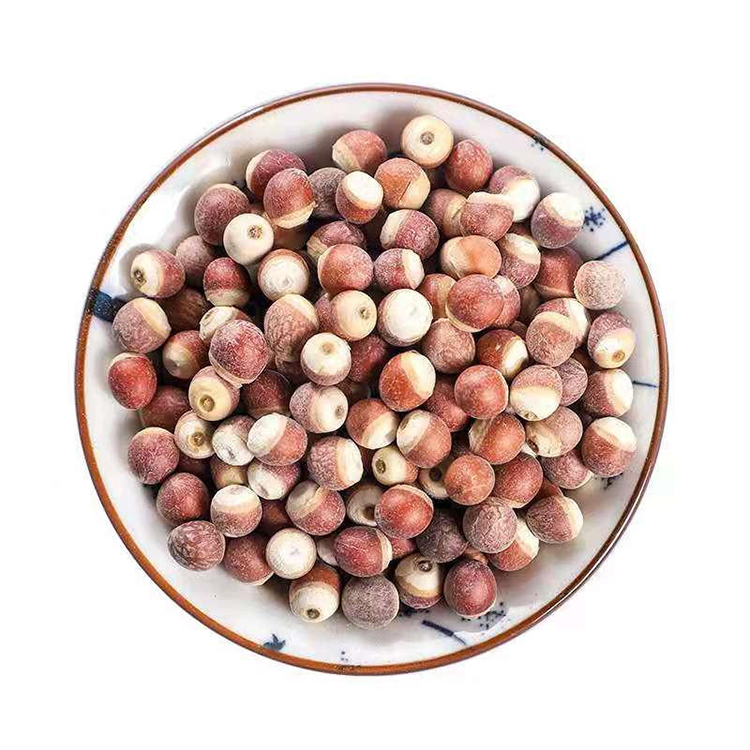
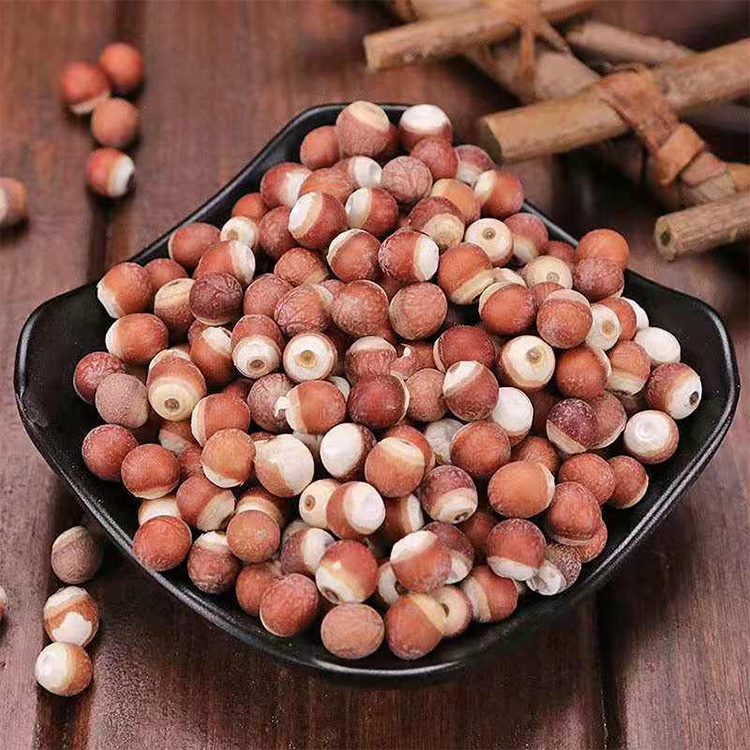
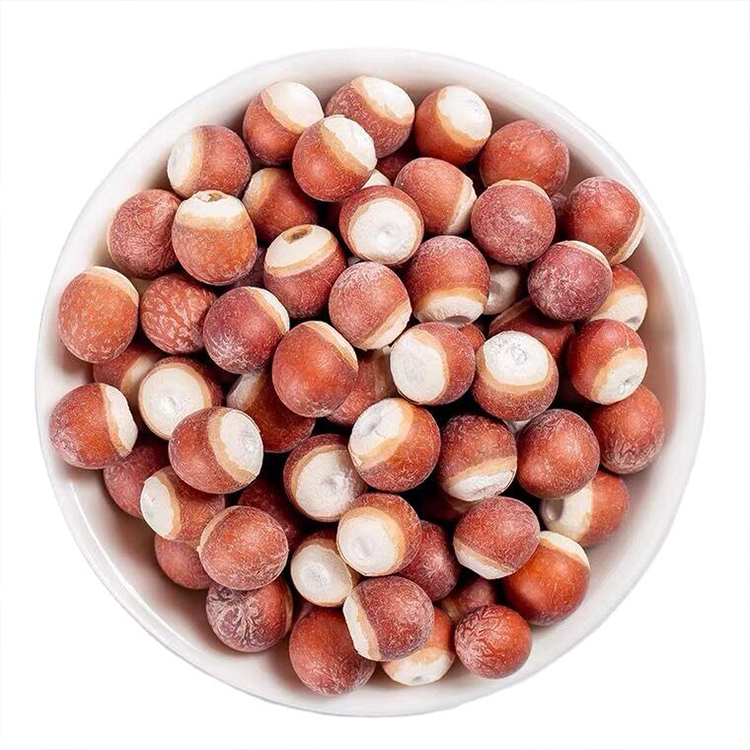
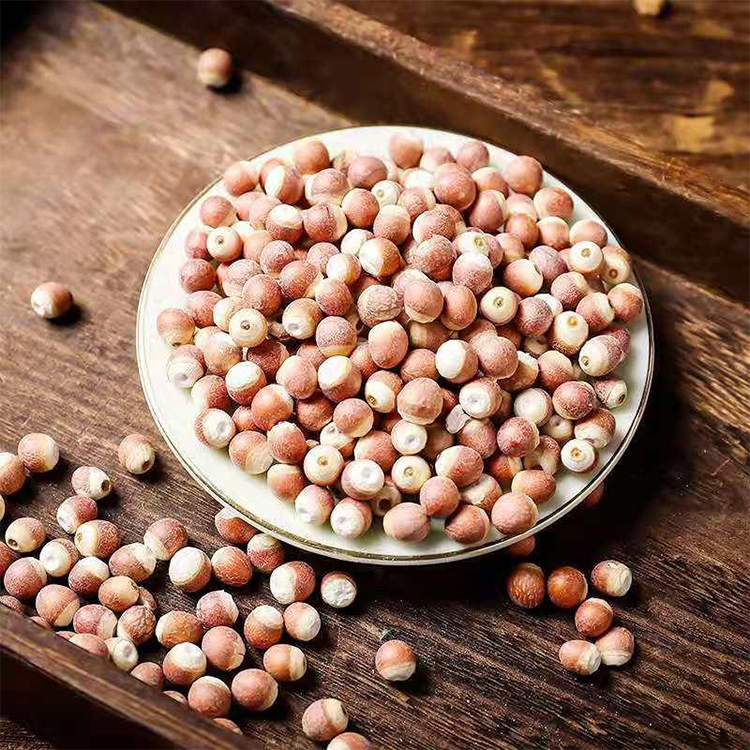
En Inde, makhana désigne généralement le grain blanc gonflé obtenu après transformation et éclatement de la graine. Dans le commerce des plantes médicinales chinoises, Qian Shi, également appelé « Euryales Semen », désigne généralement le noyau de graine mûr utilisé comme ingrédient alimentaire à base de plantes, plutôt que la version soufflée et légère destinée à la consommation en tant que snack.
Une entreprise spécialisée dans les en-cas fonctionnels et une entreprise spécialisée dans les formulations à base de plantes peuvent donc rechercher le même mot-clé — noix de renard — tout en nécessitant des ingrédients sensiblement différents.
Avant de contacter un fournisseur de noix de renard, déterminez celles dont vous avez réellement besoin parmi les suivantes :
Exigences de l'acheteur
Formulaire commercial type
Ce qui compte le plus
En-cas haut de gamme
Makhana soufflé
Taille des grains, croustillance, cassure, couleur, humidité, grains brûlés
Snack assaisonné
Noix de renard en vrac, soufflées
Uniformité de la taille, adhérence de l'assaisonnement, absorption d'huile, cassure
Produits de boulangerie ou céréales
Makhana concassé ou farine de makhana
Granulométrie, comportement de l'amidon, saveur, microbiologie
Formulation d'aliments fonctionnels
Graines, farine ou poudre transformée
Espèces, composition, historique thermique, profil des contaminants
Formule à base de plantes
Graines séchées d’Euryales / Qian Shi
Identité botanique, partie de la plante, transformation, teneur en humidité, certificat d'analyse (COA)
Thé, soupe ou plat traditionnel
Noix séchées entières ou fendues
Propreté, identité, comportement à la cuisson, stabilité de conservation
Production d'extraits
Noyau ou poudre définis
Taux d'extraction, taille des mailles, stratégie de marquage, limites de contaminants
Il convient de corriger un détail d'ordre administratif partout où il apparaît dans la documentation du fournisseur : le nom botanique doit être Euryale ferox Salisb., et non des variantes telles que “ Euryale Foxi ”. Cette dernière ne correspond pas au nom d'espèce reconnu utilisé par Kew, la taxonomie du NCBI ou l'ICAR.
Un acheteur qui néglige cette divergence au stade de l'appel d'offres risque de la retrouver dans la fiche technique, le certificat d'analyse, les maquettes, les documents d'importation et le dossier technique du produit fini.
C'est une faute de frappe qui coûte cher.
Le marché du makhana de 2026 est en passe de devenir une véritable chaîne d'approvisionnement à l'exportation
Le commerce des noix de renard a largement dépassé le cadre des petits circuits de distribution de produits alimentaires ethniques.
Les chiffres officiels indiens le montrent clairement.
En août 2026, le ministère indien de l'Agriculture a indiqué que l'État du Bihar avait produit environ 60 000 tonnes métriques de makhana en 2025-2026, avec une productivité moyenne de 2,00 MT par hectare. Le Conseil national du makhana, créé le 14 septembre 2025, est soutenu par un 476,03 crores de roupies Programme du secteur central visant à soutenir la production, la transformation, la valorisation, la commercialisation et les exportations. Gouvernement indien : données du Conseil national du makhana
Cette concentration est importante.
Le Bihar n'est pas simplement l'une des dizaines d'options d'approvisionnement possibles. Un autre communiqué gouvernemental publié en août 2026 estimait la part du Bihar à environ 851 TP3T de la production indienne de makhana. L'Inde a exporté plus de 7 000 tonnes de makhana et de produits à valeur ajoutée à base de makhana au cours de l'exercice 2025-2026 vers plus de 20 destinations internationales. Un code SH spécifique pour le makhana est également entré en vigueur en Juillet 2025. Annonce concernant l'exportation de makhana organisée par l'APEDA
La concentration est source d'efficacité.
Cela comporte également des risques.
Si votre programme annuel dépend fortement d'une seule zone de culture, les conditions météorologiques, la qualité de la récolte, la capacité de transformation, les prix locaux et les conditions de stockage peuvent tous avoir un impact simultané sur la même chaîne d'approvisionnement.
Je ne me baserais donc jamais uniquement sur l'offre FOB la moins chère pour évaluer l'approvisionnement en makhana.
Pas cher par rapport à quoi ?
Un aperçu de 2026 que les acheteurs devraient conserver dans leur dossier d'approvisionnement
Indicateur de marché
Données déclarées
Signification du terme « approvisionnement »
Production de makhana dans le Bihar, 2025-2026
60 000 tonnes métriques
La production est fortement concentrée sur le plan géographique
Part du Bihar dans la production indienne
~85%
La diversification des sources d'approvisionnement mérite qu'on s'y intéresse
Exportations de l'Inde, exercice 2025-2026
Plus de 7 000 tonnes métriques
Les infrastructures d'exportation se développent de plus en plus
Destinations d'exportation
20+
La demande internationale n'est plus à l'état expérimental
Programme de l'Office national du makhana
476,03 crores de roupies
La transformation et la valorisation bénéficient d'un soutien de l'État
Expédition maritime commerciale vers l'Australie, août 2026
18 MT
La logistique maritime à grand volume devient viable
Amélioration du rendement déclarée par l'agriculteur pour cet envoi
~18%
Des circuits d'exportation traçables peuvent modifier la rentabilité des matières premières
Date d'octroi du certificat d'indication géographique « Mithila Makhana »
16 août 2022
Les affirmations d'ordre géographique peuvent être vérifiées plutôt que prises pour argent comptant
La livraison prévue en août 2026 en Australie présente un intérêt particulier. L’APEDA a facilité une 18 MT un envoi maritime de Mithila Makhana portant le label GI, provenant de producteurs de Darbhanga, le gouvernement faisant état de recettes d'environ 18% au-dessus des prix courants du marché.
Cela envoie un message dérangeant aux acheteurs : à mesure que les exportations organisées se développent, il ne faut pas partir du principe que les prix locaux des matières premières d’hier resteront valables indéfiniment.
La mention « GI » sur le Mithila Makhana est une affirmation, pas une simple formule décorative
“ Mithila Makhana ” a une signification juridique.
Ainsi, si un fournisseur applique un supplément pour du makhana bénéficiant d'une appellation d'origine protégée (AOP), demandez-lui de vous fournir des preuves à l'appui de cette affirmation.
Ne croyez pas cet adjectif.
Achetez la chaîne de preuve.
Cela implique de vérifier l'identité du producteur ou du fournisseur agréé, l'origine du lot, la documentation, ainsi que le fait que les marchandises concernées par votre expédition puissent légitimement porter la mention « IG ».
Et n'oubliez pas : Les expressions « originaire du Bihar » et « Mithila Makhana bénéficiant d’une indication géographique » ne sont pas automatiquement interchangeables.
Cette distinction revêt d'autant plus d'importance si ces informations géographiques figurent sur l'emballage de vos produits.
Comment s'approvisionner en noix de renard sans acheter une qualité inadaptée
De nombreux primo-accédants commencent par se pencher sur la superficie.
Je commencerais plus tôt.
Étape 1 : Déterminer l'identité botanique
Votre cahier des charges doit indiquer au minimum :
Nom botanique :Euryale ferox Salisb. Famille : Nymphéacées Partie de la plante : Graine mûre Nom commercial : Noix de renard / makhana / Euryales Semen / Qian Shi, selon le format Origine : Pays, région et, de préférence, zone de production Formulaire de traitement : Ingrédients : graines brutes, graines séchées, graines fendues, makhana soufflé, makhana torréfié, poudre, farine ou extrait
Kew identifie Euryale ferox comme l'espèce reconnue, tandis que l'ICAR décrit également le makhana comme Euryale ferox Salisb.
C'est là que je refuserais toute documentation vague fournie par le fournisseur.
“ Fox Nut — Qualité supérieure ” n'est pas une description technique.
Étape 2 : Définir le traitement avant la notation
Les matières premières et les produits transformés ne sont pas interchangeables.
Le traitement thermique modifie le comportement physico-chimique de Euryale ferox graines et farine. Des travaux de recherche référencés dans PubMed ont montré que différents traitements thermiques modifiaient les caractéristiques des graines pertinentes pour les applications alimentaires. PubMed : traitement thermique des graines d'Euryale ferox
Cela revêt une importance particulière lorsque les noix de renard sont utilisées dans :
aliments fonctionnels extrudés ;
poudres instantanées ;
systèmes de boulangerie ;
formulations à base de céréales ;
mélanges riches en amidon ;
boissons nécessitant une mise en suspension ;
poudres à base de plantes ;
projets d'extraction.
Pour les acheteurs de snacks, en revanche, c'est le grain gonflé lui-même qui constitue le produit.
Les spécifications divergent rapidement.
Étape 3 : Convertir les notes locales en critères mesurables
Vous rencontrerez fréquemment des désignations commerciales telles que « 4 Suta », « 5 Suta », « 6 Suta », « premium », « jumbo », « trié à la main », « qualité export », « Grade A » et « Grade A+ ».
Je n'aime pas acheter en me fiant uniquement à ces mots-là.
Deux vendeurs peuvent utiliser le même nom de catégorie tout en faisant référence à des distributions granulométriques différentes.
Demander :
plage réelle de diamètres en millimètres ;
méthode du tamis ;
pourcentage compris dans la fourchette de taille déclarée ;
pourcentage incorrect ;
pourcentage de grains non éclatés ;
tolérance à la brûlure ou aux taches noires ;
corps étranger ;
humidité ;
échantillon de référence en couleur ou échantillon de référence scellé ;
échantillon prélevé sur un lot de production approuvé.
Les caractéristiques techniques l'emportent sur les adjectifs.
Un échantillon de référence physique scellé s'avère particulièrement utile pour le makhana soufflé, car l'aspect, le gonflement, le croustillant, les défauts de surface et la cassure sont difficiles à résumer en un seul chiffre.
Ce que devrait contenir un cahier des charges sérieux pour les noix de fox en vrac
Un appel d'offres efficace n'est pas long, car les équipes des achats adorent la paperasse.
C'est long parce que des spécifications imprécises sont source de litiges.
Je présenterais la fiche technique de la manière suivante :
Champ « Spécifications »
Ce que l'acheteur doit préciser
Espèces
Euryale ferox Salisb.
Partie de la plante
Graine mûre
Forme du produit
Cru/séché, soufflé, torréfié, concassé, en farine ou en poudre
Origine
Pays + région de production
Récolte / date de production
Informations déclarées spécifiques au lot
Taille
Méthode « Millimeter range plus », pas seulement pour le commerce
Apparence
Paramètres « crème/blanc », tolérance aux défauts
Matériel endommagé
Pourcentage maximal convenu avec l'acheteur
Matières étrangères
Limite maximale convenue avec l'acheteur
Humidité
Valeur maximale adaptée au format et au marché
Activité de l'eau
À ajouter lorsque la durée de conservation l'exige
Microbiologie
TPC, levures/moisissures et agents pathogènes concernés
Pesticides
Panneau de résidus multiples pour les marchés de destination
Métaux lourds
Pb, Cd, As, Hg, le cas échéant
Mycotoxines
Spécification fondée sur les risques ; envisager la réalisation de tests de détection des aflatoxines
SO₂ / sulfites
À prendre en compte lorsque le traitement des antécédents présente un risque
Allergènes
Déclaration du fournisseur et évaluation des risques de contamination croisée
Emballage
Matériau en contact avec les aliments, revêtement intérieur, poids net, format du carton
Traçabilité des lots
Matière première → transformation → lot fini
ACO
Spécifique à un lot plutôt que générique
Échantillon de rétention
Informations requises en cas de litige et à des fins de vérification
Durée de conservation
Fondé sur des données plutôt que sur des suppositions
Stockage
Exigences en matière de température, d'humidité et de lutte contre les nuisibles
Un certificat d'origine ne constitue une preuve que s'il correspond au lot
C'est là que les acheteurs se laissent aller à la paresse.
Un fournisseur envoie un superbe rapport de laboratoire.
Tout le monde se détend.
Pourquoi ?
Un certificat d'analyse (COA) datant de six mois, concernant un autre lot et établi selon des critères différents, ne vous apprend pas grand-chose sur le conteneur qui sera chargé la semaine prochaine.
Pour les noix de renard vendues en vrac, je souhaiterais que le rapport porte sur :
numéro de lot du fournisseur ;
date de fabrication ou de conditionnement ;
date de l'échantillon ;
date de l'examen ;
identité du laboratoire ;
méthodes d'essai ;
limites spécifiées ;
résultats numériques réels ;
statut de traitement ou de libération.
“ PASS ” seul, c'est insuffisant.
Les chiffres, c'est mieux.
Pour l'analyse des pesticides, on utilise des méthodes de détection de résidus multiples faisant appel à des techniques telles que GC-MS/MS et LC-MS/MS sont bien plus utiles qu’une vague mention indiquant que l’ingrédient est “ sans pesticides ”.”
Il ne faut pas négliger le risque microbiologique sous prétexte que le produit semble sec
Les ingrédients botaniques séchés peuvent induire en erreur les équipes chargées des achats.
Ils ont l'air sûrs.
Ils donnent une impression de stabilité.
Cependant, les produits à faible teneur en humidité peuvent tout de même contenir des micro-organismes, et les autorités réglementaires internationales prennent effectivement des mesures en cas de contamination des matières végétales.
Un exemple récent de la FDA n'avait aucun rapport particulier avec les noix de renard, et c'est précisément pour cela qu'il est utile. Dans novembre 2025, l'alerte à l'importation n° 99-43 de la FDA concernait de la poudre de moringa biologique associée à Salmonelle, notamment les produits à base de plantes et les produits botaniques parmi les catégories de produits répertoriées. Alerte d'importation n° 99-43 de la FDA
La leçon à retenir n'est pas que “ le moringa est dangereux ”.”
La leçon à en tirer est que “Les termes ” naturel “, ” sec “ et même ” bio » ne constituent pas des méthodes d'essai microbiologiques.
En ce qui concerne les graines de makhana soufflées, la contamination post-transformation mérite également qu'on s'y attarde. Le soufflage peut impliquer une chaleur importante, mais la manutention, le tri, le refroidissement, le transport, l'aromatisation et le conditionnement ont lieu par la suite.
Demandez-vous donc où s'arrête l'étape de destruction.
Ensuite, vérifiez tout ce qui suit.
Les acheteurs américains doivent voir plus loin que le dossier de certificats du fournisseur
Pour les denrées alimentaires entrant aux États-Unis, un importateur peut être soumis aux dispositions de la FDA Programmes de vérification des fournisseurs étrangers, ou FSVP, dans le cadre de 21 CFR, partie 1, sous-partie L.
La FDA précise que les importateurs concernés doivent mettre en œuvre des mesures fondées sur l'analyse des risques afin de vérifier les fournisseurs étrangers et d'évaluer les dangers connus ou raisonnablement prévisibles, les performances des fournisseurs, les activités de vérification, les mesures correctives et les documents associés. Règlement de la FDA relatif aux programmes de vérification des fournisseurs étrangers
Cela change la donne dans les négociations avec les fournisseurs.
“ Avez-vous un certificat d'authenticité ? ” : c'est une question trop superficielle.
Voici quelques exemples de meilleures questions :
Qui contrôle ce risque ?
Où le produit est-il transformé ?
Qui effectue les analyses visant à détecter la présence d'agents pathogènes ?
Qui valide la provenance des matières premières ?
Que se passe-t-il en cas d'échec ?
Le fournisseur est-il en mesure de retracer le parcours d'un lot fini tout au long du processus de fabrication ?
Les pièces justificatives peuvent-elles être retrouvées rapidement ?
Les méthodes ou les limites ont-elles changé depuis la dernière livraison ?
En ce qui concerne les demandes relatives aux compléments alimentaires, le parcours réglementaire peut différer de celui des denrées alimentaires ordinaires, car les composants de ces compléments peuvent être soumis à des exigences supplémentaires de la FDA et à des dispositions modifiées du programme FSVP, selon les modalités prévues. Les acheteurs doivent déterminer la destination finale du produit avant de finaliser le plan de conformité à l'importation.
Faites-le avant l'expédition.
Pas au port.
Les acheteurs en gros de noix de fox de l'UE ont besoin d'un panel de pesticides spécifique au marché
“ Conforme aux normes de l'UE ” est une autre expression que je n'accepterais jamais sans éléments justificatifs.
La Commission européenne définit une limite maximale de résidus, ou MRL, c'est-à-dire la teneur maximale en résidus de pesticides légalement tolérée dans ou sur les denrées alimentaires ou les aliments pour animaux lorsque les produits phytopharmaceutiques sont utilisés conformément aux bonnes pratiques agricoles. Lignes directrices de la Commission européenne relatives aux LMR des pesticides
Les contrôles des pesticides au sein de l'UE s'inscrivent dans le cadre de Règlement (CE) n° 396/2005, avec des limites spécifiques aux produits et aux pesticides qui font l'objet de modifications régulières. La Commission souligne que, lorsqu'un pesticide n'est pas expressément visé, une LMR générale par défaut de 0,01 mg/kg peut s'appliquer, sous réserve du cadre réglementaire et de la classification des produits. Législation de la Commission européenne relative aux limites maximales de résidus (LMR) de pesticides
C'est pourquoi un “ dépistage de 300 pesticides ” ou un “ dépistage de 500 pesticides ” n'est pas forcément impressionnant en soi.
La question est de savoir si ce panel couvre les composés pertinents au regard de votre origine, de vos pratiques culturales et de votre destination légale.
Un nombre plus élevé de tests ne signifie pas automatiquement un meilleur contrôle.
Ce sont les bons tests qui le permettent.
Les acheteurs de fruits à coque de la marque Fox, spécialisés dans les aliments fonctionnels, ont besoin de questions différentes de celles des acheteurs de produits à base de plantes
Cette distinction passe souvent inaperçue.
Acheteurs de produits alimentaires fonctionnels
Si des noix de renard sont destinées à entrer dans la composition d'un aliment, renseignez-vous sur les performances de transformation avec autant de rigueur que vous le feriez pour les contaminants.
Voici quelques questions utiles :
La matière première est-elle brute, soufflée, torréfiée, prégélatinisée ou moulue ?
Qu'est-ce que la distribution granulométrique ?
Le fournisseur contrôle-t-il les conditions de torréfaction ou d'expansion ?
Le goût varie-t-il d'un lot à l'autre ?
Comment cette poudre hydrate-t-elle la peau ?
Que se passe-t-il lors des processus d'extrusion, de cuisson, de stérilisation en autoclave ou de transformation des boissons ?
Le fournisseur est-il en mesure de reproduire le même profil de traitement six mois plus tard ?
Euryale ferox est un ingrédient riche en amidon. Des travaux de recherche publiés ont examiné son utilisation dans les systèmes alimentaires précisément parce que sa transformation influe sur la gélatinisation, la structure et le comportement fonctionnel. Une étude en sciences alimentaires datant de 2026, par exemple, a fait état de changements significatifs dans Euryale ferox systèmes d'amidon lorsque différentes protéines ont été ajoutées à 5%–15%, notamment les modifications de la viscosité et du comportement de gélatinisation.
Les développeurs de produits alimentaires devraient y prêter attention.
Le service des achats devrait en faire autant.
Acheteurs de plantes médicinales
Les acheteurs de plantes médicinales devraient accorder davantage d'importance à :
l'identité de l'espèce ;
la partie appropriée de la plante ;
origine ;
graines brutes ou transformées ;
identification macro/microscopique, le cas échéant ;
antécédents de contamination ;
documentation botanique ;
conforme aux spécifications de la pharmacopée ou à celles du client ;
traçabilité des lots ;
auxiliaires technologiques ;
stockage.
La littérature scientifique désigne généralement le « Qianshi » ou « Euryales Semen » comme le graine d'Euryale ferox.
Encore une fois, le format a son importance.
Un grain de maïs soufflé blanc et une matière première à base de plantes séchées peuvent appartenir à la même espèce, mais ils ne doivent pas être soumis aux mêmes spécifications d'achat.
L'origine peut avoir une incidence bien plus importante que le discours marketing
Les travaux de l'ICAR sur le makhana indien nous rappellent à juste titre que les variétés et les systèmes de culture sont en constante évolution.
Son Swarna Vaidehi Cette variété, commercialisée en 2013, présenterait un potentiel de rendement en conditions réelles d'environ 2,8 à 3,0 t/ha, soit environ le double de la productivité des variétés traditionnelles mentionnée par l'ICAR à l'époque. ICAR : variété de makhana « Swarna Vaidehi »
En 2026, le gouvernement indien finance l'expansion de la production, de la transformation, de l'organisation des agriculteurs et du développement des marchés.
L'offre s'industrialise.
C'est une bonne chose pour les acheteurs, mais l'industrialisation entraîne également une plus grande différenciation entre les exploitations agricoles, les transformateurs, les variétés, les méthodes de soufflage, les catégories de tri mécanique, les procédés de transformation traditionnels et les lots destinés à l'exportation.
“La mention ” Origine : Inde » perd peu à peu de son utilité en tant que spécification complète.
Demandez de quelle région il s'agit.
Demandez ensuite de quel processeur il s'agit.
Les audits des fournisseurs de noix de renard devraient porter sur le produit lui-même, et non sur la salle de réception
Les certificats sophistiqués sont rassurants.
Les systèmes sont plus performants.
Si je devais évaluer un fournisseur de noix de renard en vue de commandes récurrentes, je suivrais un lot physique depuis la réception des marchandises jusqu'à son expédition.
Je vérifierais :
Réception : Comment les matières premières sont-elles identifiées et mises en quarantaine ?
Traçabilité : Est-il possible d'associer le lot entrant à son origine et à son fournisseur ?
Nettoyage : Comment procède-t-on pour retirer les cailloux, les fragments de coquillage et les corps étrangers ?
Traitement : Comment les paramètres de séchage, d'éclatement, de torréfaction ou de mouture sont-ils contrôlés ?
Tri : Manuellement, au tamis, par trieuse optique ou une combinaison de ces méthodes ?
Contrôle des métaux : Quel système de détection ou de séparation est utilisé ?
Microcontrôle : En quoi consiste la logique d'échantillonnage et de publication ?
Stockage : Comment gère-t-on l'humidité, les insectes et la rotation des stocks ?
Emballage : L'emballage est-il conforme aux normes relatives au contact alimentaire et adapté à la sensibilité du produit à l'humidité ?
Libération : Qui valide le lot une fois terminé ?
Contrôle des changements : Que se passe-t-il lorsque la provenance des cultures ou les méthodes de transformation changent ?
Réclamations : Le fournisseur est-il en mesure d'identifier l'origine d'un défaut jusqu'au niveau du lot ?
Demandez à ce qu'un exercice de traçabilité soit mis en place.
Choisissez le lot vous-même.
Un bon fournisseur ne devrait pas avoir besoin de trois jours pour savoir d’où provenait l’envoi d’hier.
Comment comparer correctement les devis de vente en gros de noix de renard
Les comparaisons de prix ne sont pas pertinentes lorsque les caractéristiques techniques diffèrent.
Le fournisseur A propose un produit de qualité « popped » en gros grains, bien expansé et trié à la main.
Le fournisseur B propose des matériaux commerciaux de tailles variées présentant un taux de casse plus élevé.
Le fournisseur C propose des graines séchées plutôt que du makhana soufflé.
D'après le tableau, ces trois commerces vendent tous des “ noix de renard ”.”
Félicitations. Tu n'as rien comparé.
Une comparaison commerciale devrait tenir compte des facteurs suivants :
identité botanique ;
format ;
origine ;
répartition par taille ;
marge de tolérance ;
humidité ;
tests ;
emballage ;
volume des commandes ;
Incoterm ;
fret ;
destination ;
certificats ;
État gastro-intestinal, le cas échéant ;
produits sous marque de distributeur ou prestations de transformation ;
conditions de paiement ;
politique de remplacement.
Pour les fabricants qui ont besoin de services de broyage, de mélange ou de changement de format, l'approvisionnement en matières premières et leur traitement séparément peuvent également entraîner des variations inutiles. Le regroupement de ces étapes auprès d'un fournisseur compétent peut simplifier le contrôle des lots ; consultez les options disponibles Services de mélange d'herbes en vrac, de broyage et de transformation sur mesure pour connaître les options disponibles.
Les signaux d'alerte que je ne négligerais pas lors de l'approvisionnement en makhana
Certains comportements de la part des fournisseurs méritent d'être réexaminés sans tarder.
“ Toutes nos noix de renard sont de la même qualité ”
Peu probable.
Les matériaux agricoles présentent des caractéristiques variables. Les fournisseurs sérieux les classent par catégorie en raison de ces variations.
“ Notre produit est le 100%, sans pesticides ”
Demandez la liste des analytes, la méthode, la limite de quantification (LOQ), le nom du laboratoire et le numéro de lot.
Le langage du marketing n'a rien à voir avec la chimie analytique.
“ Voici la graine de lotus ”
Demandez le nom latin.
Si la réponse est Nelumbo nucifera, c'est une graine de lotus. Si la réponse est Euryale ferox, il s'agit de la noix de renard, de la noix de gorgone ou du makhana. Ce ne sont pas les mêmes espèces.
“ GI Makhana d’Inde ”
Demandez quelle IG, sur quelle base d'enregistrement et les éléments justifiant la traçabilité.
“ Mithila Makhana ” est une indication géographique enregistrée.
“ Qualité d'exportation ”
Cela n'a aucun sens sans critères d'acceptation mesurables.
“ Le COA est la norme ”
Un certificat d'origine spécifique à un lot doit décrire le lot en question.
“ Le prix d'abord, les caractéristiques techniques ensuite ”
Marchez prudemment.
Dès lors que le prix devient le point d'ancrage, les compromis techniques commencent à paraître étonnamment raisonnables.
FAQ
Qu'est-ce que les noix de renard ?
Les noix de renard sont les graines comestibles de Euryale ferox Salisb., une plante aquatique de la famille des Nymphéacées, commercialisée sous plusieurs formes, notamment les graines séchées d’Euryales (ou « Qian Shi »), les graines de makhana soufflées destinées à la consommation en tant que snacks, ainsi que la poudre obtenue à partir de ces graines, utilisée dans les aliments fonctionnels, les produits botaniques, la boulangerie ou les formulations.
On les appelle également “ makhana ” et “ noix de Gorgone ”. Les acheteurs doivent veiller à ne pas considérer les termes « noix de renard » et « graine de lotus » comme des synonymes botaniques, car la véritable graine de lotus est généralement associée à Nelumbo nucifera, qui appartient à une famille végétale différente.
Comment s'approvisionne-t-on en noix de renard pour la production commerciale ?
L'approvisionnement commercial en noix de renard commence par la définition Euryale ferox l'identité, la partie de la plante, l'origine, le format (cru ou soufflé), la taille mesurable, la tolérance aux défauts, l'humidité, les limites de contaminants, les exigences microbiologiques, le conditionnement, les méthodes d'essai, les exigences relatives au certificat d'analyse (COA), la réglementation du marché de destination, la traçabilité des lots et un échantillon physique approuvé avant de comparer les prix des fournisseurs.
Une fois ces paramètres définis, évaluez le transformateur plutôt que la seule société de distribution. Examinez les documents relatifs aux lots, les résultats de laboratoire, les registres de traçabilité, les contrôles de transformation et les conditions de stockage.
Dans le cadre des programmes en cours, la reproductibilité est plus importante que l'obtention d'un seul échantillon remarquable.
Quelles questions dois-je poser à un fournisseur de noix de renard en gros avant de passer commande ?
Un fournisseur de noix de renard en vrac doit être en mesure de prouver l'identité botanique du produit Euryale ferox, la forme précise du produit, son origine, son mode de transformation, sa catégorie quantifiable, les limites d'humidité et de défauts, le certificat d'analyse (COA) spécifique au lot, les analyses phytosanitaires et microbiologiques, la traçabilité, les contrôles de sécurité alimentaire, le conditionnement, la durée de conservation, la capacité de production, l'expérience en matière d'exportation et les procédures de gestion des changements.
Je souhaiterais également recevoir un échantillon représentatif issu de la même norme de transformation que celle prévue pour la production commerciale.
Ne choisissez pas un fournisseur en vous basant uniquement sur les photos de son site web.
Les graines de makhana et les graines de lotus, c'est la même chose ?
D'un point de vue botanique, le makhana et les graines de lotus ne sont pas le même produit : le makhana, ou « noix de renard », provient de Euryale ferox Salisb. de la famille des Nymphéacées, tandis que la véritable graine de lotus provient de Nelumbo nucifera Gaertn. de la famille des Nelumbonacées, bien que dans le commerce alimentaire informel, on utilise parfois le terme “ graine de lotus ” de manière imprécise pour désigner le makhana.
Les spécifications professionnelles doivent donc utiliser le nom scientifique.
Cette simple phrase permet d'éviter un nombre surprenant de malentendus.
Quels contrôles doivent être effectués sur les noix de renard vendues en vrac ?
Les analyses en vrac des noix de renard doivent être définies en fonction de l’utilisation prévue et du marché de destination ; elles portent généralement sur l’identité botanique, la teneur en humidité, la qualité microbiologique, les agents pathogènes pertinents, les résidus de pesticides, les métaux lourds tels que le Pb, le Cd, As et Hg, ainsi que des paramètres liés aux risques tels que les mycotoxines, le SO₂, les allergènes ou d’autres contaminants lorsque le processus ou le marché l’exige.
La composition ne doit pas être copiée aveuglément à partir d'une autre préparation à base de plantes.
Les importateurs américains doivent tenir compte de leurs obligations en matière de vérification des fournisseurs, tandis que les acheteurs de l'Union européenne doivent mettre en correspondance la liste des pesticides avec les exigences applicables en matière de LMR.
Quelle est la meilleure qualité de noix de renard pour la fabrication d'aliments fonctionnels ?
La meilleure qualité de noix de renard pour la production d'aliments fonctionnels est celle qui correspond au processus de fabrication : les grains entiers soufflés de qualité supérieure conviennent aux snacks où les grains sont visibles, tandis que les qualités plus petites, concassées ou moulues peuvent s'avérer plus rentables pour la farine, la boulangerie, les céréales, les boissons, l'extraction ou les formulations mélangées, où la taille visuelle des grains n'a que peu de valeur commerciale.
Acheter des pièces aux dimensions hors normes, puis les usiner, constitue généralement un mauvais choix d'approvisionnement.
Pour les produits transformés, la taille des particules, l'historique thermique, la qualité microbiologique et les performances fonctionnelles peuvent revêtir une importance plus grande que le diamètre des granulés.
Votre prochaine étape : vous approvisionner en noix de renard en fonction d'un cahier des charges, et non d'une description commerciale
L'approvisionnement en noix de renard se professionnalise de plus en plus.
Les acheteurs devraient en faire autant.
Le Bihar produisant environ 60 000 tonnes métriques en 2025-2026, l'Inde exportant plus de 7 000 tonnes métriques de makhana et de produits à valeur ajoutée au cours de l'exercice 2025-2026, ainsi qu'un 476,03 crores de roupies Grâce au programme de développement qui soutient désormais ce secteur, les noix de renard s'imposent de plus en plus dans les chaînes d'approvisionnement internationales en produits alimentaires et en ingrédients.
Cette croissance ouvre de nouvelles perspectives.
Cela encourage également une politique d'achats rigoureuse.
Alors avant de demander : “ Quel est votre prix au kilo pour les noix de renard ? ”, envoyez au fournisseur quelque chose de plus concret :
Une demande de devis pertinente doit préciser la forme du produit, la quantité requise, le marché cible, la norme d'essai, le format d'emballage, le traitement souhaité, ainsi que si vous avez besoin d'un échantillon d'essai ou d'un programme d'approvisionnement régulier.
Notre faible QMo de 1 kg permet de commander facilement des tranches d'herbes chinoises ou des herbes médicinales chinoises en gros. Des étiquettes privées et bilingues sont également disponibles.
Cycle de livraison et soutien
Notre délai de livraison est de 7 jours. Nous fournissons des échantillons gratuits, des rapports COA et une assistance technique pour vous aider à mettre sur le marché des herbes chinoises en vrac de haute qualité.
Qualité et certifications
Nos produits sont fabriqués dans une usine certifiée GMP et répondent aux normes ISO22000. Toutes les herbes chinoises sont testées par une tierce partie pour détecter les métaux lourds, les pesticides et les micro-organismes.