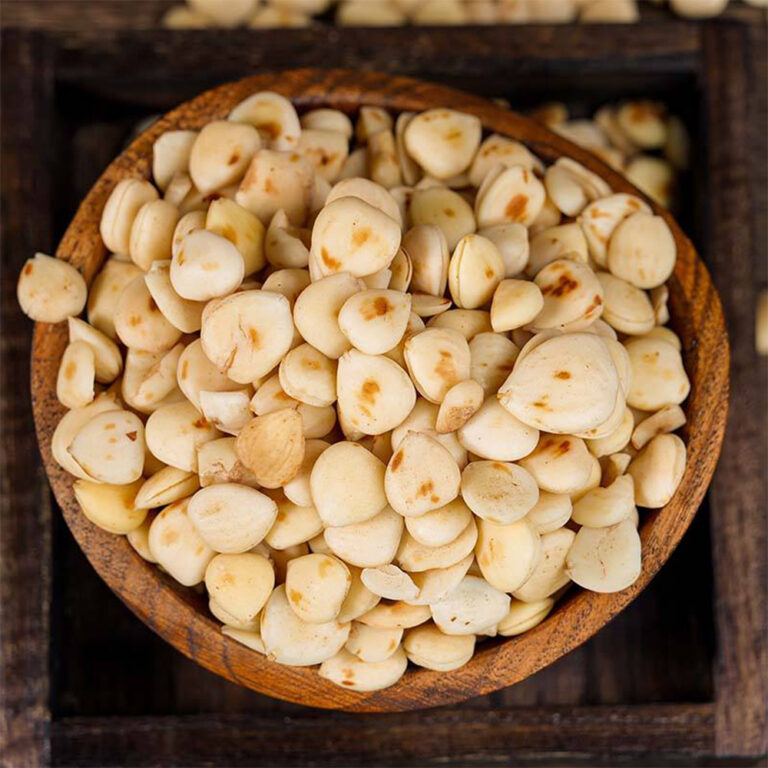
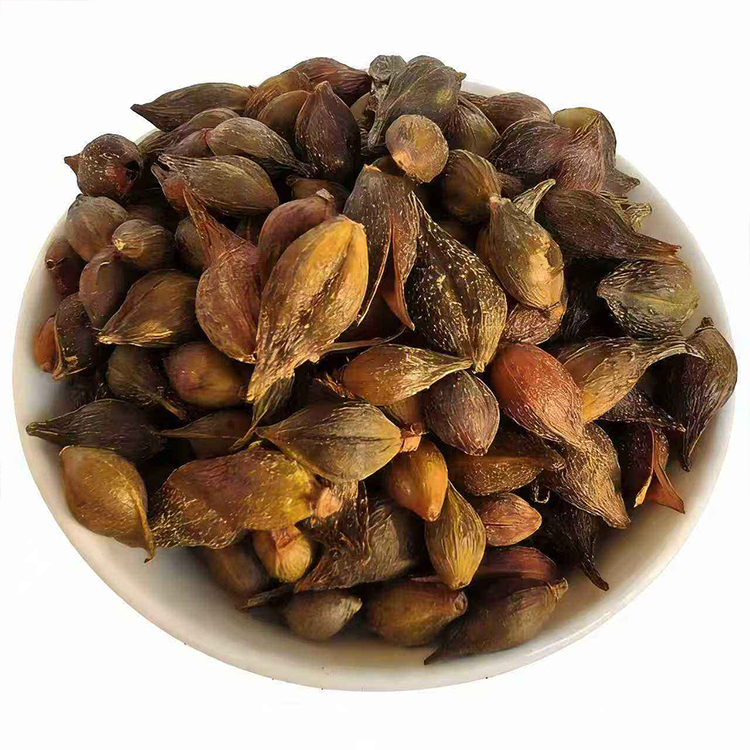
Leitfaden zum Großhandel mit Cuscuta-Samen für Hersteller von Kräuterpräparaten
Beim Kauf von Cuscuta-Samen geht es nicht nur darum, den Preis pro Kilogramm zu vergleichen. Für Hersteller von Präparaten können die botanische Identität, der Verarbeitungszustand, analytische Untersuchungen, die Qualifizierung der Lieferanten, die Einfuhrzulässigkeit und die Chargenkonsistenz darüber entscheiden, ob eine Lieferung zu nutzbarem Lagerbestand wird oder zu einem kostspieligen Problem hinsichtlich der Einhaltung von Vorschriften.
Es ist klein, trocken, relativ leicht zu transportieren und wird in den chinesischen Heilkräuter-Handelskanälen in großem Umfang gehandelt; dennoch steht eine Markenmanufaktur, die 100 kg, 500 kg oder mehrere Tonnen davon einkauft, vor einer weitaus komplexeren Frage als der: “Wer bietet den niedrigsten Großhandelspreis für Cuscuta-Samen?”
Was genau kaufen Sie denn?
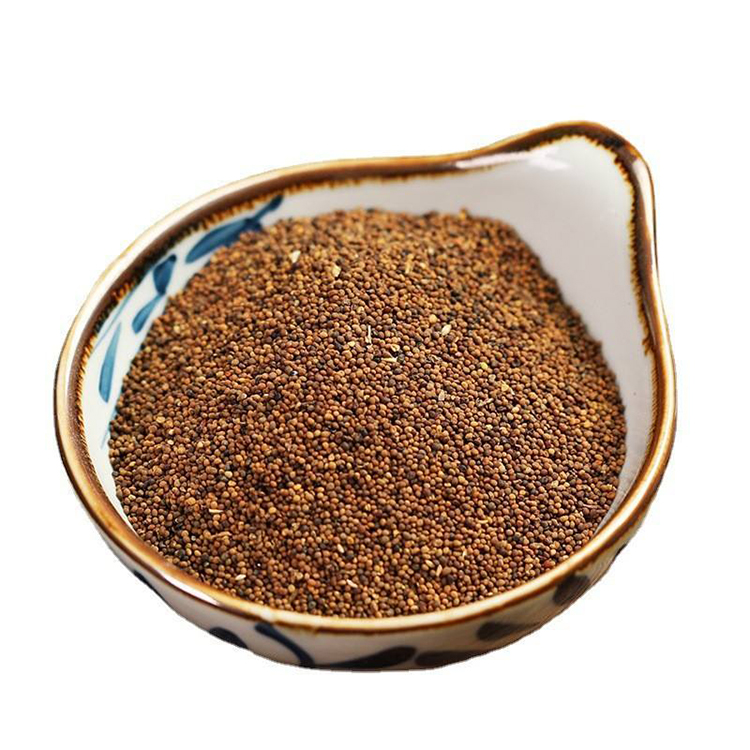
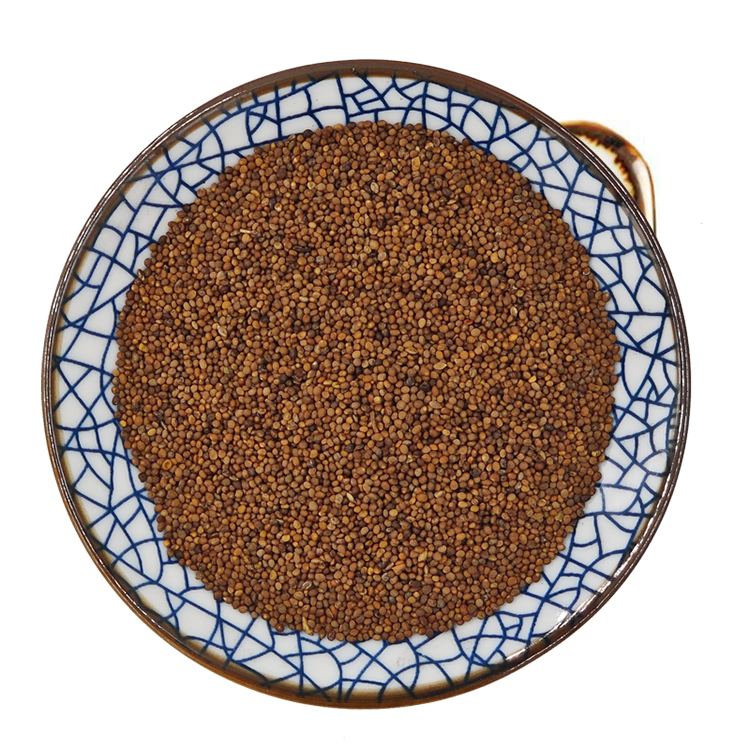
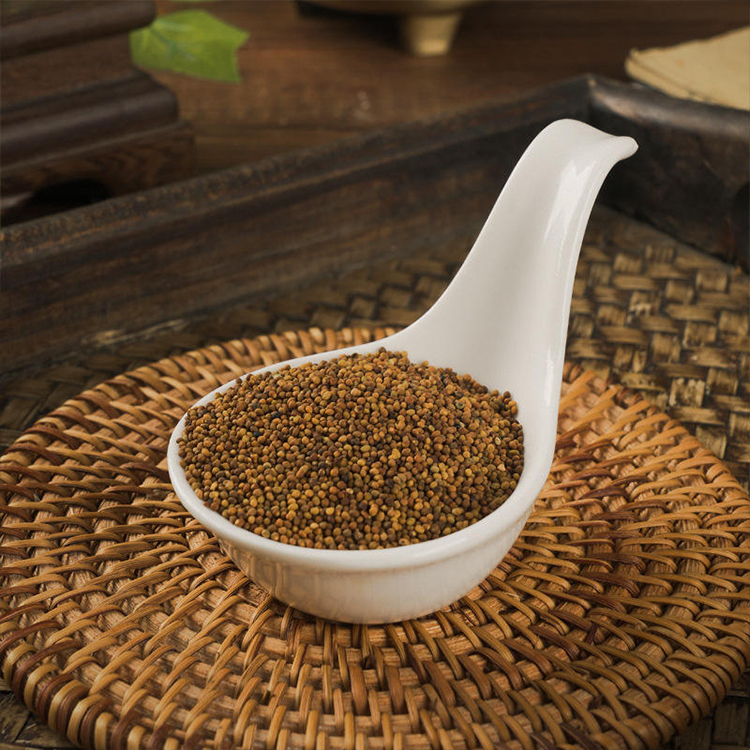
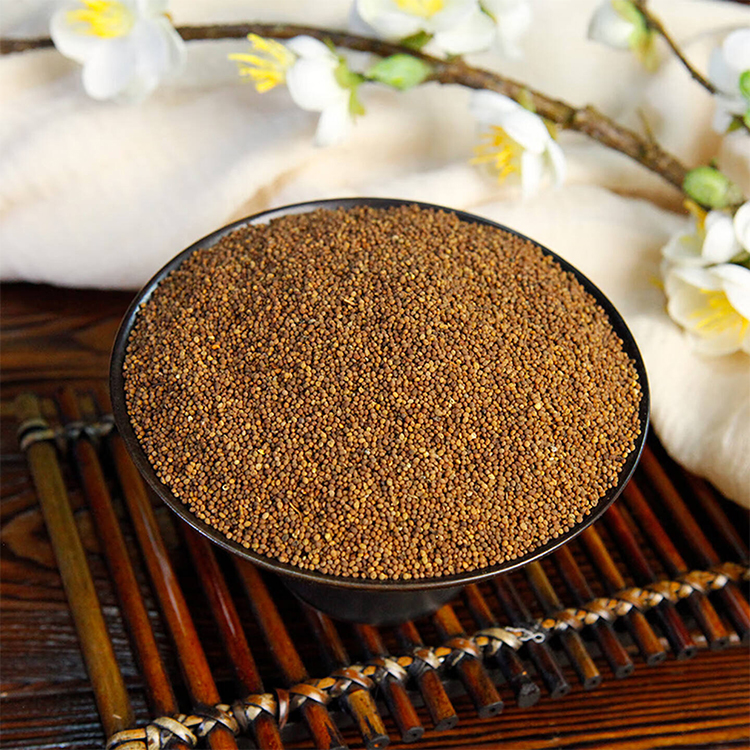
Der Handelsname kann als „Cuscuta-Samen“, „Chinesischer Dodder-Samen“, „Tu Si Zi“, „Semen Cuscutae“ oder „Cuscutae Semen“ angegeben sein. Die botanische Bezeichnung, die am häufigsten mit diesem Material in Verbindung gebracht wird, lautet Cuscuta chinensis Lam., ein Vertreter der Familie der Convolvulaceae; die Die NCBI-Taxonomie-Datenbank identifiziert Cuscuta chinensis als Taxonomie-ID 267557.
Für Marken, die pflanzliche Rezepturen, Extrakte, Pulver, Kapseln, Teemischungen oder andere pflanzliche Produkte entwickeln, ist der lateinische Name wichtiger als der Handelsname.
Und genau hier beginnt eine ernsthafte Beschaffung.
Warum der Großeinkauf von Cuscuta-Samen komplizierter ist, als es den Anschein hat
Der Preis ist zweitrangig.
Wenn ich ein Angebot für pflanzliche Rohstoffe prüfe, ziehe ich eine teure Charge mit einer nachweisbaren botanischen Identität, dokumentierter Herkunft, repräsentativer Probe, Analysemethode, Grenzwerten für Verunreinigungen, Verarbeitungsnachweis und chargenspezifischem Analysezertifikat einer verdächtig günstigen Charge vor, die nur durch ein zweiseitiges PDF-Dokument mit kopierten Spezifikationen untermauert wird.
Warum sollten Sie weniger für Material bezahlen, das Ihr Qualitätssicherungsteam später möglicherweise ablehnt?
Das ist keine reine Theorie.
In einem Mahnschreiben vom 13. August 2024 an Restorative Botanicals erklärte die US-amerikanische FDA, das Unternehmen habe keine angemessenen Identitätsspezifikationen für Inhaltsstoffe festgelegt, und wies darauf hin, dass einige Bestandteile zur Identifizierung ausschließlich auf physikalische Merkmale wie Farbe, Geruch und Geschmack stützten. Die Warnschreiben der FDA ist lesenswert, da es einen immer wiederkehrenden Fehler bei der Beschaffung botanischer Materialien verdeutlicht: Eine Sichtprüfung ist zwar nützlich, stellt jedoch für sich genommen kein zuverlässiges Verfahren zur Identifizierung dar.
Eine weitere Durchsetzungsmaßnahme der FDA beleuchtet denselben Sachverhalt aus einem etwas anderen Blickwinkel. Im September 2024 teilte die Behörde dem Unternehmen Far East Summit mit, dass physikalische und chemische Faktoren wie Aussehen, Geruch, Geschmack und Alkoholgehalt keine eindeutigen Kriterien darstellten, anhand derer sich die Produktidentität bestätigen ließe. In dem Schreiben wurden außerdem ausdrücklich die Spezifikationen für das Endprodukt in Bezug auf Blei, Cadmium, Quecksilber, Arsen, Gesamtkeimzahl und coliforme Bakterien erörtert, E. coli, Hefe und Schimmel, Salmonellenund Staphylokokken. Siehe die Warnschreiben der FDA zum Fernost-Gipfel.
Im Jahr 2026 folgte eine weitere Mahnung. In ihrem Mahnschreiben vom 4. Juni 2026 an Nutratech ging die FDA erneut auf die Spezifikationen hinsichtlich der botanischen Identität, der mikrobiologischen Grenzwerte, der Schwermetalle, der Pestizide, der Wirkstoffstärke und der Zusammensetzung gemäß 21 CFR Part 111 ein. Die Aufforderungsschreiben von Nutratech zeigt, dass es sich hierbei nicht um ein altes Compliance-Problem handelt, das die Branche bereits vor Jahren gelöst hat.
Die gleiche Lektion. Schon wieder.
Informieren Sie sich über die Bedeutung von “Cuscuta-Samen”, bevor Sie ein Angebot anfordern
Für Beschaffungszwecke sollte Ihre Angebotsanfrage mehr als nur die englische gebräuchliche Bezeichnung enthalten.
Eine aussagekräftigere Spezifikation beginnt mit:
Produktname: Cuscuta-Samen / Tu Si Zi
Botanischer Name: Cuscuta chinensis Lam.
Pharmakognostischer Name: Cuscutae Semen
Familie: Convolvulaceae
Pflanzenteil: reifer, getrockneter Samen
Verwendungszweck: Kräuterpräparate, Extraktion, Teeverarbeitung, Pulverherstellung oder andere festgelegte Verwendungszwecke in der Produktion
Verarbeitungsform: roh, geputzt, gewaschen, gebraten, gesalzen, gemahlen oder in einer anderen vereinbarten Form
Herkunftsland und -region
Losnummer
Erntejahr
Sollfeuchtigkeitsgehalt
Spezifikation für Fremdstoffe
Liste der zu untersuchenden Schadstoffe
Format der Verpackung
Zielmarkt
Dieses letzte Feld ist wichtiger, als vielen Käufern bewusst ist.
Eine Spezifikation, die für den inländischen Handel mit chinesischen Heilpflanzen in China akzeptabel ist, reicht für einen US-amerikanischen Hersteller von Nahrungsergänzungsmitteln, ein EU-Unternehmen für pflanzliche Rohstoffe, einen japanischen Importeur oder einen Auftragsverarbeiter im Bereich der Extraktion nicht automatisch aus.
Marken, die mehrere pflanzliche Rohstoffe gleichzeitig beziehen, können ein breiteres Großhandel mit chinesischen Kräutern und pflanzlichen Inhaltsstoffen Programm zur Bündelung von Wurzeln, Früchten, Samen, Blüten, Rinden, Pulvern und maßgeschneiderten pflanzlichen Produkten, anstatt für jede Artikelnummer einen separaten Lieferanten zu qualifizieren.
Rohe Cuscuta-Samen und verarbeitete Cuscutae Semen sind nicht austauschbar
Durch die Verarbeitung verändert sich die chemische Zusammensetzung.
Eine in PubMed indexierte Studie aus dem Jahr 2023 verglich rohes Cuscutae Semen mit gebratenem Cuscutae Semen anhand von HPLC-Fingerabdrücken und chemometrischen Analysen. Die Forscher quantifizierten 12 Verbindungen und berichteten, dass sich das chemische Profil durch die Erhitzung veränderte; sechs Verbindungen trugen maßgeblich zur Unterscheidung bei, darunter Neochlorogensäure, Kryptochlorogensäure, Kaffeesäure, Quercetin, Isorhamnetin und Kaempferol. Die Methode verwendete eine C18-Säule, eine mobile Phase aus 0,1%-Ameisensäure/Acetonitril, eine Säulentemperatur von 30 °C und eine Detektion bei 328 nm. Lesen Sie den PubMed-Eintrag zum Vergleich zwischen rohen und gebratenen Cuscutae Semen.
Das dürfte die Art und Weise, wie ein professioneller Einkäufer eine Angebotsanfrage verfasst, sofort verändern.
“Cuscuta-Samen, 500 kg” ist zu schwach.
"Cuscuta chinensis ”Lam. reife getrocknete Samen, gereinigtes Rohmaterial, unverarbeitet, festgelegte Herkunft, chargenspezifische Identitätsprüfung, Schadstoffprofil, Grenzwerte für Feuchtigkeit und Fremdstoffe, 500 kg“ ist weitaus besser.
Wenn Ihre Rezeptur auf der Grundlage von Rohmaterial entwickelt wurde, ersetzen Sie dieses nicht einfach stillschweigend durch geröstetes Material, nur weil ein Lieferant behauptet, beides sei “Tu Si Zi”.”
Chemische Fingerabdrücke bieten Käufern eine zusätzliche Ebene der Identitätskontrolle
Cuscuta ist chemisch gesehen ein ziemliches Durcheinander.
Das ist bei pflanzlichen Rohstoffen normal, da landwirtschaftliche Herkunft, Wirtspflanze, Erntebedingungen, Verarbeitung, Lagerung und Analysemethode die gemessenen Inhaltsstoffe beeinflussen können; es bedeutet aber auch, dass ein einzelner, vager Wert für den “Wirkstoff” nicht ausreicht, um den Rohstoff zu beschreiben.
Forschung zu Cuscuta chinensis Es werden wiederholt Flavonoide und verwandte Verbindungen identifiziert, darunter Quercetin, Kaempferol, Hyperosid, Isorhamnetin, Astragalin und Phenolsäuren. In einer in PubMed indexierten Studie wurden HPLC und mizellare elektrokinetische Chromatographie speziell zur Qualitätskontrolle der Flavonoide in Semen Cuscutae eingesetzt. Die Studie ist über PubMed verfügbar..
Zur Information:
Verbundstoff
Molekülformel
Warum ein Käufer dies möglicherweise nachverfolgen möchte
Quercetin
C15H10O7
Häufig verwendetes Flavonoid bei der chromatographischen Profilierung
Kaempferol
C15H10O6
Nützliche Komponente bei der vergleichenden botanischen Analyse
Hyperosid
C21H20O12
Quercetin-Glykosid, über das berichtet wurde in Cuscuta chinensis
Isorhamnetin
C16H12O7
Gemeldeter Bestandteil, der für den Fingerabdruckvergleich relevant ist
Kaffeesäure
C9H8O4
Phenolsäure, die in breiteren HPLC-Profilen auftreten kann
Die Summenformeln von Quercetin, Kaempferol und Hyperosid sind in der PubChem-Datenbank der US-amerikanischen National Library of Medicine bestätigt.
Ich würde diese Verbindungen nicht ohne triftigen Grund in willkürliche Einkaufsspezifikationen umwandeln.
Das kommt viel zu oft vor.
Ein Marketingmitarbeiter entdeckt in einer Fachzeitschrift den Begriff “Quercetin”, weist die Einkaufsabteilung an, einen hohen Quercetin-Anteil zu fordern, und schon hat das Unternehmen eine Qualitätsspezifikation erstellt, die möglicherweise kaum etwas mit seinem Herstellungsprozess, den behördlichen Zulassungsunterlagen, dem bisher verwendeten Material, der Ausbeute bei der Extraktion oder der fertigen Formulierung zu tun hat.
Setzen Sie Chemie sinnvoll ein.
Was Ihnen ein seriöses Analysezertifikat für Cuscuta-Samen verraten sollte
Ein COA gilt nur dann als Nachweis, wenn es die tatsächliche Charge beschreibt.
Ein Lieferantenzertifikat, in dem in zwölf aufeinanderfolgenden Zeilen “BESTANDEN” steht, ohne dass Methoden, Spezifikationsgrenzwerte oder tatsächliche Ergebnisse angegeben sind, ähnelt eher einem Werbematerial als einer analytischen Dokumentation.
In den CGMP-Leitlinien der FDA für Nahrungsergänzungsmittel wird erläutert, dass, wenn sich ein Hersteller hinsichtlich der geltenden Spezifikationen für Inhaltsstoffe auf ein Analysezertifikat des Lieferanten stützt, die Qualifizierung des Lieferanten und die regelmäßige Neubestätigung von Bedeutung sind, während das Zertifikat die Prüfverfahren, Grenzwerte und tatsächlichen Ergebnisse enthalten sollte. Der geltende Rechtsrahmen ist in 21 CFR Part 111, einschließlich der Abschnitte 111.70 und 111.75, geregelt. Der Leitfaden der FDA zur Einhaltung der Vorschriften für kleine Unternehmen erläutert die Anforderungen.
Beim Großhandelskauf von Cuscuta-Samen würde ich normalerweise ein Analysezertifikat (COA) oder ein Lastenheft anfordern, das zumindest die folgenden Bereiche abdeckt, sofern diese für den vorgesehenen Markt relevant sind:
Kann auf eine Verunreinigung durch Mineralien oder Boden hinweisen
Schwermetalle
Pb, Cd, As, Hg, sofern zutreffend
Gemeinsames Gremium für botanische Risiken
Pestizide
Marktgerechter Mehrfachrückstands-Screen
Risiken bei der Beschaffung landwirtschaftlicher Erzeugnisse
Mikrobiologie
TPC, Hefe/Schimmelpilze, E. coli, Salmonellen soweit zutreffend
Fertigung und Produktsicherheit
Chemisches Profil
TLC/HPLC/HPTLC oder eine andere begründete Methode
Fördert Identität und Konsistenz
Rückverfolgbarkeit der Lose
Informationen zu Charge, Herkunft, Ernte bzw. Produktion
Steuerung von Rückrufen und Nachbestellungen
Das USP-Allgemeine Kapitel , „Identifizierung von Stoffen pflanzlichen Ursprungs“, beschreibt die botanische Identifizierung als eine Kombination aus morphologischer oder histologischer Beurteilung und diagnostischen chemischen Tests, die mit bekannten botanischen Merkmalen abgeglichen werden. Das Kapitel zur botanischen Bestimmung im USP ist eine nützliche Informationsquelle beim Aufbau eines Programms zur Identifizierung von Inhaltsstoffen.
Das Problem mit den US-Importen, das viele Käufer von Cuscuta übersehen
Und jetzt kommt der unangenehme Teil.
Cuscuta ist nicht einfach nur eine weitere Saatgutpflanze. Es handelt sich um eine Gattung parasitärer Pflanzen, und das USDA APHIS unterwirft keimfähiges Saatgut und Vermehrungsmaterial von parasitären Pflanzen strengen Kontrollen.
In den Leitlinien der Behörde für das Jahr 2026 heißt es, dass Samen von parasitären Pflanzen aus allen Ländern nicht regulär eingeführt werden dürfen und zu Forschungszwecken nur unter bestimmten kontrollierten Bedingungen und mit einer PPQ-526-Genehmigung eingeführt werden dürfen. Das USDA APHIS erläutert die Vorschriften für Saatgut mit besonderen Anforderungen.
Es gibt jedoch eine wichtige Nuance.
APHIS führt gesondert an, dass die Kletterpflanze – dort als „Semen cuscatae“ bezeichnet, Cuscuta chinensis, Tu Si Zi, Cuscuta japonica, Toshishi oder Tosaja – dürfen in bestimmten Kräuterteeprodukten enthalten sein, sofern sie in einzelnen, aufgießfertigen Teebeuteln verpackt und so weit verarbeitet sind, dass die Samen eine graue Farbe aufweisen. APHIS veröffentlicht diese Leitlinien auf seiner Seite zu Tee- und Gewürzprodukten.
Siehst du den Unterschied?
Lebendes Saatgut, Rohsaatgut, verarbeitetes Heilmittel, pulverförmige Inhaltsstoffe, Extrakte, fertige Teebeutel und fertige Nahrungsergänzungsmittel werden an der Grenze möglicherweise nicht einheitlich behandelt.
Wenn Sie also Cuscuta-Samen in die Vereinigten Staaten importieren, gehen Sie bitte nicht davon aus, dass die Angabe “pflanzlicher Inhaltsstoff” auf der Handelsrechnung ausreicht. Überprüfen Sie vor dem Versand die genaue Warenbezeichnung, den Verarbeitungszustand, den Verwendungszweck, das Herkunftsland, die HS-Klassifizierung und die aktuelle Zulässigkeit im System „Agricultural Commodity Import Requirements“ der APHIS.
Dieser Anruf bei Ihrem Zollagenten ist günstiger als eine zurückgewiesene Sendung.
Großhandelspreise für Cuscuta-Samen: Die Zahl hinter der Zahl
Aktuelle Daten zu chinesischen Rohstoffen liefern nützliche Hintergrundinformationen.
Am 6. September 2026 meldete die chinesische Preisplattform für Arzneimittelrohstoffe „Zhongyaocai Tiandi“ einen Referenzpreis von etwa 17,50 RMB/kg für eine bestimmte Marktqualität von Cuscuta, was im Wochenvergleich unverändert blieb, jedoch 12,51 TP3T unter dem Vorjahreswert lag. Die Cuscuta-Preisübersicht für September 2026 finden Sie hier.
Verwechseln Sie das nicht mit Ihrem Exportpreis.
Es handelt sich um eine Referenz für den inländischen Rohstoffmarkt und nicht um ein verbindliches Angebot zu den Bedingungen FOB, CIF, DDP, in gereinigter Qualität, in geprüfter Qualität, GMP-konform verarbeitet, exportverpackt oder formulierungsfertig.
Ein professioneller Lieferant von Cuscuta-Samen muss möglicherweise folgende Kosten in Rechnung stellen:
Reinigen und Sortieren;
Waschen oder weitere Verarbeitung;
Fräsen oder Schleifen;
botanische Bestimmung;
Prüfung auf Pestizidrückstände;
Schwermetalluntersuchung mittels ICP-MS;
mikrobiologische Untersuchungen;
Aflatoxin-Untersuchungen, sofern erforderlich;
Laboruntersuchungen durch externe Labore;
Feuchtigkeitsbarriereverpackung;
Palettierung;
Eigenmarken;
gegebenenfalls pflanzengesundheitliche Unterlagen oder Ursprungsnachweise;
Exportabwicklung;
Fracht;
Zoll- und Bestimmungsortkontrolle.
Was billig ist, kann sehr schnell teuer werden.
Ich würde daher die Angebote anhand der Nutzkosten nach Anlieferung und nicht anhand des reinen Preises in RMB/kg vergleichen.
Eine bessere Möglichkeit, Anbieter von Cuscuta-Samen zu vergleichen
Hier ist die Lieferanten-Bewertungsvorlage, die ich verwenden würde.
1. Überprüfen Sie zunächst den botanischen Namen
Das Angebot sollte folgende Angaben enthalten Cuscuta chinensis Lam. anstatt bei “Dodder-Samen” aufzuhören.”
2. Fragen Sie, welche Verarbeitungsvorgänge stattgefunden haben
Roh-, gewaschene, gebratene, salzverarbeitete, pulverisierte und für Extrakte geeignete Materialien sollten niemals leichtfertig als gleichwertig behandelt werden.
3. Fordern Sie das aktuelle COA der Charge an
Kein Standardbeispiel.
Nicht das PDF vom letzten Jahr.
Das ganze.
4. Erkundigen Sie sich nach den Analysemethoden
“Schwermetalle: BESTANDEN” sagt Ihnen nur sehr wenig. ICP-MS, ICP-OES, USP-Methoden, Verfahren gemäß Arzneibüchern, intern validierte Methoden und Methoden von externen Labors sind Informationen, die sich wesentlich voneinander unterscheiden.
5. Überprüfung der Qualifikationsunterlagen der Lieferanten
Bei US-amerikanischen Programmen für Nahrungsergänzungsmittel liegt die Verantwortung weiterhin bei Ihrem eigenen Qualitätssicherungssystem. Die Angabe “GMP” durch einen Lieferanten entbindet Sie nicht von Ihren Verpflichtungen gemäß 21 CFR Part 111.
6. Die Spezifikationen an das Zielland anpassen
Die Vorschriften des USDA und der FDA, die EU-Lebensmittelvorschriften, nationale Arzneibücher, kundenspezifische Standards des Einzelhandels sowie pharmazeutische Anforderungen können zu sehr unterschiedlichen Abnahmekriterien führen.
7. Eine repräsentative Stichprobe genehmigen
Ein goldenes Muster kann den Einkaufs-, Qualitätssicherungs- und Produktionsteams dabei helfen, sich vor der Serienproduktion über Aussehen, Reinigungsgrad, Geruch, Partikelprofil und Verarbeitungszustand zu einigen.
Für Marken, bei denen nach der Freigabe der Rohstoffe ein Mahlen, Zerkleinern, Mischen oder die Herstellung von Rezepturen erforderlich ist, bieten wir Mischen und Mahlen von Kräutern als Massengut können in dasselbe Beschaffungsprogramm integriert werden.
Wann OEM oder ODM sinnvoller sind als der Kauf von Rohsaatgut
Nicht jede Kräutermarke sollte ganze Samen kaufen.
Wenn es sich bei dem Endprodukt um eine Pulvermischung, einen Teebeutel, eine Kräuterrezeptur unter Eigenmarke, Kapsel-Rohmaterial oder eine maßgeschneiderte pflanzliche Mischung handelt, kann der Einkauf von Rohstoffen bei einem einzigen Unternehmen und deren Weiterleitung an mehrere unabhängige Verarbeiter zu zusätzlichen Transfers, erneuten Testanforderungen, Ertragsverlusten, Lücken in der Dokumentation und Problemen mit den Chargennummern führen.
Für diese Programme, integriert OEM- und ODM-Fertigung chinesischer Kräuterprodukte kann die Beschaffung von Rohstoffen, die Verarbeitung, das Mahlen, das Mischen, die Kontrolle, die Verpackung, die Etikettierung und die Erstellung der Exportunterlagen im Rahmen einer festgelegten Projektspezifikation bündeln.
Ich bevorzuge eine langweilige Rückverfolgbarkeit.
Eine Rohstoffcharge. Eine genehmigte Spezifikation. Ein dokumentierter Verarbeitungsablauf. Eine Chargenhistorie des Endprodukts.
Lieferbedingungen: EXW, FOB, CIF, DDP oder eine gewünschte Alternative
Dadurch erhält der Anbieter genügend Informationen, um ein Angebot für das konkrete Projekt zu erstellen, anstatt einen attraktiven, aber aussichtslosen Preis zu nennen.
FAQs
Was ist Cuscuta-Samen?
Cuscuta-Samen sind getrocknete, reife Samen, die üblicherweise unter den Bezeichnungen „Tu Si Zi“, „Cuscutae Semen“, „Semen Cuscutae“ oder „chinesische Dodder-Samen“ gehandelt werden und meist in Verbindung mit Cuscuta chinensis Lam. in Kräuterlieferketten und für die traditionelle Kräuterverarbeitung, Rezepturherstellung, Extraktion, Vermahlung, die Herstellung von Teeprodukten sowie andere Anwendungen in der pflanzlichen Produktion.
Beim Großeinkauf sollten vor der Genehmigung der botanische Name, der Pflanzenteil, die Herkunft, der Verarbeitungszustand, die Identifizierungsmethode, die Grenzwerte für Verunreinigungen und der Zielmarkt bestätigt werden.
Wie kann ich Cuscuta-Samen im Großhandel beziehen?
Um Cuscuta-Samen im Großhandel zu beziehen, erstellen Sie eine Angebotsanfrage, in der Sie die botanische Identität, die Verarbeitungsform, die Menge, das Bestimmungsland, den vorgesehenen Verwendungszweck in der Produktion, die erforderlichen analytischen Prüfungen, die Verpackungsform, die Anforderungen an die Dokumentation sowie die Lieferbedingungen angeben. Vergleichen Sie anschließend die Lieferanten anhand repräsentativer Proben, chargenspezifischer Analysezertifikate (COAs), Analysemethoden, Rückverfolgbarkeitsnachweisen und der Gesamtkosten bis zur Lieferung (Landed Cost) und nicht nur anhand des Stückpreises.
Bei Formulierungsmarken sollte die Lieferantenqualifizierung vor dem ersten Einkauf im kommerziellen Maßstab erfolgen und nicht erst, nachdem eine Lieferung bereits eingetroffen ist.
Welche Prüfungen sollte ein Lieferant von Cuscuta-Samen vorlegen?
Ein Lieferant von Cuscuta-Samen sollte Prüfungen durchführen, die der Spezifikation der Zutat und dem Zielmarkt entsprechen. Dazu gehören in der Regel die botanische Identifizierung, Feuchtigkeitsgehalt, Fremdstoffe oder Aschegehalt, Schwermetalle, Pestizidrückstände und mikrobiologische Grenzwerte sowie zusätzlich chromatographische Fingerabdruckanalysen, Mykotoxinuntersuchungen, Untersuchungen auf Schwefelverbindungen oder kundenspezifische Analysen, sofern dies aufgrund des Produkts, des Herstellungsprozesses und der behördlichen Zulassungswege gerechtfertigt ist.
Ein wirklich nützliches COA enthält konkrete numerische Ergebnisse, Grenzwerte, Prüfverfahren, Chargenkennungen und Laborangaben – und nicht nur ein Blatt, auf dem lediglich das Wort “BESTANDEN” steht.”
Dürfen Cuscuta-Samen in die Vereinigten Staaten eingeführt werden?
Die Einfuhr von Cuscuta-Samen in die Vereinigten Staaten erfordert besondere Aufmerksamkeit, da Cuscuta ist eine Gattung parasitärer Pflanzen, und das USDA APHIS unterwirft das Saatgut parasitärer Pflanzen Beschränkungen, während bestimmte, ausreichend verarbeitete, Dodder enthaltende Kräuterfertigprodukte möglicherweise anders behandelt werden. Daher sind vor dem Versand der genaue Verarbeitungszustand, der Verwendungszweck, die Wareneinstufung, das Herkunftsland und die aktuelle Zulässigkeit durch das APHIS von entscheidender Bedeutung.
Verlassen Sie sich nicht ausschließlich auf die bisherigen Versanddaten eines Lieferanten in die USA. Vorschriften, Warenbedingungen und Kontrollentscheidungen sollten anhand der aktuellen APHIS-ACIR-Anforderungen für genau das zu importierende Produkt überprüft werden.
Welches Cuscuta-Samenprodukt eignet sich am besten für Hersteller von Kräuterpräparaten?
Das beste Cuscuta-Samenprodukt für eine Markenformulierung ist nicht unbedingt das größte, dunkelste, billigste oder dasjenige mit dem höchsten Gehalt an einem bestimmten isolierten sekundären Pflanzenstoff; es ist das Material, dessen botanische Identität, Verarbeitungsbedingungen, physikalische Spezifikationen, chemisches Profil, Grenzwerte für Verunreinigungen, Analysemethoden, Rückverfolgbarkeit und Chargenkonsistenz mit der validierten Rezeptur des Herstellers, den regulatorischen Marktanforderungen, dem Qualitätssystem und den Anforderungen an das Endprodukt übereinstimmen.
Konsistenz ist wichtiger als Marketing-Adjektive. “Premium”, “wild”, “natürlich” und “hochwirksam” sind schwache Kaufkriterien, solange ihnen keine messbaren Akzeptanzkriterien zugrunde liegen.
Wie viel kostet Cuscuta-Samen im Großhandel?
Die Großhandelskosten für Cuscuta-Samen variieren je nach Herkunft, Erntebedingungen, Reinigungsgrad, Verarbeitungszustand, Bestellvolumen, Prüfanforderungen, Verpackung, Dokumentation und Versandbedingungen; Chinesische Marktdaten vom 6. September 2026 wiesen einen inländischen Referenzpreis von rund 17,50 RMB/kg aus, doch exportfertiges Material kann deutlich teurer sein, wenn Kosten für Verarbeitung, Laboruntersuchungen, Verpackung, Logistik und die Einhaltung gesetzlicher Vorschriften einbezogen werden.
Aus diesem Grund sollten Marken Angebote auf der Grundlage einer festen Spezifikation einholen, anstatt nicht miteinander vergleichbare Online-Preislisten zu vergleichen.
Cuscuta-Samen als Ausgangsmaterial im Vergleich zu einer konkreten Spezifikation
Wenn Ihre Marke eine pflanzliche Rezeptur, einen Tee, ein Pulver, einen Extrakt, einen Kapselinhaltsstoff oder ein Kräuterprodukt unter Eigenmarke entwickelt, sollten Sie bei der Spezifikation ansetzen – nicht beim Preis.
Senden Sie uns Ihre Anforderungen Cuscuta chinensis Format, Bestellmenge, Zielmarkt, Testgruppe, Verpackungsanforderungen und Verwendungszweck. Wir können das Projekt im Hinblick auf die Lieferung von Cuscuta-Samen in Großmengen, kundenspezifische Verarbeitung, Mahlen, Mischen, OEM/ODM-Fertigung, COA-Dokumentation und Exportvorbereitung prüfen.
Unsere niedrige Mindestbestellmenge von 1 kg (2,2 lb) macht es einfach, chinesische Kräuterscheiben oder chinesische Heilkräuter im Großhandel zu bestellen. Private Label und zweisprachige Etikettierung sind ebenfalls erhältlich.
Lieferzyklus & Unterstützung
Wir haben eine schnelle Vorlaufzeit von 7 Tagen. Wir bieten kostenlose Proben, COA-Berichte und technische Unterstützung, um Ihnen dabei zu helfen, qualitativ hochwertige chinesische Kräuter als Massenware auf den Markt zu bringen.
Qualität und Zertifizierungen
Unsere Produkte werden in einer GMP-zertifizierten Einrichtung hergestellt und erfüllen die ISO22000-Normen. Alle chinesischen Kräuter werden von Dritten auf Schwermetalle, Pestizide und Mikroorganismen getestet.