Epimedium Leaf: Why Species Identification Matters to Buyers
Epimedium leaf is sold under loose trade names. This guide explains which species matter, how identity is verified, and what to specify before a bulk RFQ.
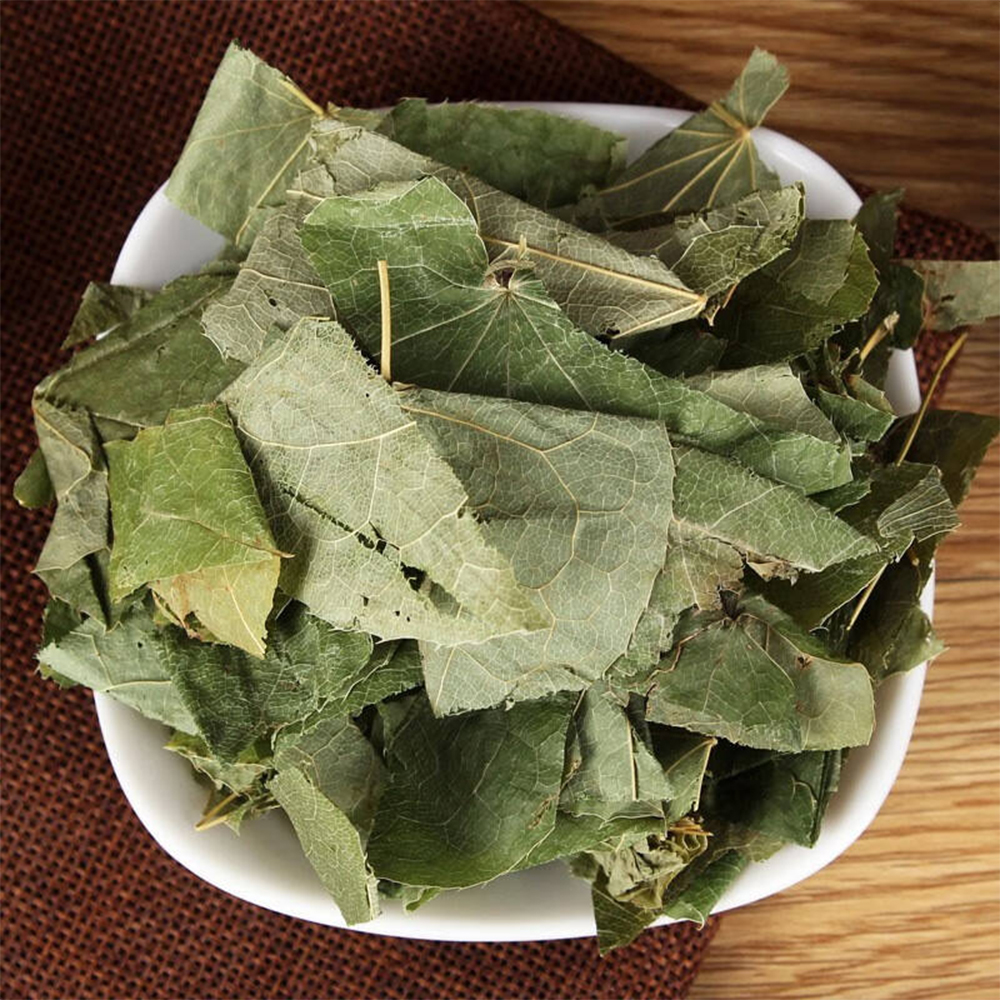
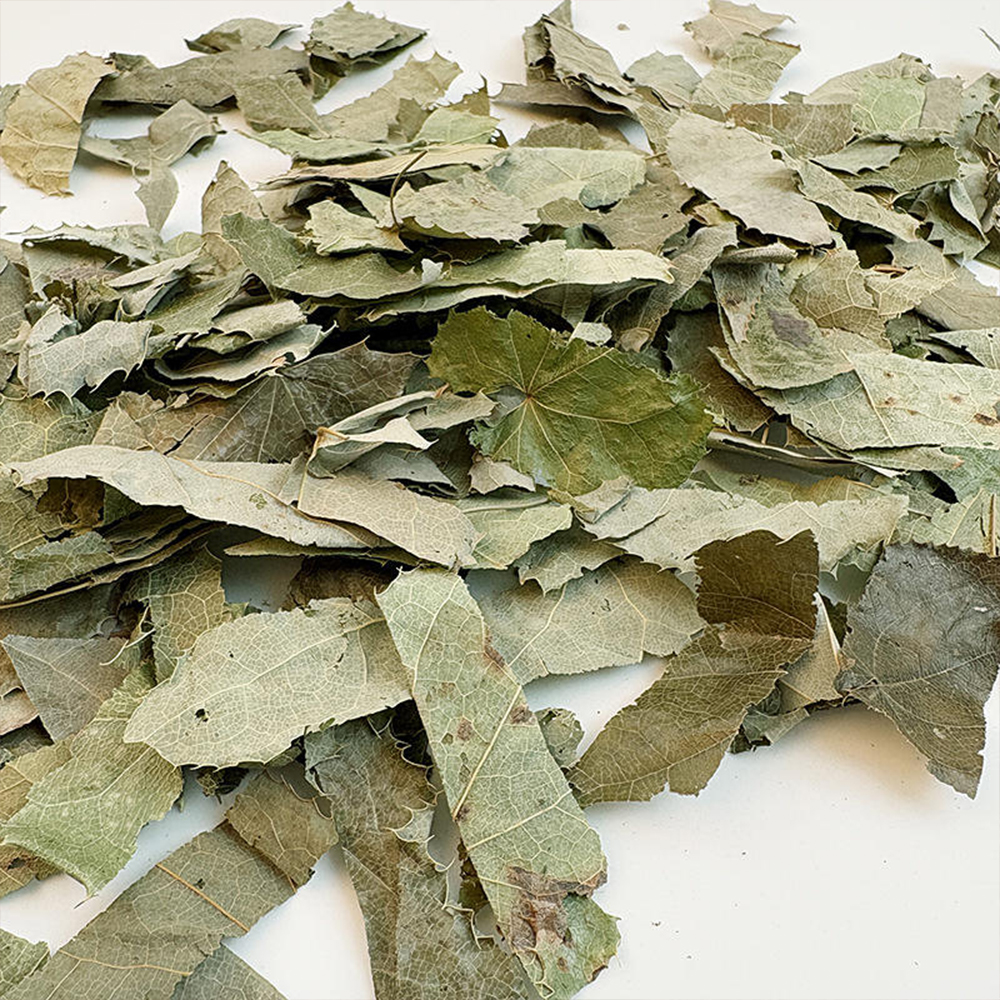
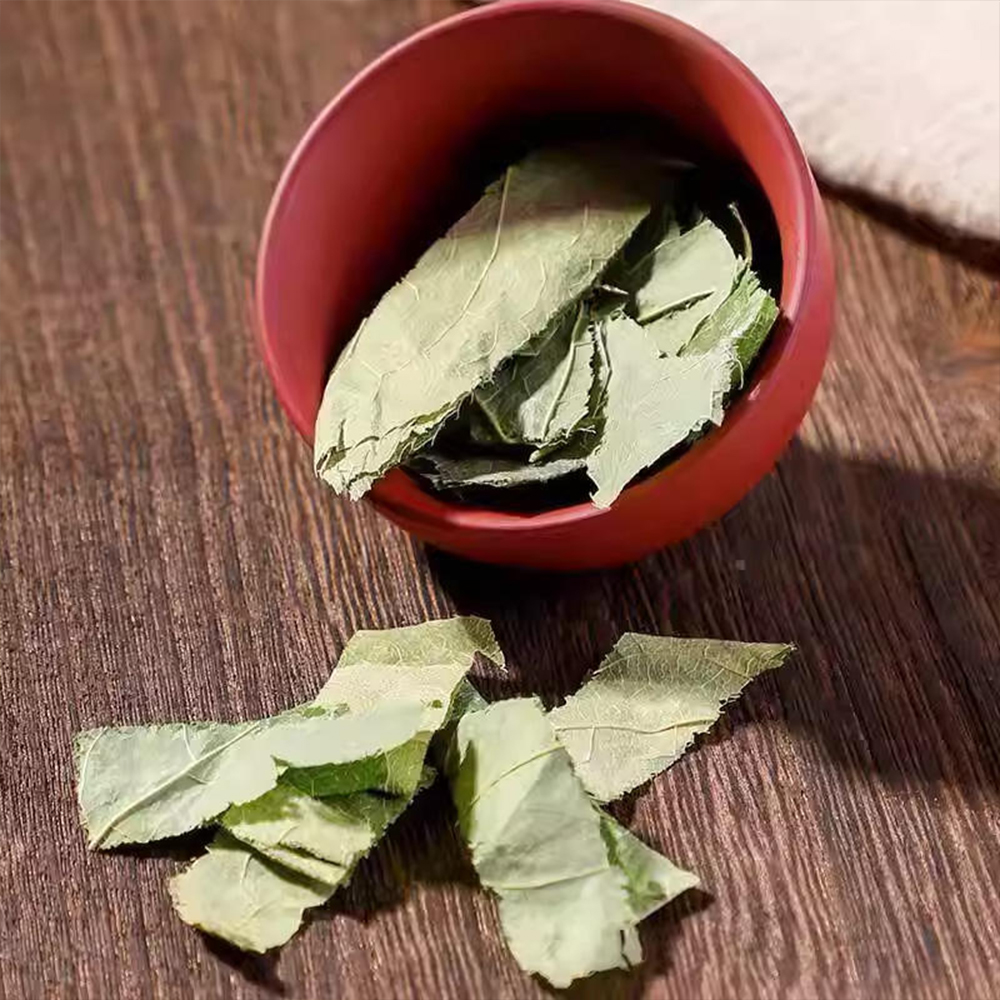
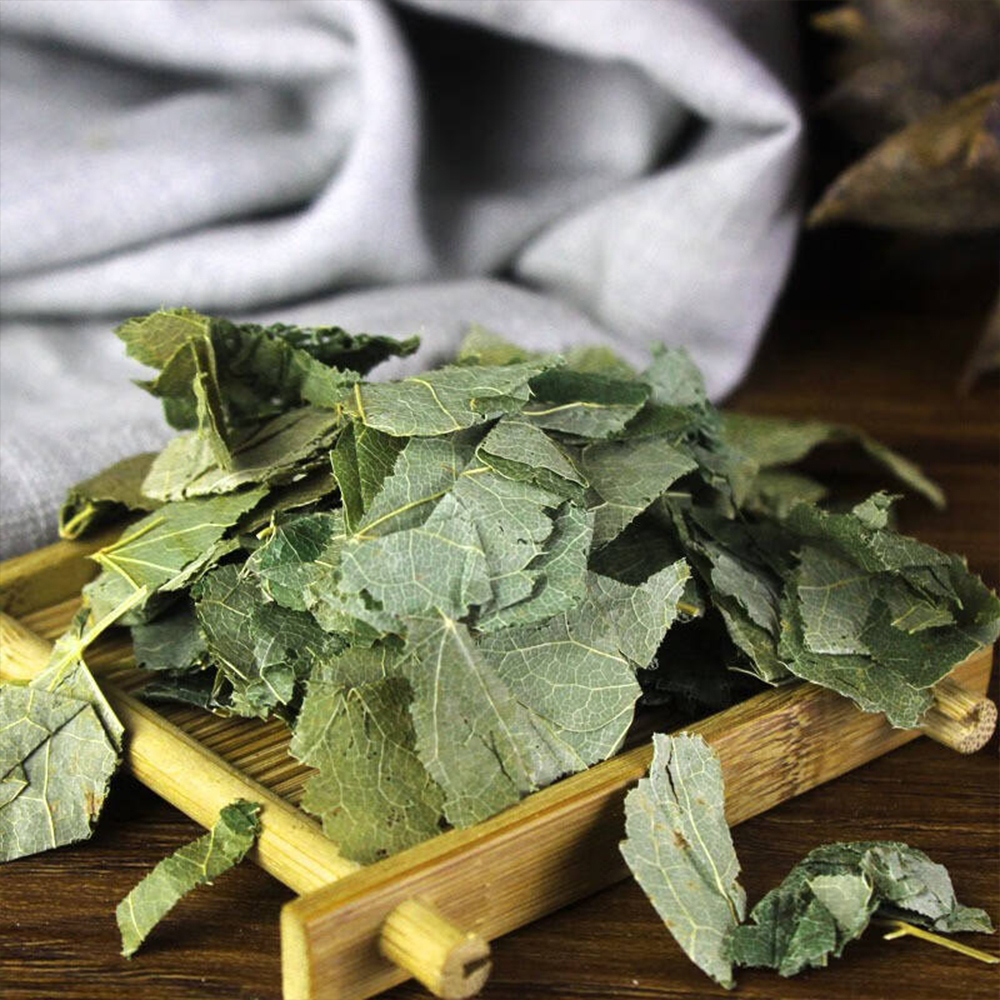
“Epimedium leaf” sounds like one ingredient, but it is a trade name that can cover several botanically distinct plants. Epimedii Folium, the pharmacopoeial name for the dried leaf, is defined by the Chinese Pharmacopoeia as coming from more than one Epimedium species. Trade names such as Yin Yang Huo, horny goat weed, and Xian Ling Pi are applied loosely across them. For a procurement manager, formulator, or QA lead, that has practical consequences. Different species and growing regions produce different flavonoid profiles, and look-alike species are hard to separate once the leaf is dried and cut. This article explains which species matter, how identity is verified, what a COA can and cannot prove, and what to write into a specification before ordering.
Why “Epimedium Leaf” Does Not Name One Species
The genus Epimedium contains dozens of species, and several are used as medicine. When a purchase order says only “Epimedium leaf” or “Yin Yang Huo,” the supplier chooses which plant to ship. Two lots can both be correctly described as Epimedium leaf in everyday trade and still be different species, from different provinces, with different chemistry.
Supplier listings often reflect this looseness. The bulk Epimedium Leaf (Yin Yang Huo) product listing on this site, for example, gives the Latin name as Epimedii Folium and the species field as “various.” That describes the broad category honestly, but it is not a specification. A listing under the Xiao Ye Yin Yang Huo name gives a more specific species field, but a trade name is still not a botanical specification. Whichever page a buyer starts from, the species, origin, and test method should be confirmed in writing for the lot being quoted.
Pharmacopoeial status as described in the sources above
What a buyer should confirm
Epimedium brevicornu
Listed as a source of Epimedii Folium
Latin binomial on spec and COA; origin; not mixed with E. koreanum
Epimedium sagittatum
Listed as a source
Same checks; ask which region the lot came from
Epimedium pubescens
Listed as a source
Same checks; confirm the label matches the botanical name, not only a trade grade
Epimedium koreanum
Listed as a source
Frequently confused with E. brevicornu in commercial markets, so ask how identity was confirmed
Epimedium wushanense
Counted as a fifth species in some papers
Confirm which monograph applies in your target market before accepting
Unspecified “Yin Yang Huo”
Not a defined species
Treat as an incomplete specification and ask the supplier to name the species
The table reflects literature descriptions, not legal advice. Which pharmacopoeia, if any, applies depends on the destination market and the finished product category.
Why Species Changes Quality, Not Just the Label
The practical reason to care is chemistry. A 2021 HPLC fingerprint study in Frontiers in Pharmacology compared nine sets of Epimedii Folium from different locations and species in Eastern Asia. The authors report that samples clustered by both species and geographical origin. They also report that the concentrations of epimedin C, icariin, and baohuoside I were significantly influenced by both factors. In that sample set, E. sagittatum from Sichuan had the highest content of these compounds.
Read that finding with its limits. It covers nine sample sets, not the whole market, and it does not mean E. sagittatum is the right choice for every product. It does show two things that matter in purchasing:
Species is a variable in marker content. If your finished-product specification depends on icariin or related flavonoids, switching species between lots can move the numbers.
Origin is a second variable. The same species from different regions can differ, so “Epimedium brevicornu” alone is still not a complete lot description.
Identification is also harder than it looks. A 2025 genomics study in BMC Genomics notes that adulteration in Epimedium leaf is widespread because species look alike. It also notes that E. brevicornu and E. koreanum are frequently confused in commercial markets. Dried, cut leaf gives a buyer very little to inspect by eye.
Does a Passing Icariin Result Prove You Received the Right Species?
No. This is the assumption most worth qualifying. A COA that reports icariin or total flavonoids above a threshold shows that the lot met a chemical criterion. It does not show which species produced it. A different species, or a mix of species, can sometimes satisfy the same single-marker limit while having a different overall profile.
The reverse also holds. A lot of the correct species can fall short of a marker threshold because of origin, harvest timing, or storage. Chasing the highest icariin figure is not automatically the right goal either. If you are making a decoction-piece product to a pharmacopoeial standard, compliance with that monograph matters more than the maximum number. If you are making a standardized extract, your extraction yield and target marker profile matter more than any raw-leaf figure.
For this reason, species identity and marker content should be written as two separate lines in the specification, each with its own test method.
An Illustrative Scenario
This is a hypothetical example, not a customer case. A supplement brand approves a first lot of Yin Yang Huo leaf. The COA shows an acceptable icariin value. Six months later, the reorder passes the same value, but the leaf is from a different species and region, and the finished capsule’s marker profile shifts. No single COA line was “wrong,” yet the product changed. The gap was a specification that never named the species or origin.
How Identity Can Be Verified: Methods Compared
No single test settles identity. Each method answers a different question.
Méthode
What it can show
Limitation to keep in mind
Macroscopic and microscopic examination
Confirms the material is Epimedium leaf and flags obvious foreign matter
Subtle differences between look-alike species are difficult to judge in cut material
TLC or HPLC fingerprint against a reference
Compares the chemical pattern with an authenticated reference sample
Needs a reliable reference; origin also affects the pattern
Single-marker assay (for example icariin)
Confirms a quantitative marker criterion
Does not identify species by itself
Codage à barres de l'ADN
Can support species-level identification
A 2018 barcoding study in Genes tested 37 Epimedium species and found that the best multilocus combinations discriminated 17 of them, so a barcode result has limits
Voucher specimen and origin records
Links the lot to a documented plant and collection area
Only as reliable as the supplier’s traceability system
The practical conclusion is to combine methods. A buyer who asks for a fingerprint comparison, a marker assay, and traceability records will learn more than one who asks for a single COA line. If DNA testing is requested, the specification should name the method and the target species, not just ask for “DNA test passed.”
For U.S. dietary supplement manufacturers, identity testing is also a regulatory matter. Under 21 CFR Part 111, section 111.75, a manufacturer must conduct at least one appropriate test or examination to verify the identity of a dietary ingredient before use, unless FDA grants an exemption petition. That applies to U.S. dietary supplement manufacturers. Buyers in other markets should check their own rules.
Where Species Problems Enter the Supply Chain
Species errors rarely come from a single dramatic event. They usually enter through ordinary gaps:
Trade names stand in for botanical names. “Yin Yang Huo,” “Xiao Ye,” and “horny goat weed” are commercial labels. None of them replaces a Latin binomial on a COA.
Mixed sourcing. Leaf aggregated from several collectors or regions may combine species, especially when traceability stops at the trader.
Spec copied from an old order. A reorder that references the previous PO instead of the master specification can quietly change species or origin.
Identity inferred from a marker. As explained above, a marker result is not an identity test.
No representative data on how often these errors occur was found. This list describes plausible failure points based on the literature and general audit practice, not a measured frequency.
Species, Leaf Integrity, and Processing Are Separate Specifications
Species identity answers “which plant.” It does not answer “what condition.” Epimedium leaf is brittle, and fines and dust affect blending, filling, and cleanup. The site’s article on leaf integrity and dust control on OEM lines covers cut size, fines, and handling. A buyer writing a spec should keep these as independent lines: species and origin, marker and contaminant limits, then cut size and fines tolerance.
Species also interacts with claims. Epimedium is best known in the market for libido and vitality positioning, but the evidence is uneven. The site’s overview of Epimedium’s traditional uses and icariin research notes that much of the strong data comes from animal and laboratory work, with fewer and smaller human trials. Because chemistry varies by species and origin, brands that make quantitative claims about icariin should be especially careful about the raw-material identity behind those numbers. Claim wording should be reviewed with regulatory counsel for each target market.
Auditing Identity Controls and Handling Import Documents
Identity claims are only as strong as the system behind them. A buyer qualifying a supplier can use the Processus d'audit des fournisseurs d'herbes chinoises to check whether lot-level identity, traceability, and corrective-action records exist, rather than relying on a certificate PDF. For Epimedium, useful audit questions include:
Who identifies the species at intake, and with what reference material?
Are voucher samples or retained samples kept for each lot?
Can the supplier trace a lot back to a collection or cultivation area?
What happens when the identity test does not match the order?
For cross-border orders, species names also need to be consistent across the PO, COA, packing list, and labels. The Guide pour l'importation de tranches de plantes médicinales en provenance de Chine covers the documentation side of the import process. Mismatched naming between documents is an avoidable source of delays and QA holds.
Que doivent préciser les acheteurs avant de demander un devis ?
A quote based on “Epimedium leaf, bulk” will compare poorly with another supplier’s quote for a different species. Put these fields in the RFQ:
Identité botanique : the accepted Latin binomial or binomials, and whether mixing is permitted. Say “single species only” if that is what you need.
Pharmacopoeial or in-house standard: the standard and edition, or your own specification.
Origine : the province or region, if it matters for your marker profile.
Identity test method: macroscopic, TLC or HPLC fingerprint, DNA, or a combination, and which reference is used.
Marker assay: which compound (for example icariin), the method, and the acceptance range.
Contaminants : heavy metals, pesticide residues, microbiology, and any sulfur dioxide requirement, based on your target market.
Forme physique : cut size, fines tolerance, moisture, and packaging.
Documents: lot-specific COA, retained sample, and traceability records.
Sample approval: whether the pre-shipment sample must match the production lot on both species and fingerprint.
The supplier’s product pages state a 1 kg MOQ, a 7-day lead time, free samples, and COA reports. Confirm that these terms apply to the particular species, grade, and test package you specify, since added identity testing can affect cost and timing.
Questions fréquemment posées
Is Epimedium leaf the same as Yin Yang Huo and horny goat weed?
They are common names for the same general herb category, but they do not specify a species. Epimedii Folium can come from several Epimedium species, so buyers should request the Latin binomial rather than rely on a trade name.
Which Epimedium species does the Chinese Pharmacopoeia accept?
Papers citing the 2020 edition describe four sources: E. brevicornu, E. sagittatum, E. pubescens, and E. koreanum. Some publications also count E. wushanense as a fifth. Confirm the edition and monograph that applies to your product and market.
Can a COA with an icariin result confirm species?
No. An icariin result confirms a marker criterion, not botanical identity. Ask for a separate identity test, such as a fingerprint comparison against an authenticated reference, and a traceability record linking the lot to its origin.
Does species affect icariin content?
Yes, alongside geographic origin. A 2021 HPLC study of nine sample sets found that both factors significantly influenced epimedin C, icariin, and baohuoside I content. Results from nine sets do not predict every lot, so test each one.
Is DNA barcoding enough to identify Epimedium species?
Not by itself. A 2018 study of 37 Epimedium species found the best barcode combinations could discriminate 17. Use DNA testing as one tool alongside chemical fingerprinting, morphology, and origin records, and specify the target species.
What should an RFQ for Epimedium leaf include?
Include the accepted Latin name or names, the standard or specification, origin, identity test method, marker assay, contaminant limits, cut size and fines tolerance, packaging, and required documents. Add whether species mixing is allowed and whether sample approval covers identity.
Notre faible QMo de 1 kg permet de commander facilement des tranches d'herbes chinoises ou des herbes médicinales chinoises en gros. Des étiquettes privées et bilingues sont également disponibles.
Cycle de livraison et soutien
Notre délai de livraison est de 7 jours. Nous fournissons des échantillons gratuits, des rapports COA et une assistance technique pour vous aider à mettre sur le marché des herbes chinoises en vrac de haute qualité.
Qualité et certifications
Nos produits sont fabriqués dans une usine certifiée GMP et répondent aux normes ISO22000. Toutes les herbes chinoises sont testées par une tierce partie pour détecter les métaux lourds, les pesticides et les micro-organismes.