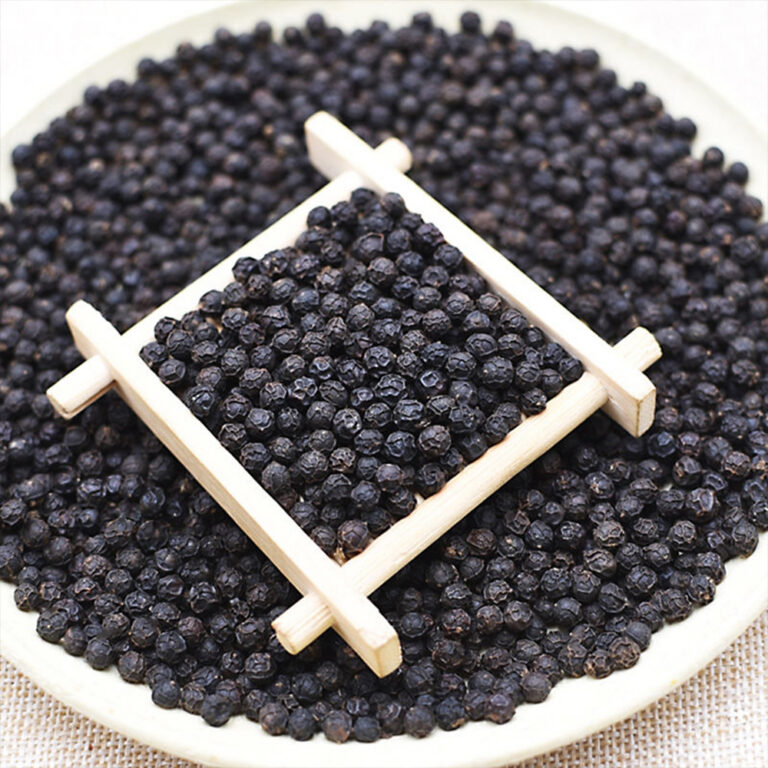
Suministro a granel de moras: color, dulzor y estabilidad de conservación
Las moras a granel son fáciles de fotografiar y, sorprendentemente, difíciles de estandarizar. Esta guía, orientada al comprador, explica cómo el color, los sólidos solubles, la acidez, el control del secado, la actividad del agua, el envasado y los registros de almacenamiento determinan si un lote cumple con las expectativas o se convierte en una costosa reclamación.
Dado que una baya oscura puede indicar un desarrollo excesivo de pigmento, una maduración excesiva, oxidación superficial, un secado desigual o, simplemente, las características genéticas de la variedad, un equipo de compras que apruebe moras a granel Basarse en fotografías es arriesgarse en cuanto al sabor, el rendimiento del procesamiento y la vida útil.
¿Por qué asumir ese riesgo?
A la hora de evaluar los ingredientes botánicos, sigo una regla muy sencilla: los adjetivos no cuentan como especificaciones. Términos como “premium”, “dulce de forma natural” y “secado con esmero” suenan tranquilizadores, pero ninguno de ellos indica al comprador qué ocurrirá tras 60 días en un almacén, durante la extracción o dentro de una bolsita de té ya envasada.
La cuestión comercial no es si las moras tienen buen aspecto hoy. Es si el próximo envío estará a la misma altura.
Las moras a granel no constituyen un único producto básico
La frase Venta al por mayor de frutos de morera puede referirse a tres productos muy distintos:
Fruta fresca y muy perecedera destinada a su transformación inmediata
Fruta congelada o puré para bebidas, mermelada y extracción
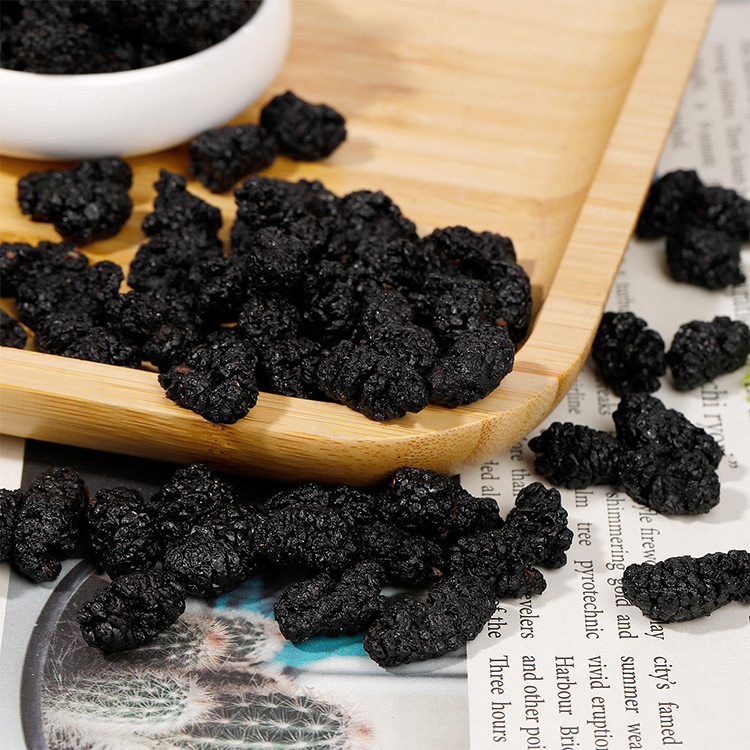
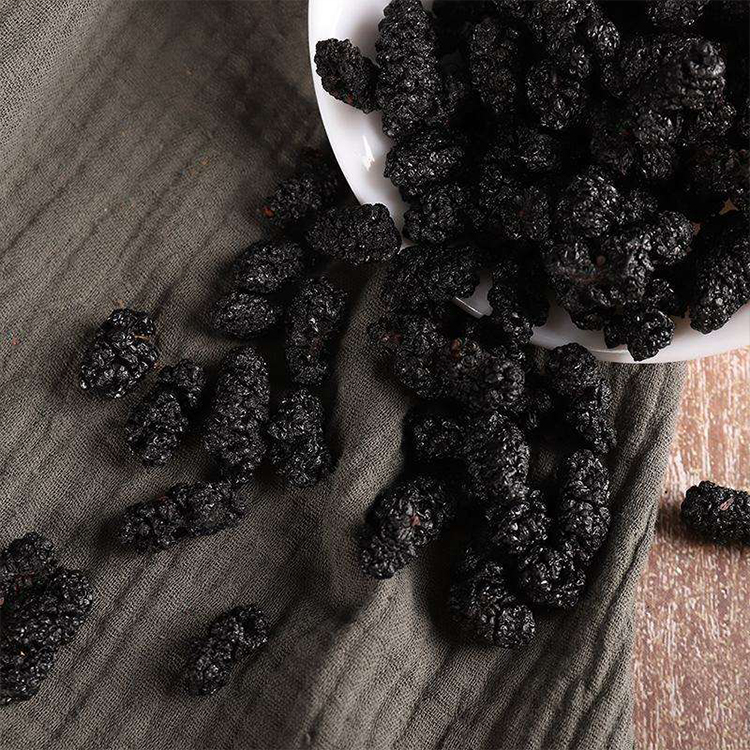
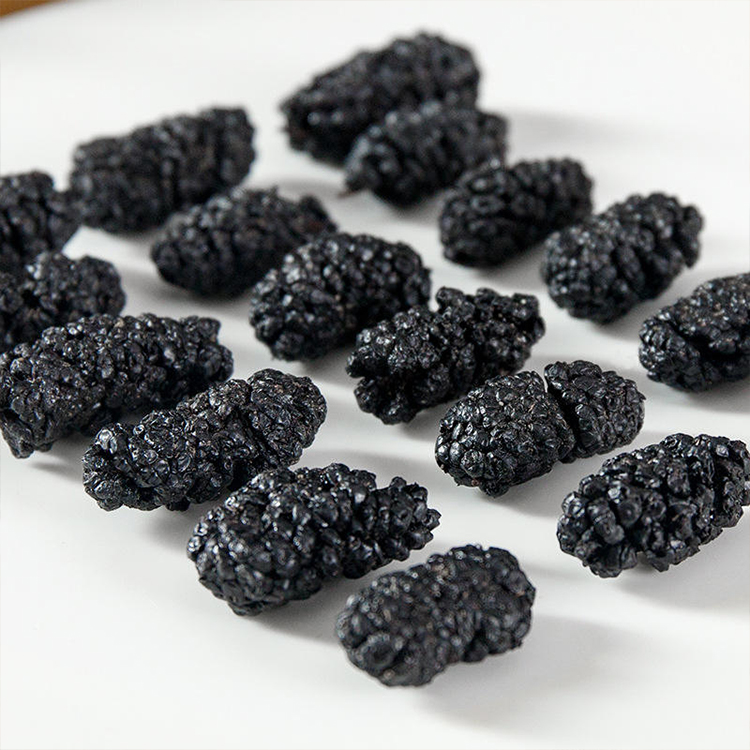
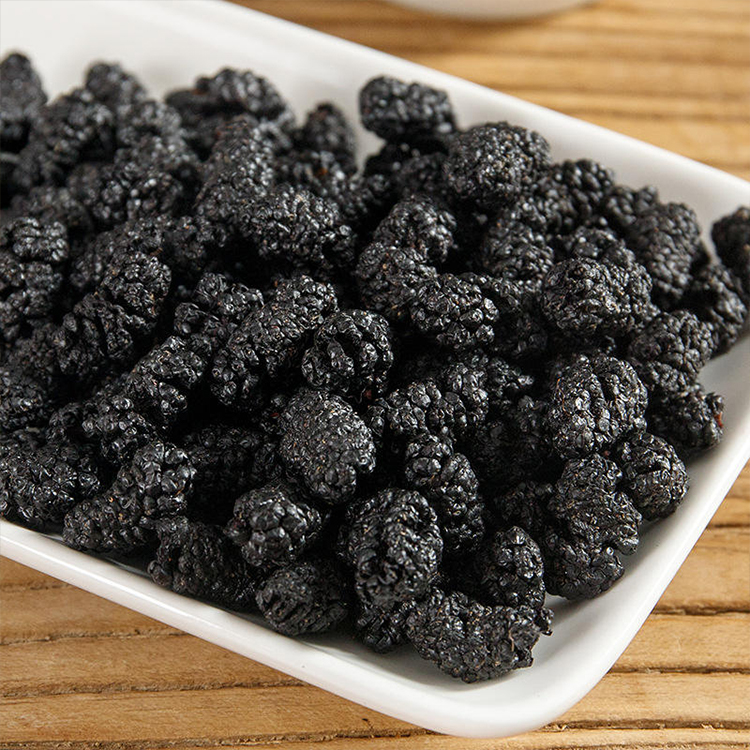
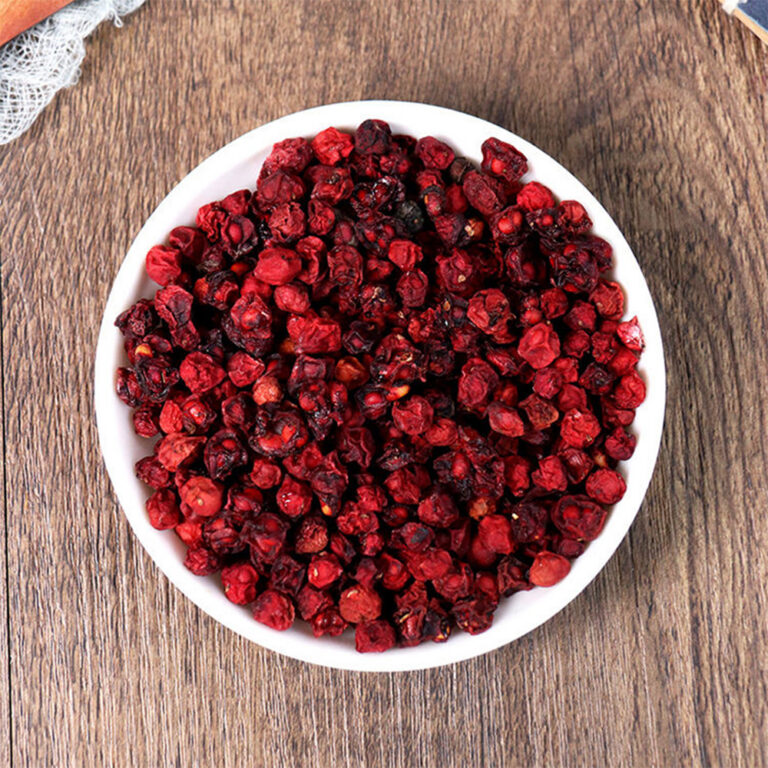
Fruto seco de la morera, conocido en el comercio de hierbas chinas como «Sang Shen» o «Fructus Mori»
Esa distinción debe figurar en el pliego de condiciones de la compra. El Página de productos de moras al por mayor identifica el producto comercial como fruta seca procedente de Morus alba, normalmente de color rojo oscuro a negro, con un sabor dulce y ligeramente ácido. Se incluye dentro de la categoría más amplia de categoría de ingredientes botánicos de frutas y semillas, junto con otros frutos secos y semillas destinados a programas de fitoterapia, bebidas, alimentación y formulación.
Eso importa.
Una especificación copiada de las bayas destinadas al mercado de productos frescos no permitirá controlar adecuadamente el Sang Shen deshidratado. Los compradores de fruta fresca se centran en la firmeza, el enfriamiento rápido, la descomposición, los sólidos solubles, la acidez y la temperatura de transporte. Los compradores de fruta seca deben tener en cuenta además la actividad del agua, la migración de la humedad, el riesgo de levaduras y mohos, el control de insectos, el porcentaje de frutos rotos, la aglomeración, el rendimiento de la barrera del envase y la humedad del almacén.
La cruda realidad es que muchos fallos en el abastecimiento se originan antes de las pruebas. El comprador pidió “frutos de morera”, pero nunca definió su forma con la precisión suficiente.
El color es un indicio, no una prueba
El color de la mora tiene un gran valor comercial, ya que los consumidores asocian los tonos rojos intensos, morados y negros con la madurez, la riqueza y el carácter frutal concentrado. Pigmentos como las antocianinas contribuyen a esos tonos, mientras que la variedad, la madurez, el oxígeno, la luz, la temperatura, el pH y las condiciones de secado influyen en la persistencia del color.
Pero más oscuro no significa automáticamente mejor.
Un lote seco de color muy oscuro puede presentar una excelente densidad de pigmento. También puede contener fruta demasiado madura, trozos oscurecidos por el calor, superficies oxidadas o un exceso de humedad que haya favorecido la decoloración. Rechazaría cualquier proceso de aprobación de proveedores basado únicamente en el rango de “rojo oscuro a negro”, a menos que el comprador disponga además de una muestra de referencia física y de límites de color cuantificables.
Cómo deben controlar el color los compradores profesionales
Utiliza tres capas:
Norma visual: Conserva una muestra de referencia homologada en un lugar con iluminación controlada. Compara los nuevos lotes con ella, en lugar de hacerlo con las imágenes publicadas en la página web.
Medición instrumental: Registra los valores CIELAB —L*, a* y b*— de una muestra compuesta representativa. Para un programa de consistencia interna, un comprador podría establecer una diferencia ΔE00 máxima de 3,0 con respecto a la referencia aprobada. Se trata de una tolerancia comercial interna, no de una norma universal de la morera.
Clasificación de defectos: Separa la variación natural aceptable de la fruta quemada, los frutos pálidos e inmaduros, las manchas de moho, las bayas extrañas y el exceso de material del tallo.
Y hay que tomar muestras correctamente. Coger diez bayas de buen aspecto de la parte superior de una caja no demuestra prácticamente nada. Una inspección válida debe incluir muestras de varias cajas, de diferentes profundidades y de distintos puntos de producción.
Un 2025 Química alimentaria: X En un estudio en el que se compararon los cultivares de morera CS1 y D10 durante su almacenamiento a 4 °C, se observó que el CS1 presentaba una mayor resistencia al almacenamiento. Tras 12 días, los investigadores también observaron diferencias metabólicas sustanciales en lo que respecta a los hidratos de carbono, los flavonoides, los aminoácidos y los lípidos. En pocas palabras, la identidad del cultivar influye en el comportamiento durante el almacenamiento; el color por sí solo no puede revelar el perfil de riesgo completo.
El dulzor debe cuantificarse, y la acidez requiere la misma atención
“Moras dulces” es una expresión comercial.
En el caso de la fruta fresca, el dulzor suele medirse a través del contenido de sólidos solubles, expresado en grados Brix o en porcentaje de SSC. Sin embargo, el Brix no mide únicamente la sacarosa y, por sí solo, no describe el sabor. Dos lotes con el mismo SSC pueden tener un sabor completamente diferente cuando difieren en acidez, madurez, aroma y variedad.
Un 2025 BMC Plant Biology En el experimento, se recolectaron moras con un contenido de sólidos solubles de 15,21 TP3T y se almacenaron a 0,5 °C y con una humedad relativa de 901 TP3T durante un máximo de 15 días. El tratamiento combinado con 1,0 mM de melatonina y 1,0 mM de putrescina produjo una pérdida de peso del 4,35%, una tasa de descomposición del 9,48% y una tasa de respiración un 29,89% inferior a la del grupo de control en el día 15. El estudio no constituye una recomendación de tratamiento comercial estándar, pero aporta pruebas útiles de que el dulzor, los ácidos, la respiración, la descomposición y las condiciones de almacenamiento varían conjuntamente.
Para moras frescas a granel, un comprador podría empezar a determinar los valores de referencia con un rango de recepción de entre 14 y 17 °Brix, para luego ajustarlo en función de la variedad y el uso previsto. La producción de mermelada puede admitir una fruta más blanda y dulce, pero el mercado minorista de productos frescos no. A los formuladores de bebidas les puede interesar más la relación entre el grado Brix y la acidez que el grado Brix por sí solo.
La fruta seca es diferente.
Por lo general, una lectura del refractómetro obtenida directamente a partir de moras secas no permite realizar una comparación precisa entre lotes, a menos que el laboratorio utilice un método de reconstitución controlado. En su lugar, los programas de frutos secos deberían definir:
Azúcares totales o azúcares reductores mediante un método validado
Porcentaje de humedad
Actividad del agua
Acidez titulable o perfil de ácidos orgánicos
Referencia sensorial para el dulzor, la acidez, los aromas a cocido y los defectos de fermentación
Nivel de azúcares añadidos, cuando proceda
Voy a ser franco: una muestra dulce puede seguir siendo un lote defectuoso. La fermentación, la absorción de humedad o un secado excesivo pueden alterar el sabor, haciendo que algunas piezas tengan un sabor intensamente dulce.
Especificaciones prácticas para la morera a granel
La tabla que figura a continuación constituye un punto de partida comercial, no una norma de la farmacopea. Los límites definitivos deben tener en cuenta el país de destino, la forma del producto, el método de elaboración, el estudio de la vida útil y el uso final.
Atributo de calidad
Control recomendado
Público objetivo práctico
Señal de advertencia o de rechazo
Identidad botánica
Identificación macroscópica más referencia contrastada; análisis de ADN o microscopía cuando el riesgo lo justifique
Confirme Morus alba, Morus nigra, o especies en peligro de extinción
Mezcla de especies, sustituto no declarado, variedad no conforme
Dulzura fresca
Refractómetro calibrado
Rango de referencia: 14-17 °Brix
Gran variación entre cajas
Dulzura seca
Método validado para la determinación del contenido total de azúcares y panel sensorial
Gama contratada en función de la aplicación
Azúcar añadido, nota fermentada, dulzor a quemado
Uniformidad del color
CIELAB L*, a*, b* y muestra de retención homologada
Ejemplo de tolerancia interna: ΔE00 ≤ 3,0
Fruta inmadura de color pálido, quemaduras, manchas de moho
Actividad del agua
Medidor de humedad calibrado a una temperatura determinada
Preferiblemente por debajo de 0,60 para garantizar una estabilidad prolongada a temperatura ambiente, o bien validar controles adicionales.
desviación, condensación, apelmazamiento, levadura o moho
Humedad
Horno, horno de vacío o método rápido validado
Límite específico del producto respaldado por datos de AW
Media elevada o gran variación dentro del lote
Defectos físicos
Inspección de conjuntos de varias cajas
Límites numéricos establecidos en el contrato para tallos, frutos rotos, materias extrañas y daños causados por insectos
No hay definiciones escritas de los defectos
Microbiología
Pruebas de laboratorio acreditadas
Límites adaptados al mercado y al uso final
El proveedor facilita un certificado de análisis genérico o sin fecha
Embalaje
Se han definido las características del revestimiento, la junta de sellado, la resistencia del cartón, el WVTR y el OTR cuando ha sido necesario
Sistema resistente a la humedad y al oxígeno, validado para la vida útil
Revestimiento fino, juntas poco resistentes, sin especificaciones de embalaje
Trazabilidad
Código de lote, fecha de cosecha o de producción, origen, registros de transformación
Documentación del tipo «un paso adelante y otro atrás»
Lotes reempaquetados a los que les faltan registros de origen
Por qué la actividad del agua es mejor que una afirmación imprecisa sobre la humedad
El porcentaje de humedad indica la cantidad de agua presente. La actividad del agua, que se expresa como aw, indica en qué medida esa agua está disponible para las reacciones químicas y el crecimiento microbiano. Ambos conceptos están relacionados, pero no son intercambiables.
La guía de la FDA sobre controles preventivos clasifica muchos frutos secos en la categoría de humedad intermedia, generalmente entre un aw de 0,60 y 0,85. También advierte de que la levadura y el moho pueden seguir limitando la vida útil en este rango. Los alimentos con un aw inferior a 0,60 suelen tener una mayor estabilidad a temperatura ambiente, aunque la formulación, el envasado, la contaminación y las condiciones inadecuadas de almacenamiento siguen siendo factores importantes.
Por lo tanto, una “humedad inferior a 18%” no es suficiente, a menos que el proveedor demuestre que el aw correspondiente se mantiene estable en todo el lote y durante todo el plazo de conservación declarado.
La estabilidad del almacenamiento se garantiza antes de llegar al almacén
Los compradores suelen preguntar: “¿Cuánto tiempo se pueden conservar las moras?”. Esa no es la pregunta adecuada para empezar.
Pregunta mejor lo siguiente: ¿con qué temperatura, humedad relativa, sistema de envasado, exposición al oxígeno, condiciones de luz y humedad inicial (aw) exactas se determinó la vida útil?
Las moras frescas tienen un tejido frágil y una elevada tasa de respiración. El artículo publicado en BMC en 2025 describe una vida poscosecha, citada con frecuencia, de aproximadamente 8 a 10 días, y explica por qué en el diseño de la investigación se optó por un almacenamiento a una temperatura cercana a los 0,5 °C con una humedad relativa de 90%. Las investigaciones sobre atmósfera modificada también han analizado el control de la temperatura y del gas de envasado, ya que las moras se deterioran rápidamente tras la cosecha.
Las moras secas se estropean de forma diferente:
Absorben la humedad a través de un embalaje poco resistente.
Se oscurecen con el calor, el oxígeno y la luz.
Se apelmazan o se vuelven pegajosos en la superficie.
La levadura y el moho aparecen cuando sube la humedad.
Las notas frutales volátiles se desvanecen.
Los insectos se cuelan por las cajas de cartón o los revestimientos mal sellados.
Cómo conservar moras frescas a granel
Las moras frescas deben preenfriarse sin demora, manipularse en recipientes poco profundos, protegerse contra la compresión y mantenerse dentro de una cadena de frío validada, a una temperatura cercana a la especificada por el comprador. Los registradores de temperatura deben acompañar a los envíos comerciales, ya que la temperatura de entrega por sí sola no permite detectar una desviación de seis horas durante el transporte.
No laves las moras frescas antes de almacenarlas, a menos que se hayan validado el proceso de lavado y la fase de secado. El agua que queda en la superficie favorece la descomposición.
Cómo conservar las moras secas a granel
Las moras secas deben almacenarse en un lugar limpio, seco y libre de plagas, alejadas de la luz solar directa y de olores fuertes. Utiliza un revestimiento interior hermético apto para uso alimentario dentro de la caja de cartón o el bidón de exportación. Para destinos con clima húmedo, especifica los datos sobre las propiedades de barrera del embalaje, en lugar de conformarte con la expresión comercial “a prueba de humedad”.
Un lote estable puede volverse inestable tras el envasado.
Por eso Envases botánicos personalizados y opciones de fabricación por encargo (OEM) Debería tratarse junto con las especificaciones de la fruta, y no una vez que el ingrediente ya haya sido aprobado. El tipo de envase, el grosor del revestimiento, la validación del sellado, el tamaño del envase y las condiciones climáticas de distribución previstas influyen en el programa de estabilidad definitivo.
Calificación de proveedores: el certificado de análisis (COA) es solo el principio
Un certificado de análisis es un documento aportado por el vendedor. No constituye una prueba independiente.
Para un nuevo proveedor de moras frescas Como exportador de Sang Shen seco, me gustaría solicitar:
Identidad jurídica de la empresa y de la planta de fabricación
Origen y procedencia botánica
Proceso de cosecha y transformación
Controles de la temperatura de secado y del punto final
Registros de actividad del agua
Registros de control de plagas
Especificaciones del embalaje
Resultados de análisis microbiológicos, de plaguicidas y de metales pesados específicos de cada lote
Política de conservación de muestras
Procedimientos de reclamación, retirada del mercado y medidas correctivas
Protocolo de vida útil y datos de respaldo
En Preguntas frecuentes sobre pedidos al por mayor de GuoCao indica que se dispone de muestras, informes de análisis de componentes (COA), etiquetado privado, etiquetado bilingüe, ensayos realizados por terceros, producción conforme a las buenas prácticas de fabricación (GMP) y controles según la norma ISO 22000. Se trata de datos útiles para la evaluación, pero los compradores deben verificar en qué medida dichas afirmaciones se aplican a la instalación, el producto, el lote, el método de ensayo y el mercado de destino concretos.
Para los importadores estadounidenses, las directrices del Programa de Verificación de Proveedores Extranjeros de la FDA son aún más directas: los importadores afectados deben realizar análisis de riesgos, homologar a los proveedores, determinar las actividades de verificación y mantener registros. La FDA señala las auditorías in situ, el muestreo y los análisis, así como la revisión de los registros de seguridad alimentaria de los proveedores, como posibles herramientas de verificación.
Un certificado de autenticidad (COA) en papel satinado que no incluya la acreditación del laboratorio, la fecha de la muestra, el método de análisis ni el número de lote no es más que un adorno.
Nada más.
Preguntas frecuentes
¿Qué son las moras a granel?
Las moras a granel son lotes comercializados de moras frescas, congeladas o secas Morus fruta adquirida conforme a unas especificaciones acordadas que abarcan la especie, la madurez, el color, el dulzor, la humedad o la actividad del agua, los límites microbianos, las materias extrañas, el envasado, la trazabilidad y la vida útil, en lugar de limitarse a una mera promesa visual de “calidad superior”.”
Los productos frescos, congelados y deshidratados requieren una logística y unos controles diferentes. Los compradores deben indicar en la solicitud inicial la especie, la forma, el uso final, la cantidad, el país de destino, el embalaje y los certificados necesarios.
¿Cuáles son las mejores moras para comprar al por mayor?
Las mejores moras para la compra al por mayor son aquellos lotes cuyo cultivar, madurez en el momento de la cosecha, método de procesamiento, perfil de azúcar y acidez, gama de colores, actividad del agua, límites de contaminantes e historial de almacenamiento se ajusten al uso final del comprador, ya que los programas de té, extractos, aperitivos, mermeladas, bebidas y mercado de productos frescos requieren especificaciones sustancialmente diferentes.
No existe un color ni un valor Brix que sea universalmente “el mejor”. Una fruta oscura y blanda puede dar buenos resultados en la extracción, pero no ser adecuada para la distribución minorista. Una fruta muy seca puede conservarse bien, pero producir un sabor débil en el té.
¿Cómo se deben almacenar las moras frescas a granel?
Las moras frescas a granel deben preenfriarse rápidamente, envasarse en recipientes poco profundos y ventilados, protegerse de la compresión y de la humedad superficial, y conservarse en una cadena de frío validada a una temperatura cercana a los 0–4 °C con una humedad relativa elevada, ya que su delicada estructura, su respiración, la pérdida de agua y su susceptibilidad a la descomposición fúngica limitan considerablemente su vida comercial.
Utilice registradores de temperatura, compruebe que no haya fugas de zumo ni moho y acuerde los márgenes de tolerancia a la llegada antes del envío. El proveedor debe indicar la fecha de recolección, el tiempo de preenfriamiento, el tiempo de envasado y la duración del transporte.
¿Cómo se deben conservar las moras secas?
Las moras secas deben guardarse en envases aptos para uso alimentario y resistentes a la humedad, y almacenarse en un lugar fresco, seco, oscuro y libre de plagas, dentro de unos límites definidos de temperatura y humedad, controlando la actividad del agua, ya que la migración de la humedad puede provocar la aglomeración, la alteración del sabor, el deterioro de los pigmentos, el crecimiento de levaduras y mohos, y una reducción de la vida útil.
No te fíes únicamente de la temperatura del almacén. Comprueba los precintos de los embalajes, el estado de los palés, la condensación, la integridad del revestimiento interior, las tendencias de humedad relativa y la presencia de insectos durante todo el periodo de almacenamiento.
¿Un color de morera más oscuro indica una mejor calidad?
Un color morado más oscuro puede indicar un mayor desarrollo del pigmento o una mayor madurez, pero no es por sí solo prueba de una mayor calidad, ya que la genética del cultivar, la temperatura de secado, la exposición al oxígeno, el tiempo de almacenamiento, la oxidación superficial, la maduración excesiva y el daño microbiano pueden dar lugar a un aspecto visual más oscuro o irregular.
Combina los análisis de color con la identificación, la evaluación sensorial, la actividad del agua, la humedad, el recuento de defectos, los análisis microbiológicos y la comparación con muestras de referencia conservadas. Una buena especificación mide lo que el ojo no puede percibir.
Solicita un presupuesto específico para tu parcela de moreras
No te limites a pedir “el mejor precio para moras a granel”. Envía unas especificaciones útiles.
Indica si necesitas fruta fresca o seca, Morus alba o la especie, el color deseado, el grado de dulzor o el método de azucarado, la actividad del agua máxima, los límites de defectos, los requisitos microbiológicos, el formato de envasado, el volumen anual, el país de destino y el plazo de entrega requerido.
A continuación, solicita una muestra representativa previa al envío y el certificado de análisis (COA) correspondiente a ese lote concreto.
Utilice la Página de contacto de GuoCao para solicitar información sobre la disponibilidad actual, las opciones de muestras, los detalles del embalaje, la documentación de las pruebas y un presupuesto para su fruta de morera al por mayor programa. Compara la muestra con las especificaciones escritas antes de dar el visto bueno a la producción comercial.
Nuestro bajo MOQ de 1 kg (2,2 lb) facilita los pedidos de rodajas de hierbas chinas o de hierbas medicinales chinas al por mayor. También disponemos de etiquetado privado y bilingüe.
Ciclo de entrega y asistencia
Nuestro plazo de entrega es de 7 días. Ofrecemos muestras gratuitas, informes COA y asistencia técnica para ayudarle a introducir en el mercado hierbas chinas a granel de alta calidad.
Calidad y certificaciones
Nuestros productos se fabrican en instalaciones con certificación GMP y cumplen las normas ISO22000. Todas las hierbas chinas se someten a pruebas de metales pesados, pesticidas y microorganismos realizadas por terceros.