Guía para la venta al por mayor de semillas de hinojo: diferencias entre su uso como especia y como hierba medicinal
Las semillas de hinojo pueden entrar en el mismo almacén, pero salir con especificaciones muy diferentes, dependiendo de si están destinadas a la elaboración de condimentos, infusiones, extractos o productos fitoterápicos tradicionales. Esta guía para mayoristas explica los indicadores de calidad que los compradores serios deben tener en cuenta antes de dar el visto bueno a un lote comercial.
Se trata de un fruto pequeño, aromático y de color verdoso, con aspecto de semilla, que venden los comerciantes de especias, los proveedores de hierbas, las empresas de té, los fabricantes de extractos, las fábricas de alimentos y los distribuidores de medicina tradicional, lo que lleva a los compradores a suponer que un lote aceptable de Foeniculum vulgare puede atender a todos los clientes con la misma calidad.
No puede.
Esa suposición es el punto de partida de los errores en la contratación pública.
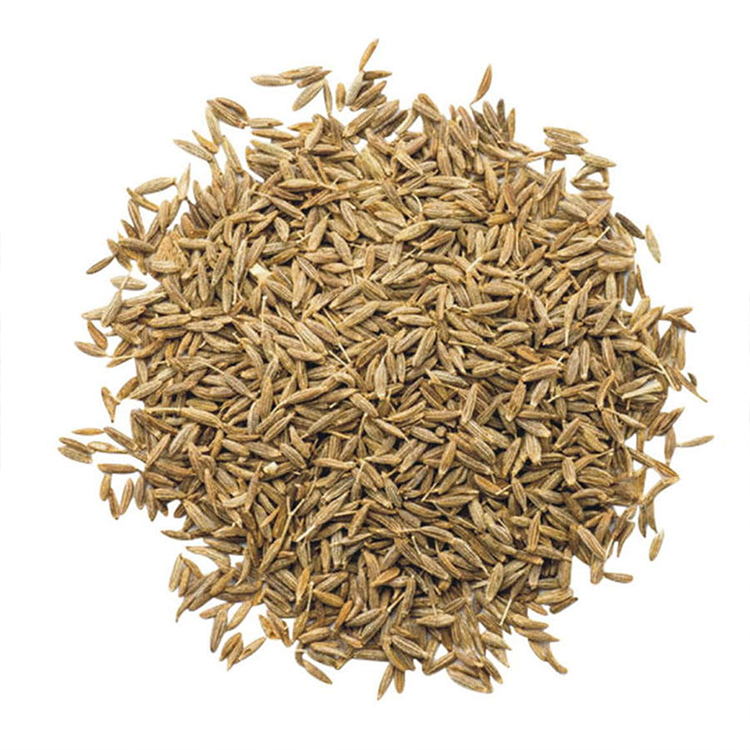
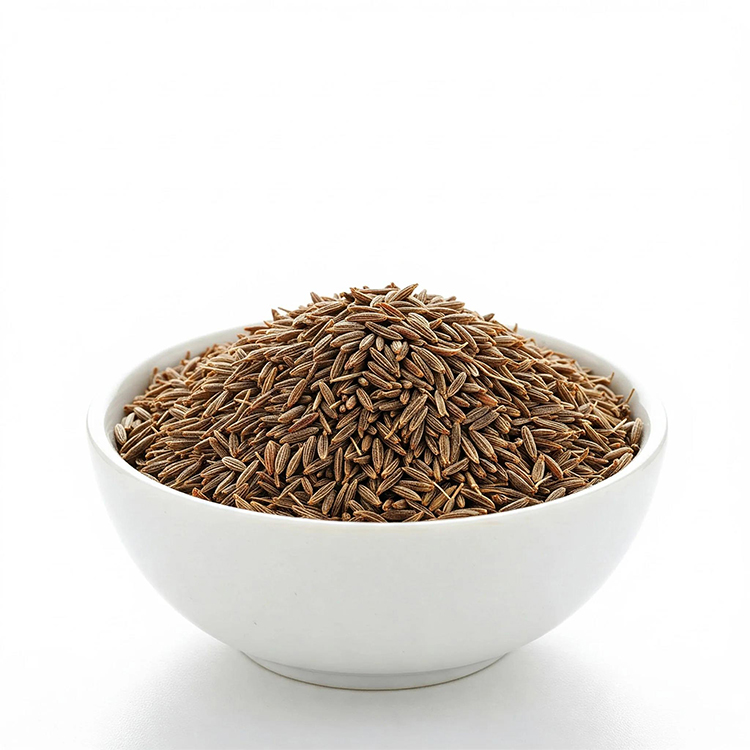
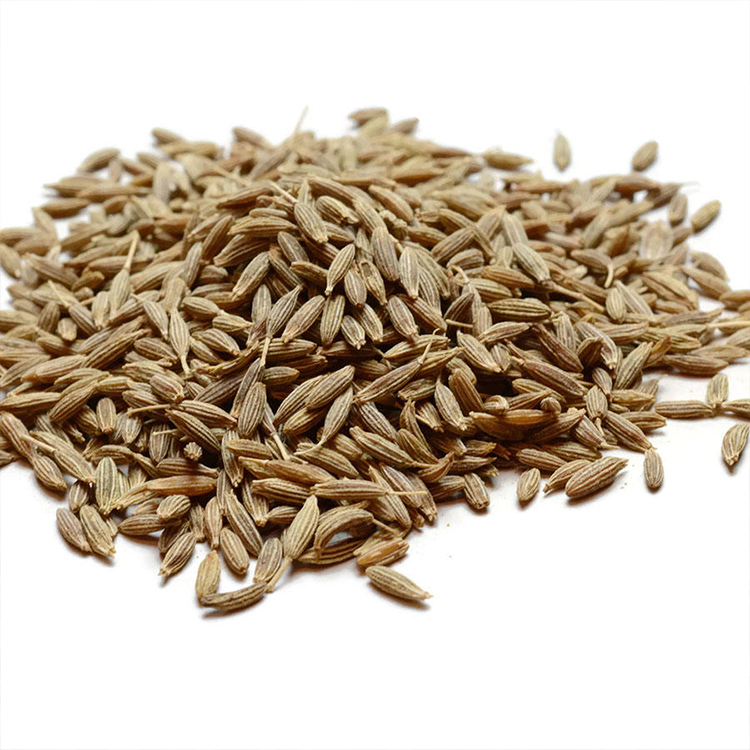
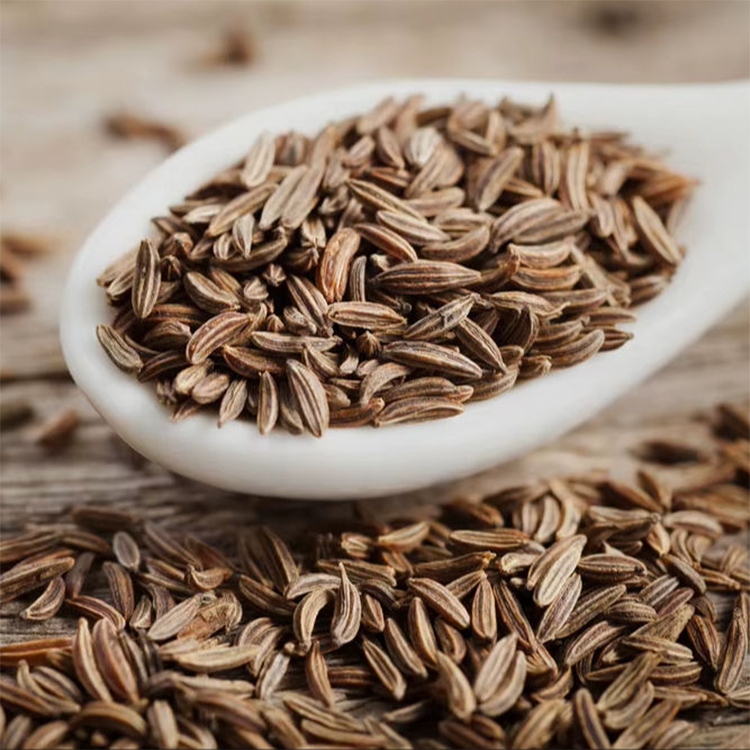
La primera distinción es casi vergonzosamente básica: lo que en el sector se conoce como semillas de hinojo se describen en la farmacopea como frutos secos —concretamente, cremocarpos y mericarpos— de Foeniculum vulgare. Esa terminología es importante porque una especificación de plantas medicinales, un documento de la farmacopea, un expediente aduanero, un informe de laboratorio y una orden de compra de especias pueden describir un material de aspecto similar de formas diferentes. La EMA distingue formalmente entre el fruto del hinojo dulce y el del hinojo amargo, en lugar de considerar la “semilla de hinojo” como un producto genérico.
Así que, antes de preguntar a un proveedor de semillas de hinojo Si se trata de un precio, haz la pregunta más costosa:
¿Para qué lo vas a comprar exactamente?
Una fábrica de condimentos puede dar prioridad al aroma limpio similar al del anís, al aspecto de la fruta entera, al comportamiento durante la molienda, a la seguridad microbiana y a la liberación predecible del sabor. Un fabricante de infusiones o productos botánicos puede prestar mucha más atención a la variedad botánica, al contenido de aceites volátiles, al perfil químico, al cumplimiento de la farmacopea, a la exposición al estragol, a los análisis de contaminantes y al historial de procesamiento documentado.
La misma planta.
Otra compra.
Las semillas de hinojo destinadas al uso como especia y las destinadas al uso como hierba medicinal no cumplen las mismas especificaciones comerciales
La forma más rápida de entender Venta al por mayor de semillas de hinojo es dejar de considerar la “nota” como una clasificación universal.
No existe una clasificación única significativa denominada «calidad baja», «calidad media» y «calidad superior», a menos que el comprador defina primero la aplicación. Un lote de hinojo de color verde brillante y aroma dulce puede ser excelente para una mezcla de condimentos destinada al consumo, pero inadecuado para un programa de hierbas conforme a la farmacopea. Por el contrario, un lote de hierbas que cumpla con los requisitos químicos podría decepcionar a un cliente de especias si su perfil de sabor es demasiado amargo o si el fruto está muy troceado.
Eso no es una contradicción. Es el diseño de las especificaciones.
Para los compradores que empiezan por el material en sí, la página web ofrece Página del producto «Semillas de hinojo a granel (Xiao Hui Xiang)» incluye el hinojo tanto en la categoría de «Fruta y semillas» como en la de «Especias secas», lo que supone precisamente el solapamiento comercial que aborda esta guía.
El hinojo culinario se compra guiándose primero por el olfato
Para semillas de hinojo para uso culinario, el aroma no es un adorno. Es una experiencia.
El compuesto clave que da lugar a ese perfil dulce y anisado tan característico es el trans-anetol. El aceite volátil del hinojo también puede contener fenchona, estragol, limoneno y otros componentes, y sus proporciones pueden variar considerablemente según la variedad y el origen. Un estudio indexado por la Biblioteca Nacional de Medicina de EE. UU., en el que se compararon 12 accesiones de hinojo, reveló varios F. vulgare muestras que contenían aproximadamente entre 95,9 y 98,41 TP3T de (E)-anetol entre los compuestos volátiles analizados, mientras que dos subesp. piperitum Las muestras presentaban un contenido de estragol de entre 71,6 y 72,41 TP3T.
Esa diferencia es enorme.
Y por eso basarse únicamente en una fotografía en color a la hora de comprar es una forma de adquisición poco rigurosa.
En cuanto al uso de especias, me gustaría que las especificaciones de compra definieran, como mínimo:
nombre botánico y variedad declarada o tipo comercial
origen y campaña agrícola
material entero frente a material troceado
materias extrañas
limpieza a simple vista
color característico
perfil aromático
ausencia de notas desagradables a humedad, fermentación, humo o productos químicos
humedad o pérdida por secado
especificación microbiana
requisitos relativos a los residuos de plaguicidas
tratamiento microbiano poscosecha, si lo hubiera
barrera del envase
muestra retenida y código de lote
Si el hinojo se va a utilizar en mezclas de especias, condimentos para embutidos, curry, condimentos para panadería, mezclas para encurtidos, bases para sopas o envases de semillas enteras para venta al por menor, compáralo con el Gama de especias secas al por mayor en lugar de aplicar automáticamente un modelo de compra de hierbas medicinales.
Lo primero es el sabor.
Pero no solo por el sabor.
El hinojo se compra indicando primero la especificación
Semillas de hinojo para uso herbal requieren un enfoque diferente, ya que es posible que el comprador tenga que demostrar exactamente qué variedad botánica se ha suministrado y si su perfil químico cumple con la normativa aplicable en materia de plantas medicinales.
La evaluación de la EMA, basada en las especificaciones de la Farmacopea Europea, deja muy clara la distinción entre lo dulce y lo amargo:
El fruto del hinojo dulce, Foeniculum vulgare subesp. vulgare var. dulce, se caracteriza por el aceite esencial de no menos de 20 ml/kg de fruta anhidracon al menos 80,01 TP3T de anetol en el aceite esencial.
Fruto del hinojo amargo, Foeniculum vulgare subesp. vulgare var. vulgare, contiene no menos de 40 ml/kg de aceite esencialcon al menos 60,01 TP3T de anetol y 15,01 TP3T de fenchona.
No son adjetivos de marketing.
Son diferencias cuantificables.
Y ponen de manifiesto uno de los peores hábitos del comercio mayorista de productos botánicos: vender un nombre latino como si se tratara de una especificación definitiva.
"Foeniculum vulgare, ”... de primera calidad» no me dice gran cosa.
¿Qué variedad? ¿Qué parte de la planta? ¿Qué rendimiento de aceite volátil? ¿Qué nivel de trans-anetol? ¿Qué nivel de fenchona? ¿Qué nivel de estragol? ¿Qué método de ensayo? ¿Qué lote?
Sin esas respuestas, el nombre latino no es más que un adorno.
Hinojo dulce frente a hinojo amargo: la diferencia que los compradores necesitan conocer por escrito
Los compradores suelen oír hablar del “hinojo dulce” y del “hinojo amargo” y dan por hecho que la diferencia radica principalmente en el sabor.
No lo es.
La diferencia se extiende a la variedad botánica, el aspecto, la concentración de aceites esenciales, las propiedades químicas características, el comportamiento en la formulación y, potencialmente, la normativa reguladora según la cual se evaluará la materia prima.
Factor de adquisición
Hinojo dulce
Hinojo amargo
Por qué debería importarle al comprador
Variedad botánica
F. vulgare subesp. vulgare var. dulce
F. vulgare subesp. vulgare var. vulgare
Evita las compras en las que solo se especifica la especie de forma imprecisa
Posicionamiento comercial típico
Preparados culinarios, de té y a base de hierbas
Preparados a base de hierbas, aplicaciones aromáticas
Los cambios en el uso previsto modifican los criterios de comercialización
Aceite esencial conforme a la Farmacopea Europea
≥20 ml/kg de fruta anhidra
≥40 ml/kg de fruta anhidra
El rendimiento del aceite influye en la identidad, la potencia y el aroma
Contenido de anetol en el aceite esencial
≥80,01 TP3T
≥60,01 TP3T
Principal factor que determina el aroma característico del hinojo
Requisito de fenchona
No es el mínimo establecido para el hinojo dulce
≥15,01 TP3T
Ayuda a resaltar el perfil amargo del hinojo
Aspecto descrito por la EMA
Verde pálido o marrón amarillento pálido
Marrón verdoso, marrón o verde
Útil como complemento de la identidad, pero nunca basta por sí solo
Prioridad del comprador
Aroma, dulzor, pureza, seguridad alimentaria
Identificación, perfil oleoso, especificación botánica, controles de contaminación
Cada solicitud, un contrato distinto
Los valores de la farmacopea indicados anteriormente proceden directamente de la evaluación realizada por la EMA sobre los frutos del hinojo dulce y del hinojo amargo.
Ahora viene la parte incómoda.
Un comprador no debería copiar automáticamente estos valores de la farmacopea en todos los contratos de productos alimenticios. Si importas hinojo exclusivamente como especia culinaria, es posible que tus requisitos legales y las especificaciones de tus clientes se rijan por normas diferentes. Sin embargo, si un proveedor afirma que su hinojo dulce o amargo es de grado farmacopeico, esperaría que comprendiera estas diferencias sin que el comprador tuviera que explicárselas.
¿Por qué pagar a un especialista que no puede hacerlo?
Es fácil subestimar el riesgo microbiano en las semillas de hinojo a granel
«Seco» no significa «estéril».
Esa frase debería figurar encima de cada mostrador donde se venden especias.
La amplia evaluación de riesgos realizada por la FDA sobre los patógenos presentes en las especias reveló que Salmonella en 6,61 TP3T de los 2.844 envíos de especias importadas sometidos a muestreo durante los ejercicios fiscales 2007-2009. En lo que respecta específicamente a la categoría de frutas, semillas y especias, la prevalencia observada fue de 6.3%, según los 92 envíos que dieron positivo de un total de 1.465 envíos analizados. La FDA concluyó que Salmonella La contaminación era un problema general de la cadena de suministro de especias, más que un problema limitado a un solo tipo, forma o país de especia.
¿Datos antiguos?
Sí.
¿Irrelevante?
Para nada.
Esas cifras siguen siendo una de las pruebas más evidentes de por qué los compradores de especias secas no pueden utilizar la humedad, el olor y el aspecto como sustitutos del control microbiológico.
Un lote de hinojo puede tener un aspecto magnífico y, aun así, plantear un problema de seguridad alimentaria.
Así que para semillas de hinojo a granel En el caso de que el material esté destinado a la alimentación, a la elaboración de condimentos, al té o al consumo directo, exigiría al proveedor que indicara si el material no ha sido tratado o si se ha sometido a un proceso validado de reducción microbiana. El tratamiento con vapor, por ejemplo, puede ayudar a controlar la carga microbiana, pero puede alterar los aromas volátiles si el proceso no se gestiona adecuadamente.
Siempre hay que hacer concesiones.
Un tratamiento agresivo puede proteger la microbiología, pero a la vez dañar precisamente el perfil aromático por el que el comprador de especias está pagando. Un tratamiento poco intenso puede preservar el aroma, pero expone al comprador a un riesgo inaceptable de patógenos.
Ese saldo debe figurar en la especificación, no en una conversación de WhatsApp una vez que la mercancía haya llegado.
Para los compradores que estén desarrollando un programa más amplio de abastecimiento de frutas y semillas, el Categoría de materiales medicinales chinos: frutas y semillas resulta útil para comparar el hinojo con otros materiales de semillas y frutos, en los que los controles relacionados con los plaguicidas, los microorganismos, el almacenamiento y la identidad suelen solaparse.
El estragol ha cambiado el debate sobre el hinojo
Esto merece más atención de la que recibe.
El estragol es un componente aromático natural presente en el hinojo y en otras plantas. No es lo mismo que un residuo de plaguicida, un adulterante accidental ni un aditivo ilegal. Proviene de la propia planta.
Eso no significa que sea irrelevante.
En julio de 2025, la Autoridad Europea de Seguridad Alimentaria anunció un proyecto de evaluación centrado específicamente en el estragol presente en los preparados a base de semillas de hinojo dulce y amargo, incluidas las infusiones de hierbas. La EFSA afirmó que sus científicos no pudieron establecer un nivel de exposición seguro a partir de las pruebas disponibles y señaló que existía una especial preocupación por las poblaciones vulnerables, mientras que los preparados en los que se ha eliminado el estragol o en los que este no es detectable se trataron de forma diferente en la evaluación.
Vuelve a leerlo.
El problema radica en la química intrínseca.
Para los compradores habituales de productos culinarios, esto no significa que “el hinojo esté prohibido”. Esa sería una interpretación irresponsable. Significa que los proveedores que comercializan hinojo en infusiones de hierbas, extractos concentrados, suplementos, productos destinados a bebés u otras aplicaciones en las que la exposición sea un factor sensible deben esperar más preguntas sobre el quimiotipo, la concentración de estragol, la formulación, la dosificación y los requisitos del mercado de destino.
Y es posible que el origen tenga mucha más importancia de lo que los compradores creen.
Durante una reunión del comité de la EFSA celebrada en mayo de 2025, se mencionó en el debate la considerable variación geográfica en la proporción de estragol presente en los aceites esenciales de hinojo, incluyendo un ejemplo de 2,641 TP3T para el hinojo de origen polaco frente a 87,491 TP3T para el hinojo de origen egipcio en los datos presentados durante la reunión. La EFSA reconoció las diferencias geográficas al analizar su evaluación de la exposición.
Eso no es un error de redondeo.
Se trata de una advertencia sobre la contratación pública.
Si tu producto final depende de un perfil de compuestos volátiles predecible, la indicación “País de origen: X” no debería quedar relegada discretamente al final del certificado de análisis. El origen, la variedad, la cosecha, el quimiotipo y el perfil de aceites volátiles pueden estar relacionados entre sí.
Lo que realmente debería indicarte un certificado de análisis (COA) de semillas de hinojo
Un certificado de análisis debería aclarar las dudas.
La mayoría no lo hace.
No me gustan los certificados de conformidad (COA) repletos de casillas verdes con la indicación “APROBADO”, porque dan una sensación de seguridad a los compradores sin indicar si las especificaciones subyacentes se ajustan al uso previsto. Un material que supera una prueba basada en unas especificaciones erróneas sigue siendo un material inadecuado.
Para Cómo elegir semillas de hinojo para la venta al por mayor, dividiría el archivo de lanzamiento en cuatro capas.
1. Identidad
Como mínimo:
Foeniculum vulgare identificación
variedad o tipo, cuando sea relevante desde el punto de vista comercial o de la farmacopea
parte de la planta
identificación macroscópica
método de identidad analítica cuando sea necesario
origen
cosecha o campaña agrícola
número de lote
Si el proveedor comercializa el material como «Xiao Hui Xiang» o «Foeniculi Fructus», la nomenclatura debe ser coherente en la factura, la ficha técnica del producto, el certificado de análisis, la etiqueta de la caja y la documentación de exportación.
Un nombre por documento no es suficiente.
Tienen que hacer las paces.
2. Características físicas y sensoriales
Para los compradores de especias:
aspecto característico de color verde a marrón verdoso, según el tipo acordado
proporción entre piezas enteras y rotas
materias extrañas
aroma
ausencia de olor a humedad
ausencia de actividad de insectos
humedad o pérdida por secado
tamaño de las partículas tras la trituración o molienda
En el caso de los compradores de plantas medicinales, añada los descriptores macroscópicos, microscópicos o de la farmacopea que sean aplicables.
3. Perfil químico
Dependiendo del uso previsto:
contenido en aceites esenciales
trans-anetol
fenchona
estragol
otros marcadores volátiles especificados
huella cromatográfica cuando sea necesario
En el caso de un programa de hierbas conforme a la farmacopea, esta sección cobra mucha más importancia que para un comprador habitual de especias enteras.
4. Seguridad y contaminación
La evaluación de riesgos debe tener en cuenta:
Salmonella
Escherichia coli
recuento total de microorganismos aeróbicos
levadura y moho
residuos de plaguicidas
plomo, Pb
cadmio, Cd
arsénico, As
mercurio, Hg
micotoxinas para las que la evaluación de riesgos justifica la realización de análisis
dióxido de azufre, cuando el historial de tratamiento lo haga pertinente
fumigaciones o tratamientos microbianos no declarados
En la página web se puede consultar una visión general más detallada de las expectativas de los mercados de destino en la sección normas de calidad para las lonchas de hierbas chinas en los mercados internacionales, en el que se comparan los requisitos relativos a los plaguicidas, los aspectos microbiológicos, los contaminantes elementales, el almacenamiento y la documentación en los distintos marcos normativos.
El hinojo entero, el hinojo troceado y el hinojo en polvo deben comprarse de forma diferente
El polvo oculta las pruebas.
Sé que a los compradores les gusta el polvo porque se incorpora fácilmente a las formulaciones y elimina una etapa de molienda, pero, una vez molido el hinojo, su identidad visual se debilita, la oxidación se acelera debido al aumento de la superficie expuesta, los compuestos volátiles se evaporan más rápido y las sustituciones accidentales resultan más difíciles de detectar a simple vista.
En la evaluación del hinojo realizada por la EMA se señala que los frutos de hinojo triturados o en polvo pierden gradualmente sus componentes volátiles con el paso del tiempo.
Eso tiene importancia desde el punto de vista comercial.
Un lote de hinojo entero ofrece al comprador más información visible: tamaño, madurez, color, frutos rotos, tallos, semillas extrañas, daños causados por insectos y estado general de limpieza. El hinojo triturado permite una extracción y mezcla más rápidas, pero requiere controles más estrictos del tamaño de las partículas y de los aceites volátiles. El polvo es práctico, pero exige una gestión más rigurosa en cuanto a la identificación analítica, el almacenamiento, la oxidación y la conservación del aroma.
Mi jerarquía es sencilla.
Si la línea de producción es capaz de moler el hinojo de forma fiable, prefiero comprar el producto entero o debidamente limpio y controlar el molido en un momento más cercano al consumo. Si un proveedor tiene que suministrar el producto en polvo, exijo una certificación más rigurosa y registros de producción más recientes.
¿Por qué ceder información solo por comodidad?
Un proveedor serio de semillas de hinojo debería poder responder a estas preguntas
El precio viene después.
Antes de aprobar una nueva proveedor de semillas de hinojo, enviaría preguntas que obligaran al proveedor a revelar si realmente controla el material o si simplemente comercializa cualquier lote que esté disponible.
Pregunta:
¿Cuál es la identidad botánica completa?
¿Se trata de hinojo dulce, hinojo amargo u otra variedad comercial?
¿Cuál es el país y la región de origen?
¿Qué es la campaña de cosecha o el año de cosecha?
¿Podría facilitarnos un certificado de análisis (COA) actualizado específico de ese lote?
¿Cuál es el contenido de aceites esenciales?
¿Analizan el trans-anetol, la fenchona o el estragol?
¿Qué especificación microbiológica es aplicable?
Es Salmonella ¿Se han realizado pruebas con el lote ya comercializado?
¿Se ha sometido el material a esterilización con vapor, irradiación, fumigación u otro tratamiento antimicrobiano?
¿Qué panel de plaguicidas se utilizó?
¿Qué metales pesados se analizaron y mediante qué método?
¿Qué límite de humedad o de pérdida por secado se utiliza?
¿Qué es la relación entre piezas enteras y rotas?
¿Qué límite de materias extrañas se aplica?
¿Podrían facilitarnos una muestra retenida previa al envío?
¿La etiqueta de la caja tiene el mismo número de lote que el certificado de análisis?
¿Podrían facilitarnos los resultados de lotes consecutivos en lugar de un único certificado de análisis (COA) de una muestra “perfecta”?
Esa última pregunta es desagradable.
Bien.
Un comprador profesional debería, de vez en cuando, poner en aprietos a los proveedores.
Un certificado pendiente me indica que un laboratorio analizó en su momento un lote que daba buenos resultados. Tres informes de lote consecutivos me dan una idea de la consistencia del proceso.
Para obtener un marco de cualificaciones más amplio, la página web de Guía para elegir proveedores de hierbas medicinales chinas de alta calidad Es un paso útil a seguir, ya que se centra en la trazabilidad de los lotes, los análisis de contaminantes, la documentación y la posibilidad de auditar a los proveedores, en lugar de en las afirmaciones que figuran en los folletos.
Cómo redactaría unas especificaciones para la venta al por mayor de semillas de hinojo
No escribas esto:
Semillas de hinojo, de primera calidad, verdes, limpias y con buen aroma.
Eso no es una especificación.
Es optimismo.
En su lugar, establece los criterios de compra en función del producto acabado.
Para un programa sobre especias culinarias
Definición:
identidad botánica exacta
origen u orígenes autorizados
campaña agrícola
perfil sensorial característico
Requisito de «íntegro/dañado»
requisito relativo a las materias extrañas
especificación de humedad
límites microbiológicos
requisitos de los patógenos
límites de residuos de plaguicidas
información sobre el tratamiento
envasado
almacenamiento
plan de muestreo
requisito de conservación de muestras
A continuación, realiza un ensayo sensorial real.
Tostalo.
Muécelo.
Utilízalo para cocinar.
Una muestra de hinojo que se huele directamente de la bolsa ya no es el mismo producto una vez que se ha calentado, molido, mezclado con sal o transformado en salchicha, curry, pan, encurtido o aceite aromatizado.
Para infusiones o usos botánicos
Añadir:
Cómo distinguir el hinojo dulce del amargo
norma de la farmacopea prevista, cuando proceda
contenido en aceites esenciales
trans-anetol
fenchona, cuando proceda
Evaluación de riesgos del estragol
comportamiento de la infusión
tamaño de corte
rendimiento de extracción, cuando proceda
revisión de las declaraciones y de la normativa del mercado de destino
La palabra clave es previsto.
No compres primero y decidas después qué vía normativa seguir.
Esa secuencia está al revés.
El envasado y el almacenamiento pueden echar a perder un lote de hinojo muy caro
El aceite volátil es valioso precisamente porque es volátil.
Es obvio, ¿no?
Al parecer, no.
Un comprador puede pasar semanas seleccionando un lote aromático y, después, aceptar un embalaje deficiente, un almacenamiento a temperatura elevada, la apertura repetida de las bolsas, la exposición directa a la luz o una exposición prolongada al aire húmedo del almacén. El aroma se debilita. La oxidación continúa. La humedad cambia. Y, de repente, la muestra de aprobación conservada huele mejor que el stock de producción.
Entonces todo el mundo se pone a discutir.
El hinojo destinado a la distribución mayorista a larga distancia debe envasarse de manera que se minimice la absorción de humedad, la transferencia de olores, la exposición a la luz —cuando sea pertinente— y la pérdida de aromas volátiles. La estructura exacta del envase depende de la duración del transporte, las condiciones climáticas, el peso del envase y de si el producto se presenta entero, triturado o en polvo.
Para los desarrolladores de productos que van más allá del suministro de materias primas y se adentran en el ámbito de las mezclas o las marcas blancas, la página web ofrece soluciones OEM/ODM a medida para hierbas y especias son relevantes porque el hinojo suele pasar de la fase de compra como materia prima a la de molienda, mezcla, elaboración de infusiones, envasado y etiquetado para la exportación.
Es en esta transición donde las especificaciones suelen fallar.
El departamento de control de calidad de las materias primas aprueba una cosa. El departamento de desarrollo de productos da por hecho otra. El departamento de marketing hace una tercera promesa.
Manténlos alineados.
La decisión de compra: ¿hinojo culinario o hinojo medicinal?
Esta es mi norma.
Compra pensando en la aplicación que realmente vas a fabricar, no en la marca que suene más exclusiva.
Si estás elaborando un condimento, da prioridad a la consistencia sensorial, la limpieza, el comportamiento durante la molienda, el control microbiano, los residuos y la reproducibilidad del sabor.
Si te dedicas a la elaboración de infusiones de hierbas, preparados botánicos, extractos o productos fitoterápicos tradicionales, resulta mucho más difícil pasar por alto la variedad botánica, el perfil químico, los aceites volátiles, el estragol, los requisitos de la farmacopea y la documentación de cada lote.
¿Y si haces las dos cosas?
Redacta dos pliegos de condiciones.
Es aquí donde los compradores intentan ahorrar dinero imponiendo un único estándar de materia prima para varias categorías de productos. A veces funciona. Otras veces da lugar a un lote de hinojo que, técnicamente, es aceptable en todos los aspectos, pero que, en realidad, no destaca en ninguno.
Prefiero gestionar dos especificaciones bien definidas que un compromiso impreciso.
Preguntas frecuentes
¿Cuál es la diferencia entre las semillas de hinojo que se utilizan como especia y las que se utilizan como hierba medicinal?
Las semillas de hinojo destinadas al uso como especia suelen adquirirse teniendo en cuenta su aroma, sabor, aspecto, limpieza, seguridad microbiológica, rendimiento de molienda y cumplimiento de la normativa alimentaria; por su parte, el hinojo como hierba medicinal suele requerir la documentación de la variedad botánica, la identidad según la farmacopea, las especificaciones de aceites volátiles, marcadores químicos como el anetol o la fenchona, análisis de contaminantes y documentación normativa específica para cada destino.
Ambos pueden proceder de Foeniculum vulgare, pero eso no significa que las especificaciones comerciales sean intercambiables. Los compradores del sector culinario evalúan las propiedades sensoriales de los alimentos. Los compradores de hierbas medicinales, por su parte, pueden evaluar la identidad y la composición química en función de una norma farmacopeica o botánica.
¿Las semillas de hinojo son realmente semillas?
Las semillas de hinojo que se comercializan son los frutos secos de Foeniculum vulgare, que en botánica y en la farmacopea se describen habitualmente como cremocarpos y mericarpos, en lugar de como verdaderas semillas aisladas. En el comercio de especias se sigue utilizando el término habitual “semilla de hinojo”, por lo que las especificaciones profesionales deben conciliar el nombre comercial con la terminología botánica o farmacopeica utilizada en los ensayos y la documentación.
Esta distinción cobra importancia a la hora de cotejar órdenes de compra, informes de laboratorio, certificados de análisis, documentos aduaneros y referencias de la farmacopea de plantas medicinales. Un proveedor debe entender ambos nombres, en lugar de considerarlos materias primas diferentes.
¿Qué debo comprobar al comprar semillas de hinojo a granel?
Las semillas de hinojo a granel deben someterse a análisis en función del uso previsto, que normalmente incluyen la identidad botánica, el contenido de humedad, la presencia de materias extrañas, la calidad microbiana y la presencia de patógenos tales como Salmonella, residuos de plaguicidas, metales pesados pertinentes y calidad sensorial, añadiéndose el aceite volátil, el trans-anetol, la fenchona, el estragol o la identidad cromatográfica cuando así lo requieran las aplicaciones a base de hierbas, de extracción o de farmacopea.
No solicites a ciegas el panel de análisis más amplio que haya disponible. Adapta los análisis en función de la normativa del país de destino, el método de procesamiento, la dosis o el formato de consumo, el historial del proveedor, el riesgo de origen y el uso del producto final.
¿Cuál es la diferencia entre el hinojo dulce y el hinojo amargo?
El hinojo dulce y el hinojo amargo son variedades reconocidas de Foeniculum vulgare con diferentes características farmacopeicas: La documentación de la EMA describe que el hinojo dulce debe contener al menos 20 ml/kg de aceite esencial con un contenido mínimo de 80% de anetol, mientras que el hinojo amargo debe contener al menos 40 ml/kg de aceite esencial, 60% de anetol y 15% de fenchona.
Esa diferencia debería disuadir a los compradores de pedir simplemente “semillas de hinojo” cuando el producto final debe cumplir con una norma herbaria o un perfil químico definidos.
¿Es importante el estragol a la hora de adquirir semillas de hinojo al por mayor?
El estragol es un componente natural del aceite volátil del hinojo cuya concentración puede variar considerablemente según la variedad, el quimiotipo y el origen, lo que lo convierte en un factor cada vez más relevante en la adquisición de hinojo para infusiones de hierbas, extractos, complementos alimenticios y productos sensibles a la exposición, especialmente cuando deben tenerse en cuenta las evaluaciones de seguridad europeas o los grupos de consumidores vulnerables.
En el caso de un uso culinario habitual, los compradores deberían evitar convertir esto en una estrategia de marketing alarmista. Sin embargo, en el caso de aplicaciones concentradas o a base de hierbas, ignorar el estragol simplemente porque se trata de una sustancia de origen natural constituye una mala gestión de las especificaciones.
¿Cómo elijo el mejor proveedor de semillas de hinojo para la venta al por mayor?
El mejor proveedor de semillas de hinojo es aquel que pueda demostrar de forma reiterada la identidad botánica, el origen, la trazabilidad del cultivo, los análisis específicos de cada lote, el control de microorganismos y contaminantes, el historial de tratamientos declarado, las especificaciones químicas adecuadas, las muestras conservadas, el control del envasado y la documentación que se ajuste a tu mercado de destino, en lugar de basarse en afirmaciones genéricas sobre la “calidad superior”.
Además, compararía al menos dos lotes comerciales recientes antes de aprobar a un proveedor a largo plazo. La consistencia tiene más valor que una muestra excepcionalmente atractiva.
Tu próximo paso: cierra las especificaciones antes de solicitar un presupuesto
Haz esto antes de solicitar tu próximo Venta al por mayor de semillas de hinojo cita.
Indica al proveedor si el material se destina a mezclas de especias, venta al por menor de semillas enteras, infusiones, extracción, complementos alimenticios, uso tradicional a base de hierbas u otra aplicación concreta. Especifica Foeniculum vulgare, confirmar si el hinojo es dulce o amargo cuando proceda, solicitar el certificado de análisis (COA) del lote actual, definir los requisitos relativos a microorganismos y residuos, preguntar por la composición química de los aceites volátiles cuando sea necesario e insistir en que el historial de tratamientos y el origen figuren en el expediente técnico.
A continuación, compara los precios.
No antes.
Si se abastece semillas de hinojo a granel, Xiao Hui Xiang, especias secas u otros ingredientes botánicos a base de frutas y semillas: envía la aplicación prevista, las especificaciones requeridas, la cantidad, el país de destino, el formato de envasado y los requisitos de análisis antes de solicitar un presupuesto comercial. Un proveedor competente debería poder indicarte si el lote de hinojo propuesto es adecuado para tu aplicación, y no solo si está disponible.
Nuestro bajo MOQ de 1 kg (2,2 lb) facilita los pedidos de rodajas de hierbas chinas o de hierbas medicinales chinas al por mayor. También disponemos de etiquetado privado y bilingüe.
Ciclo de entrega y asistencia
Nuestro plazo de entrega es de 7 días. Ofrecemos muestras gratuitas, informes COA y asistencia técnica para ayudarle a introducir en el mercado hierbas chinas a granel de alta calidad.
Calidad y certificaciones
Nuestros productos se fabrican en instalaciones con certificación GMP y cumplen las normas ISO22000. Todas las hierbas chinas se someten a pruebas de metales pesados, pesticidas y microorganismos realizadas por terceros.