
心配しないで、すぐに上司に連絡してください
慌てずに、私たちのボスに直接ご相談ください。通常1時間以内に返信します。
漢方ハーブとスパイス メーカー
世界の漢方ハーブとスパイス卸売
SSL/3.0を使用してお客様のプライバシーを暗号化します。
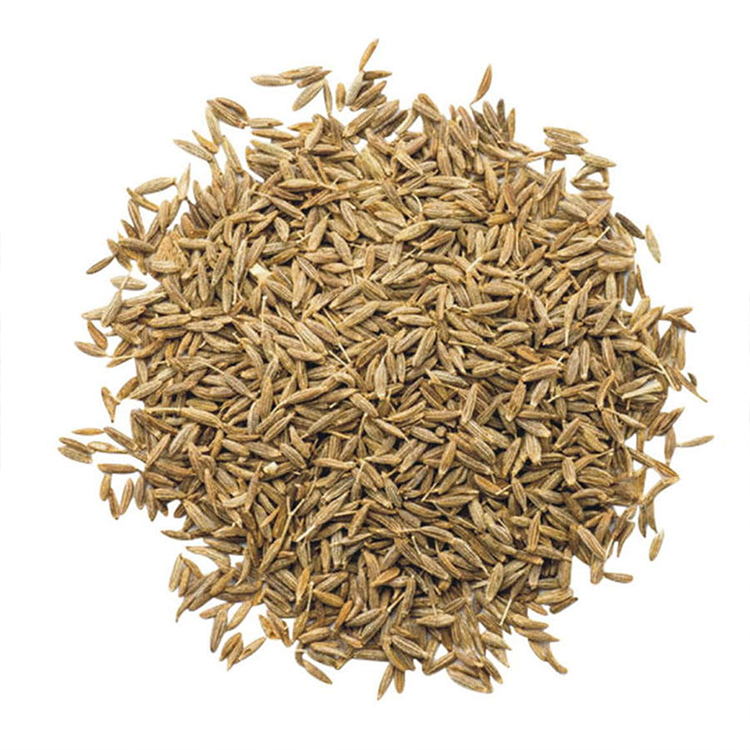
フェンネルの種子は、同じ倉庫に入荷しても、調味料、ハーブティー、抽出用、あるいは伝統的なハーブ製品など、用途によって出荷時の仕様が大きく異なります。この卸売ガイドでは、真剣なバイヤーが商業ロットを承認する前に見極めるべき品質指標について解説します。.
フェンネルは一見シンプルに見える。.
これは、スパイス業者、ハーブ販売業者、茶葉会社、抽出物メーカー、食品工場、および漢方薬卸売業者によって販売されている、小さく、香り高く、緑がかった種子のような果実であり、購入者はこれを、ある基準を満たしたロットであると想定しがちですが、 Foeniculum vulgare すべてのお客様に等しく質の高いサービスを提供することができます。.
それはできません。.
その思い込みこそが、調達におけるミスの始まりなのです。.
最初の区別は、ほとんど恥ずかしいほど基本的なものです。業界ではこれを フェンネルの種 薬典では、以下の植物の乾燥果実(具体的には、クレモカルプおよびメリカルプ)として記載されている。 Foeniculum vulgare. 。この用語の区別が重要なのは、生薬の規格、薬典、通関書類、検査報告書、香辛料の購入注文書などにおいて、見た目が同じ物質であってもその記述が異なる場合があるためです。EMAは、「フェンネルシード」を単一の不特定な商品として扱うのではなく、スイートフェンネルの果実とビターフェンネルの果実を正式に区別しています。.
ですから、質問をする前に フェンネルシードのサプライヤー 代償を払うなら、もっと高価な問いを投げかけてみてください:
一体何のためにそれを買うんですか?
香辛料メーカーは、アニスに似た清らかな香り、果実そのものの外観、粉砕時の挙動、微生物学的安全性、そして予測可能な風味の放出を重視する傾向があります。一方、ハーブティーや植物性製品のメーカーは、植物の品種、揮発性油の含有量、化学的組成、薬局方への適合性、エストラゴールの含有量、汚染物質の検査、および文書化された加工履歴を、はるかに重視する傾向があります。.
同じ植物です。.
別の購入です。.
理解するための最も手っ取り早い方法は フェンネルシードの卸売り 「成績」を普遍的な順位付けとして扱うのをやめることです。.
購入者がまず用途を明確にしない限り、「低グレード」「中グレード」「プレミアムグレード」といった、意味のある単一の格付け基準は存在しません。 鮮やかな緑色で甘い香りのフェンネルのロットは、目に見える調味料ブレンドには最適であっても、薬局方準拠のハーブ製品には不向きである可能性があります。逆に、化学的規格に適合しているハーブロットであっても、風味プロファイルが苦すぎたり、果実が著しく破損していたりすると、スパイスを求める顧客を失望させてしまう可能性があります。.
それは矛盾ではありません。仕様設計なのです。.
素材そのものから選び始める購入者にとっては、当サイトの フェンネルシード(シャオ・フイ・シャン)のまとめ買い商品ページ フェンネルを「果実・種子」と「乾燥スパイス」の両方のカテゴリーに分類していますが、これこそが、このガイドが取り上げている商業的な重複そのものです。.
について 料理用のフェンネルシード, 、香りは単なる飾りではありません。それはパフォーマンスなのです。.
おなじみの甘くアニスに似た香りの主成分は、トランス・アネトールです。フェンネルの揮発性油には、フェンチョン、エストラゴール、リモネンなどの成分も含まれることがあり、その配合比率は品種や産地によって大きく異なる場合があります。 米国国立医学図書館に収録された、12のフェンネル系統を比較した研究では、いくつかのことが明らかになりました。 F. vulgare 測定された揮発性化合物の中に約95.9~98.4%の(E)-アネトールを含むアクセスションが、2つ 亜種 piperitum 各試料のエストラゴール含有量は、71.6~72.41 TP3T 程度であった。.
その差はとてつもなく大きい。.
だからこそ、カラー写真だけを見て購入するのは、手抜きな調達だと言えるのです。.
香辛料としての用途については、購入仕様書には少なくとも以下の点を明記してほしい:
フェンネルをスパイスミックス、ソーセージ用調味料、カレー、ベーカリー用調味料、ピクルス用ミックス、スープの素、あるいは種子そのままの小売用パックに使用する場合は、より広範な 乾燥スパイスの卸売品ラインナップ 薬草の購入モデルを自動的に適用するのではなく、.
まずは味。.
しかし、味だけではありません。.
ハーブ用フェンネルの種 買い手は、どの植物品種が供給されたかを正確に証明し、その化学的組成が該当するハーブ基準を満たしているかどうかを証明する必要がある場合があるため、これには異なる考え方が求められます。.
欧州薬局方(European Pharmacopoeia)の規格に基づくEMAの評価では、甘味と苦味の区別が極めて明確に示されています:
それらは単なる宣伝用の形容詞ではありません。.
これらは測定可能な違いです。.
そして、それらは植物の大量取引における最悪の悪習の一つを露呈している。それは、ラテン名をあたかも完成された仕様書であるかのように売りつけるという行為だ。.
"Foeniculum vulgare, 「…最高品質」という言葉だけでは、私にはほとんど何も伝わってこない。.
どの品種か? どの部位か? 揮発性油の収量は? トランス-アネトールの含有量は? フェンチョンの含有量は? エストラゴールの含有量は? どの試験方法か? どのロットか?
そうした答えがなければ、ラテン名は単なる飾りに過ぎない。.
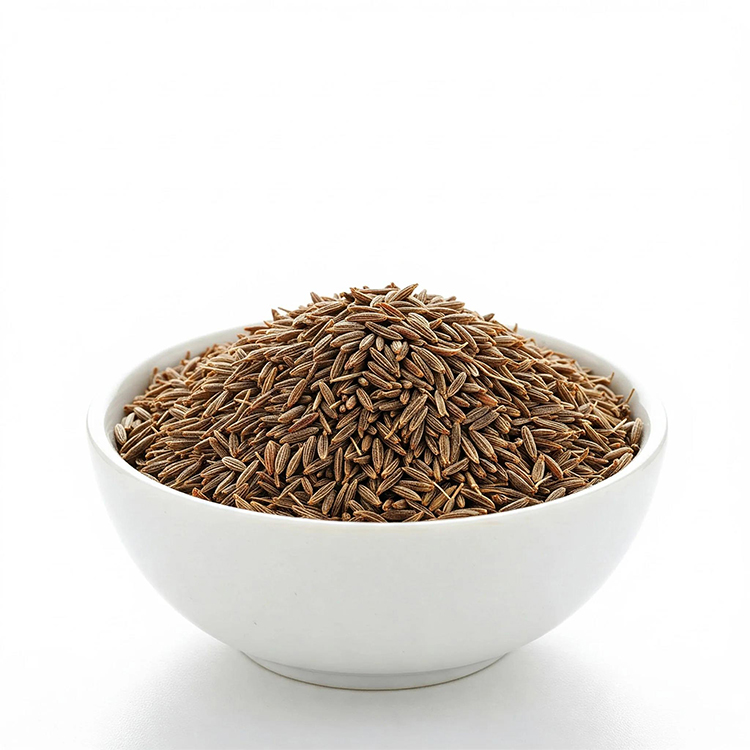
買い物客は「甘いフェンネル」や「苦いフェンネル」という言葉を耳にすると、その違いは主に味にあるのだと思い込んでしまうことが多い。.
そうではありません。.
その違いは、植物の品種、外観、精油の濃度、化学的特性、製剤上の挙動、さらにはその原料が評価される際の規制基準にまで及ぶ。.
| 調達要因 | スイートフェンネル | ビターフェンネル | 購入者がなぜ気にするべきなのか |
|---|---|---|---|
| 植物の品種 | F. vulgare subsp. vulgare var. ダルセ | F. vulgare subsp. vulgare var. vulgare | 種名のみによる曖昧な購入を防ぐ |
| 一般的な商業的なポジショニング | 料理、お茶、ハーブの調製 | ハーブ製剤、芳香療法 | 使用目的の変更に伴う承認基準 |
| 欧州薬局方(Ph. Eur.)に規定された精油 | 20 mL/kg以上の無水果実 | 40 mL/kg以上の無水果実 | 油の収率は、その特性、効能、香りに影響を与える |
| 精油中のアネトール含有量基準 | ≥80.0% | ≥60.0% | フェンネル特有の香りの主な要因 |
| フェンチョンの要件 | スイートフェンネルについて言及されている基準となる最低値ではない | ≥15.0% | フェンネルのほろ苦い風味を引き立てる |
| EMAによる外観の記述 | 淡い緑色、または淡い黄褐色 | 緑がかった茶色、茶色、または緑色 | アイデンティティの補完としては有用だが、それだけでは決して十分ではない |
| 購入者の優先順位 | 香り、甘み、清涼感、食品の安全性 | 成分、油分プロファイル、生薬規格、不純物管理 | 用途が異なれば、契約も異なる |
上記の薬局方値は、スイートフェンネルおよびビターフェンネルの果実に関するEMAの評価から直接引用したものです。.
さて、ここからが気まずいところですが。.
バイヤーは、これらの薬局方基準値をすべての食品契約に無条件に適用すべきではありません。フェンネルを純粋に料理用のスパイスとして輸入する場合、法的要件や顧客の仕様は異なる基準に従う可能性があります。しかし、サプライヤーが薬局方グレードのスイートフェンネルやビターフェンネルを供給すると主張するのであれば、バイヤーがわざわざ説明しなくても、サプライヤー側がこうした違いを理解していることを期待します。.
できない専門家に、なぜお金を払う必要があるのでしょうか?
「乾燥している」からといって、「無菌」というわけではない。.
その言葉は、すべての香辛料販売カウンターの上に掲げられるべきだ。.
FDAがスパイスに含まれる病原菌について実施した大規模なリスク評価の結果、以下のことが判明した。 サルモネラ菌 で 2007年度から2009年度にかけて、輸入されたスパイス2,844件の貨物のうち、6.6%がサンプリングされた。. 。特に果実・種子系スパイスについては、観察された有病率は 6.3%, 、1,465件のサンプリング対象貨物のうち92件が陽性であったことを踏まえて。FDAは、次のように結論付けた。 サルモネラ菌 この汚染問題は、特定の香辛料の種類、形態、あるいは国に限定された問題ではなく、香辛料のサプライチェーン全体にわたる問題であった。.
古いデータですか?
はい。.
関係がない?
絶対に違います。.
これらの数値は、乾燥スパイスの購入者が、水分、臭気、外観を微生物管理の代替手段として用いることができない理由を、最も明確に示している例の一つである。.
フェンネル畑は美しく見える一方で、食品安全上の問題を引き起こす可能性もあります。.
だから フェンネルの種(大容量) 食品、調味料、お茶、あるいは消費者が直接使用する目的で供されるものである場合、私はサプライヤーに対し、その原料が未処理であるか、あるいは検証済みの微生物低減処理が施されているかを明記するよう求めます。例えば、蒸気処理は微生物数の抑制に役立ちますが、処理が適切に行われないと、揮発性香気成分が変化してしまう可能性があります。.
何事にもトレードオフがつきものです。.
過度な処理は微生物を抑制できる一方で、スパイス購入者が求めているまさにその香りの特性を損なう恐れがあります。一方、処理が不十分だと、香りは保たれるものの、購入者が許容できない病原体リスクにさらされることになります。.
そのバランスについては、仕様書に記載すべきであり、商品到着後のWhatsAppでのやり取りで決めるべきではありません。.
より広範な果実・種子の調達プログラムを構築しようとしているバイヤーにとっては、 果実・種子類の漢方生薬カテゴリー これは、農薬、微生物、貯蔵、および同定に関する管理項目がしばしば重複するフェンネルと他の種子・果実原料とを比較する際に有用である。.
これは、今よりももっと注目されるべきだ。.
エストラゴールは、フェンネルやその他のいくつかの植物に含まれる天然の芳香成分です。これは、農薬残留物や偶発的な混入物、違法な添加物とは異なります。植物そのものに由来するものです。.
だからといって、それが無関係だということにはならない。.
2025年7月、欧州食品安全機関(EFSA)は、ハーブティーを含む甘味および苦味のフェンネル種子製剤に含まれるエストラゴールに特に焦点を当てた評価案を発表した。 EFSAは、入手可能な証拠からは安全な曝露レベルを確立できなかったとし、特に脆弱な集団に対する懸念を指摘した一方で、エストラゴールが除去されているか、検出されない製剤については、評価において異なる扱いとした。.
もう一度読んでみてください。.
問題は、化学そのものにある。.
一般の食品バイヤーにとって、これは「フェンネルの使用が禁止されている」という意味ではありません。 それは無責任な解釈だ。つまり、ハーブティー、濃縮エキス、サプリメント、乳幼児向け製品、あるいはその他の曝露に敏感な用途向けにフェンネルを販売するサプライヤーは、ケモタイプ、エストラゴール濃度、配合、投与量、および販売先の市場要件について、これまで以上に多くの質問を受けることを覚悟すべきだということである。.
そして、その原産地は、買い手が考えているよりもはるかに重要な要素となる可能性があります。.
2022年5月のEFSAパネル会議での議論では、フェンネル精油に含まれるエストラゴールの含有率に地域によって大きなばらつきがあることが指摘され、その一例として ポーランド産フェンネルの2.64%に対し、エジプト産フェンネルは87.49% 会議で提起されたデータについて。EFSAは、曝露評価について議論する際、地域による差異を認めた。.
それは丸め誤差ではありません。.
これは調達に関する注意喚起です。.
完成品が予測可能な揮発性成分のプロファイルに依存している場合、「原産国:X」という記載をCOAの末尾にひっそりと記載するだけでは不十分です。原産地、品種、収穫時期、ケモタイプ、および揮発性油のプロファイルは相互に関連付けられるものです。.
分析証明書には、疑問点が解消されるように記載されているべきです。.
ほとんどの人はそうではない。.
緑色の「PASS」のセルがびっしり並んだCOAは好きではありません。なぜなら、それらは、その仕様が本来の用途に適しているかどうかを示さないまま、購入者に安心感を与えてしまうからです。間違った仕様に対してテストに合格したとしても、その材料自体が間違っていることに変わりはありません。.
について 卸売用のフェンネルシードの選び方, 、リリースファイルを4つのレイヤーに分割します。.
少なくとも:
If the supplier markets the material as Xiao Hui Xiang or Foeniculi Fructus, the nomenclature should remain consistent across invoice, product specification, COA, carton label, and export documentation.
One name per document is not enough.
They must reconcile.
For spice buyers:
For herbal buyers, add whatever macroscopic, microscopic, or pharmacopoeial descriptors are applicable.
Depending on intended use:
For a pharmacopoeial herbal program, this section becomes much more important than it is for an ordinary whole-spice buyer.
The risk assessment should consider:
A stronger overview of destination-market expectations is available in the site’s 国際市場における漢方スライスの品質基準, which compares pesticide, microbiological, elemental-contaminant, storage, and documentation requirements across different regulatory frameworks.
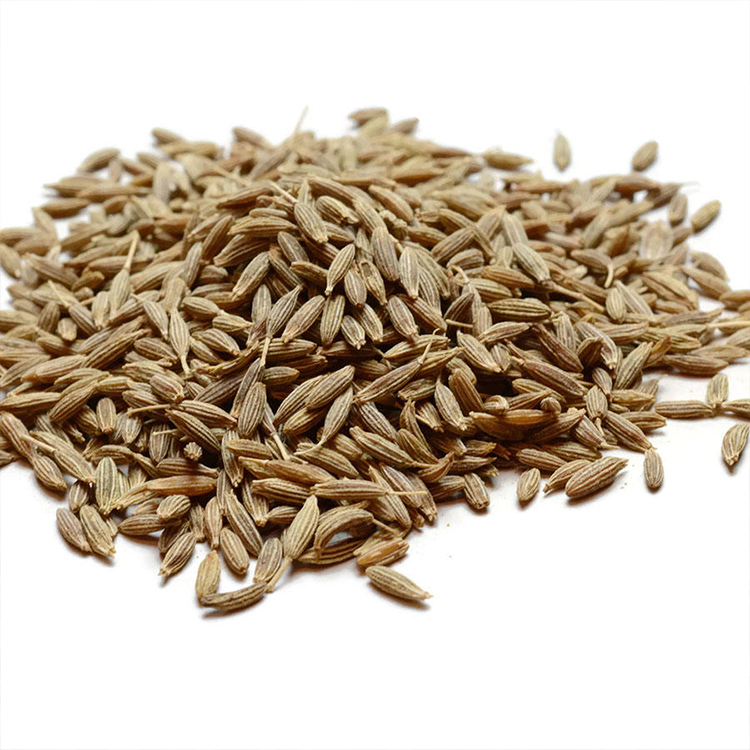
Powder hides evidence.
I know buyers like powder because it enters formulations cleanly and removes a milling step, but once fennel is ground, visual identity becomes weaker, oxidation accelerates because surface area increases, volatile compounds escape faster, and accidental substitution becomes harder to spot with the naked eye.
EMA’s fennel assessment notes that crushed or powdered fennel fruits gradually lose volatile constituents with aging.
That matters commercially.
A whole fennel lot gives the buyer more visible information: size, maturity, color, broken fruit, stalks, foreign seeds, insect damage, and general cleanliness. Crushed fennel gives faster extraction and blending but needs tighter particle-size and volatile-oil controls. Powder is convenient, yet demands stronger analytical identity, storage, oxidation, and aroma-retention management.
My hierarchy is simple.
If the manufacturing line can mill fennel reliably, I prefer buying whole or appropriately cleaned material and controlling milling closer to use. If a supplier must provide powder, I want stronger authentication and fresher production records.
Why surrender information for convenience?
価格は後からついてくる。.
Before I approve a new フェンネルシードのサプライヤー, I would send questions that force the supplier to reveal whether they actually control the material or merely trade whatever lot is available.
と尋ねている:
That last question is nasty.
いいね。.
A professional buyer should occasionally make suppliers uncomfortable.
One outstanding certificate tells me that a laboratory once tested a good batch. Three consecutive lot reports tell me something about process consistency.
For a broader qualification framework, the site’s guide to choosing high-quality Chinese herbal suppliers is a useful next step because it focuses on lot traceability, contaminant testing, documentation, and supplier auditability rather than brochure claims.
Do not write this:
Fennel seeds, premium, green, clean, good aroma.
それは仕様ではありません。.
It is optimism.
Instead, build the purchase standard around the finished product.
定義:
Then run an actual sensory trial.
Toast it.
Grind it.
Cook with it.
A fennel sample smelled directly from a bag is not the same material once it has been heated, ground, blended with salt, or processed into sausage, curry, bread, pickle, or seasoning oil.
Add:
The important word is intended.
Do not purchase first and decide the regulatory route afterward.
That sequence is backwards.
Volatile oil is valuable because it is volatile.
Obvious, right?
Apparently not.
A buyer can spend weeks selecting an aromatic lot and then accept thin packaging, warm storage, repeated bag opening, direct light, or long exposure to humid warehouse air. Aroma weakens. Oxidation continues. Moisture changes. And suddenly the retained approval sample smells better than production stock.
Then everyone argues.
Fennel intended for long-distance wholesale distribution should be packed to minimize moisture uptake, odor transfer, light exposure where relevant, and loss of volatile aroma. The exact packaging structure depends on shipment duration, climate, pack weight, and whether the material is whole, crushed, or powdered.
For product developers moving beyond raw-material supply into blends or private label, the site’s カスタムハーブ&スパイスOEM/ODMソリューション are relevant because fennel often moves from commodity purchasing into grinding, blending, tea formulation, packaging, and export labeling.
This transition is where specifications often collapse.
Raw-material QA approves one thing. Product development assumes another. Marketing makes a third promise.
Keep them aligned.
Here is my rule.
Buy for the application you are actually manufacturing, not for the label that sounds more premium.
If you are making seasoning, prioritize sensory consistency, cleanliness, grinding behavior, microbial control, residues, and repeatable flavor.
If you are making herbal tea, botanical preparations, extracts, or traditional herbal products, botanical variety, chemical profile, volatile oil, estragole, pharmacopoeial expectations, and lot documentation become much harder to ignore.
If you are doing both?
Write two specifications.
This is where buyers try to save money by forcing one raw-material standard across several product categories. Sometimes it works. Sometimes it creates a fennel lot that is technically acceptable everywhere and genuinely excellent nowhere.
I would rather manage two controlled specifications than one vague compromise.
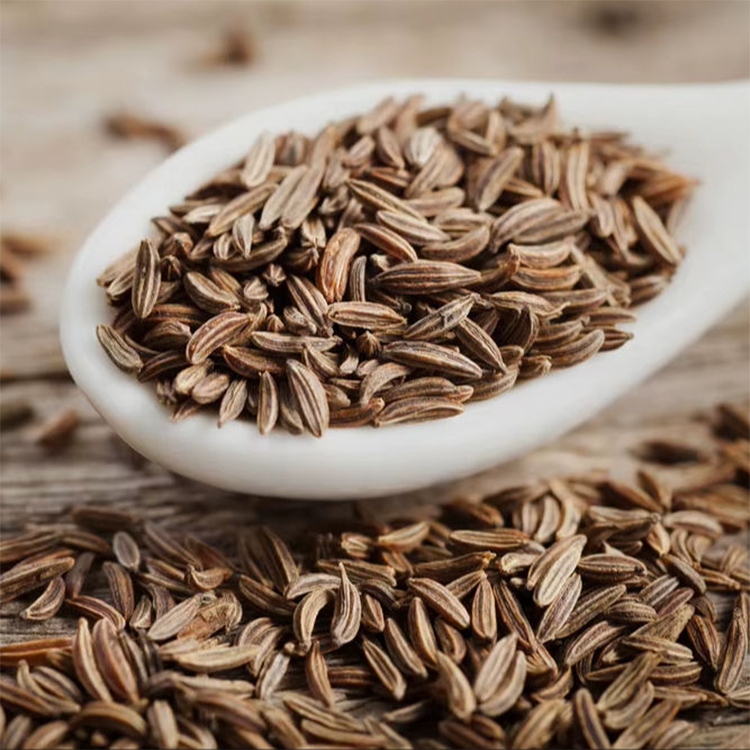
Fennel seeds for spice use are generally purchased around aroma, flavor, appearance, cleanliness, microbial safety, grinding performance, and food compliance, while herbal fennel is more likely to require documented botanical variety, pharmacopoeial identity, volatile-oil specifications, chemical markers such as anethole or fenchone, contaminant testing, and destination-specific regulatory documentation.
Both may come from Foeniculum vulgare, but that does not make the commercial specifications interchangeable. Culinary buyers are measuring sensory performance in food. Herbal buyers may be measuring identity and chemical composition against a pharmacopoeial or botanical standard.
Commercial fennel seeds are the dried fruits of Foeniculum vulgare, commonly described botanically and pharmacopoeially as cremocarps and mericarps rather than true isolated seeds. The spice trade still uses the familiar term “fennel seed,” so professional specifications should reconcile the commercial name with the botanical or pharmacopoeial terminology used in testing and documentation.
This distinction becomes important when matching purchase orders, laboratory reports, certificates of analysis, customs documents, and herbal pharmacopoeial references. A supplier should understand both names rather than treating them as different raw materials.
Bulk fennel seeds should be tested according to intended use, normally covering botanical identity, moisture, foreign matter, microbial quality, pathogens such as サルモネラ菌, pesticide residues, relevant heavy metals, and sensory quality, with volatile oil, trans-anethole, fenchone, estragole, or chromatographic identity added when herbal, extraction, or pharmacopoeial applications require them.
Do not blindly order the largest laboratory panel available. Build testing around destination regulation, processing method, dose or consumption format, supplier history, origin risk, and finished-product use.
Sweet fennel and bitter fennel are recognized varieties of Foeniculum vulgare with different pharmacopoeial characteristics: EMA documentation describes sweet fennel as requiring at least 20 mL/kg essential oil with at least 80% anethole, while bitter fennel requires at least 40 mL/kg essential oil, 60% anethole, and 15% fenchone.
That difference should stop buyers from ordering simply “fennel seed” when the finished product depends on a defined herbal standard or chemical profile.
Estragole is a naturally occurring constituent of fennel volatile oil whose concentration can vary substantially by variety, chemotype, and origin, making it increasingly relevant to fennel procurement for herbal infusions, extracts, supplements, and exposure-sensitive products, particularly where European safety assessments or vulnerable consumer groups must be considered.
For an ordinary culinary application, buyers should avoid turning this into alarmist marketing. For concentrated or herbal applications, however, ignoring estragole simply because it is naturally occurring is poor specification management.
The best fennel seed supplier is one that can repeatedly prove botanical identity, origin, crop traceability, lot-specific testing, microbial and contaminant control, declared treatment history, appropriate chemical specifications, retained samples, packaging control, and documentation that matches your destination market rather than relying on generic “premium quality” claims.
I would also compare at least two recent commercial lots before approving a long-term supplier. Consistency is more valuable than one unusually attractive sample.
Do this before requesting your next フェンネルシードの卸売り quotation.
Tell the supplier whether the material is for spice blending, whole-seed retail, herbal tea, extraction, supplements, traditional herbal use, or another defined application. Specify Foeniculum vulgare, confirm sweet or bitter fennel where relevant, request the current lot COA, define microbial and residue requirements, ask about volatile-oil chemistry when needed, and insist that treatment history and origin appear in the technical file.
Then compare price.
Not before.
調達する場合 フェンネルの種(大容量), Xiao Hui Xiang, dried spices, or other fruit-and-seed botanicals, send the target application, required specification, quantity, destination country, packaging format, and testing requirements before requesting a commercial quote. A useful supplier should be able to tell you whether the proposed fennel lot is built for your application—not merely whether it is available.