Rehmannia Root: How Processing Status Changes Your Specification
How processing status changes a Rehmannia root specification: dried vs prepared markers, process declarations, standards, packaging and RFQ fields for B2B buyers.
A purchase order that simply says “Rehmannia root” can describe three different materials: fresh root, dried root (Sheng Di Huang) and prepared root (Shu Di Huang). All three come from Rehmannia glutinosa, but their processing history, appearance, chemistry and sensible test panel are not the same. A specification written for dried root and reused for prepared root will either reject acceptable lots or pass the wrong ones. This guide shows how processing status changes each part of a Rehmannia specification: the name on the order, marker compounds, process documentation, moisture and packaging, and the standards you can reference. Procurement and QA teams can use it to write one clear requirement before asking for quotes.
What Does “Rehmannia Root” Mean on a Purchase Order?
International trade standards draw the same line. ISO 9109:2024 for Rehmannia glutinosa root covers dried root, including whole materia medica and decoction pieces, and explicitly excludes fresh and processed root. A buyer who cites that standard for Shu Di Huang is therefore citing a document that does not cover the material.
For a purchase order, state three things in writing:
Pharmacopoeial or Latin name: Rehmanniae Radix for dried root, Rehmanniae Radix Praeparata for prepared root.
Pinyin name: Sheng Di Huang or Shu Di Huang.
Processing status in plain English: “dried, unprocessed” or “prepared by steaming and drying, with or without rice wine”.
A bare “Di Huang” or “Rehmannia” on a quotation leaves the supplier free to choose the form, and a quote may default to whichever is cheaper to supply.
How Does Steaming and Drying Change Rehmannia Chemistry?
Preparation is a chemical step, not a cosmetic one. The distillate study cited above describes the traditional method as steaming dried root with rice wine, then sun-drying, repeated for nine cycles, with a classic sensory benchmark of “black as paint, sweet as wheat”. Its analysis found that 5-hydroxymethylfurfural (5-HMF) and furan compounds rose with steaming time. Iridoid and phenylpropanoid glycosides, including degradation products of catalpol and acteoside, changed or declined.
A Korean study that tracked catalpol and 5-HMF across repeated steaming and drying cycles gives a practical picture. In that work, 5-HMF was not detected in dried Rehmannia root. Catalpol was no longer detected after five cycles. Six or more cycles met the Korean Pharmacopoeia’s 0.1% minimum for 5-HMF, the index component for prepared root. These results apply to that study’s conditions and to one pharmacopoeial criterion. They show how a marker can behave, not what your target market requires.
The consequence for specifications is that marker logic inverts between the two forms:
For dried root, catalpol and acteoside are reasonable candidates if you use marker ranges. 5-HMF is not expected to be present.
For prepared root, catalpol is expected to fall, so a minimum copied from the dried-root spec could fail a correctly processed lot. 5-HMF becomes a processing indicator.
An illustrative scenario, not a real customer case: a supplement manufacturer reuses its dried-root spec, including a catalpol minimum, for a new prepared-root SKU. The first lot arrives dark, sweet and properly documented, yet incoming QC places it on hold because the catalpol result is low. The problem is the specification, and the delay comes from not defining the material before purchase.
Dried vs Prepared Rehmannia Root: Specification Comparison
The table compares how each specification field changes with processing status. Entries are qualitative guidance. Numeric limits must come from the pharmacopoeia, monograph or customer standard for your target market.
Pole specyfikacji
Dried Rehmannia root (Sheng Di Huang)
Prepared Rehmannia root (Shu Di Huang)
Imię i nazwisko podane w zamówieniu
Rehmanniae Radix, dried, unprocessed
Rehmanniae Radix Praeparata, with processing method stated
ISO 9109:2024 coverage
Within scope (dried root)
Outside scope (processed root excluded)
Process declaration
Drying method, drying end-point, sulfur-dioxide statement where relevant
Adjuvant (rice wine or none), steaming conditions, number of steam-dry cycles, drying method, end-point criteria
Marker logic
Catalpol and acteoside are possible markers; 5-HMF not expected
Catalpol expected to decline; 5-HMF used as a processing indicator under some pharmacopoeias
Sensory reference
Dark brown to black dried root per supplier listing
Black and sweet by traditional benchmark; confirm against an approved reference sample
Main physical risk
Wet cores in thick pieces, soil residue, mold
Clumping, stickiness, moisture pickup after packing
Traceability link
Origin and harvest lot, drying batch
Origin and harvest lot plus a processing batch record tied to the lot code
Core safety panel
Heavy metals, pesticide residues, aflatoxins, microbial limits, SO₂ where relevant
Same panel, applied to the finished prepared material
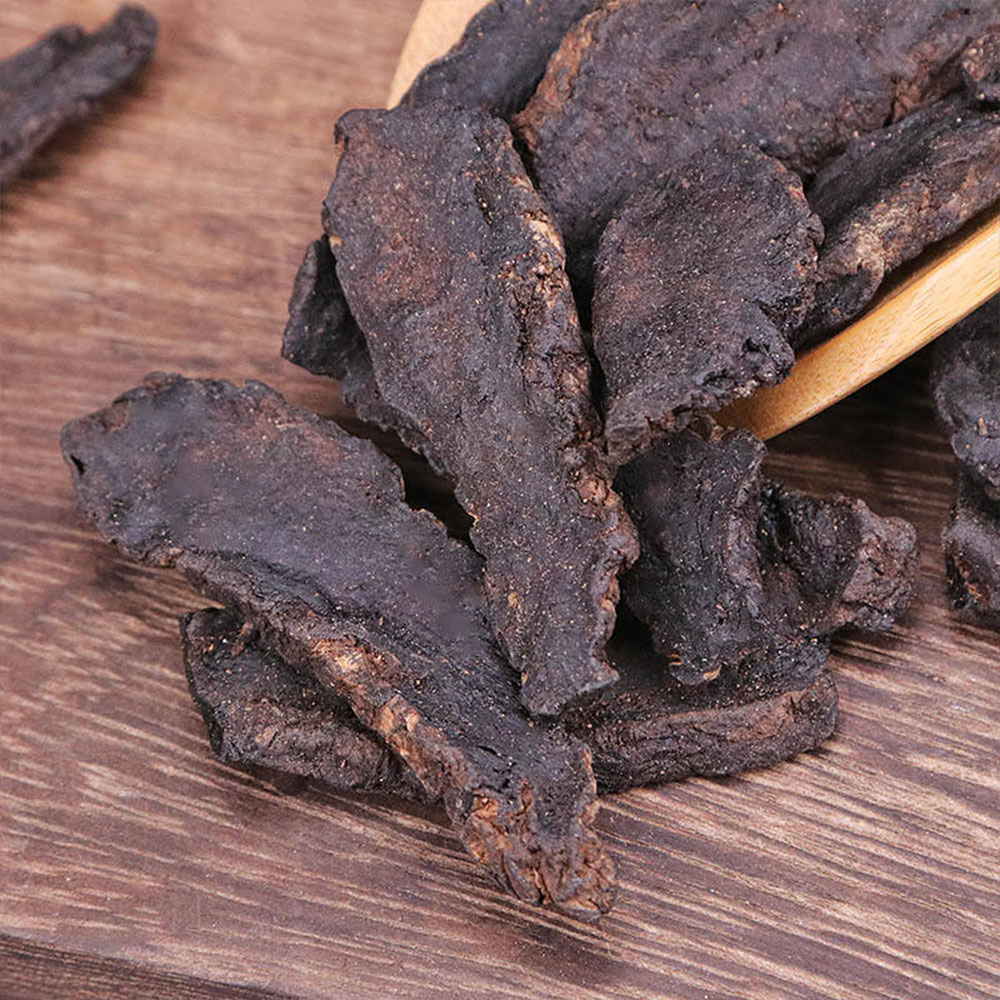
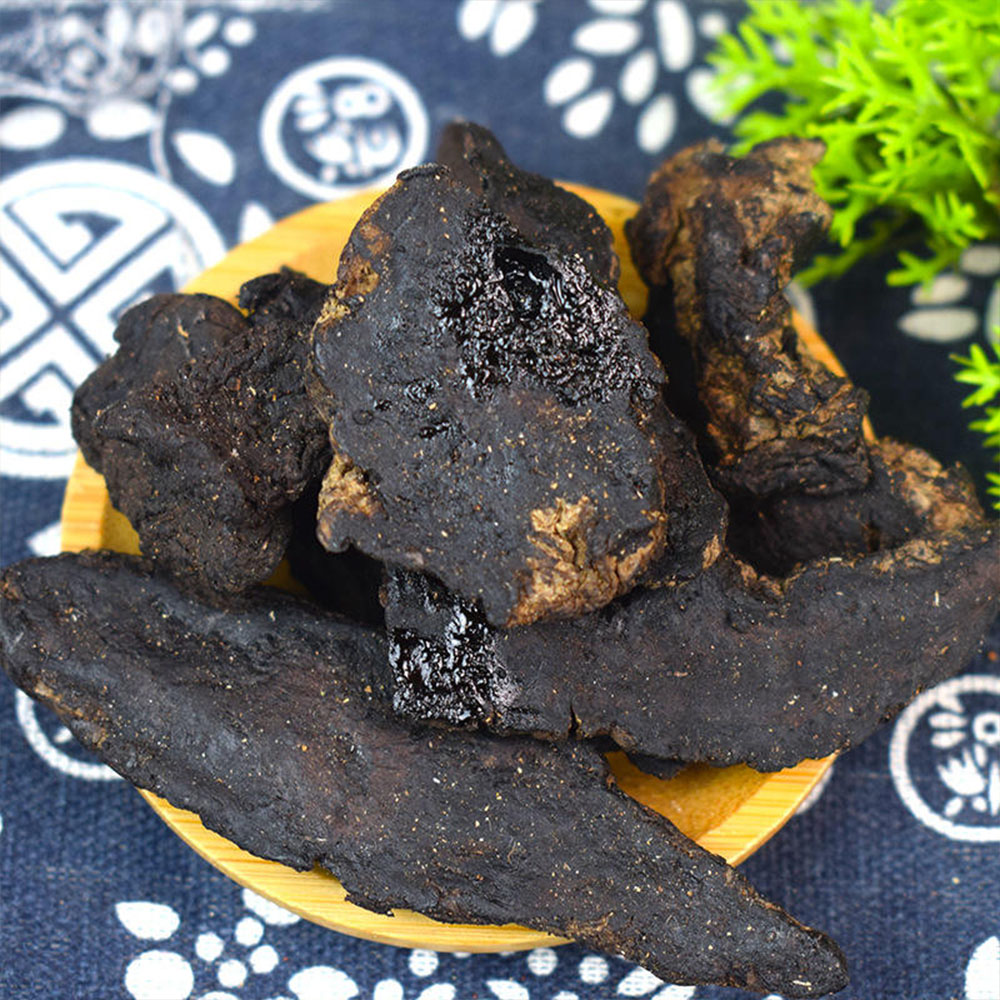
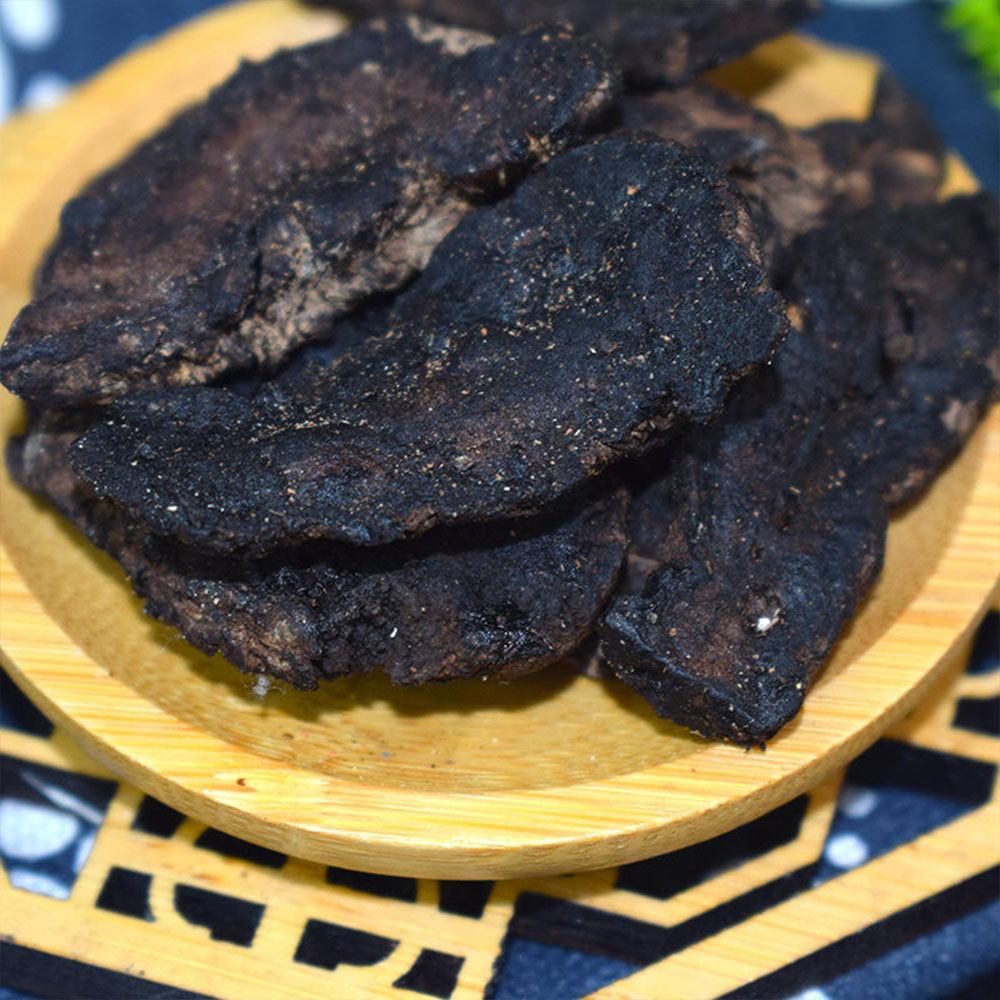
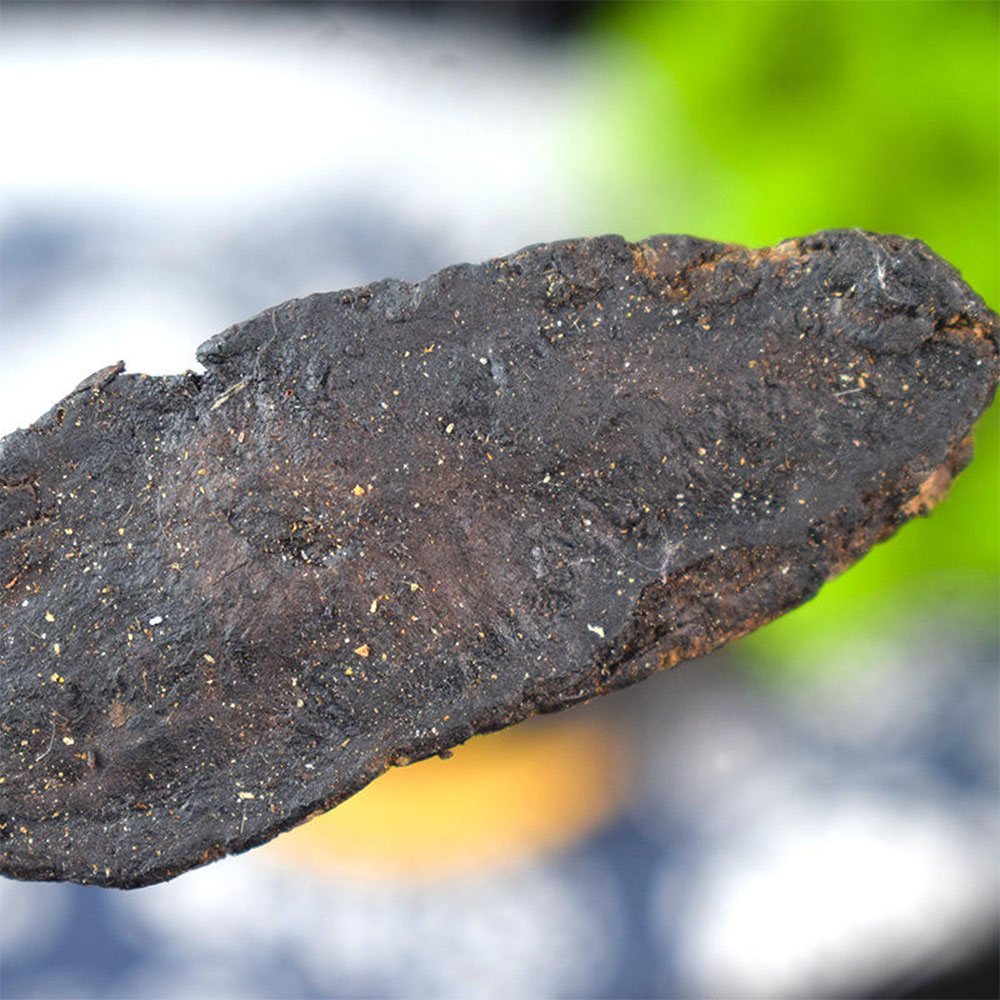
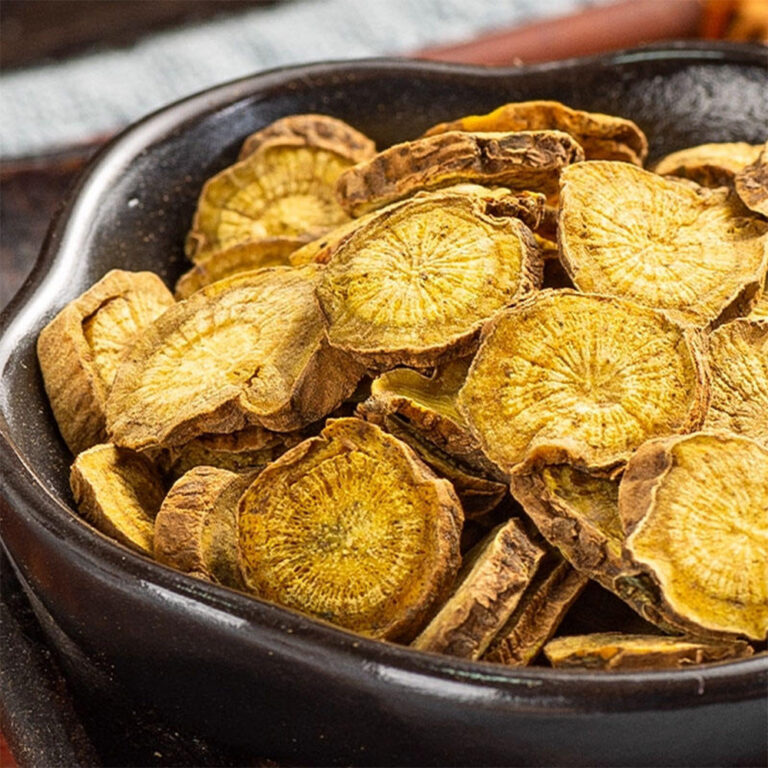
GuoCao's dried Rehmannia root (Sheng Di Huang) product listing describes a dried root with a dark brown to black, fibrous appearance and tags it as raw Rehmannia. A buyer who needs prepared material should ask for it as a separate item with its own documentation, rather than assuming the listing covers it.
What Should a Process Declaration for Prepared Rehmannia Include?
Prepared Rehmannia is the supplier’s process turned into an ingredient. Two producers can both sell “Shu Di Huang” and deliver materials that differ in cycles, temperature and end-point. Ask for a declaration covering:
Starting material: the dried root specification, origin and harvest year, so the input is as controlled as a purchased dried lot.
Adjuvant: whether rice wine was used, and in what proportion. This affects both the process record and any label statement.
Steaming conditions: time, temperature and equipment.
Number of steam-dry cycles: the study above shows this variable moves catalpol and 5-HMF.
Drying between cycles: sun, hot-air or other, and the end-point of each stage.
Final end-point: color, texture, moisture and any chemical indicator agreed in advance.
Batch link: a processing batch ID that maps to the lot code on the carton and COA.
This level of records is normal for heat-processed herbs. GuoCao’s overview of typowe metody przetwarzania chińskich ziół makes the same point for roasted, honey-fried and steamed materials. Time, temperature, ratios and end-point notes are what let a buyer verify that the process was repeatable.
Does a Darker, Blacker Slice Mean Better Processing?
Not necessarily. Color confirms that heat was applied. It does not show how many cycles were used, under what conditions, or whether the material reached a defined chemical end-point. In the Korean cycle study, the chemical markers moved with the number of cycles. A visual check alone therefore cannot distinguish a lightly processed lot from a fully processed one.
The opposite assumption is also unsafe. More cycles do not automatically mean a better product, because each cycle changes the balance between 5-HMF and the glycosides that decline. The right end-point depends on the pharmacopoeia you follow and the formulation, such as an extract, granule or tea blend. Define the target with an approved reference sample and agreed analytical ranges rather than asking for “black and sweet” on the PO.
The same caution applies to price. Prepared root costs more to make than dried root because it involves extra processing steps, so a quote that matches dried-root pricing deserves a question about what was actually done. That is a reasoned flag, not a proven rule.
How Does Processing Status Affect Cut Form, Moisture and Packaging?
Dried root. Slice uniformity governs drying. Supplier process guides, including GuoCao’s walkthrough of jak zioła przechodzą od zbioru do wysuszonego plasterka, describe thick pieces trapping wet cores and recommend an equalization rest before sealing. For a specification, that means stating the slice thickness range, powder or fines limit, moisture limit with its test method, and photo evidence of cross-sections from the actual lot.
Prepared root. Prepared pieces are often softer and stickier than dried root, so handling differs. Decide whether the root is cut before or after processing, and specify the cut form and fines fraction for your downstream use: extraction, tea-bag filling or blending. Ask what packaging the supplier uses and how it prevents clumping and moisture pickup in transit. Verify this on a sample shipped in production packaging, since a sample hand-delivered in a sealed jar says little about a drum after ocean freight.
In both cases, set a moisture limit and its method yourself. Do not copy a figure from another herb. If your QA team measures water activity, add it as a separate line.
Which Standards and Test Methods Should the Specification Reference?
Start from your target market, not the supplier’s habits.
Dried root: ISO 9109:2024 is a relevant international reference for requirements and test methods. The full text is a paid document, and only the public scope was reviewed here, so obtain it before citing specific limits.
Prepared root: no ISO 9109 coverage. Use the monograph of your target market’s pharmacopoeia, or write a customer specification with agreed methods. The 5-HMF minimum in the Korean study above is one example of a pharmacopoeial approach, not a universal one.
Contaminants and microbial limits: follow the market standard for your finished product, and state sample sizes and methods.
Specification sheets for Chinese herbal slices are easiest to build around five questions: identity, purity, strength, composition and contaminant limits. The same guide stresses that a COA must show test method, result, acceptance criterion and a lot code matching the carton. It also advises aligning methods between the supplier’s lab and yours early, to avoid out-of-specification disputes. For Rehmannia, add the processing status to the identity section and the marker logic to the strength section.
What Should Buyers Include in an RFQ for Rehmannia Root?
Include these fields so the quotation describes the material you intend to use:
Processing status: dried or prepared, using the naming format above.
Process declaration (prepared only): adjuvant, cycles, drying, end-point.
Kształt i krój: whole, sliced or cut pieces, thickness range, fines limit.
Origin and harvest year: and whether blended lots are acceptable.
Identity and markers: the identification method and any markers, chosen to suit the form.
Contaminant and microbial panel: with the target market named, since limits differ by market.
Moisture limit and packaging: liner type, carton or drum, and shipping route.
Dokumenty: COA with methods and acceptance criteria, process record, origin documents, retain-sample policy.
Quantity and delivery: order size, schedule, and sample quantity before the first order.
Buyers comparing Rehmannia with other roots in the same project can browse the korzeń i kłącze Chińskie leki category to see how other items are listed.
What Should You Verify Before Selecting a Supplier?
Before a deposit, confirm five points:
The supplier states the processing status in writing and uses the same name on the quote, COA and label.
For prepared root, it can produce a process record tied to the lot, and says whether processing is done in-house or by a subcontractor.
The COA lists methods and acceptance criteria, and its lot code matches the cartons.
A reference sample and a retain sample are agreed, with photos from the actual lot.
Test methods are aligned with your lab before the first shipment.
For more on supplier due diligence, including origin control and COA review, see GuoCao’s guide to raw versus prepared Rehmannia sourcing considerations. Then write a one-page specification covering name, processing status, markers, panel, moisture and packaging, and send it with the first RFQ instead of asking for price alone.
Często zadawane pytania
What is the difference between Sheng Di Huang and Shu Di Huang?
Sheng Di Huang is dried, unprocessed Rehmannia glutinosa root. Shu Di Huang is the prepared form, traditionally made by steaming and drying, often with rice wine. They differ in appearance, chemistry and documentation, so specify each as a separate item.
Does ISO 9109:2024 cover prepared Rehmannia root?
No. The standard’s scope covers dried Rehmannia glutinosa root, including whole materia medica and decoction pieces. Fresh and processed root are excluded. For prepared root, reference the target market’s pharmacopoeia or a written customer specification.
Which marker compounds should I specify for each form?
For dried root, catalpol and acteoside are common candidates if you use markers. For prepared root, catalpol is expected to decline with steaming, so 5-HMF is often used as a processing indicator. Confirm the markers against your target market’s monograph.
How many steaming cycles should prepared Rehmannia root have?
The traditional description is nine cycles. One Korean study found six or more met the Korean Pharmacopoeia’s 5-HMF minimum under its conditions. Your required cycle count or end-point should follow your destination pharmacopoeia, not that single study.
Can I use the same COA template for dried and prepared Rehmannia root?
The core safety panel, covering heavy metals, pesticide residues, aflatoxins and microbial limits, can be shared. Marker tests, process declaration and sensory reference must differ, because the materials and their expected chemistry are not the same.
What should a purchase order say to avoid receiving the wrong form?
State the pharmacopoeial name, pinyin name and processing status together, for example “Rehmanniae Radix Praeparata (Shu Di Huang), prepared by steaming and drying”. Attach the specification and require the same wording on the COA and carton labels.
Nasze niskie MOQ wynoszące 1 kg (2,2 funta) ułatwia zamawianie chińskich plastrów ziołowych lub hurtowych ziół medycyny chińskiej. Dostępne są również etykiety prywatne i dwujęzyczne.
Cykl dostawy i wsparcie
Czas realizacji zamówienia wynosi 7 dni. Zapewniamy bezpłatne próbki, raporty COA i wsparcie techniczne, aby pomóc Ci wprowadzić na rynek wysokiej jakości chińskie zioła luzem.
Jakość i certyfikaty
Nasze produkty są wytwarzane w zakładzie z certyfikatem GMP i spełniają normy ISO22000. Wszystkie chińskie zioła są testowane przez niezależne firmy na obecność metali ciężkich, pestycydów i mikroorganizmów.