Przewodnik po sprzedaży hurtowej nasion Cuscuta dla marek produkujących preparaty ziołowe
Nasiona Cuscuta nie są zwykłym towarem rolnym. Producenci preparatów ziołowych potrzebują potwierdzonych gatunków, danych z badań dotyczących poszczególnych partii, kontrolowanego procesu oczyszczania, możliwości śledzenia pochodzenia oraz specyfikacji dostosowanej do rynku docelowego.
Hurtowa sprzedaż nasion Cuscuta oznacza zakup certyfikowanych nasion Cuscutae Semen, spełniających określone wymagania, w ilościach handlowych przeznaczonych do produkcji preparatów ziołowych, proszków, herbat, kapsułek, tabletek lub ekstraktów. Poważny program zakupowy powinien określać dopuszczalne gatunki, część rośliny, klasę fizyczną, metody analityczne, dopuszczalne poziomy zanieczyszczeń, opakowanie, identyfikowalność oraz wymagania rynku docelowego, zanim w ogóle rozpocznie się dyskusja na temat ceny.
Tanie nasiona to oszustwo.
Gdy producent preparatów kupuje nasiona Cuscuta, opierając się wyłącznie na zdjęciu, ogólnym certyfikacie analizy oraz zapewnieniu dostawcy, że surowiec to “Tu Si Zi najwyższej jakości”, naraża się jednocześnie na szereg nieokreślonych zagrożeń: niejasność co do gatunku, obecność ciał obcych, niejednolity skład chemiczny, zanieczyszczenia, braki w dokumentacji oraz kosztowne odrzucenie partii.
Dlaczego profesjonalny nabywca miałby podpisać taki czek in blanco?
Moje stanowisko jest jednoznaczne: nasiona Cuscuta nie powinny być kupowane jako towar. Powinny być nabywane jako składnik preparatu podlegającego kontroli.
Dlaczego hurtowa sprzedaż nasion Cuscuta jest bardziej skomplikowana, niż się wydaje
Nazwy te wydają się być zamienne:
Nasiona Cuscuta
Tu Si Zi
Nasiona rdestnicy
Nasienie Cuscutae
Nasiona Cuscutae
Cuscuta chinensis Lam.
Z handlowego punktu widzenia nazwy te nie zawsze odnoszą się jednak do identycznej specyfikacji.
Zaktualizowana wersja z czerwca 2024 r. Przewodnik identyfikacyjny Departamentu Zdrowia w Hongkongu dotyczący nasion Cuscutae wymienia suszone dojrzałe nasiona jednego z następujących roślin: Cuscuta australis R. Br. lub Cuscuta chinensis Lam. jako uznane źródło. W uwadze do rozporządzenia znajduje się również odniesienie do “Semen Cuscutae” oraz dojrzałych nasion Cuscuta chinensis. Już sam ten fakt powinien skłonić międzynarodowych nabywców do zachowania ostrożności przed zatwierdzaniem materiałów wyłącznie na podstawie ich potocznej nazwy.
Nabywca prowadzący sprzedaż na danym rynku może zaakceptować źródło, które jest wykluczone przez innego klienta, farmakopeę lub wewnętrzną specyfikację.
To nie jest kwestia semantyki. To kwestia umowy.
Wpisać nazwę botaniczną w zamówieniu
W przypadku każdego zapytania hurtowego dotyczącego Cuscuta chinensis proszę dostawcę o podanie następujących informacji:
Nazwa botaniczna:Cuscuta chinensis Lam. Łacińska nazwa leku: Cuscutae Semen lub Semen Cuscutae Nazwy potoczne: Nasiona Cuscuta, nasiona dodderu, Tu Si Zi Część rośliny: Suszone dojrzałe nasiona Formularz przetwarzania: Surowy, oczyszczony, smażony na patelni, zmielony, sproszkowany lub ekstrahowany Kraj i region pochodzenia: Nazwane nie tylko “Chiny” Rok zbiorów: Określone w drodze losowania Norma odniesienia: Wersja o określonej nazwie lub specyfikacja nabywcy Przeznaczenie: Wywar, proszek, kapsułka, tabletka, herbata lub ekstrakt
“Tu Si Zi, najwyższej jakości” – to mi prawie nic nie mówi.
Najmniejsze nasiona wymagają rygorystycznej kontroli tożsamości
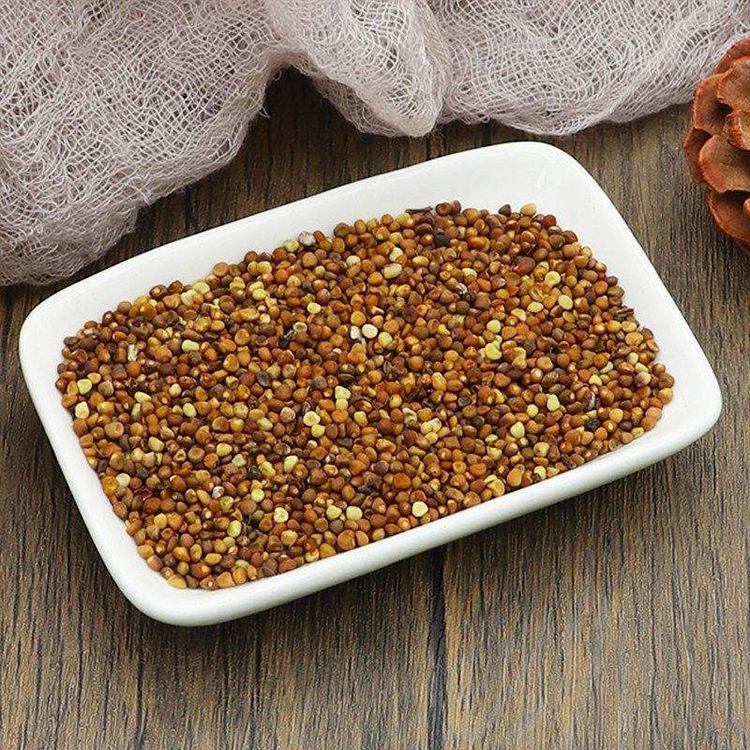
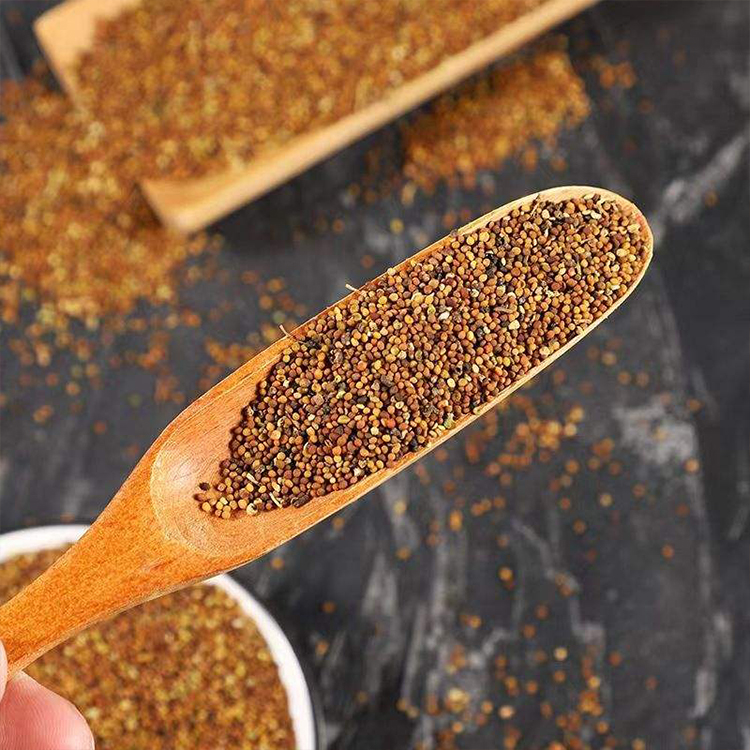
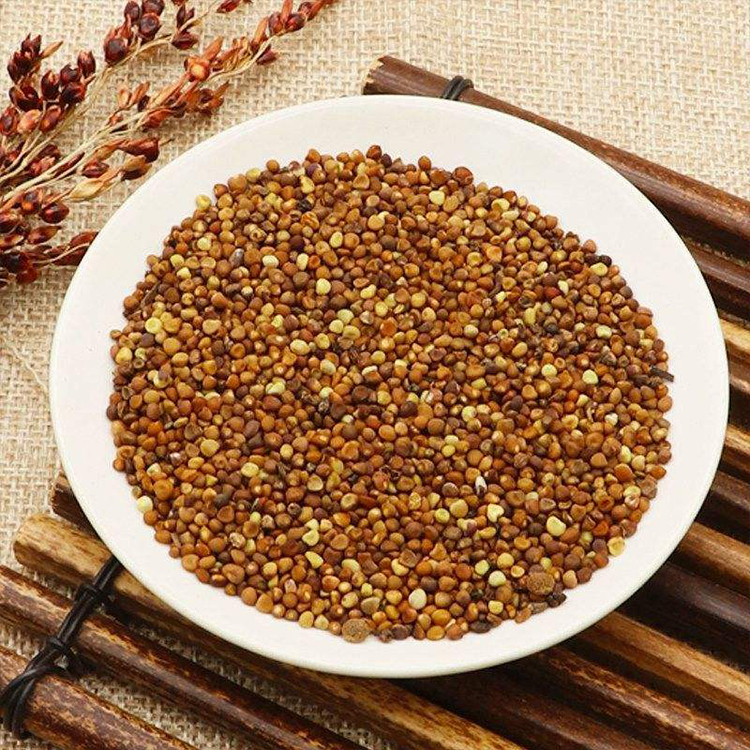
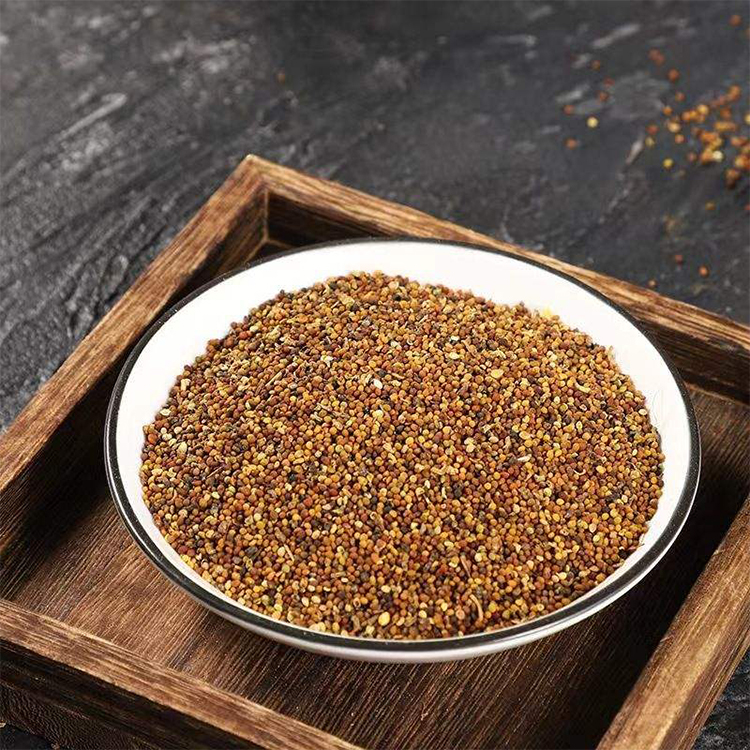
Nasiona Cuscuta są małe, brązowawe i dla niedoświadczonego zespołu odbiorczego trudne do odróżnienia od podobnych nasion, uszkodzonego materiału lub mieszanych partii.
W przewodniku rządu Hongkongu nasiona charakterystyczne opisano jako prawie odwrotnie jajowate lub prawie eliptyczne, z wypukłą stroną grzbietową, ukośną podstawą oraz lekko dziobowatym lub spiczastym kształtem. W części poświęconej badaniom mikroskopowym udokumentowano również budowę łupiny nasiennej, w tym dwa rzędy komórek palisadowych oraz pasmo świetlne widoczne przy odpowiednim powiększeniu mikroskopowym.
Dzięki temu nabywcy mają do wyboru kilka możliwych warstw tożsamości:
Badanie makroskopowe
Badanie mikroskopowe
Chromatograficzna identyfikacja
Badania związków markerowych
Identyfikacja na podstawie DNA, o ile jest to technicznie możliwe
Porównanie z uwierzytelnioną próbką referencyjną
Sam wygląd stanowi słaby dowód. FDA podkreśliła to samo w sprawie dotyczącej egzekwowania przepisów z 2024 r., w której chodziło o ekstrakty roślinne wyglądające jak podobne brązowe proszki.
Więcej na ten temat za chwilę.
Co dane chemiczne mogą – a czego nie mogą – Ci powiedzieć
Nasiona Cuscuta zawierają wiele kwasów fenolowych i flawonoidów. W badaniach naukowych najczęściej wymienia się hiperozyd lub hiperyny, kwercetynę, kemferol, kwasy chlorogenowe, izokwercytrynę, rutynę, astragalinę oraz izoramnetyny.
W badaniu z 2018 r. przeprowadzonym metodą HPLC-ESI-MS/MS oceniono 16 analitów z grupy kwasów fenolowych i flawonoidów w Cuscuta chinensis, pokazując, dlaczego profil chromatograficzny obejmujący wiele związków może zawierać więcej informacji niż pojedyncza reakcja barwna lub nieprecyzyjny wpis typu “flawonoidy: wynik pozytywny”. Badanie to jest przydatne przy opracowywaniu metod, choć nie ustanawia uniwersalnego komercyjnego limitu dla każdej partii nasion Cuscuta.
Trzy podmioty, o których często mowa w badaniach nad Cuscuta, to:
Hiperozyd: C₂₁H₂₀O₁₂
Kwercetyna: C₁₅H₁₀O₇
Kaempferol: C₁₅H₁₀O₆
Wspomniane wzory cząsteczkowe są zarejestrowane w bazie danych PubChem prowadzonej przez Narodową Bibliotekę Medyczną.
Jednak znaczniki mogą być nadużywane.
Wysoki wynik badania zawartości hiperozydu nie świadczy automatycznie o prawidłowym oznaczeniu gatunku, prawidłowym przetworzeniu, dopuszczalnym poziomie pestycydów ani dobrym stanie mikrobiologicznym. Żaden pojedynczy marker nie gwarantuje również, że ekstrakt z nasion Cuscuta będzie wykazywał stałe działanie w gotowej formule.
Moja niezmienna zasada jest prosta: tożsamość, skład i zanieczyszczenie to odrębne kwestie. Należy je badać osobno.
Specyfikacja dotycząca nasion cuscuty sprzedawanych luzem, którą sporządziłbym na piśmie
Specyfikacja powinna zawierać mierzalne kryteria akceptacji, nazwane metody oraz jasną ścieżkę decyzyjną. Nie powinna być zbiorem przymiotników.
Poniższa tabela stanowi ramy dotyczące zamówień, a nie uniwersalną monografię farmakopealną. Ostateczne wartości graniczne muszą być dostosowane do kraju przeznaczenia, zamierzonego zastosowania, wymagań klienta oraz obowiązującej normy.
Pole specyfikacji
Co powinien określić nabywca
Dokumenty, których dostarczenia oczekuje się od dostawcy
Tożsamość botaniczna
Dopuszczone gatunki, autor, część rośliny i łacińska nazwa leku
Raport dotyczący identyfikacji, badanie mikroskopowe, chromatografia lub inna odpowiednia metoda
Forma fizyczna
Całe nasiona, oczyszczone nasiona, przetworzone nasiona, proszek lub ekstrakt
Zdjęcia partii oraz zatwierdzona próbka referencyjna
Pochodzenie
Kraj, region uprawy, rok zbiorów i partia dostawcy
Dokumentacja dotycząca identyfikowalności oraz deklaracja pochodzenia
Ciała obce
Maksymalna wartość liczbowa i metoda kontroli
Rzeczywisty wynik partii, a nie tylko informacja o “zgodności”
Wilgotność
Wynik maksymalny i metoda badania
Wynik obliczeniowy wraz z odniesieniem do metody
Związki markerów
Wymagany znacznik, odcisk palca lub minimalna zawartość, jeśli ma to zastosowanie
Raport dotyczący analizy metodą HPLC, HPTLC lub zatwierdzoną metodą równoważną
Pierwiastki toksyczne
Wartości graniczne dla Pb, Cd, As i Hg w zależności od rynku przeznaczenia
Wyniki uzyskane metodą ICP-MS lub ich zatwierdzonymi odpowiednikami
Pestycydy
Limity panelowe oparte na ryzyku oraz limity rynków docelowych
Raport laboratoryjny zawierający wykaz analitów i granice wykrywalności
Mikrobiologia
Liczba ogółem i wymagania dotyczące patogenów
Raport mikrobiologiczny dotyczący konkretnej partii
Kontrola czystości
Przesiewanie, usuwanie kamieni, magnesy i wykrywanie metali
Dokumentacja procesu lub podsumowanie kontroli
Opakowanie
Wymagania dotyczące warstwy wewnętrznej przeznaczonej do kontaktu z żywnością, masy worków, zgrzewania oraz palet
Specyfikacja opakowania i zdjęcia
Identyfikowalność
Wyjątkowa partia – od surowca aż po wysyłkę
Kod partii, data produkcji i status dopuszczenia do obrotu
Zatrzymana próbka
Ilość, warunki przechowywania i okres przechowywania
Pisemna procedura przechowywania próbek
Kontrola zmian
Powiadomienie o zmianach dotyczących pochodzenia, procesu, badań laboratoryjnych lub specyfikacji
Podpisano umowę dotyczącą jakości
Procedura postępowania w przypadku awarii
Ponowne testowanie, wymiana, zwrot kosztów oraz odpowiedzialność za koszty transportu
Pisemna klauzula dotycząca niezgodności
Szczegółowy przewodnik serwisu po Oczyszczanie nasion Cuscuta, usuwanie kamieni i wykrywanie metali powołuje się na maksymalną wartość zawartości ciał obcych wynoszącą 8,01 TP3T podaną przez HKCMMS i wyjaśnia praktyczny problem związany z tą wartością: łodygi, nasiona chwastów, piasek, grudki ziemi, kamienie i różne inne materiały mogą przejść przez podstawowe przesiewanie.
Nadal ustaliłbym limit wydawania dostosowany do konkretnego nabywcy, zamiast automatycznie traktować 8.0% jako dopuszczalny cel handlowy. Limit określony w farmakopei i wewnętrzny limit zakupowy marki preparatów premium to niekoniecznie to samo.
Ta różnica ma znaczenie.
Prawdziwy certyfikat autentyczności musi zawierać rzeczywiste wyniki
Wyrażenie “dostępny certyfikat autentyczności” straciło niemal całkowicie swoje znaczenie.
Zgodnie z wytycznymi FDA dotyczącymi dobrych praktyk produkcyjnych (CGMP) w zakresie suplementów diety, certyfikat analizy wykorzystywany w procesie kwalifikacji dostawców powinien określać metodę badania lub analizy, obowiązujące wartości graniczne oraz rzeczywiste wyniki. FDA wymaga również unikalnej identyfikacji partii oraz możliwości śledzenia otrzymanych składników objętych przepisami 21 CFR część 111.
W związku z tym prawidłowy certyfikat analizy (COA) nasion Cuscuta powinien zawierać następujące informacje:
Wilgotność: 7,31 TP3T, nie “Zaliczone”
Ołów: 0,21 mg/kg, nie spełnia wymogów“
Całkowita liczba bakterii tlenowych: 1,4 × 10³ CFU/g, nie “w normie”
Identyfikacja metodą mikroskopową: Zgodność z wymienionym materiałem odniesienia
Oznaczenie zawartości hiperozydu metodą HPLC: rzeczywisty wynik, o ile jest uwzględniony w specyfikacji
Ciała obce: 0,61 TP3T, nie “czyste”
Raport musi być zgodny z wysłaną partią.
Ponownie wykorzystany certyfikat autentyczności (COA) z zeszłego roku stanowi materiał marketingowy, a nie dowód pochodzenia partii.
Dwie sprawy rozpatrywane przez FDA, z którymi powinny zapoznać się marki produkujące preparaty ziołowe
Nasiona Cuscuta nie były wymienione jako składnik w poniższych sprawach. Właśnie dlatego mają one znaczenie.
Egzekwowanie przepisów przez FDA nie zależy od tego, czy dany składnik roślinny jest modny, tradycyjny, rzadki czy drogi. Powtarzające się pytania są znacznie mniej romantyczne: Czy firma ustaliła specyfikacje identyfikacyjne? Czy zastosowane metody były odpowiednie? Czy określono dopuszczalne poziomy zanieczyszczeń? Czy dokumentacja to potwierdza?
Pismo ostrzegawcze dotyczące firmy Restorative Botanicals z 2024 r.
Agencja skrytykowała w szczególności opieranie się na barwie, zapachu i smaku w przypadku kilku ekstraktów grzybowych, ponieważ wiele składników mogło wyglądać jak podobne brązowe proszki. FDA zwróciła również uwagę na brak specyfikacji dotyczących pierwiastków toksycznych i zażądała zastosowania naukowo uzasadnionych metod weryfikacji.
Ma to bezpośredni związek ze sprzedażą hurtową ekstraktu z nasion Cuscuta.
Gdy substancja roślinna zamienia się w drobny brązowy proszek, wiele cech pozwalających na jej wizualną identyfikację zanika. Jeśli jedynym opisem dostawcy jest “brązowy proszek o charakterystycznym zapachu”, nie dysponujesz programem identyfikacji, który dałby się obronić.
Masz opis.
Pismo ostrzegawcze dotyczące Szczytu Dalekiego Wschodu 2024
W swoim pismo ostrzegawcze skierowane do organizatorów szczytu Far East Summit, FDA stwierdziła, że roślinne składniki żywności są często narażone na ryzyko zanieczyszczenia metalami ciężkimi, mikroorganizmami i pestycydami w związku z warunkami uprawy, zbioru i przetwarzania. Agencja zwróciła uwagę na brak ustalonych limitów zanieczyszczeń dla składników pochodzenia roślinnego.
Trudna prawda? Termin “naturalny” odnosi się do pochodzenia. Nie świadczy on o bezpieczeństwie.
Oczekiwałbym, że dostawca Semen Cuscutae wyjaśni, dlaczego zestaw zanieczyszczeń, który określił, jest dostosowany do lokalizacji gospodarstwa, wcześniejszych wyników, warunków przetwarzania, planowanej postaci dawkowania, dziennego narażenia oraz rynku docelowego. Ogólny raport dotyczący czterech metali może stanowić część odpowiedzi, ale nie jest to automatycznie cała odpowiedź.
Amerykańscy importerzy nie mogą przerzucać odpowiedzialności na dostawcę nasion dodderu
W przypadku importu do Stanów Zjednoczonych podlegającego przepisom dotyczącym programów weryfikacji dostawców zagranicznych (FSVP) importer musi co do zasady opracować, aktualizować i stosować program FSVP dla każdego importowanego produktu spożywczego, chyba że ma zastosowanie wyłączenie lub zmodyfikowany wymóg.
FDA stwierdza, że weryfikacja dostawcy może obejmować audyty na miejscu, pobieranie próbek i przeprowadzanie badań oraz przegląd dokumentacji dotyczącej bezpieczeństwa żywności prowadzonej przez zagranicznego dostawcę. Oczekuje się również oceny dotychczasowych wyników dostawcy, wyników poprzednich badań, ustaleń z audytów oraz dokumentacji dotyczącej działań naprawczych.
Certyfikat zgodności (COA) nie zastępuje weryfikacji dostawcy.
Wytyczne FDA dotyczące programu FSVP idą jeszcze dalej: badania okresowe lub przeprowadzane dla poszczególnych partii mogą same w sobie okazać się niewystarczające, ponieważ wynik badania gotowego produktu niekoniecznie świadczy o tym, że dostawca konsekwentnie kontrolował surowce, etapy produkcji oraz procedury produkcyjne.
Dlatego wolę stosować czteroczęściowy zestaw dowodów:
Ocena zatwierdzonych dostawców i zakładów
Pisemne specyfikacje surowców i produktów gotowych
Dokumentacja dotycząca badań i dopuszczenia poszczególnych partii
Niezależna weryfikacja oparta na analizie ryzyka
Strona 15 punktów kontroli procesu dla chińskich surowców ziołowych opiera się na podobnej logice: kwalifikacja dostawców, identyfikacja botaniczna, termin zbiorów, kwarantanna przywozowa, czyszczenie, suszenie, badania, dopuszczenie do obrotu oraz identyfikowalność muszą stanowić jeden spójny proces.
Nie da się rozwiązać problemu chaotycznego łańcucha dostaw wyłącznie za pomocą testów.
Hurtowa sprzedaż całych nasion Cuscuta a ekstraktu z nasion Cuscuta
„Całe nasiona” i „ekstrakt” nie są kategoriami zakupowymi, które można traktować zamiennie.
Całe nasiona Cuscuta są zazwyczaj kupowane z przeznaczeniem do przygotowywania wywarów, mieszanek herbat ziołowych, bezpośredniego mielenia, granulacji lub ekstrakcji przez partnera produkcyjnego danej marki. Ekstrakt przeszedł już proces produkcyjny, który może obejmować stosowanie wody, etanolu, zagęszczanie, suszenie, dodawanie nośników, środków przeciwzbrylających lub granulację.
To zmienia sytuację.
Jeśli chodzi o zakup hurtowy całych nasion, zapytaj o
Identyfikacja gatunków i części roślin
Czyszczenie i usuwanie ciał obcych
Historia zbiorów i przechowywania
Wilgoć i aktywność owadów
Przydatność do frezowania
Skuteczność wywaru lub ekstraktu
Jednorodność nasion
Badania pestycydów, metali i mikroorganizmów
Właściwości barierowe opakowań
Jeśli chodzi o ekstrakt z nasion Cuscuta, zapytaj o
Rozpuszczalnik ekstrakcyjny
Stosunek leku do ekstraktu
Współczynnik ekstraktu naturalnego
Specyfikacja związku markerowego
Nazwa przewoźnika i wartość procentowa
Pozostałości rozpuszczalników
Wielkość cząstek i gęstość nasypowa
Higroskopijność
Rozpuszczalność lub zdolność do dyspersji
Oczyszczanie mikrobiologiczne
Identyfikowalność surowców wyjściowych
Identyfikacja chromatograficzna
Porównanie odcisków palców między partiami
Określenie “ekstrakt 10:1” nie stanowi pełnej specyfikacji.
Dziesięć kilogramów surowego nasiona, które teoretycznie wykorzystuje się do wytworzenia jednego kilograma ekstraktu, nie dostarcza informacji na temat wydajności ekstrakcji, układu rozpuszczalnikowego, zawartości nośnika, retencji markerów ani tego, czy stosunek ten jest rzeczywisty, czy obliczony.
Odrzuciłbym ten wskaźnik, dopóki te szczegóły nie zostaną ujawnione.
Marki, które potrzebują usług w zakresie klasyfikacji cząstek proszku, mieszania na zamówienie, mielenia, produkcji pilotażowej lub formatów pod własną marką, mogą zapoznać się z informacjami na stronie usługi w zakresie mieszania i mielenia chińskich ziół na dużą skalę. Strona zawiera informacje na temat mielenia, krojenia, mieszania, pakowania, zatwierdzania próbek, dokumentacji certyfikatu analizy (COA) oraz usług OEM/ODM dla producentów preparatów ziołowych.
Jak zaopatrzyć się hurtowo w nasiona Cuscuta bez ryzyka przyszłych reklamacji
Zacznij od produktu, który chcesz stworzyć
Poinformuj dostawcę, do czego zostanie wykorzystany ten materiał.
Czy chodzi o sypką mieszankę ziołową, kapsułkę o dawce 500 mg, ekstrakt wodny, nalewkę, tabletkę prasowaną czy napój w proszku?
W ramach wniosku określa się wymagania dotyczące wielkości cząstek, ryzyko mikrobiologiczne, właściwości ekstrakcyjne, opakowanie, badania markerów oraz dokumentację.
Dostawca nie może zaproponować odpowiedniego materiału, jeśli nabywca nie ujawni, do czego ma on służyć.
Przed zwróceniem się o najniższą cenę należy przedstawić specyfikację
Większość nabywców postępuje odwrotnie. Zbierają oferty, wybierają atrakcyjną kwotę, a dopiero potem pytają, czy dana partia spełnia ich wymagania.
To prowadzi do przewidywalnego konfliktu.
Przy zakupie 1 000 kg rabat w wysokości $0,50/kg pozwala zaoszczędzić $500. Jedna odrzucona dostawa, pilne ponowne badanie, opóźnienie w produkcji, reklamacja klienta lub projekt ponownego etykietowania mogą zniwelować tę oszczędność wielokrotnie.
Najtańsza oferta często zawiera najwięcej pytań bez odpowiedzi.
Poproś o trzy warstwy dokumentu
Najpierw należy poprosić o dane na poziomie firmy:
Tożsamość biznesowa i produkcyjna
Odpowiedni certyfikat zgodności z dobrymi praktykami produkcyjnymi (GMP) lub certyfikat bezpieczeństwa żywności
Zakres certyfikacji
Adres obiektu
Możliwości laboratoryjne
Procedury wycofania produktu z rynku i składania skarg
Po drugie, poproś o dowody dotyczące konkretnego produktu:
Arkusz specyfikacji
Schemat procesu
Metoda identyfikacji botanicznej
Specyfikacja opakowania
Warunki przechowywania
Na podstawie okresu przydatności do spożycia
Po trzecie, należy zażądać dowodów na poziomie partii:
Aktualny certyfikat zgodności (COA)
Numer partii
Data produkcji lub pakowania
Rzeczywiste wyniki badań dotyczących zanieczyszczeń
Dokumentacja identyfikowalności
Reprezentatywna próbka partii
Strona Lista kontrolna dla dostawców chińskich ziół – 25 pytań stanowi przydatne narzędzie do weryfikacji, ponieważ skupia się na tożsamości, pochodzeniu, przetwarzaniu, certyfikatach pochodzenia (COA), zanieczyszczeniach, dowodach fabrycznych oraz odpowiedzialności dostawców, a nie na samym gromadzeniu certyfikatów.
Zatwierdź reprezentatywną próbkę, a nie egzemplarz wystawowy
Dostawcy wiedzą, jak przygotować piękne próbki.
Zapytaj więc, czy próbka pochodzi z:
Aktualne zapasy produkcyjne
Proponowana działka komercyjna
Utrzymanie w laboratorium
Starannie dobrana próbka marketingowa
Następnie należy wpisać zatwierdzony przykładowy kod do umowy kupna.
Czysta próbka o masie 200 g nie ma większego znaczenia, jeśli dostawa o masie 800 kg pochodzi z innego zbioru, regionu, magazynu lub partii przetwórczej.
Skorzystaj z niezależnych testów przeprowadzanych po przyjeździe
Niezależna weryfikacja powinna opierać się na analizie ryzyka, a nie mieć charakter pokazowy.
Pierwsze zamówienie u nowego dostawcy nasion czerwiu może uzasadniać przeprowadzenie bardziej szczegółowych badań. Gdy dostawca wykaże stabilność wyników i kontrolę procesu, harmonogram weryfikacji można dostosować zgodnie z obowiązującymi przepisami, ryzykiem związanym z produktem, dotychczasowymi wynikami oraz systemem jakości nabywcy.
Nie należy ogłaszać, że co dziesiąta partia zostanie poddana kontroli, i zakładać, że system będzie bezpieczny na zawsze.
Testami przewidywalnymi łatwo się zarządzać.
Powiadomienie o zmianie zapotrzebowania
Dostawca powinien poinformować Państwa przed wprowadzeniem zmian:
Źródło botaniczne
Region uprawy
Rok zbiorów
Procesor
Rozpuszczalnik ekstrakcyjny
Przewoźnik
Metoda sterylizacji
Laboratorium
Metoda analityczna
Materiały opakowaniowe
Zakład produkcyjny
Wartość graniczna określona w specyfikacji
Bez formalnej kontroli zmian materiał zatwierdzony w zeszłym roku może niepostrzeżenie stać się innym produktem w tym roku.
Jak naprawdę wygląda najlepszy dostawca nasion Cuscuta dla marek ziołowych
Najlepszy dostawca niekoniecznie musi być największą fabryką.
Nie jest to też dostawca, który ma najdłuższą prezentację w formacie PDF.
Szukam konkretnych odpowiedzi:
Czy potrafią określić dokładne pochodzenie botaniczne? Profesjonalny dostawca podaje nazwę łacińską, część rośliny, pochodzenie oraz uznany wzorzec referencyjny.
Czy potrafią wyjaśnić metodę identyfikacji? “W przypadku proszków lub ekstraktów wysokiego ryzyka nie wystarczy, by ”sprawdzali je doświadczeni pracownicy”.
Czy COA przedstawia rzeczywiste dane? Wyniki liczbowe są bardziej przydatne niż strona wypełniona samymi ocenami “zaliczone”.”
Czy są w stanie powiązać dostarczoną partię z gospodarstwem lub zatwierdzonym źródłem surowców? Możliwość śledzenia powinna wykraczać poza etykietę na opakowaniu zewnętrznym.
Czy potrafią wyjaśnić, na czym polegają straty związane z czyszczeniem oraz kontrola ciał obcych? Przesiewanie, odsysanie, usuwanie kamieni, magnesy i wykrywanie metali pełnią różne funkcje.
Czy ujawnią swoje niepowodzenia? Dostawca, który twierdzi, że każda partia zawsze przechodzi wszystkie testy, niekoniecznie robi dobre wrażenie. Może to oznaczać, że program testów jest słaby, specyfikacja jest mało rygorystyczna lub że dokumentacja jest dostosowywana pod kątem sprzedaży.
Czy zgodzą się na niezależną weryfikację i pisemne środki zaradcze? Zaufanie nabiera znaczenia, gdy zostanie zapisane w umowie.
Dla marek porównujących szerszą gamę surowców owocowych i nasiennych, strona ta Katalog chińskich leków na bazie owoców i nasion podaje, że dostępne są zamówienia na małe ilości, próbki, certyfikaty analizy (COA), opakowania na zamówienie oraz wsparcie techniczne. Nabywcy powinni jednak potwierdzić aktualne warunki, zakres badań oraz czas realizacji dla konkretnej specyfikacji nasion Cuscuta.
Najczęściej zadawane pytania
Czym jest hurtowa sprzedaż nasion Cuscuta?
Hurtowa sprzedaż nasion Cuscuta polega na zakupie w celach biznesowych autentycznych nasion Cuscutae Semen, których pochodzenie można prześledzić w ramach partii — zazwyczaj określanych jako Cuscuta chinensis Lam. lub inne źródło uznane na rynku — w ilościach handlowych przeznaczonych do produkcji herbat, proszków, ekstraktów, kapsułek, tabletek lub tradycyjnych preparatów ziołowych, wraz z pisemnymi wymaganiami dotyczącymi tożsamości, czystości, zanieczyszczeń, pakowania, badań oraz zgodności z wymogami rynku docelowego.
Profesjonalni nabywcy powinni określić dopuszczalne gatunki i normy, zamiast opierać się wyłącznie na nazwie “Tu Si Zi” lub “nasiona dodderu”.
Jak znaleźć wiarygodnego dostawcę nasion Cuscuta?
Wiarygodny dostawca nasion Cuscuta to producent lub udokumentowany partner dostawczy, który dla każdej wysyłanej partii zapewnia powiązanie z uznanym źródłem botanicznym, częścią rośliny, pochodzeniem, dokumentacją przetwarzania, certyfikatem analizy (COA) dla danej partii, naukowo uzasadnioną metodą identyfikacji, limitami zanieczyszczeń, próbką archiwalną, kodem identyfikacyjnym oraz pisemną procedurą postępowania w przypadku stwierdzonych niezgodności.
Dostawca powinien również zaakceptować pobieranie próbek reprezentatywnych, niezależną weryfikację, powiadomienia o zmianach oraz warunki umowy dotyczącej jakości.
Jakie badania należy przeprowadzić w przypadku nasion Cuscuta kupowanych luzem?
Nasiona Cuscuta w partiach hurtowych powinny zostać poddane badaniom w ramach programu opartego na ocenie ryzyka, obejmującego identyfikację botaniczną, cechy makroskopowe lub mikroskopowe, obecność ciał obcych, wilgotność, mikroorganizmy, pozostałości pestycydów, pierwiastki toksyczne, takie jak ołów, kadm, arsen i rtęć, a także markery chemiczne lub profile chromatograficzne, jeżeli wymagają tego specyfikacje kupującego lub normy obowiązujące w miejscu przeznaczenia.
Ostateczna tabela powinna uwzględniać pochodzenie, przeznaczenie, dzienne narażenie, formę przetworzenia, wymagania klienta oraz obowiązujące przepisy.
Jaka jest różnica między nasionami Cuscuta a ekstraktem z nasion Cuscuta?
Nasiona Cuscuta i ekstrakt z nasion Cuscuta to różne składniki dostępne na rynku: całe nasiona zachowują pierwotną matrycę botaniczną, co pozwala na ich stosowanie w wywarach, mieleniu lub bezpośrednim dodawaniu do preparatów, natomiast ekstrakt jest wytwarzany przy użyciu określonego rozpuszczalnika oraz zgodnie z określoną proporcją lub specyfikacją markerów, co wiąże się z odrębnymi wymaganiami dotyczącymi zawartości nośnika, pozostałości rozpuszczalników, tożsamości, mocy działania oraz identyfikowalności procesu przetwarzania.
Współczynnika takiego jak 10:1 nie należy nigdy akceptować bez podania danych dotyczących rozpuszczalnika, wydajności, zawartości nośnika oraz markera.
Kto jest najlepszym dostawcą nasion Cuscuta dla marek ziołowych?
Najlepszym dostawcą nasion Cuscuta dla marek ziołowych jest ten, który potrafi nieustannie spełniać pisemną specyfikację zamawiającego, a nie ten, który oferuje najniższą cenę jednostkową, największy zbiór certyfikatów czy najbardziej przekonujące argumenty dotyczące tradycyjnego zastosowania, ponieważ jakość zaopatrzenia potwierdzają dane dotyczące partii, identyfikowalność, kontrola procesów, szybkość reakcji oraz konsekwentne badania przy odbiorze.
Porównaj dostawców pod kątem identycznych specyfikacji, zasad pobierania próbek, panelu testowego, wymagań dotyczących opakowań oraz warunków dotyczących wadliwych produktów.
Stwórz swój program zaopatrzenia w nasiona Cuscuta
W postaci całych nasion, proszku, granulek lub ekstraktu
Wymagana metoda uwierzytelniania
Dopuszczalne wartości dotyczące ciał obcych i wilgotności
Wymagania dotyczące pestycydów, pierwiastków toksycznych i mikroorganizmów
Wymagania dotyczące znacznika lub odcisku palca
Format opakowania
Pakiet dokumentacji
Procedura zatwierdzania próbek
Plan niezależnych badań
Środki zaradcze w przypadku niezgodności
Następnie należy poprosić o reprezentatywną próbkę oraz dokumentację dotyczącą konkretnej partii.
Aby rozpocząć ocenę komercyjną, należy skorzystać z Zapytanie ofertowe dotyczące sprzedaży hurtowej nasion Cuscuta oraz podaj rynek docelowy, rodzaj preparatu, wielkość zamówienia, wymagania dotyczące opakowania, grupę testową oraz preferowaną formę realizacji.
Nasze niskie MOQ wynoszące 1 kg (2,2 funta) ułatwia zamawianie chińskich plastrów ziołowych lub hurtowych ziół medycyny chińskiej. Dostępne są również etykiety prywatne i dwujęzyczne.
Cykl dostawy i wsparcie
Czas realizacji zamówienia wynosi 7 dni. Zapewniamy bezpłatne próbki, raporty COA i wsparcie techniczne, aby pomóc Ci wprowadzić na rynek wysokiej jakości chińskie zioła luzem.
Jakość i certyfikaty
Nasze produkty są wytwarzane w zakładzie z certyfikatem GMP i spełniają normy ISO22000. Wszystkie chińskie zioła są testowane przez niezależne firmy na obecność metali ciężkich, pestycydów i mikroorganizmów.