
クスカータの種

Cuscuta Seed Wholesale Guide for Herbal Formulation Brands

Cuscuta seed is not a simple agricultural commodity. Herbal formulation brands need verified species, batch-specific test data, controlled cleaning, traceability, and a specification that matches the destination market.

Cuscuta seed wholesale means purchasing authenticated, specification-controlled Cuscutae Semen in commercial quantities for herbal formulas, powders, teas, capsules, tablets, or extracts. A serious purchase program should define the accepted species, plant part, physical grade, analytical methods, contaminant limits, packaging, traceability, and destination-market requirements before anyone discusses price.

Cheap seed lies.

When a formulation brand buys Cuscuta seed using nothing more than a photograph, a generic Certificate of Analysis, and a supplier’s promise that the material is “premium Tu Si Zi,” it is accepting several unresolved risks at once: species ambiguity, foreign matter, inconsistent chemistry, contamination, documentation gaps, and costly lot rejection.

Why would a professional buyer sign that blank check?

My position is blunt: Cuscuta seed should not be bought as a commodity. It should be bought as a controlled formulation input.

クスカータの種

Why Cuscuta Seed Wholesale Is More Complicated Than It Looks

The names sound interchangeable:

  • Cuscuta seed
  • トゥー・シー・ジー
  • Dodder seed
  • クスクタの精液
  • Semen Cuscutae
  • Cuscuta chinensis Lam.

Commercially, however, those names do not always describe an identical specification.

The revised June 2024 Hong Kong Department of Health identification guide for Cuscutae Semen lists the dried ripe seed of either Cuscuta australis R. Br. or Cuscuta chinensis Lam. as recognized source material. Its ordinance note also references “Semen Cuscutae” and the ripe seed of Cuscuta chinensis. That alone should warn international buyers against approving material by common name only.

A buyer selling into one market may accept a source that another customer, pharmacopoeia, or internal specification excludes.

That is not semantics. It is a contract issue.

Write the botanical identity into the purchase order

For every Cuscuta Chinensis wholesale inquiry, I would require the supplier to state:

Botanical name: Cuscuta chinensis Lam.
Latin drug name: Cuscutae Semen or Semen Cuscutae
Common names: Cuscuta seed, dodder seed, Tu Si Zi
Plant part: Dried ripe seed
Processing form: Raw, cleaned, stir-fried, milled, granulated, or extracted
Country and region of origin: Named, not merely “China”
Harvest year: Stated by lot
Reference standard: Named edition or buyer specification
Intended application: Decoction, powder, capsule, tablet, tea, or extraction

“Tu Si Zi, premium grade” tells me almost nothing.

Tiny seeds need serious identity control

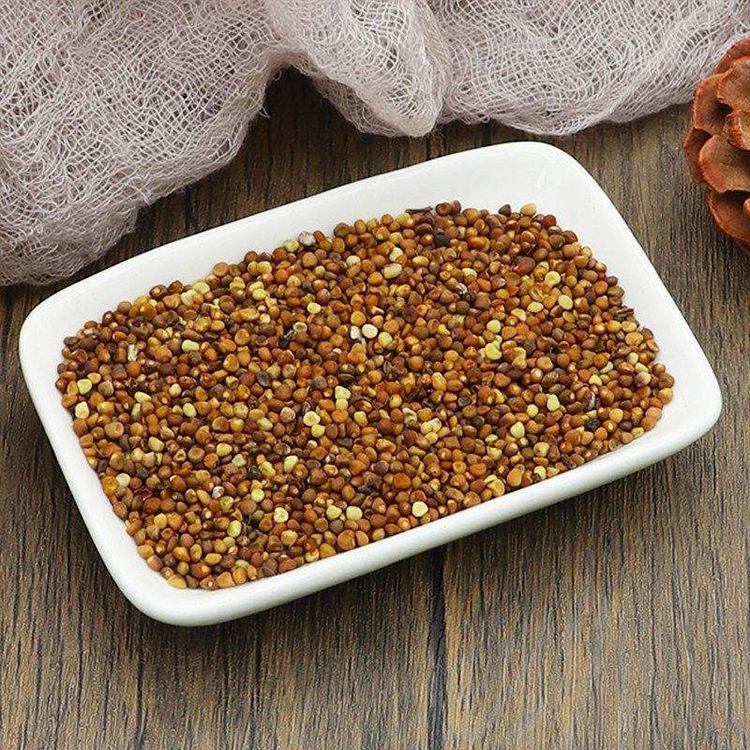
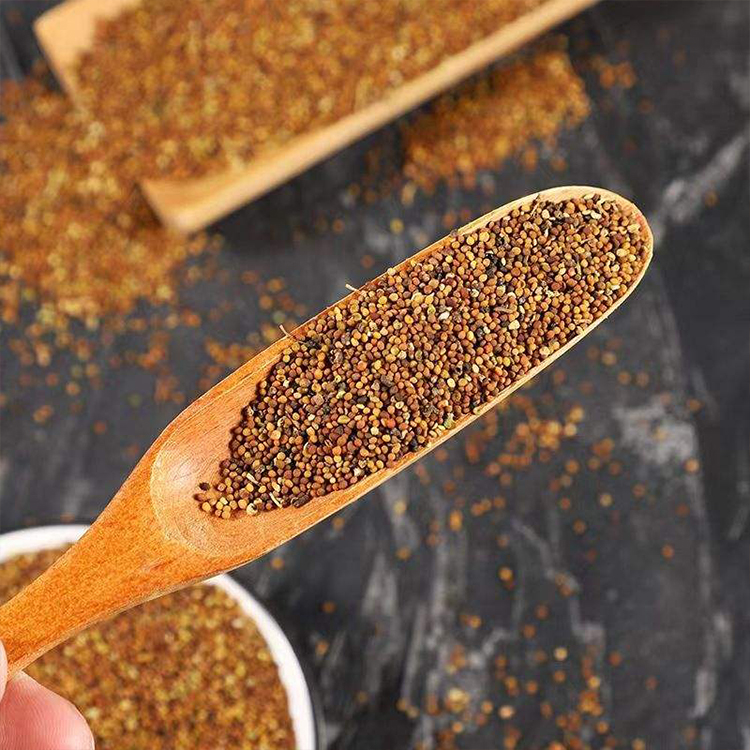
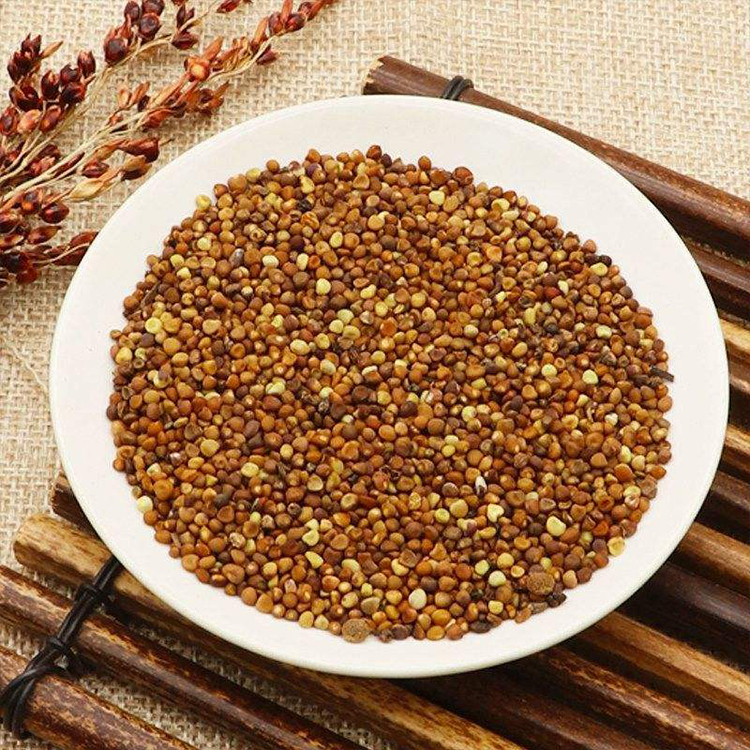
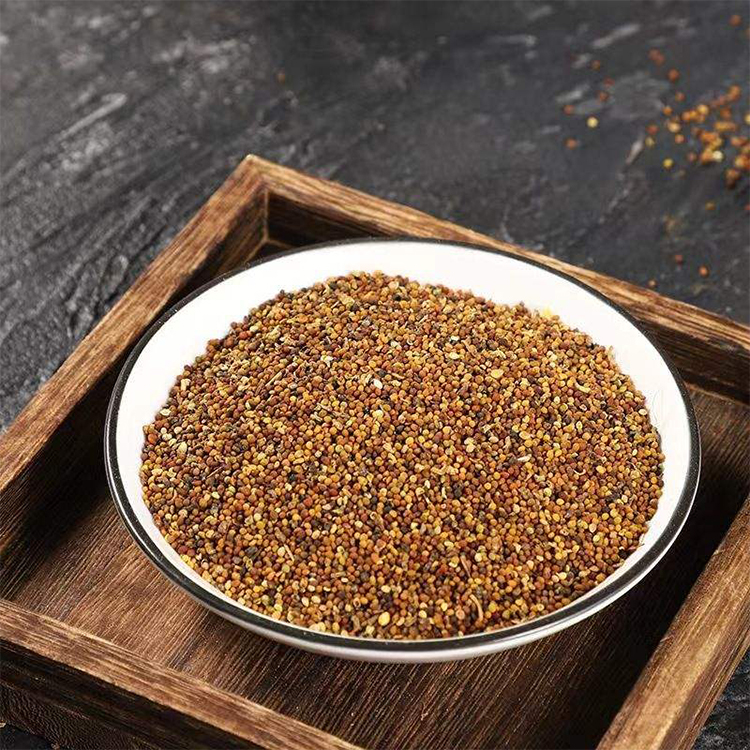
Cuscuta seeds are small, brownish, and visually difficult for an inexperienced receiving team to distinguish from similar seeds, damaged material, or mixed lots.

The Hong Kong government guide describes characteristic seeds as sub-obovate or sub-elliptical, with a protruding dorsal side, an oblique base, and a slightly beaked or pointed appearance. Its microscopy section also documents testa structures, including two rows of palisade cells and a luciferous band visible under suitable microscopy.

That gives buyers several possible identity layers:

  1. 肉眼検査
  2. 顕微鏡検査
  3. Chromatographic fingerprinting
  4. Marker-compound testing
  5. DNA-based identification when technically suitable
  6. Comparison with an authenticated reference sample

Appearance alone is weak evidence. FDA made that same point in a 2024 enforcement case involving botanical extracts that looked like similar brown powders.

More on that shortly.

What Chemical Data Can—and Cannot—Tell You

Cuscuta seed contains multiple phenolic acids and flavonoids. Research commonly discusses hyperoside or hyperin, quercetin, kaempferol, chlorogenic acids, isoquercitrin, rutin, astragalin, and isorhamnetin.

A 2018 HPLC-ESI-MS/MS study evaluated 16 phenolic-acid and flavonoid analytes in Cuscuta chinensis, demonstrating why a multi-compound chromatographic profile can carry more information than a single color reaction or vague “flavonoids: pass” entry. The study is useful for method development, although it does not create a universal commercial limit for every Cuscuta seed lot.

Three entities frequently discussed in Cuscuta research are:

  • Hyperoside: C₂₁H₂₀O₁₂
  • Quercetin: C₁₅H₁₀O₇
  • Kaempferol: C₁₅H₁₀O₆

Those molecular formulas are recorded by the National Library of Medicine’s PubChem database.

But markers can be misused.

A high hyperoside result does not automatically prove correct species, clean processing, acceptable pesticide levels, or good microbiological status. Nor does one marker guarantee that a Cuscuta seed extract will perform consistently in a finished formula.

My hard rule is simple: identity, composition, and contamination are separate questions. Test them separately.

The Bulk Cuscuta Seed Specification I Would Put in Writing

A specification should contain measurable acceptance criteria, named methods, and a clear decision path. It should not be a collection of adjectives.

The table below is a procurement framework, not a universal pharmacopoeial monograph. Final limits must match the destination country, intended use, customer requirements, and applicable standard.

仕様フィールドWhat the buyer should defineEvidence expected from the supplier
植物学的同定Accepted species, authority, plant part and Latin drug nameIdentity report, microscopy, chromatography or other suitable method
物理的な形態Whole seed, cleaned seed, processed seed, powder or extractBatch photographs and approved reference sample
起源Country, growing region, harvest year and supplier lotTraceability record and origin declaration
異物Numerical maximum and inspection methodActual batch result, not “conforms” alone
水分Maximum result and test methodNumerical result with method reference
マーカー化合物Required marker, fingerprint or minimum content where applicableHPLC, HPTLC or validated equivalent report
Toxic elementsPb, Cd, As and Hg limits based on intended marketICP-MS or validated equivalent results
農薬Risk-based panel and destination-market limitsLaboratory report listing analytes and reporting limits
微生物学Total counts and pathogen requirementsBatch-specific microbiological report
Cleaning controlsScreening, stone removal, magnets and metal detectionProcess record or inspection summary
パッケージングFood-contact liner, bag weight, sealing and pallet requirements包装仕様および写真
トレーサビリティUnique lot from raw material through shipmentLot code, production date and release status
保持サンプルQuantity, storage conditions and retention periodWritten sample-retention procedure
変更管理Notification of origin, process, laboratory or specification changes品質協定に署名した
Failure procedureRetesting, replacement, refund and freight responsibilityWritten nonconformity clause

The site’s detailed guide to Cuscuta seed cleaning, stone removal, and metal detection cites an 8.0% maximum foreign-matter figure from HKCMMS and explains the practical problem behind that percentage: stems, weed seeds, sand, soil clumps, stones, and miscellaneous material can survive basic screening.

I would still set a buyer-specific release limit rather than automatically treating 8.0% as an acceptable commercial target. A pharmacopoeial ceiling and a premium formulation brand’s internal purchasing limit are not necessarily the same thing.

That difference matters.

A real COA must contain real results

The phrase “COA available” has become nearly meaningless.

Under FDA’s dietary supplement CGMP guidance, a Certificate of Analysis used in supplier qualification should identify the test or examination method, the applicable limits, and the actual results. FDA also requires unique lot identification and traceability for received components covered by 21 CFR Part 111.

A useful Cuscuta seed COA should therefore say:

  • Moisture: 7.3%, not “Pass”
  • Lead: 0.21 mg/kg, not “Complies”
  • Total aerobic count: 1.4 × 10³ CFU/g, not “Normal”
  • Identity by microscopy: Conforms to named reference
  • Hyperoside by HPLC: Actual result, where included in the specification
  • Foreign matter: 0.6%, not “Clean”

And the report must match the shipped lot.

A recycled COA from last year is marketing collateral, not batch evidence.

Two FDA Cases Herbal Formulation Brands Should Read

Cuscuta seed was not the named ingredient in the cases below. That is exactly why they are relevant.

FDA enforcement does not depend on whether a botanical is fashionable, traditional, rare, or expensive. The recurring questions are far less romantic: Did the company establish identity specifications? Were the methods suitable? Were contaminant limits defined? Can the records prove it?

The 2024 Restorative Botanicals warning letter

ある 2024 warning letter to Restorative Botanicals, FDA stated that the company had failed to establish adequate identity specifications for every ingredient.

The agency specifically criticized reliance on color, smell, and taste for several mushroom extracts because multiple ingredients could appear as similar brown powders. FDA also cited missing toxic-element specifications and required scientifically valid methods for verification.

This is directly relevant to Cuscuta seed extract wholesale.

Once a botanical becomes a fine brown powder, many visual identity clues disappear. If your supplier’s only identity statement is “brown powder with characteristic odor,” you do not have a defensible identification program.

You have a description.

The 2024 Far East Summit warning letter

In its warning letter to Far East Summit, FDA said botanical dietary ingredients are frequently exposed to heavy-metal, microbial, and pesticide contamination risks through growing, harvesting, and processing conditions. The agency cited the absence of established contaminant limits for botanical components.

The hard truth? “Natural” describes origin. It does not prove safety.

I would expect a Semen Cuscutae supplier to explain why its contaminant panel fits the farm location, previous results, processing conditions, intended dosage form, daily exposure, and destination market. A generic four-metal report may be part of the answer, but it is not automatically the whole answer.

クスカータの種

U.S. Importers Cannot Outsource Responsibility to a Dodder Seed Supplier

For U.S. imports subject to the Foreign Supplier Verification Programs rule, the importer generally must develop, maintain, and follow an FSVP for each imported food unless an exemption or modified requirement applies.

FDA states that supplier verification may include onsite audits, sampling and testing, and review of the foreign supplier’s food-safety records. It also expects evaluation of the supplier’s performance history, previous testing, audit findings, and corrective-action record.

A COA does not replace supplier verification.

FDA’s FSVP guidance goes further: periodic or lot-by-lot testing may not be adequate on its own because a finished-product result does not necessarily prove that the supplier controlled raw materials, in-process steps, and manufacturing procedures consistently.

That is why I prefer a four-part evidence stack:

  1. Approved supplier and facility assessment
  2. Written raw-material and finished-product specifications
  3. Batch-specific testing and release records
  4. Independent verification based on risk

サイトの 15 process control points for Chinese herbal materials follows a similar logic: supplier qualification, botanical identity, harvest timing, incoming quarantine, cleaning, drying, testing, release, and traceability must connect as one process.

You cannot test your way out of a chaotic supply chain.

Whole Cuscuta Seed vs Cuscuta Seed Extract Wholesale

Whole seed and extract are not interchangeable purchasing categories.

Whole Cuscuta seed is commonly bought for decoctions, herbal tea formulas, direct milling, granulation, or extraction by the brand’s own manufacturing partner. An extract has already passed through a manufacturing process that may involve water, ethanol, concentration, drying, carriers, anti-caking agents, or granulation.

That changes the questions.

For bulk whole seeds, ask about

  • Species and plant-part authentication
  • Cleaning and foreign-matter removal
  • Harvest and storage history
  • Moisture and insect activity
  • Milling suitability
  • Decoction or extraction performance
  • Seed uniformity
  • Pesticide, metal and microbial testing
  • Packaging barrier properties

For Cuscuta seed extract, ask about

  • Extraction solvent
  • Drug-to-extract ratio
  • Native extract ratio
  • Marker-compound specification
  • Carrier name and percentage
  • 残留溶剤
  • Particle size and bulk density
  • Hygroscopicity
  • Solubility or dispersibility
  • Microbial treatment
  • Starting-material traceability
  • Chromatographic identity
  • Batch-to-batch fingerprint comparison

A “10:1 extract” is not a complete specification.

Ten kilograms of raw seed theoretically used to produce one kilogram of extract does not tell you the extraction yield, solvent system, carrier level, marker retention, or whether the ratio is native or calculated.

I would reject the ratio until those details are disclosed.

Brands that need powder sizing, custom blending, grinding, pilot production, or private-label formats can review the site’s bulk Chinese herb blending and milling services. The page describes milling, slicing, blending, packaging, sample approval, COA documentation, and OEM/ODM processing for herbal manufacturers.

How to Source Cuscuta Seeds Wholesale Without Buying a Future Complaint

Start with the intended product

Tell the supplier what the material will become.

Is it entering a loose herbal formula, a 500 mg capsule, a water extract, a tincture, a compressed tablet, or a powdered beverage?

The application determines particle-size needs, microbiological risk, extraction behavior, packaging, marker testing, and documentation.

A supplier cannot quote the right material when the buyer conceals the use.

Issue the specification before requesting the lowest price

Most buyers do this backwards. They collect quotations, choose an attractive number, and only then ask whether the lot can meet their requirements.

That creates predictable conflict.

For a 1,000 kg purchase, a $0.50/kg discount saves $500. One rejected shipment, emergency retest, production delay, customer complaint, or relabeling project can erase that saving many times over.

The cheapest quotation often contains the most unanswered questions.

Request three document layers

First, request company-level evidence:

  • Business and manufacturing identity
  • Relevant GMP or food-safety certification
  • Scope of certification
  • 施設の住所
  • 実験室の能力
  • Recall and complaint procedures

Second, request product-level evidence:

  • 仕様書
  • プロセスフロー
  • Botanical identity method
  • Packaging specification
  • 保管条件
  • 保存期間基準

Third, request batch-level evidence:

  • Current COA
  • ロット番号
  • Production or packing date
  • Actual contaminant results
  • トレーサビリティ記録
  • Representative batch sample

サイトの 漢方薬サプライヤー向け25項目のチェックリスト is a useful screening companion because it focuses on identity, origin, processing, COAs, contamination, factory evidence, and supplier accountability rather than certificate collecting.

Approve a representative sample, not a showroom sample

Suppliers know how to prepare beautiful samples.

So ask whether the sample comes from:

  • Current production stock
  • The proposed commercial lot
  • A laboratory retain
  • A hand-selected marketing sample

Then write the approved sample code into the purchase agreement.

A clean 200 g sample means little when the 800 kg shipment comes from a different harvest, region, warehouse, or processing run.

Use independent arrival testing

Independent verification should be risk-based, not theatrical.

A first order from a new dodder seed supplier may justify broader testing. Once the supplier demonstrates stable results and process control, the verification schedule can be adjusted according to applicable law, product risk, historical performance, and the buyer’s quality system.

Do not announce that every tenth lot will be tested and assume the system is secure forever.

Predictable testing is easy to manage around.

Demand change notification

The supplier should notify you before changing:

  • 植物由来
  • Growing region
  • Harvest year
  • Processor
  • Extraction solvent
  • Carrier
  • Sterilization method
  • Laboratory
  • Analytical method
  • Packaging material
  • Manufacturing site
  • 仕様限界

Without formal change control, last year’s approved material can quietly become this year’s different product.

What the Best Cuscuta Seed Supplier for Herbal Brands Actually Looks Like

The best supplier is not necessarily the biggest factory.

Nor is it the supplier with the longest PDF presentation.

I look for disciplined answers:

Can they define the exact botanical source?
A professional supplier answers with a Latin binomial, plant part, origin, and accepted reference standard.

Can they explain the identity method?
“Experienced workers inspect it” is not enough for high-risk powders or extracts.

Does the COA show actual data?
Numerical results are more useful than a page filled with “Pass.”

Can they connect the shipped lot to the farm or approved raw-material source?
Traceability should survive beyond the outer bag label.

Can they explain cleaning losses and foreign-matter control?
Screening, aspiration, destoning, magnets, and metal detection perform different jobs.

Will they disclose failures?
A supplier claiming that every lot has always passed every test is not automatically impressive. It may mean the testing program is weak, the specification is easy, or the records are curated for sales.

Will they accept independent verification and written remedies?
Confidence becomes meaningful when it is written into the agreement.

For brands comparing broader fruit-and-seed materials, the site’s fruit and seed Chinese medicines catalog states that low-volume orders, samples, COAs, custom packaging, and technical support are available. Buyers should still confirm current terms, test scope, and lead time for the exact Cuscuta seed specification.

クスカータの種

よくあるご質問

What is Cuscuta seed wholesale?

Cuscuta seed wholesale is the business purchase of authenticated, batch-traceable Cuscutae Semen—usually specified as Cuscuta chinensis Lam. or another market-accepted source—in commercial quantities for teas, powders, extracts, capsules, tablets, or traditional herbal formulations, with written requirements for identity, cleanliness, contaminants, packaging, testing, and destination-market compliance.

Professional buyers should define the accepted species and standard instead of relying on “Tu Si Zi” or “dodder seed” alone.

How do I identify a reliable Cuscuta seed supplier?

A reliable Cuscuta seed supplier is a manufacturer or documented supply partner that links every shipped lot to an accepted botanical source, plant part, origin, processing record, batch-specific COA, scientifically suitable identity method, contaminant limits, retained sample, traceability code, and written procedure for handling confirmed nonconformities.

The supplier should also accept representative sampling, independent verification, change notification, and quality-agreement terms.

What tests should bulk Cuscuta seeds receive?

Bulk Cuscuta seeds should be tested through a risk-based program covering botanical identity, macroscopic or microscopic characteristics, foreign matter, moisture, microorganisms, pesticide residues, toxic elements such as lead, cadmium, arsenic, and mercury, and chemical markers or chromatographic fingerprints when the buyer’s specification or destination standard requires them.

The final panel should reflect origin, intended use, daily exposure, processing form, customer requirements, and applicable law.

What is the difference between Cuscuta seed and Cuscuta seed extract?

Cuscuta seed and Cuscuta seed extract are different commercial ingredients: whole seed preserves the original botanical matrix for decoctions, milling, or direct formulation, while an extract is manufactured with a defined solvent and ratio or marker specification, creating separate requirements for carrier content, residual solvents, identity, potency, and processing traceability.

A ratio such as 10:1 should never be accepted without the solvent, yield basis, carrier percentage, and marker data.

Who is the best Cuscuta seed supplier for herbal brands?

The best Cuscuta seed supplier for herbal brands is the one that can repeatedly meet a written buyer specification, not the one offering the lowest unit price, the largest certificate collection, or the strongest traditional-use story, because procurement quality is proven through batch data, traceability, process control, responsiveness, and consistent arrival testing.

Compare suppliers with the same specification, sampling rules, test panel, packaging requirements, and failure terms.

Build Your Cuscuta Seed Supply Program

Do not request “your best price for Tu Si Zi.”

Send the supplier a real brief containing:

  • Accepted botanical species
  • Destination country
  • Intended formulation
  • Annual and trial-order quantities
  • Whole-seed, powder, granule, or extract format
  • Required identity method
  • Foreign-matter and moisture limits
  • Pesticide, toxic-element, and microbial requirements
  • Marker or fingerprint requirements
  • 包装形態
  • Documentation package
  • Sample-approval procedure
  • Independent testing plan
  • Nonconformity remedy

Then request a representative sample and batch-specific evidence.

To begin a commercial evaluation, use the Cuscuta seed wholesale quotation request and submit your target market, formulation type, order volume, packaging requirement, testing panel, and desired processing format.

通常30分以内にご連絡いたします。

MOQとカスタマイズ

MOQは1kg(2.2ポンド)と低く、漢方スライスや漢方ハーブの卸売を簡単にご注文いただけます。また、プライベートラベルやバイリンガルラベルもご用意しております。

デリバリー・サイクル&サポート

リードタイムは7日間です。無料サンプル、COAレポート、技術サポートを提供し、高品質のバルク中国ハーブを市場に投入するお手伝いをいたします。

品質と認証

当社の製品はGMP認定施設で製造され、ISO22000基準を満たしています。すべての漢方薬は、第三者機関による重金属、農薬、微生物の検査を受けています。